数字技术

Search documents
数字技术,助古画“焕新、达意、致远”(新语)
Ren Min Ri Bao· 2025-12-23 22:31
Group 1 - The core idea of the articles is that digital technology, particularly AI, is revitalizing ancient Chinese paintings, allowing them to be experienced in immersive and interactive ways, thus bridging the gap between traditional art and modern expression [1][2]. - Digital technology is reshaping ancient paintings by transforming them from static exhibits into dynamic, cross-temporal experiences, exemplified by projects like the "Chinese Historical Painting Series" and movable replicas of the Yungang Grottoes [1]. - The integration of digital tools enables a deeper understanding of traditional painting aesthetics, revealing the philosophical and aesthetic concepts embedded within the artworks, such as the harmony between nature and humanity [2]. Group 2 - Digital technology is creating interactive cultural spaces that allow audiences to engage with ancient art in new ways, such as through immersive experiences like "Light and Shadow Danqing," which invites viewers to step into the artwork [2]. - The future of cultural digitalization is seen as a blend of technological innovation and scene expansion, aimed at meeting contemporary needs and enhancing the spiritual lives of the people, thereby opening new avenues for cultural development [2].
数字化时代舞蹈艺术的创新路径
Xin Lang Cai Jing· 2025-12-23 20:11
Core Insights - The digital era has transformed dance as an art form, enhancing its ability to convey cultural narratives and engage audiences through innovative expressions enabled by digital technology [1] Group 1: Innovation in Dance Art - The integration of digital technology into dance allows for modern reinterpretation of traditional content, enhancing audience engagement and meeting contemporary aesthetic demands [2] - Dance can merge with various fields such as film, digital art, fashion, and gaming, utilizing modern elements like video effects and electronic music to enrich the audience's visual experience [2] - The example of the Chinese classical dance drama "Dance Cloud Gate" illustrates the successful fusion of mythology and modern dance, utilizing multimedia techniques to broaden its audience and establish a foundation for global cultural outreach [2] Group 2: Use of Intelligent Tools - Intelligent tools like AI assistants can enhance dance creation efficiency by analyzing traditional styles and generating reference movements based on input themes, thus streamlining the creative process [3] - These tools can also analyze the relationships between dance movements, content, and music, helping to optimize dance innovation and direction [3] - The shift from traditional labor-intensive creation to intelligent methods can significantly improve both efficiency and artistic quality in dance [3] Group 3: Talent Development and Education - Educational institutions should incorporate digital tools into dance education to meet the needs of future dance practitioners, enhancing their skills and fostering innovation [4] - The development of multimedia online courses and resources can enrich the learning experience and stimulate creative thinking among dance students [4] - Utilizing virtual and augmented reality technologies can create immersive learning environments, enhancing interaction and understanding of dance techniques and cultural significance [4] Group 4: Digital Resource Support - Dance learners can upload their performances to digital platforms for archiving and peer feedback, facilitating mutual learning and improvement [5] - A feedback mechanism can provide corrective guidance on dance techniques, helping learners refine their skills and contribute to high-quality talent development [5] - Training programs for dance educators on digital literacy are essential to ensure they can effectively teach and nurture the next generation of dance practitioners [5]
全球产业链重构的三重变局:地缘冲突、技术变革与中间国家再定位|国际
清华金融评论· 2025-12-23 09:22
以下文章来源于中国金融四十人论坛 ,作者徐奇渊 中国金融四十人论坛 . 聚焦金融热点,速递论坛动态,独家发布论坛课题成果,连载书系新书、好书。 文/中国社会科学院美国研究所研究员 徐奇渊 当今全球产业链重构面临三重变局:地缘冲突、技术变革与中间国家再定 位。在此背景下,中国既面临产业外迁、美国技术"软封锁"与博弈复杂化 的压力,也拥有重要机遇,可凭借超大规模市场和完整产业体系,从"世 界 工 厂 " 升 级 为 " 全 球 供 应 链 关 键 枢 纽 "; 加 强 自 主 创 新 , 结 合 产 业 链 优 势、市场体量与制度供给能力,深化与全球南方国家、中间国家、关键矿 产国等国家合作,成为"规则共建者",赢得与自身经济体量和发展阶段相 匹配的制度性话语权。 2025年,世界在多重裂变中步入一个极不平凡的历史节点。在2025年4月初美国政府推出"对等关税"之后,连英国《经济学人》杂志也不得 不感慨,中国多年前提出的"百年未有之大变局"确实有"先见之明"。 与此同时,这一年的地缘政治冲突也持续不断,一波未平一波又起。在技术变革领域,人工智能(AI)与数字技术变革叠加中美科技竞争 显著加剧,技术体系的局部双轨化 ...


探讨人工智能时代的展陈艺术
Ren Min Ri Bao Hai Wai Ban· 2025-12-23 06:53
Group 1 - The seminar on "Museum Exhibition Art in the Age of Artificial Intelligence" gathered over 140 experts from various fields, aiming to promote the intelligent, human-centered, and integrated development of museum exhibition art in China [2] - Digital technologies such as VR and AI are reshaping museum functions and narratives, enabling a shift from one-way cultural dissemination to two-way interaction [2] - The concept of cultural IP is highlighted as a high-level form of artifact activation, with exhibitions like "The Beauty of Women" combining virtual and real elements to evoke emotional resonance through social media [2] Group 2 - AI-powered innovations in museums include interactive exhibits that allow visitors to engage in dialogues with historical figures, enhancing their understanding of history while collecting real-time data on visitor interests [3] - The application of AIGC technology is proposed to revitalize oracle bone script, creating immersive experiences that reflect ancient rituals and agricultural scenes [3] - The transition of exhibition art from "information logic" to "experience logic" emphasizes human-centered spatial experiences as a key direction for future innovation in museum design [4]

安徽元素精彩亮相2025中国国际旅游交易会
Xin Lang Cai Jing· 2025-12-22 17:14
Core Viewpoint - The 2025 China International Tourism Trade Fair is being held in Hainan, showcasing the new cultural and tourism image of Anhui province to global travel merchants and representatives from 101 countries and regions [1] Group 1: Event Overview - The event takes place from December 19 to 21 at the Hainan International Convention and Exhibition Center, attracting over a thousand overseas travel merchants and representatives [1] - Anhui's exhibition area features distinct cultural branding and innovative technological expressions, promoting the "Beautiful Anhui" tourism image [1] Group 2: Cultural and Technological Integration - The Anhui pavilion incorporates Hui-style architectural aesthetics to create an immersive exhibition experience [1] - Traditional craftsmanship such as the production of rice paper and the creation of "thousand-year longevity paper" are showcased, alongside cultural products like Huizhou fish lanterns and Wuhu iron paintings [1] - The integration of technology is highlighted by the presence of an AI calligraphy robot and a smart translation device, which received praise from the Secretary-General of the United Nations World Tourism Organization [1] Group 3: Business Development and Collaboration - The Anhui tourism promotion event features presentations from various cities and tourism groups within the province, showcasing high-quality resources [1] - An international travel merchant matchmaking event attracted nearly a hundred travel merchants from 17 countries and regions, facilitating one-on-one discussions with Anhui enterprises to establish collaborations on product customization and customer source exchange [1]
迎丰股份拟定增募资不超5.22亿元, 加快数智化转型步伐
Zheng Quan Shi Bao Wang· 2025-12-22 12:49
Core Viewpoint - The company plans to raise up to 522 million yuan through a private placement to enhance its production capabilities and upgrade its facilities, aligning with national policies aimed at modernizing the textile dyeing industry [1][2][3] Group 1: Company Initiatives - The funds will be used for upgrading old production lines and wastewater treatment systems, constructing a new facility for high-end dyed fabrics, and developing a large research center [1] - The company aims to transform from a traditional dyeing enterprise to a flexible, intelligent, and innovative modern dyeing service provider, enhancing production capacity and customer service [3] Group 2: Industry Context - The textile industry is a traditional pillar of the economy in China, with recent government policies emphasizing sustainable development and technological upgrades [1][2] - The integration of digital technologies such as AI, big data, and IoT into traditional manufacturing is essential for survival and competitiveness in the industry [2] Group 3: Financial Impact - Following the completion of the fundraising, the company's total assets and net assets are expected to increase, improving its capital structure and risk resilience [3] - As of December 22, the company's stock price was 9.66 yuan per share, with a total market capitalization of 4.25 billion yuan [4]

新技术为传统节日注入“潮”活力
Jiang Nan Shi Bao· 2025-12-22 03:25
Core Insights - The integration of digital technology has transformed traditional festivals like the Winter Solstice into engaging and creative experiences for the younger generation, moving beyond mere culinary traditions to interactive cultural celebrations [1][2] - Young people are utilizing technology to reinterpret and express traditional customs, leading to innovative practices that resonate with contemporary lifestyles [1][2] Group 1: Digital Transformation of Festivals - Digital technologies such as VR and AI are enhancing the immersive experience of traditional festivals, allowing participants to engage with cultural practices in novel ways [1][2] - The use of social media platforms for sharing creative content related to festivals has increased participation and interest among younger audiences [1] Group 2: Cultural Transmission and Innovation - New technologies provide broader channels for cultural dissemination, enabling young people to learn and practice traditional skills like making dumplings and rice balls through short videos [2] - The emergence of themed products and creative topics initiated by businesses and platforms has expanded the cultural celebration from private family settings to public spaces, fostering a collective cultural enthusiasm [2] Group 3: Balancing Tradition and Modernity - While embracing innovation, it is crucial to maintain the core essence of traditional festivals to avoid superficial celebrations that lack cultural depth [2] - The future of cultural transmission relies on the continuous integration of tradition and innovation, ensuring that traditional festivals remain vibrant and relevant across generations [2]
数字技术重构农信系统核心竞争力
Ke Ji Ri Bao· 2025-12-22 00:38
近期,新疆、贵州等地省级农商行改制重组消息频传。而在河北衡水、沧州等地,市级统一法人农商行 改革试点也正悄然推进,整合后的县级法人机构,正化身为更强大平台的分支网络。这种"减量"的整 合,正成为全国农信改革浪潮的缩影,其根本目标在于"提质"。 在科技浪潮的推动下,这场改革已不仅仅是农信机构的整合,更关乎如何以数字技术为引擎,开启服 务"三农"的新征程。 放眼全国,多地农信系统改革方案获批或实施,新组建的省级农商行资产规模迅速攀升,"万亿银行"接 连亮相。其主要模式聚焦于"省级农商联合银行"与"统一法人省级农商银行"。 改革的动因,源于农信系统长期存在的"小散弱"格局——机构单体规模小、资本实力弱、抗风险能力不 足,制约了整体发展。曾有案例,某县级行社因资金调度困难,无法及时满足农民春耕贷款需求。这不 仅影响了农业生产,也削弱了金融支农的根基。 因此,改革旨在通过增强资本实力、系统化解历史包袱,提升农信机构的整体稳健性。而当下,大数 据、人工智能等技术正深刻重塑传统金融业态。 "数字重塑"绝非简单的业务线上化,而是以数据为纽带,重构农信系统的核心竞争力。 首先,数字技术有助于打破数据壁垒。过去,各县域机构数据往 ...
智慧渔业要闯三道“关”(新媒视点)
Ren Min Ri Bao· 2025-12-21 23:46
Core Viewpoint - The traditional fishing industry in China faces multiple challenges, including resource constraints, rising production costs, and environmental pressures, leading to the emergence of smart fisheries as a solution for modernization and sustainable development [1] Group 1: Current Challenges - The fishing industry is experiencing tightening resource constraints, increasing production costs, diversified market demands, and heightened ecological pressures [1] - Smart fisheries are being hindered by high costs and complexity of smart equipment, leading to reluctance among fishermen to adopt these technologies [2] - There is a lack of digital infrastructure in remote fishing areas, which limits the application of real-time monitoring and remote control technologies [2] - The aging workforce in the fishing industry has low digital literacy, resulting in underutilization of advanced systems [2] - Many smart fisheries projects focus on construction rather than sustainable operation, leading to a lack of long-term viability [2] - Data related to production, weather, market, and logistics is fragmented across various departments, creating "data silos" that hinder industry-wide collaboration [2] Group 2: Pathways for Development - To advance smart fisheries, it is essential to adapt technology to meet the real needs of the fishing industry, ensuring practicality and usability for fishermen [3] - A comprehensive big data platform covering the entire fishing industry chain is necessary to facilitate data sharing and integration across various sectors [3] - Establishing clear responsibilities and secure data sharing mechanisms will allow fishermen and enterprises to benefit from data-driven insights [3] - Training tools and applications should be developed to assist traditional fishermen and older aquaculture operators, ensuring they can keep pace with technological advancements [4] - Investment in new infrastructure, including stable communication networks and power supply in various fishing areas, is crucial for widespread adoption of smart technologies [4] - The development of smart fisheries should follow a principle of gradual implementation, balancing top-down planning with grassroots exploration [4] Group 3: Future Outlook - Smart fisheries are positioned to become a core driving force for the transformation and upgrading of the fishing industry, contributing to the revitalization of fishing areas and high-quality development [5] - The integration of smart fisheries into the broader context of digital China and agricultural modernization is expected to propel the industry forward [5]
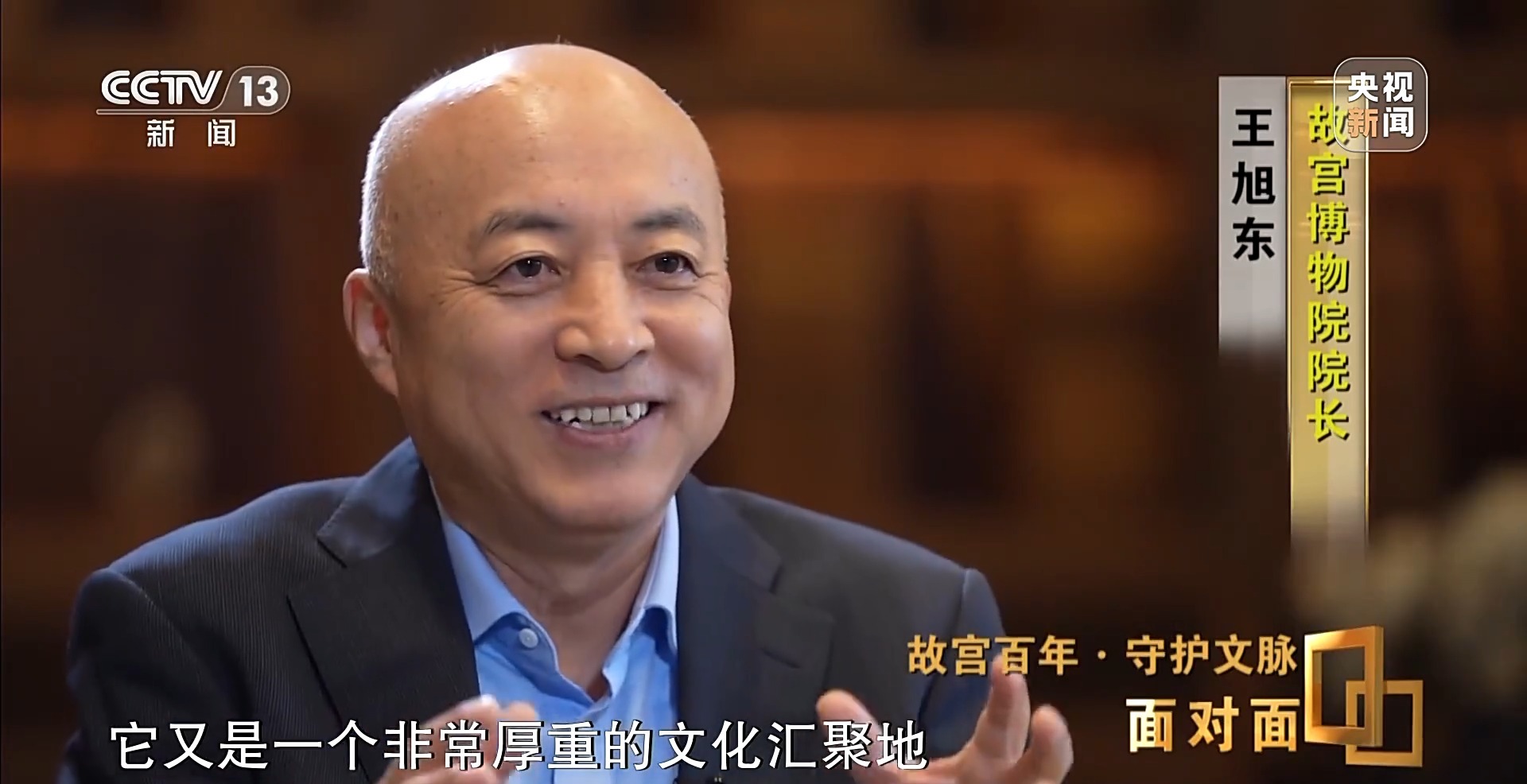
面对面丨百年故宫如何再出圈
Xin Lang Cai Jing· 2025-12-21 19:39
Core Viewpoint - The Palace Museum is celebrating its centenary in 2025, marking its transformation from an imperial palace to a national museum, and emphasizing its role as a global cultural heritage site [1]. Group 1: Historical Significance - The Palace Museum was established on October 10, 1925, and was listed as a UNESCO World Heritage Site in 1987, representing a significant cultural evolution from national memory to a shared human heritage [1]. - The museum has preserved 1.95 million cultural relics, forming an invaluable cultural treasure alongside the ancient architectural complex [75]. Group 2: Future Vision - Wang Xudong, the seventh director of the Palace Museum, emphasizes the importance of looking ahead 10 to 20 years to ensure sustainable development and cultural preservation [41]. - The museum aims to become a key base for patriotic education and a vital window for understanding Chinese civilization [75]. Group 3: Cultural Heritage Protection - The museum is actively involved in establishing an International Standardization Organization for cultural heritage protection, promoting global sharing and respect for human civilization [44]. - The integration of modern detection technology with traditional restoration methods has positioned the Palace Museum at the forefront of global cultural heritage protection [73]. Group 4: Digital Transformation - The "Digital Palace" initiative aims to preserve information and lay a solid foundation for cultural dissemination, with over 1 million cultural relics digitized [51]. - Digital technologies are being utilized to create engaging cultural products, enhancing public interaction with the museum's collections [45][51]. Group 5: Restoration Practices - The restoration approach emphasizes minimal intervention, focusing on preserving historical authenticity while ensuring safety [64]. - The ongoing restoration of the Yangxin Hall involves meticulous work on over 450 cultural relics, highlighting the complexity and dedication required in heritage conservation [69]. Group 6: Public Engagement - The "Hundred Years of Guardianship" exhibition showcases significant cultural relics and aims to deepen public understanding of the museum's history and mission [85]. - The exhibition has attracted numerous visitors, reflecting the strong cultural appeal and commitment of the Palace Museum staff to their roles as guardians of heritage [85].