脑机接口技术

Search documents
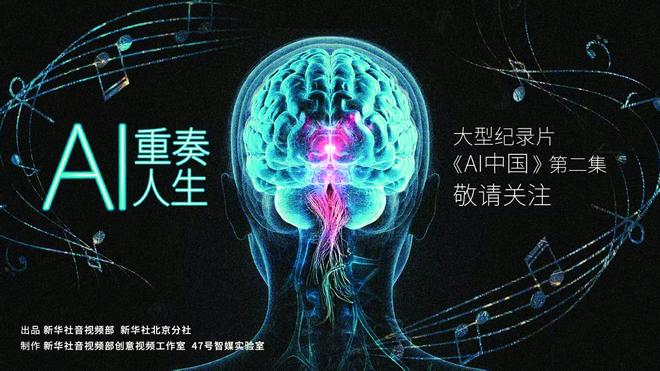
以科技之弦 重奏生命乐章
Xin Hua She· 2025-11-14 11:33
Core Insights - The article highlights a significant milestone in China's brain-computer interface (BCI) technology, showcasing the first semi-invasive BCI implantation surgery in Western China, which was documented by the media for the first time [1][3][6] - The documentary "AI China" aims to explore the intersection of advanced technology and human experiences, focusing on themes of love, growth, death, rebirth, dreams, and transcendence [3][4] - The advancements in BCI technology are positioned against the backdrop of global competition, particularly with companies like Neuralink, which has ambitious plans for visual restoration and brain function repair by 2026 and 2029 respectively [3][4] Industry Developments - The BCI field integrates multiple disciplines, including brain science, neurology, materials science, psychology, and computer science, reflecting its complexity and the collaborative efforts required for advancements [3][4] - Researchers in China, such as Professor Hongbo from Tsinghua University, are developing innovative BCI devices that are minimally invasive and capable of accurately decoding patients' motor intentions [4][12] - The documentary captures the ongoing clinical trials and the personal stories of patients, emphasizing the human aspect of technological advancements and the quest for dignity and freedom through science [5][9][10] Patient Experiences - The article details the experiences of patients like Lao Yang and Xiao Dong, who have undergone BCI surgeries and are engaged in rigorous rehabilitation, highlighting the emotional and physical challenges they face [5][9][10] - Lao Yang, the first participant in a semi-invasive BCI trial, has shown significant recovery, regaining some motor functions and emotional connections through the technology [5][10] - Xiao Dong's journey illustrates the struggles of a patient from a rural background, emphasizing the societal implications of BCI technology and the hope it brings to those with severe disabilities [8][9] Research and Innovation - The article emphasizes the importance of focusing on affordable and effective health solutions in the context of BCI technology, as articulated by experts like Academician Pu Muming [11][12] - The documentary showcases the dedication of researchers and medical professionals who are pioneering BCI technology in China, aiming to make significant contributions to the treatment of neurological disorders [12][14] - The narrative underscores the need for a balance between technological advancement and humanistic storytelling, aiming to present a comprehensive view of the impact of BCI on patients' lives [4][13]

瑞迈特(301367)季报点评:海外表现亮眼 看好美国市场新产品放量
Xin Lang Cai Jing· 2025-11-14 10:47
Core Insights - The company's Q3 performance met expectations, with high growth in overseas markets, while profit fluctuations were related to increased expenses [1][5] - For Q4, the company anticipates accelerated revenue growth and high profit growth due to a low base effect [2][6] Financial Performance - In the first three quarters of 2025, the company reported revenue, net profit attributable to shareholders, and net profit excluding non-recurring items of 808 million, 180 million, and 140 million yuan, respectively, representing year-on-year growth of 34.24%, 43.87%, and 63.41% [3][5] - Q3 figures showed revenue, net profit attributable to shareholders, and net profit excluding non-recurring items of 264 million, 49 million, and 40 million yuan, with year-on-year growth of 20.22%, 48.61%, and 112.64% [5] - Basic earnings per share were 2.03 yuan, reflecting a year-on-year increase of 44.76% [4] Business Segmentation - In the first three quarters, revenue from home respiratory devices was 521 million yuan, up 39.07%, accounting for 64.51% of total revenue; consumables revenue was 262 million yuan, up 27.26%, accounting for 32.38% [5] - Domestic revenue was 251 million yuan, growing 5.51%, while overseas revenue reached 558 million yuan, up 52.96%, driven mainly by contributions from the US and Europe [5] Market Outlook - The company expects accelerated revenue growth in Q4, driven by the launch of new products in the US market and the completion of cloud platform construction in Europe [2][6] - The transition from online distribution to direct sales in the domestic market is anticipated to enhance performance in Q4 [2][6] Profitability and Efficiency - The gross profit margin for the first three quarters was 52.37%, an increase of 1.17 percentage points year-on-year, while the expense ratio decreased significantly to 29.46%, down 4.82 percentage points [7] - The company reported a net cash flow from operating activities of 88 million yuan, a decrease of 52.16% year-on-year, primarily due to increased procurement and expense growth [7] Long-term Growth Potential - The company is positioned as a leading domestic manufacturer of home respiratory devices, with a favorable long-term growth outlook [8] - Short-term strategies include enhancing market promotion and maintaining high R&D investment to improve product performance [9] - The company anticipates revenue growth rates of 30.19%, 26.65%, and 28.60% for 2025-2027, with net profit growth rates of 71.20%, 25.72%, and 25.85% for the same period [9]
全程仅需一次静脉注射,微型脑机接口新技术展现应用前景
Di Yi Cai Jing· 2025-11-13 12:50
Core Insights - A new brain-machine interface chip thinner than a human hair has been developed, showing potential for treating neurological diseases such as Parkinson's and epilepsy, and opening new avenues in biomedical engineering [1][2] Group 1: Technology Development - The MIT Media Lab team has created a brain-machine interface chip using a novel organic semiconductor material, which is attached to immune cells and delivered via intravenous injection [2] - This technology allows for non-invasive implantation of the device into the brain, overcoming the limitations of current invasive methods that require surgical procedures [1][2] Group 2: Clinical Application and Market Potential - The research is in the early stages of transitioning from basic research to clinical application, with successful in vivo experiments conducted on live animals [1][2] - The recent approval of a wireless implanted brain-machine interface system by Shanghai Ladder Medical Technology Co., Ltd. marks a significant step for invasive brain-machine interface technology in China, facilitating faster market entry [2][3] Group 3: Future Implications - The brain-machine interface technology has the potential to significantly benefit patients with paralysis, speech impairments, and other neurological disorders, possibly enabling quicker recovery for those who have lost consciousness [3] - Collaboration across multiple disciplines, including materials science, artificial intelligence, and medicine, is essential for the advancement of brain-machine interface technology [3]
成都华微(688709.SH):在脑机接口技术领域已基于自身集成电路设计优势开展布局
Ge Long Hui· 2025-11-13 07:52
Core Viewpoint - Chengdu Huami (688709.SH) is actively developing brain-computer interface technology, focusing on providing foundational hardware components for signal processing, including high-precision ADCs and low-power FPGAs and MCUs [1] Group 1: Company Developments - The company has leveraged its integrated circuit design advantages to establish a presence in the brain-computer interface sector [1] - Key projects in collaboration with universities such as Shanghai Jiao Tong University and Tianjin University have been completed, covering both invasive and non-invasive brain-computer interface signal chain requirements [1] - The company maintains strong collaborative relationships with several higher education institutions and research organizations, including University of Electronic Science and Technology of China, Xi'an University of Electronic Science and Technology, and National University of Defense Technology [1] Group 2: Future Plans - The company will closely monitor trends in cutting-edge technology and explore new collaboration opportunities in line with its R&D strengths [1] - The company emphasizes the importance of industry-academia-research collaborative innovation and will fulfill information disclosure obligations for any new cooperation plans [1]
乌镇同台聚首 杭州“六小龙”共话未来科技图景
Zhong Guo Xin Wen Wang· 2025-11-08 15:31
Core Insights - The article highlights the rapid rise of Chinese tech startups, particularly in the field of AI, with a focus on the "Six Little Dragons" from Hangzhou, who are gaining significant attention in the industry [1] Group 1: AI and Embodied Intelligence - The concept of "embodied intelligence" has been recognized as a key area in AI, with applications extending from industrial sectors to daily life, healthcare, and disaster relief [1] - The term "embodied intelligence" was first included in the government work report for 2025, indicating its growing importance [1] - Companies like Yushutech are optimistic about the future of embodied intelligence, believing it will serve as a crucial engine for the robotics industry [2] Group 2: Challenges in Development - The development of embodied intelligence faces challenges primarily related to high-quality data and model algorithms, with a need for improved data utilization [2] - Despite these challenges, industry leaders remain optimistic about advancements in the robotics sector over the next two years [2] Group 3: Innovations in Robotics - Companies like Yushutech and Cloud Deep Technology are focusing on practical applications of robotics, such as using robotic dogs for power inspections and emergency firefighting [2] - The emergence of humanoid robots is also being pursued, with the aim of replacing human labor in hazardous environments [2] Group 4: Future Vision - Industry leaders envision a future where robots will significantly populate work environments, necessitating unified management and command of these machines through spatial intelligence technology [2] - The transition from automation to intelligence in robotics is seen as a gradual process that will not take long [2] Group 5: Brain-Computer Interface Technology - Brain-computer interface technology is transitioning from experimental stages to real-world applications, such as neuro-controlled prosthetics that allow disabled individuals to perform intricate tasks [3] - This technology is moving closer to making previously fictional scenarios a reality, enhancing human capabilities [3] Group 6: Awareness of Risks - Industry representatives emphasize the importance of risk awareness regarding the potential long-term impacts of AI, including job displacement and the concentration of technological advantages among a few companies [4] - The balance between AI's capabilities and the anxiety it may cause in the workforce is highlighted as a critical issue for future consideration [4]
“杭州六小龙”同台 乌镇峰会聚焦AI赋能美好生活
Shang Hai Zheng Quan Bao· 2025-11-07 19:10
Core Viewpoint - The 2025 World Internet Conference in Wuzhen focuses on building an open, cooperative, and inclusive digital future, emphasizing the importance of collaboration in the digital economy [2]. Group 1: AI Development and Impact - Alibaba's CEO, Wu Yongming, highlighted the rapid evolution of AI technology towards Artificial General Intelligence (AGI) and eventually Super Artificial Intelligence (ASI), expressing confidence in achieving significant milestones by 2035 [4]. - JD Group's founder, Liu Qiangdong, projected a tenfold growth in the global tourism market over the next five years, driven by advancements in technology that will create new job opportunities and reduce labor intensity [4]. - JD Logistics has developed automated equipment capable of large-scale deployment, with plans to establish the world's first fully unmanned delivery station by April next year [6]. Group 2: AI Accessibility and Inclusivity - Wu Yongming emphasized that the new generation of AI products will be accessible to various demographics, including the elderly and disabled, aiming to bridge the digital divide [6]. - Alibaba's "Mota" community has become the largest AI open-source community in China, with over 120,000 open-source models and 5,500 services, serving more than 20 million users [7]. Group 3: Future of Robotics and Technology - The "Hangzhou Six Little Dragons" discussed the rapid advancements in robotics, with expectations for significant developments in the coming years [8]. - Companies like Qiang Brain Technology are focusing on brain-computer interface technology to assist individuals with disabilities, while also planning to develop products for the general public [9]. - Cloud Deep Technology aims to replace human labor in hazardous environments with robots, showcasing the first humanoid robot capable of outdoor operations [10].


强脑科技创始人韩璧丞:把脑机接口技术变成真实产品
2 1 Shi Ji Jing Ji Bao Dao· 2025-11-07 12:05
Core Viewpoint - The company is focused on developing non-invasive brain-computer interface technology aimed at creating real-world products to assist individuals with disabilities, particularly those without limbs, enabling them to lead normal lives [1] Group 1: Technology Development - The company is pursuing a technology roadmap that emphasizes addressing urgent needs first, referred to as "from pain to large" [1] - The CEO highlighted the potential of non-invasive brain-computer interfaces to create products that allow individuals to control prosthetic limbs through thought [1] Group 2: Product Expansion - The company plans to expand its product offerings, with a second-generation sleep product expected to launch next year aimed at helping individuals with sleep issues [1] - A weight management product is also in development, scheduled for release in the following year, continuing the focus on solving everyday problems through brain-computer interface technology [1]
科幻叙事应融入人文情怀
Si Chuan Ri Bao· 2025-11-06 22:43
Core Perspective - The science fiction novel "The Genius of Transformation" by Jia Yu explores advanced brain-machine interface technology and its implications for children's potential and knowledge acquisition in a futuristic setting of 2047 [1][2] Summary by Sections Technological Themes - The novel features futuristic technologies such as brain-machine interfaces, a 2032 version of a folding motorcycle, and heavy vehicles capable of both ground and aerial travel, reflecting a significant leap in technological imagination [1][2] - The narrative incorporates scientific precepts to stimulate interest in science and technology among youth, encouraging exploration and critical thinking about scientific frontiers [2] Humanistic Values - The protagonist's journey emphasizes the importance of emotional connections over innate talent, suggesting that personal growth and familial bonds are more crucial than merely cultivating genius [2][3] - The work resonates with both young readers and adults, prompting reflections on the relationship between talent and personal development, and the emotional needs of children during their growth [2][3] Broader Literary Context - Jia Yu's other works also integrate humanistic themes, addressing contemporary issues such as infectious diseases, the interplay of traditional and scientific thought, and the human experience in the cosmos [3] - The integration of humanistic elements in science fiction is essential to avoid reducing the genre to mere technical display, ensuring it retains its relevance and literary mission [4]
开展脑机接口技术“体系化攻关”(迈向“十五五”的创新图景)
Ren Min Ri Bao· 2025-11-06 22:11
Core Insights - Brain-computer interface (BCI) technology is a cutting-edge human-machine interaction technology that enables direct communication between the brain and external devices, allowing for the realization of human intentions through brain wave recognition [1][4]. Group 1: Technological Developments - The Tianjin University neuroengineering team has made significant advancements in non-invasive BCI technology, including the development of the "Shengong" robot, which allows disabled individuals to regain grasping ability through brain signal control [1]. - The "Shengong" series of technologies have various applications, such as non-invasive intracranial pressure measurement, rapid diagnosis of hydrocephalus, objective diagnosis of mental illnesses like depression, and personalized treatment plans for neurological diseases [2][4]. Group 2: Clinical Applications and Future Directions - The establishment of the first comprehensive clinical trial area for BCI in China and the initiation of a multi-center clinical trial for neurocritical care mark significant milestones in the application of BCI technology beyond traditional motor and cognitive function recovery [2]. - The focus for the upcoming "15th Five-Year Plan" includes systematic research on BCI technology, from foundational chips and electrodes to core algorithms and system integration, aiming to enhance interdisciplinary talent cultivation and contribute to public health [2][3]. Group 3: Challenges in Brain Disease Treatment - The complexity of the human brain and the presence of the blood-brain barrier pose significant challenges for monitoring and treating brain diseases, leading to limited understanding and treatment options [3][4]. - BCI technology offers new avenues for diagnosing and treating brain diseases by enabling precise decoding of neural signals and overcoming the limitations of traditional drug delivery methods [4][5].
医疗设备行业——2025医药三季报分析电话会
2025-11-05 01:29
Summary of Medical Device Industry Conference Call Industry Overview - The medical device industry is showing signs of recovery, although gross margins have declined due to centralized procurement and equipment update procurement impacts [1][2] - Tendering activities have continued to recover, with winning bid amounts increasing by 32% year-on-year in the first three quarters, particularly in CT and MRI, which saw growth exceeding 70% [1][2] Key Performance Metrics - Overseas business has become a growth engine, with a 22% increase in the first three quarters, as core projects in North America, Europe, and Asia-Pacific enter a concentrated implementation phase, improving order-to-revenue conversion efficiency [1][2] - The international revenue share of Mindray's medical imaging line reached 61%, while United Imaging's overseas business grew by 42% [1][4] Segment Performance - Various sub-sectors have shown differentiated performance: - Medical imaging equipment (e.g., United Imaging, Mindray, and Kaili) has rebounded - Conventional medical devices and home medical devices have benefited from national subsidy policies - Rehabilitation equipment, particularly Weisi Medical, reported a 12% revenue growth in Q3 [1][3][4] - Mindray's Q3 performance was strong, with expectations for increased revenue growth in Q4; Kaili Medical saw significant increases in bid amounts for ultrasound and endoscope products [1][5] Future Trends and Challenges - The trend of companies expanding overseas is expected to continue, although macroeconomic conditions and geopolitical conflicts pose challenges [1][6] - The recovery in tendering is anticipated to translate into revenue in Q4, with companies actively positioning high-end product lines such as the ultrasound 8,090 platform and endoscope 650 series, expected to ramp up in 2026 [1][6][10] Rehabilitation Equipment Sector - The rehabilitation equipment sector faces pressure overall, but companies like Weisi Medical have shown good performance with a 12% year-on-year growth [8] - Brain-computer interface technology is viewed as a new growth engine for the rehabilitation equipment sector, with companies like Xiangyu and Mailande actively investing in this area [7][8] High-End Product Lines - Companies have demonstrated significant performance in high-end product lines such as MRI, CT, and molecular imaging [9] - For instance, 3T MRI and dual-source dual-width CT products have shown strong sales in 2025, despite some fluctuations in overseas business due to regional conflicts [9] Company-Specific Highlights - Mindray's overall performance in Q3 was impressive, with a 24% year-on-year revenue increase and domestic business growth of approximately 75% [5] - Kaili Medical's highlights include significant bids for soft endoscopes and new product sales, with expectations for continued focus on high-end products in 2026 [10] - Yuyue Medical achieved steady growth of around 10% in Q3, focusing on markets in the Belt and Road Initiative, Europe, North America, and South America [11] - Wandong Medical faced a double-digit revenue decline in Q3 due to DRG reform impacts but is expected to see improved performance in Q4 as centralized procurement peaks [13] Conclusion - The medical device industry is on a recovery path with varying performances across segments and companies, driven by overseas expansion and high-end product development, while facing challenges from market dynamics and geopolitical factors [1][6][8]