
降本增效

Search documents
“失去的30年”,如何重塑日本餐企?
Hu Xiu· 2025-10-24 08:11
Core Insights - Japanese conveyor belt sushi restaurants, Sushi郎 and 濱寿司, have gained immense popularity in China, attracting long queues and demonstrating strong performance in the capital market, with Sushi郎's parent company, Food & Life, seeing a 2.7-fold increase in stock price over two years [2][3] - These companies have thrived despite the challenges faced by the local dining industry, showcasing their ability to adapt and innovate in a competitive environment [1][4] Industry Analysis - The success of Sushi郎 and 濱寿司 can be attributed to their high perceived value and entertainment aspects, such as interactive dining experiences, which appeal to families and groups [7][10] - Sushi郎's average customer spending is around 120 RMB, while 濱寿司 is about 80 RMB, which is relatively high compared to other dining options in China, indicating a unique market positioning [7][10] - The operational efficiency of these sushi chains is notable, with Sushi郎 achieving a table turnover rate of 6 during regular days and up to 15 during peak times, allowing for rapid return on investment [8][9] Cost Management and Efficiency - Japanese sushi restaurants have historically faced high operational costs, but in China, lower labor costs and higher customer spending have improved profitability [10][12] - Technological advancements have played a crucial role in reducing waste and improving efficiency, with modern sushi restaurants achieving a waste rate of around 1%, down from 13% in earlier years [20][22] - The business model of conveyor belt sushi restaurants emphasizes operational efficiency, transforming the dining experience into a streamlined production process [22][25] Market Trends and Consumer Behavior - The "lost 30 years" in Japan, characterized by economic stagnation, has led to a focus on cost control and efficiency in the restaurant industry, shaping consumer expectations and spending habits [27][41] - Japanese dining establishments have adapted to changing consumer preferences, emphasizing value and experience, which has resonated well in the Chinese market [27][42] - The rise of new dining concepts, such as conveyor belt barbecue and hot pot, indicates a trend towards innovative dining experiences in both Japan and China [26][51] Cultural and Operational Differences - The cultural nuances between Japan and China present challenges for Japanese brands entering the Chinese market, particularly in communication and operational standardization [73][75] - Japanese companies are encouraged to embrace flexibility and innovation in their business models to succeed in diverse markets like China [81][84] - The long-term stability of restaurant operations in Japan contrasts with the more volatile competitive landscape in China, suggesting different strategic approaches for market entry [84][86]


华大智造:前三季度实现营收18.7亿元,将持续推动降本增效策略
Cai Jing Wang· 2025-10-24 05:46
Core Insights - Shenzhen BGI Genomics Co., Ltd. reported a slight decline in revenue for the first three quarters of 2025, with total revenue at 1.87 billion yuan, a year-on-year decrease of 0.01% [1] - The company reduced its net loss from 463 million yuan in the same period last year to 120 million yuan, indicating an improvement in financial performance [1] - Research and development expenses amounted to 123 million yuan, representing 16.27% of total revenue, which is a decrease compared to the same period last year [1] Financial Performance - For Q3 2025, the company achieved revenue of 755 million yuan, a year-on-year increase of 14.5% [1] - The net loss for Q3 decreased from 165 million yuan to 16 million yuan, showing a significant reduction in losses [1] - The adjusted net loss also improved from 173 million yuan to 25.39 million yuan in Q3 [1] Operational Strategy - The company emphasized its strategy of cost reduction and efficiency improvement, focusing on core projects to optimize resource allocation [1]


过去误把时代红利当能力?萧条这面镜子让你看清自己
Sou Hu Cai Jing· 2025-10-24 05:05
Core Insights - The article emphasizes the importance of revisiting Kazuo Inamori's philosophy during challenging economic times, suggesting that downturns can present opportunities for growth and improvement [1][2][3] Group 1: Current Economic Challenges - Chinese companies are undergoing a severe "stress test" due to intertwined internal and external challenges, leading to a transformation in growth logic [2][3] - Many industries are experiencing heightened operational pressures, with traditional sectors facing declining market demand and increased costs due to social policies [3][4] Group 2: Inamori's Philosophy - Inamori's philosophy posits that economic downturns can serve as platforms for significant corporate development, urging businesses to view challenges as opportunities for improvement [4][5] - The current economic climate reveals the necessity for companies to reflect on past mistakes and focus on internal improvements rather than external blame [6][7] Group 3: Strategies for Resilience - Companies should adopt a mindset of continuous improvement and focus on core competencies during downturns, as many past growths were merely due to favorable market conditions [5][6] - Implementing Inamori's five strategies during economic hardship can help companies maintain productivity and foster a collaborative work environment [10][12][19][21] Group 4: High-Profit Structure - Establishing a high-profit structure is essential for long-term resilience, with a target pre-tax profit margin of at least 10% being a benchmark for operational success [12][13][16] - Companies should set realistic profit improvement goals and focus on actions that drive profitability [13][14][16] Group 5: Employee Engagement and Cost Management - Engaging all employees in marketing and operational processes can enhance understanding and cooperation, leading to better overall performance [19][20] - Cost reduction efforts should be thorough and involve all levels of the organization, fostering a sense of ownership among employees [23][24][26] Group 6: Leadership and Organizational Culture - Leadership must prioritize creating a supportive and family-like organizational culture to retain talent and avoid layoffs during tough times [28][29] - A clear understanding of the company's purpose and values is crucial for motivating employees and fostering a sense of shared responsibility [30][32]

日本“失去的30年”,炼成了中国餐厅排队王?
3 6 Ke· 2025-10-24 03:25
Core Insights - Japanese conveyor belt sushi restaurants, Sushi郎 and 濱寿司, have gained immense popularity in China, attracting long queues and achieving significant stock market success, with Food & Life's stock price increasing 2.7 times over two years and 泉膳控股's stock rising for 25 consecutive years [1] - These companies have thrived despite Japan's "lost 30 years," a period marked by economic stagnation and deflation, which forced them to develop cost-cutting and efficiency-enhancing strategies [1][13] - The unique dining experience offered by these sushi restaurants, characterized by entertainment elements and high perceived value, has contributed to their success in the competitive Chinese market [3][39] Group 1: Business Model and Performance - Sushi郎's average customer spending is around 120 RMB, while 濱寿司's is about 80 RMB, which is relatively high compared to other domestic dining options, indicating a strong value perception among consumers [3] - Sushi郎 has a table turnover rate of approximately 6 during regular days and can reach up to 15 during peak times, allowing for a quick return on investment, reportedly within 1 to 1.5 years [3][5] - In Japan, the average investment for a conveyor belt sushi restaurant ranges from 10 to 15 million yen, with a payback period of 5 to 6 years, while in China, the lower labor costs and higher customer spending enhance profitability [5] Group 2: Technological Innovations - Japanese conveyor belt sushi restaurants have implemented various technological advancements to improve operational efficiency, such as automated checkout systems and freshness management systems [6][7] - The reduction in food waste from approximately 13% to around 1% has been achieved through demand forecasting and customized services, showcasing the effectiveness of technology in enhancing operational efficiency [9] - The integration of RFID technology for inventory management has further optimized the supply chain and reduced losses [7] Group 3: Market Dynamics and Consumer Behavior - The "lost 30 years" in Japan has reshaped consumer spending habits, leading to a focus on high value for money, which has been successfully leveraged by companies like Sushi郎 and 濱寿司 [13][15] - The competitive landscape in China has prompted a shift towards cost efficiency and value perception, with Japanese restaurants adapting their models to meet local consumer expectations [1][39] - The success of these sushi brands in China highlights the importance of creating a unique dining experience that resonates with local consumers, balancing standardization with entertainment elements [39][41] Group 4: Challenges and Opportunities - Japanese companies face challenges in international markets due to cultural differences and communication barriers, which can hinder their operational effectiveness [41][42] - The potential for Japanese restaurants to expand in China exists, particularly for those that can offer unique experiences and adapt to local preferences [49][50] - The long-term stability of restaurant operations in Japan, despite lower profit margins, presents an opportunity for sustained growth in international markets [50]

华大基因:三季度单季营收重回增长 降本增效助推盈利改善
Zhong Zheng Wang· 2025-10-24 02:46
Core Viewpoint - BGI Genomics reported a strong financial performance in Q3 2025, with significant growth in net profit despite industry challenges [1][2] Financial Performance - Q3 revenue reached 1.042 billion yuan, a year-on-year increase of 9.19%, while net profit attributable to shareholders grew by 80.92% [1] - For the first three quarters, total revenue was 2.674 billion yuan, with net profit increasing by 82.78% and non-recurring net profit up by 52.04% [1] Business Segment Performance - The reproductive health segment saw revenue of 643 million yuan, a decline attributed to the non-invasive prenatal testing business [1] - The oncology and chronic disease prevention segment generated 358 million yuan, slightly down due to reduced client testing demand [2] - The infection control segment achieved 75 million yuan in revenue, a 41.7% increase, driven by advancements in pathogen sequencing and automation [2] Strategic Adjustments - The company is actively adjusting its business strategies to enhance high-margin product growth and improve operational efficiency [2] - Future outlook suggests a commitment to innovation and strategic development across various business segments to navigate industry challenges [2]
财报透视|华大基因仍未摆脱亏损,经营现金流骤降,董事长年内已套现超11亿
Sou Hu Cai Jing· 2025-10-24 02:38
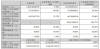
Core Viewpoint - BGI Genomics reported a decline in revenue and an increase in net loss for the first three quarters of 2025, indicating challenges in the industry and increased competition [1][3]. Financial Performance - For the first three quarters of 2025, the company achieved revenue of 2.674 billion yuan, a year-on-year decrease of 5.39% [2]. - The net loss attributable to shareholders was 21.39 million yuan, an increase of 82.78% compared to the previous year [1][2]. - The operating cash flow net amount was -437 million yuan, a decline of 205.8% year-on-year [1][2]. Quarterly Performance - In Q3 2025, the company reported revenue of 1.042 billion yuan, a year-on-year increase of 9.19% [2]. - The net loss for Q3 was 27.17 million yuan, an increase of 80.92% compared to the same quarter last year [1][2]. Business Segment Analysis - The reproductive health segment generated revenue of 643 million yuan, down 28.4% year-on-year, primarily due to a 36% decline in non-invasive prenatal testing revenue [3]. - The oncology and chronic disease prevention segment reported revenue of 358 million yuan, an 8.8% decrease year-on-year, attributed to reduced client demand for health check services [4]. - The infection prevention segment saw revenue growth of 41.7%, reaching 75 million yuan, driven by advancements in pathogen sequencing technology [5]. - The multi-omics and synthetic biology segment maintained stable revenue at 452 million yuan, with single-cell sequencing revenue increasing by approximately 93% [6]. Strategic Developments - The precision medicine testing solutions segment achieved revenue of 1.124 billion yuan, an 11.2% increase year-on-year, supported by local clinical application advancements and successful overseas market expansion [7]. - The company is focusing on high-margin products in the reproductive health sector to mitigate risks from declining prices in basic non-invasive prenatal testing [3]. Shareholder Activity - BGI Genomics' major shareholder, BGI Holdings, has significantly reduced its stake, with a recent sale of 16.73 million shares for 7.38 billion yuan [8]. - This marks the second major reduction in 2025, with total cash raised exceeding 1.1 billion yuan from share sales [8].
粤桂股份2.19亿加码采矿业务 持续降本增效净利连增八季
Chang Jiang Shang Bao· 2025-10-24 00:33
Core Viewpoint - Yuegui Co., Ltd. is intensifying its investment in the mining sector by acquiring mining rights for a quartzite mine, which is expected to enhance its resource reserves and production capacity [1][2]. Group 1: Mining Rights Acquisition - Yuegui's subsidiary, Jingyuan Mining, won the bidding for the Lianzhou Fanbeichong quartzite mine with a starting price of 219 million yuan, securing mining rights valid for 20 years [1][2]. - The mine has a mining reserve of 18.163 million cubic meters, primarily consisting of quartz for glass production [1][2]. Group 2: Financial Performance - In the first half of 2025, Yuegui's mining sector generated revenue of 538 million yuan, accounting for 39.6% of the company's total revenue [1][2]. - The company has maintained strong profitability, with net profit increasing for eight consecutive quarters since Q4 2023 [1][5]. - For the first three quarters of 2025, the projected net profit is between 420 million and 470 million yuan, representing a year-on-year growth of 86.87% to 109.11% [5]. Group 3: Business Diversification - Yuegui operates in various sectors, including sugar production, paper manufacturing, and chemical industries, with mining being its primary revenue source [1][4]. - The company is also focusing on extending its industrial chain, particularly in the sulfur iron mining sector, to enhance profitability [2][4].

透景生命(300642) - 2025年10月23日投资者关系活动记录表
2025-10-23 12:51
Group 1: Financial Performance - The company achieved a total revenue of 257.6132 million yuan in the first three quarters of 2025, a decrease of 19.73% compared to the same period last year [4] - In Q3 2025, revenue decline narrowed to 6.36% year-on-year, indicating a gradual recovery [4] - The company maintained a stable gross margin despite declining revenue, laying a foundation for future business recovery [4] Group 2: R&D and Product Development - R&D expenses accounted for approximately 17% in Q3 2025, with multiple reagent products obtaining medical device registration certificates [5] - The company completed the acquisition of Wuhan Kanglu Biological Technology Co., holding 72.8630% of its shares, which will be consolidated into the company's financial statements [5] - New product registrations in the field of autoimmune diagnostics were achieved, enhancing the company's market offerings [10][11] Group 3: Strategic Initiatives - The company has initiated a share repurchase plan, with over 20 million yuan repurchased between August 28 and September 30, 2025 [5] - The integration of fungal and pathological subsidiaries is progressing well, with revenue expectations for Kanglu Biological set at a minimum net profit of 22 million yuan for 2025 [6] - The company is focusing on expanding its non-collection products, which are expected to contribute more revenue in the coming years [4][9]
回采率93.3%,多抠1.8万吨煤 这里跑出生产“加速度”
Qi Lu Wan Bao· 2025-10-23 04:02
Core Viewpoint - Shandong Energy Group's Baodian Coal Mine is intensifying efforts to meet annual production targets in the fourth quarter, focusing on safety management, production organization, and cost reduction to achieve a successful year-end performance [1][8]. Safety Management - The mine emphasizes a "stable" approach to safety production, with ongoing training and updates on safety regulations for employees [3][4]. - A total of 243 accident case studies have been organized for staff, along with 32 warning education sessions to enhance safety awareness [4]. - The "Smart Safety Monitoring Center" has identified 174 safety hazards, and a safety assessment system has been implemented to encourage compliance and recognize outstanding performance [4][5]. Production Efficiency - The mine has achieved a coal recovery rate of 93.3%, extracting an additional 18,000 tons of coal through effective management and expert consultations [5][6]. - A focus on "busy but not chaotic" production practices has been adopted, with tailored management plans for different working faces to ensure safety and efficiency [5][6]. - Equipment maintenance and upgrades are prioritized to minimize downtime and enhance operational efficiency [6]. Cost Reduction and Efficiency Improvement - The mine has implemented eight key measures for cost reduction and ten actions for expense savings, aiming for a reduction of controllable costs by over 10%, with a target of 20% [7][8]. - A transparent performance evaluation system has been established to foster a competitive atmosphere among workers, encouraging efficiency and productivity [7]. - Energy consumption management strategies are in place, including the elimination of high-energy-consuming equipment and maximizing resource recovery rates [8]. Overall Commitment - The Baodian Coal Mine is committed to achieving its annual goals by reinforcing safety measures while simultaneously increasing production and managing costs effectively, with all employees focused on a successful fourth-quarter performance [8].


中复神鹰(688295):收入持续修复,销售结构扰动毛利率
HTSC· 2025-10-23 03:03
Investment Rating - The investment rating for the company is maintained at "Buy" with a target price of RMB 31.80 [1][5]. Core Insights - The company reported a revenue of RMB 615 million in Q3 2025, representing a year-over-year increase of 59.23% and a quarter-over-quarter increase of 18.37%. The net profit attributable to shareholders was RMB 51.05 million, up 253.11% year-over-year but down 10.77% quarter-over-quarter [1]. - For the first three quarters of 2025, the cumulative revenue reached RMB 1.537 billion, a year-over-year increase of 37.39%, with a net profit of RMB 62.93 million, reflecting an 854.72% increase year-over-year [1]. - The demand for wind power continues to support sales improvement, leading to a maintained "Buy" rating [1]. Revenue and Profitability - The company's comprehensive gross margin for the first three quarters of 2025 was 17.82%, a decrease of 1.44 percentage points year-over-year. The gross margin for Q3 2025 was 21.58%, an increase of 10.0 percentage points year-over-year but a decrease of 2.96 percentage points quarter-over-quarter [2]. - The main raw material, acrylonitrile, had an average price of RMB 8,252 per ton in Q3 2025, down 5.0% year-over-year and 2.6% quarter-over-quarter [2]. Cost Management and Cash Flow - The company’s expense ratio for the first three quarters of 2025 was 15.05%, down 9.86 percentage points year-over-year, with absolute expenses decreasing by 17.0% to RMB 231 million [3]. - Operating cash flow for the first three quarters of 2025 was RMB 34 million, down 85.3% year-over-year [3]. Industry Outlook - The carbon fiber industry is experiencing slow new capacity release, with demand from wind power and aerospace providing support for a stable supply-demand balance [4]. - As of mid-October, the average price for mainstream carbon fiber products remained stable, with a slight year-over-year decline of about 2-7% [4]. Earnings Forecast and Valuation - The forecast for net profit attributable to shareholders for 2025-2027 is RMB 148 million, RMB 273 million, and RMB 422 million, respectively, with corresponding EPS of RMB 0.16, RMB 0.30, and RMB 0.47 [5]. - The company is assigned a 6x PB valuation for 2025, reflecting its operational turning point and strengthened market position following the full production of its Xining production line [5].
