
全国统一大市场

Search documents
长三角加力破除市场分割——纵深推进全国统一大市场建设观察之二(人民眼·建设全国统一大市场)
Ren Min Ri Bao· 2025-08-14 22:13
Core Viewpoint - The integration of the Yangtze River Delta region is crucial for establishing a unified national market, enhancing efficiency, and promoting economic development through streamlined processes and improved connectivity [1][2][3]. Group 1: Administrative Efficiency - The "cross-regional handling" initiative allows businesses to complete migration procedures between provinces in less than a day, significantly reducing bureaucratic delays [2]. - The implementation of a unified online service platform has enabled 203 high-frequency administrative services to be processed across provinces, enhancing convenience for residents and businesses [4]. - The optimization of administrative processes aims to break down local protectionism and market fragmentation, thereby improving market operational efficiency [3]. Group 2: Transportation Connectivity - The launch of the high-speed rail loop connecting major cities in the Yangtze River Delta has improved travel convenience, facilitating business operations across the region [6]. - The new rail service has seen significant usage, with over 116.7 million passengers in its first year and an average occupancy rate of 80.5% [6]. - The integration of transportation infrastructure is essential for enhancing the flow of resources and promoting a unified national market [5]. Group 3: Logistics and Trade - The "joint unloading" model has transformed logistics for companies in Anhui, allowing them to ship products directly from local ports to international destinations, reducing transit time by 50% and logistics costs by 30% [8]. - The model has achieved full coverage of first-class waterway ports in Anhui, with a significant increase in the number of transactions processed [8]. Group 4: Financial Integration - The establishment of a financial support platform has facilitated timely loans for technology companies, with over 2,600 registered enterprises and a total credit issuance exceeding 7 billion yuan [10]. - The collaboration between different regions in financial services exemplifies the seamless flow of financial resources across the Yangtze River Delta [10]. Group 5: Innovation and Talent Development - The creation of innovation centers in Shanghai has supported local enterprises in talent acquisition and project development, fostering a collaborative environment for technological advancement [12]. - The G60 Innovation Corridor has connected multiple cities, enhancing the flow of innovative resources and contributing to regional economic growth [12]. Group 6: Consumer Services - The introduction of a cross-regional return policy for retail products has improved consumer convenience, allowing customers to return items purchased in one city at stores in another [13][14]. - The initiative aims to enhance customer satisfaction and promote regional retail integration [14]. Group 7: Regulatory Collaboration - The establishment of a collaborative regulatory framework among different regions aims to enhance the efficiency of market supervision and protect intellectual property rights [16][18]. - The joint inspections and shared regulatory information among regions are designed to streamline enforcement and improve compliance [17][18]. Group 8: Food Safety and Traceability - The implementation of a digital traceability system for food products has improved safety standards and operational transparency for local food producers [20]. - The initiative aims to create a comprehensive data tracking system from production to consumption, enhancing food safety management [20].
以新供给引领新需求 以新需求牵引新供给 中国经济展现强大活力和韧性的密码(人民观点)
Ren Min Ri Bao· 2025-08-14 22:13
Core Viewpoint - China's economy has demonstrated remarkable resilience and exceeded expectations in growth during the first half of the year, prompting several foreign media outlets to revise their forecasts positively [2]. Group 1: Economic Performance and Growth - China's economy is characterized by a strong vitality and resilience, attributed to the effective coordination of supply and demand, as emphasized by President Xi Jinping [2]. - The contribution rate of domestic demand to economic growth reached 68.8% in the first half of the year, with final consumption expenditure contributing 52%, highlighting domestic demand as the main driver of economic growth [6]. Group 2: Supply and Demand Dynamics - The total number of consumer goods in China has surpassed 200 million, with over 8.09 million new consumer goods added in the first four months of the year, reflecting a 40.4% year-on-year increase [3]. - New consumer demands are driving innovations in production methods, leading to the emergence of personalized and flexible manufacturing models [5]. Group 3: Technological Innovation and Industry Transformation - China is transitioning from a manufacturing hub to a global innovation center, supported by technological advancements that create high-quality supply to meet new consumer demands [3][4]. - The integration of technology and traditional industries is fostering new consumption scenarios, such as the rise of the health industry and low-altitude economy [5]. Group 4: Policy Support and Market Expansion - A series of policy measures, including the "Consumption Promotion Action Plan," aim to enhance consumer capacity and improve consumption conditions, driving quality upgrades in consumption [6]. - The establishment of a more efficient national economic cycle is based on a higher level of dynamic balance, promoting a dual empowerment between new supply and new demand [8]. Group 5: Future Outlook - The synergy between high-quality supply and high-quality demand is expected to strengthen the foundation of China's economy, leading to a more resilient and vibrant modern economic landscape [9].
中国经济展现强大活力和韧性的密码(人民观点)
Ren Min Wang· 2025-08-14 22:11
Core Viewpoint - China's economy has demonstrated remarkable resilience and exceeded expectations in growth during the first half of the year, prompting several foreign media outlets to revise their forecasts positively [1] Group 1: Economic Performance and Consumer Trends - China's economy is characterized by a strong vitality driven by high-quality supply leading to new demand and consumption [1] - The total number of consumer goods in China has surpassed 200 million, with over 8.09 million new varieties added in the first four months of the year, marking a 40.4% year-on-year increase [1] - The shift from "what is available" to "what is desired" reflects a historical change in consumer expectations, emphasizing high-quality living [3] Group 2: Innovation and Market Dynamics - New consumer demands are driving innovations in production methods, such as the introduction of multifunctional washing machines and quick-dry clothing [4] - The rise of personalized and flexible manufacturing models is a response to individual consumer needs, opening new industrial opportunities [4] - Policies aimed at boosting consumption, such as the "Special Action Plan to Boost Consumption," are enhancing consumer capacity and improving conditions for consumption [5] Group 3: Economic Structure and Future Outlook - The internal demand contributed 68.8% to economic growth in the first half of the year, with final consumption expenditure accounting for 52%, establishing it as the main driving force of economic growth [5] - The dual empowerment of new supply and new demand is fostering a robust economic cycle, enhancing the quality and efficiency of the supply system [7] - The synergy between a complete industrial system and a large-scale market is creating a resilient economic foundation, paving the way for a modernized economy with greater potential and vitality [8]
长三角加力破除市场分割(人民眼·建设全国统一大市场)
Ren Min Ri Bao· 2025-08-14 22:10
Core Viewpoint - The article discusses the integration and optimization of the Yangtze River Delta region's market, highlighting the benefits of streamlined administrative processes, improved transportation connectivity, and enhanced financial support for businesses, all contributing to the establishment of a unified national market. Group 1: Administrative Efficiency - The "cross-regional handling" service allows businesses to complete migration procedures in less than a day, significantly reducing the bureaucratic burden [6][8] - The implementation of a unified online platform has enabled 203 high-frequency administrative services to be processed across provinces, enhancing efficiency [10] - The integration of data sharing between different regions has streamlined the process for businesses, allowing for quicker approvals and reduced travel [9][10] Group 2: Transportation Connectivity - The launch of the G8388 high-speed train has improved connectivity between major cities in the Yangtze River Delta, facilitating easier travel for business purposes [11][12] - The "super ring line" has seen over 116.7 million passengers in its first year, with an average occupancy rate of 80.5%, indicating strong demand for improved transportation links [11][12] - The "river-sea intermodal" model has allowed Anhui province to efficiently export goods, reducing logistics costs by 30% and transit time by 50% [14] Group 3: Financial Support and Resource Sharing - The establishment of the "E Enterprise Loan" service platform has provided over 70 billion yuan in loans to small and medium-sized enterprises, facilitating access to necessary funding [16] - The collaboration between different regions has enabled financial institutions to offer tailored products to businesses, enhancing the flow of financial resources [16] - The integration of innovation and technology resources across regions has led to successful product development and commercialization [17][18] Group 4: Consumer Market Integration - The introduction of a cross-regional return policy allows consumers to return products purchased in one region at stores in another, enhancing customer convenience [19][20] - The establishment of a unified return mechanism has seen participation from 141 businesses, promoting consumer confidence and satisfaction [20] Group 5: Regulatory Collaboration - The joint inspections by market supervision departments from different regions aim to enhance the protection of intellectual property rights and improve regulatory efficiency [22][23] - The implementation of a comprehensive regulatory framework allows for streamlined inspections across multiple jurisdictions, reducing redundancy [24][25] - The development of a digital traceability system for food safety has improved compliance and safety standards in the region [26]


内畅外联促交通运输提能增效
Jing Ji Ri Bao· 2025-08-14 22:06
Core Viewpoint - The establishment of a unified and open transportation market is crucial for effectively connecting supply and demand, promoting smooth national economic circulation, and addressing existing issues in cross-regional integration and logistics efficiency [1][2]. Group 1: Current State of Transportation Market - China has built the world's largest high-speed railway network (48,000 km), highway network (190,000 km), and a comprehensive transportation network exceeding 6 million km, supporting the efficient operation of the world's second-largest economy [1]. - Despite these achievements, challenges remain in areas such as cross-regional integration, logistics operation quality, service efficiency, and unified regulatory frameworks [1]. Group 2: Policy and Strategic Initiatives - The Chinese government aims to accelerate the construction of a unified open transportation market to counteract uncertainties in international economic cycles, as highlighted in the 2024 policy document from the Central Committee [2]. - The emphasis is on "five unifications and one openness," focusing on internal connectivity and external collaboration, particularly in enhancing infrastructure connectivity with Belt and Road Initiative countries [2]. Group 3: Key Actions for Improvement - Efforts will be made to eliminate cross-regional bottlenecks and promote collaborative regional market development by enhancing transportation infrastructure and connectivity [3]. - The logistics cost for society is targeted to decrease, with a goal of reducing the logistics cost-to-GDP ratio to 14.1% by 2024, alongside a reduction of approximately 280 billion yuan in transportation costs [1][4]. Group 4: Service and Regulatory Enhancements - The transformation of transportation services is essential to support market expansion, including the integration of travel and transportation services and the establishment of new consumption scenarios [4]. - Strengthening regulatory frameworks is crucial for ensuring a healthy and orderly market development, including standardized inspections and regulations for emerging transportation services [5].
改革架桥梁 共促一体化(有所思)
Ren Min Ri Bao· 2025-08-14 21:59
Core Insights - The Yangtze River Delta plays a crucial role in China's economic landscape, with a GDP exceeding 16 trillion yuan in the first half of this year [1] Group 1: Market Integration and Regulation - The dual approach of "breaking market segmentation" and "establishing operational rules" is being advanced, with a focus on unified institutional design to enhance the region's role in creating a national unified market [2] - Efforts to eliminate both explicit local protectionism and implicit barriers related to capital, technology, and talent are underway, including unified enforcement standards and regulatory teams [2] Group 2: Infrastructure and System Innovation - Significant infrastructure projects like the Hu-Su-Hu High-Speed Railway and Hu-Ning Yangtze River High-Speed Railway are reducing commuting times and lowering market transaction costs, enhancing regional industrial interaction [3] - The integration of "soft connections" through initiatives like cross-province tourism agreements and a "Credit Yangtze River Delta" platform is fostering deeper regional collaboration [3] - The innovative practices in market integration within the Yangtze River Delta reflect a synergy between proactive government actions and effective market mechanisms, contributing to a positive cycle of institutional innovation, factor flow, and industrial upgrading [3]
市场要畅通 标准须先行
Jing Ji Ri Bao· 2025-08-13 22:05
Group 1 - The core viewpoint emphasizes the importance of establishing a unified national market through the implementation of national standards in the circulation sector, facilitating cross-regional trade cooperation [1][2] - Recent achievements in standardization include the unification of logistics and express delivery standards, with a daily processing capacity of over 300 million parcels, and the registration of 210 million product barcodes covering 90% of popular consumer goods [1] - The rise of new business models such as digital trade and green logistics is expanding the scope of standards from physical to data circulation, indicating a shift in the development landscape of modern circulation [1] Group 2 - There are significant regional and industry disparities in the standard and measurement systems within China's market circulation, exacerbated by imbalances in urban and rural development [1] - The influence of Chinese standards in the international standard system is relatively low, leading to challenges for companies operating in overseas markets due to compliance costs [1] - To enhance market fluidity, it is essential to construct a comprehensive standard system focusing on logistics, e-commerce, and cross-border trade, while breaking down regional standard barriers and aligning local standards with national ones [2]
经略海洋 共筑海洋经济协同发展新高地 “海上鲜”赋能全国统一大市场建设
Sou Hu Cai Jing· 2025-08-13 14:04
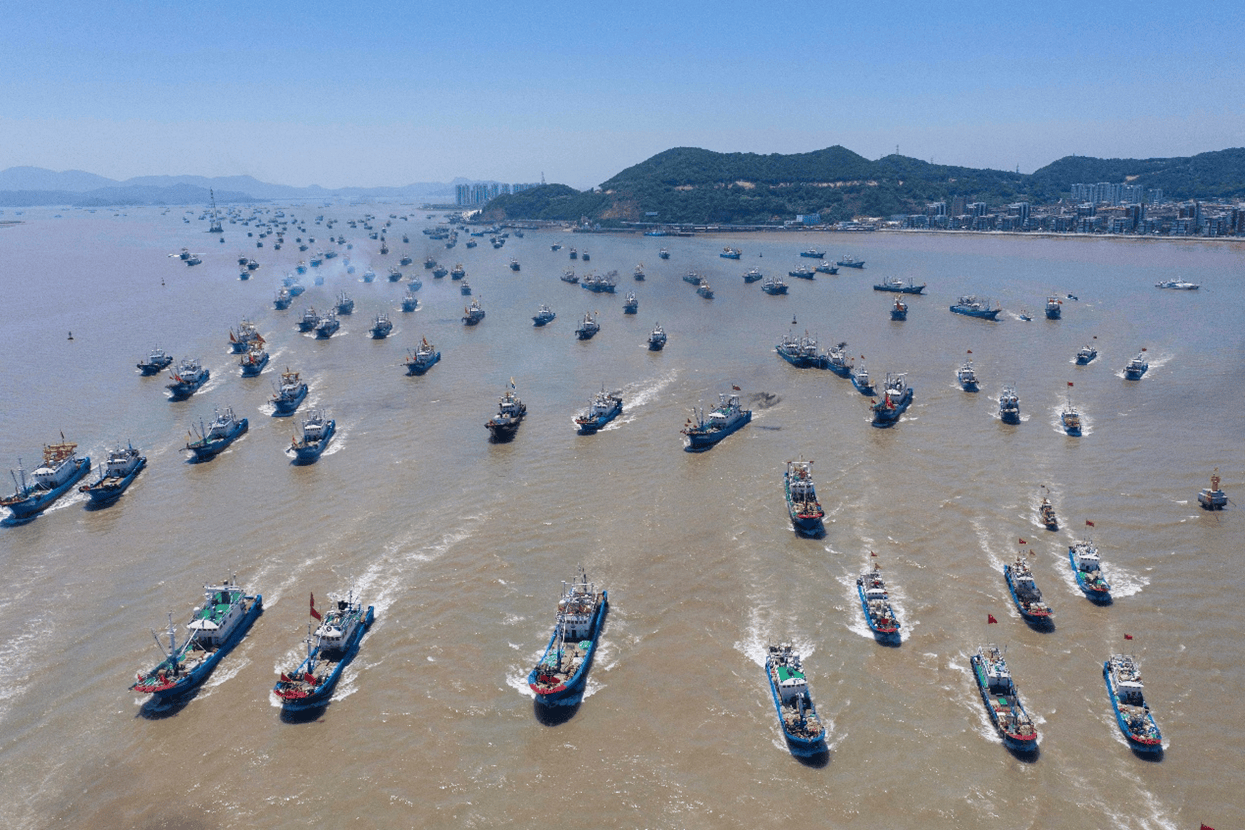
8月5日,东海开渔季旌旗猎猎,千艘渔船扬帆竞发,新鲜海味即将涌入市场。 值此海洋产业活力迸发之际,8月13日,由"海上鲜"主办,网经社承办的"经略海洋 共筑海洋经济协同发展新高地—'海上鲜'赋能全国统一大市场建设媒体沟 通会"在网经社总部大厦举行,共同探讨全国统一大市场背景下的海洋经济数字化转型之路。 一、中央定调加速建设全国海洋统一大市场 会上,中共中央党校出版社出版的《与领导干部谈数字经济》联合主编、网经社电子商务研究中心主任曹磊就《建设全国统一大市场海洋经济数字化转型》 进行演讲。 他表示,今年7月1日,中央财经委员会第六次会议明确提出,要推进中国式现代化必须推动海洋经济高质量发展,走出一条具有中国特色的向海图强之路。 会议明确要求"纵深推进全国统一大市场建设",通过统一市场基础制度、基础设施、监管执法及要素市场,扩大对内对外开放,为数字海洋经济长远发展筑 牢政策根基,促进要素跨区域自由流动与高效配置。 | 早在1992年,党的十四大就提出"建立社会主义市场经济体制"的目标,为后续提出建立全国统一大市场奠定基础。随后1993年,十四届三中全会审议通过 | | --- | 《中共中央关于建立社会主义市场经 ...
上半年新设经营主体超1300万户
Jing Ji Ri Bao· 2025-08-13 06:12
Core Insights - The market regulatory authority reported that in the first half of the year, 13.278 million new business entities were established, indicating a stable growth trend across various types of business entities [1] - The development of private and foreign enterprises is strong, with 4.346 million new private enterprises established, a year-on-year increase of 4.6%, and 33,000 new foreign enterprises, up 4.1% [1] - The industrial structure is further optimized, with 601,000 new entities in the primary industry, 965,000 in the secondary industry, and 11.712 million in the tertiary industry [1] - The cultural industry has shown significant growth, with a 17.5% increase in new enterprises in culture, sports, and entertainment, leading the national economic sectors [1] Business Environment - The market regulatory department will focus on the development needs of business entities, continuously improving market access and exit systems, and promoting the construction of a unified national market [2] - Efforts will be made to maintain a fair competitive market environment and optimize government services related to enterprises, further stimulating the vitality of various business entities [2]
多晶硅数据日报-20250813
Guo Mao Qi Huo· 2025-08-13 03:41
Report Summary 1. Report Industry Investment Rating - No investment rating information is provided in the report. 2. Core View of the Report - From a fundamental perspective, the increase in production in Inner Mongolia has led to a rise in output, and the downstream silicon wafer production schedule has been continuously increasing. In the short term, the lower limit of the price is supported by production costs and the price - holding actions of large manufacturers, while the upper limit is pressured by weak downstream demand and hedging. It is expected that the futures price will fluctuate [2]. 3. Summary by Relevant Catalogs Futures Price - PS2511 closed at 51,800 with a decline of 2.24%; PS2508 closed at 50,505; PS2509 closed at 51,800 with a decline of 2.41%; PS2510 closed at 51,860 with a decline of 2.34% [1]. Spread - The spread between PS2508 - PS2509 is - 1,295 with an increase of 1,280; the spread between PS2509 - PS2510 is - 60 with a decrease of 35; the spread between PS2510 - PS2511 is 60 with a decrease of 60 [1]. Spot Price - The average price of N - type dense material is 46 with no change in percentage; the average price of N - type mixed material is 45 with no change in percentage [2]. Inventory - The weekly inventory of polysilicon is 233,000 tons with an increase of 4,000 tons; the weekly inventory of silicon wafers is 0.96 GW with an increase of 19.11; the daily registered warehouse receipts are 4,940 tons with an increase of 240 tons [2]. Industry News - The Political Bureau of the CPC Central Committee stated on July 30 that it will govern the disorderly competition of enterprises in accordance with laws and regulations and promote the governance of production capacity in key industries. It will also deepen reforms, develop new - quality productivity through scientific and technological innovation, and optimize the market competition order [2].