即时零售

Search documents
八马茶业加码即时零售:千家美团闪购官方旗舰店上线年货补贴
Xin Lang Cai Jing· 2026-02-09 10:26
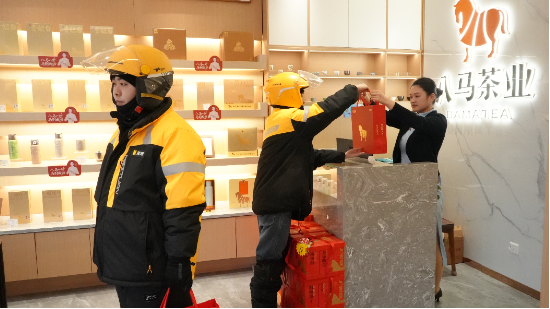
Core Viewpoint - The tea industry is accelerating its layout in instant retail as the Spring Festival tea consumption peak approaches, with leading brand Baima Tea announcing an upgraded partnership with Meituan Flash Purchase [1][4]. Group 1: Company Developments - Baima Tea has rapidly increased its official flagship stores on Meituan Flash Purchase to over 3,000 since the official cooperation began in 2023, marking instant retail as a new growth point for tea brands [1][4]. - In 2026, Baima Tea plans to deepen its collaboration with Meituan Flash Purchase by launching more flagship stores in additional cities and optimizing its product matrix to provide users with "30 minutes to enjoy good tea" instant service [1][4]. Group 2: Market Trends - The Spring Festival is identified as a peak consumption period for tea, with a growing trend among younger consumers preferring instant tea purchases through flash sales [3][6]. - Baima Tea will launch promotional activities on Meituan Flash Purchase, allowing consumers to access exclusive discounts on seasonal tea gift sets before the Spring Festival [3][6]. Group 3: Industry Challenges and Strategies - Traditional tea shops are facing challenges such as high labor and rental costs, as well as intense competition [3][6]. - Meituan Flash Purchase has implemented measures like official certification and targeted product selection to drive rapid growth in the tea category, creating a second growth curve for tea shops by addressing time, space, and marketing [3][6]. - The new customer acquisition rate for tea brand flagship stores on Meituan Flash Purchase has reached 70%, indicating significant growth potential [3][6].



叮咚买菜壮士断腕 中国业务转售美团
BambooWorks· 2026-02-09 09:30
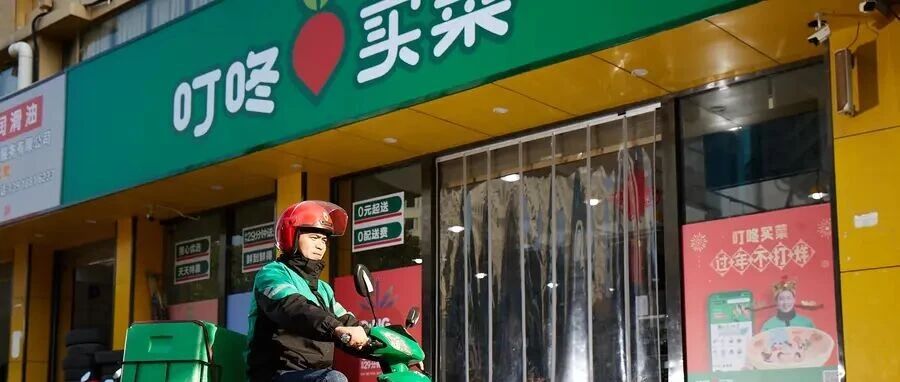
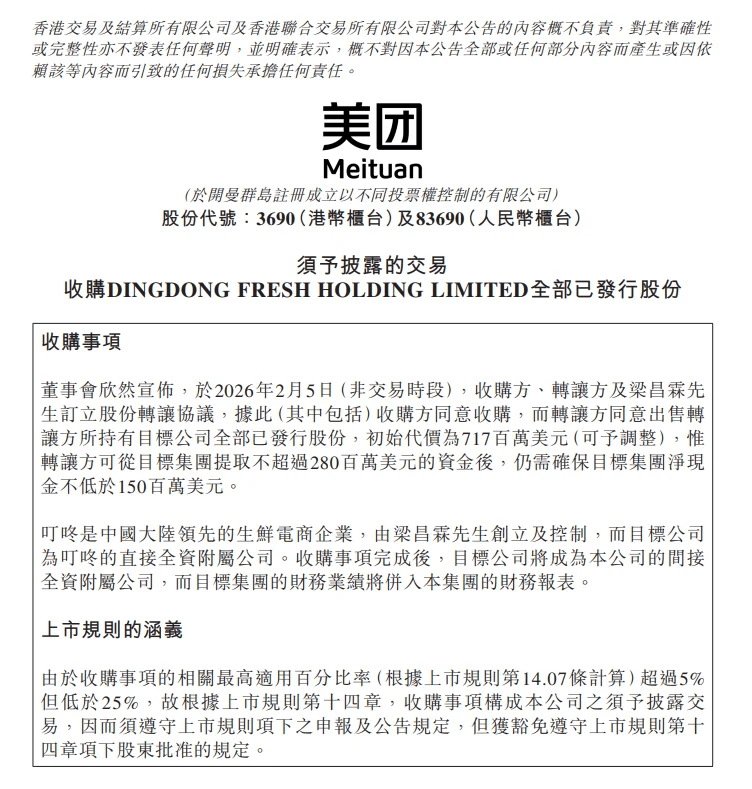
Core Viewpoint - Dingdong Maicai, one of China's earliest online fresh food platforms, is selling its core Chinese business to competitor Meituan for $717 million, marking one of the largest mergers in China's rapidly evolving instant retail market [1][2][3] Group 1: Transaction Details - The sale involves Dingdong Maicai's core Chinese operations, with 90% of the payment made immediately and the remaining 10% contingent on tax settlements [5][8] - Following the announcement, Dingdong Maicai's stock fell by 14%, bringing its market value to approximately $700 million, which aligns closely with the acquisition price [2][6] - The merger is expected to create a leading player in the industry, combining Dingdong Maicai's operations with Meituan's existing online fresh food business [7] Group 2: Market Context - The instant retail market in China has seen rapid growth, particularly with the entry of major e-commerce players like Alibaba and JD.com, which have expanded their delivery capabilities beyond fresh food to include a wide range of daily necessities [5][7] - The competition has intensified, with companies like Alibaba, JD.com, and Meituan subsidizing their instant retail operations, leading to significant financial losses for some, such as Meituan, which reported a loss of 18.6 billion yuan (approximately $2.68 billion) in the third quarter [5][7] - Dingdong Maicai's revenue growth has been limited, with a year-on-year increase of only 1.9% in the third quarter, highlighting the challenges faced by independent platforms in competing with larger players [7] Group 3: Future Implications - Dingdong Maicai retains its international business post-sale, which may lead to speculation about the future of the brand and its potential integration into Meituan's ecosystem [8] - The company holds $549 million in cash and short-term investments, which, combined with the sale proceeds, could exceed $1.2 billion, providing opportunities for future ventures or shareholder returns [8] - There is a possibility that the founder, Liang Changlin, may leverage this capital for new entrepreneurial endeavors, either domestically or internationally, rather than opting for significant shareholder dividends [8]



黄光裕2.23亿元股权被冻结,旗下国美转型五年未果
Xin Lang Cai Jing· 2026-02-09 08:44
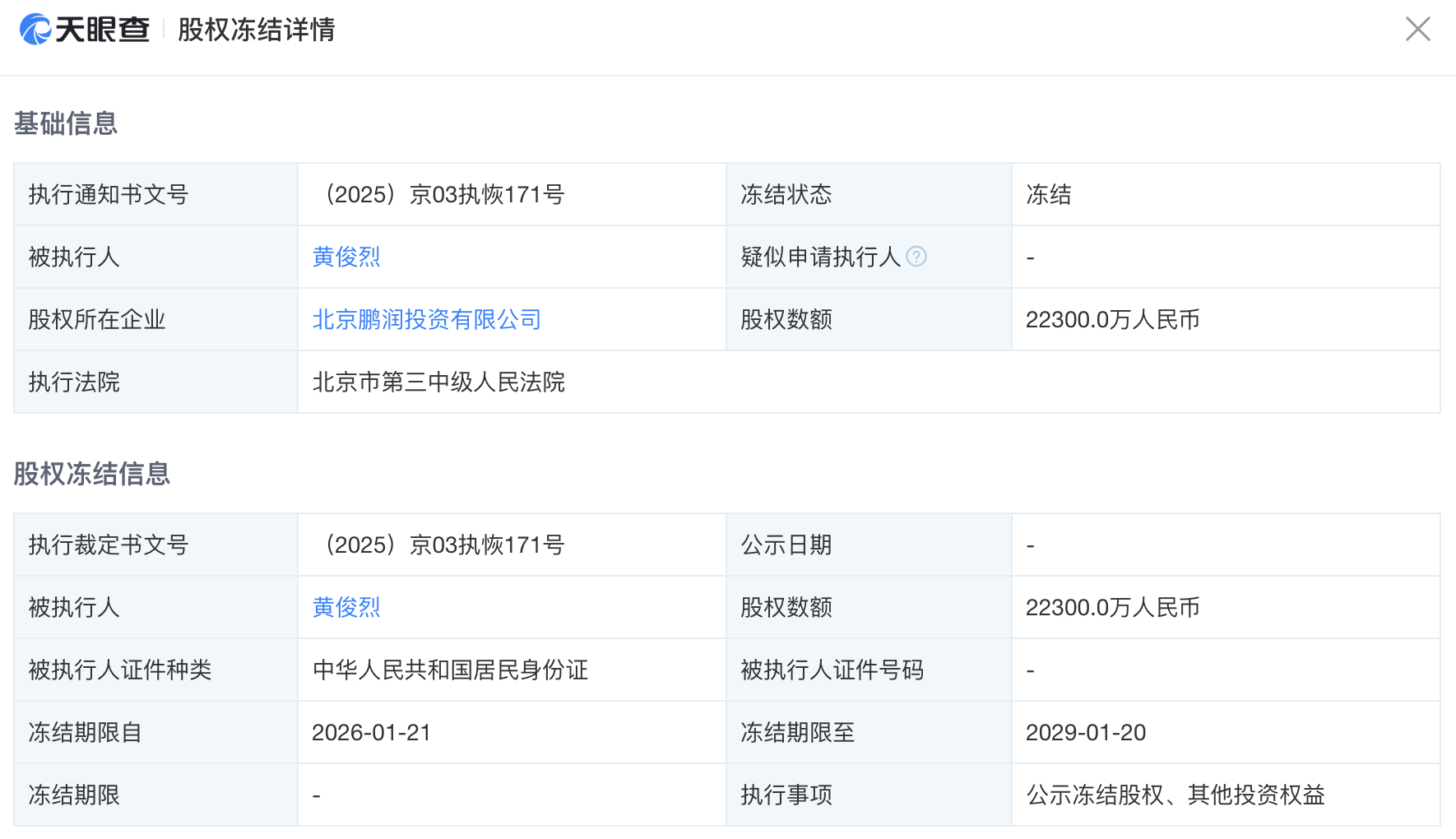
Core Viewpoint - Huang Guangyu's equity in Beijing Pengrun Investment Co., Ltd. has been frozen, indicating further limitations on his capital operations [1][5]. Group 1: Equity Freeze Details - The frozen equity amounts to 223 million RMB, with the freeze period from January 21, 2026, to January 20, 2029, enforced by the Beijing Third Intermediate People's Court [1][2]. - This is not the first instance of equity being frozen; previously, over 590 million RMB of equity related to Gome Retail was frozen, with a freeze period from February 16, 2023, to February 16, 2026 [5]. Group 2: Company Background - Beijing Pengrun Investment Co., Ltd. was established in 1997 with a registered capital of 270 million RMB, co-owned by Huang Guangyu and Beijing Yinggrunmei Consulting Co., Ltd. [4]. - The company serves as a central platform for Gome's capital operations and has been involved in capital integration for listed companies like Gome Retail and Zhongguancun [4]. Group 3: Gome Retail's Financial Performance - Gome Retail reported a revenue of 474 million RMB for 2024, a year-on-year decline of 26.7%, with losses expanding to 11.629 billion RMB, a 15.63% increase from 2023 [7]. - The company's stock price has been stagnant, fluctuating between 0.1 and 0.3 HKD, with a cumulative decline of 67% in 2025 and a market value reduction of over 90% since its peak in 2015 [8][9]. Group 4: Business Operations - Gome continues to operate its core home appliance retail business, with offline stores functioning normally and the Gome app maintaining basic sales and service operations [6]. - However, the overall business scale has significantly contracted compared to its peak, and the operational status continues to deteriorate [6].
汇嘉时代(603101):新疆零售龙头,创新转型价值重估
GOLDEN SUN SECURITIES· 2026-02-09 06:32
Investment Rating - The report assigns a "Buy" rating for the company, marking its first coverage [3]. Core Insights - The company is recognized as a leading retail player in Xinjiang, benefiting from a dense store network, local market insights, and multi-format synergy, which contribute to significant scale effects and brand barriers [1]. - The company is actively transforming its supermarket and department store formats, implementing a systematic upgrade based on the "Fat Donglai model," which has shown promising results in sales growth [2]. - The company is exploring new growth avenues through low-altitude economy initiatives, partnering with local aviation companies to enhance logistics and tourism [3]. Summary by Sections 1. Xinjiang Retail Leader with Multi-format Synergy - The company has been operating in Xinjiang for over 20 years, with a diverse portfolio including shopping centers, traditional department stores, and supermarkets. As of Q3 2025, it operates 6 department stores, 5 shopping centers, and 10 independent supermarkets, covering key commercial areas [13][1]. - Xinjiang's GDP is projected to grow at an average rate of 8.71% from 2021 to 2024, significantly outpacing the national average, which positions the company to benefit from regional economic growth [17][1]. 2. Active Supermarket Transformation and Enhanced Department Store Experience - The company has initiated a comprehensive upgrade of its supermarket business, with the first batch of 8 upgraded stores completed by September 2025, resulting in a significant sales increase of 272% year-on-year for the first upgraded store [2]. - The department store transformation focuses on brand upgrades and enhancing customer experience, leading to a 24.3% increase in sales post-upgrade [2]. 3. Low-altitude Economy Initiatives for Second Growth Curve - The company has established a joint venture with a major aviation company to integrate retail and aviation logistics, focusing on low-altitude tourism and smart logistics [3]. - Strategic agreements have been signed to develop a comprehensive low-altitude ecological system, marking a significant step in expanding its business model [3]. 4. Financial Forecast - Revenue projections for 2025-2027 are estimated at 2.422 billion, 2.557 billion, and 2.782 billion yuan, with year-on-year growth rates of 0.5%, 5.6%, and 8.8% respectively. Net profit is expected to reach 0.81 billion, 1.41 billion, and 1.88 billion yuan, with growth rates of 38.2%, 74.4%, and 33.8% [3].

天使投资人郭涛:美团收购叮咚买菜 巩固自身在即时零售领域优势
Sou Hu Cai Jing· 2026-02-09 05:13
Group 1 - Meituan announced the acquisition of 100% equity of Dingdong Maicai's China business for approximately $717 million, with the transferor allowed to withdraw up to $280 million before August 31, 2026 [1][4] - The market value assessment for this transaction is based on a valuation date of January 31, 2026, with a fair value of $1.006 billion for the target group's total equity [4] - Dingdong Maicai reported a record revenue of 6.66 billion yuan in Q3 2025, achieving profitability under GAAP standards for seven consecutive quarters [4] Group 2 - The acquisition price is slightly above Dingdong Maicai's current market value, reflecting multiple considerations, including the company's stable business fundamentals and the strategic focus on core operations [6] - Meituan's strategic rationale includes leveraging Dingdong's presence in the East China market, its front warehouse network, and its stable user base to complement Meituan's delivery advantages [8] - The acquisition is seen as a critical consolidation in the fresh food instant retail sector, potentially reshaping the competitive landscape and allowing Meituan to quickly integrate Dingdong's resources [9]
海外周报:美团宣布收购叮咚买菜,携程春节旅游预订单中亲子游占比过半
HUAXI Securities· 2026-02-09 04:25
Group 1: Meituan's Acquisition of Dingdong Maicai - Meituan announced the acquisition of Dingdong Maicai's China business for approximately $717 million (about 4.98 billion RMB) on February 5, 2026[1] - Dingdong Maicai's market value was $694 million (approximately 4.82 billion RMB) prior to the announcement[1] - Dingdong Maicai has achieved a historical high in revenue and GMV in Q3 2025, with revenue of 6.66 billion RMB and GMV of 7.27 billion RMB, marking seven consecutive quarters of GAAP profitability[1][11] Group 2: Ctrip's Spring Festival Travel Forecast - Ctrip's 2026 Spring Festival travel forecast indicates that family travel will account for over 50% of bookings, with Nanjing emerging as a popular destination during the holiday[2] - The number of pre-orders for travel to Shantou increased by 186% year-on-year, leading the list of emerging destinations[2][14] - The average price of family rooms is 9% higher than other room types, reflecting the growing demand for family-oriented travel[2][15] Group 3: Regulatory Standards for Prepared Dishes - The National Health Commission proposed a standard for prepared dishes, stating that the shelf life should not exceed 12 months and that preservatives are prohibited[3][22] - The standard aims to align with public consumption habits and ensure the safety and nutritional quality of prepared dishes[3][22] - The use of food additives should be minimized, and only those necessary for production should be allowed[3][23]
即时零售竞争全面升维,三方即配平台价值凸显
Changjiang Securities· 2026-02-09 02:20
Investment Rating - The report maintains a "Positive" investment rating for the transportation industry [10] Core Insights - The competition in the instant retail sector is intensifying, shifting from simple subsidy wars to a comprehensive competition for traffic entry and fulfillment capabilities [2][5] - Major e-commerce players are actively engaging in the instant retail space, with initiatives such as Taobao's "30 billion free order" campaign and Meituan's acquisition of Dingdong Maicai, indicating a strategic shift towards enhancing supply chain infrastructure [5][32] - The reliance on third-party logistics platforms is increasing, with SF Express being highlighted as the largest third-party instant delivery platform, showcasing superior service efficiency and coverage [5][37] Summary by Sections Instant Retail Competition - E-commerce giants are ramping up efforts in instant retail, with Taobao's initiatives driving significant increases in order volumes, particularly in beverage categories [5][27] - AI technology is being leveraged to optimize user decision-making and enhance fulfillment efficiency, with notable increases in order volumes driven by AI capabilities [27][28] Supply Chain Integration - Meituan's acquisition of Dingdong Maicai for $717 million aims to strengthen its supply chain capabilities in the fresh produce sector, addressing infrastructure gaps in its existing operations [5][32] - Dingdong Maicai has established a robust supply chain with over 1,000 front warehouses and a significant user base, positioning it as a key player in the market [32][33] Third-Party Delivery Platforms - The strategic value of third-party delivery platforms is becoming more pronounced, with SF Express leading the market in terms of service quality and operational scale [5][37] - SF Express is projected to achieve significant revenue growth, with expectations of a 33% year-on-year increase in revenue for the second half of 2025 [41][44] Transportation Trends - The report tracks spring transportation data, indicating stable growth in domestic passenger volumes despite slight fluctuations in ticket prices and capacity [48][49] - The logistics sector is experiencing a surge in express delivery volumes, particularly during the holiday season, with a year-on-year growth of 687% in express collection volumes [8]
美团即时零售转守为攻
Bei Jing Shang Bao· 2026-02-08 15:57
Core Viewpoint - The acquisition of Dingdong Maicai by Meituan for $717 million marks a significant shift in the instant retail market, indicating a direct confrontation among major players in the fresh food e-commerce sector [2][3]. Group 1: Acquisition Details - Meituan will acquire all of Dingdong Maicai's operations in China for an initial price of $717 million, signaling the end of competition among independent platforms in the fresh food e-commerce space [2]. - Dingdong Maicai has been a frequent subject of acquisition rumors, highlighting its strategic importance in the fresh food market [3]. Group 2: Market Context - The fresh food sector is characterized as a high-frequency, high-margin market, making it a critical battleground for instant retail [3]. - Meituan has faced significant challenges in the food delivery market, with recent financial reports showing a net loss of 18.632 billion yuan in Q3 2025, contrasting sharply with a profit of 12.865 billion yuan in the previous year [3]. Group 3: Strategic Implications - The acquisition is seen as a necessary move for Meituan to maintain its dominance in local life services and to prevent competitors from gaining an advantage [4]. - The deal will enhance Meituan's presence in the East China market, significantly increasing the number of its front warehouses and reducing customer acquisition costs [5]. - The competition in instant retail is evolving from a focus on single-point models to a comprehensive system that includes supply chain, traffic, technology, and capital [4][5].
商业零售行业2025年四季报业绩前瞻:商品消费步入高基数,掘金AI及新消费赛道
Shenwan Hongyuan Securities· 2026-02-08 14:16
Investment Rating - The report indicates a neutral outlook for the retail sector, suggesting that the industry will perform in line with the overall market [9]. Core Insights - The retail sector in 2025 experienced a year-on-year growth of 3.7%, with total retail sales reaching 50.12 trillion yuan [1]. - Online retail sales grew by 8.6% year-on-year, totaling 15.97 trillion yuan, with a penetration rate of 28.2% for physical goods [1]. - The e-commerce sector is entering a high base period, with companies like Alibaba and JD facing short-term challenges but maintaining long-term growth potential through AI and instant retail strategies [2]. - The jewelry sector saw a 12.8% year-on-year increase in retail sales, driven by rising gold prices and seasonal demand [2]. Summary by Sections E-commerce Sector - Alibaba is focusing on AI and cloud technology, expecting Q3 FY26 revenue of 286.6 billion yuan, a 2.3% increase year-on-year, but a 42% decline in net profit [2][4]. - JD is projected to see a 0.4% decline in Q4 revenue to 345.5 billion yuan, with a drastic 98% drop in net profit [2][4]. - Pinduoduo anticipates an 11.6% revenue growth in Q4 to 123.4 billion yuan, with a 6.1% decrease in net profit [2][4]. - Meituan expects a 4.1% revenue increase to 92.1 billion yuan, but a significant net loss of 131 billion yuan [2][4]. Jewelry Sector - The report highlights strong growth in the jewelry sector, with companies like Laopuhuang and Caibai expected to see revenue growth of 100-150% and 4.1-5.8 billion yuan in net profit, respectively [2][3]. Retail Commercial Sector - Small Commodity City is projected to achieve a revenue increase of 25-45% in Q4, while Miniso expects a 30% revenue growth [2][3]. - Yonghui Supermarket is facing challenges with a projected net loss of 14.3 billion yuan due to store adjustments [2][3]. Investment Recommendations - The report suggests focusing on e-commerce platforms leveraging AI, high-quality jewelry brands benefiting from gold price increases, and retail companies enhancing operational efficiency [2].
【西街观察】即时零售,美团转守为攻
Bei Jing Shang Bao· 2026-02-08 13:33
Core Viewpoint - The acquisition of Dingdong Maicai by Meituan for $717 million marks a significant shift in the instant retail market, indicating the end of independent platforms and the beginning of direct competition among major players [2][3]. Group 1: Market Dynamics - The fresh produce sector is a high-frequency, high-margin market that is central to instant retail competition [3]. - Dingdong Maicai's business model, which focuses on front warehouse operations and has recently turned profitable, makes it an attractive target for major companies [3]. - The acquisition is seen as a strategic move for Meituan to regain control in a market where it has faced increasing competition from rivals like JD and Alibaba [3][4]. Group 2: Financial Performance - Meituan reported a net loss of 18.632 billion yuan in Q3 2025, a stark contrast to a profit of 12.865 billion yuan in the previous year, indicating significant financial pressure [3]. - The revenue growth for Meituan in the same quarter was the lowest in recent years, highlighting the challenges faced in the competitive landscape [3]. Group 3: Strategic Implications - The acquisition is crucial for Meituan to strengthen its position in local life services and to prevent competitors from gaining an advantage [4][5]. - By expanding its front warehouse network in key regions, Meituan aims to enhance its competitive edge and reduce customer acquisition costs [5]. - The competition in instant retail is evolving from a focus on single-point strategies to a comprehensive battle involving supply chains, traffic, technology, and capital [4][6]. Group 4: Future Outlook - The instant retail market is expected to grow, with "flash purchase" services offering a blend of e-commerce and delivery, promising higher profits and faster service [6]. - The ongoing competition is anticipated to lead to a more capital-intensive and aggressive market environment, with major players vying for dominance [6][7].