
央行独立性

Search documents
谁做下一任美联储主席,华尔街亮态度!摩根大通CEO戴蒙支持沃什,而非哈赛特
Hua Er Jie Jian Wen· 2025-12-13 01:36
周四,华尔街最有权势的银行家之一、摩根大通CEO杰米·戴蒙在纽约的一场私密资产管理CEO会议上明确表态: 支持前美联储理事凯文·沃什(Kevin Warsh)执掌美联储。 戴蒙直言,沃什将成为一位"伟大的主席",并向在场的华尔街高管们发出警告:另一位热门候选人凯文·哈赛特 (Kevin Hassett)可能更顺从白宫的降息意愿,但这恰恰可能引发市场的反向博弈,导致长期借贷成本不降反升, 损害美联储至关重要的独立性。 戴蒙的警告:短端听命总统,长端听命市场 这种担忧在华尔街并非个例。多位掌管着30万亿美元美债市场的资深投资者,已直接向财政部官员表达了对哈赛特 政治倾向的顾虑,质疑其与特朗普过于紧密的政治结盟可能动摇货币政策的公信力。 忠诚度与专业性的权衡 特朗普一直对现任主席鲍威尔(Jay Powell)不仅未大幅降息反而加息的做法耿耿于怀,甚至曾私下辱骂其为"笨 蛋"。特朗普明确表示,忠诚度和积极降息的意愿是他选人的关键标准。 周五,特朗普向《华尔街日报》确认,沃什和哈赛特是目前的领跑者: 凯文·哈赛特(Kevin Hassett):博彩市场的头号热门。作为前白宫内部人士,他公开支持特朗普关于激进降 息的呼吁 ...


3000亿黄金归属争议平息?意政府与欧央行化解分歧
Jin Shi Shu Ju· 2025-12-12 07:14
消息人士称,焦尔杰蒂向拉加德保证,罗马方面无计划将黄金移出意大利央行的资产负债表,排除了规 避央行资助公共部门禁令的可能性。 该修正案的发起人之一、参议员卢西奥·马兰(Lucio Malan)周四表示,政府正在修改措辞,以考虑欧 洲央行的担忧。 意大利财政部消息人士周四表示,意大利已就意大利央行黄金储备所有权的预算修正案草案,与欧洲央 行化解分歧。后者暂未对此事发表评论。 这项由总理焦尔吉娅·梅洛尼(Giorgia Meloni)领导的右翼政党成员提出的提案称,意大利央行持有的 黄金归属"意大利人民",该提案引发了欧洲央行的担忧,后者两次敦促意大利执政联盟(包括梅洛尼的 意大利兄弟党)重新考虑对其预算法的修正案,表示这可能损害意大利央行的独立性。 消息人士透露,意大利经济部长吉安卡洛·焦尔杰蒂(Giancarlo Giorgetti)与欧洲央行行长克里斯蒂娜· 拉加德(Christine Lagarde),在布鲁塞尔举行的欧元区财长会议间隙解决了这一问题。 意大利央行是独立于政府的公共机构,持有全球第三大国家黄金储备,仅次于美国和德国。其2452吨黄 金价值约3000亿美元,相当于意大利国民生产总值的13%左 ...
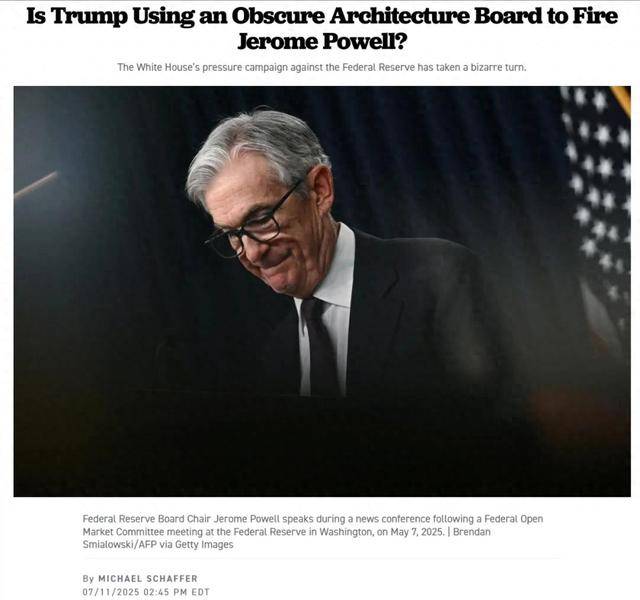
特朗普要搞「美联储主席最终面试」哈塞特尚未「板上钉钉」
Hua Er Jie Jian Wen· 2025-12-10 14:04
作者:龙玥 来源:华尔街见闻 美联储下一任主席的遴选正进入终局。尽管白宫国家经济委员会主任哈塞特目前处于领先位置,但特朗 普决定启动最后一轮面试,表明最终人选远未「板上钉钉」。 今日,据英国《金融时报》援引三名美国政府高级官员透露,特朗普与财政部长贝森特计划于本周三会 见前美联储理事沃什。此举标志着为寻找现任主席鲍威尔继任者的最后一轮面试正式拉开帷幕。 这一最新进展表明,哈塞特的提名并非十拿九稳。除哈塞特和沃什外,最终候选人名单还包括另外两名 来自美联储理事沃勒、鲍曼以及贝莱德高管里克·里德等人中的入围者。最终决定预计将在明年 1 月初 宣布。 这一人事变动的核心影响在于未来的货币政策走向。部分华尔街投资者已表达担忧,认为与总统关系密 切的哈塞特可能会过于激进地降息,从而给市场带来潜在风险。 哈塞特领先,但任期或存变数 贝森特仍有可能接管美联储 财政部长贝森特在此次遴选中扮演着关键角色。据官员称,他向白宫提交了一份包含四人姓名的名单, 哈塞特和沃什均在其中。尽管特朗普曾多次公开表示希望贝森特担任美联储主席,但贝森特本人已表态 无意此职。 然而,若哈塞特的任期缩短,则可能为贝森特在特朗普第二个任期的晚些时候接掌 ...
特朗普要搞“美联储主席最终面试”,哈塞特尚未“板上钉钉”,贝森特仍有望后续接任?
Hua Er Jie Jian Wen· 2025-12-10 00:16
Core Viewpoint - The selection process for the next Federal Reserve Chair is nearing its conclusion, with current frontrunner Hassett facing competition and uncertainty regarding the final decision [1][2]. Group 1: Candidates and Selection Process - Hassett is currently the leading candidate to succeed Powell, but the final decision is not guaranteed, as Trump has initiated a final round of interviews [1]. - Other candidates include Walsh, Waller, Bowman, and BlackRock executive Rick Reed, with the final decision expected in early January [1]. - There is speculation that Hassett may serve a shorter term than the usual four years, which could allow for future flexibility in appointments [2]. Group 2: Role of Treasury Secretary - Treasury Secretary Mnuchin plays a crucial role in the selection process, having submitted a list of candidates that includes Hassett and Walsh [3]. - Although Trump has expressed a desire for Mnuchin to take the Fed Chair position, Mnuchin has indicated he is not interested [3]. - A potential shorter term for Hassett could pave the way for Mnuchin to assume the Fed Chair role later in Trump's second term, indicating a long-term strategic consideration [3]. Group 3: Market Concerns and Responses - Some bond investors have expressed concerns about Hassett's potential for aggressive rate cuts, fearing it could lead to sustained inflation and impact the $30 trillion U.S. debt market [4]. - To address these concerns, Hassett emphasized the importance of central bank independence and the need to focus on economic data rather than political pressures [4]. - The selection process occurs against the backdrop of Trump's ongoing criticism of Powell for not lowering borrowing costs quickly or significantly enough, with expectations of a 25 basis point rate cut announcement [4].
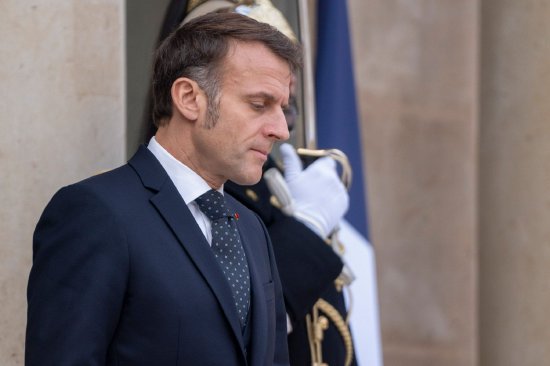
法国总统呼吁欧央行改变思路 建议货币政策兼顾经济增长和就业
Xin Lang Cai Jing· 2025-12-09 17:22
法国总统马克龙呼吁欧洲央行在货币政策上改变思路,以提振单一市场并防范金融危机风险。 马克龙在接受采访时表示,如果欧盟希望发挥其本土市场和高储蓄率等优势,欧洲央行就需要改变思 路。 "鉴于美元和人民币被用作经济工具并且欧洲经济增长陷入停滞,在我看来,当前欧洲货币政策完全可 以进行重大调整,"马克龙表示,"重新确认欧洲内部市场的重要价值,意味着我们不能只将通胀作为唯 一目标,还要兼顾经济增长和就业。" 欧元区领导人通常避免对央行货币政策发表评论,决策者也一贯强调央行独立性是其有效运作的关键。 与美联储肩负"充分就业"和"物价稳定"的双重使命不同,欧洲央行的核心目标是通胀,即通胀率在中期 内保持在2%左右。马克龙此前曾呼吁欧洲央行扩大政策考量范围,他在去年欧洲议会选举前的演讲中 建议增加"经济增长目标",甚至可能加入"去碳化"的相关目标。 法国总统马克龙呼吁欧洲央行在货币政策上改变思路,以提振单一市场并防范金融危机风险。 马克龙在接受采访时表示,如果欧盟希望发挥其本土市场和高储蓄率等优势,欧洲央行就需要改变思 路。 "鉴于美元和人民币被用作经济工具并且欧洲经济增长陷入停滞,在我看来,当前欧洲货币政策完全可 以进行重 ...

贝森特拒任美联储主席!特朗普内阁曝人选博弈,美国经济要变天?
Sou Hu Cai Jing· 2025-12-06 07:35
Core Viewpoint - The article discusses the political maneuvering within the Trump administration regarding the selection of the next Federal Reserve Chair, highlighting the tensions between Treasury Secretary Mnuchin and current Chair Powell, as well as the implications for monetary policy and economic stability [4][13][24]. Group 1: Federal Reserve Criticism - Treasury Secretary Mnuchin expressed a desire to reform the Federal Reserve, criticizing it for being too broad in its responsibilities and losing public trust [6][20]. - Mnuchin's proposal suggests that the Federal Reserve should focus solely on monetary policy, specifically stabilizing inflation and maintaining low unemployment, while relinquishing its regulatory role over banks [8][22]. - He argues that the Federal Reserve's quantitative easing policies have disproportionately benefited large corporations, exacerbating wealth inequality [9][24]. Group 2: Political Dynamics - The article indicates that Mnuchin's criticisms align with Trump's dissatisfaction with Powell, particularly regarding interest rate policies, creating a political backdrop for potential leadership changes at the Federal Reserve [13][15]. - The potential successor to Powell, Kevin Hassett, is noted for his close ties to Trump and advocacy for lower interest rates, which could further align the Federal Reserve with the administration's economic agenda [18][24]. - The article warns that if the Federal Reserve loses its independence and becomes a tool of the Trump administration, it could undermine the credibility of the dollar and U.S. monetary policy [18][26]. Group 3: Economic Implications - The article emphasizes that the ongoing power struggle over the Federal Reserve Chair position is not just about policy differences but also about the broader implications for economic stability and the potential risks to ordinary Americans [22][24]. - It suggests that if the Federal Reserve were to abandon its regulatory functions, it could lead to a repeat of past financial crises, highlighting the importance of maintaining regulatory oversight to prevent economic disasters [22][24]. - The overall message conveys that the independence of the central bank is crucial for economic stability, and any short-term political gains could have long-lasting negative effects on the economy [26].
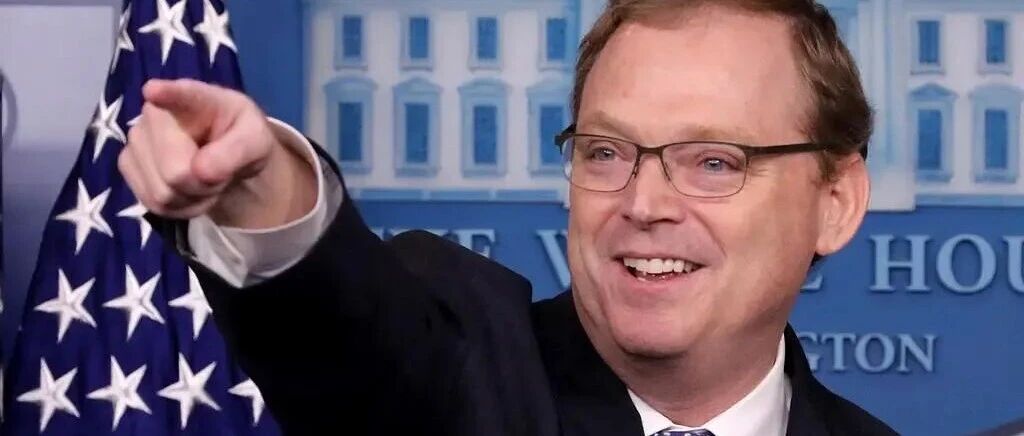
“影子联储主席”哈塞特发声:下周美联储应该降息,预计25基点
美股IPO· 2025-12-05 03:36
哈塞特在接受媒体采访时表态,FOMC现在似乎更倾向于降息,并预计降息幅度为25个基点。被问及若获提名将追求多少次额外降息时,哈塞特 回避了具体数字,强调美联储主席的职责是"对数据高度敏感",需要考虑利率调整对通胀和就业的影响。 哈塞特在采访中明确表达了对更低利率水平的长期追求,但同时展现出务实态度。 他表示,如果联邦公开市场委员会围绕25个基点形成共识, 他愿意接受这一幅度。 被问及若获提名将追求多少次额外降息时, 哈塞特回避了具体数字,强调美联储主席的职责是"对数据高度敏感",需要考虑利率调整对通胀和 就业的影响。 这一表态显示出他试图在政策倾向与央行独立性之间寻求平衡。 提名进程加速推进 特朗普近日频繁释放哈塞特可能获得提名的信号。在周二的白宫活动中,特朗普公开表示:"我想这里还有一位潜在的美联储主席,我不知道谁 能这么说——潜在的。他是一位受人尊敬的人,我可以告诉你们。谢谢你,Kevin。" 哈塞特本人对提名保持谨慎态度,称"总统正在考虑多位候选人,能与一些优秀人士出现在同一份名单上是我的荣幸。我们会看看结果如何"。特 朗普已表示将在2026年初宣布最终人选。 哈塞特表示美联储应在下周会议上降息,并预计 ...
华尔街表示:“反对提名哈西特成为美联储主席,或将抛售美国国债!”引发热议
Sou Hu Cai Jing· 2025-12-04 08:52
Group 1 - Concerns among major bond investors regarding Kevin Hassett's potential appointment as Federal Reserve Chair, warning of possible market turmoil if he lowers interest rates as per Trump's demands [2] - The U.S. Treasury has engaged in informal discussions with major Wall Street banks and asset management firms to gauge market sentiment on Hassett and other candidates, reflecting widespread anxiety over the potential change in Fed leadership [2] - Investors fear that Hassett's close ties to Trump may lead to indiscriminate rate cuts despite inflation remaining above the 2% target, raising concerns about the credibility of the Federal Reserve [2][3] Group 2 - Some individuals question Hassett's ability to lead a divided Federal Reserve Board, with discussions also involving the Treasury Borrowing Advisory Committee on debt issuance strategies [3] - Hassett's background includes serving as a senior economic advisor in previous Republican campaigns and holding positions in conservative think tanks and the Federal Reserve, but his close relationship with Trump raises concerns about the independence of the central bank [3] - The White House and Treasury have stated that discussions are ongoing to understand market dynamics, with Hassett emerging as a leading candidate among 11 potential nominees for the Fed Chair position [4]
“美联储主席已内定哈塞特”
3 6 Ke· 2025-12-03 02:25
新美联储通讯社:哈塞特当选美联储主席已"内部确定"。 周二,据有"新美联储通讯社"之称的《华尔街日报》记者Nick Timiraos报道,尽管美联储主席候选人面 试仍在进行中,但特朗普总统似乎已倾向于选择长期顾问哈塞特(Kevin Hassett)担任这一职位。此次 任命可能成为特朗普第二任期最重要的人事决策。 哈赛特 五名最终候选人包括哈塞特、前美联储理事Warsh、现任美联储理事Waller和Bowman,以及贝莱德高管 Rieder。Warsh今年夏天曾被视为与哈塞特并列的领跑者,但最近与他交谈过的人士认为他不再这样看 待自己。 遴选流程接近尾声 Timiraos表示,财政部长贝森特一直在主导这场历时数月的公开遴选,候选人通过有线电视和多次面试 展开竞争。最终候选人已与贝森特会面,本周开始将与副总统万斯(JD Vance)和其他白宫工作人员见 面,之后将与特朗普会面。贝森特表示特朗普可能在圣诞节前宣布提名人选。 Timiraos表示,特朗普周日告诉记者"我知道我要选谁",当被问及是否是哈塞特时,他只是笑而不语。 白宫国家经济委员会主任哈塞特满足了总统的两个关键标准:忠诚度,以及在市场中的公信力。 上周, ...
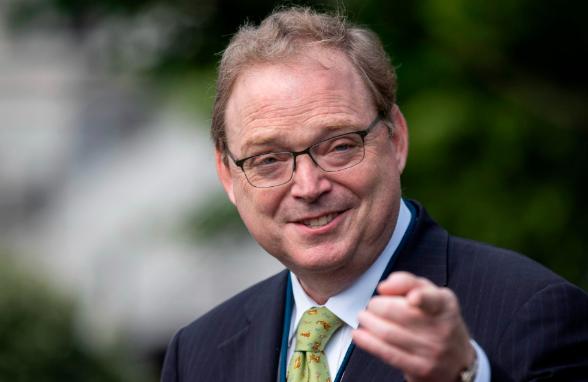
下任美联储主席就是他?解码哈塞特胜出的权力游戏
Jin Shi Shu Ju· 2025-12-02 07:13
作者:肖燕燕,金十数据 表面上,新一任美联储主席的遴选工作仍在进行中。少数最终候选人计划于本周开始与副总统万斯及白 宫高级幕僚进行面谈。 但实际上,这一流程似乎已接近尾声,特朗普似乎倾向于其长期顾问凯文·哈塞特(Kevin Hassett)。如 果哈塞特最终获得提名,那将是因为他符合特朗普的两个关键标准:忠诚度,以及在市场中的信誉。 "我知道我要选谁,"特朗普上周日对记者说。当被问及人选是否为哈塞特时,特朗普笑了笑,但未多 言。 自劳动节以来,财政部长贝森特一直在主持有条不紊的遴选工作,将最初的11位候选人范围缩小至5 人:现任白宫国家经济委员会主任哈塞特、前美联储理事凯文·沃什(Kevin Warsh)、现任美联储理事 沃勒和鲍曼,以及贝莱德高管里克·里德(Rick Rieder)。 哈塞特与沃什未回应置评请求。 白宫发言人库什·德赛(Kush Desai)表示:"在特朗普总统正式宣布之前,关于美联储提名的讨论均属 猜测。" 今年夏天,沃什曾与哈塞特一同被视为领跑者。但近期与沃什交谈过的人得到的印象是,他已不再这样 看待自己的处境。 据知情人士透露,哈塞特曾向白宫及其他政府官员表示,他渴望获得这一职位,并且 ...