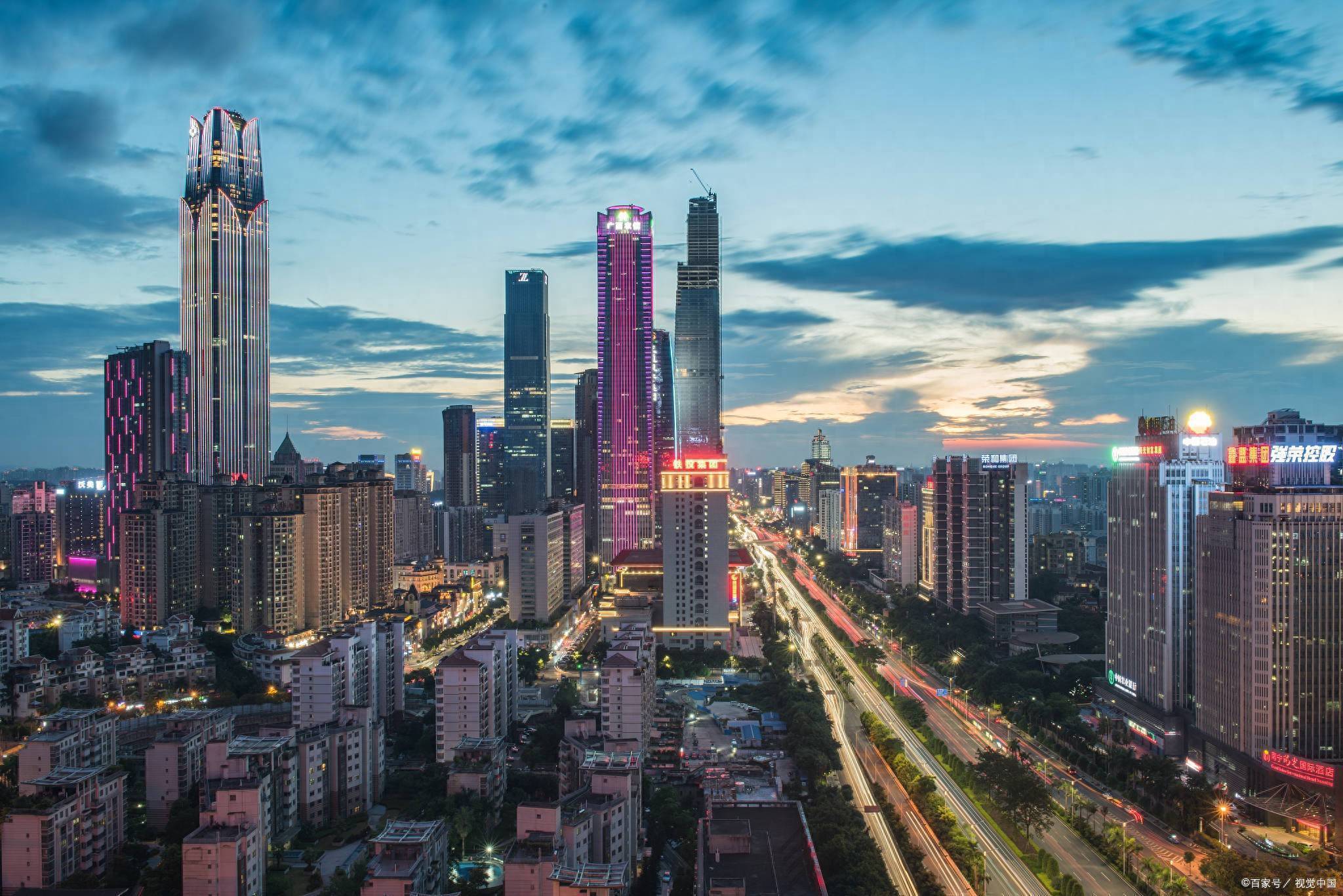
房价下跌

Search documents
商界大佬预言成真?2025年,手握存款的人或面临三大挑战
Sou Hu Cai Jing· 2025-06-17 06:52
Core Insights - The prediction of "future housing prices like green onions" has become a reality in 2025, causing significant concern among the Chinese populace as the real estate market faces a downturn and deposit interest rates continue to decline [1][5]. Real Estate Market - The once soaring housing prices are undergoing a profound value reshaping, with cities like Zhengzhou and Shijiazhuang already feeling the market chill, and even first-tier cities like Shanghai experiencing a price drop from over 90,000 yuan per square meter in 2021 to over 60,000 yuan, a decline of 30% [3][5]. - In lower-tier cities, housing prices have plummeted to rock-bottom levels, with properties in places like Hegang and Fuxin available for as low as 3,000 to 4,000 yuan per square meter, indicating a significant shift away from viewing real estate as an investment [5][7]. Banking Sector - The banking industry is facing challenges with rising deposit volumes and declining loan demand, leading to reduced deposit interest rates as banks attempt to stimulate investment and consumption [7][9]. - For ordinary depositors, the reduction in interest rates poses a wealth preservation challenge, with rates for three-year deposits dropping from 3.25% to 2.15%, a decrease of one-third, and further declines anticipated [7][9]. Challenges for Depositors - **Challenge 1: Declining Deposit Rates** The trend of falling deposit rates is expected to continue, making it difficult for depositors without investment knowledge to navigate high-risk investment options, while the meager interest income fails to keep pace with inflation [9][10]. - **Challenge 2: Increased Investment Risks** Many depositors are turning to high-yield investments like stocks and funds, but the investment environment in 2025 is grim, with the A-share market losing approximately 26.94 trillion yuan in total market value and average losses of around 140,000 yuan per investor [10][11]. - **Challenge 3: Entrepreneurship Risks** In light of the declining deposit rates and tough job market, many view entrepreneurship as a last resort for financial freedom, yet the path is fraught with challenges, including lack of experience and intense market competition, leading to high failure rates [11][12].

第一季度墨尔本房价涨幅最大地区公布!有没有你家
Sou Hu Cai Jing· 2025-06-15 22:50
Core Insights - The article highlights the rising property prices in Albion, a suburb of Melbourne, which has seen a median price increase of 5.2% over the last three months, making it one of the fastest-growing areas in terms of real estate value [3][4]. Group 1: Property Market Trends - Albion's median property value is reported at $733,127, with a quarterly increase of 5.2%, translating to an increase of approximately 36,537 AUD [4][3]. - Other suburbs in the western region of Melbourne, such as Ardeer and Keilor Downs, also experienced significant price increases, indicating a trend where more affordable housing options are gaining popularity [5][4]. - The overall trend shows that lower-end markets are performing better than high-end markets, attributed to construction costs and buyer preferences for ready-to-move-in homes [7]. Group 2: Comparative Analysis - The top ten suburbs with the highest price increases are predominantly located in the western region of Melbourne, with notable mentions including Knoxfield and Lysterfield, which saw increases of 5.2% and 4.9%, respectively [4][5]. - In contrast, high-end suburbs like Caulfield and Portsea experienced declines in property values, with Caulfield seeing a drop of 3.7% [6]. - The disparity in market performance suggests a shift in buyer behavior, with a growing interest in more affordable housing options outside the city center [7][9].
法拍房激增!这五个城市为何成为“断供重灾区”?
Sou Hu Cai Jing· 2025-06-12 03:47
Core Insights - The article highlights the significant increase in auctioned properties in China, with a 51.69% rise in 2024, totaling over 657,800 units, marking a historical high [1] - Five cities are identified as key indicators of the pressures facing the Chinese real estate market and the broader economy [1] Group 1: City-Specific Insights - **Chongqing**: 33,148 properties auctioned; economic structure struggles due to high traditional industry reliance, leading to reduced housing demand [3] - **Chengdu**: 32,194 properties auctioned; developer debt crises, such as that of Jinke Group, have led to increased project failures and buyer defaults [5] - **Zhengzhou**: 13,049 properties auctioned; housing prices have dropped by 30% since 2021, with high inventory levels complicating sales [8][9] - **Wuhan**: 12,474 properties auctioned; the aftermath of "zero down payment" policies has increased household leverage, with monthly payments exceeding 60% of income [12] - **Kunming**: 9,325 properties auctioned; tourism real estate struggles with slow recovery post-pandemic, leading to investment losses [13] Group 2: Market Trends and Conditions - **Price Decline**: Housing prices have fallen approximately 20% from peak levels, with some areas experiencing "debt-for-property" scenarios, severely impacting owner assets [4] - **Debt Risks**: Over 50% of financial institution disputes are related to loans, with a significant number of mortgaged properties entering the auction market [4][16] - **Auction Efficiency**: The auction clearance rate is only 23.2%, with a high failure rate of 76.8%, indicating a lack of market confidence [15] - **Regional Economic Disparities**: Central and western cities face increased auction volumes due to weak industries and population outflow, while core cities in the Yangtze River Delta show higher transaction rates [18] Group 3: Policy and Future Outlook - **Policy Impact**: The continuation of "zero down payment" policies has exacerbated the situation, leading to increased defaults and a strong willingness among owners to cut losses [17] - **Market Dynamics**: The auction market is characterized by a "volume increase, value decrease" trend, with luxury properties in cities like Shanghai and Shenzhen experiencing high demand, contrasting with low clearance rates in lower-tier cities [20] - **Future Projections**: If economic recovery does not meet expectations, the scale of auctions may continue to rise, serving as a barometer for both the real estate market and regional economic resilience [20]

高盛口出狂言?中国的房价,才跌一半而已?啥情况?
Sou Hu Cai Jing· 2025-06-11 10:26
Group 1 - The core viewpoint of the article is that Goldman Sachs predicts that China's housing prices have only declined by half compared to the U.S. during the 2006-2012 downturn, and further price drops are expected until 2027 [1][3][6] - The report suggests that the decline in China's housing prices is a natural economic result, driven by factors such as the disparity between housing price increases and income growth, leading to a situation where young people are heavily indebted [8][10] - The article discusses the differences in economic strategies between the U.S. and China in handling real estate bubbles, emphasizing that China aims to maintain stability and prevent systemic risks [12][14] Group 2 - The article highlights that over 70% of Chinese households' assets are tied up in real estate, contrasting with the U.S. where most investments are in the stock market [16] - It notes that urbanization in China is still ongoing, with approximately 150 million people expected to move to urban areas, which may support housing demand in major cities [18][20] - The article concludes that while housing prices are generally on a downward trend, different regions exhibit varying price movements, with first-tier cities likely to see price stability or appreciation, while third and fourth-tier cities may face continuous declines [22][24]

房价下跌:一场非对称的财富洗牌
Sou Hu Cai Jing· 2025-06-10 10:14
Core Insights - The article discusses the contrasting asset structures and financial resilience between high-net-worth individuals and low-to-middle-income groups, highlighting the impact of real estate market fluctuations on both demographics [3][4][6]. Group 1: Asset Structures - High-net-worth individuals typically hold 2.8 properties, with 75% of their assets located in core urban areas, and have an average leverage ratio of 25% [4][3]. - Low-to-middle-income groups own an average of 1.2 properties, with 82% of their assets in suburban areas, and have a higher average leverage ratio of 65% [4][3]. Group 2: Financial Resilience - High-net-worth individuals have a financial buffer of approximately 6 months, allowing them to manage economic downturns more effectively [4]. - Low-to-middle-income groups have a significantly shorter buffer of 1.5 months, making them more vulnerable to financial shocks [4]. Group 3: Market Impact - In major cities like Shanghai and Shenzhen, a 10% drop in luxury home prices can equate to a loss of 20 years of income for average families, while high-net-worth individuals can leverage asset swaps to mitigate losses [7][12]. - The number of foreclosed properties in Zhengzhou increased by 320% year-on-year, indicating rising financial distress among lower-income households [7][12]. Group 4: Coping Mechanisms - High-net-worth individuals utilize strategies such as debt restructuring and asset reallocation to maintain liquidity and manage risks [14]. - Low-to-middle-income groups face challenges such as applying for mortgage extensions with a low success rate and selling their only homes at a significant discount [14]. Group 5: Systemic Implications - The article suggests that the decline in property prices serves as a stress test for the economic system, revealing the asymmetrical impacts on wealth distribution and the need for more sophisticated policy designs to balance efficiency and equity in housing [16]. Group 6: Policy Responses - Current policies include a down payment cap for first and second homes, a limit on price drops in 68 cities, and measures to support state-owned enterprises in the land market [17]. - The article also mentions the potential for rental housing REITs and the release of funds through urban village renovations as part of the policy toolbox [17].
买不起房的人,已经盯上了断供房
36氪· 2025-06-05 21:56
以下文章来源于ONE文艺生活 ,作者震撼的 ONE文艺生活 . 让文艺成为一种流行的生活方式。 多少断供夫妻,决定免费送房? 文 | 牛小玲 编辑 | 奇妙 设计| JANE 来源| ONE文艺生活(ID: one_hanhan) 封面来源 | 《心居》剧照 朋友们,晚上好。 从小我妈就跟我说:天下没有白吃的午餐,也没有白吃的晚餐和夜宵。 但长大了开眼看世界了,才发现大城市就是不一样。 最近我总在社交平台刷到"送房子/倒贴送房子"的帖子;意思是白送房子,或者白送房子再给你十几万补贴。小时候只做过全国人民一人给我一块钱的美 梦;没想到长大了房子也能白送了? 买房,真正进入到0元购时代了吗? "送你套房子, 再给你20万"的魇幻楼市 没人知道谁是第一 个发起的房子0元购活动的人;刚听说的时候我以为是搞抽象的行为艺术;后来我在小某书和某鱼上刷到了大量这种帖子。标题基本都 是"房子免费送,直接过户"。 但仔细一看内容,原来不仅送房子,还送房贷。 啥意思呢? 就是房主因为经济压力还不上房贷了,为了避免影响征信就着急出手;基本是送房子送家具家电,首付一分钱不要,但是买房者要偿还后续房子的银行贷 款。 就比如这位网友,18 ...

一套房亏近百万:杭州的摇号房,交付后业主亏本5000一平米贱卖
Sou Hu Cai Jing· 2025-06-03 01:16
小区位于滨江区地铁4号线浦沿站附近,这小区开盘时间是在2021年9月份,当时是房地产火热朝天的时候,那时候买房还都是需要摇号的,能摇到号的业 主们可开心了,可没想到,等拿到房产证以后哭都没眼泪了。 当初新房限价38000元每平米,该小区总共经历了5次的摇号,中签率68%~100%,据说选择该小区的很多业主都是因为其他楼盘摇不到号,所以退而其次 来到这个楼盘。 杭州滨江一新小区叫江荣府,业主们3月份刚刚拿到房产证,就已经有70套房源挂出来出售。 有中介称,刚成交的一套房源,价格直接跌破了当初买入的价格,一套129㎡的房子,业主买入的价格是520万,现在成交的价格是445,房价直接亏损70 多万,每平米下降了5500元,21年到25年,4年的利息怎么也有20万,一套房子亏近百万。 江荣府总共有1090户,主力户型是109㎡和129㎡,都是四房的设计,也可以理解为是改善户型,4号线至浦沿站下车,直线距离虽然只有200m,但还要绕 行,步行最少也要1公里。 当初买这里的业主估计很多都是带有投资的目的,因为滨江那块的房价比较贵,荣江府38000的价格还是能接受的,但没想到市场行情一路狂跌,跌到爹 妈都不认识,这个房子跌 ...
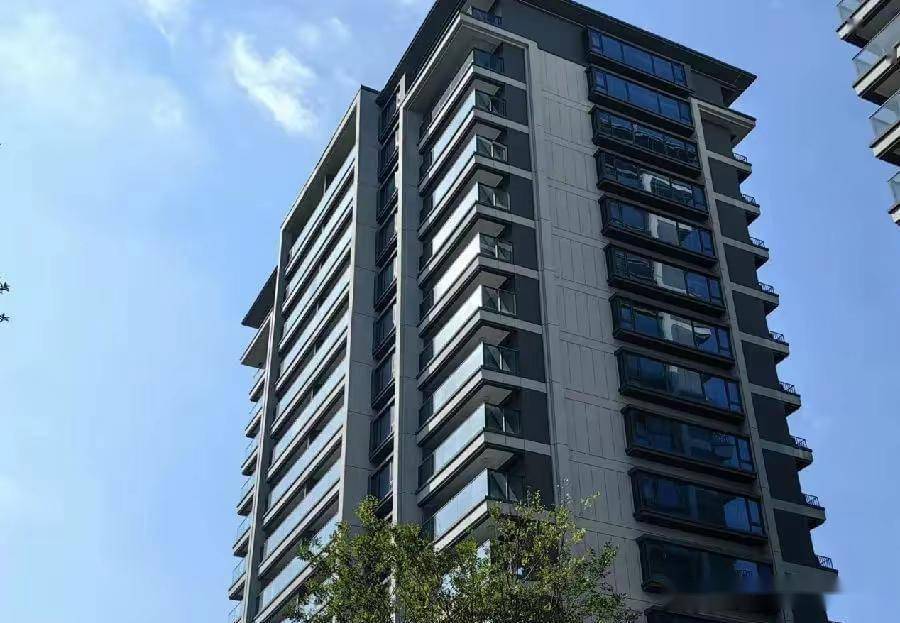
今明两年,若房价继续下跌,45%的家庭,不得不面临“4大困境”
Sou Hu Cai Jing· 2025-05-29 09:45
Core Viewpoint - The real estate market in China, which experienced significant growth post-1998 reforms, is now facing a downturn, leading to potential asset devaluation for families heavily invested in property [1][3]. Group 1: Impact on Households - Approximately 45% of urban households in China have invested in multiple properties, which are now at risk of losing value as housing prices continue to decline [1]. - Over 70% of the wealth of ordinary families is tied up in real estate, making them vulnerable to market fluctuations [3]. - The decline in housing prices has created a sense of urgency and anxiety among homeowners, particularly those with multiple properties, as they face the risk of asset depreciation [3][9]. Group 2: Financial Pressures - Many homeowners purchased properties using loans, and with the economic slowdown post-pandemic, their ability to repay these loans is diminishing, leading to increased risk of default [5]. - The rising pressure to meet mortgage obligations is forcing some homeowners to sell their properties at lower prices, further exacerbating the market's downward trend [5][7]. - The number of properties listed for sale has surged, with cities reporting over 100,000 listings, indicating a significant oversupply in the market [7]. Group 3: Consumer Behavior and Economic Impact - The decline in housing prices is contributing to a broader decrease in consumer spending, as homeowners feel financially constrained and are less willing to spend [9][10]. - The real estate sector's struggles are affecting numerous related industries, leading to increased operational pressures for businesses and reduced income for workers [9][12]. - A sustained decline in property values could have severe implications for the financial system, as real estate is closely linked to banking and credit markets [12].
买不起房的人,已经盯上了断供房
Sou Hu Cai Jing· 2025-05-29 08:19
从小我妈就跟我说:天下没有白吃的午餐,也没有白吃的晚餐和夜宵。 但长大了开眼看世界了,才发现大城市就是不一样。 最近我总在社交平台刷到"送房子/倒贴送房子"的帖子; 意思是白送房子,或者白送房子再给你十几万补贴。 小时候只做过全国人民一人给我一块钱的美梦; 没想到长大了房子也能白送了? 买房,真正进入到0元购时代了吗? 但仔细一看内容,原来不仅送房子,还送房贷。 啥意思呢? 就是房主因为经济压力还不上房贷了,为了避免影响征信就着急出手; 基本是送房子送家具家电,首付一分钱不要,但是买房者要偿还后续房子的银行贷款。 就比如这位网友,18年在四川买了套房子,要还30年房贷,月供4000块,但是一个月工资才7000块,还要还25年房贷。 没人知道谁是第一个发起的房子0元购活动的人; 刚听说的时候我以为是搞抽象的行为艺术; 后来我在小某书和某鱼上刷到了大量这种帖子。 标题基本都是"房子免费送,直接过户"; 朋友们,中午好。 经济压力太大,两口子因为房子还闹离婚,所以只要有人来买,一分钱不要直接过户给你。 甚至还有的不仅送房子,还倒搭给你一些钱,只需要你还接下来的月供。 咱乍一看感觉挺实惠的,但仔细一琢磨还有点奇怪; ...

楼市大局已定,超过45%的家庭,可能要经历这4大难题
Sou Hu Cai Jing· 2025-05-29 03:21
Group 1 - The domestic real estate market has been on a downward trend, with average housing prices dropping by 30% from their historical peak, affecting both new and second-hand homes [1] - The number of families owning two or more properties has increased from 41.5% to 45%, indicating a growing challenge for these households as they face asset depreciation [2][4] - The decline in housing prices is attributed to several factors, including high prices relative to local income levels, economic downturns leading to reduced incomes, and an oversupply of both new and second-hand homes [4][6] Group 2 - Households with multiple properties are experiencing increased financial pressure due to stagnant incomes and rising monthly mortgage payments, alongside escalating costs for property maintenance and management [6] - The volume of second-hand homes for sale has surged, with cities like Beijing, Guangzhou, and Shanghai seeing listings reach 16.1 million, 20 million, and 37 million respectively, indicating a lack of confidence in future price recovery [8] - Rental markets are becoming increasingly challenging, with both first-tier and third-tier cities facing difficulties in leasing properties, exacerbated by high living costs and an influx of affordable housing options [10]