
数字化管理

Search documents
以“一企一策”实训为抓手,科莱特夯实企业信息化建设、增强管理实力
Sou Hu Cai Jing· 2025-07-31 04:32
Core Insights - The article highlights the increasing demand for training and vocational education resources among enterprises in China as they seek to enhance digital management and efficiency in the context of intensified global technology competition and rapid industrial chain upgrades [1] Group 1: Market Overview - By 2025, the SAP market in China is expected to exceed 100 billion RMB, with a double-digit compound annual growth rate [1] - Enterprises face two main challenges: high complexity in system implementation and a significant shortage of skilled professionals [1] Group 2: Training Solutions - Colette Education plans to deepen its "enterprise demand feedback teaching" model by leveraging SAP internal training courses to support companies in improving their information technology infrastructure [1] - The company offers customized SAP training courses tailored to individual enterprise needs, covering skill training and industry knowledge updates [2] - Colette integrates an online learning platform that allows companies to set their own learning paths and assessment standards, along with data analysis and evaluation services to track employee progress and training effectiveness [1][2] Group 3: Implementation and Future Directions - Colette has already provided SAP internal training courses for companies like Dongjian Group, Huarun Pharmaceutical, and Beijing Yuanyi Technology, addressing issues such as system upgrades and implementation efficiency [3] - Future training will adopt a "work-study alternation" model, incorporating more industry case studies into practical courses and expanding the integration of AI and big data into training content [4] - The goal is to help enterprises leverage digital methods for transforming old and new growth drivers, enhancing core competitiveness, and effectively responding to rapidly changing market conditions [4]

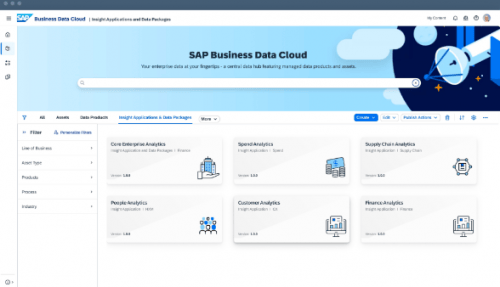
依托“一企一策”实训体系,福州科莱特教育科技有限公司助力企业筑牢信息化根基、提升管理效能
Sou Hu Cai Jing· 2025-07-30 16:45
Core Insights - The article highlights the increasing demand for training and vocational education resources among enterprises in China, driven by the need for digital management and cost efficiency as the economy transitions to high-quality development by 2025 [1] - The SAP market in China is projected to exceed 100 billion RMB by 2025, with a double-digit compound annual growth rate, but companies face challenges such as high implementation complexity and a significant talent gap [1] - Colette Education plans to deepen its "enterprise demand feedback teaching" model by offering customized SAP training courses to help companies enhance their information technology capabilities [1][3] Company Initiatives - Colette Education has already launched SAP internal training courses for companies like Dongjian Group, Huaren Pharmaceutical, and Beijing Yuanyi Technology, addressing issues such as system upgrades, personnel turnover, and low implementation efficiency [3] - The training includes SAP functionality and business introductions, configuration and development, and industry-specific solutions to improve employees' understanding of information systems and strategic planning [3][4] - Future plans include adopting a "work-study alternation" model to convert industry implementation cases into practical courses, integrating AI and big data to make training content more intelligent and agile [4]
定制白酒出货
Sou Hu Cai Jing· 2025-07-27 01:17
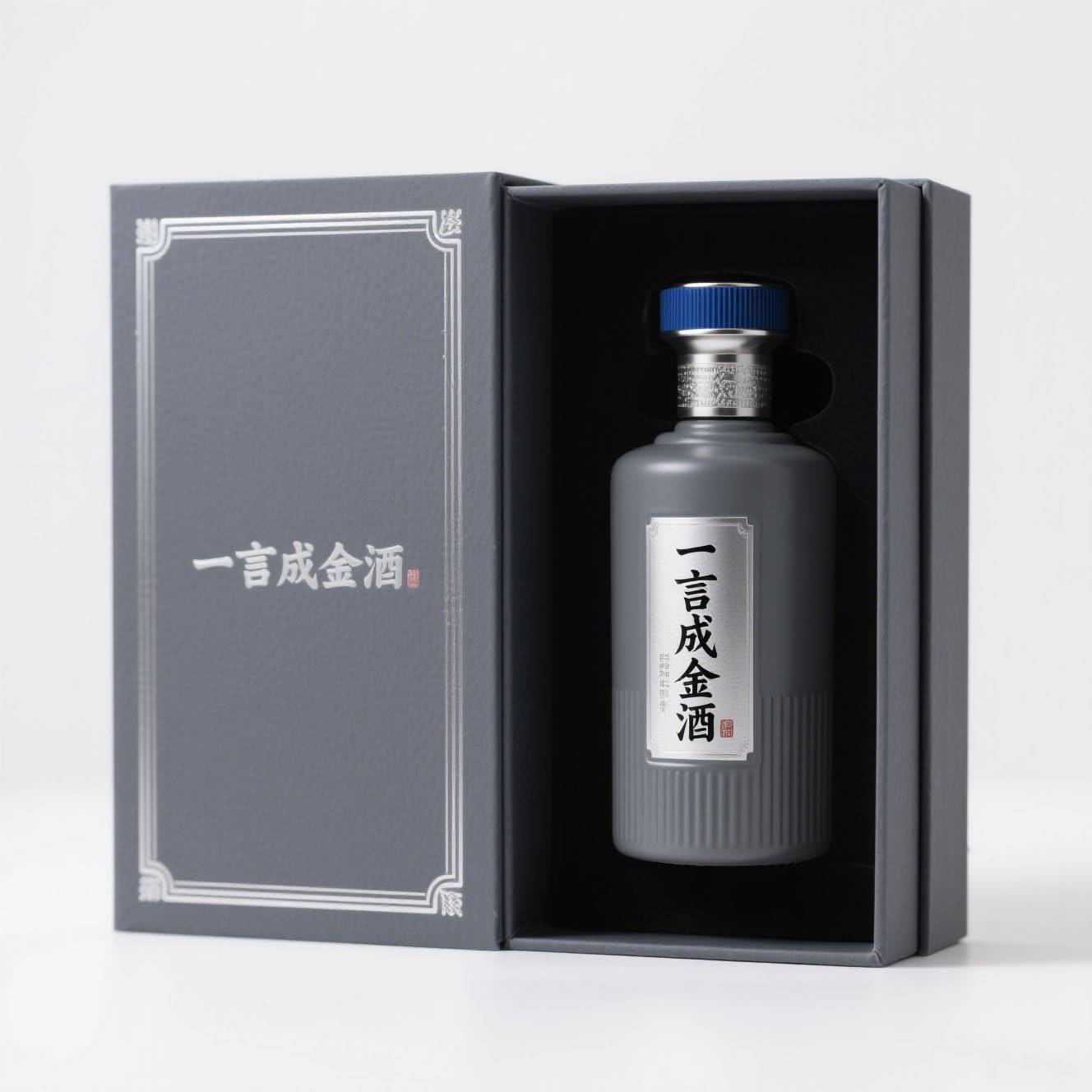
Core Insights - The white liquor industry is experiencing stable growth in shipment volume, which directly impacts market share and profitability, particularly in the customized liquor segment where personalized consumer demands are rising [1][4] - The total industry output value exceeded 1.2 trillion yuan in 2022, with total shipments reaching 105 million boxes, of which customized liquor accounted for approximately 15%, indicating significant market potential [1][4] - Companies are increasingly adopting digital and information management systems to enhance shipment efficiency and customer satisfaction [4][8] Group 1: Shipment Management - Customized liquor is closely tied to corporate gifts, weddings, and business collaborations, with one notable company serving over 150 corporate clients and achieving a total shipment of 45,000 bottles [2] - The introduction of smart warehouse management systems has reduced outbound shipping time by 20%, while partnerships with logistics companies have enabled 30% of orders to be delivered within 48 hours during peak seasons [2][5] - Digital transformation through ERP systems has decreased average shipment time from 72 hours to 48 hours and reduced error rates by 15% [4] Group 2: Logistics and Packaging - Companies employing multiple logistics partnerships achieved a shipment timeliness rate of over 95%, compared to a 20% delay rate for those using a single logistics provider during peak seasons [5] - Packaging innovations, such as modular designs and shock-resistant materials, have reduced damage rates from 3% to 1.2%, significantly lowering return costs [6] - Online channels have proven to be more efficient than offline channels, with average shipment times of 24 hours for online orders compared to 48 hours for offline [6] Group 3: Strategic Focus - Companies are focusing on differentiated shipping strategies to meet diverse customer needs, enhancing customer satisfaction [4][8] - Continuous optimization of shipment processes is essential for sustained growth in a competitive market [6][8]
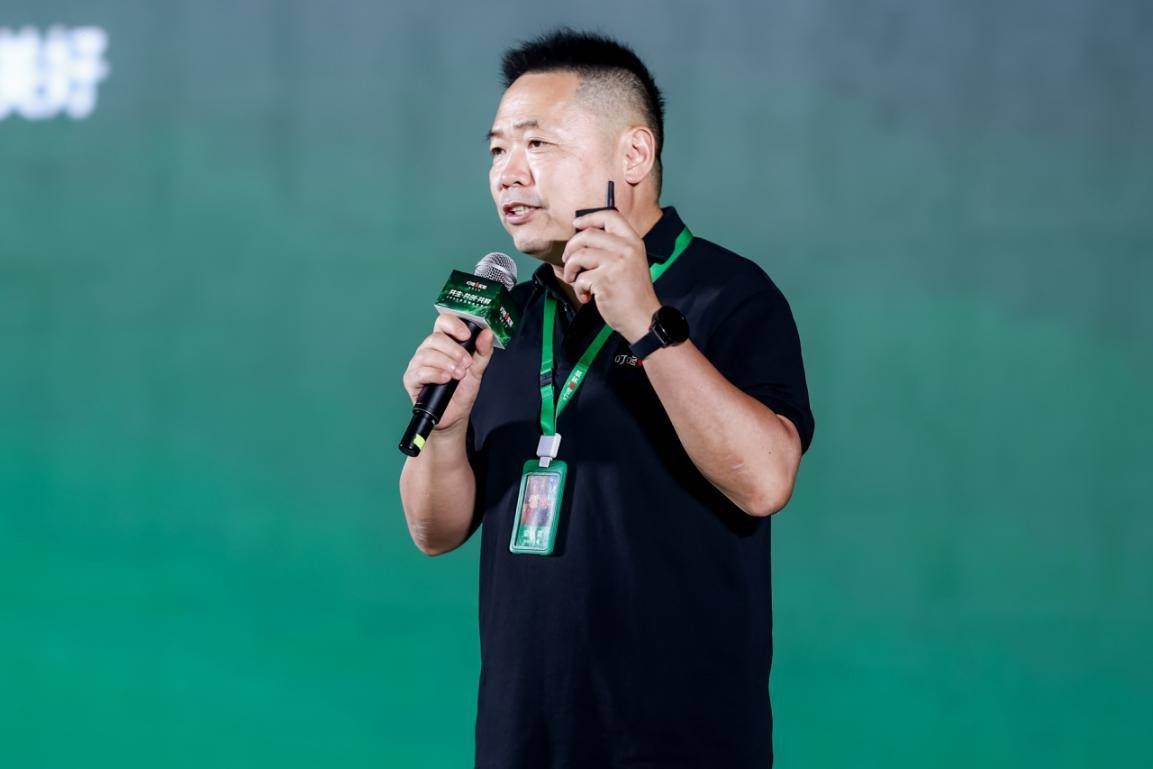
叮咚买菜CEO梁昌霖首谈即时零售大战 不要零和博弈要增量
Sou Hu Cai Jing· 2025-07-23 06:24
Core Insights - The instant retail sector is experiencing a massive subsidy wave, with platforms investing hundreds of billions to capture a trillion-dollar market [1] - Dingdong Maicai's CEO emphasizes the need for long-term strategies and differentiation in a highly competitive environment, aiming for sustainable growth rather than a zero-sum game [1][5] - Dingdong Maicai has achieved profitability for ten consecutive quarters under non-GAAP standards and five quarters under GAAP standards, with a focus on deepening supply chain management and product quality [1][6] Group 1: Competitive Landscape - The competition in instant retail is described as a zero-sum game, where only a few players will survive, leading to intense price wars and user acquisition battles [1] - Dingdong Maicai's strategy focuses on "narrowing down" to specific product categories and deepening supply chain management to differentiate from competitors [5][6] Group 2: Business Strategy - The "4G" strategy emphasizes quality over quantity, focusing on "good users, good products, good service, and good mindset" [3] - Dingdong Maicai aims to enhance product quality by investing in upstream supply chains and developing differentiated products that meet consumer demands for health and safety [6][9] Group 3: Product Development - The company has replaced over 4,000 mediocre products in the past six months, with "good products" now accounting for 40% of its SKU [6] - Dingdong Maicai is developing a low-GI food section and plans to create a comprehensive low-GI product line, collaborating with research institutions to improve product standards and consumer awareness [9][7] Group 4: Technological Integration - The integration of AI is transforming the instant retail landscape, enhancing supply chain management and product lifecycle oversight [10] - Dingdong Maicai is developing a traceability system to ensure transparency from production to delivery, leveraging digital capabilities and AI applications [10]

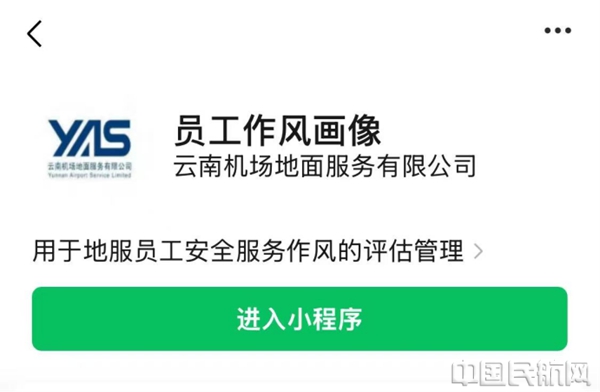
创新开发员工作风画像小程序 构建安全服务作风管理新格局
Zhong Guo Min Hang Wang· 2025-07-23 05:44
Core Viewpoint - Yunnan Airport Ground Service Company has launched the "Employee Work Style Portrait" mini-program, which digitally innovates the management model of employee work style, achieving a dual breakthrough in safety foundation and service quality upgrade, providing a replicable practical sample for the digital transformation of ground service personnel's work style [1][9]. Group 1: Digital Innovation and Management Model - The mini-program's innovation stems from the Civil Aviation Administration's guidelines emphasizing the construction of a long-term mechanism for safety work style, reflecting the company's deep consideration of work style construction and quantitative assessment [3]. - Traditional management faced challenges such as data dispersion and delayed feedback, leading to the development of the mini-program and the "Employee Work Style Portrait Management Measures (Trial)" to ensure seamless integration of systems and technology [3][4]. - The core of the system is a graded intervention based on "negative behavior accumulation count + type," allowing for comprehensive control from verbal reminders to competency assessments [3]. Group 2: Data Collection and Execution - The program ensures that every regulation can be quantitatively tracked, with data collection adhering to institutional standards through real-time input by team leaders and regular company checks [4]. - The intervention execution is based on data analysis results from the mini-program, forming a management closed loop that solidifies safety norms and service standards [4]. Group 3: Five-Dimensional Assessment and Closed-Loop Management - The mini-program employs a "Five-Dimensional Assessment System" covering safety service style, work discipline, work quality, training assessment, and work performance, visualized through radar charts [6]. - The assessment scores range from 0 to 100, with different color codes indicating performance levels, allowing management to grasp employee performance intuitively [6]. - The closed-loop management consists of four functions: precise recording of safety operations, monthly collection of problem rectification, incentive declaration for improvements, and data analysis for risk trends, enhancing safety control and service optimization [6]. Group 4: Impact on Safety and Service Quality - The mini-program has significantly improved safety and service quality, with a reported 50% decrease in safety service issues and a 24% reduction in complaints, while passenger satisfaction increased from 96.70% to 97.83% [9]. - The collaboration of positive incentives and negative supervision has led to a 100% rectification rate, shifting the mindset from "post-event correction" to "prevention" among management and employees [9]. Group 5: Future Implications and Management Wisdom - Employees can view their scores in real-time through the mini-program, allowing for proactive improvement, while management can analyze data trends to anticipate potential risks [12]. - This digital transformation not only strengthens the safety service foundation but also provides valuable practical experience for the digital transformation of work style construction in aviation ground services, showcasing management wisdom characterized by robust system design, precise data management, and supportive employee growth [12].
团餐“二代”登台:万亿市场的代际传承之战
3 6 Ke· 2025-07-18 09:25
Core Insights - The article discusses the generational transition occurring within China's group meal industry, highlighting the emergence of the "second generation" of leaders who are stepping into significant roles as their predecessors age [3][5][6]. Industry Overview - The group meal industry in China has surpassed a trillion yuan in scale and is entering a critical phase of leadership succession as the founding generation approaches retirement [3][7]. - Over 60% of the top 50 companies in the industry have begun implementing succession plans, with the average age of founders reaching 58 years [7]. Challenges of Succession - The transition from the first generation to the second generation is fraught with challenges, including trust issues regarding the transfer of power and authority [12][13]. - The younger generation faces difficulties in gaining the recognition and support of the existing management teams, which can lead to significant turnover and resistance to change [13][15]. Educational Background and Market Demands - A notable 51% of the new generation leaders have overseas higher education experience, which is significantly higher than their predecessors [9]. - The current market demands a shift towards food safety, digital management, and sustainable practices, which traditional management styles struggle to address [11]. Innovative Approaches to Leadership Transition - Some companies are adopting a phased succession approach, allowing successors to gain practical experience in subsidiary companies before returning to core decision-making roles [19][20]. - Establishing "special zones" for innovation allows younger leaders to explore new business models without conflicting with existing operations [21][22]. Future Outlook - The new generation is redefining the concept of dining, recognizing it as an important social experience rather than merely a means to satisfy hunger [24]. - The industry is poised for transformation as the younger generation integrates modern management practices with traditional values, creating opportunities for growth and innovation [25][26].

时速达450公里!智慧产线助力中国高铁更快更稳
Xin Hua She· 2025-07-15 14:19
Core Viewpoint - The article highlights the advancements in high-speed rail technology in China, particularly focusing on the CR450 train developed by CRRC Changchun Railway Vehicles Co., Ltd, which showcases significant improvements in speed, safety, and smart technology integration [1][2]. Group 1: Product Development and Innovation - The CR450 train has achieved a maximum test speed of over 450 km/h and features upgrades in areas such as intelligent interaction, safety monitoring, and passenger services, enhancing the overall travel experience [1]. - CRRC Changchun has transitioned from traditional manufacturing to intelligent manufacturing, producing a range of high-end rail vehicles, including high-speed maglev trains and hydrogen-powered trains [1][5]. - The company has developed a production management system that automates production planning and task distribution, improving efficiency and ensuring timely delivery of materials [2][3]. Group 2: Technological Integration - The assembly line incorporates over ten digital technologies, including 5G, automation, IoT, and big data analysis, ensuring precise quality control in the manufacturing process [2][3]. - Intelligent tools and monitoring systems have been implemented to enhance safety and reduce quality issues during assembly, such as the smart torque system that minimizes manual errors [3]. Group 3: Market Expansion and Global Reach - CRRC Changchun has successfully exported rail vehicles to over 20 countries and regions, with a cumulative contract value exceeding $14 billion, marking a significant milestone in China's rail equipment export history [4]. - The company signed its first contract for high-speed train exports to Europe during the 2023 Belt and Road Forum, further solidifying its international presence [3][4].

“青年文明号”团队助力建筑智能科技从“云端”走向“一线”
Zhong Guo Qing Nian Bao· 2025-07-15 08:36
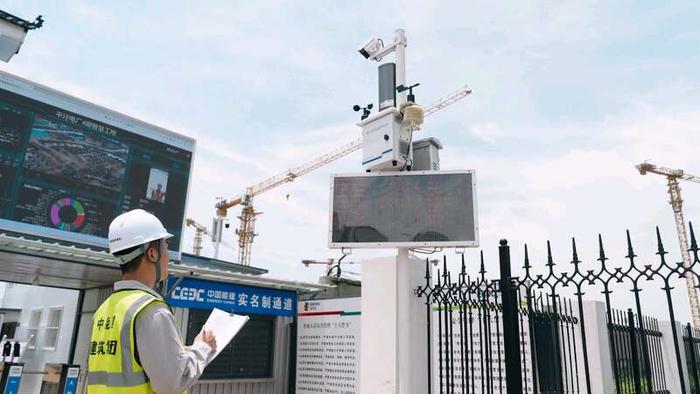
Core Viewpoint - The article highlights the integration of AI and digital technologies in construction projects by China Energy Construction Group, showcasing their commitment to safety and efficiency in the construction of major energy facilities [1][3]. Group 1: Technological Innovations - The construction sites of the Pingui Power Plant and Luhe Power Plant are utilizing AI for safety management, including a facial recognition system that ensures workers are wearing safety gear [3]. - A grid-based management platform developed by the youth team displays real-time access records and inspection alerts, achieving comprehensive safety monitoring on-site [3][5]. - The project employs over 40 smart construction modules, integrating AI video surveillance, real-name systems, and safety checks to monitor various elements of the construction process [5]. Group 2: Project Highlights - The Pingui project features the world's tallest and largest all-concrete cooling tower, standing at 238.9 meters high and 181.7 meters in diameter, presenting significant construction challenges [5]. - The use of industry-level drone technology equipped with infrared thermal imaging and AI for personnel identification and safety inspections enhances operational safety [5][7]. - The Luhe Power Plant's construction site is constrained in size, necessitating innovative planning and execution strategies to optimize space and workflow [7][9]. Group 3: Youth Involvement - The "Youth Civilization" team and youth task forces are actively engaged in the projects, applying smart construction techniques and digital planning to improve efficiency and aesthetics [1][9]. - The youth team utilizes BIM technology to simulate critical construction components, providing technical support for the main construction activities [9].

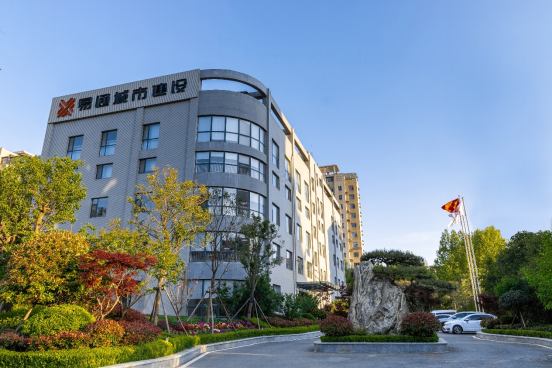
秀出“硬实力”当好“大管家”易通城建提升服务品质打造服务标杆
Qi Lu Wan Bao· 2025-07-14 03:06
Core Viewpoint - Jinan Yitong Urban Construction Group Co., Ltd. has established itself as a leading urban service provider, focusing on comprehensive urban management and infrastructure development, while enhancing its brand value and service quality in response to market demands [1][2][4]. Company Overview - Yitong Urban Construction has transformed from a traditional construction company into a comprehensive urban operation service provider, integrating investment, construction, and operation [1][5][17]. - The company has been recognized for its significant contributions to urban development, including winning multiple provincial and municipal quality engineering awards [4][5]. Business Strategy - The company emphasizes multi-dimensional development and refined management to enhance its overall strength amid changing economic conditions [2][19]. - Yitong Urban Construction has adopted a "City Steward" service model, focusing on integrated urban management, including municipal infrastructure, sanitation, and landscaping [4][16]. Technological Innovation - The company has invested in technology innovation, utilizing advanced methods such as BIM and automated production to improve construction efficiency and quality [7][17]. - Yitong Urban Construction has established a digital platform for urban management, integrating smart sanitation and irrigation systems to enhance operational efficiency [14][16]. Environmental Commitment - The company actively promotes green development, contributing to the "Park City" initiative by creating various parks and enhancing urban green spaces [11][12]. - Yitong Urban Construction has maintained a focus on sustainable practices, managing a total green maintenance area of 2.46 million square meters [11]. Community Engagement - The company integrates community service into its operations, emphasizing the importance of public satisfaction and engagement in urban management [20][22]. - Yitong Urban Construction has developed a volunteer service framework, enhancing its community presence and social responsibility [22][24]. Recognition and Achievements - The company has received numerous accolades for its innovative practices and contributions to urban management, including being named a model for party-building in enterprises [20][24]. - Yitong Urban Construction has been listed among the first batch of innovative small and medium-sized enterprises in Shandong Province for 2023 [5].
狗不理集团被列入经营异常名单,董事长最新讲话提及餐饮“竞争白热化”
Xin Lang Ke Ji· 2025-07-08 10:00
Group 1 - The company, Dog Biting Group Co., Ltd., has been listed in the business abnormality directory by the Tianjin Market Supervision Administration for failing to publicly disclose its annual report within the required timeframe [1] - The company was established in October 1991 with a registered capital of 65 million RMB, and its business scope includes retail of tobacco, arts and crafts, daily necessities, hardware, electrical appliances, and food services [1] - A recent two-day mid-year business analysis meeting and training session was held at the company's headquarters, focusing on enhancing systematic, predictive, and creative management capabilities [1] Group 2 - The chairman, Zhang Yansen, acknowledged the achievements of the company's various enterprises in the first half of the year but highlighted the challenges faced by the restaurant industry, including shifts in consumer structure and intense competition [2] - The company aims to strengthen its digital management capabilities and data integration to enhance operational foresight and creativity, emphasizing the importance of a youthful and knowledgeable workforce for future development [2] - The company plans to continue its talent strategy, focusing on talent development and knowledge structure adjustment to preserve and pass on the brand's legacy [2]