
文商旅融合

Search documents
重庆渝中将焕新一批文商旅消费场景
Sou Hu Cai Jing· 2025-09-25 04:00
Core Viewpoint - The Yuzhong District is launching a three-year action plan (2025-2027) to enhance cultural tourism and commercial integration, focusing on creating immersive and interactive consumption scenarios [1][2]. Group 1: Action Plan and Objectives - The action plan aims to fully integrate commerce, culture, and tourism in spatial layout, product supply, and traffic conversion [2]. - Yuzhong District will introduce a series of new consumption spaces, transitioning traditional commerce to thematic and integrated formats, enriching various sectors such as art museums, bookstores, performance theaters, and design hotels [2]. Group 2: Cultural and Historical Resource Utilization - The district plans to revitalize historical buildings, industrial relics, and unique streets to create non-standard commercial projects that blend historical culture with modern consumption [2][5]. - Specific projects include the revitalization of the Pipa Mountain Old Street and the Jiangbei Riverside Leisure Street, promoting a harmonious coexistence of historical and contemporary elements [2]. Group 3: Innovation in Business Models - Yuzhong District will promote cross-industry integration of "commerce + culture + tourism," focusing on local culture and supporting the introduction of emerging sectors such as art curation and esports [5][6]. - New experiential and trendy consumption scenarios will be developed, including a low-altitude flying theme park and a one-stop esports theme park [5][6]. Group 4: Event and Activity Promotion - The district will enhance brand festival activities to attract crowds and boost business, facilitating the introduction of new products and events in commercial areas [6]. - In conjunction with the upcoming National Day holiday, Yuzhong District will collaborate with over a hundred businesses to launch various cultural tourism promotional activities, featuring nearly 100 unique events [6].

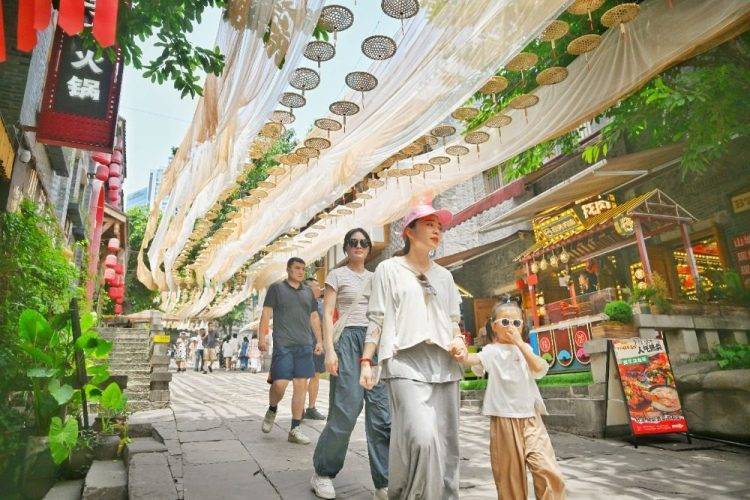
友谊商店改造“后院焕新”,老商场变成新“网红”
Xin Jing Bao· 2025-09-24 15:29
Core Viewpoint - The renovation of the Friendship Store marks a significant transformation aimed at revitalizing a historic commercial space into a modern, multi-functional urban area that blends dining, culture, and leisure, while preserving its historical essence [1][7]. Group 1: Renovation and Transformation - After four months of trial operation, the Friendship Store officially reopened on September 23, coinciding with the Wangfujing Group's 70th anniversary [1]. - The renovation included converting an old parking lot into an 800-square-meter green space known as "Friendship Garden," which has become a popular social spot [1][2]. - The store, originally established in 1964, has undergone several transformations, including a shift from a foreign exchange store to a public shopping venue in the late 1990s [4][6]. Group 2: Business Model and Strategy - The Wangfujing Group adopted a "one store, one policy" strategy for the upgrade, focusing on creating a diverse urban lifestyle circle that integrates various business formats [3][7]. - The renovation follows a "light intervention" principle, allowing merchants significant creative freedom while maintaining the original structure of the building [5][6]. - The project has attracted around 20 operational merchants, with plans for over 30, and employs a flexible cooperation model that reduces initial investment costs [6][7]. Group 3: Market Position and Future Outlook - The Friendship Store's transformation reflects broader trends in Beijing's commercial landscape, emphasizing the integration of culture, commerce, and tourism [7][8]. - The introduction of new brands and services, such as a second-hand trading platform and a youth hotel, aims to create an immersive experience for consumers [7]. - The successful transformation of the Friendship Store serves as a model for balancing historical preservation with modern commercial needs, potentially guiding future urban renewal projects [8].

探索青年与城市共生共荣 润州人才赋能打造文商旅融合“青春样板”
Zhen Jiang Ri Bao· 2025-09-23 23:48
Group 1 - The core idea of the news is the launch of the "Runzhou Mingyue Night" third phase decompress market, which aims to create a vibrant space for youth to engage in creative activities and promote the integration of culture, commerce, and tourism in Runzhou District [1] - Runzhou District focuses on "scene innovation, policy empowerment, and value co-creation" to build a youth development ecosystem that allows young people to thrive in the ancient city [1][2] - The district has transformed traditional street boundaries into social spaces and entrepreneurial hubs for youth, enhancing cultural experiences and services [2] Group 2 - The "Youth Talent Introduction Plan" has been initiated to attract and retain young talent through a comprehensive service chain, including recruitment and collaboration with universities [3] - Over the past three years, Runzhou District has attracted 185 high-level talents, with young talent accounting for 35.6%, and has seen a significant increase in local university students choosing to stay in the area [3] - The district has implemented various supportive policies and organized numerous events to facilitate talent development and collaboration between academia and industry [3] Group 3 - Youth are transitioning from consumers to value creators, significantly contributing to the local economy through various initiatives and events [4] - Activities led by youth, such as street performances and community sports events, have resulted in substantial increases in consumer spending and engagement [4] - Runzhou District aims to deepen the integration of youth talent with cultural and commercial tourism, enhancing the overall quality of life and opportunities for young people [4]
第四届中国(四川)国际熊猫消费节25日启幕 购在中国 蜀里安逸
Si Chuan Ri Bao· 2025-09-23 00:16
Core Viewpoint - The "Buy in China · Sichuan Station" and the Fourth China (Sichuan) International Panda Consumption Festival will take place from September 25 to November 30, featuring a variety of international and local activities aimed at boosting consumer spending and enhancing the shopping experience in Sichuan [4][10]. Group 1: Event Overview - The festival will include a main venue in Chengdu and sub-venues in Yibin and Dazhou, with a total framework of "1+12+N" activities [4][10]. - The event will feature 12 flagship IP activities focusing on various economic sectors, including the Chengdu-Chongqing Twin City Consumption Festival and the Eighth World Sichuan Cuisine Conference [4][5]. Group 2: Economic Focus Areas - Five major economic zones will host unique activities: - Chengdu Plain Economic Zone will focus on international consumption and launch events like the Import Carnival [5]. - Southern Sichuan Economic Zone will emphasize nighttime economy with food and wine festivals [6]. - Northeastern Sichuan Economic Zone will explore red tourism and cultural performances [7]. - Panzhihua Economic Zone will target the silver economy and wellness tourism [8]. - Northwestern Sichuan Ecological Demonstration Zone will integrate culture and commerce [9]. Group 3: Consumer Incentives - A total of 400 million yuan in "Shu Li An Yi" consumption vouchers will be distributed, with additional promotional activities expected to exceed 1 billion yuan in benefits for consumers [10][11]. - The festival will introduce the "Most Beautiful Sichuan West Scenic Road" self-driving travel package, along with wedding and vacation routes to attract tourists [4][10]. Group 4: Cultural and Tourism Activities - Over 1,300 cultural and tourism activities will be organized, including 50 major international and domestic events [15][17]. - The festival will feature more than 100 unique exhibitions across various cultural venues, enhancing the overall visitor experience [16]. Group 5: Sports and Entertainment Integration - Major sporting events, including the NBA Celebrity Game and the League of Legends World Championship finals, will be held in Chengdu, aiming to drive consumer engagement through sports [18]. - The integration of sports events with local consumption will be emphasized, with special packages for fans and promotional activities in major commercial areas [14][17].
这个秋天,四川“好买、好耍、好安逸”!第四届中国(四川)国际熊猫消费节即将启动
Sou Hu Cai Jing· 2025-09-22 13:10
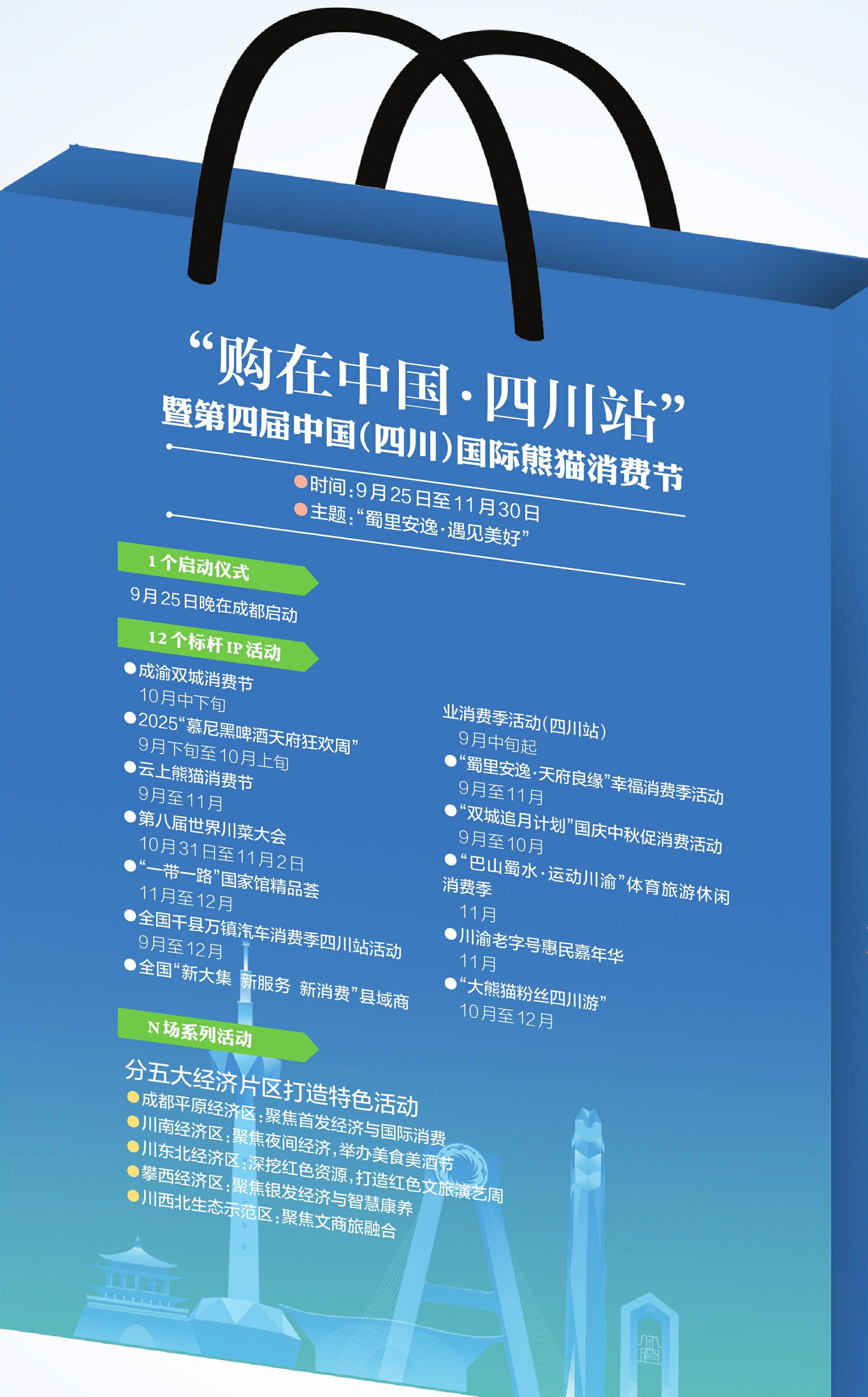
Core Viewpoint - The "Buy in China · Sichuan Station" and the Fourth China (Sichuan) International Panda Consumption Festival will take place from September 25 to November 30, aiming to stimulate new consumption and meet consumer demand in Sichuan [1][3]. Event Framework - The event is structured around a "1+12+N" framework, featuring one main launch ceremony, twelve benchmark IP activities, and numerous series of local events [3][4]. - The main launch ceremony will occur on the evening of September 25 in Chengdu, showcasing new consumption vitality and releasing the "Shu Li An Yi" consumption scenarios for 2025 [3][6]. Benchmark Activities - Twelve benchmark IP activities will focus on various economic themes, including night economy and international consumption, with events like the Chengdu-Chongqing Consumption Festival and the Eighth World Sichuan Cuisine Conference [3][4]. Regional Focus - Different economic regions will host tailored activities: - Chengdu Plain Economic Zone will emphasize international consumption and host events like the Import Carnival [4]. - Southern Sichuan will focus on night economy with food and wine festivals [5]. - Northeastern Sichuan will promote red tourism and local products [5]. - Western Sichuan will integrate cultural and commercial tourism [5]. Financial Incentives - A total of 400 million yuan will be allocated for issuing consumption vouchers, with an expected benefit exceeding 1 billion yuan for consumers through various promotional activities [6][7]. Diverse Consumption Scenarios - The festival will feature over 120 new consumption scenarios, promoting a variety of sectors including retail, dining, and technology [7]. - Initiatives like the "Hundred Products Thousand Stores" plan will enhance local small businesses, fostering a vibrant consumer atmosphere [7].
第四届中国(四川)国际熊猫消费节即将启幕,4亿元消费券等你来抢
Sou Hu Cai Jing· 2025-09-22 12:25
Core Viewpoint - The "Shopping in China: Sichuan Station" and the Fourth China (Sichuan) International Panda Consumption Festival will take place from September 25 to November 30, aiming to stimulate new consumption patterns and enhance consumer demand in Sichuan province [1][3]. Group 1: Event Overview - The festival will feature a main venue in Chengdu and sub-venues in Yibin and Dazhou, with a series of supporting activities across other cities [1][3]. - The event is structured around a framework of "1+12+N," including one launch ceremony, twelve benchmark IP activities, and numerous series of activities tailored to local characteristics [3][4]. Group 2: Key Activities - The launch ceremony on September 25 will showcase the consumption vitality of Chengdu, Yibin, and Dazhou, and will introduce new consumption scenarios for 2025 [3]. - Twelve benchmark IP activities will focus on various economic themes such as night economy and internationalization, including events like the Chengdu-Chongqing Consumption Festival and the Eighth World Sichuan Cuisine Conference [3][4]. Group 3: Regional Focus - Five economic zones will host unique consumption promotion activities, such as food and wine festivals in the South Sichuan Economic Zone and cultural tourism events in the Northeast Sichuan Economic Zone [4][5]. - The festival will also emphasize the integration of culture and commerce, particularly in areas rich in natural and cultural resources [4][5]. Group 4: Financial Incentives - A total of 400 million yuan will be allocated for "Shu Li An Yi" consumption vouchers, with an overall benefit exceeding 1 billion yuan for consumers through various promotional activities [5][6]. - The festival will coincide with major consumption periods, implementing policies to encourage the replacement of old consumer goods and promoting automotive consumption [5][6]. Group 5: Consumer Experience - The festival aims to create a diverse and vibrant consumer atmosphere by leveraging 120 new consumption scenarios across various sectors, including retail and technology [6]. - Initiatives like the "Hundred Products Thousand Stores" plan will enhance local small businesses, fostering a sense of community and cultural heritage [6].
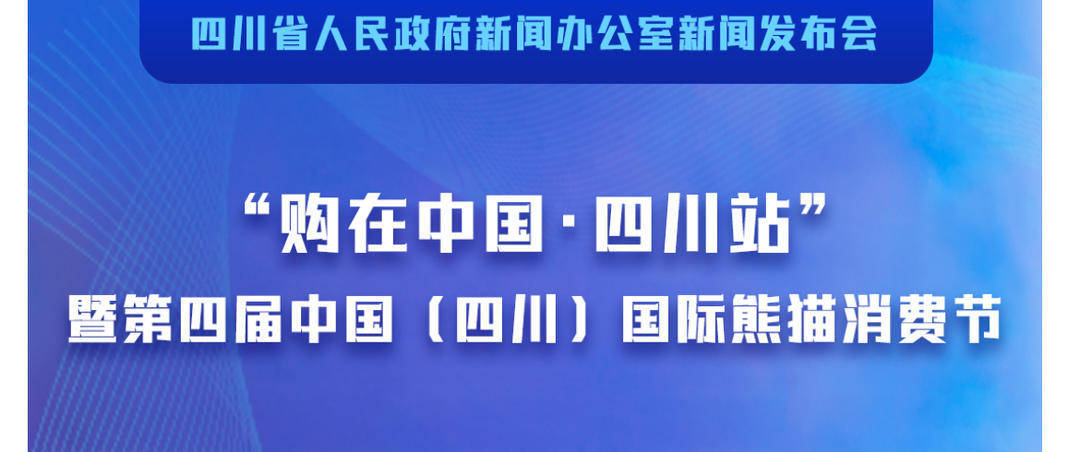
“四季姑苏 桂香满城”主题活动启动
Su Zhou Ri Bao· 2025-09-21 01:58
Core Points - The "Four Seasons Suzhou, Fragrant City" theme event was officially launched on September 20, featuring 12 sub-activities that will run until mid-November, integrating culture, tourism, entertainment, and consumption [1] - The event includes a "Fragrant Market" showcasing seasonal agricultural and cultural tourism products, with participation from local enterprises and traditional brands, offering a variety of Suzhou delicacies [1] - A "Suzhou Fragrance Index" map was released to guide visitors to the best spots for enjoying the autumn scenery, highlighting the cultural heritage and contemporary charm of Suzhou [2] Group 1 - The event aims to create immersive cultural experiences through various performances, including opera, magic, and street music, enhancing community engagement [2][3] - The event features themed activities across different locations, such as the Qingdao Beer Festival and the "Seven Li Fragrance Quest" ancient street drama, promoting local tourism [2] - The initiative seeks to transform the popularity of floral economy into urban tourism flow, broadening consumption pathways and injecting vitality into the ancient city [3]
报告:广东头部商圈需要从规模扩张转向质量跃升
Zhong Guo Xin Wen Wang· 2025-09-19 13:50
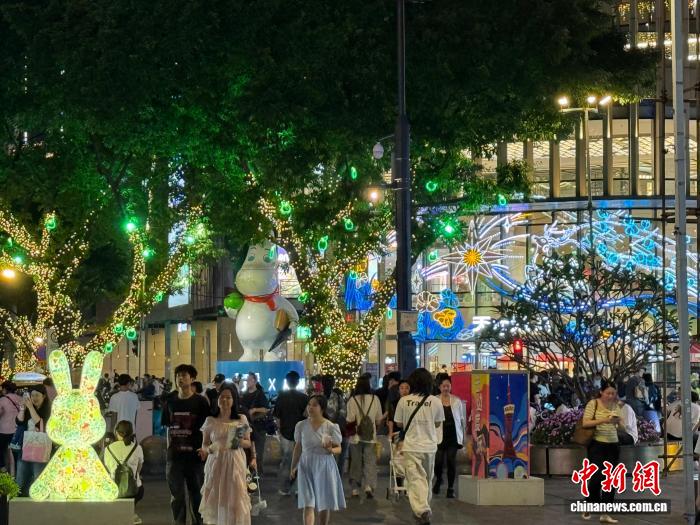
Core Insights - The report emphasizes that Guangdong's commercial districts need to shift from scale expansion to quality improvement, guided by an index system to leverage strengths and address weaknesses [1][2]. Group 1: Commercial District Development Strategies - Optimize commercial district layout to break the dominance of single-core areas, promoting balanced multi-core development and equitable resource distribution [1][2]. - Enhance brand aggregation effects by attracting high-end brands and promoting first-store economies to increase the attractiveness and competitiveness of commercial districts [1][2]. Group 2: Innovation and Cultural Integration - Drive business model innovation and strengthen smart commercial district construction to create unique consumer experiences that meet diverse and personalized consumer demands [2]. - Deepen the integration of culture, commerce, and tourism by exploring Lingnan cultural connotations to enhance the cultural appeal of commercial districts [2]. Group 3: Quality Improvement Initiatives - Improve service levels, optimize traffic organization, and enhance supporting facilities to elevate consumer experiences [2]. - The report suggests that leading commercial districts should transition to quality enhancement, while mid-tier districts focus on distinctive breakthroughs, and lower-tier districts should address shortcomings through policy support [2]. Group 4: Case Study - Beijing Road Commercial District - Beijing Road is highlighted as a national model for pedestrian streets, showcasing strong comprehensive competitiveness, cultural influence, and service capabilities [2]. - The district combines traditional culture with modern commerce, hosting various cultural events that attract both tourists and locals, thus enhancing its vibrancy [4][5].
第36届关公文化旅游节开幕在即
Xin Lang Cai Jing· 2025-09-19 09:36
Core Perspective - The 36th Guan Gong Cultural Tourism Festival in Yuncheng, Shanxi Province, aims to promote Guan Gong culture and deepen the integration of culture, commerce, sports, and tourism, enhancing cultural exchanges across the Taiwan Strait [1][2]. Cultural and Commercial Activities - The festival will feature a four-dimensional integration model of "Culture + Commerce + Sports + Tourism" to showcase the city brand of "Guan Gong's Hometown, Yuncheng" [1]. - The opening ceremony on September 23 will include speeches, a documentary premiere, and cultural performances, followed by a traditional worship ceremony and an art exhibition [1][2]. Academic and Cultural Exchange - A seminar on "Guan Gong Culture and Folk Beliefs" will take place on September 24, alongside the release of the book "A Brief History of Yuncheng" [2]. - A roundtable discussion for newly designated cultural exchange bases will occur on September 23, allowing representatives to share insights [2]. Sports Events - The 12th Wrestling Tournament of Shanxi Province and the "Martial Saint Cup" will kick off on September 20, featuring various wrestling competitions [2]. - The 2025 China Self-Driving Tour Rally will start on September 22, including multiple events and a prize ceremony [2]. Artistic Performances - The 4th "Puppet Art Week" will run from September 19 to 25, showcasing classic performances [2]. - The 8th "I Have a Specialty" community art performance will take place from September 23 to 25, featuring various artistic presentations [2]. Culinary Experience - The "Hedong Food Festival" from September 20 to 25 will offer a variety of traditional snacks and cultural displays, enhancing the overall festival experience [3]. - The event will include over a hundred specialty booths and performances, creating a vibrant marketplace atmosphere [3].
第九届老舍戏剧节在京启幕 首演剧目近三成
Zhong Guo Xin Wen Wang· 2025-09-19 01:00
原标题:第九届老舍戏剧节在京启幕 首演剧目近三成 为推动戏剧业内外的交流与公共广泛关注参与,本届戏剧节继续以"民众情感、人文关怀、民族语 言、国际视野"为主题词,推出多场主题对话和互动活动。从戏剧创作与创新、新语境下戏剧运营新模 式、地域文化视角出发,探讨文本与舞台的当代转化,剖析新市场环境下戏剧的业态创新。 同时,本届戏剧节构建"高校+社区"双向路径,联合鼓楼西剧场推出高校剧团公益展演,为不同院 校的学生搭建交流平台,助力戏剧新生力量成长,为戏剧行业储备人才;组织主创与演员走进社区,让 市民从"观众"变为"参与者",切实感受戏剧的魅力。 9月16日,"大戏看北京·2025第九届老舍戏剧节"开幕式在北京举行,本届戏剧节以"戏韵京秋·文心 化城"为主题,延续"呼唤戏剧文学精神"的办节宗旨,紧扣"民族情感、人文关怀、民族语言、国际视 野"四大主题,精心策划30余部、50余场中外精品剧目展演与10余场特色戏剧文化活动。 秉持"让戏剧流淌在城市每个角落"的理念,本届戏剧节将联动王府井、隆福寺、前门、北京坊、大 吉巷等商圈,推出戏剧巡游、快闪表演、文创市集、亲子工作坊及剧目主创分享等活动,并特别推出多 条融入戏剧元素与 ...