稳定币监管

Search documents
全球监管“泼凉水”,稳定币祛魅
Bei Jing Shang Bao· 2025-06-26 14:33
Core Viewpoint - The stability of stablecoins is being questioned by major financial institutions, including the Bank for International Settlements (BIS) and the European Central Bank, due to concerns over their ability to serve as a pillar of the monetary system and their potential use in financial crimes [1][3][6]. Regulatory Concerns - BIS highlights that stablecoins have not met the necessary criteria of singularity, elasticity, and integrity to be considered a foundational element of the monetary system [3][4]. - The anonymity of stablecoins raises concerns about their use in money laundering and terrorist financing, as they lack the "Know Your Customer" (KYC) standards present in traditional finance [4][5]. - The Hong Kong Monetary Authority (HKMA) emphasizes the need for cautious regulation and has expressed a desire to temper public enthusiasm for stablecoins [6][8]. Market Reaction - Following regulatory warnings, stablecoin-related stocks have experienced significant declines, with Circle's stock price dropping from a peak of $299 to $199, reflecting a loss of over 10% in a single day [1][10]. - The market has shifted from a state of exuberance to one of caution, with investors becoming anxious and hesitant to engage [10][11]. Future Outlook - The future role of stablecoins remains uncertain, with potential implications for central bank digital currencies (CBDCs) and traditional financial systems [11][12]. - Analysts suggest that the rapid growth of stablecoins may lead to a reconsideration of the necessity for CBDCs in some countries, as stablecoins closely resemble them but are privately issued [11]. - The relationship between stablecoins and traditional financial markets is evolving, with increased risk correlation noted, particularly as traditional financial institutions begin to allocate investments in stablecoins [11][12].


1560亿美元市值的稳定币龙头,深陷监管风暴
阿尔法工场研究院· 2025-06-26 10:30
导语 :Tether的稳定币已经成为新兴市场中进行国际支付的热门工具。研究人员还表示,它们 也被用于逃避制裁等非法活动。 美国国会即将通过一项将稳定币纳入金融主流的立法,这项法律引发了来自初创公司、银行,甚至 沃尔玛等之前对加密货币保持谨慎态度的零售商的广泛关注。 但这项名为"天才法案"的立法对Tether——稳定币领域的龙头企业提出了严厉警告:要么改进,要 么被迫退出美国市场。 参议院的立法为公司提供了三年的宽限期,以符合新要求。而在众议院的配套法案中,发行者只有 18个月的合规期。在两项法案通过对接之前,特朗普总统(支持"天才法案")才可能签署其成为法 律。 这项立法上周刚刚通过了参议院,旨在加强对稳定币的监管。稳定币是与法定货币挂钩的数字代 币,通常与1美元等值。它们作为传统货币与加密世界之间的桥梁,使得人们可以使用比特币背后 的技术进行支付或跨境汇款,但没有比特币那样的剧烈波动性。 "天才法案"要求稳定币发行者必须通过现金、短期国债等安全资产来支撑其代币的价值。对于较大 的发行商,还将要求他们发布年度审计的财务报表。这对Tether来说无疑是坏消息,因为Tether在稳 定币市场占据了大约三分之二的份 ...

瑞达期货沪锌产业日报-20250626
Rui Da Qi Huo· 2025-06-26 09:51
Report Summary 1. Report Industry Investment Rating No information provided on the industry investment rating [3] 2. Core View of the Report The zinc price is running weakly, with downstream consumption gradually weakening. The supply growth is accelerating due to increased production by smelters and the release of new and restarted capacities. The import window is closed, reducing the inflow of imported zinc. The domestic social inventory is stable, while the overseas inventory continues to decline. Technically, the short - selling pressure is weakening with reduced positions. It is recommended to wait and see [3] 3. Summary by Relevant Catalogs 3.1 Futures Market - The closing price of the main Shanghai zinc futures contract is 22,240 yuan/ton, up 195 yuan; the 08 - 09 contract spread is 95 yuan/ton, down 5 yuan [3] - The LME three - month zinc quotation is 2,710 dollars/ton, up 29.5 dollars; the total Shanghai zinc open interest is 264,399 lots, up 4,519 lots [3] - The net position of the top 20 in Shanghai zinc is 16,294 lots, up 3,065 lots; the Shanghai zinc warehouse receipts are 6,473 tons, down 696 tons [3] - The SHFE inventory is 42,864 tons, down 2,602 tons; the LME inventory is 122,875 tons, down 575 tons [3] 3.2现货市场 - The spot price of 0 zinc on Shanghai Non - ferrous Metals Network is 22,260 yuan/ton, up 60 yuan; the spot price of 1 zinc in the Yangtze River Non - ferrous Metals Market is 22,450 yuan/ton, up 80 yuan [3] - The basis of the main ZN contract is 20 yuan/ton, down 135 yuan; the LME zinc cash - 3 months spread is - 17.39 dollars/ton, up 2.78 dollars [3] - The arrival price of 50% zinc concentrate in Kunming is 17,150 yuan/ton, up 90 yuan; the price of 85% - 86% crushed zinc in Shanghai is 15,850 yuan/ton, unchanged [3] 3.3 Upstream Situation - The WBMS zinc supply - demand balance is - 124,700 tons, an improvement of 104,100 tons; the ILZSG zinc supply - demand balance is - 69,100 tons, an improvement of 10,400 tons [3] - The global zinc mine production is 1.0075 million tons, down 4,300 tons; the domestic refined zinc production is 583,000 tons, up 7,000 tons [3] - The zinc ore import volume is 455,900 tons, up 124,900 tons [3] 3.4产业情况 - The refined zinc import volume is 35,156.02 tons, down 22,615.39 tons; the refined zinc export volume is 483.88 tons, up 266.83 tons [3] - The zinc social inventory is 58,400 tons, down 2,200 tons [3] 3.5下游情况 - The production of galvanized sheets is 2.32 million tons, down 130,000 tons; the sales volume of galvanized sheets is 2.34 million tons, down 120,000 tons [3] - The new housing construction area is 231.8361 million square meters, up 53.4777 million square meters; the housing completion area is 183.8514 million square meters, up 27.3729 million square meters [3] - The automobile production is 2.642 million vehicles, up 38,000 vehicles; the air - conditioner production is 19.6788 million units, up 3.4764 million units [3] 3.6 Option Market - The implied volatility of at - the - money call options on zinc is 14.73%, up 12.85 percentage points; the implied volatility of at - the - money put options on zinc is 14.69%, up 10.48 percentage points [3] - The 20 - day historical volatility of at - the - money zinc options is 9.1%, up 0.07 percentage points; the 60 - day historical volatility of at - the - money zinc options is 17.23%, up 0.13 percentage points [3] 3.7 Industry News - Fed Chairman Powell said the economic situation is highly uncertain, and decisions should be based on actual data. The US economy outperforms others, so interest rates may be higher, and the Fed will resume rate cuts at some point [3] - IMF Deputy Managing Director Li Bo said the development of stablecoins has both opportunities and challenges, and global consensus on effective regulation is needed [3] - Vice - Premier He Lifeng pointed out the need to expand domestic demand, boost consumption, and build a new real - estate development model [3]

瑞达期货铝类产业日报-20250626
Rui Da Qi Huo· 2025-06-26 08:45
免责声明 本报告中的信息均来源于公开可获得资料,瑞达期货股份有限公司力求准确可靠,但对这些信息的准确性及完整性不做任何保证,据此投资,责任自负。本报告不构成个人投资建议, 出处为瑞 达研究瑞达期货股份有限公司研究院,且不得对本报告进行有悖原意的引用、删节和修改。 助理研究员: 陈思嘉 期货从业资格号F03118799 铝类产业日报 2025/6/26 | 项目类别 | 数据指标 | 最新 | 环比 数据指标 | 最新 | 环比 | | --- | --- | --- | --- | --- | --- | | | 沪铝主力合约收盘价(日,元/吨) | 20,445.00 | +90.00↑ 氧化铝期货主力合约收盘价(日,元/吨) | 2,948.00 | +29.00↑ | | | 本月-下月合约价差:沪铝(日,元/吨) | 85.00 | +15.00↑ 本月-下月合约价差:氧化铝(日,元/吨) | 52.00 | -9.00↓ | | | 主力合约持仓量:沪铝(日,手) | 260,549.00 | +6534.00↑ 主力合约持仓量:氧化铝(日,手) | 290,722.00 | +6178.00↑ | ...
瑞达期货沪铜产业日报-20250626
Rui Da Qi Huo· 2025-06-26 08:45
沪铜产业日报 2025/6/26 | 项目类别 | 数据指标 环比 数据指标 最新 | 最新 | | | 环比 | | --- | --- | --- | --- | --- | --- | | 期货市场 | 期货主力合约收盘价:沪铜(日,元/吨) | 78,890.00 | +80.00↑ LME3个月铜(日,美元/吨) | 9,795.50 | +83.00↑ | | | 主力合约隔月价差(日,元/吨) | 160.00 | -20.00↓ 主力合约持仓量:沪铜(日,手) | 191,140.00 | +53503.00↑ | | | 期货前20名持仓:沪铜(日,手) | 6,571.00 | +1689.00↑ LME铜:库存(日,吨) | 93,475.00 | -1200.00↓ | | | 上期所库存:阴极铜(周,吨) | 100,814.00 | -1129.00↓ LME铜:注销仓单(日,吨) | 37,225.00 | -2925.00↓ | | | 上期所仓单:阴极铜(日,吨) | 23,696.00 | -2856.00↓ | | | | | SMM1#铜现货(日,元/吨) | 78,9 ...
Circle(CRCL.US)跌落神坛!股价两日暴跌逾24% 分析师称市场正进行理性修正
智通财经网· 2025-06-25 22:19
Group 1 - Circle's stock price experienced a significant decline of 10.79% on Wednesday, closing at $198.62, marking a total drop of 24.6% over two days [1] - The recent surge in Circle's stock was attributed to a partnership announcement with fintech company Fiserv and the passage of a stablecoin regulatory bill by the U.S. Senate, which raised market expectations for compliant stablecoins like USDC [1][2] - Coinbase's stock, in contrast, rose by 15.5% over two days, closing at $355.37, just 0.6% below its all-time high from 2021, indicating strong market performance [1][2] Group 2 - Circle's USDC is one of the leading stablecoins, and Coinbase, as its primary distribution partner, benefits significantly from USDC operations, receiving over $9.08 billion in payments from Circle in 2024, which constitutes more than half of Circle's projected $17 billion revenue for the year [2] - Analysts suggest that both Circle and Coinbase could benefit from clearer stablecoin regulations, but Coinbase's revenue model appears to have greater diversification potential [2] - Citizens analyst Devin Ryan set a target price of $400 for Coinbase, indicating a potential upside of 12.6% from current levels, citing the formation of multiple new revenue streams for the company [3]


朱太辉:稳定币的经营模式、发展影响与监管框架
Sou Hu Cai Jing· 2025-06-25 10:11
Core Insights - The seminar focused on the development trends and policy evolution of global stablecoins, highlighting their operational models, impacts, and regulatory frameworks [1][2]. Group 1: Stablecoin Operational Models and Market Trends - Understanding stablecoins requires examining their technological foundations and operational models, which differentiate them from cryptocurrencies. Stablecoins combine the technological advantages of crypto assets with the value stability of fiat currencies, addressing incentive mechanisms for market participants [1][3]. - Stablecoins have entered a new phase of scaled and compliant development, becoming popular payment tools that integrate with traditional financial systems. The average transaction size of stablecoins has decreased, indicating a shift from investment settlements to cross-border trade and real-world transactions [1][6][7]. - As of June 20, 2025, the global market capitalization of stablecoins reached $261.5 billion, with USD stablecoins accounting for $253.3 billion. Projections suggest that by 2030, stablecoin market capitalization could reach between $1.6 trillion and $3.7 trillion, depending on regulatory clarity [6][7]. Group 2: Impact on International Payment and Currency Systems - The development of stablecoins, particularly USD stablecoins, is creating a new cycle of dollar circulation, reinforcing the dollar's dominance in the international monetary system. Over 95% of stablecoins are fiat-backed, with USD stablecoins making up 99% of that segment [2][11][13]. - The majority of stablecoin reserves are invested in U.S. Treasury securities, with Tether's USDT holding approximately $1.2 trillion in U.S. debt as of March 2025. This trend is expected to continue, potentially leading to stablecoin issuers holding over $1.2 trillion in U.S. Treasuries by 2030 [12][13]. Group 3: Regulatory Challenges and Frameworks - The governance challenges and potential risks associated with stablecoins are becoming increasingly apparent. The U.S. is leading a global shift towards supportive regulatory frameworks for compliant innovation in stablecoins [2][19]. - A "five-pillar framework" for stablecoin regulation has emerged, focusing on the functional positioning of stablecoins, issuer access, operational oversight, reserve fund management, and anti-money laundering measures [20][21]. - Future regulatory considerations include the applicability of existing frameworks to decentralized operations, the need for innovative regulatory approaches leveraging new technologies, and addressing the global nature of cryptocurrency against national governance [25].
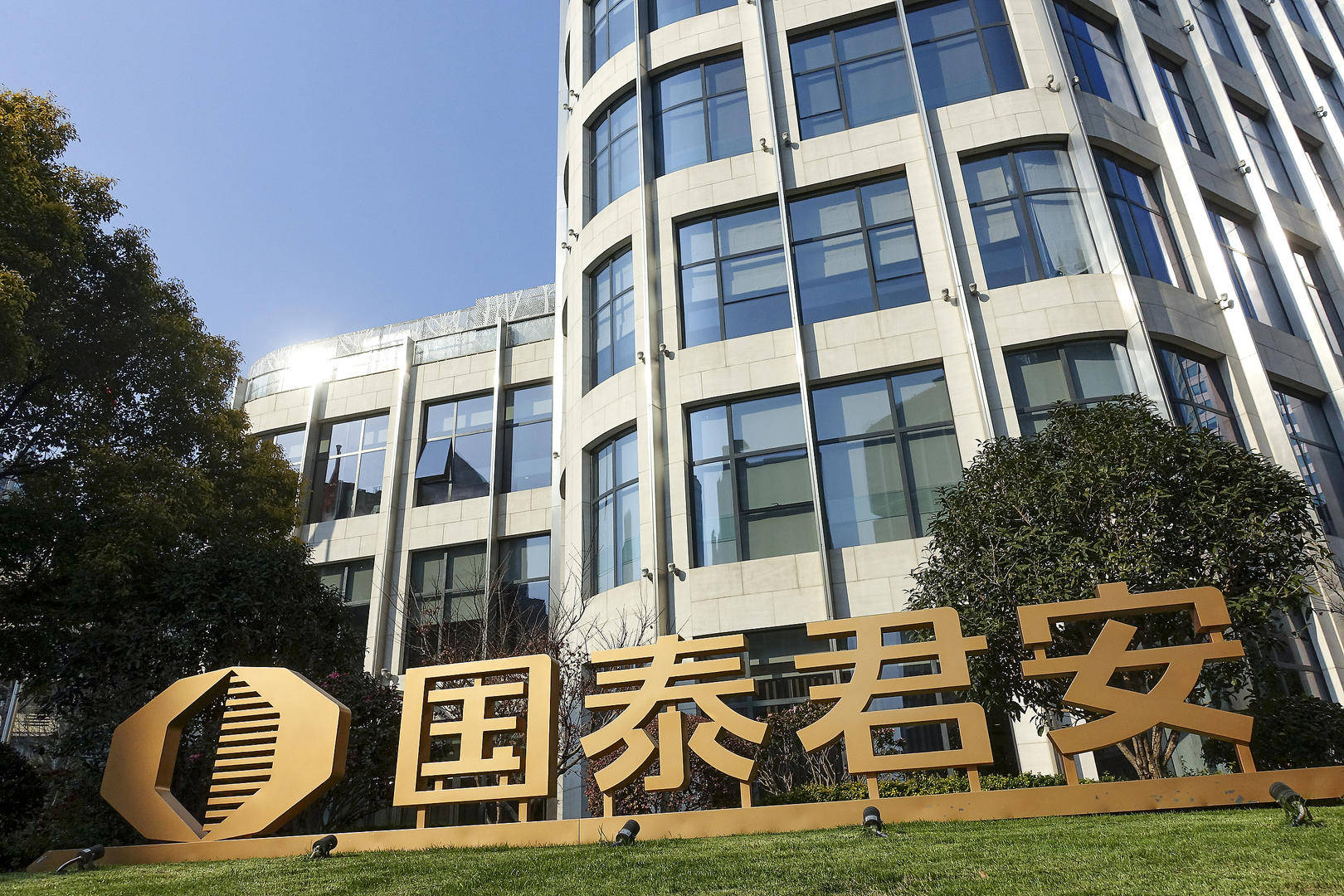
牌照升级,国泰君安国际涨超190%!券商沸腾,加速布局虚拟资产交易服务
Sou Hu Cai Jing· 2025-06-25 09:56
| HK$3.67 +2.43 +195.97% □实时情 | | | 已收盘 06-25 | | --- | --- | --- | --- | | 最高: 3.70 | 今开: 1.42 | 成交量:64.91亿股 | 换手:68.1/ | | 最低: 1.42 | 昨收: 1.24 | 成交额: 162.53亿 | 振幅:183. | | 52周最高: 3.70 | 量比: 193.14 | 市盈率(动): 100.55 | 市盈率(TTV | | 52周最低:0.59 | 委比: 2.95% | 市盈率(静): 100.55 | 市净率: 2.1 | | 每股收益:0.04 | 股息(TTM): 0.03 | 总股本: 95.29亿 | 总市值: 34 | | 每股净资产: 1.57 | 股息率(TTM):0.87% | 港股股本: 95.29亿 | 港股市值: | | 每手股数:1000 | 最小价差:0.01 | 货币单位: HKD | | 红星资本局6月25日消息,今日,国泰君安国际(1788.HK)盘初大涨超80%,截至收盘,报3.67港元/股,涨超190%。 资料配图 图据视觉中国 券商沸腾 ...
IMF副总裁谈稳定币
财联社· 2025-06-25 09:05
目前,全球范围内已有许多关于稳定币的实践探索和监管尝试,但这仅仅是一个开始,仍有许多问 题亟待解答,且需要在全球范围内达成更多共识。 国际货币基金组织(IMF)副总裁李波在2025年夏季达沃斯论坛上表示,稳定币的发展既存在机 遇,也存在挑战。核心挑战在于,如何对稳定币实施有效的监管。 ...

香港金管局“降温”稳定币
21世纪经济报道· 2025-06-24 12:21
Core Viewpoint - The Hong Kong Monetary Authority (HKMA) emphasizes the need for a cautious and objective approach towards stablecoins, highlighting the importance of regulatory measures and the high standards for issuing licenses [1][4]. Summary by Sections Definition and Purpose of Stablecoins - Stablecoins are defined as virtual assets aimed at maintaining a relatively stable value against certain assets, typically currencies, such as the HK Dollar stablecoin (HKDR) which is pegged 1:1 to the HKD [3]. - They are not considered investment or speculative tools but rather payment instruments utilizing blockchain technology, lacking appreciation potential [3]. Regulatory Framework and Licensing - The HKMA plans to issue only a limited number of licenses initially, with a focus on applicants having real application scenarios [5][7]. - The first batch of sandbox participants included three issuers, and entry into the sandbox does not guarantee future licensing [6][8]. - The licensing process will be stringent, considering the risks associated with stablecoin issuance and the need for user protection [6][8]. Compliance and Market Considerations - From a compliance perspective, stablecoin issuers must demonstrate capabilities in asset management, price stability mechanisms, and risk control [8]. - Market sustainability for stablecoin issuers is influenced by user scale, application scenarios, and financial resources [8]. - Applicants must provide feasible business plans that address economic and financial pain points while ensuring compliance and operational sustainability [8].