
人民币汇率

Search documents
外资加仓境内股票,人民币没有明显单边预期,外汇局回应热点
Bei Jing Shang Bao· 2025-07-22 13:37
Core Viewpoint - The foreign exchange market in China has shown resilience amid complex external conditions, with stable expectations for the RMB exchange rate and continued net inflows of cross-border capital [1][5][11]. Summary by Sections Foreign Exchange Market Overview - In the first half of 2025, the total cross-border income and expenditure of non-bank sectors reached $7.6 trillion, a year-on-year increase of 10.4%, marking a historical high for the same period [3]. - The combined settlement and sale of foreign exchange by banks amounted to $2.3 trillion, up 3% year-on-year, the second-highest level for the same period [3]. - The RMB accounted for 53% of cross-border transactions, indicating its growing importance in international trade [3]. Capital Inflows and Market Stability - There was a net inflow of $127.3 billion in cross-border capital from non-bank sectors, continuing the trend from the second half of the previous year, with a 46% increase in the second quarter [3]. - The RMB exchange rate remained stable, appreciating by 1.9% against the USD in the first half of the year, fluctuating between 7.15 and 7.35 [5][11]. - The foreign exchange market showed balanced supply and demand, with a total trading volume of $21 trillion, a 10.2% increase year-on-year [3]. Foreign Investment Trends - Foreign investment in RMB-denominated assets has remained stable, with foreign holdings of domestic RMB bonds exceeding $600 billion [8]. - In the first half of 2025, foreign investors net purchased $10.1 billion in domestic stocks and funds, reversing a two-year trend of net selling [8]. - The proportion of foreign investors holding domestic bonds and stocks is approximately 3% to 4%, indicating potential for further growth in foreign investment in RMB assets [8][9]. Economic and Policy Environment - The macroeconomic environment remains stable, supported by policies aimed at expanding domestic demand and enhancing the financial market [9]. - The foreign exchange market has accumulated experience in counter-cyclical adjustments, with improved regulatory effectiveness to mitigate external shocks [11]. - The overall balance of payments is expected to maintain a pattern of current account surpluses and capital account deficits, contributing to market stability [11].

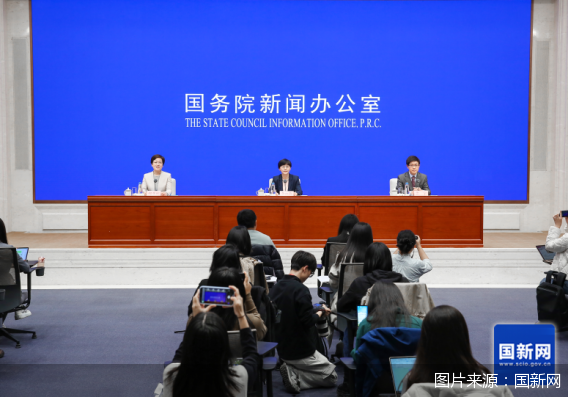
上半年我国非银行部门跨境收支规模创历史同期新高
Sou Hu Cai Jing· 2025-07-22 13:29
Core Insights - The State Administration of Foreign Exchange reported that in the first half of the year, cross-border income and expenditure by non-bank sectors reached $7.6 trillion, a year-on-year increase of 10.4%, marking a historical high for the same period [1] - The proportion of Renminbi in cross-border receipts and payments reached 53% [1] - There was a net inflow of cross-border funds amounting to $127.3 billion, continuing the net inflow trend observed since the second half of last year, with a 46% quarter-on-quarter increase in the second quarter [1] - The total trading volume in the domestic Renminbi foreign exchange market reached $21 trillion, a year-on-year increase of 10.2%, with spot and derivative trading volumes at $7.4 trillion and $13.6 trillion, respectively [1] - The Renminbi appreciated by 1.9% against the US dollar in the first half of the year, maintaining basic stability at a reasonable equilibrium level [1] Market Resilience - The resilience of China's foreign exchange market has been continuously improving, enhancing its ability to respond to external shocks [2] - The foreign exchange market has accumulated rich experience in counter-cyclical regulation and has a robust reserve of policy tools [2] - The effectiveness of foreign exchange regulation has steadily improved, increasing the capacity to prevent and mitigate external shock risks [2]
外汇局释放稳汇率信号 上半年外资净增持境内股票和基金超百亿美元
Zhong Guo Ji Jin Bao· 2025-07-22 11:48
Core Viewpoint - The State Administration of Foreign Exchange (SAFE) has released data indicating a significant increase in foreign investment in China's stock and fund markets, signaling a positive outlook for the Chinese market despite a complex external environment [1][3]. Group 1: Foreign Investment Trends - In the first half of 2025, foreign investors net increased their holdings in domestic stocks and funds by $10.1 billion, reversing a two-year trend of net reductions [3][4]. - The net inflow of foreign capital into China's stock market was particularly strong in May and June, with a total of $18.8 billion, reflecting a growing willingness of global capital to allocate resources to the Chinese market [3][4]. - The total foreign holdings of domestic RMB bonds exceeded $600 billion, indicating a sustained interest in Chinese debt instruments [4]. Group 2: Cross-Border Capital Flows - The total cross-border income and expenditure of non-bank sectors reached $7.6 trillion, a year-on-year increase of 10.4%, marking a historical high for the same period [3][4]. - Non-bank sectors experienced a net inflow of $127.3 billion in cross-border funds, continuing the trend of net inflows observed since the second half of the previous year, with a 46% quarter-on-quarter increase in the second quarter [3][4]. Group 3: Foreign Exchange Market Developments - The total trading volume in the domestic RMB foreign exchange market reached $21 trillion in the first half of the year, a 10.2% increase year-on-year, with spot and derivative transactions accounting for 35% and 65% respectively [4]. - As of the end of June, China's foreign exchange reserves stood at $3.3174 trillion, an increase of $115.1 billion from the end of 2024, indicating a stable upward trend in reserves [4]. Group 4: Policy Measures and Market Stability - SAFE announced plans to promote innovative pilot policies across more free trade zones, aiming to enhance cross-border trade facilitation and investment openness [5][6]. - The agency is preparing to eliminate the registration requirement for foreign direct investment reinvestment in China, which is expected to streamline processes and reduce operational costs for foreign enterprises [6]. - The exchange rate of the RMB against the USD appreciated by 1.9% in the first half of the year, maintaining stability within a range of 7.15 to 7.35, which serves as an automatic stabilizer for the macroeconomy and international balance of payments [8].
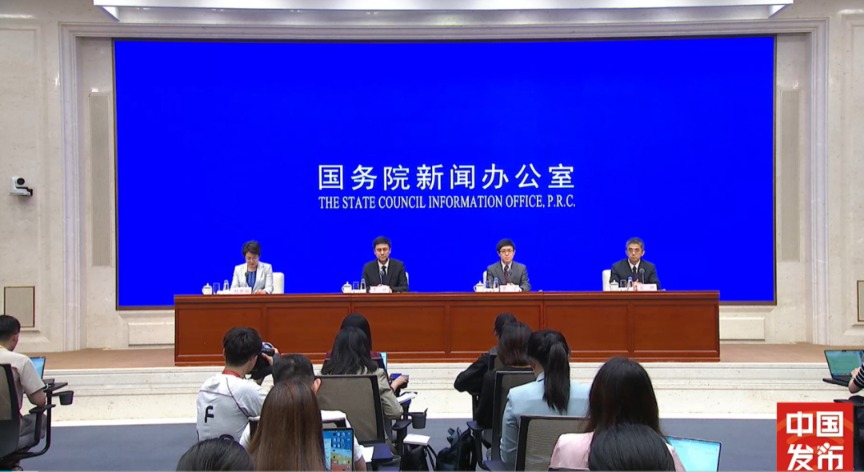
外汇局李斌:三个有利因素将支持外汇市场继续保持平稳运行
Sou Hu Cai Jing· 2025-07-22 11:46
Core Viewpoint - The Chinese foreign exchange market has shown resilience and stability in the first half of 2025, with the RMB appreciating against the USD by 1.9% and maintaining a stable range between 7.15 and 7.35, despite a complex external environment [2][3]. Economic Performance - China's GDP grew by 5.3% year-on-year in the first half of 2025, with domestic demand contributing 77% to economic growth, reflecting an increase of 17 percentage points [4]. - The foreign exchange market's stability is supported by a robust economic foundation and ongoing efforts to expand domestic demand [4]. Foreign Exchange Market Dynamics - In the first half of 2025, there was a bank settlement and sale of foreign exchange deficit of 25.3 billion USD, with a notable shift from deficit to surplus in May and June [2]. - The foreign exchange settlement rate was stable at 60%, while the foreign exchange purchase rate decreased by 3 percentage points to 65% [2]. Market Expectations - The foreign exchange market expectations remain stable, with no significant unilateral appreciation or depreciation of the RMB anticipated [3]. - The RMB exchange rate against the USD was 7.16 at the end of Q2, appreciating slightly from 7.18 at the end of Q1 [3]. Policy and Regulation - The Chinese government is committed to maintaining a balanced international payment structure and promoting high-level opening-up, which is expected to support the stability of the foreign exchange market [4]. - The market has accumulated experience in counter-cyclical regulation, enhancing its ability to respond to external shocks [5]. Risk Management - The awareness of exchange rate risk among enterprises has improved, with the foreign exchange hedging ratio and the proportion of RMB cross-border transactions reaching historical highs of around 30% [5]. - The foreign exchange market has a rich reserve of policy tools and regulatory effectiveness, which enhances its capacity to mitigate external risks [5].
国家外汇管理局:上半年非银行部门跨境收入支出合计7.6万亿美元,创历史同期新高
Sou Hu Cai Jing· 2025-07-22 08:45
Core Insights - The State Administration of Foreign Exchange reported that in the first half of 2025, the total cross-border income and expenditure of non-bank sectors reached $7.6 trillion, marking a year-on-year increase of 10.4%, the highest for the same period in history [1][3] Group 1: Cross-Border Transactions - The cross-border income and expenditure of enterprises and individuals amounted to $7.6 trillion, with a 10.4% year-on-year growth, and the proportion of RMB in cross-border transactions reached 53% [3] - The total settlement and sale of foreign exchange by banks was $2.3 trillion, reflecting a 3% year-on-year increase, the second highest for the same period historically [3] - There was a net inflow of cross-border funds amounting to $127.3 billion, continuing the net inflow trend since the second half of last year, with a 46% quarter-on-quarter growth in Q2 [3] Group 2: Foreign Exchange Market Dynamics - The foreign exchange market showed basic balance, with a settlement deficit of $25.3 billion in the first half, but monthly trends indicated fluctuations from deficit to surplus [3] - The foreign exchange income settlement rate was stable at 60%, while the foreign exchange expenditure settlement rate decreased by 3 percentage points to 65% [3] - The total trading volume in the domestic RMB foreign exchange market reached $21 trillion, a 10.2% year-on-year increase, with spot and derivative transactions accounting for 35% and 65% respectively [4] Group 3: Foreign Exchange Reserves and Currency Stability - As of the end of June, China's foreign exchange reserves stood at $3.3174 trillion, an increase of $115.1 billion from the end of 2024 [4] - The RMB exchange rate remained stable, appreciating by 1.9% against the USD, fluctuating between 7.15 and 7.35 [5] - The current account surplus has been steadily increasing, with direct investment inflows into China reaching $31.1 billion, a 16% year-on-year increase [5]
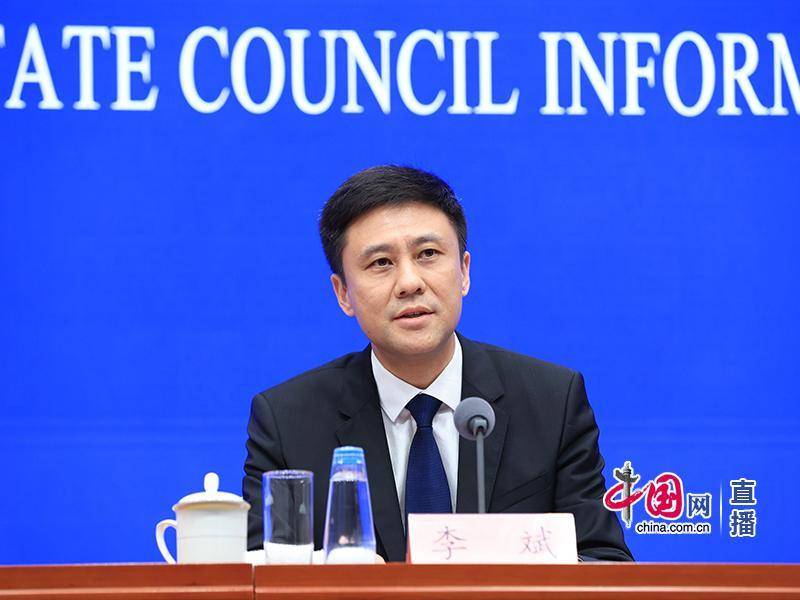
上半年外资净增持境内股票和基金101亿美元
财联社· 2025-07-22 08:44
Core Viewpoint - The current foreign exchange market shows no significant expectations for the appreciation or depreciation of the RMB, with rational and orderly trading observed [1]. Group 1: RMB Exchange Rate Stability - The RMB exchange rate is expected to remain basically stable at a reasonable equilibrium level due to high-quality economic development, steady progress in opening up, and increasing resilience in the foreign exchange market [2]. - In the first half of the year, the RMB appreciated by 1.9% against the USD, maintaining stability within the range of 7.15 to 7.35 [3]. Group 2: Foreign Exchange Market Activity - In the first half of the year, six new banks initiated foreign exchange business reforms, bringing the total to 22 banks involved in the reform [4]. - The trading volume in the domestic RMB foreign exchange market reached 21 trillion USD, reflecting a year-on-year increase of 10.2% [6][7]. Group 3: Cross-Border Capital Flows - From January to May, net inflows of direct investment in equity from abroad amounted to 31.1 billion USD, representing a year-on-year growth of 16% [5]. - The total scale of cross-border income and expenditure for enterprises and individuals reached 7.6 trillion USD in the first half of the year, marking a historical high with a year-on-year increase of 10.4% [8]. Group 4: Foreign Investment Trends - Foreign investment in domestic stocks and funds saw a net increase of 10.1 billion USD in the first half of the year, reversing the trend of net selling observed in the past two years [9]. - The total amount of foreign-held RMB bonds exceeded 600 billion USD, indicating a stable interest in RMB assets [9]. Group 5: Service Trade Developments - In the first half of the year, service trade income grew by 13%, with cross-border travel income increasing by 42%, while the service trade deficit decreased by 14% [10]. Group 6: Global Central Bank Trends - A recent survey indicated that 30% of global central banks plan to increase their allocation of RMB assets, reflecting a growing recognition of RMB assets as important for risk diversification and yield enhancement [11].

国家外汇局李斌:人民币汇率有条件在合理均衡水平上保持基本稳定
news flash· 2025-07-22 07:43
国家外汇管理局副局长、新闻发言人李斌7月22日在国新办新闻发布会上回答证券时报记者提问时表 示,经济高质量发展,对外开放稳步推进,外汇市场韧性不断增强,这三个有利因素将支持我国外汇市 场继续保持平稳运行,人民币汇率有条件在合理均衡水平上保持基本稳定。(证券时报) ...
外汇局:上半年企业、个人等非银行部门跨境收入和支出规模创历史同期新高
news flash· 2025-07-22 07:22
Core Insights - The State Administration of Foreign Exchange (SAFE) reported that in the first half of 2025, the scale of cross-border income and expenditure for non-bank sectors, including enterprises and individuals, reached a historical high for the same period [1] Group 1 - The foreign exchange market maintained stable operations, demonstrating strong resilience and vitality [1] - Cross-border trade and investment financing were active, contributing to the record levels of cross-border income and expenditure [1] - The foreign exchange market expectations remained stable, with the RMB exchange rate maintaining basic stability and continued net inflow of cross-border funds [1] Group 2 - The supply and demand in the foreign exchange market were generally balanced, and the scale of foreign exchange reserves remained stable [1]
贸易顺差扩大,为何人民币汇率走弱?经济学家张斌:需求不足
Sou Hu Cai Jing· 2025-07-22 06:53
Core Viewpoint - The report highlights a paradox where China's trade surplus is expanding while the Renminbi (RMB) is depreciating, raising questions about the underlying economic dynamics [1][3]. Group 1: Trade Surplus and Currency Dynamics - Since 2022, despite rapid industrial upgrades and increasing export competitiveness, China's trade surplus has reached new highs, yet the actual effective exchange rate of the RMB has declined by over 15% from Q1 2022 to Q1 2025 [3]. - According to Balassa's theory, faster productivity growth in a country's trade sector typically leads to currency appreciation, a trend observed in Japan, but this has not been the case for China [3]. Group 2: Demand Insufficiency and Market Failures - Zhang Bin attributes the continuous depreciation of the RMB since 2022 primarily to insufficient demand, which also explains the expanding trade surplus and significant net capital outflows [5]. - The insufficient demand has resulted in low inflation and weak asset price expectations, indicating a market failure characterized by price stickiness and coordination failures among market participants [5]. - Individual rational behaviors, such as reduced investment by businesses and decreased consumption by households, collectively contribute to a negative spiral of income and expenditure, exerting downward pressure on demand and asset prices, leading to depreciation of the nominal and actual effective RMB exchange rates [5]. Group 3: Recommendations for Currency Valuation - Experts, including Zhang Bin, believe the RMB is undervalued and recommend timely and sufficient counter-cyclical policies to achieve a reasonable valuation of the currency [5]. - If overcoming the demand insufficiency in the short term proves challenging, maintaining a wide fluctuation range for the RMB against the USD while firmly defending the upper and lower limits of RMB exchange rate fluctuations is advised [5].

2025年7月22日银行间外汇市场人民币汇率中间价
news flash· 2025-07-22 01:20
2025年7月22日银行间外汇市场人民币汇率中间价 美元/人民币报7.1460,下调(人民币升值)62点; 欧元/人民币报8.3601,上调373点; 港元/人民币报0.91034,下调9.1点; 英镑/人民币报9.6449,上调427点; 澳元/人民币报4.6654,上调59点; 加元/人民币报5.2282,上调130点; 100日元/人民币报4.8514,上调259点; 人民币/俄罗斯卢布报10.9124,下调525点; 新西兰元/人民币报4.2680,上调86点; 人民币/林吉特报0.59165,下调6.6点; 瑞士法郎/人民币报8.9580,上调270点; 新加坡元/人民币报5.5868,上调151点。 ...