
全国统一大市场

Search documents
反内卷:为何需关注地方政府?
Sou Hu Cai Jing· 2025-07-31 23:40
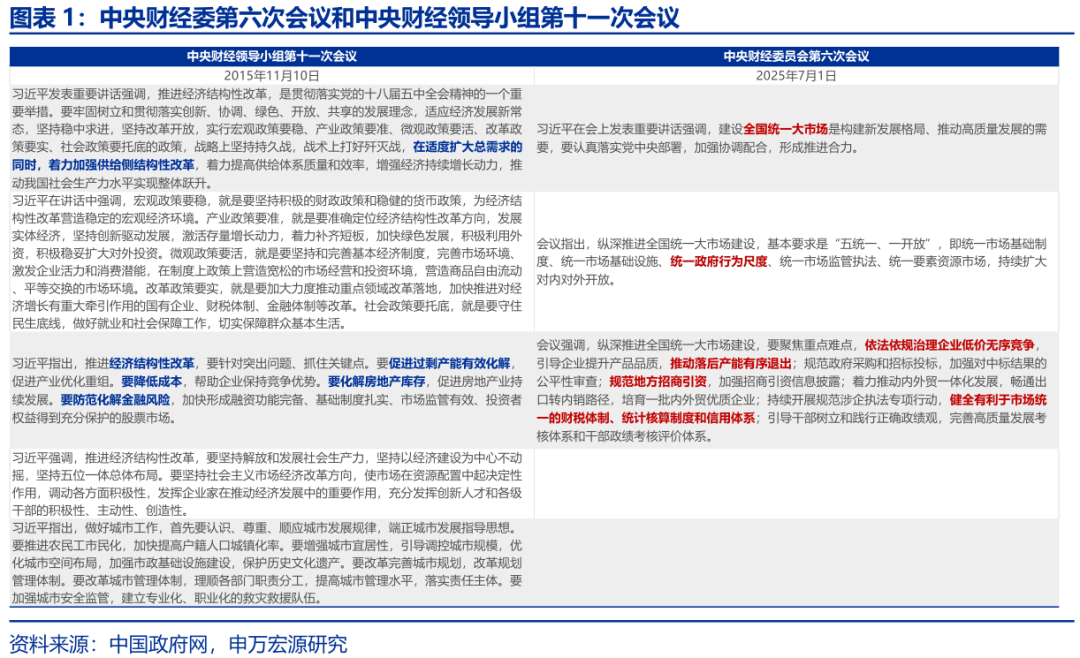
Group 1 - The current "anti-involution" differs from previous efforts by focusing more on regulating local government behavior, particularly in investment attraction and market openness [2][9][76] - The emphasis on "unifying government behavior standards" reflects a shift from previous policies that addressed nationwide supply-demand imbalances to a more localized approach addressing government actions [9][76] - Local governments are increasingly involved in "involution" competition, characterized by creating policy gaps, blindly launching projects, and setting market barriers [14][76] Group 2 - Local governments are under pressure to find new growth drivers due to declining real estate sales and investment, with cumulative declines of 39.7% and 27.3% respectively from 2021 to 2024 [23][30] - The reliance on land finance has decreased, leading local governments to focus on high-tax industries such as manufacturing and wholesale retail, which accounted for 32% and 14% of total tax revenue in 2021 [33][38] - The central government's transfer payments have become increasingly important for local governments, with significant subsidies for emerging industries like renewable energy exceeding revenues by 357.9 billion yuan [41][76] Group 3 - The overlap in industrial planning among local governments has led to excessive investment and competition, particularly in sectors like pharmaceuticals, new materials, and renewable energy, with 19 industries appearing in over 20 provinces' plans [54][77] - Local governments are competing through tax incentives and subsidies to attract industries, resulting in significant disparities in manufacturing tax burdens across provinces, ranging from 9.7% to 30.1% [63][77] - The lack of coordination in industrial planning has resulted in repeated construction and increased regional competition, leading to lower product prices and reduced industry concentration in sectors like automotive [66][77]

21社论丨完善政府投资基金管理 避免地方同质化竞争
2 1 Shi Ji Jing Ji Bao Dao· 2025-07-31 23:13
Group 1 - The core viewpoint of the articles emphasizes the importance of government investment funds in supporting innovation and addressing market failures in China’s economy, particularly in the context of high-quality development and technological self-reliance [1][2][4] - The newly released guidelines specify that national-level funds should focus on modernizing industries, tackling key technological challenges, and supporting major cross-regional projects, while local funds should consider regional characteristics and support small and micro enterprises [3][4] - The government investment funds are intended to complement market forces rather than replace them, aiming to attract more social capital and avoid homogeneous investments across regions [2][4] Group 2 - The guidelines prohibit investments in restricted or eliminated industries as per the industrial adjustment directory, aiming to prevent local governments from using these funds to subsidize overcapacity sectors [3] - There is a call for improved management of government investment funds to avoid resource wastage and ensure effective allocation, particularly in light of the competition among local governments [2][3] - The articles highlight the necessity of establishing a high-level socialist market economy system to foster innovation and ensure that government investment funds serve as a catalyst for social capital engagement [4]
完善政府投资基金管理,避免地方同质化竞争
2 1 Shi Ji Jing Ji Bao Dao· 2025-07-31 22:57
Group 1 - The core viewpoint of the articles emphasizes the importance of government investment funds in supporting innovation and addressing market failures in China’s economy, particularly in the context of high-quality development and technological self-reliance [1][2][4] - Government investment funds are intended to complement private investment by targeting key strategic areas and industries that may not attract sufficient market capital, particularly in long-cycle hard technology sectors [1][2] - The recent guidelines specify that national-level funds should focus on modernizing industries, addressing core technological challenges, and supporting significant cross-regional projects, while local funds should consider regional characteristics and support small and medium enterprises [3][4] Group 2 - The guidelines prohibit government investment funds from investing in restricted or eliminated industries as per the industrial adjustment directory, aiming to prevent local governments from using these funds to subsidize overcapacity sectors [3] - There is a need to avoid homogenization in investment strategies among local governments, which can lead to resource waste and ineffective competition, thus necessitating improved management of government investment funds [2][4] - The role of government investment funds is to act as patient capital, addressing temporary strategic capital shortages and fostering an ecosystem that encourages innovation and entrepreneurship, while ensuring that market mechanisms remain effective [4]
国家发展改革委:加大力度稳投资促消费 拓展投资增量
Zhong Guo Zheng Quan Bao· 2025-07-31 21:02
Core Viewpoint - The National Development and Reform Commission emphasizes the need to stabilize employment, enterprises, markets, and expectations while promoting investment and consumption in the second half of the year [1][2]. Group 1: Economic Stability and Growth - The meeting highlighted that China's economy has shown resilience and vitality, with major economic indicators performing well and new productive forces developing positively [1]. - The focus is on strengthening domestic circulation and optimizing external circulation to achieve the annual targets and tasks outlined in the 14th Five-Year Plan [2]. Group 2: Policy Implementation and Planning - The development reform system is tasked with thoroughly implementing the decisions of the Central Committee and the State Council, ensuring a solid foundation for the 15th Five-Year Plan [2]. - There is a call for comprehensive analysis and research on major changes, important indicators, and significant issues to support employment and domestic demand [3]. Group 3: Investment and Consumption - Efforts will be made to stabilize investment and promote consumption, with a focus on expanding investment increments and enhancing the management of government investment projects [3]. - The aim is to invigorate private investment and implement policies that enhance quality and efficiency in the economy [3]. Group 4: Market and Competition - The initiative includes advancing the construction of a unified national market, eliminating "involution" competition, and reforming bidding and investment attraction practices [3]. - The goal is to facilitate smooth circulation of factors and promote healthy and high-quality development of the private economy [3]. Group 5: Sustainable Development - The meeting emphasizes the importance of transitioning to a dual control mechanism for energy consumption and carbon emissions to promote green and low-carbon development [3]. - There is a commitment to enhancing regional and urban-rural coordinated development, focusing on urban renewal and rural revitalization [3].
发改委:稳就业扩内需破除内卷式竞争
Zheng Quan Shi Bao· 2025-07-31 18:24
此前,国家发展改革委发布消息称,已安排超3000亿元支持2025年第三批"两重"建设项目。至此,今年 8000亿元"两重"建设项目清单已全部下达完毕。 近期国家发展改革委还会同财政部,向地方下达了今年第三批690亿元超长期特别国债支持消费品以旧 换新资金。按计划将于10月下达今年第四批690亿元超长期特别国债资金,继续支持地方实施消费品以 旧换新政策。 证券时报记者韩忠楠 7月31日,国家发展改革委召开2025年上半年发展改革形势通报会。会议部署了多项重点任务,包括稳 就业、扩大内需、推动"人工智能+"行动走深走实、破除"内卷式"竞争等。 会议指出,今年以来,我国经济运行稳中有进,高质量发展取得新成效,主要经济指标表现良好,新质 生产力积极发展,改革开放不断深化,重点领域风险有力有效防范化解,民生兜底保障进一步加强,我 国经济展现强大活力和韧性。 展望下半年,国家发展改革委将着力稳就业、稳企业、稳市场、稳预期,进一步做强内循环、优化外循 环、搞好双循环,努力完成全年预期目标和"十四五"规划各项任务,为"十五五"良好开局打好基础。 国家发展改革委表示,下半年的工作重点包括九个方面,包括稳就业、扩内需、强化宏观政 ...
发改委:稳就业扩内需 破除内卷式竞争
Zheng Quan Shi Bao· 2025-07-31 17:56
Core Insights - The National Development and Reform Commission (NDRC) has outlined key tasks for the second half of 2025, focusing on stabilizing employment, expanding domestic demand, and promoting the "Artificial Intelligence +" initiative [1][2] - The NDRC reported that China's economy has shown resilience and vitality, with positive performance in major economic indicators and effective risk prevention in key areas [1] - The NDRC plans to enhance investment and consumption, with over 300 billion yuan allocated for the third batch of "two new" construction projects in 2025 [1] Group 1 - The NDRC aims to stabilize employment, enterprises, markets, and expectations while strengthening domestic circulation and optimizing external circulation [1] - The focus for the second half of the year includes nine key areas, such as stabilizing investment and promoting consumption [1] - The NDRC has issued a total of 800 billion yuan for "two new" construction projects this year, with all project lists now finalized [1] Group 2 - The NDRC, in collaboration with the Ministry of Finance, has allocated 69 billion yuan in special long-term bonds to support the consumption upgrade policy [2] - Plans are in place to issue an additional 69 billion yuan in special long-term bonds in October to continue supporting local consumption initiatives [2] - The NDRC emphasizes the need to eliminate "involution" competition and promote healthy development of the private economy through reforms in bidding and investment practices [2]
国常会:巩固拓展经济回升向好势头 会议审议通过《关于深入实施“人工智能+”行动的意见》
Zheng Quan Shi Bao· 2025-07-31 17:56
Group 1 - The State Council emphasizes the need to enhance the sense of responsibility and mission for economic work in the second half of the year, focusing on consolidating and expanding the economic recovery momentum [1] - The government aims to boost macro policy effectiveness and tackle challenges by implementing the decisions made by the Central Committee [1] - There is a strong emphasis on stimulating the internal driving force of economic development and deepening reforms in key areas, such as building a unified national market and optimizing the business environment [1] Group 2 - The meeting approved the implementation of the "Artificial Intelligence+" initiative, aiming to accelerate the commercialization of AI applications across various sectors [2] - The government plans to optimize the AI innovation ecosystem by enhancing computing power, algorithms, and data supply, while also increasing policy support and talent development [2] - A personal consumption loan interest subsidy policy and a service industry loan interest subsidy policy were discussed to lower credit costs and stimulate market activity [2] Group 3 - The meeting discussed and approved the draft of the "Law on the Protection and Quality Improvement of Cultivated Land," emphasizing the need for strict protection of cultivated land quantity, quality, and ecology [3] - The focus is on restoring and enhancing the ecological functions of cultivated land to ensure sustainable use [3]
学习笔记|向海图强,广东推动海洋经济高质量发展
2 1 Shi Ji Jing Ji Bao Dao· 2025-07-31 15:42
Core Viewpoint - The article emphasizes the importance of advancing the construction of a unified national market and high-quality development of the marine economy in Guangdong, which is crucial for building a new development pattern and promoting high-quality growth [1][4]. Group 1: Policy and Regulation - Guangdong has implemented the "Regulations on Promoting High-Quality Development of the Marine Economy," effective from July 1, which focuses on industrial development and extending marine industries to non-coastal areas [2]. - The regulations highlight the need for government planning and guidance to cluster marine enterprises in designated economic zones and explore the establishment of marine industrial parks [2][3]. - The regulations also stress the importance of innovation, supporting the establishment of modern marine ranch innovation pilot zones [2]. Group 2: Industry Development - Guangdong aims to enhance its high-end manufacturing capabilities in the marine sector, particularly in marine engineering equipment, by promoting R&D and application of new technologies and materials [2]. - The article points out the significance of new technologies in the marine field, encouraging electronic information companies to expand into marine sectors and improve high-end marine electronic equipment [3]. - The regulations call for the promotion of large-scale offshore wind power development and the establishment of offshore wind power industrial bases [3]. Group 3: Economic Integration and Infrastructure - The article discusses the potential for further development of the port economy in Guangdong, emphasizing the need for optimizing port resource integration and promoting regional port cluster development [3]. - It highlights the support for cultivating modern shipping service institutions and developing international shipping service hubs, which are essential for the marine economy [3]. - Guangdong has invested nearly 2 billion in marine economic development projects over the past seven years, indicating strong financial backing for the marine economy [4].
破除“内卷式”竞争!国家发改委最新发声
证券时报· 2025-07-31 15:00
Core Viewpoint - The National Development and Reform Commission (NDRC) emphasizes the importance of maintaining economic stability and high-quality development in the face of external pressures and risks, highlighting the resilience and potential of China's economy [1][2]. Group 1: Economic Analysis and Strategy - The NDRC reports that China's economy has shown steady progress in 2023, with major economic indicators performing well and new productive forces developing positively [1]. - The meeting underscores the need for a comprehensive analysis of significant changes, key indicators, and major issues, focusing on stabilizing employment and expanding domestic demand [2]. - The NDRC aims to enhance investment and consumption, stimulate private investment, and implement high-quality policies to boost market vitality [2]. Group 2: Policy Implementation and Planning - The NDRC is committed to executing the decisions of the Central Government, ensuring the completion of the "14th Five-Year Plan" and preparing for the "15th Five-Year Plan" [2]. - There is a focus on fostering new productive forces, promoting the "Artificial Intelligence +" initiative, and advancing the digital economy [2]. - The NDRC plans to deepen the construction of a unified national market and promote healthy development of the private economy [2]. Group 3: Sustainable Development and Safety - The NDRC emphasizes the transition to a green and low-carbon economy, establishing a new mechanism for energy consumption and carbon emission control [2]. - The meeting highlights the importance of regional and urban-rural coordinated development, ensuring food, energy, and supply chain security [2]. - There is a commitment to enhancing safety measures and disaster prevention, prioritizing the safety of people's lives [2].

国家发展改革委部署下半年九方面工作
Xin Hua She· 2025-07-31 14:27
Core Points - The National Development and Reform Commission (NDRC) has outlined nine key areas of focus for the second half of the year to ensure the completion of annual targets and the "14th Five-Year Plan" tasks [1] - NDRC Director Zheng Zhaojie emphasized the importance of stabilizing employment, businesses, markets, and expectations while enhancing both domestic and international economic cycles [1] Summary by Categories Economic Analysis and Planning - Focus on analyzing and assessing major changes, important indicators, and significant issues [1] - Ensure the completion of the "14th Five-Year Plan" [1] Investment and Consumption - Increase efforts to stabilize investment and promote consumption [1] Production Capacity - Cultivate and strengthen new types of productive forces based on local conditions [1] Market Development - Advance the construction of a unified national market [1] International Trade - Expand high-level opening up to the outside world [1] Environmental Initiatives - Promote green and low-carbon development through comprehensive carbon emission control [1] Regional Development - Advance coordinated development between urban and rural areas [1] Risk Management - Strengthen comprehensive planning and balance across various sectors [1] Employment and Supply Chain Security - Focus on stabilizing employment, maintaining the safety of food, energy, and industrial supply chains, and ensuring energy supply during peak seasons [1]