人民币国际化

Search documents
帮主郑重聊外储:3.3万亿存折里,藏着咱们的“黄金家底”
Sou Hu Cai Jing· 2025-10-07 15:49
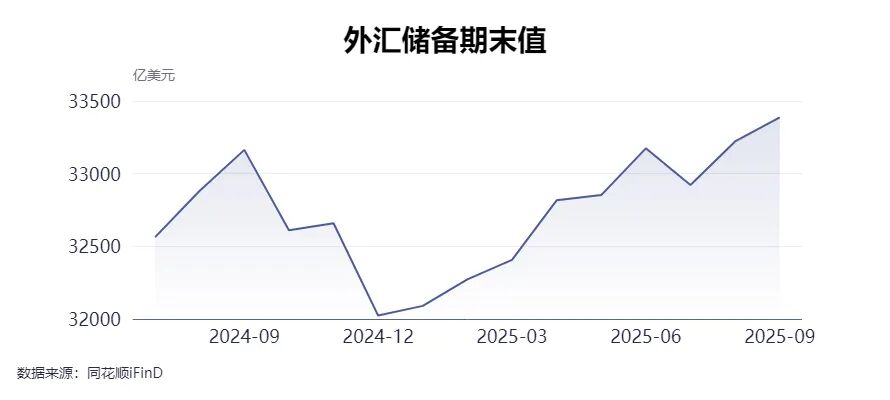
今儿菜市场买菜,卖豆腐的张姨都在念叨:"听说黄金又破4000美元啦?"您看,这金价涨到天上,连街坊邻居都操心起国家的"钱袋子"了。今儿咱就唠唠刚 出炉的外储数据——3.33万亿美金,连续两个月站在历史高位,顺带聊聊央行悄悄囤了11个月的黄金。 先说这外储,3.3万亿是什么概念?打个比方,就像咱们家存折里趴着3.3万亿的"应急钱",从2015年到现在,整整十年才又摸回这个数。不过帮主跑财经这 些年知道,外储可不是单纯的"钱生钱"。9月这165亿的涨幅,说白了是全球股市、美债这些"家里的资产"跟着美联储降息涨了估值。但您注意看,美元指数 基本没动,说明咱们没跟着美元大起大落,稳稳把住了节奏。 最有意思的是黄金。央行偷偷买了11个月,现在兜里揣着2303吨黄金,相当于把大半个鸟巢填满黄金砖。但9月只加了4万盎司,是近一年最少的。为啥?您 想啊,金价都飙到4000美元了,再大举买入就成"高位接盘"。但央行聪明啊,小步慢跑——既告诉全球"咱在优化储备结构",又不被短期价格牵着走。这就 像咱们散户买基金,跌了分批加仓,涨了慢慢收着,典型的中长线思维。 帮主翻了翻历史,2015年外储跌破3万亿时,市场慌得不行,现在稳稳站在 ...


东盟金库大迁徙!将黄金交中国保存,终结美元霸权?
Sou Hu Cai Jing· 2025-10-07 14:47
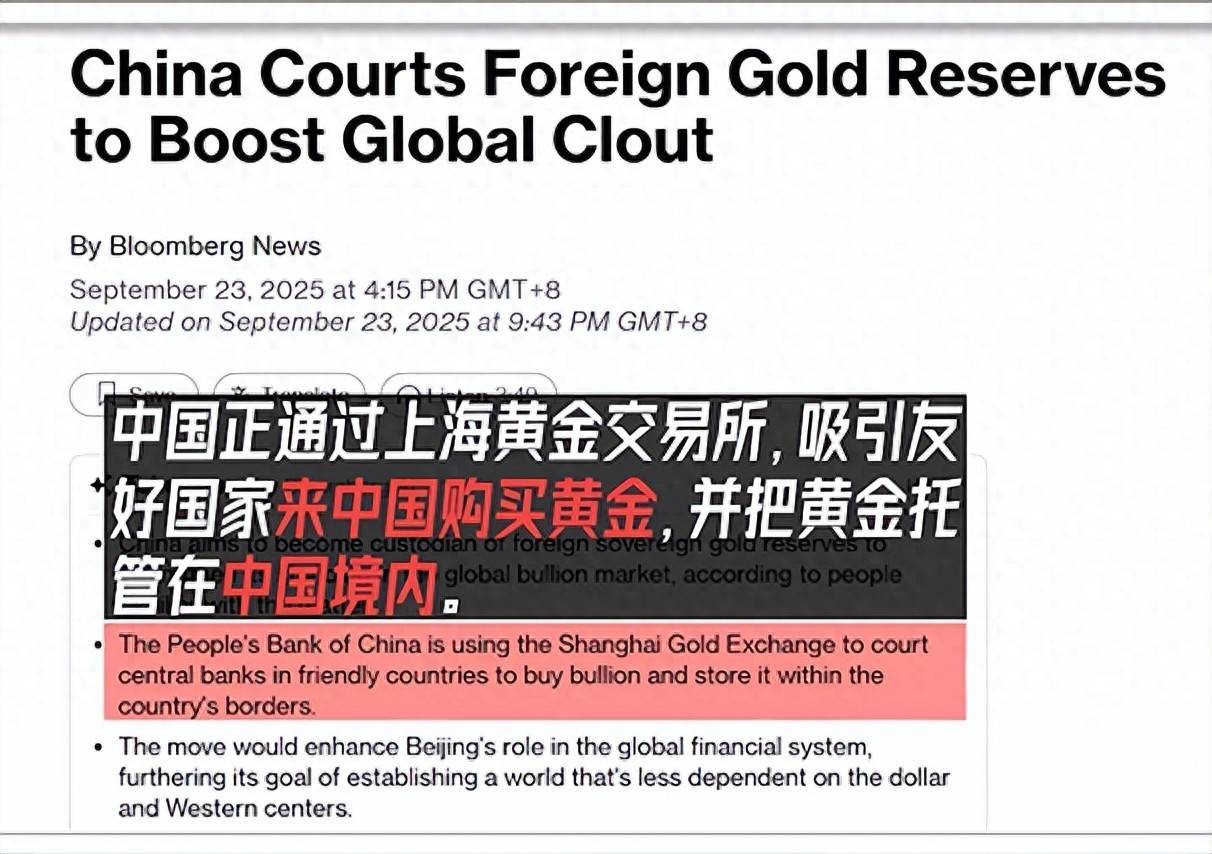
Core Viewpoint - China is attracting friendly nations to purchase gold and store it within its borders through the Shanghai Gold Exchange, which could significantly alter the global monetary system [1][4]. Group 1: Global Monetary System Changes - The control of gold reserves is increasingly seen as equivalent to having a say in global monetary policy, a shift from the historical dominance of the US dollar [4]. - The Bretton Woods system established the dollar's link to gold, making it the core of global currency, but recent trends show a growing skepticism towards the US dollar [4][6]. - The "de-dollarization" movement is gaining momentum, with gold's share in global foreign exchange reserves rising to 20%, surpassing the euro and second only to the dollar [6]. Group 2: China's Strategic Moves - China's initiative to allow foreign central banks to store gold is a well-planned strategy aimed at enhancing trade and reducing reliance on the dollar [8]. - The ability to trade directly in gold using the Chinese yuan can facilitate oil purchases without needing to convert to dollars, mitigating risks associated with dollar dependency [9]. - The integration of the yuan into the official foreign exchange reserves of ASEAN countries and the establishment of a cross-border payment system (CIPS) are steps towards promoting the internationalization of the yuan [10]. Group 3: Future Implications - If gold can be freely exchanged, it would enhance the yuan's role in global trade, signaling a shift towards a new financial order where the dollar is not the sole option [11].
澳大利亚正式宣布,中国开始行动,美元难受了
Sou Hu Cai Jing· 2025-10-07 14:35
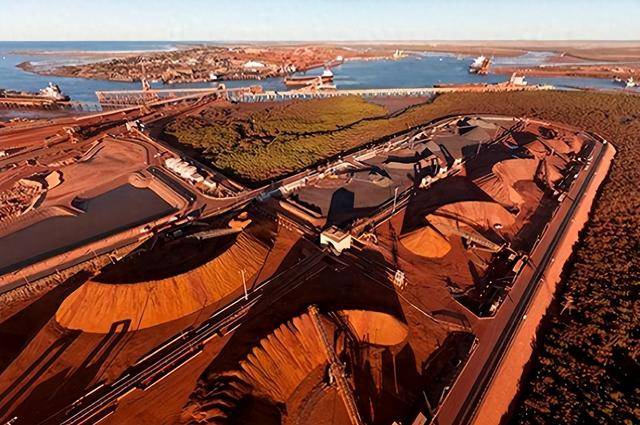
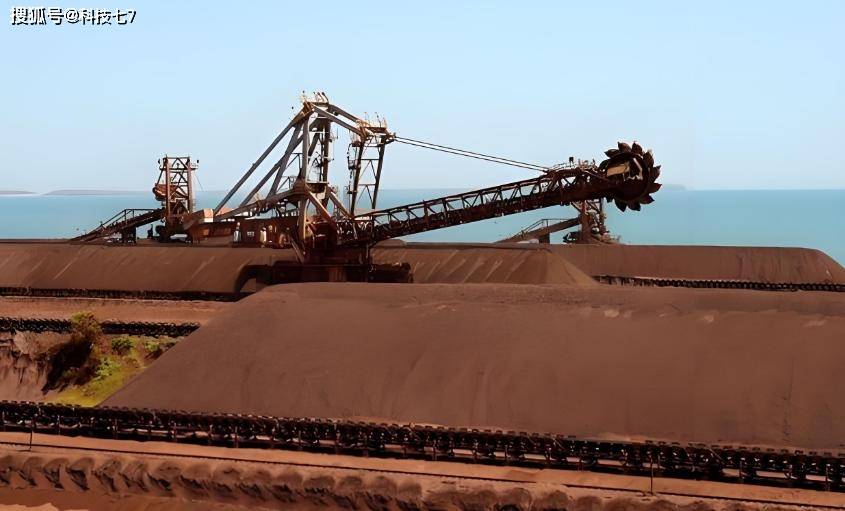
Core Viewpoint - The recent decision by BHP Group to conduct iron ore transactions with Chinese buyers using RMB signifies a major shift in international financial dynamics, challenging the dominance of the US dollar and reflecting changing global trade relationships [1][4]. Group 1: Trade Dynamics - Australia has seen over 1.2 trillion RMB in iron ore trade with China over the past seven years, with significant daily shipments [3]. - The bargaining power of Chinese buyers has increased, as China is now the largest steel producer and has developed new mining operations in Brazil and Guinea [3][4]. Group 2: Currency Trends - The internationalization of the RMB is accelerating, with a 37% increase in cross-border trade settlements in RMB last year, and various countries beginning to accept RMB for trade [6]. - The credibility of the US dollar is declining, with the US national debt exceeding 31 trillion USD and significant currency exchange losses impacting Australian mining companies [6][8]. Group 3: Strategic Implications - The move by Australian companies to use RMB for transactions is a strategic decision to mitigate currency risk and invest in China's clean energy projects, aligning with China's industrial upgrades [8]. - This shift indicates a broader transformation in global economic structures, as emerging economies redefine traditional financial orders, reminiscent of the transition from the pound to the dollar [10].
美国37万亿债务压顶,中国悄然出手!连续增持黄金!有何深意?
Sou Hu Cai Jing· 2025-10-07 13:38
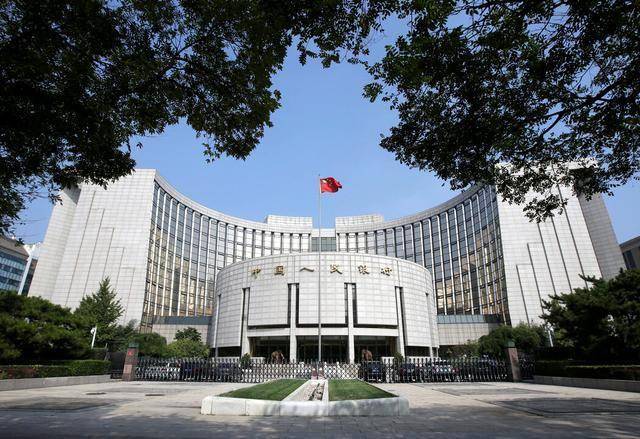
Core Insights - The article discusses the ongoing trend of the People's Bank of China (PBOC) purchasing gold despite rising international gold prices, indicating a strategic move to bolster China's gold reserves and diversify its foreign exchange holdings [1][3]. Group 1: Central Bank's Gold Purchases - As of September, China's foreign exchange reserves reached $33,387 billion, with a 0.5% increase from August, and the PBOC purchased 40,000 ounces of gold, marking 11 consecutive months of gold accumulation [3][5]. - The current gold holdings represent only about 7% of China's foreign exchange reserves, significantly lower than the global average of 15% and some European countries' holdings, which can be as high as 50% [5]. Group 2: Reasons for Gold Accumulation - The primary reason for the PBOC's gold purchases is China's relative lack of gold reserves compared to its economic size, which necessitates increasing gold holdings to stabilize its foreign exchange reserves [3][5]. - The complex international landscape, including trade tensions and sanctions, has led to a declining trust in the US dollar, prompting a shift towards gold as a more stable asset [6][7]. - Gold serves as a hedge against potential currency risks and can act as a "last resort" payment method during economic downturns, making it a crucial asset for national financial security [9]. Group 3: Implications for Renminbi Internationalization - The article posits that for the Renminbi to gain international acceptance, it needs to be backed by gold, similar to the Bretton Woods system where the dollar was convertible to gold [12]. - The PBOC's strategy to increase gold reserves is seen as essential for enhancing the Renminbi's global influence and supporting its internationalization efforts [10][12]. Group 4: Concerns Over US Economic Stability - The article highlights concerns regarding the US government's financial instability, including a significant debt burden and recent government shutdowns, which have heightened global risk aversion [13][15]. - The PBOC's gold purchases are viewed as a proactive measure to secure China's economic stability in light of potential declines in US dollar dominance [15].
黄金拉升,首次站上3980美元关口
21世纪经济报道· 2025-10-07 13:34
Core Viewpoint - The article highlights the recent surge in gold prices, with spot gold breaking the $3980 mark and New York futures reaching $4000 per ounce, driven by geopolitical tensions and expectations of U.S. Federal Reserve rate cuts [1][4][7]. Gold Price Trends - As of October 7, spot gold reached $3982.740, marking a 0.57% increase, while New York futures rose by 0.61% [1][2]. - The price of gold jewelry also increased, with prices for gold ornaments from various brands rising to approximately 1155-1157 RMB per gram, reflecting a daily increase of 16 RMB [7]. Central Bank Gold Reserves - The central bank has increased its gold reserves for the 11th consecutive month, with September's reserves reported at 74.06 million ounces, an increase of 40,000 ounces from the previous month [2][4]. - The pace of gold accumulation by the central bank has slowed, with September's increase being the lowest since November 2024, indicating a strategic balance between expanding reserves and controlling costs [4][5]. Future Outlook - Analysts predict that gold prices may continue to rise, with Goldman Sachs projecting a price of $4900 per ounce by the end of 2026, up from a previous estimate of $4300 [6][10]. - UBS has also expressed a bullish outlook, forecasting gold prices to reach $4200 per ounce by mid-2026, driven by factors such as a weaker dollar and increased central bank purchases [10]. Investment Strategy - The article suggests that gold serves as a crucial asset for diversification in international reserves, with a recommendation for investors to maintain a 5-10% allocation in gold within their portfolios for risk management [10].
黄金增持量为何降至“新低”?
Sou Hu Cai Jing· 2025-10-07 12:45
Core Insights - China's foreign exchange reserves reached $3338.658 billion by the end of September 2025, an increase of $16.504 billion from the end of August 2025, marking two consecutive months of growth [2][3] - The increase in foreign exchange reserves is attributed to rising global financial asset prices and the impact of macroeconomic data and monetary policies from major economies [4] - In the first three quarters of 2025, China's foreign exchange reserves increased by a total of $136.3 billion, with significant growth in the first half of the year [5] Group 1 - The increase in foreign exchange reserves is influenced by the slight fluctuations in the US dollar index and the overall rise in global financial asset prices [4] - The People's Bank of China has been increasing its gold reserves for 11 consecutive months, although the amount added in September was the lowest since November 2024 [7][8] - The current level of foreign exchange reserves is considered high, and there may be a possibility of implementing a certain scale of foreign exchange net selling to maintain reserves within a reasonable range [4][5] Group 2 - The increase in foreign exchange reserves is supported by a stable Chinese economy and improvements in high-quality development, which contribute to the stability of the reserves [5] - The diversification of trade partners and the optimization of export product structure have helped stabilize cross-border capital flows [5] - The current gold reserves account for 7.7% of China's official international reserve assets, which is significantly lower than the global average of around 15%, indicating a need for continued gold accumulation [8]

9月净买入1.24吨,中国连续11个月增持黄金!金价疯涨,专家:买黄金仍是大方向
Mei Ri Jing Ji Xin Wen· 2025-10-07 11:24
Core Points - As of September 2025, China's foreign exchange reserves reached $333.87 billion, an increase of $16.5 billion from the end of August, marking a 0.5% rise [1] - The foreign exchange reserves have reached the highest level since December 2015, with a significant increase of $136.3 billion compared to the end of the previous year [2][4] - The increase in reserves is attributed to the rise in global asset prices and the depreciation of the dollar, influenced by the Federal Reserve's decision to cut interest rates [6][7] Foreign Exchange Reserves - The foreign exchange reserves increased by $136.3 billion this year, supported by macroeconomic data and monetary policy changes in major economies [4][6] - The dollar index remained stable, with a slight decrease of 0.03% at the end of September, indicating that previous depreciation effects on non-dollar assets have diminished [6][7] - The reserves have consistently remained above $3.3 trillion for two consecutive months, the highest since December 2015 [6] Gold Reserves - As of September 2025, China's gold reserves stood at 7.406 million ounces, marking the 11th consecutive month of increase, although the increment has been relatively low in recent months [2][10] - The increase in gold reserves is driven by the need to optimize the international reserve structure amid rising global geopolitical risks and fluctuating gold prices [10][11] - The current gold reserves account for 7.7% of China's total international reserve assets, which is significantly below the global average of around 15% [10][11] Market Outlook - Analysts suggest that the central bank's continued accumulation of gold is a strategic move to enhance the credibility of the national currency and support the gradual internationalization of the renminbi [11] - The foreign exchange reserves are expected to remain stable, providing a buffer against external shocks and supporting the renminbi's exchange rate [8][11]
问题来了?中方刚要拿回铁矿石定价权,西芒杜铁矿就出事暂停运行
Sou Hu Cai Jing· 2025-10-07 09:46
Core Viewpoint - The ongoing confrontation between China and Australia's BHP over iron ore procurement is not merely a commercial negotiation but a strategic battle aimed at redefining the long-standing pricing power in the global iron ore market [3][5][30] Group 1: Market Dynamics - The global iron ore supply is predominantly controlled by three major companies: BHP, Rio Tinto, and Vale, which together account for 61% of global seaborne exports [5][9] - China, as the largest buyer, has hundreds of steel companies acting independently, leading to a fragmented purchasing power that disadvantages them in negotiations [7][9] - It is estimated that this pricing imbalance could cost China over a thousand billion dollars in additional expenses for importing Australian iron ore this year [7] Group 2: Strategic Moves by China - In 2022, China established the China Mineral Resources Group (CMSG) to consolidate procurement from state-owned steel companies, transforming the negotiation dynamics from many small buyers to a single large buyer [9][12] - The Simandou iron ore project in Guinea, with over 2 billion tons of proven reserves and an average grade of 65%, is seen as a critical asset for China to enhance its bargaining power [12][14] - China has invested over 30 billion dollars in the Simandou project, which is expected to produce 12 million tons annually, representing about 10% of China's total iron ore imports [14][18] Group 3: Recent Developments - A recent fatal accident at the Simandou site has led to a suspension of operations, which could weaken China's negotiating position against BHP [16][18] - BHP's strong stance is under pressure as 70% of its iron ore exports are dependent on the Chinese market, and attempts to find alternative markets have been largely unsuccessful [20][22] Group 4: Currency and Geopolitical Implications - China's demands include establishing a new pricing mechanism closer to the spot market and using the renminbi for transactions, challenging the long-standing dominance of the US dollar in international commodity markets [26][28] - The internal divisions among Australian mining companies, with some like FMG agreeing to use renminbi for transactions, indicate a shift in alliances that could further weaken BHP's position [22][24] - The broader implications of this struggle extend beyond commercial interests to geopolitical dynamics, as the US has expressed concern over the potential shift in currency usage for strategic commodities [26][30]

金价上涨的秘密:美元主导的世界货币格局正在巨变
Jing Ji Guan Cha Bao· 2025-10-07 09:07
4000美元!黄金在无声中呐喊的,不只是避险焦虑,更是对全球货币秩序暗流涌动的本能回应。 2025年10月7日上午,纽约期金主力合约盘中罕见飙升,最高触及每盎司4000美元,再创历史新高;年内涨幅逾50%。黄金这一破位跃升,并非由地缘冲 突或通胀预期点燃,而是在美联储重启降息、美元指数显著走弱的大背景下,包括各国央行连续增持黄金储备,私人部门积极配置黄金资产,都在推动黄 金走出独立行情。资本市场以黄金之名,向美元信用投下的一票"沉默公投"。 2025年10月7日上午,纽约期金主力合约盘中罕见飙升,最高触及每盎司4000美元,再创历史新高;年内涨幅逾50%。 作者:欧阳晓红 封图:图虫创意 这一历史性时刻,恰逢美国政府因预算僵局再度陷入"技术性停摆"、全球经济前景晃动不定,市场风险偏好和避险本能交织回荡。 美联储降息后,美元指数走弱,年内跌幅近10%,而人民币汇率稳中向好,年内涨幅为2.46%;这可能是系统性变量的拐点。它意味着,世界在寻找美元 之外的相关资产锚。 在此背景下,人民币的"三角功能"可能在跃迁:从"结算货币"渐趋进阶至"投资货币",并逐步试探"储备货币"的边界。 国际货币基金数据显示,2025年一 ...
澳大利亚传来好消息,中国出手,人民币深入美元腹地,美十分难受
Sou Hu Cai Jing· 2025-10-07 08:40
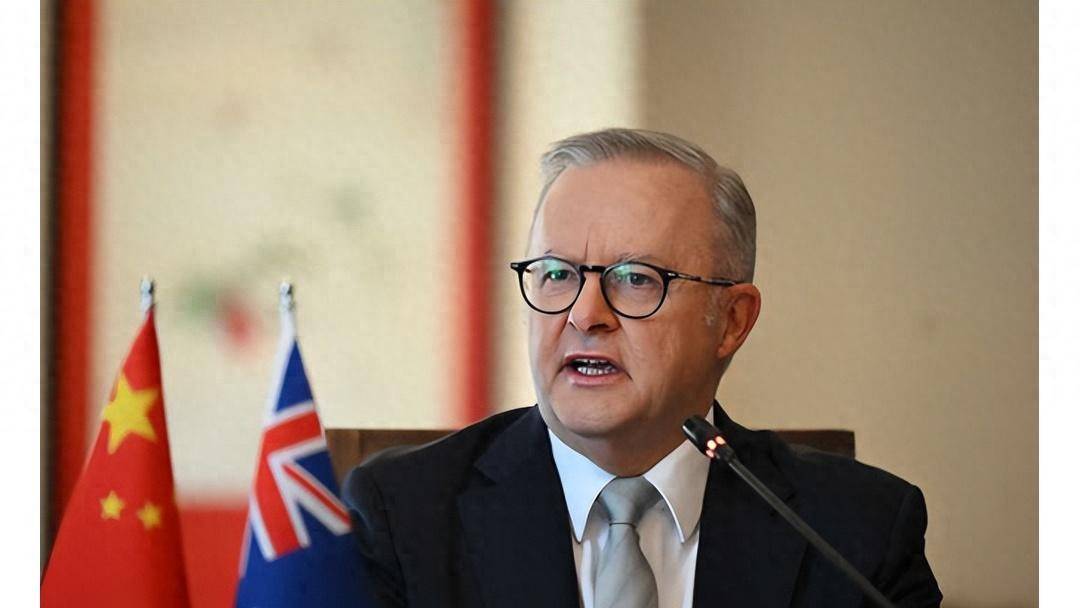
Group 1 - Australia's recent decision to accept RMB for iron ore transactions with China signifies a shift in its economic strategy, reflecting its reliance on the Chinese market for iron ore exports [1][3][9] - China is the world's largest iron ore buyer, importing 1.237 billion tons annually, which constitutes 75% of global sea trade, making it a critical market for Australia [3][5] - The Australian government, under Prime Minister Albanese, aims to stabilize relations with China, moving away from previous hawkish policies and recognizing the unreliability of the U.S. [9][11] Group 2 - The conflict arose when BHP insisted on a 15% price increase for long-term contracts and insisted on USD settlements, prompting China to halt all dollar-denominated purchases from BHP [5][19] - China's diversification of iron ore sources has led to over 50% of its imports coming from non-Australian countries, reducing its dependency on Australia [7][21] - The introduction of RMB-denominated financial instruments, such as the "RMB sea-floating iron ore swap" by Hainan International Clearing House, enhances China's position in global iron ore trade [15][17] Group 3 - The shift towards RMB settlements in iron ore trade poses a significant challenge to the U.S. dollar's dominance, as it disrupts the traditional dollar-based commodity pricing system [13][22] - China's growing influence in the iron ore market is evidenced by the increasing percentage of trade with Russia being settled in RMB, which has risen to 45% [17][19] - The potential for RMB to become a dominant currency in commodity trading could lead to a dilution of the dollar's status as the world's reserve currency [19][22]