
绿色转型

Search documents
中国东方集团(00581.HK)中期净溢利2.43亿元 同比增加约97.5%
Ge Long Hui· 2025-08-27 11:29
Group 1 - The company reported a revenue of approximately RMB 19.9 billion for the six months ending June 30, 2025, a decrease of about 12.0% compared to the same period last year [1] - The average selling price of self-produced steel products dropped by approximately 14.5% to around RMB 2,998 per ton, while gross profit increased by about 45.9% to approximately RMB 938 million [1] - The company's net profit for the period was approximately RMB 243 million, an increase of about 97.5% compared to RMB 123 million in the same period of 2024 [1] Group 2 - Despite the continued weak downstream demand in the steel industry leading to a decline in average selling prices, the company's net profit significantly increased due to several factors [2] - Key factors contributing to the profit increase include a decline in major raw material prices, which fell faster than the prices of steel products, and the implementation of lean management strategies that reduced overall costs per ton of steel [2] - The company is actively addressing macroeconomic fluctuations and industry adjustments through innovation, green transformation, enhanced management, and a focus on high-quality development as its main operational strategy [2]

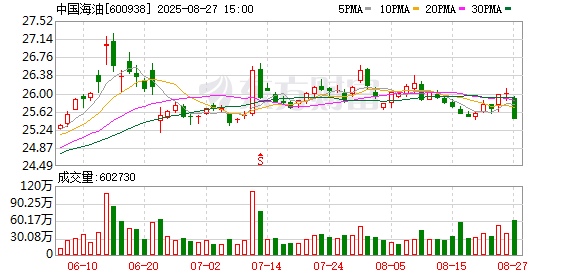
中国海油上半年实现归母净利润695亿元
Xin Hua Cai Jing· 2025-08-27 09:59
Core Viewpoint - China National Offshore Oil Corporation (CNOOC) reported a net profit of RMB 69.5 billion for the first half of 2025, and the board has decided to distribute an interim dividend of HKD 0.73 per share (tax included) to reward shareholders [2] Business Performance - The company achieved a net production of 384.6 million barrels of oil equivalent in the first half of the year, representing a year-on-year increase of 6.1%, with both domestic and international production exceeding historical levels [3] - The successful launch of multiple oil and gas fields, including the Bohai Zhong 26-6 and Wenchang 9-7 projects, demonstrates the company's strong project execution capabilities [3] - Natural gas production saw a significant year-on-year increase of 12%, with major projects like the Dongfang 29-1 gas field contributing to this growth [3] Technological Innovation - The company is focusing on technological innovation and digital transformation, improving reserve utilization and recovery rates while maintaining a low natural decline rate for offshore oil and gas fields [4] - Advanced geophysical technologies have been implemented to enhance deep seismic data quality, supporting deep exploration efforts [4] - The deployment of AI and smart technologies has led to the recognition of the "Deep Sea No. 1" smart gas field as one of China's first exemplary intelligent factories [4] Green Transition - CNOOC is committed to integrating oil and gas with renewable energy, achieving significant results in clean production through energy-saving measures and green electricity alternatives [5] - The company generated over 900 million kilowatt-hours of green electricity in the first half of the year and implemented a CCUS project, marking a new model for marine energy recycling [5] - The Bohai Oilfield is set to establish the largest CCUS center in northern China, integrating CO2 production, injection, and storage [5] Financial Performance - The company's oil and gas sales revenue reached RMB 171.7 billion, showcasing resilience in profitability despite external market fluctuations [5] - Cost control remains effective, with the main cost per barrel of oil equivalent stable at USD 26.94, year-on-year [5] - The chairman emphasized the company's steady and efficient progress in oil and gas development, laying a solid foundation for achieving annual targets [5]


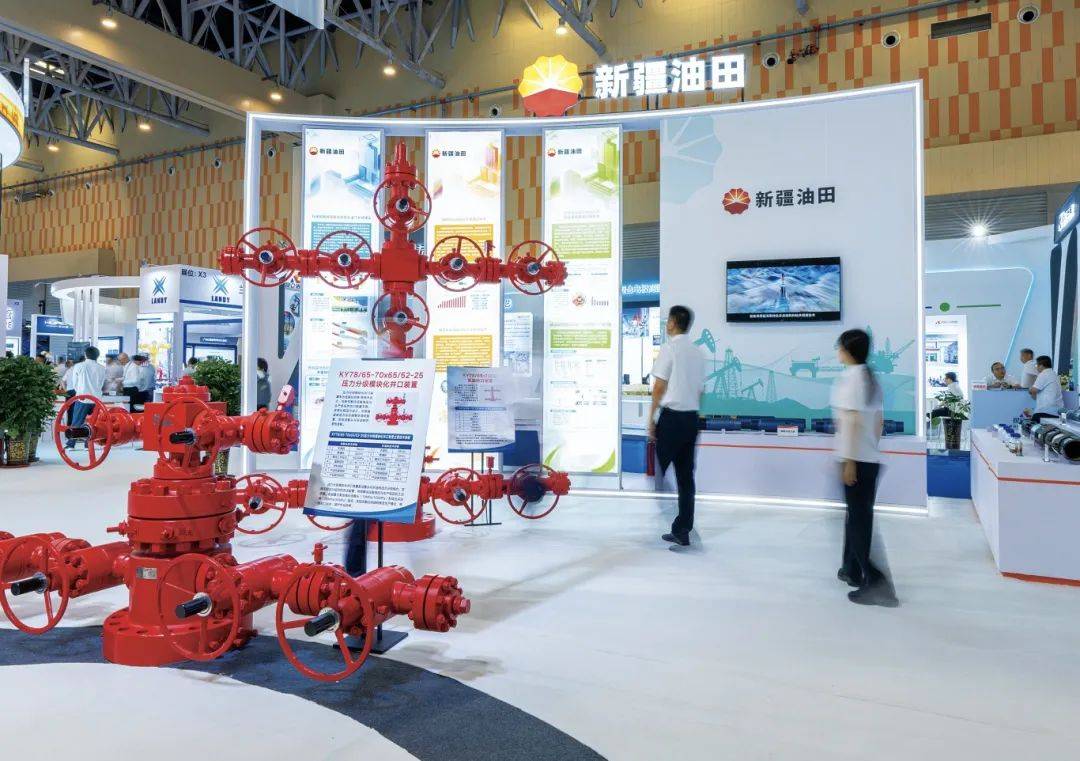
第七届中国(克拉玛依)国际石油天然气及石化技术装备展览会:中国石油展示硬核能源装备
Sou Hu Cai Jing· 2025-08-27 08:46
Core Insights - The 7th China (Karamay) International Oil, Gas and Petrochemical Technology Equipment Exhibition showcased innovations in energy equipment, attracting 416 companies from 8 countries and 19 provinces, covering an area of 33,000 square meters [1][2]. Group 1: Innovation Matrix - The exhibition featured six distinct zones, including oil and gas equipment, new energy and materials, and intelligent computing, creating an "innovation matrix" for energy equipment [2]. - Notable displays included large fracturing trucks and diamond drill bits, as well as models demonstrating the integration of green electricity and hydrogen production [2]. Group 2: Self-Innovation and Energy Security - The China National Petroleum Corporation (CNPC) showcased a strong presence with 14 companies and 168 exhibits, including CCUS well-opening devices and hydrogen production equipment, emphasizing the coupling of green electricity and hydrogen for zero-carbon energy [4]. - The Xinjiang Oilfield Research Institute presented a significant portfolio of 199 valid patents and 73 technical secrets, highlighting the achievements in self-innovation [4][5]. Group 3: Industry Upgrades and Collaboration - The exhibition served as a platform for technology exchange and industry upgrades, with participants sharing customer feedback to improve product development [6]. - There was a notable interaction between Central Asian buyers and domestic companies, focusing on applications of electric fracturing equipment and digital twin platforms [6]. Group 4: Global Leadership in Energy Equipment - The event illustrated China's transition from a "follower" to a "leader" in energy equipment manufacturing, showcasing advancements in deep drilling and green low-carbon technologies [6]. - The showcased equipment is positioned as essential tools for ensuring national energy security and contributing to global energy transition strategies [6].

江苏沙钢打造“零碳”钢铁绿链条
Zhong Guo Jin Rong Xin Xi Wang· 2025-08-27 08:38
Group 1 - The core viewpoint of the articles highlights Jiangsu Shagang Group's commitment to green energy through the implementation of solar photovoltaic projects, significantly enhancing its green power supply capacity and supporting its "zero carbon" goal [1][2][3] - The newly constructed 11.82MW solar project is expected to improve power generation efficiency by 5% to 8% through the introduction of AI digital operation and maintenance systems [1] - Shagang's photovoltaic initiatives began in 2019, with a total of over 100MW of distributed solar power generation capacity established, capable of providing more than 2.3 billion kWh of green electricity over its lifecycle, thereby reducing carbon dioxide emissions by 1.3 million tons [2] Group 2 - The company has made significant advancements in ultra-low emissions, solid waste recycling, and energy structure optimization, establishing itself as a leader in green transformation within the steel industry [2] - Shagang has achieved a 99% solid waste resource utilization rate and has been recognized as Jiangsu's first "waste-free group" pilot [2] - The integration of green electricity production with clean energy equipment manufacturing creates a closed-loop low-carbon practice, contributing to national "dual carbon" goals and providing a replicable model for green transformation in the steel industry [3]

大连电瓷:上半年实现营收5.81亿元
Zhong Guo Zheng Quan Bao· 2025-08-27 07:33
Core Viewpoint - Dalian Electric Porcelain reported strong financial performance in the first half of 2025, with revenue of 581 million yuan and a net profit of 46.58 million yuan, supported by significant domestic and international orders [1] Domestic Market Performance - The company secured major contracts in the domestic market, including supply work for key power line projects, achieving a total bid amount of 658 million yuan, laying a solid foundation for future performance [1] International Market Expansion - Dalian Electric Porcelain advanced its globalization strategy, obtaining DC product certification in Saudi Arabia and achieving bulk deliveries in markets such as South Korea, Thailand, and Italy, resulting in a record high for new overseas orders [1] Production Capacity and Upgrades - To meet the increasing demand from domestic and international orders, the company is enhancing production capacity through factory upgrades, including automation improvements and the completion of the second phase of the Jiangxi factory, which is expected to increase standard design capacity by approximately 20,000 tons per year [1][2] Digitalization and Smart Manufacturing - The company is focusing on digital transformation and process optimization to improve operational efficiency and customer satisfaction, with the Jiangxi factory recognized as a "provincial advanced smart factory" [2] Green Transformation Initiatives - Dalian Electric Porcelain has implemented a distributed photovoltaic system at its Dalian factory, achieving a 70% self-consumption rate of solar energy, while the Jiangxi factory has integrated solar systems and energy storage facilities, increasing the clean energy self-sufficiency rate to over 80% [2]

从 “燃油轰鸣” 到 “电动静音”,句容台泥矿山打造传统矿业绿色转型 “样板间”
Yang Zi Wan Bao Wang· 2025-08-27 07:29
Core Viewpoint - The article highlights the transformation of the Jurong Tai Ni Cement Company into a green mining operation through the implementation of electric vehicles and renewable energy solutions, aligning with national carbon reduction goals. Group 1: Company Overview - Jurong Tai Ni Cement Company is a significant industrial enterprise located along the Yangtze River, contributing to the local economy and being a major taxpayer in the cement industry for the past three years [3]. - The company operates a mining area of 4,516 acres with a limestone reserve of 320 million tons, producing 4.2 million tons of cement annually [1]. Group 2: Green Transformation Initiatives - In response to the dual carbon goals, Jurong Tai Ni has introduced 14 unmanned electric mining trucks, creating a fully digitalized operation process from blasting to transportation [2]. - These electric trucks transport 4.73 million tons of limestone annually while consuming only 1.46 million kilowatt-hours of electricity, significantly reducing diesel consumption by nearly 800 tons and CO2 emissions by over 1,800 tons per year [2]. Group 3: Power Supply and Reliability - The company relies on a stable power supply for its operations, with the State Grid Jurong Power Supply Company providing tailored dual power supply solutions to prevent power outages that could lead to significant economic losses [3]. - The power supply company has invested in infrastructure, including 42 new towers and two 110 kV lines, to ensure reliable electricity for the cement production process [3]. Group 4: Renewable Energy Integration - In 2023, Jurong Tai Ni installed a distributed photovoltaic power station with a capacity of 1,107 kW, generating an average of 1.1 million kilowatt-hours annually and reducing CO2 emissions by approximately 1,000 tons [4]. - The company plans to invest 120 million yuan in upgrading its raw material grinding system, which is expected to save over 24 million kilowatt-hours of electricity annually and significantly reduce particulate emissions [4]. Group 5: Customer Service and Support - The State Grid Jurong Power Supply Company has established a dedicated service model for Jurong Tai Ni, providing personalized support and monitoring to optimize electricity usage and ensure operational efficiency [5]. - This collaboration has facilitated the transition from traditional fuel-powered operations to electric, enhancing the company's overall sustainability and efficiency [5].
全球化及绿色转型双轮驱动,信凯科技2025上半年营收双增
Xin Lang Cai Jing· 2025-08-27 06:14
Core Insights - China has established itself as the global leader in the organic pigment industry, with continuous growth in production scale and export share [1] - Zhejiang Xinkai Technology Group Co., Ltd. reported impressive financial results, with revenue of 699 million yuan, a year-on-year increase of 4.91%, and a net profit of 54.57 million yuan, up 18.47% [1] - The company is adapting to stringent regulations such as the EU REACH and the US Biotechnology Act, pushing the industry towards high-end and green transformation [1] Group 1: Global Strategy and Market Position - Since its establishment in 1996, the company has built a global business network across over 70 countries, with subsidiaries in key markets like the Netherlands, the USA, and Australia [2] - The company has registered 89 organic pigments and related substances to comply with EU REACH regulations, positioning itself as a compliance benchmark in the industry [2] - The company is enhancing its market leadership in green organic pigments as environmental regulations tighten and consumer safety concerns rise [2] Group 2: Product Innovation and Industry Trends - The company focuses on technological innovation, holding 49 authorized patents and developing core technologies that meet international standards for light and heat resistance [3] - The company is expanding its high-value product lines, particularly in the field of heterocyclic pigments, to meet the demand for high durability and safety in downstream industries [3] - The global organic pigment market is projected to grow by $1.5 billion from 2024 to 2029, with a compound annual growth rate of 4.5%, driven by increasing consumer awareness of environmental issues [4]
王军:全球ESG持续分化下的中国企业和投资实践
Sou Hu Cai Jing· 2025-08-27 04:46
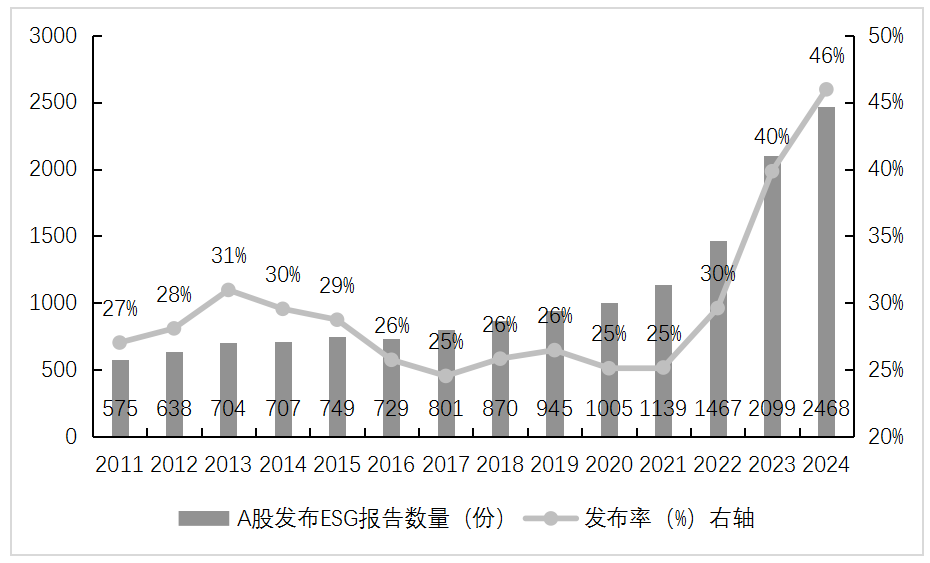
Global ESG Trends - The global ESG landscape continues to show divergence, with a reported net outflow of $8.6 billion from sustainable funds in Q1 2025, marking the tenth consecutive quarter of outflows in the U.S. and the first outflow in Europe since 2018 [2][21] - As of Q1 2025, the total size of global sustainable funds reached $3.16 trillion, with the U.S. experiencing a net outflow of $6.1 billion and Europe $1.2 billion [2][21] Europe: Regulatory Framework - The EU has established a comprehensive ESG information disclosure framework, including the EU Taxonomy, Corporate Sustainability Reporting Directive (CSRD), and Sustainable Finance Disclosure Regulation (SFDR) [3][4] - The CSRD will be fully implemented by July 2024, requiring large companies and listed firms to disclose "double materiality" data, which includes the financial impact of environmental factors and the company's impact on the environment [4][6] United States: Political and Regulatory Challenges - The U.S. ESG landscape is marked by political division, with federal policies regressing under the Trump administration and states like California and New York pushing for stricter ESG disclosures [8][9] - The SEC's climate-related disclosure rules have faced legal challenges, leading to a decrease in ESG shareholder proposals by 34% in 2025 [9][10] China: Practical Approach to ESG - China's approach to ESG is characterized by a pragmatic strategy linked to national development goals, focusing on energy independence and supply chain resilience [10][11] - By May 2025, China's cumulative installed solar capacity surpassed 1,080 million kilowatts, accounting for over 40% of the global total, while the sales of new energy vehicles reached 5.608 million units, representing 68.3% of global sales [11][12] ESG Investment Products in China - The number of ESG investment products continues to rise, but the scale is beginning to shrink, with the total size of ESG public funds at approximately 504.59 billion yuan as of June 2025, down from 572.6 billion yuan in 2024 [22][21] - Despite the overall decline in scale, over half of passive ESG equity index funds have outperformed the market, and more than 80% of passive ESG bond index funds have shown stable returns [21][38] ESG Reporting and Disclosure in China - As of June 2025, 46.1% of A-share listed companies have published ESG reports, with a notable increase in disclosure rates among large firms [14][16] - The quality of ESG reports has improved, but issues of "formalistic disclosure" remain prevalent, particularly among smaller companies [18][19] Performance of ESG Funds - ESG public funds have shown mixed performance, with a one-year average return of 8.55%, which is on par with the overall public market, but a three-year average return of -20.20%, indicating underperformance [35][36] - In contrast, ESG bond funds have demonstrated more stability, with average returns of 1.11% over the past year and 2.98% over three years [37]
新疆准东惊现3900亿吨巨矿,够中国用百年为何还买外国煤?
Sou Hu Cai Jing· 2025-08-27 03:48
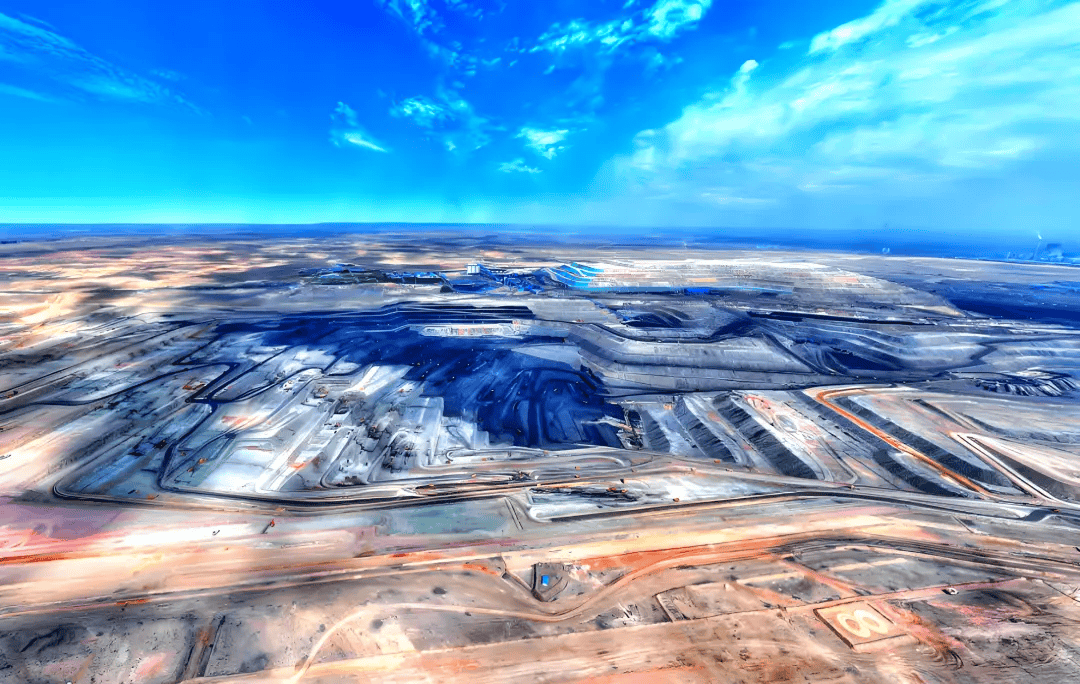
Core Insights - The Xinjiang Junggar Basin holds the world's largest coalfield, with proven reserves of 390 billion tons, accounting for nearly 10% of China's predicted reserves, sufficient to meet current energy consumption for nearly a century [1] - Despite abundant domestic coal resources, China's coal imports reached 389 million tons in the first three quarters of 2024, a year-on-year increase of 11.9%, with annual imports expected to hit a record high [1] Group 1: Resource Availability and Challenges - Xinjiang's total coal reserves are estimated at 2.19 trillion tons, representing 39.3% of the national total, but development is hindered by high transportation costs and inadequate infrastructure [3] - Transportation costs from Xinjiang to eastern industrial regions exceed 400 RMB per ton, while Indonesian coal can be shipped to Guangdong for only about 217 RMB per ton, highlighting a significant cost disparity [3] - In 2023, only 60.23 million tons of coal were transported out of Xinjiang, less than 55% of its capacity, indicating underutilization of resources [3] Group 2: Strategic Considerations for Coal Imports - China's coal imports are driven by strategic considerations rather than resource shortages, including the need to supplement domestic low-quality coal with high-quality imported coking coal [5] - In the first ten months of 2024, China imported 99.24 million tons of coking coal, with Australian coal accounting for 42%, essential for high-end steel production [5] - Environmental regulations are pushing for a transition, as blending Indonesian coal with high-sulfur Shanxi coal has reduced sulfur emissions by 37%, saving significant costs [5] Group 3: Technological Advancements and Industry Upgrades - The introduction of automated loading systems in Xinjiang's open-pit mines has increased loading efficiency by 300%, reducing costs to 110 RMB per ton, enhancing competitiveness against imported coal [7] - The National Energy Group is developing coal-to-olefins projects in Xinjiang, where 1 ton of coal can be converted into products worth eight times more, with significant production capacities planned for 2024 [7] - The strategy of utilizing imported coal as a transitional resource is seen as a way to support energy security while advancing technological innovations in the domestic coal industry [9]
CNOOC(00883) - 2025 Q2 - Earnings Call Transcript
2025-08-27 02:32
Financial Data and Key Indicators Changes - In the first half of 2025, net profit attributable to shareholders reached RMB 69.5 billion, a decrease of 12.8% year on year, primarily due to a 15.1% decline in Brent oil prices [18][19] - Oil and gas sales revenue was RMB 171.7 billion, with all-in costs remaining stable at USD 26.94 per barrel [7][21] - The company maintained a gearing ratio of 8.4%, indicating a healthy financial position, with total assets increasing by RMB 62.7 billion from the beginning of the period [20][21] Business Line Data and Key Indicators Changes - Net oil and gas production reached 384.6 million BOEs, up 6.1% year on year, with natural gas production rising by 12% [2][11] - The company made five new discoveries and successfully appraised 18 oil and gas structures, with 10 new projects commencing production [2][6] Market Data and Key Indicators Changes - Brent oil prices decreased by 15.1%, yet the company's net profit decline was less than the drop in oil prices, showcasing effective cost control and production increases [19][20] - The company reported strong performance in the domestic natural gas market, with total production of natural gas amounting to 216.2 million cubic meters, up 2% [27][63] Company Strategy and Development Direction - The company aims to enhance oil and gas reserves and production while promoting green energy transition and independent technological innovation [23][49] - The focus remains on maintaining high-quality development and efficiency improvements, with a commitment to shareholder returns through a dividend payout ratio of 45.5% [22][32] Management's Comments on Operating Environment and Future Outlook - Management acknowledged the challenges posed by fluctuating oil prices but emphasized the company's robust value creation capabilities and commitment to cost control [6][39] - The outlook for oil prices in 2025 is projected to be around USD 65 to USD 70, influenced by various geopolitical factors [42][46] Other Important Information - The company has initiated its first offshore CCUS project and is developing offshore wind power projects, indicating a commitment to new energy initiatives [15][50] - The interim dividend of HKD 0.73 per share is the second highest in the company's history, reflecting a strong commitment to returning value to shareholders despite lower profits [3][22] Q&A Session Summary Question: Natural gas production and pricing outlook - Management highlighted that natural gas production increased due to additional reserves and projects, with a stable pricing mechanism in place [26][28][29] Question: Dividend payout improvement - The interim dividend payout ratio has increased to 45.5%, with management indicating that future dividends will be assessed based on production, operations, and financial position [31][32][33] Question: Cost reduction and efficiency improvement - Management confirmed ongoing efforts in cost control and efficiency improvements, with specific measures outlined for the second half of the year [34][35][36] Question: New energy business development - The company is exploring new energy projects, including offshore wind power, while maintaining a focus on oil and gas as the core business [49][50][51] Question: Investment loss in Argentina - The investment loss was primarily due to a joint venture in Argentina, with management clarifying that it is not a long-term loss but reflects current operating results [59][60]