
贸易协议

Search documents
豆粕:偏强震荡,等待USDA供需报告,豆一:偏强震荡,等待报告
Guo Tai Jun An Qi Huo· 2025-11-14 13:54
商 品 研 究 2025 年 11 月 14 日 豆粕:偏强震荡,等待 USDA 供需报告 豆一:偏强震荡,等待报告 吴光静 投资咨询从业资格号:Z0011992 wuguangjing@gtht.com 【基本面跟踪】 豆粕/豆一基本面数据 | | | (日盘) 收盘价 | 涨 跌 | 收盘价 (夜盘) | 涨 跌 | | --- | --- | --- | --- | --- | --- | | | DCE豆一2601 (元/吨) | 4129 | +11 (+0.27%) | 4168 | +46(+1.12%) | | 期 货 | DCE豆粕2601 (元/吨) | 3071 | +18(+0.59%) | 3076 | +14(+0.46%) | | | CBOT大豆01 (美分/蒲) | 1146 | +12 (+1.06%) | | | | | CBOT豆粕12 (美元/短吨) | 329.3 | +7.3(+2.27%) | n a | | | | | | 豆粕 | (43%) | | | | 山东 (元/吨) | 3020~3110, 平; | 较昨持平至+10; 12-3月M2601+20 ...
特朗普服软了?急辟“拉美粮仓”,拟显著调降多国关税
凤凰网财经· 2025-11-14 13:06
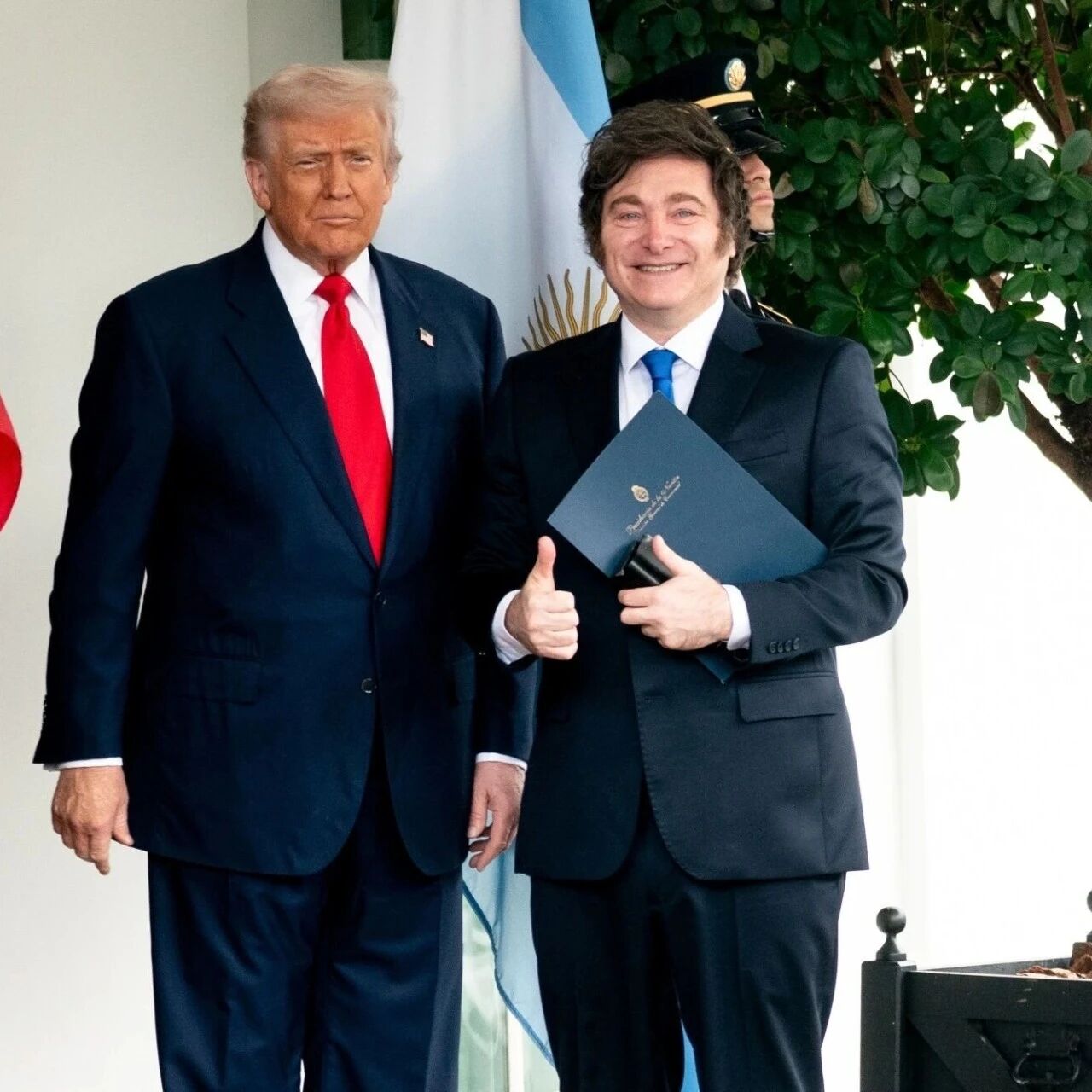
Core Viewpoint - The Trump administration is preparing to significantly reduce tariffs on food products to address rising grocery costs and to establish new trade agreements with Latin American countries, responding to voter concerns about living expenses [1][2]. Group 1: Tariff Reductions - Trump plans to lower tariffs on common food items such as beef, bananas, and coffee beans through new trade agreements with Argentina, Guatemala, El Salvador, and Ecuador [1]. - The administration is considering broader tariff exemptions that could comprehensively reduce tariffs on popular food items, including a commitment to lower coffee bean tariffs [1][2]. Group 2: Trade Agreements - Recent trade agreements with Latin American countries aim to alleviate the burden of grocery expenses that have troubled American consumers for years [1]. - The potential changes in tariffs will be based on products identified in the presidential executive order and agreements with key allies in the Western Hemisphere [4]. Group 3: Government Statements - White House spokesperson Kush Desai emphasized the administration's commitment to a flexible and multifaceted approach to trade and tariff issues [3]. - Discussions regarding adjustments to food tariffs have been ongoing among senior government officials, indicating a proactive stance on addressing food costs [1][3].

特朗普拟大幅削减食品关税,多项拉美贸易协议助力降价
智通财经网· 2025-11-14 11:44
Core Points - The Trump administration plans to significantly reduce tariffs to address high food prices and is pursuing new trade agreements with Latin American countries, including Argentina, Guatemala, El Salvador, and Ecuador, in response to voter concerns about living costs [1][2] - The agreements aim to lower tariffs on essential food items such as beef, bananas, and coffee beans, which have been a source of pressure on American consumers for years [1][2] - The administration is also expected to implement broader tariff exemptions, potentially reducing rates on popular food items, with specific focus on products identified by presidential executive orders [1][2] Trade Agreements - The most significant agreement is with Argentina, which will provide preferential market access for U.S. pharmaceuticals, chemicals, and medical devices [2] - Agreements with Guatemala, El Salvador, and Ecuador focus on reducing tariffs on key products not produced in the U.S., such as bananas and coffee beans, with a framework agreement expected to be finalized in about two weeks [2] - Ongoing trade negotiations with Switzerland may also lead to reduced tariffs on watches and chocolates, aiming to improve public perception of the administration's focus on living costs [2] Beef Trade - The agreements include commitments to improve bilateral market access for beef, which aims to alleviate price pressures faced by American consumers [3] - However, this has faced opposition from domestic ranchers who warn that imports of Argentine beef could negatively impact local producers [3] - The U.S. Department of Agriculture projects that U.S. beef exports to Argentina will amount to $2.6 million in 2024, highlighting the limited scale of trade between the two nations [3] Trade Negotiation Constraints - Argentina, as a member of the Mercosur trade bloc, is limited by regulations that restrict large-scale external negotiations, although it has been allowed to negotiate tariffs on up to 50 products this year [4]
特朗普拟显著调降关税并宣布与多国的架构协议 以应对食品等高物价
Zhong Guo Ji Jin Bao· 2025-11-14 10:34
Core Points - President Trump is preparing to significantly reduce tariffs and promote new trade agreements with Latin American countries to address voter concerns about high living costs, particularly food prices [1][2] - The agreements aim to lower tariffs on essential food items such as beef, bananas, and coffee beans, which have been a burden on American consumers [1][2] - The administration is also considering broader tariff exemptions that could apply to popular food items, with specific mentions of coffee and fruit imports [1][2] Trade Agreements - The most significant agreement is with Argentina, which will provide preferential market access for U.S. exports, including pharmaceuticals, chemicals, machinery, IT products, and medical devices [2] - Agreements with Guatemala, El Salvador, and Ecuador focus on reducing tariffs on major export products like bananas and coffee beans, which are not produced domestically in the U.S. [2] - These framework agreements are expected to be finalized in about two weeks, targeting specific product exemptions rather than general tariff reductions [2] Economic Strategy - The administration's strategy is described as flexible and multi-layered, aiming to leverage trade agreements with key allies in the Western Hemisphere [2] - Ongoing trade negotiations with Switzerland may also lead to tariff reductions on products like watches and chocolate [3] - This initiative is seen as an effort to improve public perception of Trump's handling of high prices, as he aims to lower living costs and stimulate economic growth [3]

特朗普,关税突发!
中国基金报· 2025-11-14 09:54
Core Viewpoint - President Trump is preparing to significantly reduce tariffs and promote new trade agreements with several Latin American countries to address rising living costs, particularly food prices, in response to recent electoral outcomes [1][3]. Group 1: Trade Agreements - The new trade agreements include framework agreements with Argentina, Guatemala, El Salvador, and Ecuador, aimed at lowering tariffs on essential food items such as beef, bananas, and coffee beans [1][2]. - The agreement with Argentina is highlighted as particularly important, as it will provide preferential market access for certain U.S. goods, including pharmaceuticals, chemicals, machinery, IT products, and medical devices [2]. - Agreements with Guatemala, El Salvador, and Ecuador focus on reducing tariffs on major export products like bananas and coffee beans, which are not significantly produced domestically in the U.S. [2]. Group 2: Tariff Reductions - Trump has indicated plans to lower tariffs on specific food items, including coffee, and the Treasury Secretary has mentioned potential tariff reductions on fruit imports [1][2]. - The White House anticipates that retailers and wholesalers will pass on the benefits of tariff reductions to American consumers [2]. Group 3: Political Context - This initiative follows recent Democratic victories in key states, where candidates emphasized the importance of affordable living costs [1]. - The move is seen as an effort to counter criticism of Trump's handling of high prices and to improve public perception of his administration [3].

韩美关税细则说明书公布
第一财经· 2025-11-14 07:06
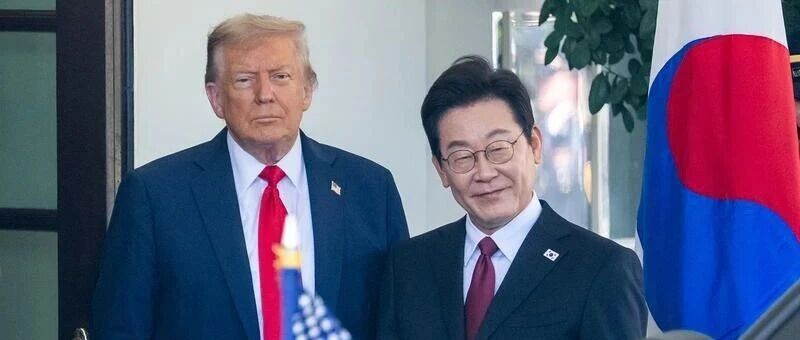
2025.11. 14 本文字数:1926,阅读时长大约4分钟 作者 | 第一财经 潘寅茹 在焦急等待近半个月后,韩国与美国终于就关税协定细则的说明书"虽迟但到"。 其实,在10月29日韩国庆州李在明与来访的美国总统特朗普举行会谈后,双方就贸易协议的具体条款达成一致。但是原定数日内发布关于关税与安保协 商成果的《联合情况说明书》迟迟未公布,韩国产业界普遍担心再生变数。如今,随着说明书的公之于众,韩国产业界松了口气。 据央视新闻报道,韩国总统李在明11月14日宣布, 韩国和美国就确定关税及安保协商达成一致。此外,韩国还将与美国在造船、人工智能和核工业方 面"建立新的伙伴关系"。 韩国产业界曾焦急等待 韩国承诺的3500亿美元对美投资计划分"两步走"(来源:新华社资料图) 7月30日,特朗普在社交媒体上称与韩国达成贸易协议,在韩方承诺向美国投资3500亿美元,且同意采购价值1000亿美元的能源产品后,美国对韩征收 的关税将从此前的25%降低至15%。但彼时,协议的细则,尤其是何时生效等细节,并未同时公布,韩国产业界陷入了漫长的等待中。 在韩国在一众产业中,韩国车企最为关注协议的走向。韩国汽车工业合作协会编制的数据 ...
虽迟但到!韩美关税细则说明书公布,韩国经济吃下“定心丸”?
Di Yi Cai Jing· 2025-11-14 05:37
Group 1 - The recent agreement between South Korea and the United States on tariff and security negotiations has alleviated concerns in the South Korean industry, which was anxious about potential changes in trade conditions [1][3] - South Korea has committed to investing $350 billion in the U.S. and purchasing $100 billion worth of energy products, leading to a reduction in tariffs from 25% to 15% [3][4] - The automotive sector in South Korea is particularly affected, with exports of auto parts to the U.S. projected to reach $8.22 billion in 2024, accounting for 36.5% of total auto parts exports [3][4] Group 2 - In the third quarter of this year, Hyundai and Kia reported significant tariff expenses, with Hyundai's reaching approximately $12.4 billion and Kia's at about $1.23 billion, resulting in a year-on-year profit decline of 29.2% and 49.2%, respectively [4] - The South Korean government is pushing for the new 15% tariff rate to take effect retroactively from November 1, which would allow for refunds on excess tariffs paid [4][5] - The investment plan includes $200 billion in cash investments, with a cap of $20 billion per year, and an additional $150 billion allocated for shipbuilding projects [5] Group 3 - The South Korean economy is projected to grow at a rate of around 1% this year, influenced by strong semiconductor exports, despite the negative impact of U.S. tariffs [6][7] - The International Monetary Fund (IMF) has revised its growth forecast for South Korea from 2% to 0.9% due to trade tensions and weak domestic demand [6][7] - Citibank has a more optimistic outlook, predicting that South Korea's GDP growth could reach 2.2% by 2026, driven by strong semiconductor exports and declining energy prices [7]
【黄金etf持仓量】11月12日黄金ETF较上一交易增加0.28吨
Jin Tou Wang· 2025-11-13 07:12
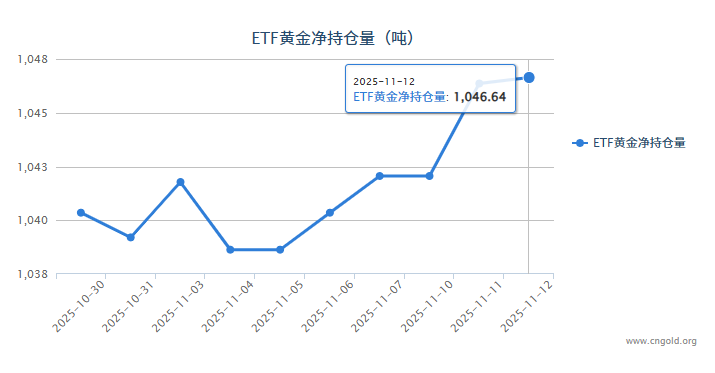
Group 1: Gold ETF Market Insights - The largest gold ETF, SPDR Gold Trust, reported a holding of 1,046.64 tons of gold as of November 12, with an increase of 0.28 tons from the previous trading day [1] - On the same day, spot gold closed at $4,195.26 per ounce, reflecting a 1.69% increase, with an intraday high of $4,211.43 and a low of $4,098.29 [1] Group 2: Swiss-US Trade Negotiations - A Swiss trade delegation, led by the Swiss Economic Minister and Secretary of State, has arrived in Washington to finalize key trade agreement negotiations with the US [3] - Switzerland aims to significantly reduce the average tariff level of 39% imposed by the US on Swiss goods to around 15%, which would enhance the competitiveness of Swiss products like watches and chocolates in the US market [3] - This negotiation marks a critical phase in the long-standing trade talks between the two countries, with potential profound implications for their economic relationship [3]
11月12日上期所沪银期货仓单较上一日下跌8824千克
Jin Tou Wang· 2025-11-12 08:44
Group 1: Silver Futures Market - The total silver futures inventory at the Shanghai Futures Exchange is 583,060 kilograms, with a decrease of 8,824 kilograms compared to the previous day [1][2] - The main silver futures contract opened at 11,906 yuan per kilogram, reached a high of 12,075 yuan per kilogram, and a low of 11,820 yuan per kilogram, closing at 12,073 yuan per kilogram, reflecting an increase of 2.02% [1] Group 2: Warehouse Inventory Changes - In Shanghai, the total inventory at designated warehouses decreased by 9,153 kilograms, with specific reductions at various warehouses including a drop of 7,275 kilograms at the "外运华东虹桥" warehouse [2] - The Guangdong warehouse saw an increase of 329 kilograms at the "深圳威豹" warehouse, contributing to the overall inventory total [2] Group 3: Trade Agreement Developments - Switzerland is reportedly close to reaching a trade agreement with the United States, which may lower import tariffs to 15%, providing relief after facing punitive tariffs of 39% in August [2][3] - U.S. President Donald Trump confirmed that the government is working on a deal to slightly reduce tariffs on Swiss goods, indicating a positive development for Swiss exports [2][3]
美瑞或将达成贸易协议沪银走高
Jin Tou Wang· 2025-11-12 04:37
今日周三(11月12日)亚盘时段,白银期货目前交投于11951一线上方,今日开盘于11906元/千克,截至发 稿,白银期货暂报11965元/千克,上涨1.11%,最高触及11997元/千克,最低下探11820元/千克,目前来 看,白银期货盘内短线偏向震荡走势。 美国总统唐纳德・特朗普随后证实,其政府"正在推进一项协议,旨在略微降低瑞士的关税"。 【要闻速递】 瑞士的消息人士在周二表示瑞士最快在本周四或周五将与美国达成贸易协议,美国将对进口关税降低到 15%。该消息人士说,协议也有可能在下周初达成,不过他也警告说,该协议最终仍需美国总统特朗普 的拍板批准,才算是定案。 据知情人士透露,瑞士正接近达成协议,其对美出口商品关税或将降至15%。今年8月,瑞士曾遭遇 39%的惩罚性关税打击,若此次协议达成,将为该国带来喘息之机。 当被问及15%的关税税率时,他补充道:"我没有提及具体数字,但我们正着手采取措施帮助瑞士。我 们之前对瑞士的打击力度很大,我们希望瑞士保持成功。" 【最新白银期货行情解析】 沪银周一强调在破位11600后就能形成单边行情,回落到11500再继续做多看涨,如果支撑的话,现在沪 银接近第一目标点1 ...