大模型

Search documents
一个 RAG 项目,在真实训练中是怎么被“做出来”的?
3 6 Ke· 2025-12-19 00:11
Core Insights - RAG technology is not merely a data injection process but a comprehensive framework that reshapes AI understanding and decision-making [1] - The effectiveness of RAG is determined not by the availability of data but by how that data is utilized [2] Group 1: RAG Project Challenges - In conversational AI scenarios, RAG projects face complex tasks that require understanding context, determining useful materials, integrating information, and providing helpful responses [3] - The components of a RAG project include questions, reference materials, and answers, none of which are inherently reliable [4][5] - Common issues with questions include semantic ambiguity, contradictions in context, and illogical leaps [7] - Reference materials may be irrelevant, incomplete, conflicting, or contain common sense errors [8] Group 2: Importance of Human Judgment - The final deliverable of a RAG project is a user-friendly answer, which necessitates meeting specific criteria such as factual accuracy and completeness [9] - Despite advancements in models, significant human intervention is required because 90% of the challenges in RAG projects lie in judgment rather than generation [10][9] - RAG projects train models in three core capabilities: information selection, contextual alignment, and result orientation [11][16] Group 3: RAG as a Long-term Infrastructure - RAG projects are often viewed as transitional solutions, but they serve as a long-term foundational infrastructure in real business applications [12] - RAG acts as a bridge connecting stable models with a changing world, highlighting its ongoing relevance [12][17]
“双雄”抢跑 国产大模型叩响资本市场大门
Bei Jing Shang Bao· 2025-12-18 23:24
Core Viewpoint - The article discusses the competitive landscape of the large model sector in China, focusing on the IPO progress of two leading companies, MiniMax and Zhiyu AI, both of which have recently passed the Hong Kong Stock Exchange's hearing and are nearing the final stages of their listing process [1][2]. Group 1: IPO Progress - MiniMax and Zhiyu AI have both received approval from the China Securities Regulatory Commission for overseas issuance and have passed the Hong Kong Stock Exchange hearing, marking a significant step towards their IPOs [1]. - MiniMax plans to list on the Hong Kong Stock Exchange in January 2026, while Zhiyu AI's IPO timeline is also closely aligned [1][2]. - This marks a potential milestone as both companies could become the fastest cases of mainland Chinese firms to pass the hearing since the implementation of the "filing system" for Hong Kong listings [1]. Group 2: Company Backgrounds - Zhiyu AI, established in 2019, has a background rooted in Tsinghua University and focuses on large model algorithm research, having released the GLM-10B model in 2021 [2]. - MiniMax was founded in 2021 by former SenseTime executive Yan Junjie and has developed a range of AI applications, achieving significant user engagement globally [2][3]. - Both companies have adopted different paths for their IPOs, with MiniMax being the first large model company to apply for a Hong Kong listing, while Zhiyu AI initially aimed for an A-share listing before shifting to Hong Kong [2]. Group 3: Product and Market Focus - MiniMax emphasizes a multi-modal approach, offering various AI-native applications and targeting a wide user base, with over 212 million users across more than 200 countries [3]. - Zhiyu AI focuses on AGI (Artificial General Intelligence) and has recently released a series of voice recognition models, indicating a strong push into consumer-facing applications [3]. - The competitive landscape suggests that while both companies are advancing, their product offerings and target markets differ significantly, which may influence their commercial success [3][4]. Group 4: Market Dynamics and Challenges - Analysts note that while the audience for large model applications is expanding, the monetization strategies remain unclear, posing challenges for both companies [4]. - MiniMax's focus on audio and video production may allow for quicker applications in consumer markets, but it faces potential copyright issues that need addressing [4]. - The competitive environment is highlighted by the presence of other companies in the sector, with ongoing discussions about the viability and market positioning of these firms [5][6].
国产大模型叩响资本市场大门
Bei Jing Shang Bao· 2025-12-18 16:00
Core Viewpoint - The article discusses the competitive landscape of the large model sector in China, focusing on the IPO progress of two leading companies, MiniMax and Zhiyu AI, both of which have recently passed the Hong Kong Stock Exchange (HKEX) hearing and are nearing the final stages of their listing process [1][2]. Group 1: IPO Progress - MiniMax and Zhiyu AI have both received approval from the China Securities Regulatory Commission for overseas issuance and have passed the HKEX hearing, marking a significant step towards their IPOs [1][2]. - Both companies are expected to become the fastest cases of mainland Chinese enterprises to pass the HKEX hearing since the implementation of the "filing system" for listings [1][2]. - MiniMax plans to list in January 2026, while Zhiyu AI's listing timeline is not specified but is also imminent [1][2]. Group 2: Company Backgrounds - Zhiyu AI, established in 2019 and originating from Tsinghua University, focuses on large model algorithm research and has released the GLM-10B model with 100 billion parameters [2][3]. - MiniMax was founded in 2021 by former SenseTime executive Yan Junjie and has developed a range of AI applications, achieving significant user engagement with over 212 million users globally [2][3]. Group 3: Business Models and Market Position - MiniMax emphasizes a "model as product" approach, offering various AI-native applications and targeting both B2B and B2C markets, particularly in audio and video production [3][4]. - Zhiyu AI focuses on AGI (Artificial General Intelligence) and has recently launched a series of voice recognition models, indicating a broader application scope [3][4]. - The profitability of large model applications remains uncertain, with MiniMax's focus on audio and video potentially allowing for quicker commercialization compared to Zhiyu AI's broader but less urgent applications [4]. Group 4: Competitive Landscape - The article highlights that while MiniMax and Zhiyu AI are leading in the IPO race, their technological positions among the "six small tigers" in the large model sector are not necessarily the strongest [5][6]. - The success of these companies in the IPO process does not guarantee that other competitors lack opportunities, as market conditions and shareholder interests also play significant roles [6][7]. - The focus on user numbers as a measure of success is questioned, emphasizing the importance of converting users into revenue sources [6][7].
智谱、MiniMax相继通过港交所上市聆讯
Zheng Quan Ri Bao Zhi Sheng· 2025-12-18 15:44
Core Insights - Beijing Zhiyuan Huazhang Technology Co., Ltd. (Zhiyuan) and Shanghai Xiyu Jizhi Technology Co., Ltd. (MiniMax) have both passed the Hong Kong Stock Exchange listing hearing, positioning themselves to become leading players in the global AI model market [1][2] - Zhiyuan aims to be the first stock in the "global foundational model" category, while MiniMax targets the "global multimodal model" sector [1] - Both companies are backed by significant investments from major tech firms such as Alibaba and Tencent, indicating strong market confidence [1][2] Company Overview - Zhiyuan was founded in 2019 by researchers from Tsinghua University, focusing on Artificial General Intelligence (AGI) and has developed the GLM series of models, which are compatible with over 40 domestic chips [1][2] - MiniMax, established in 2021, emphasizes an integrated development approach focusing on "model-multimodal-application," particularly excelling in AI video generation and voice synthesis [2] Financial Highlights - Zhiyuan has completed multiple rounds of financing, with its latest valuation reaching 40 billion yuan, making it the first among the "six small tigers" of large models to initiate an IPO process [2] - MiniMax raised nearly $300 million in its C round of financing in July 2025, achieving a valuation exceeding $4 billion [2] Revenue Generation - Zhiyuan reported over 100 million yuan in annual recurring revenue from its software tools and model business, with plans to increase the API business revenue share to 50% [3] - MiniMax generates 70% of its revenue from international markets, with over 212 million individual users and more than 100,000 enterprise clients across 200 countries and regions [3] Technological Advancements - Zhiyuan has launched several groundbreaking models, including the first hundred-billion model and the first open-source thousand-billion model, showcasing its commitment to deep self-research and complete autonomy [4][5] - MiniMax has also released new models, including the upgraded Speech2.6 and Music2.0, further enhancing its product offerings in the AI space [5] Market Impact - The successful listing of Zhiyuan and MiniMax is expected to inject new capital into the booming large model sector and accelerate the global branding and collaborative innovation of Chinese AI companies [5]
一财主播说丨资本市场迎来大模型公司IPO热潮 MiniMax与智谱同日通过港交所聆讯 阿里腾讯加持 谁将是全球大模型第一股?
Di Yi Cai Jing· 2025-12-18 14:46
Core Insights - The capital market is experiencing a surge in IPOs from large model companies, with MiniMax and Zhipu both passing the Hong Kong Stock Exchange hearing on December 17, marking the beginning of the competition for the title of "the world's first large model stock" [1] Group 1: Company Overview - MiniMax boasts 212 million global users and 100,000 enterprise clients, with investments from Alibaba and Tencent pushing its valuation to nearly $4 billion, and it has received support from Jensen Huang [1] - MiniMax's self-developed M2 model is the first globally open-sourced model, featuring multimodal capabilities that cover text, audio, and video across all scenarios [1] - Zhipu AI, derived from technology transfer from Tsinghua University's Computer Science Department, is one of the "six small tigers" in the large model sector, currently having 2.7 million API paying users and projecting over 100% revenue growth by 2025 [1] Group 2: Market Dynamics - The competition between a technology benchmark backed by industry giants and a revenue-driven university spin-off is intensifying, with both companies yet to disclose specific details regarding their IPOs [1]
甲骨文股价已下跌超45%谷歌与OpenAI大模型竞争日趋白热化
Xin Lang Cai Jing· 2025-12-18 14:44
【#甲骨文股价已下跌超45%##谷歌与OpenAI大模型竞争日趋白热化#】当地时间17日,美国甲骨文公 司一项100亿美元的数据中心项目遭主要出资方蓝猫头鹰撤资。受此影响,其股价隔夜跌约5.4%,自9 月历史高点以来累计跌幅超45%。这一动态引发市场对AI热潮的谨慎情绪,隔夜美股科技板块承压,英 伟达跌3.8%、谷歌母公司Alphabet跌3.2%、博通跌4.5%。同日,谷歌官宣推出新模型Gemini 3 Flash, 主打高效低成本,不过这距上一模型Gemini 3 Pro发布仅一月,凸显谷歌与OpenAI的大模型竞争日趋白 热化。(央视财经) 来源:@华夏时报微博 ...

谷歌挑战英伟达,摩尔线程、沐曦内部人士怎么看?
第一财经· 2025-12-18 14:06
Core Viewpoint - The release of Google's next-generation AI model Gemini 3 series, showcasing the performance and cost advantages of its self-developed TPU, poses a strong challenge to NVIDIA's dominance in the GPU market, leading to a significant market reaction where NVIDIA's market value dropped by over $100 billion [3]. Group 1: Hardware Competition - The core debate centers around the division of labor between general-purpose GPUs and specialized chips like TPUs, rather than a simple replacement relationship [4]. - Google's ability to develop TPUs is attributed to its status as a full-stack integrated company, leveraging its strong infrastructure, foundational models, and cloud services to optimize costs [4]. - The continued advantage of GPUs is attributed to their flexibility, full functionality in a multi-modal era, and the established ecosystem, particularly NVIDIA's CUDA ecosystem, which has created a significant competitive barrier [5]. Group 2: Perspectives on Chip Architecture - The founder of Moex, Sun Guoliang, emphasizes that no chip architecture is inherently superior; the key lies in the application scenarios [6]. - Both GPUs and ASICs like TPUs are expected to coexist due to the diverse and rapidly evolving application scenarios in the industry [6]. - Despite acknowledging the value of general-purpose chips, there is recognition of the potential for specialized chips in specific scenarios, particularly for large cloud service companies once their algorithms stabilize [6]. Group 3: Infrastructure and Performance - In the current AI model competition, the peak computing power of a single card is not the sole determining factor; the ability to construct high-performance networks that connect thousands of cards and deeply integrate with software stacks is crucial [7]. - Moex has multiple production-grade thousand-card clusters operational, indicating a shift from experimental setups to real-world applications supporting training and inference [7]. - The primary challenge in AI infrastructure is to provide a reliable general computing power platform that supports large-scale model training and inference, rather than isolated cards or servers [8].



青云科技:公司在积极进行国际化布局
Zheng Quan Ri Bao Wang· 2025-12-18 13:41
Core Insights - The company is actively pursuing international expansion, launching products and services in overseas markets [1] - The AI computing cloud service, CoresHub.ai, has been fully launched and is now available for global developers, offering low-cost, high-efficiency, and reliable model services [1] - CoresHub.ai has introduced multiple large models, providing flexible and high-performance model invocation services for global AI application developers, enterprise development teams, and AIGC creators [1] - The company's container software, KubeSphere, is built on Kubernetes and ranks second in popularity within the global open-source container field, demonstrating significant technical influence and being utilized by tens of thousands of users worldwide [1]

MiniMax、智谱双双过聆讯,国产大模型叩响资本市场大门
Bei Jing Shang Bao· 2025-12-18 13:23
Core Viewpoint - The leading domestic AI companies MiniMax and Zhiyu AI have both received approval from the China Securities Regulatory Commission for overseas listings and have passed the Hong Kong Stock Exchange's hearing, marking the final stage before their IPOs [1][3]. Group 1: Company Developments - MiniMax and Zhiyu AI both participated in and passed the Hong Kong hearing on December 17, with MiniMax planning to list in January 2026 [3]. - MiniMax was the first large model company to submit an IPO application to the Hong Kong Stock Exchange in June 2025, while Zhiyu AI initially aimed for an A-share listing before shifting to Hong Kong [3][4]. - MiniMax was founded in 2021 and gained prominence with its Glow model, which surpassed GPT in size during the AI boom in 2023 [4]. Group 2: Business Models and Market Position - MiniMax focuses on multi-modal self-research in text, visual, and audio, offering a range of AI-native applications and has over 212 million users globally [5]. - Zhiyu AI centers its business around AGI models and has recently released a series of voice recognition models, including the GLM-ASR series [5]. - Both companies are seen as competitors in the IPO race, but their technological standings among the "six little tigers" in the industry are questioned [6][7]. Group 3: Market Dynamics and Future Outlook - The profitability of large model applications remains unclear, with MiniMax's focus on audio and video production potentially allowing for quicker applications, while Zhiyu AI's broader modal approach may take longer to commercialize [6]. - The competition for IPOs among the "six little tigers" indicates that technological leadership does not guarantee market success, as future performance will depend on business models and capital endurance [8].
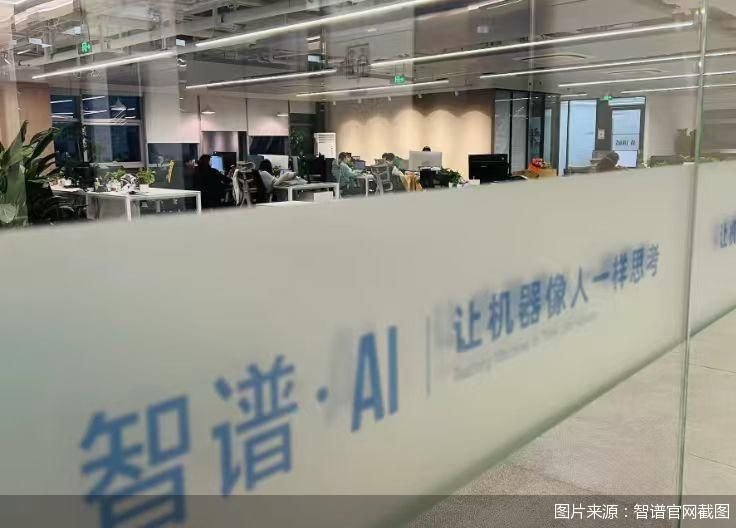
“天才少女”罗福莉亮相背后:曾被雷军亲自点将,能成小米新王牌?
Sou Hu Cai Jing· 2025-12-18 12:26
Core Insights - The core focus of the article is on the public debut of Xiaomi's MiMo model leader, Luo Fuli, who emphasizes the need for next-generation intelligent agents to transition from merely answering questions to completing tasks and interacting with the world [2][4]. Group 1: Luo Fuli's Background and Role - Luo Fuli, born in 1995 in Yibin, Sichuan, has a strong academic background in computer science and computational linguistics, having published eight papers at the ACL conference in 2019 [1]. - After working at Alibaba's Damo Academy and DeepSeek, Luo Fuli joined Xiaomi, reportedly at a salary of tens of millions, to lead large model research [1][2]. Group 2: Xiaomi's AI Developments - Xiaomi has been rapidly advancing its model releases throughout the year, including MiMo, MiMo-VL, MiMo-Audio, and Miloco, with the AIoT platform connecting over 1.04 billion devices globally by Q3 [2][5]. - The introduction of the MiMo-V2-Flash model, with 309 billion total parameters and 15 billion active parameters, aims to achieve low-cost, high-speed performance and initial world simulation capabilities [5][6]. Group 3: Focus on Physical AI - Luo Fuli's research direction at Xiaomi includes a strong interest in "Physical AI," which involves models that understand and interact with the real world through movement skills, as seen in robotics and autonomous vehicles [4][6]. - The MiMo-Embodied model aims to bridge the fields of autonomous driving and embodied intelligence, indicating a strategic focus on integrating AI into physical environments [4][5]. Group 4: Smart Home Ecosystem - Xiaomi's Miloco initiative seeks to transform smart home devices from passive responders to proactive service providers, enhancing user interaction through natural language processing and real-time visual data [6][11]. - The Miloco system aims to eliminate the need for complex manual settings by allowing users to express needs verbally, thus shifting from a fragmented app-based control to a more intuitive, user-intent-driven experience [7][12].