
保护主义

Search documents
“国内反对声浪高涨”!美媒:墨西哥推迟对华征收关税计划
Huan Qiu Wang· 2025-11-11 08:22
Core Points - Mexico's plan to impose high tariffs on imports from China has been postponed due to rising opposition from the private sector and members of the ruling party [1][3] - Mexican manufacturers have warned that the proposed tariffs would significantly increase production costs, impacting their competitiveness [1] - There are divisions within the ruling coalition regarding the tariffs, with some lawmakers supporting the president's efforts to protect domestic industries while others emphasize the importance of trade relations with China [3] Group 1 - The proposed tariffs could reach as high as 50% on products from China and other Asian countries, raising concerns about inflation and the overall economic impact [3] - The Mexican government is facing technical challenges in determining which products to tax, complicating negotiations with the private sector [3] - The Chinese government has expressed strong opposition to Mexico's unilateral tariff measures, emphasizing the need for inclusive economic globalization and cooperation [4] Group 2 - The Mexican government is evaluating the potential inflationary effects of the proposed tariffs, indicating a cautious approach to the implementation of such measures [3] - The Chinese Ministry of Commerce has announced plans to investigate Mexico's trade barriers against Chinese products, highlighting the potential for escalating trade tensions [4] - The situation reflects broader concerns about unilateralism and protectionism in international trade, particularly in the context of rising tariffs from the United States [4]

墨西哥推迟对华征税计划 中方:坚决反对在他人胁迫下以各种名义对华设限
Zhong Guo Xin Wen Wang· 2025-11-11 08:09
Core Viewpoint - Mexico has postponed its plan to impose tariffs on Chinese goods, with China firmly opposing any restrictions imposed under external pressure [1] Group 1: Economic Relations - China advocates for inclusive economic globalization and opposes unilateralism, protectionism, and discriminatory measures [1] - The essence of China-Mexico economic cooperation is mutual benefit and win-win outcomes [1] Group 2: Trade Cooperation - In the context of certain countries imposing tariffs, China and Mexico should enhance communication and coordination to jointly uphold free trade and multilateralism [1] - Both countries are important members of the Global South, emphasizing the need for collaboration to promote global economic recovery and trade development [1]
墨西哥对中国进口商品征收高额关税计划被推迟,外交部回应
财联社· 2025-11-11 08:06
Core Viewpoint - The article discusses the postponement of Mexico's plan to increase tariffs on imports from China due to opposition from private enterprises and members of the ruling party, highlighting the importance of mutual cooperation and free trade between China and Mexico [1] Group 1: Economic Globalization - China advocates for inclusive economic globalization and opposes unilateralism, protectionism, and discriminatory measures [1] - The Chinese government emphasizes the need to protect its legitimate interests against external pressures [1] Group 2: China-Mexico Relations - China and Mexico are both significant members of the Global South, with mutual benefit being the essence of their economic cooperation [1] - The Chinese side values the development of China-Mexico relations and aims to strengthen communication and coordination in the context of rising tariffs from certain countries [1] Group 3: Trade and Economic Recovery - Both countries are committed to maintaining free trade and multilateralism to promote global economic recovery and trade development [1]

墨西哥对中国进口商品征收高额关税计划被推迟,外交部回应
第一财经· 2025-11-11 07:52
Core Viewpoint - The Mexican government's plan to impose high tariffs on Chinese imports has been postponed until at least December due to increasing opposition from the private sector and members of the ruling party [1] Group 1 - The Chinese Ministry of Foreign Affairs emphasizes the importance of inclusive economic globalization and opposes unilateralism and protectionism [1] - China and Mexico are both significant members of the "Global South," and their economic cooperation is characterized by mutual benefit [1] - In the context of rising tariffs from certain countries, China and Mexico should enhance communication and coordination to uphold free trade and multilateralism [1]
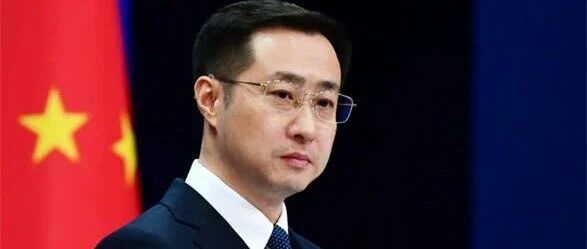
墨西哥对中国进口商品征收高额关税计划被推迟,外交部回应
Huan Qiu Wang· 2025-11-11 07:40
Core Viewpoint - The Mexican government's plan to impose high tariffs on Chinese imports has been postponed until at least December due to increasing opposition from the private sector and members of the ruling party in Mexico [1]. Group 1: Economic Relations - The Chinese Foreign Ministry emphasized the importance of mutual benefit and win-win cooperation in China-Mexico economic relations, highlighting that both countries are significant members of the "Global South" [1]. - The Ministry advocates for inclusive economic globalization and opposes unilateralism, protectionism, and discriminatory measures against China [1]. Group 2: Trade and Tariffs - The postponement of the tariff plan comes amid a backdrop of rising tensions regarding tariffs imposed by certain countries, indicating a need for enhanced communication and coordination between China and Mexico to safeguard free trade and multilateralism [1].
墨西哥对中国进口商品征收高额关税计划被推迟 外交部回应
Huan Qiu Wang· 2025-11-11 07:39
Core Viewpoint - The plan by Mexican President López Obrador to impose high tariffs on Chinese imports has been postponed until at least December, according to reports from Mexican lawmakers and business leaders [1] Group 1: Economic Policy - The postponement of tariffs indicates a shift in Mexico's trade policy, potentially affecting trade relations with China and the broader economic landscape [1] - China's Ministry of Foreign Affairs emphasizes its commitment to inclusive economic globalization and opposes unilateralism and protectionism [1] Group 2: Diplomatic Relations - The Chinese government firmly opposes any measures that harm its legitimate interests and will take necessary actions to protect its rights based on actual circumstances [1]
金观平:坚定推进高水平对外开放
Jing Ji Ri Bao· 2025-11-11 05:24
Core Viewpoint - The article emphasizes that openness is a distinctive feature and a necessary requirement of Chinese-style modernization, highlighting the importance of expanding high-level openness to promote reform and development [1] Group 1: Economic Performance - Since the 14th Five-Year Plan, China has implemented a more proactive opening strategy, leading to a new pattern of high-level openness, evidenced by the total goods trade remaining the world's largest for several consecutive years and service trade exceeding $1 trillion for the first time, ranking second globally [1] - China's export share in the world has stabilized at over 14%, while the import share has increased from 9.7% in 2012 to 10.5% in 2024 [1] Group 2: Institutional Opening - The quality of bilateral investment has steadily improved, with a continuous reduction in the negative list for foreign investment access, and the removal of restrictions in the manufacturing sector [1] - The first batch of pilot measures for free trade zones has been fully implemented, showcasing China's commitment to embracing the world with an open stance [1] Group 3: Challenges and Opportunities - The article acknowledges the challenges posed by rising anti-globalization sentiments and increasing instability in global economic growth, emphasizing the need to expand high-level openness to counter these uncertainties [1][2] - It highlights the importance of actively engaging with international high-standard economic and trade rules, particularly in the service sector, and participating in the formulation of rules in emerging fields like digital trade and artificial intelligence [2] Group 4: Reform and Mechanism Improvement - There is a need to eliminate systemic barriers and promote mutual reinforcement between reform and opening, as deep reforms in domestic service industries and cross-regional openings face bottlenecks [3] - Issues such as "invisible barriers" faced by private and foreign enterprises, inadequate regulatory frameworks for new business models, and low standards for intellectual property protection need to be addressed to create a favorable market environment for innovation and investment [3] Group 5: Confidence in Openness - The confidence in advancing high-level openness stems from China's strong economic foundation, resilient potential, and advantages such as a complete industrial system, a vast market, and abundant talent resources [3] - The goal is to establish a new pattern of openness that is broader, deeper, and more extensive, injecting "open momentum" into Chinese-style modernization [3]
欧洲的焦虑不该由中国电动大巴“背锅”
Sou Hu Cai Jing· 2025-11-11 03:28
Core Viewpoint - Recent investigations by Norway, Denmark, and the UK into Chinese-made buses, citing potential "remote control" risks, reflect underlying political biases rather than actual safety concerns [2][3][4] Group 1: Safety Investigations - The investigations claim that Chinese electric buses may pose national security risks, with UK officials suggesting they could "paralyze London" [2] - No evidence has been presented to support claims of remote control incidents involving Chinese electric buses in Europe [2] - The investigations are characterized as a presumption of guilt, lacking substantial evidence [2] Group 2: European Perception and Bias - The negative labeling of Chinese electric buses as "remote shutdown" vehicles indicates a deep-seated bias among some European individuals against Chinese enterprises [3] - The spread of such absurd claims highlights a distorted public opinion environment regarding China in Europe [3] - The tendency to overgeneralize "national security" concerns has led to a detrimental impact on Sino-European relations, hindering potential win-win cooperation in various sectors [3][4] Group 3: Impact on Trade and Reputation - The actions of certain European countries are seen as damaging to the reputation of Chinese companies and violating principles of market fairness [4] - These actions could disrupt global supply chains and negatively affect the global energy transition and emission reduction efforts [4] - The narrative surrounding Chinese electric buses reflects broader anxieties about development and protectionism in Europe, which could ultimately harm European competitiveness in the face of technological advancements [4]


社评:欧洲的焦虑不该由中国电动大巴“背锅”
Huan Qiu Wang Zi Xun· 2025-11-10 15:46
Core Viewpoint - Recent investigations by Norway, Denmark, and the UK into Chinese-made buses suggest potential "remote control" risks, reflecting underlying political biases rather than actual safety concerns [1][2] Group 1: Safety Investigations - The UK claims that a significant number of Chinese electric buses may pose national security risks, with media exaggerating the potential for these vehicles to disrupt London [1] - No evidence has been presented to support claims that Chinese electric buses have been remotely controlled to stop in Europe, indicating a lack of substantiation for these safety investigations [1][2] - European experts acknowledge that while electric buses can theoretically be remotely disabled, similar capabilities exist in many Western bus brands, raising questions about the selective targeting of Chinese manufacturers [1] Group 2: Chinese Companies' Response - Chinese bus manufacturer Yutong emphasizes compliance with local laws and standards, asserting that data collected is solely for maintenance and improvement purposes, and cannot be accessed without customer consent [1] - The confidence of Chinese companies in their product safety is highlighted by the fact that over 2 million electric vehicles were exported globally last year without any incidents of remote control issues [1] Group 3: Broader Implications - The narrative of "remote shutdown" reflects a broader trend of irrational fears and biases against Chinese enterprises, which could harm Sino-European relations and hinder technological innovation in Europe [2][3] - The overemphasis on security risks in trade relations may obstruct Europe from embracing new technologies, ultimately threatening its competitive edge in the global market [2] - The current geopolitical climate, characterized by protectionism and unfounded fears, could lead to significant disruptions in global supply chains and energy transition efforts [3]
德国总理态度大变,访华前先来了个下马威,叫嚣将对中国钢铁加税
Sou Hu Cai Jing· 2025-11-09 07:50
Group 1 - German Chancellor Merz announced an increase in tariffs on Chinese steel, raising them from approximately 24% to 50%, and reducing tax-free import quotas by 47% [3][4] - This shift in policy contrasts sharply with Merz's previous opposition to EU tariffs on China, indicating a significant change in approach to protect struggling domestic industries [3][4] - The decision is influenced by Germany's stagnant economy over the past three years, rising inflation, and increased pressure from the U.S. on EU products, leading to layoffs and factory closures in the steel sector [4][5] Group 2 - The higher tariffs may increase costs for downstream industries, particularly automotive and machinery sectors, which are crucial to the German economy [5] - Despite the tough rhetoric, Germany recognizes the importance of its economic relationship with China, which is its largest trading partner and a key market for German exports [5][7] - The German government emphasizes the need for continued dialogue and cooperation with China, as both countries face significant economic transitions [7]
