
增强现实

Search documents
上半年智能眼镜销量翻倍,小米们成幕后功臣,AR眼镜未来可期?
3 6 Ke· 2025-08-27 04:36
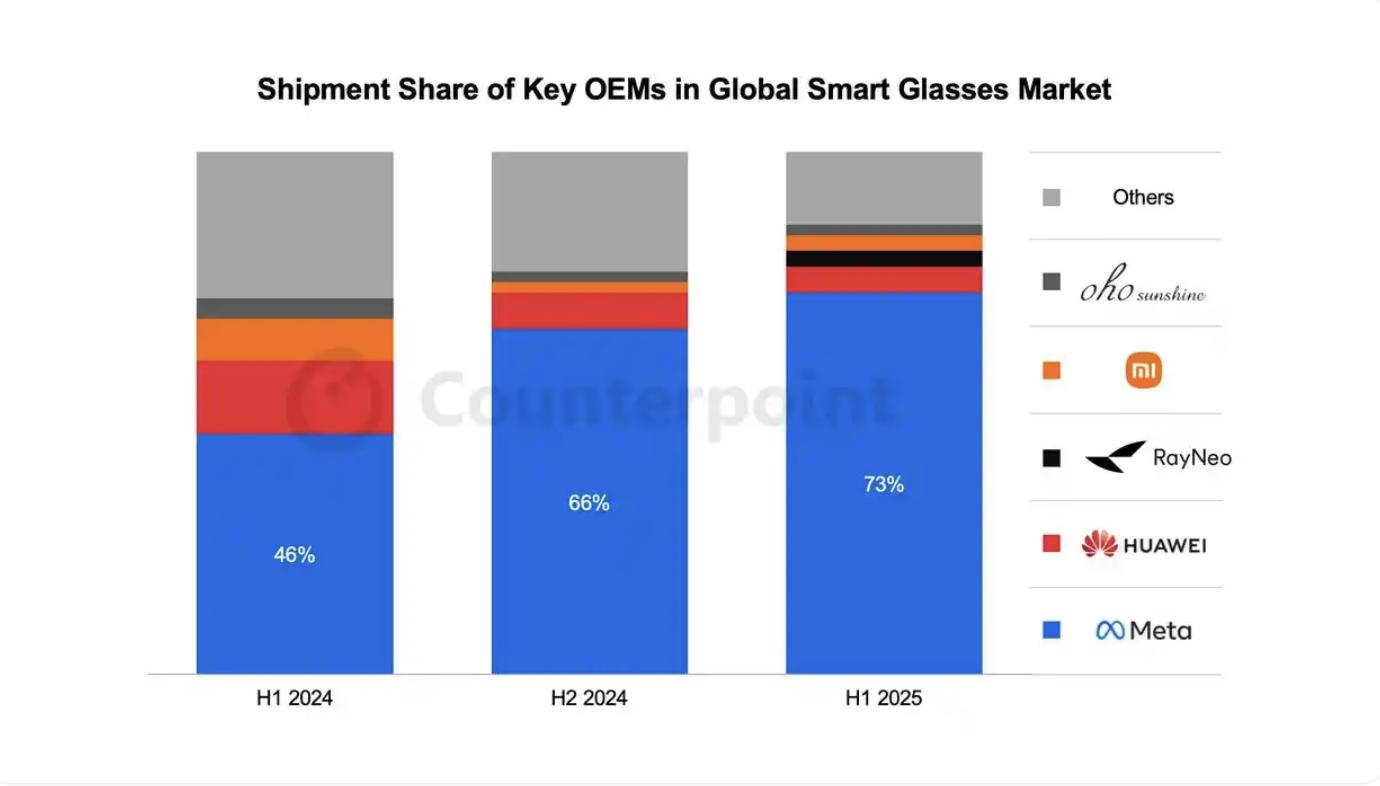
Core Insights - The global smart glasses market is projected to see a 110% year-on-year increase in shipment volume in the first half of 2025, according to Counterpoint [1] - IDC forecasts that China's smart glasses shipments will reach 2.907 million units in 2025, marking a 121.1% year-on-year growth [1] Industry Overview - Smart glasses, once considered niche products, are emerging as a new force in the smart terminal market [4] - The current domestic market for smart glasses is primarily divided into audio recording glasses and AR glasses, with audio recording glasses being the main sales driver due to their lower entry barriers and more affordable pricing [5] Company Contributions - Xiaomi is identified as a significant contributor to the growth in smart glasses sales, with its AI glasses achieving over 30,000 user activations shortly after launch, setting a new sales record in China [7] - Other major brands like Huawei and 雷鸟 are also performing well in sales across major e-commerce platforms, showcasing the brand power of established companies [9] Technological Advancements - AI glasses are evolving to include features such as voice interaction, simple touch controls, and multi-modal technologies, enhancing user experience [5][12] - AR glasses are advancing with unique functionalities, such as real-time translation and navigation, as seen in products like Rokid Glasses [13] Market Dynamics - The decline in prices of smart glasses is a key factor driving their adoption, with basic models now available for a few hundred to a couple of thousand yuan, making them more accessible to consumers [19] - The market is expected to continue its rapid growth, particularly in China, as local manufacturers enhance product offerings and consumer awareness increases [21] Future Outlook - The smart glasses market is anticipated to diversify, with AI glasses excelling in various applications, AR glasses shining in consumer entertainment, and XR glasses showing significant potential [21] - Despite the growth, challenges remain in areas such as battery life, comfort, and market awareness, which need to be addressed for broader acceptance [22][23]


若羽臣涨2.00%,成交额2.15亿元,主力资金净流出43.14万元
Xin Lang Cai Jing· 2025-08-27 04:20
Core Viewpoint - Ruoyuchen's stock price has seen significant growth this year, with a year-to-date increase of 214.53%, indicating strong market performance and investor interest [1][2]. Company Overview - Ruoyuchen Technology Co., Ltd. was established on May 10, 2011, and went public on September 25, 2020. The company is based in Guangzhou, Guangdong Province, and specializes in online operations, channel distribution, and brand planning [1]. - The company's main business revenue composition includes: self-owned brand - Zhanjia (33.63%), agency operation business (28.83%), brand management business (25.42%), self-owned brand - Feicui (12.12%), and other self-owned brands (0.01%) [1]. Financial Performance - For the first half of 2025, Ruoyuchen achieved operating revenue of 1.319 billion yuan, representing a year-on-year growth of 67.55%. The net profit attributable to the parent company was 72.26 million yuan, up 85.60% year-on-year [2]. - Since its A-share listing, Ruoyuchen has distributed a total of 178 million yuan in dividends, with 144 million yuan distributed in the past three years [3]. Shareholder Information - As of June 30, 2025, the number of shareholders for Ruoyuchen was 27,200, an increase of 83.01% compared to the previous period. The average circulating shares per person decreased by 24.47% to 6,154 shares [2]. - Notable institutional shareholders include Dongfanghong Qiheng Three-Year Holding Mixed A, Huahuan New Consumption Mixed A, and Dongfanghong Qidong Three-Year Holding Mixed, all of which are new entrants among the top ten circulating shareholders [3].
郭明錤:预计Meta(META.US)AI眼镜Hypernova今年三季度量产 售价约800美元
Zhi Tong Cai Jing· 2025-08-27 02:56
Core Viewpoint - Meta's upcoming AI glasses, Hypernova, are expected to begin mass production in Q3 2025, with an estimated shipment of 150,000 to 200,000 units over a two-year product lifecycle [1] Company Summary - Analyst Ming-Chi Kuo predicts that global smart glasses shipments will reach 13 to 15 million units by 2026, indicating that Hypernova's market share will be negligible and positioning it more as an experimental product for Meta [1] - The primary selling point of Hypernova will be its AI integration, although the exploration of AI and AR applications is still in its early stages [1] - The high price point of approximately $800 may contribute to Meta's conservative outlook on Hypernova's shipment volume [1] Industry Summary - Hypernova utilizes LCOS technology to achieve mass production, but this choice presents challenges in hardware design, including appearance, brightness, response time, and battery life [1] - Meta's strategic objectives for launching Hypernova include: 1) preempting Apple's release to enhance brand image, 2) accumulating ecosystem experience early, and 3) understanding user behavior [1]

歌尔股份涨2.03%,成交额20.17亿元,主力资金净流出5825.10万元
Xin Lang Cai Jing· 2025-08-27 02:47
Group 1 - The core viewpoint of the news highlights the recent performance and financial metrics of GoerTek Inc, including stock price movements and trading volumes [1][2] - As of August 27, GoerTek's stock price increased by 2.03% to 34.75 CNY per share, with a total market capitalization of 121.33 billion CNY [1] - Year-to-date, GoerTek's stock has risen by 35.41%, with significant increases over various trading periods: 19.83% in the last 5 days, 48.89% in the last 20 days, and 64.68% in the last 60 days [1] Group 2 - GoerTek's main business segments include smart hardware (54.17% of revenue), smart acoustic systems (22.17%), precision components (20.25%), and others (3.41%) [1] - For the first half of 2025, GoerTek reported a revenue of 37.55 billion CNY, a year-on-year decrease of 7.02%, while net profit attributable to shareholders increased by 15.65% to 1.42 billion CNY [2] Group 3 - GoerTek has distributed a total of 4.96 billion CNY in dividends since its A-share listing, with 1.71 billion CNY distributed over the past three years [3] - As of June 30, 2025, the largest shareholders include Hong Kong Central Clearing Limited, which holds 106 million shares, a decrease of 20.42 million shares from the previous period [3]

马斯克正式起诉OpenAI和苹果,电商成为小红书一级入口 | 蓝媒GPT
Sou Hu Cai Jing· 2025-08-26 10:48
Group 1: Legal Actions and Allegations - Musk's company xAI has filed a lawsuit against OpenAI and Apple, accusing them of illegal collusion to hinder competition in the AI sector [1] - Musk claims that Apple is violating antitrust laws by favoring OpenAI in its app store rankings, making it difficult for other AI companies to compete [1] - Musk has threatened immediate legal action against Apple and questioned why Apple has not included xAI's applications in its recommended section [1] Group 2: E-commerce Developments - Xiaohongshu has launched a new version of its app, making e-commerce a primary entry point, indicating a significant investment in its e-commerce business [1] - The new version features a "Market" page in the bottom navigation bar, positioned near the main "Home" page, showcasing Xiaohongshu's lifestyle e-commerce offerings [1] Group 3: Technology and Product Innovations - Zhixiang Future has introduced a new self-regressive image editing framework called VAREdit, which executes user commands accurately and improves editing speed to 0.7 seconds [1] - Multiple smartphone manufacturers, including Vivo, Honor, Xiaomi, Huawei, and OPPO, are entering the mixed reality (MR) and augmented reality (AR) markets, reflecting a strategic shift towards new human-computer interaction opportunities [2] - Meta Platforms plans to unveil a new type of smart glasses with a display at the upcoming Connect conference, priced around $800, indicating ongoing expansion in augmented reality and wearable technology [3]

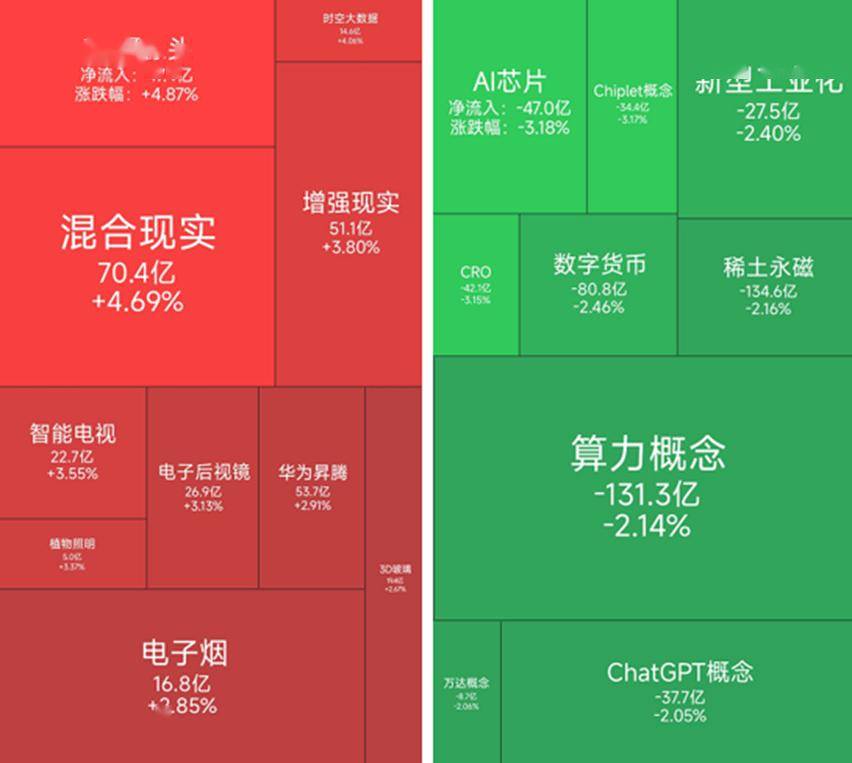
消费电子板块逆市走强,26位基金经理发生任职变动
Sou Hu Cai Jing· 2025-08-26 08:56
Market Performance - On August 26, the A-share market showed mixed results with the Shanghai Composite Index down by 0.39% closing at 3868.38 points, while the Shenzhen Component Index rose by 0.26% to 12473.17 points, and the ChiNext Index fell by 0.75% to 2742.13 points [1] Fund Manager Changes - In the past 30 days (July 27 to August 26), a total of 524 fund managers have left their positions, with 23 announcements made on August 26 alone. The reasons for these changes include 8 managers leaving due to job changes, 1 for personal reasons, and 2 due to product expirations [3][4] Fund Manager Performance - The current asset scale of fund manager Su Junjie from Penghua Fund is 19.825 billion yuan, with the highest return of 84.82% achieved in the fund "Penghua Smart Investment Digital Economy Mixed A" during his tenure of 1 year and 101 days [4] - Fund manager Su Huaqing from Fuguo Fund currently manages assets totaling 31.644 billion yuan, with the highest return of 103.12% from the fund "Fuguo CSI Communication Equipment Theme ETF" during his tenure of 1 year and 10 days [5] Fund Research Activity - In the last month, Bosera Fund conducted the most company research, engaging with 85 listed companies, followed by Jiashi Fund with 81, Huaxia Fund with 72, and Nanfang Fund with 64 [6][7] - The chemical products industry was the most researched sector, with 421 instances, followed by the medical device industry with 293 instances [6] Recent Company Focus - In the past week (August 19 to August 26), the most researched company was Zhongmin Resources, involved in lithium battery new energy raw material development, with 61 fund institutions participating in the research [8]
北京君正涨2.03%,成交额12.65亿元,主力资金净流出1256.89万元
Xin Lang Cai Jing· 2025-08-26 06:39
Core Viewpoint - Beijing Junzheng's stock price has shown significant growth in recent months, with a year-to-date increase of 13.13% and a recent 60-day increase of 21.53% [1] Financial Performance - For the first half of 2025, Beijing Junzheng reported revenue of 2.249 billion yuan, a year-on-year increase of 6.75%, and a net profit attributable to shareholders of 203 million yuan, up 2.85% year-on-year [2] - Cumulative cash dividends since the A-share listing amount to 439 million yuan, with 183 million yuan distributed over the past three years [3] Shareholder Structure - As of August 8, 2025, the number of shareholders increased by 1.16% to 88,400, while the average circulating shares per person decreased by 1.15% to 4,758 shares [2] - Major shareholders include E Fund's ChiNext ETF, which increased its holdings by 156,000 shares, and Southern's CSI 500 ETF, which is a new shareholder with 502,320 shares [3] Market Activity - On August 26, the stock price reached 77.04 yuan per share, with a trading volume of 1.265 billion yuan and a turnover rate of 3.97% [1] - The stock experienced a net outflow of 12.5689 million yuan from main funds, while large orders accounted for significant portions of both buying and selling activities [1] Business Overview - Beijing Junzheng specializes in the research and sales of microprocessor chips, smart video chips, storage chips, and analog chips, with revenue composition being 61.47% from storage chips, 25.88% from computing chips, and 11.19% from analog and interconnect chips [1] - The company is categorized under the electronic-semiconductor-digital chip design industry and is involved in various concept sectors such as smart glasses, smart speakers, augmented reality, and smart home technology [1]

蓝思科技涨2.03%,成交额15.94亿元,主力资金净流出4471.10万元
Xin Lang Zheng Quan· 2025-08-26 03:31
Company Overview - Lens Technology Co., Ltd. is primarily engaged in the research, production, and sales of protective panels for electronic products, with its main products being smartphone protective screens [2][3] - The company was established on December 21, 2006, and went public on March 18, 2015 [2] Financial Performance - For the first half of 2025, Lens Technology achieved a revenue of 32.96 billion yuan, representing a year-on-year growth of 14.18% [3] - The net profit attributable to shareholders for the same period was 1.143 billion yuan, showing a year-on-year increase of 32.68% [3] - Cumulatively, the company has distributed 9.465 billion yuan in dividends since its A-share listing, with 4.452 billion yuan distributed over the past three years [4] Stock Performance - As of August 26, 2023, the stock price of Lens Technology increased by 38.08% year-to-date, with a 15.89% rise over the last five trading days [2] - The stock's trading volume on August 26 was 1.594 billion yuan, with a turnover rate of 1.10% [1] Shareholder Structure - As of June 30, 2025, the number of shareholders increased by 15.38% to 147,800, while the average circulating shares per person decreased by 13.32% to 33,595 shares [3] - Major shareholders include Hong Kong Central Clearing Limited and various ETFs, with some holdings increasing and others decreasing compared to the previous period [4] Market Position - Lens Technology operates within the electronic industry, specifically in the consumer electronics sector, focusing on components and assembly [3] - The company's products are utilized in smartphones, tablets, laptops, smart wearable devices, and digital cameras, with the majority of revenue coming from smartphones and computers, accounting for 82.63% of total revenue [2][3]

玩美上涨5.21%,报2.02美元/股,总市值2.06亿美元
Jin Rong Jie· 2025-08-25 14:28
Core Viewpoint - The company, 玩美 (PERF), has shown significant financial growth, with a notable increase in revenue and net profit, reflecting its strong position in the AR and AI-driven beauty and fashion technology market [1]. Financial Performance - As of June 30, 2025, 玩美 reported total revenue of $32.36 million, representing a year-on-year growth of 14.78% [1]. - The net profit attributable to the parent company reached $2.5 million, marking a substantial increase of 79.34% compared to the previous year [1]. Company Background - 玩美 is a limited liability company incorporated in the Cayman Islands, established on February 13, 2015, as a spin-off from Taiwan's CyberLink Corp [1]. - The company aims to democratize shopping experiences for consumers and brands through augmented reality (AR), artificial intelligence (AI), and digital technologies [1]. Product Offering - 玩美商贸 (Shanghai) Co., Ltd. is a leading provider of SaaS AI and AR solutions for the beauty and fashion industry, focusing on creating seamless and omnichannel experiences [1]. - The company offers innovative, results-oriented, interactive, and sustainable metaverse solutions that can be easily integrated into brand websites, apps, and various social media platforms such as Instagram, Snapchat, and YouTube [1]. Market Reach - The global download count for 玩美's immersive app series has surpassed 1 billion, providing consumers with a convenient platform to virtually experience various products [2].

蓝思科技跌2.02%,成交额25.26亿元,主力资金净流出1.53亿元
Xin Lang Zheng Quan· 2025-08-25 05:52
Core Viewpoint - Lens Technology's stock price has shown significant growth this year, with a 32.78% increase year-to-date and notable gains over various trading periods, indicating strong market performance and investor interest [2]. Group 1: Stock Performance - As of August 25, Lens Technology's stock price was 28.55 CNY per share, with a market capitalization of 150.87 billion CNY [1]. - The stock has increased by 10.79% over the last five trading days, 21.90% over the last 20 days, and 43.67% over the last 60 days [2]. - The company has appeared on the "Dragon and Tiger List" once this year, with a net buy of 1.07 billion CNY on April 7 [2]. Group 2: Company Overview - Lens Technology, established on December 21, 2006, and listed on March 18, 2015, specializes in the research, production, and sales of protective panels for electronic products [2]. - The company's main products include protective screens for smartphones and tablets, with a revenue composition of 82.63% from smartphones and computers, 8.49% from smart vehicles, and 4.99% from smart wearables [2][3]. Group 3: Financial Performance - For the first quarter of 2025, Lens Technology reported a revenue of 17.06 billion CNY, representing a year-on-year growth of 10.10%, and a net profit of 429 million CNY, up 38.71% year-on-year [3]. - The company has distributed a total of 9.465 billion CNY in dividends since its A-share listing, with 4.452 billion CNY distributed in the last three years [4]. Group 4: Shareholder Information - As of March 31, 2025, the number of shareholders increased by 14.93% to 128,100, with an average of 38,760 circulating shares per shareholder, a decrease of 12.98% [3]. - Major shareholders include Hong Kong Central Clearing Limited and various ETFs, with some shareholders reducing their holdings [4].