循环经济

Search documents
曲靖入选全国减污降碳协同创新试点
Zhong Guo Huan Jing Bao· 2026-01-21 01:25
Core Insights - Yunnan Province's Qujing City is committed to strengthening ecological safety in the Pearl River and Yangtze River sources while promoting high-quality economic development through high-level ecological protection [1][2][3] Group 1: Industrial Green Development - Qujing City has eliminated 740,000 tons of outdated production capacity since the start of the 14th Five-Year Plan, and established 15 national-level green industrial parks and factories [1] - The total installed capacity of new energy has increased more than fourfold to 8.8 million kilowatts, and energy consumption per unit of industrial added value has decreased by 24.9% [1] Group 2: Circular Economy Development - The city has achieved a 26% reduction in water consumption per ten thousand yuan of industrial added value compared to the end of the 13th Five-Year Plan, and the comprehensive utilization rate of phosphogypsum has increased by 49.5 percentage points [2] - Marlong District has been selected as the only pilot county in the province for soil and water conservation carbon trading, successfully signing the first transaction [2] Group 3: Ecological Environment Governance - Qujing City aims for a 99.7% good air quality rate in urban areas by 2025, and the good water quality rate for 39 national and provincial monitoring sections has improved by 15.6 percentage points compared to the end of the 13th Five-Year Plan [2] - The city has achieved full coverage of sewage and waste treatment facilities in towns and districts, and has successfully signed the first cross-state pollutant total indicators transaction [2] Group 4: Green Lifestyle Promotion - The number of new energy vehicles in Qujing City has reached 66,000, which is 13.7 times that of the end of the 13th Five-Year Plan, with 95.5% of urban buses and 60.5% of taxis being new energy vehicles [3] - The city has been recognized as a national circular economy demonstration city and aims to transform ecological advantages into economic value [3]
武商集团(000501) - 000501武商集团投资者关系管理信息20260119
2026-01-20 11:58
2 在自营新赛道拓展上,公司着力构建多元化的自有品牌与 创新业务矩阵。通过开设"有仙儿财神殿""WS梦乐园(mini )"等特色店铺,推出"武商金"产品线,并孵化"楚风汉味 (mini)""WS国际名品馆""JIANGTUN BEAUTY"等一系列自 有品牌,形成了涵盖文化消费、轻餐饮、美妆集合、高端零售 等领域的自营生态体系,逐步增强对核心业态的掌控力与盈利 能力。 在存量业态调改方面,公司持续推进项目差异化升级。武 商梦时代焕新B1层为"DREAMBOX"主题街区,精准切入年轻潮 玩消费;武商MALL·众圆则以"特别版"定位,融合名品基因 与社区属性,助力城市更新;武商MALL·世贸围绕Z世代需求, 将打造艺术化社交空间与沉浸式消费环境;百盛MALL更以汽车 文化为主题,构建"未来生活引力场",拓展商业与生活方式 融合的新边界。 公司通过自营业态创新与空间场景再造相结合,从传统商 业运营向"内容+场景"双轮驱动的消费生态构建者转型,持续 巩固市场领先地位。 四、近期公司布局"二手奢侈品"业务引发关注,在循环 经济领域有何战略规划? 证券代码:000501 证券简称:武商集团 武商集团股份有限公司投资者关系 ...

万凯新材2025年扭亏为盈 主业复苏叠加多元布局,加速迈向新材料与机器人产业链新赛道
Quan Jing Wang· 2026-01-20 11:09
Core Viewpoint - WanKai New Materials (301216.SZ) expects a significant turnaround in its financial performance for 2025, projecting a net profit attributable to shareholders of between 156.3 million to 203 million yuan, marking a shift from loss to profit [1] Group 1: Financial Performance - The company anticipates a net profit of 37 million to 55.5 million yuan after deducting non-recurring gains and losses, indicating substantial improvement in its core business [1] - The polyester bottle chip production capacity expansion is nearing completion, and the industry is experiencing a recovery in demand [1] Group 2: Operational Strategy - The company is focusing on cost control and adjusting production and sales rhythm, which has contributed to its return to profitability [1] - The MEG Phase I project, with a capacity of 600,000 tons, is set to commence production in the second half of the year, enhancing the company's operational efficiency [1] Group 3: Industry Dynamics - A collective agreement among major players in the bottle chip industry to reduce production by 20% has led to a decrease in social inventory and an improvement in supply-demand dynamics [1] - The company is actively participating in industry self-regulation to restore order and mitigate cyclical risks associated with single-product dependency [2] Group 4: Raw Material and Capacity Expansion - The ethylene glycol project is expected to start production in Q3 2025, bolstering the company's raw material supply and reducing cost volatility [2] - The overseas capacity expansion is progressing smoothly, with plans to launch production in Africa starting Q2 2026, which will help mitigate anti-dumping impacts and diversify market risks [2] Group 5: New Product Development - The company is increasing its exploration of high-value-added products, such as rPET and oxalic acid, which align with long-term trends in product upgrading and the renewable energy sector [2] - The rPET capacity is scheduled to begin construction in Q1 2026, with production expected to commence in Q1 2027, contributing to a more resilient product portfolio [2] Group 6: Strategic Partnerships - The company has invested in Lingxin Qiaoshou and holds a board seat, establishing a collaborative relationship that includes business cooperation [3] - A joint venture, Zhejiang Light Magnesium Intelligent Plastic Technology Co., Ltd., has been formed to engage in high-performance materials processing and precision injection molding for the robotics industry [3]

天津云传递破局汽车供应链难题
Zhong Guo Qi Che Bao Wang· 2026-01-20 09:26
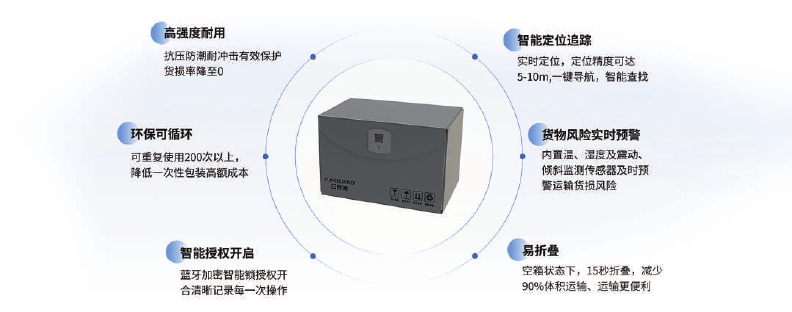
随着全球汽车产业向电动化、智能化、绿色化加速转型,供应链效能与可持续性已成为决定企 业竞争力的关键。在物流环节,传统一次性包装长期存在成本高、污染大、货损难控、全程无法追 溯等痛点,已成为制约汽车产业特别是售后配件流通领域的重要环节,降本增效和绿色升级已是当 务之急。 当前,一批以物联网、大数据与新材料技术为核心的科技企业正悄然崛起,试图以"循环包装+数字 化"模式重塑供应链底层基础设施。天津云传递技术有限公司(以下简称"云传递")便是其中的先行 者。作为一家聚焦物联网、智能算法及数字化系统研发的供应链科技企业,云传递通过自主研发的 智能循环包装及全链路数字监测解决方案,为汽车行业提供了一套"可循环、可追溯、可降本"的全 新物流包装新思路。 正如云传递董事长魏永君所言:"中国在共享包装和物流安全领域正迎来黄金发展期,这是时代赋予 我们的机遇。云传递就是要深耕技术创新,打造行业标杆,用数智化驱动循环包装,用云计算推动 碳循环,助力客户供应链安全、降本增效、低碳转型。" 技术+模式+网络 三位一体破局创新 从传统包装之痛,到行业转型升级,云传递有着怎样的逻辑? 汽车供应链传统包装的成本、安全与环保困局 汽车产业供 ...

新疆天业发预亏,预计2025年度归母净亏损5000万元左右
Zhi Tong Cai Jing· 2026-01-20 08:36
Core Viewpoint - Xinjiang Tianye (600075.SH) has announced a projected net loss of approximately 50 million yuan for the fiscal year 2025, indicating a challenging financial outlook due to market price fluctuations affecting its main product, polyvinyl chloride (PVC) resin [1] Financial Performance - The company expects a net profit attributable to shareholders of the parent company to be around -50 million yuan for 2025 [1] - The projected net profit after deducting non-recurring gains and losses is estimated to be approximately -78 million yuan [1] Operational Insights - Despite the anticipated losses, the company has been focusing on strengthening internal management and leveraging its circular economy industrial chain advantages [1] - The overall production and operational situation remains stable, with efforts directed towards cost reduction and efficiency improvement [1] Market Conditions - The decline in the price of PVC resin has been significant, with the decrease in production costs not matching the drop in sales prices, leading to negative profitability for the company in 2025 [1]

我国十大品种再生资源回收总量超4亿吨
Ren Min Ri Bao Hai Wai Ban· 2026-01-20 04:49
Group 1 - The Chinese government has issued the "Recycled Materials Application Promotion Action Plan," aiming to enhance the application of recycled materials and promote a circular economy by 2030 [1][3][5] - The plan outlines a roadmap for increasing the supply of high-quality recycled materials, including recycled steel, non-ferrous metals, plastics, and paper, to support the expansion of recycled materials usage [3][5] - By 2024, the total recovery of ten major types of recycled resources in China is expected to exceed 400 million tons, with scrap steel and paper accounting for approximately 21% and 70% of the raw materials used in production, respectively [3][5] Group 2 - Companies are enhancing their capabilities in the recycled materials sector, with many developing specialized networks for collection and processing [6][7] - For instance, Guangxi Fanfeng Environmental Technology Co., Ltd. has established a comprehensive recycling network and plans to launch a large-scale appliance dismantling base by 2026, aiming for an annual dismantling capacity of over 3 million units [7][8] - Jin Tian Copper Industry has developed a closed-loop industry chain for recycled copper, achieving a 75% reduction in carbon emissions while maintaining product quality comparable to virgin materials [8][9] Group 3 - Recycled materials are increasingly being integrated into everyday products, with companies like Beijing Baopu Recycled Environmental Technology Co., Ltd. producing high-quality recycled items for events like marathons [10] - The China Resource Recycling Group is focusing on advanced technologies for resource recycling, including AI and near-infrared spectroscopy for intelligent sorting of materials [11] - Klaus-Maffei Group is leveraging its advanced recycling technologies to enhance the processing of recycled plastics, aligning with the government's plan to expand the use of recycled materials [12][13]

环境署最新旗舰报告:修复地球的“配方”在此
Xin Lang Cai Jing· 2026-01-20 04:10
Core Insights - The GEO-7 report warns that humanity is pushing the Earth towards an environmental collapse, which could have catastrophic consequences for human health and the global economy. However, it emphasizes that it is not too late to change direction and presents an action plan focused on transforming five key systems: economy and finance, materials and waste, energy, food, and environment [2][16]. Group 1: Economic and Financial Transformation - The report advocates for countries to adopt a "natural capital accounting system" to better assess their wealth by monetizing natural resources and ecosystem services, moving beyond GDP as the sole measure of economic health [3][17]. - It suggests redirecting $1.5 trillion in government subsidies that currently harm the environment towards sustainable sectors and imposing special taxes on environmentally damaging goods and services [4][18]. - Governments are urged to align their budgets and economic policies with major environmental agreements like the Paris Agreement and to promote green technology investments [4][18]. Group 2: Circular Economy and Waste Management - The GEO-7 report emphasizes the importance of adopting a circular economy model to combat pollution and waste, advocating for redesigning, reusing, repairing, and recycling existing products [5][19]. - It recommends establishing product design standards to enhance durability and reparability, requiring companies to take responsibility for product disposal, and incentivizing the development of circular products through tax reforms [5][19]. - The report highlights that a circular economy is crucial for transforming food, energy, and materials systems, enabling a synergistic development of economic and environmental goals [5][19]. Group 3: Renewable Energy Investment - The report states that over 80% of global energy comes from fossil fuels, exacerbating climate crises, and calls for an expansion of renewable energy sources like wind and solar [8][22]. - It advocates for the electrification of transportation and the exploration of alternative fuels like hydrogen for hard-to-electrify industrial sectors [8][22]. - Countries are encouraged to improve energy efficiency in buildings and urban planning to reduce energy demand while ensuring that the extraction of minerals for renewable technologies does not harm the environment [8][22]. Group 4: Food Production and Consumption - The GEO-7 report identifies unsustainable food production methods as a contributor to climate change and biodiversity loss, urging countries, especially wealthier ones, to adopt more environmentally friendly diets [8][22]. - It emphasizes the need for improved efficiency in crop and livestock production, reducing land use, and enhancing sustainability in fisheries [8][22]. - The report also calls for collaboration among governments, businesses, and consumers to minimize food waste and explore innovative food production methods like lab-grown meat and vertical farming [8][22]. Group 5: Natural World Protection - The report highlights the triple crisis of climate change, land degradation, and biodiversity loss, urging countries to expand protected areas and restore damaged ecosystems [11][25]. - It advocates for the application of natural solutions, such as tree planting, to mitigate extreme temperatures in urban areas affected by climate change [11][25]. - The report suggests developing the bio-resources sector, which utilizes biological materials for energy production and product manufacturing, while emphasizing the need for transparency and equity in managing shared resources like forests and fisheries [11][25][26].
我国十大品种再生资源回收总量超4亿吨——再生材料利用“路线图”来了
Ren Min Ri Bao Hai Wai Ban· 2026-01-20 00:34
Group 1 - The Chinese government has issued the "Recycled Materials Application Promotion Action Plan," aiming to enhance the application of recycled materials and promote a circular economy by 2030 [1][3] - The plan outlines a roadmap for increasing the supply of high-quality recycled materials, improving waste recycling systems, and expanding the application of recycled materials in various industries [3][5] - By 2024, the total recovery of ten major types of recycled resources in China is expected to exceed 400 million tons, with significant contributions from scrap steel and paper [3][5] Group 2 - Companies like Ningbo Nuoding are actively engaging with partners in the recycling and manufacturing sectors to enhance collaboration and improve the efficiency of recycling processes [2][3] - The industry is witnessing a rise in specialized and large-scale operations, with companies developing extensive offline and online recycling networks to facilitate resource recovery [7][8] - Advanced technologies, such as AI and near-infrared spectroscopy, are being utilized to improve the sorting and recycling of materials, enhancing the quality and efficiency of recycled products [10][11] Group 3 - The plan emphasizes the need for a robust management system for recycled materials, including the establishment of standards and certification systems to promote their use [5][6] - Companies are increasingly focusing on the development of low-carbon recycled products, which can significantly reduce carbon emissions while meeting high purity standards required by high-tech industries [8][11] - The promotion of recycled materials is expected to play a crucial role in resource security and energy conservation, with specific targets set for the recovery and utilization of various materials by 2030 [5][6]
中国—东盟自贸区3.0版升级议定书签署 推动双方合作向数字、绿色、标准等新兴领域拓展 中国与东盟经贸合作提质升级
Ren Min Ri Bao· 2026-01-19 22:27
Core Insights - China has maintained its position as ASEAN's largest trading partner for 16 consecutive years, while ASEAN has been China's largest trading partner for 5 years, with trade volume reaching 6.82 trillion RMB in the first 11 months of last year, a year-on-year increase of 8.5% [1] Economic Cooperation - The China-ASEAN Free Trade Area 3.0 upgrade protocol has been signed, marking a significant milestone in economic integration, expanding cooperation into digital, green, and standardization fields [1] - The implementation of the Regional Comprehensive Economic Partnership (RCEP) has facilitated deeper integration of regional supply chains, enhancing the trade relationship between China and ASEAN [6] Digital Economy - China and ASEAN are accelerating digital infrastructure cooperation, with projects in Malaysia and Indonesia enhancing regional computing power and digital economy collaboration [2] - The digital economy is expected to grow significantly, with cross-border e-commerce transactions between China and ASEAN maintaining over 20% annual growth, driven by digital technologies [2] Green Development - China is supporting green transformation in ASEAN through projects like large-scale solar power in Laos, which is expected to reduce coal consumption by 510,000 tons and CO2 emissions by 1.4 million tons annually [4] - The China-ASEAN Free Trade Area 3.0 is designed to facilitate green cooperation, promoting sustainable development and financial products for green projects [5] Industrial Cooperation - The China-ASEAN Free Trade Area 3.0 is expected to create a more stable environment for emerging industries, such as electric vehicles, by reducing compliance costs and enhancing local production capabilities [6] - Chinese companies are actively participating in ASEAN's industrial development, with examples like Changan Automobile establishing a new energy vehicle base in Thailand, contributing to local supply chains [6] Trade Growth - Trade in agricultural products between China and ASEAN reached $51.3 billion in the first ten months of 2025, reflecting an 8.9% year-on-year increase, facilitated by improved supply chain connectivity [7] - The establishment of a comprehensive strategic partnership between China and ASEAN marks a new historical starting point for bilateral cooperation, enhancing regional stability and prosperity [7]
金能科技:公司将进一步做好生产经营
Zheng Quan Ri Bao· 2026-01-19 12:37
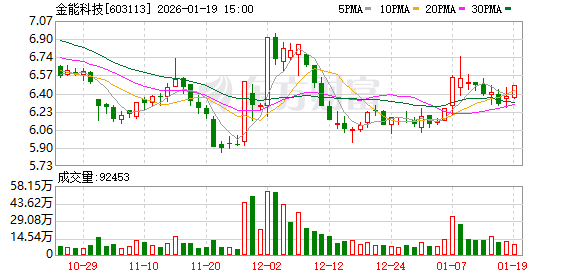
Group 1 - The company, Jineng Technology, aims to enhance its production operations and expand circular economy benefits by 2026 [2] - The company plans to increase investment in technological innovation and product research and development [2] - The company emphasizes the importance of cost control to improve performance and provide returns to investors [2]