
转型金融

Search documents
金融赋能江苏制造业“强筋健骨”
Zhong Guo Jin Rong Xin Xi Wang· 2025-07-29 08:53
转自:新华财经 制造业是立国之本、强国之基。近年来,江苏坚持以产业科技创新为引领,大力推进新型工业化,深入 实施制造强省"八大行动",加快打造具有国际竞争力的先进制造业基地。多家驻苏金融机构深化金融服 务,赋能制造业向高端化、智能化、绿色化转型。 华美光电是一家镀膜光伏玻璃生产企业,公司拟利用贷款对高能耗的钢化炉装置进行车间屋顶光伏板安 装以及蓄电池储能设备安装,同时加大绿色采购,提升环保绩效等级。据公司相关负责人介绍,加装光 伏板后,可年均减排二氧化碳580吨。 据介绍,该行在各市分行和多家一级支行成立了制造业金融中心,不断完善制造业金融组织架构,强化 全周期、全品类综合化服务方案供给,创新推出"工银苏新+"品牌和六大子产品线。截至2025年6月末, 该行投向制造业贷款余额6800亿元、净增1200亿元,其中制造业中长期贷款余额3600亿元、净增700亿 元。 "技术流"变"现金流"助企智造转型 依托"技术流"评价体系,可以进一步拓宽企业的融资渠道,精准量化、自动化评价企业在科技人才、研 发成果和技术创新等方面的实力,从而提供更贴心、更精准、更专业的金融服务。建行江苏省分行立足 江苏实际,通过创新金融产品、 ...



央行天津市分行:逐步推动煤电、建材、交通、航运等“N”个重点行业转型金融标准的试用
news flash· 2025-07-29 08:44
央行天津市分行:逐步推动煤电、建材、交通、航运等"N"个重点行业转型金融标准的试用 金十数据7月29日讯,近日,中国人民银行天津市分行联合天津金融监管局、天津证监局、市地方金融 管理局、市工业和信息化局、市发展改革委、市生态环境局印发《发挥转型金融作用服务天津经济绿色 低碳发展的实施意见》。《实施意见》坚持"三个结合"的转型金融发展总体要求,即政策引导与市场驱 动相结合、标准引领与创新驱动相结合、防控风险与推动发展相结合。提出构建"1+1+N"的转型金融标 准试点应用体系,即重点推动"1"个钢铁行业标准、"1"个化工团体标准的试点应用,逐步推动煤电、建 材、交通、航运等"N"个重点行业转型金融标准的试用。 相关链接 ...
金融领域三大积极变化 助力广东经济稳中向好
Zhong Guo Chan Ye Jing Ji Xin Xi Wang· 2025-07-25 00:46
Economic Overview - Guangdong's economy continues to show a recovery trend in the first half of 2025, with overall stability and improvement in financial operations [1] - The financial sector has supported this recovery through three positive changes: optimization of social financing structure, strengthened support for key industries, and a trend towards increased demand for demand deposits [2] Financing and Investment - From January to May 2025, Guangdong's social financing scale increased by 1.33 trillion yuan, with direct financing accounting for a rising proportion [2] - The increase in direct financing included 389.4 billion yuan from non-financial corporate bonds, stocks, and local government bonds, representing 29.2% of the total financing increment [2] - Manufacturing loans increased by 278.7 billion yuan, accounting for 22.6% of total loan growth, with a year-on-year growth of 7.8% in medium and long-term loans [2] Technological Finance - Guangdong has introduced innovative financial service models for technology enterprises, including "benefit-sharing plans" and "equity loan guarantees," enhancing the comprehensive financial service system for the entire lifecycle of technology firms [3][4] - As of May 2025, the balance of technology loans in Guangdong reached 5.6 trillion yuan, with a year-on-year growth of 7.3% [3] Green Finance - Green finance has been actively promoted to support low-carbon development, with green loan balances reaching 4.2 trillion yuan, a year-on-year increase of 18.4% [5] - Guangdong has issued 39 transformation loans totaling 3.36 billion yuan to support high-carbon industries in their transition to low-carbon operations [5][6] Transition Finance - Transition finance is crucial for supporting high-carbon industries in their shift to low-carbon practices, addressing the financing gap for these sectors [6][7] - Guangdong is promoting the application of transition finance standards across various industries, with specialized credit products like "industrial low-carbon transition loans" and "transition-linked loans" being introduced [7]
广东发放转型金融贷款33.6亿元;深圳上半年进出口规模居内地城市首位丨大湾区财经早参
Mei Ri Jing Ji Xin Wen· 2025-07-22 15:14
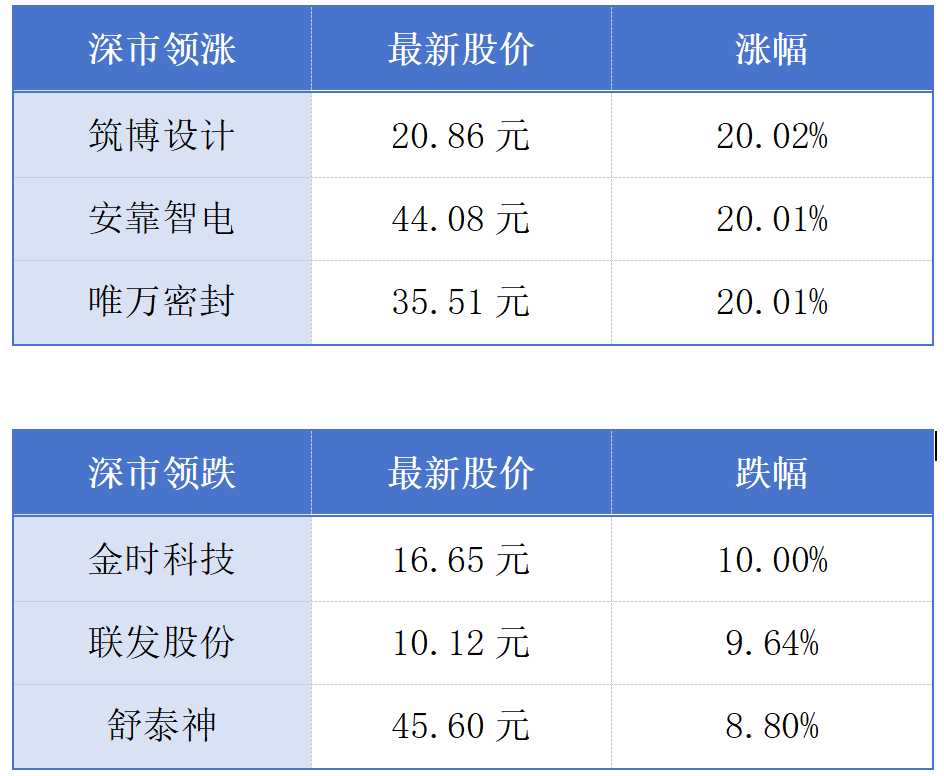
Group 1 - Guangdong courts have concluded over 17,000 securities false statement liability disputes from 2022 to 2024, with a 34.7% year-on-year decrease in new first-instance cases in 2024 [1] - The total number of securities false statement liability disputes adjudicated is 17,515, with 5,357 cases withdrawn, resulting in a withdrawal rate exceeding 30% [1] - This judicial approach aims to deter financial fraud and information disclosure violations, enhancing investor confidence and supporting Guangdong's goal of becoming a financial powerhouse [1] Group 2 - Shenzhen's import and export volume reached 2.17 trillion yuan in the first half of 2025, accounting for 9.9% of the national total, with exports at 1.31 trillion yuan and imports at 858.6 billion yuan, reflecting a 9.5% year-on-year growth [2] - Shenzhen's trade data underscores its strategic value as a model for open economies, contributing to high-quality foreign trade development in the Greater Bay Area and nationwide [2] Group 3 - Four companies from Huizhou made it to the list of China's top 500 listed companies by market capitalization, with a total market value of 446.66 billion yuan as of June 30 [3] - The companies include Shenghong Technology, Yiwei Lithium Energy, TCL Technology, and Desay SV, highlighting Huizhou's significant industrial cluster effect [3] Group 4 - Guangdong financial institutions have issued 39 transformation loans totaling 3.36 billion yuan, covering industries such as cement, glass, ceramics, steel, aluminum, chemicals, and water transportation [4] - This initiative marks a shift towards leveraging financial tools for the green transformation of traditional industries, indicating Guangdong's exploration of a low-carbon economic upgrade path [4] Group 5 - The Shenzhen Component Index closed at 11,099.83 points, up 0.84% [5] Group 6 - The top gainers in the Shenzhen market include Zhuhai Design at 20.86 yuan with a 20.02% increase, Ankao Intelligent Electric at 44.08 yuan with a 20.01% increase, and Weiman Sealing at 35.51 yuan with a 20.01% increase [6] - The top decliners include Jinshi Technology at 16.65 yuan with a 10.00% decrease, Lianfa Co. at 10.12 yuan with a 9.64% decrease, and another company at 45.60 yuan with an 8.80% decrease [6]

广东累计发放转型金融贷款33.6亿元
news flash· 2025-07-21 08:41
Core Insights - As of July 21, 2025, Guangdong financial institutions have issued a total of 39 transformation loans amounting to 3.36 billion yuan, covering industries such as cement, glass, ceramics, steel, aluminum, chemicals, and water transportation [1] Group 1: Financial Institutions - The transformation loans have been provided by a mix of large state-owned commercial banks, joint-stock commercial banks, and local small and medium-sized financial institutions in Guangdong [1] Group 2: Types of Financial Services - The financial services offered include project loans, working capital loans, and bill financing [1]
油气行业债务融资新框架发布 助力规模化甲烷控排
Zheng Quan Ri Bao Wang· 2025-07-21 07:45
Group 1 - The "Methane Finance Working Group" has launched an innovative financing framework aimed at the global oil and gas industry during COP28, focusing on integrating methane reduction into debt structures [1][2] - The framework provides a market-oriented financing path to help oil and gas companies, investors, and lenders incorporate methane emission management into their debt financing systems, facilitating funding for methane reduction projects [1][2] - The International Energy Agency estimates that the global oil and gas industry emitted approximately 80 million tons of methane in 2024, equivalent to the annual natural gas imports of the entire European region [1] Group 2 - The new debt financing framework is designed for both borrowers and lenders, particularly benefiting national oil companies, independent oil producers, and their financial partners [2] - The framework draws on proven green and transition finance tools to create performance-based loans and binding use of proceeds, effectively connecting methane reduction projects to the growing pool of transition finance [2] - Successful precedents in other industries, such as the issuance of $500 billion in labeled bonds by the global utility sector, serve as a model for the oil and gas industry to overcome funding bottlenecks and accelerate the transition to low-carbon production [2]
42家A股上市银行这项贷款余额超27万亿,上半年还在涨!
和讯· 2025-07-14 09:51
Core Viewpoint - In the first half of 2025, China's green finance has entered a new stage of systematic deepening and diversified breakthroughs, becoming a key engine for industrial transformation and high-quality development as the "dual carbon" strategy is implemented [1][11]. Group 1: Policy Dynamics - The policy system for green finance has become more systematic and comprehensive, with significant documents like the "Manufacturing Green Low-Carbon Development Action Plan" and "Green Sovereign Bond Framework" being released, marking a shift from a single focus on credit and bonds to a comprehensive financial support system for the entire industry chain [12][13]. - The concept of "transformation finance" has gained traction, with policies in regions like Jiangsu and Yunnan focusing on supporting the green transformation of traditional high-carbon industries, indicating a dual-track development model of green and transformation finance [12][14]. - The establishment of a green finance standard system has accelerated, with the release of the national standard "Green Finance Terminology" and frameworks for climate information disclosure, laying a solid foundation for identifiable, assessable, and regulated green finance [13]. Group 2: Market Data - China's green credit continues to lead globally, with a balance of green loans reaching 40.61 trillion yuan, a 9.6% increase from the beginning of the year, reflecting strong demand for low-carbon transformation [25][26]. - The green bond market has seen robust growth, with 294 green bonds issued in the first half of 2025, totaling approximately 500 billion yuan, indicating a significant year-on-year increase [21]. - The carbon market has expanded its coverage, with the trading volume of carbon emission allowances reaching 38.62 million tons and a transaction value of nearly 2.9 billion yuan in the first half of 2025, showing increased market activity [29][30]. Group 3: Enterprise Dynamics - Enterprises have significantly enhanced their practices in green finance, with a notable increase in financing scale and product diversity, as well as innovations in financial tools [37]. - Major banks have issued large amounts of green bonds, with Agricultural Bank of China issuing a record 60 billion yuan green bond, and other banks following suit with substantial issuances aimed at clean energy and green manufacturing [37][41]. - The trend of "going global" in green finance is evident, with institutions like ICBC issuing green bonds in international markets, enhancing China's influence in the global green finance landscape [38]. Group 4: Indexed Performance - The performance of green finance indices has shown significant differentiation, with the Guojin Green Finance 100 Index declining by 4.05% while the environmental index rose by over 10%, indicating varying market conditions within the green finance sector [2].
可持续信息披露:迈向量化与数字化转型之路
Jin Rong Shi Bao· 2025-07-14 03:10
Group 1 - The core viewpoint of the articles emphasizes that sustainable information disclosure is crucial for promoting green finance and addressing global climate change challenges, enhancing market transparency, and fostering sustainable economic development [1][2][7] - Experts at the forum highlighted the importance of accurate, complete, and timely disclosure of sustainable information to guide capital towards green and low-carbon sectors, mitigate financial risks, and achieve coordinated economic, social, and environmental development [1][2] Group 2 - A unified disclosure standard is being developed in China, with the Ministry of Finance and nine other departments issuing the "Basic Standards for Corporate Sustainable Disclosure (Trial)" in November 2024, marking the beginning of a unified sustainable disclosure standard system [3] - The implementation of the Basic Standards will be voluntary initially, with a gradual approach to expand from listed companies to non-listed companies and from large enterprises to small and medium-sized enterprises [3] Group 3 - Commercial banks are transitioning from "formal compliance" to "value extraction" in information disclosure, with increasing mandatory requirements and clearer specific demands [4][6] - The importance of quantitative data in sustainable information disclosure is growing, with core indicators such as total energy consumption, clean energy usage ratio, and water resource usage intensity becoming essential [5] Group 4 - Sustainable information disclosure is viewed as an opportunity for financial institutions to enhance governance capabilities and extract business value, rather than merely a regulatory compliance measure [7] - Key challenges in sustainable information disclosure include dual materiality assessment (financial and impact significance) and climate risk analysis, which require gradual improvement in disclosure quality [7]
降碳即降融资成本——广州农商银行成功落地广东首笔“转型金融+碳足迹挂钩” 双认证贷款
Zhong Guo Ji Jin Bao· 2025-07-11 08:33
Core Viewpoint - The successful issuance of a 30 million yuan loan by Guangzhou Rural Commercial Bank for a state-owned aluminum company marks a significant breakthrough in the innovative development of transformation finance in Guangzhou, being the first of its kind in the aluminum industry in Guangdong Province [1][2]. Group 1: Transformation Finance and Carbon Footprint - The loan is structured under a "transformation finance + carbon footprint linkage" dual certification model, which enhances the granularity of transformation recognition [2]. - The financing will be used for clean energy utilization, production process upgrades, and energy efficiency improvements, with an expected 30% reduction in comprehensive energy consumption per unit of output compared to the end of 2020 [2]. - The dual certification model not only reduces financing costs for enterprises but also incentivizes them to independently lower carbon emissions [2]. Group 2: Industry Context and Future Plans - Guangdong Province accounts for over 15% of the national aluminum production capacity, and the aluminum industry faces urgent low-carbon transformation demands under the "dual carbon" goals [1][3]. - Guangzhou Rural Commercial Bank has conducted a comprehensive survey of existing credit clients, identifying potential transformation finance clients across nine industries and 26 sub-sectors [3]. - The bank plans to continue participating in the formulation and application of transformation finance standards in Guangzhou, promoting more replicable transformation finance models in collaboration with third-party institutions [3].
谋破局 寻新章 促进绿色金融创新发展
Jin Rong Shi Bao· 2025-07-09 01:53
Group 1: Overview of Green Finance Development - The year 2025 marks the 20th anniversary of the "Green Mountains and Clear Water are Gold and Silver Mountains" theory and the fifth anniversary of China's "dual carbon" goals, highlighting significant achievements in green finance development in China [1] - As of the end of Q1 this year, China's green loan balance exceeded 40 trillion yuan, ranking first globally, with a thriving green bond market attracting substantial investments into green industries [1] - Green insurance is also advancing, supporting the green development of the real economy [1] Group 2: Challenges and Market Dynamics - Despite the progress, challenges remain as the easy gains have been realized, raising questions about future growth and the role of the national carbon market in providing market incentives [1][2] - The national carbon market has seen a decline in carbon emission allowance prices, with the average price dropping to 74.96 yuan/ton, approximately a 30% decrease from last November's peak [2] - Factors contributing to this price drop include the compliance window and the lack of tightened allowances, with concerns that high carbon prices could increase costs for the real economy [2] Group 3: International Carbon Market and Pricing - The example of the EU, where carbon prices reached around 1000 yuan/ton, illustrates the potential for high carbon prices to drive global green technology development [3] - Current carbon pricing levels in China lack sufficient incentives for social capital to engage in costly green technology research and application, such as carbon capture and storage (CCUS) [3] - The potential for international connectivity in carbon markets exists, particularly in voluntary carbon markets, which are smaller and less sensitive to pricing power issues compared to mandatory markets [4] Group 4: Nationally Determined Contributions (NDC) and Disclosure Standards - China's upcoming announcement of a comprehensive NDC covering all greenhouse gases by 2035 is expected to accelerate the transformation of local and market entities [5][6] - The establishment of a sustainable disclosure framework by the Ministry of Finance is seen as a significant step towards enhancing ESG information disclosure in China [6][7] Group 5: Transition Finance Standards and Products - The development of transition finance is a key focus, with the People's Bank of China compiling transition finance directories for various industries [8] - Clear standards for defining transition finance are necessary to prevent risks such as "greenwashing" and to encourage financial institutions' participation [8][9] - There is a growing demand for equity-based transition financial tools, with initiatives to support the development of transition funds targeting high-quality transition enterprises [9]