稳定币监管

Search documents
韩国执政党提出数字资产基本法案,拟允许本土公司发行稳定币
Hua Er Jie Jian Wen· 2025-06-10 09:23
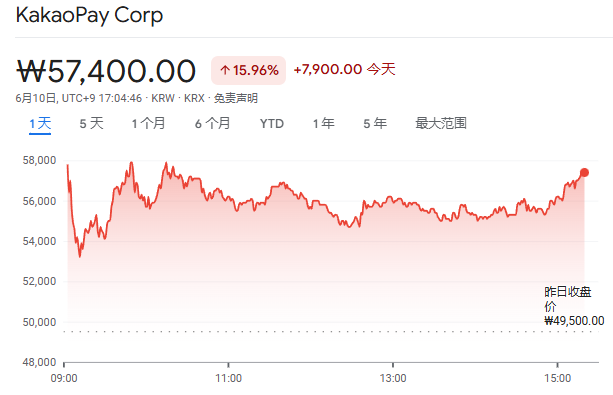
Core Viewpoint - South Korea's new president, Lee Jae-myung, is rapidly fulfilling campaign promises by allowing local companies to issue stablecoins through the proposed Digital Asset Basic Law, which opens a legal pathway for stablecoin issuance [1][4]. Group 1: Legislative Developments - The proposed law allows South Korean companies with a capital of 500 million KRW (approximately 368,000 USD) or more to issue stablecoins, provided they establish a reserve guarantee for redemption [1]. - This legislative move comes amid a global surge in interest in stablecoins, with the U.S. Congress preparing to vote on key stablecoin legislation and traditional banks exploring stablecoin issuance [4]. Group 2: Market Dynamics - Over one-third of South Koreans (approximately 18 million) are active in the digital asset market, with trading volumes on local exchanges sometimes exceeding those of the Kospi and Kosdaq indices [4]. - In the first quarter, the trading volume of USDT, USDC, and USDS on South Korea's five major exchanges reached 57 trillion KRW, indicating significant demand for stablecoins [4]. - In the global stablecoin market, USDT holds a 62% market share, USDC accounts for 25%, and other stablecoins make up 13% [4]. Group 3: Challenges and Concerns - The Bank of Korea has expressed strong opposition to the issuance of stablecoins by non-bank entities, warning that it could undermine the effectiveness of monetary policy [5]. - Analysts from JPMorgan have cautioned that the recent surge in KakaoPay Corp.'s stock price lacks fundamental justification, and the specific benefits of Lee's stablecoin policy remain uncertain [6]. - The collapse of TerraUSD in 2022, which resulted in losses of hundreds of billions of dollars, continues to haunt investors and raises concerns about the stability of the market [6].

非银行业深度研究:新旧金融的桥梁:稳定币如何重塑非银金融生态?
Minsheng Securities· 2025-06-09 10:23
Investment Rating - The report maintains a positive investment rating for the stablecoin industry, particularly focusing on the implications of Hong Kong's Stablecoin Regulation [4]. Core Insights - Stablecoins are crucial infrastructure in the cryptocurrency ecosystem, designed to maintain price stability by pegging their value to stable underlying assets [8][9]. - The global trading volume of stablecoins has seen exponential growth, with daily average trading volume increasing from $432 million in 2019 to $84.143 billion in 2024, representing a CAGR of 187.1% [2][42]. - The introduction of Hong Kong's Stablecoin Regulation is expected to create structural impacts on the non-bank financial sector, allowing qualified non-bank institutions to participate in stablecoin issuance [3][13]. Summary by Sections 1. What are Stablecoins? - Stablecoins are a special type of cryptocurrency designed to maintain price stability by pegging their value to stable assets such as fiat currencies, commodities, or algorithms [8]. - They serve as a bridge between traditional finance and the volatile cryptocurrency market, facilitating transactions, payments, and hedging [9]. 2. Core Mechanism of Stablecoins - Stablecoins can be categorized into four main types based on their collateral: fiat-collateralized, commodity-collateralized, crypto-collateralized, and algorithmic [23][24]. 3. Core Value of Stablecoins - Stablecoins act as a payment tool, providing a low-volatility "value benchmark" for transactions in the cryptocurrency market [29]. - They serve as a value storage mechanism, allowing users to convert volatile assets into stablecoins to mitigate market risks [34]. - Stablecoins enhance transaction efficiency by reducing costs and improving speed, especially in cross-border payments [35]. 4. Global Regulatory Mechanisms for Stablecoins - Hong Kong's Stablecoin Regulation aims to create a robust regulatory environment, requiring all stablecoin issuers to obtain licenses, thereby preventing regulatory arbitrage [15][16]. - The regulation emphasizes a "same activity, same risk, same regulation" principle, ensuring that stablecoin activities are subject to stringent oversight [13]. 5. Impact on Non-Bank Financial Institutions - The regulation is expected to lead to compliance upgrades and create new business opportunities for non-bank institutions, with a focus on major players like ZhongAn Online, Hong Kong Stock Exchange, and LianLian Digital [3][22].


稳定币“第一股”Circle火爆,分析师:监管从碎片化走向体系化
第一财经· 2025-06-09 09:01
Core Viewpoint - The article discusses the significant developments in the regulatory landscape for stablecoins, highlighting the introduction of the U.S. GENIUS Act and Hong Kong's stablecoin regulations, which mark a shift from fragmented to systematic regulation in the industry [1][2]. Regulatory Framework - The GENIUS Act aims to provide a clear compliance framework for stablecoin issuers, requiring them to hold at least 1:1 reserves in highly liquid assets like cash or U.S. Treasury bills, undergo regular audits, and comply with anti-money laundering (AML) and know your customer (KYC) regulations [3]. - The legislation prohibits stablecoins from offering interest yields, restricts foreign issuers from entering the U.S. market, and clarifies that stablecoins are neither securities nor commodities, thereby enhancing consumer protection and mitigating financial risks [3]. Market Growth Projections - According to Citigroup, the global stablecoin market is projected to grow from $230 billion in 2025 to $1.6 trillion by 2030, driven by clearer regulatory pathways [3]. Industry Sentiment - Financial institutions like Charles Schwab and Bank of America are optimistic about the regulatory environment, with plans to introduce cryptocurrency trading and stablecoin offerings, respectively, if regulations permit [5]. - The shift in regulatory stance is seen as an opportunity for Wall Street investment banks, which are cautiously optimistic about participating in the evolving landscape of digital assets [4]. Strategic Importance of Stablecoins - The U.S. Treasury Secretary has indicated that stablecoins will be utilized to maintain the dollar's status as the world's primary reserve currency, marking a paradigm shift in the dollar clearing system [6]. - Stablecoins, particularly those backed by U.S. Treasury assets, are positioned to serve as a crucial bridge between traditional finance and the crypto ecosystem, enhancing the international use of the dollar [5][6].


新旧金融的桥梁:稳定币如何重塑非银金融生态?
Minsheng Securities· 2025-06-09 08:39
非银行业深度研究 新旧金融的桥梁:稳定币如何重塑非银金融生态? 2025 年 06 月 09 日 ➢ 什么是稳定币?稳定币是加密货币的一种特殊类型,其设计的核心目的是维 持加密货币价格的稳定,通常通过将其价值锚定到一种或者一篮子相对稳定的底 层资产来实现,主要锚定资产包括法定货币、其他加密货币、大宗商品以及算法 等。稳定币是加密资产货币生态系统中至关重要的基础设施,是提供价值稳定的 交易媒介,充当法币和加密货币之间交易的核心中介。 ➢ 稳定币的核心机制和分类。稳定币通过与某种类型的稳定资产(如美元、欧 元等法定货币、黄金等实物资产、一揽子资产或者算法等)挂钩,比如 1:1 锚定 美元,来降低相关加密货币的价格波动。从主要的锚定标的类型来看,主要可以 分为 4 类:1)法币抵押型;2)商品抵押型;3)加密货币抵押型;4)算法型。 ➢ 稳定币的核心价值:为何需要稳定币?稳定币在充当支付工具、价值存储、 便利交易等方面应用广泛。稳定币既充当计价单位,为加密世界提供了一个波动 性较低的"价值标尺",让参与者能够清晰地衡量、比较和结算各种资产和交易的 价值,也充当加密生态中的"现金"等价物,满足相关避险需求,同时还能降 ...
香港《稳定币条例》8月起生效 业内解读:什么情况下需要申请牌照?普通投资者是否有参与机会?
Mei Ri Jing Ji Xin Wen· 2025-06-06 15:46
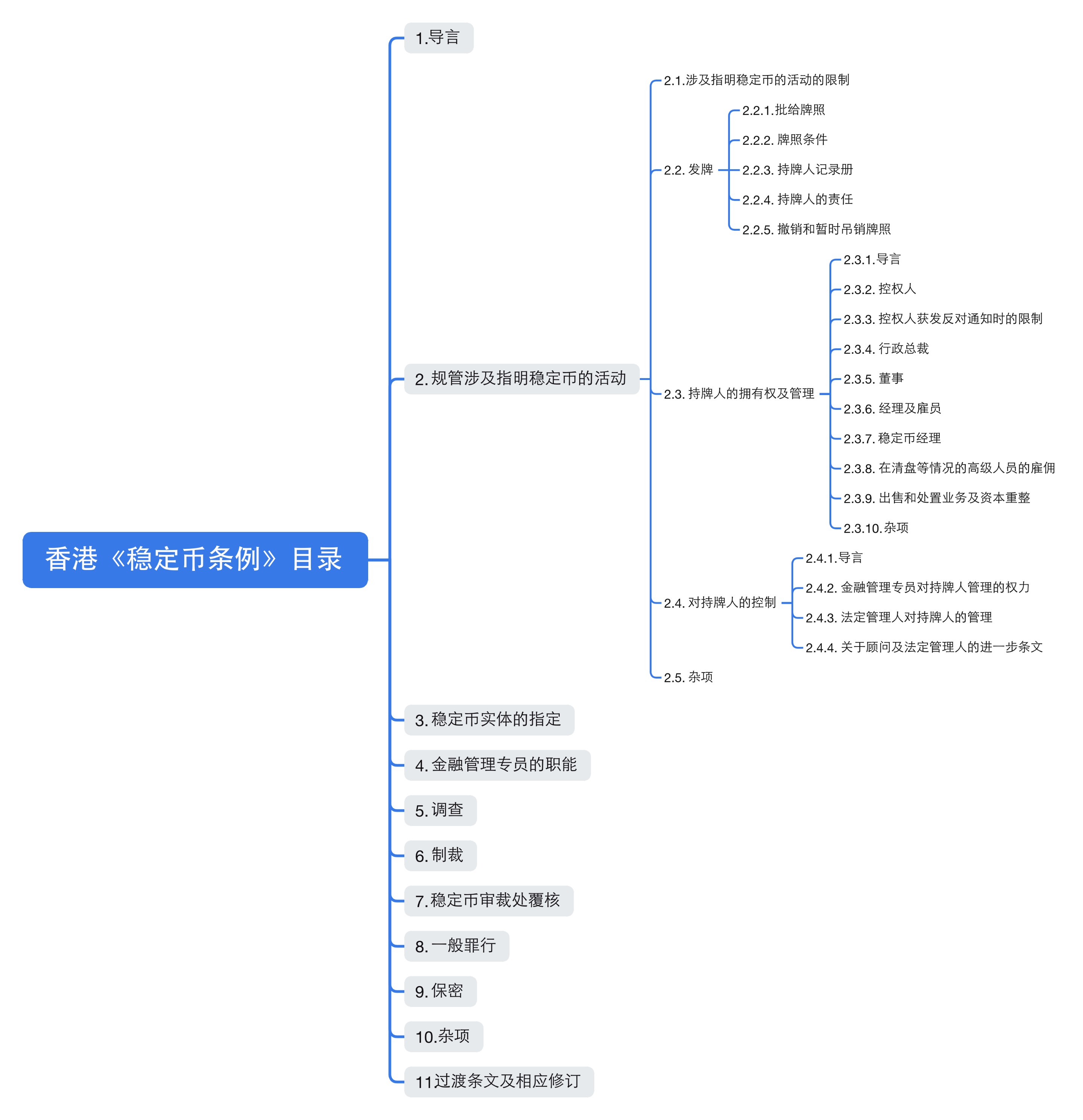
Core Viewpoint - The Hong Kong Special Administrative Region's "Stablecoin Regulation" will take effect on August 1, 2025, establishing a licensing system for stablecoin activities, which is seen as a milestone for the sustainable development of Hong Kong's stablecoin and digital asset ecosystem [1][2]. Licensing Requirements - The regulation mandates that any entity issuing fiat-backed stablecoins in Hong Kong or claiming to issue such stablecoins must apply for a license from the Financial Management Commissioner [2][3]. - Entities must not engage in regulated stablecoin activities without a license, which includes issuing specified stablecoins or promoting activities that would constitute regulated activities if conducted in Hong Kong [2][4]. Regulatory Framework - The regulation sets a minimum paid-up capital requirement of HKD 25 million for non-bank entities seeking a license, which may pose a barrier for smaller players [6][8]. - Licensed entities must maintain separate reserve asset portfolios for each type of stablecoin, ensuring that the market value of these reserves is at least equal to the face value of the outstanding stablecoins [7][8]. Impact on Market Participants - The high entry barriers may lead smaller companies to pivot towards providing compliance technology or operational support to licensed entities rather than issuing stablecoins themselves [8]. - Mainland Chinese companies may seek to establish subsidiaries in Hong Kong to apply for stablecoin licenses, as participation in virtual currency activities is heavily restricted in mainland China [11][12]. Timeline of Regulation Development - The timeline includes key milestones such as the release of discussion papers and consultation summaries by the Hong Kong Monetary Authority (HKMA) and the Treasury, culminating in the announcement of the regulation's effective date [10].
稳定币专家会:香港监管框架鼓励创新,未来发展可期
Haitong Securities International· 2025-06-06 06:48
Investment Rating - The report does not explicitly provide an investment rating for the stablecoin industry Core Insights - The stablecoin industry combines digital currency technology with the stability of traditional currencies, addressing cryptocurrency volatility and enhancing cross-border transaction efficiency [2][10] - The global stablecoin market is currently valued at approximately USD 250 billion, with monthly transaction volumes around USD 700 billion, and is projected to exceed USD 1 trillion by 2030, with optimistic estimates reaching USD 3-6 trillion [27][28] Summary by Sections 1. Definition and Core Advantages of Stablecoins - Stablecoins are digital assets that maintain a stable value, combining the advantages of digital currency technology and traditional currency stability [10] - They support 24/7 global cross-border transfers with low costs (<0.1% vs. 3-8% for traditional banking) and provide a stable value compared to cryptocurrencies like Bitcoin [2][9] 2. Types of Stablecoins and Representative Cases - Types include fiat-collateralized stablecoins (over 80% market share), crypto-collateralized stablecoins, and algorithmic stablecoins [11] 3. Growth Trajectory of Stablecoins - The stablecoin market has evolved through various phases: inception (2014-2017), growth (2018-2020), explosive growth (2021-2022), and regulatory adjustment (2022-present) [11] 4. Market Size and Key Participants - The stablecoin market is dominated by USDT (USD 150 billion, 62% market share) and USDC (USD 60 billion, 24% market share) [17] 5. Use Cases and Examples - Key applications include cross-border payments, on-chain finance (DeFi), daily payments in emerging markets, and tokenization of real-world assets [31] 6. Global and Stablecoin Market Outlook - The report forecasts significant growth in the stablecoin market, with potential market cap exceeding USD 1 trillion by 2030 [27][28] 7. Hong Kong Dollar Stablecoin Outlook - The future growth of Hong Kong dollar stablecoins will depend on use cases, regulatory easing, and demand [21][28] 8. Possibility of a RMB Stablecoin - Hong Kong's role as an offshore RMB hub suggests potential for developing an offshore RMB stablecoin [29] 9. Comparison of US and Hong Kong Stablecoin Legislation - The US framework covers fiat, commodity, and algorithmic stablecoins, while Hong Kong's framework currently applies only to fiat-pegged stablecoins [30][23]
11亿美元IPO,Circle今夜上市,能否引爆稳定币新周期?
贝塔投资智库· 2025-06-05 03:51
Core Viewpoint - Circle Internet Group has successfully expanded its IPO to raise nearly $1.1 billion, indicating growing market recognition for stablecoin issuers [1][2] Group 1: IPO Details - Circle priced its IPO at $31 per share, selling 34 million shares, leading to a market capitalization of $6.9 billion, and a fully diluted valuation of approximately $8.1 billion [1] - The IPO is underwritten by major banks including JPMorgan, Citigroup, and Goldman Sachs, with shares expected to begin trading on the NYSE under the ticker CRCL [1] - The IPO coincides with ongoing legislative discussions in the U.S. Congress regarding the regulation of stablecoins, potentially enhancing their legitimacy [1] Group 2: Market Position and Demand - As of March 31, Circle's USDC stablecoin held about 29% of the market share, with a circulating supply of approximately $61 billion as of May 29 [2] - The IPO saw strong demand, with subscriptions exceeding available shares by 25 times, prompting an increase in the offering size from an initial plan of 24 million shares [2] - Notable investors include ARK Investment Management, which intends to purchase up to $150 million in shares, and BlackRock, which plans to acquire about 10% of the IPO [2] Group 3: Historical Context - Circle was valued at $7.7 billion after a funding round in 2022 and had previously aimed for a valuation of $9 billion through a merger with a SPAC, which was later abandoned [3]
香港稳定币法案解读及公司近况交流
2025-06-04 01:50
Summary of Conference Call on Stablecoin Legislation and Company Updates Industry Overview - The stablecoin market is substantial and continues to grow, with a global market capitalization of approximately $250 billion and a monthly trading volume of $6.6 trillion, representing 6% of global GDP, indicating significant future growth potential [1][2] - Major types of stablecoins include fiat-backed, crypto-collateralized, algorithmic, and commodity/real asset-backed stablecoins, with USDT and USDC primarily using short-term government bonds and overnight bills as underlying assets [1][2] Key Points on Stablecoin Legislation - Hong Kong's stablecoin regulations emphasize strict oversight and risk management while encouraging innovation, which could enhance Hong Kong's competitive edge internationally [1][8] - The regulations include a transitional period allowing operations three months before formal enactment and a six-month window for applying for temporary licenses, with penalties for non-compliance [1][10] - The Hong Kong stablecoin licensing system is the first globally to target HKD-pegged stablecoins, contrasting with the U.S. requirement for USD-backed assets, showcasing a more inclusive regulatory approach [2][11] Company Insights - OSL has recently initiated OAP services focused on deposit and withdrawal services, charging fees without involving significant balance sheet items, and meets the capital and operational requirements for licensing [3][13] - The company aims to expand its wholesale brokerage, OTC trading, and comprehensive account services while pursuing global compliance expansion, particularly in Asia, Southeast Asia, Europe, and the Middle East [3][16] - Future growth strategies include leveraging partnerships with brokers for digital asset trading and investing resources to obtain licenses by 2025 and 2026, aiming for positive profits and operational cash flow by 2027 [16] Financial Performance - The company's performance is influenced by revenue and cost factors, with trading volume and fair value changes impacting revenue, while cost control measures have been implemented to enhance efficiency [14][15] - Although total employee costs are expected to rise in 2024, per-employee costs are projected to decrease, alongside significant reductions in IT and other expenses year-over-year [15] Market Dynamics - The stablecoin market is characterized by various participants, including issuers, exchanges, holders, and promoters, each deriving benefits through asset management, transaction services, and cross-border payments [6] - Issuers are responsible for maintaining the stable value of their coins against fiat currencies, employing mechanisms to stabilize prices during fluctuations [7] Regulatory Comparisons - Differences between U.S. and Hong Kong stablecoin regulations highlight varying focuses, with the U.S. combining federal and state systems while Hong Kong adopts a licensing approach without such complexities [11] Future Considerations - The impact of the stablecoin regulations on the company's operations and the potential for applying for relevant licenses are areas of ongoing interest [13] - The market's liquidity and the predominant currency for stablecoin issuance in Hong Kong remain uncertain, warranting further observation [12]
华泰证券今日早参-20250604
HTSC· 2025-06-04 01:06
Group 1: Fixed Income Market Insights - The overall liquidity in the market remains balanced, with a net injection of 656.6 billion yuan last week, following a total of 1,602.6 billion yuan in reverse repos [2][3][20] - The average DR007 increased by 10 basis points to 1.7%, while R007 rose by 5 basis points to 1.64% [2][3] - The bond market is expected to exhibit a fluctuating trend in the second half of the year, with the ten-year government bond yield projected to fluctuate between 1.5% and 1.8% [20] Group 2: Real Estate Sector Analysis - The real estate market shows signs of stabilization, with new home sales experiencing a slight recovery, while second-hand home transactions have cooled down [27] - Policies aimed at stabilizing the market are being implemented, with a focus on urban village renovations and financial support [27] - Investment opportunities are highlighted in commercial real estate and property management sectors, emphasizing the importance of "good credit, good cities, and good products" [27] Group 3: Agricultural Sector Trends - Post-Duanwu Festival, pig prices have slightly declined by 0.02 yuan/kg, while white chicken and aquatic product prices remain strong [5] - The pig farming industry is expected to maintain profitability, with industry profits exceeding 50 yuan per head in May [5] - Recommendations include focusing on companies with high growth potential in feed exports and traditional animal health sectors [5] Group 4: Chemical and Oil Industry Outlook - The chemical sector is anticipated to see a recovery point in the second half of 2025, driven by demand recovery and a slowdown in capital expenditure [21] - Oil prices face short-term pressures from demand concerns, but cost reductions and demand improvements may support downstream recovery [21] - Recommendations include leading companies in the sector such as China Petroleum and various chemical firms with optimized market positions [21] Group 5: Insurance Sector Developments - The insurance sector is expected to benefit from a potential reduction in preset interest rates, improving the cost-benefit situation for life insurance products [25] - The current low valuation of insurance stocks presents an opportunity for gains, particularly in the context of improving liquidity and fundamentals [25] - Key companies to watch include China Pacific Insurance, Ping An Insurance, and China Life Insurance [25] Group 6: Technology and Robotics Sector Insights - The Robovan unmanned logistics vehicle is gaining traction in the express delivery sector, with significant orders indicating strong demand [9] - Companies like New Stone Technology and NineSight are rapidly producing vehicles to meet market needs, with orders exceeding 20,000 units [9] - Investment opportunities are suggested in logistics and component companies as the unmanned vehicle market expands [9] Group 7: Macro Economic Trends - The macroeconomic outlook for China in the second half of 2025 indicates a potential for the renminbi to appreciate, enhancing the attractiveness of Chinese assets [10] - The report highlights the importance of structural trends and industry dynamics as key investment drivers amid a high-volatility environment [13] - The focus on core assets in A-shares, particularly in technology and consumption sectors, is emphasized as a strategy for capitalizing on recovery [14]
“车来了”母公司元光科技开启招股;新世界发展四只永续债延迟派息丨港交所早参
Mei Ri Jing Ji Xin Wen· 2025-06-02 15:32
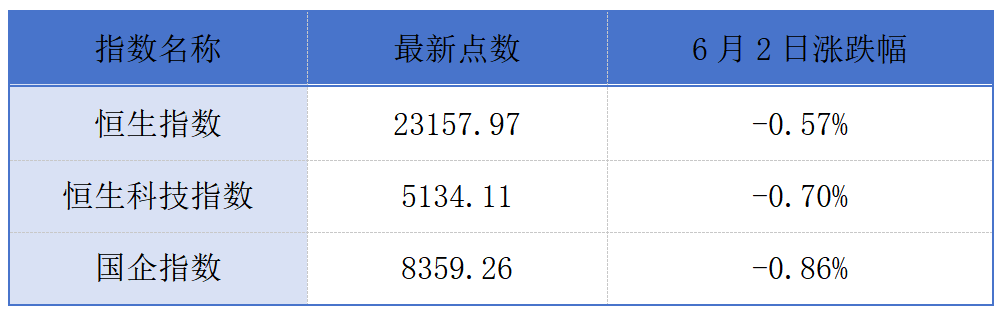
Group 1 - MetaLight, the parent company of the real-time bus platform "Che Lai Le," has initiated its IPO process, offering approximately 24.856 million shares at a price of HKD 9.75 per share, with subscription closing on June 5 [1] - The company aims to leverage big data and AI technology to provide real-time bus information prediction services, addressing commuter pain points and indicating a broad market potential [1] - The listing is expected to enhance the company's market share and drive technological innovation in the public transportation sector [1] Group 2 - Lianlian Digital's stock surged by over 64% following positive developments in global stablecoin regulatory policies, particularly the enactment of the "Stablecoin Ordinance" in Hong Kong [2] - The company's collaboration with one of Hong Kong's first stablecoin issuers, Yuanbi Innovation Technology, contributed to the stock's significant rise, reflecting market optimism [2] - The regulatory advancements are anticipated to foster a healthier development environment for the stablecoin industry, benefiting related enterprises [2] Group 3 - New World Development announced the deferral of interest payments on four perpetual bonds, originally scheduled for June, totaling an initial issuance principal of USD 3.4 billion [3] - This decision indicates a strategic adjustment in the company's financial management, likely aimed at optimizing cash flow and reserving funds for future investments [3] - The flexible interest payment terms of perpetual bonds provide financial cushioning during market volatility [3] Group 4 - Shenzhen Ledong Robotics has submitted a listing application to the Hong Kong Stock Exchange, positioning itself as a leading full-stack intelligent robotics company based on perceptual intelligence [4] - The company's revenue from visual perception products and lawnmowers is projected to grow from CNY 234 million in 2022 to CNY 467 million in 2024 [4] - The upcoming IPO is expected to facilitate market share expansion and technological innovation, reinforcing the company's leadership in the intelligent robotics sector [4] Group 5 - The Hang Seng Index closed at 23,157.97, down 0.57% on June 2, while the Hang Seng Tech Index and the National Enterprises Index fell by 0.70% and 0.86%, respectively [5]