人工智能(AI)

Search documents
【首席观察】“汇发43号文”与十岁的CIPS :畅通跨境资金流动“动脉”
经济观察报· 2025-09-18 12:26
Core Viewpoint - The recent notice from the State Administration of Foreign Exchange (SAFE) represents a significant reform in cross-border capital flow management, enhancing the structure for cross-border payments and the use of the renminbi, thereby supporting the internationalization of the renminbi during the 14th Five-Year Plan period [1][4][10]. Group 1: Policy Changes - The notice aims to improve the convenience of cross-border investment and financing, attract foreign investment, and promote high-quality financial services for the real economy [3][10]. - Key reforms include the cancellation of prior registration requirements for foreign direct investment (FDI) expenses and the facilitation of reinvestment of foreign exchange profits within China [3][4]. - The notice also simplifies the management of cross-border financing for high-tech and specialized small and medium-sized enterprises, raising the financing limit to the equivalent of $10 million, with some enterprises eligible for up to $20 million [4][10]. Group 2: Capital Project Adjustments - Adjustments in capital project income payments include reducing the negative list and removing restrictions on purchasing non-self-use residential properties [4][10]. - The notice allows for a more flexible approach to payment facilitation, enabling banks to set their own post-check ratios and frequencies [4][10]. - Foreign individuals can now settle payments for property purchases in China with just a purchase contract, streamlining the process [4][10]. Group 3: Cross-Border Payment System Development - The notice aligns with the 10th anniversary of the Cross-Border Interbank Payment System (CIPS), which has expanded significantly, processing transactions worth 175 trillion yuan annually with a compound annual growth rate of 43% over the past decade [7][8]. - CIPS now covers 189 countries and regions, processing 4.03 million transactions worth 9.02 trillion yuan in the first half of the year, highlighting its role in supporting the internationalization of the renminbi [8][9]. - The development of a diversified cross-border payment system is emphasized, with increasing use of local currencies and new payment infrastructures emerging [6][11]. Group 4: Strategic Implications - The notice is seen as a pivotal moment in China's financial strategy, aiming to balance development and security while enhancing cross-border investment and financing [10][11]. - Analysts suggest that the reforms may create a rare window for investors to benefit from duration premiums and institutional arbitrage, although caution is advised as these opportunities may diminish once the reforms are fully implemented [11].


美国金融服务机构:中国新富人群金融投资活跃度显著提升
Zhong Guo Xin Wen Wang· 2025-09-18 11:56
Group 1 - The core viewpoint of the article highlights a significant increase in the financial investment activity of China's new affluent population, with a record high in fund ownership participation among respondents by 2025 [1] - The "Wealth Health Index" defines the new affluent group as individuals with an annual income between 125,000 and 1,000,000 RMB and investable assets below 7,000,000 RMB [1] - The latest index report indicates that nearly 70% of respondents trust AI-generated investment advice more than their overseas counterparts, with trust levels increasing among more aggressive investors [1] Group 2 - Thomas Pixley emphasizes the potential of AI to enhance business scale, operational efficiency, and inclusivity, allowing investment advisors to focus on understanding clients' financial needs and building trust [2] - The article notes that the younger generation in China is increasingly embracing financial planning, and there is a need for financial institutions to educate them through digital channels [2] - The future focus of the wealth management industry should include nurturing the new generation and accompanying them through various stages of wealth accumulation [2]

美联储2025年9月议息会议点评
Ping An Securities· 2025-09-18 08:51
Group 1: Federal Reserve Actions - The Federal Reserve lowered interest rates by 25 basis points (bps) during the September 2025 FOMC meeting, marking the first rate cut in nine months[3] - The median federal funds rate projections for the end of 2025, 2026, and 2027 were adjusted down to 3.6% (-30 bps), 3.4% (-20 bps), and 3.1% (-30 bps) respectively[3] - The decision to cut rates received 11 votes in favor, with only one dissenting vote advocating for a 50 bps cut[3] Group 2: Economic Forecasts - The GDP growth forecasts for 2025, 2026, and 2027 were revised upward to 1.6% (+20 bps), 1.8% (+20 bps), and 1.9% (+10 bps) respectively[3] - The unemployment rate forecast for 2025 remains at 4.5%, while the projections for 2026 and 2027 were lowered to 4.4% (-10 bps) and 4.3% (-10 bps) respectively[3] - The PCE inflation forecast for 2026 was raised to 2.6% (+20 bps), with the core PCE also adjusted to the same figure[3] Group 3: Market Reactions and Insights - Following the announcement, the 10-year U.S. Treasury yield and the dollar index initially fell but later rebounded, while the S&P 500 index declined during Powell's remarks[2] - Powell emphasized that the rate cut was a "risk management" decision rather than a response to poor economic conditions, highlighting the need to address employment market risks[3] - The divergence in the dot plot indicates a split among officials regarding future rate cuts, with some expecting up to 75 bps in total cuts this year, while others anticipate only 0-50 bps[3] Group 4: Policy Considerations - The Fed's dovish stance was described as restrained, with signals suggesting a more hawkish outlook than anticipated, particularly regarding employment and inflation forecasts[5] - The current financial conditions in the U.S. are described as relatively loose, reducing the necessity for further rate cuts in the near term[5] - Investors are advised to be cautious about future rate cut expectations and to be aware of potential risks related to employment and inflation forecasts[5]
AI 浪潮下的产业变革与投资机遇解析——对话国投瑞银基金经理马柯
Sou Hu Cai Jing· 2025-09-18 06:41
Core Insights - The article emphasizes that artificial intelligence (AI) is a driving force behind global industrial transformation, comparable to the internet boom from 1995 to 2000 [1] - It discusses the investment opportunities and risks associated with the AI industry, highlighting the current phase of development and future potential [1] AI Development Stages - AI's path to artificial general intelligence (AGI) is divided into five stages, with the industry currently transitioning from the "reasoner stage" to the "agent stage" [3][4] - The first stage involves chatbots like GPT-3.5, which have limited productivity enhancement [3] - The second stage, where the industry currently resides, shows improved reasoning capabilities and reduced costs [4] - Future stages include the "innovator stage" and the "intelligent organization stage," which are feasible due to ongoing improvements in model capabilities [4] North American AI Industry Progress - Key advancements in North American AI companies include periodic model iterations every two years, leading to reduced training and inference costs [5] - Competitive dynamics among firms drive rapid advancements in model capabilities [5] - By 2025, a consensus on the commercial value of generative AI is expected, indicating a healthy profit cycle for AI applications [5] China's AI Development - China is narrowing the gap with international leaders through "system-level innovation and hardware-software collaboration" [6] - In computing power, China is leveraging cluster technology and software capabilities to compensate for hardware shortcomings [6] - The open-source domain in model development benefits from vast data resources and a strong talent pool [7] - Rapid penetration of AI applications is evident as domestic tech giants increase their investments [8] Capital Market Reflections - The AI industry's transformation is reflected in the capital market, with the A-share electronic sector's market value surpassing the banking sector for the first time [9] - By August 2025, the electronic sector's market value is projected to reach 11.54 trillion yuan, indicating a shift towards technology innovation [9] - Numerous AI-related companies have emerged with market values exceeding 100 billion yuan, showcasing the high growth potential of the AI sector [9] Market Characteristics and Investment Opportunities - The current AI industry is likened to the early mobile internet era, with similarities in macroeconomic conditions, liquidity, technological trends, and policy directions [10][11] - Initial market characteristics include a divided funding structure, reasonable valuations, and a lack of excessive market enthusiasm [11] - The "AI+" trend is expected to drive efficiency improvements, business model innovations, and reshape competitive landscapes across industries [12] Investment Strategy - Investment opportunities in the AI industry are identified along the "computing power - energy chain - application" dimensions [13] - Focus areas include overseas and domestic computing power sectors, energy supply for AI infrastructure, and applications in existing and new scenarios [13][14] - The strategy emphasizes prioritizing cost-effectiveness and identifying undervalued assets with strong growth potential [14] Economic Outlook and Asset Allocation - Optimism regarding the macroeconomic environment is based on diminishing negative impacts from the real estate sector and supportive government policies [15] - The attractiveness of equity assets is highlighted due to low yields in fixed income and real estate markets, alongside reasonable valuations in the AI sector [16] - The ongoing shift towards emerging industries is expected to enhance the profitability of listed companies, making equity investments more appealing [16] Future Configuration Strategy - The investment strategy will continue to focus on the "AI+" theme, emphasizing core segments of the AI industry and exploring integration opportunities with traditional sectors [17][18] - Long-term trends indicate that AI will significantly transform industries, with substantial growth potential and reasonable valuations in the current market [18]

鲍威尔重申:美联储坚定维持独立性,不对政治事件置评
Sou Hu Cai Jing· 2025-09-18 06:21
金透财经 | 何圳 美东时间9月17日,美联储货币政策委员会(FOMC)会后决定将联邦基金利率目标区间从4.25%至4.5%降至4.00%至4.25%,降幅25个基点。这是今年以来 美联储六次FOMC会议首次降息。美联储主席鲍威尔在随后的记者会上重申,美联储坚定致力于维持自身独立性,不对政治事件置评。 美联储独立性的坚守 鲍威尔在记者会上明确表示,美联储的决策完全基于数据,不考虑政治因素,这是美联储内部根深蒂固的文化。对于联储理事Lisa Cook与美国总统特朗普 之间的官司,鲍威尔认为不适合发表评论,同时也不会针对美国财长贝森特的讲话发表任何意见。他强调,在追求最大就业和物价稳定的双重职责方面, FOMC仍然是团结一致的。 针对新的联储委员会成员Steven Myron保留白宫职务的情况,鲍威尔指出,委员会在追求双重使命目标上仍然是团结一致的,坚定地致力于维护美联储的独 立性。他表示,美联储的决策机制基于数据和经济形势,不会因个别成员的背景而受到影响。FOMC有19位参与者,其中12位在任何给定时点拥有投票权, 这种轮换制度确保了决策的广泛代表性,没有哪一位投票委员能单方面改变结果。 货币政策的稳定与调整 ...
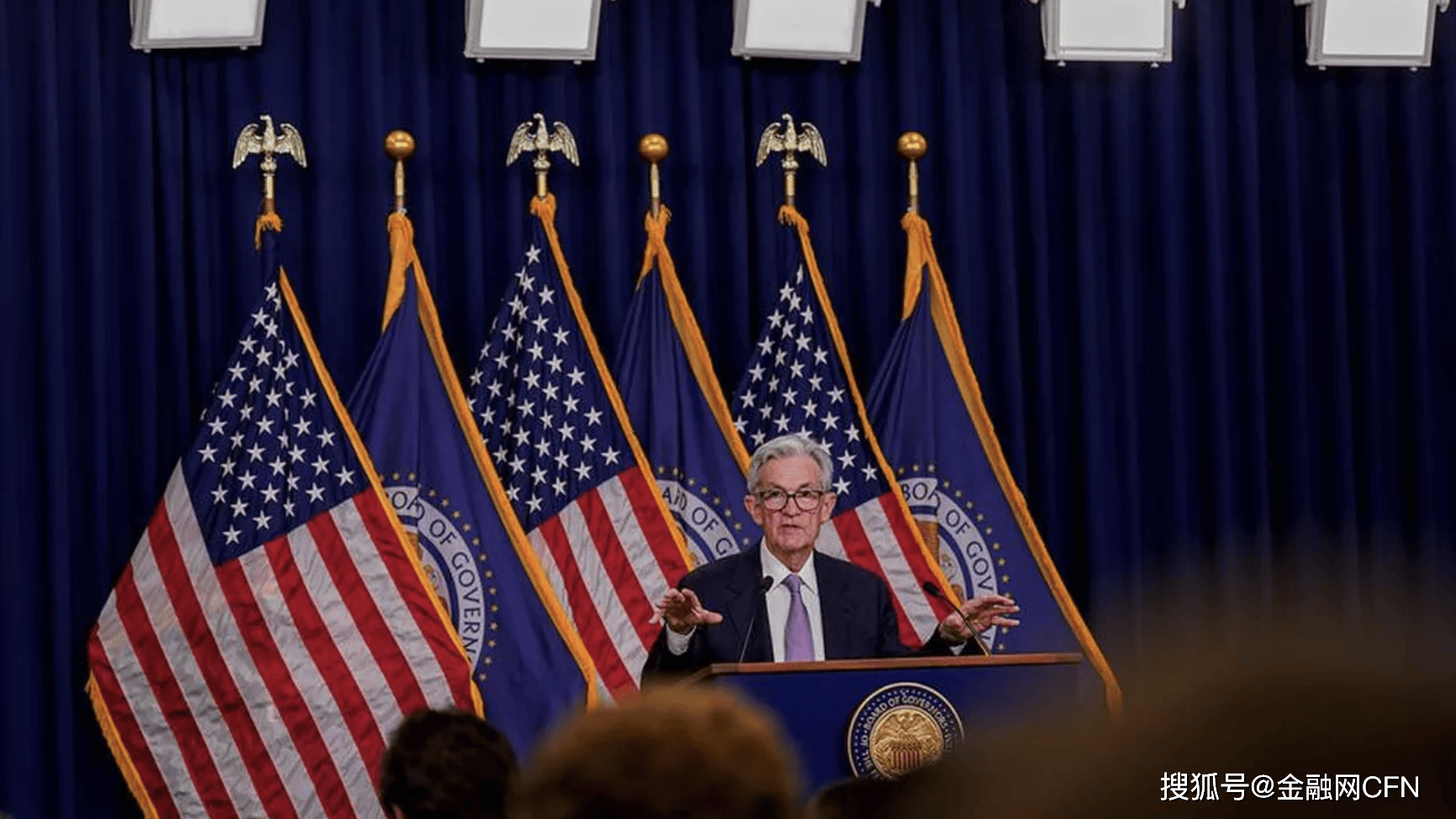
美联储重启降息背后的苦涩
日经中文网· 2025-09-18 03:45
Core Viewpoint - The Federal Reserve's decision to restart interest rate cuts reflects a challenging balance between high inflation and slowing employment, indicating a rare dual risk scenario in the current economic landscape [2][9]. Group 1: Interest Rate Decision - The Federal Open Market Committee (FOMC) decided to cut rates by 0.25%, with only one dissenting vote, contrary to expectations of more opposition [3][10]. - The median forecast among FOMC participants now suggests three rate cuts by the end of the year, an increase from previous expectations [10][11]. Group 2: Economic Context - The current economic situation is unusual, as typically, economic slowdowns lead to reduced employment and lower inflation rates. However, high tariffs are exerting upward pressure on prices [5][6]. - The unemployment rate is projected to rise from 4.3% in August to 4.5% by the end of the year, indicating a slight deterioration in the labor market [6]. Group 3: Inflation Concerns - The FOMC anticipates that the Personal Consumption Expenditures (PCE) price index will increase by 3.0% year-over-year in the last quarter, significantly above the 2% target [6]. - Concerns remain that the pass-through of tariff costs to consumer prices will continue to escalate into the next year [6]. Group 4: Political Influences - The meeting occurred under the influence of political pressures, particularly from President Trump, who has been vocal about his expectations for more aggressive rate cuts [11][12]. - The presence of differing opinions among FOMC members highlights the ongoing debate regarding the appropriate monetary policy response [11][13]. Group 5: Economic Resilience - Despite the slowdown, recent economic indicators suggest strong consumer spending, with FOMC participants raising their growth rate forecast for the last quarter from 1.4% to 1.6% [14]. - High-income consumer spending and investments in AI-related technologies are expected to continue driving economic activity [15].

AI时代的“三三制”,湘江新区是如何玩明白的?
Hu Xiu· 2025-09-18 02:23
Group 1 - The core viewpoint of the article highlights the collaborative efforts of government, industry, and academia in the Xiangjiang New Area to leverage AI technologies effectively [1] - The article emphasizes the strategic initiatives being implemented to enhance AI development and application within the region [1] - It discusses the importance of a multi-faceted approach involving various stakeholders to maximize the impact of AI innovations [1] Group 2 - The article outlines specific actions taken by the government to foster an environment conducive to AI growth, including policy support and funding [1] - It details the role of industry players in driving AI advancements through investment and technological development [1] - The involvement of academic institutions is highlighted as crucial for research and talent development in the AI sector [1]
昨夜今晨全球大公司动态 | 美国监管机构对特斯拉车门把手展开调查;奇瑞股票计划9月25日在港交所开始交易
Sou Hu Cai Jing· 2025-09-18 02:10
Group 1: Tesla and Rivian - The U.S. National Highway Traffic Safety Administration (NHTSA) is investigating Tesla's Model Y door handles due to complaints that parents are unable to unlock the doors, potentially trapping children inside [2] - The investigation will focus on over 174,000 units of the 2021 Model Y, particularly the operability of electronic door locks when the vehicle lacks sufficient power [2] - Rivian is expanding its electric vehicle production by breaking ground on a new factory located about 45 miles east of Atlanta, marking a significant shift for the high-end pickup and SUV manufacturer [2] Group 2: Nissan and Chery - Nissan announced the closure of its automotive design centers in San Diego, California, and São Paulo, Brazil, as part of a restructuring plan to cut costs [3] - The number of Nissan's design centers will be reduced to five, with operations shifting to other locations [3] - Chery Automobile plans to raise up to $1.2 billion through an IPO, with shares set to begin trading on the Hong Kong Stock Exchange on September 25 [3] Group 3: Lantu and Hesai - Lantu Automotive has officially changed its name to Lantu Automotive Technology Co., Ltd., marking a key step towards its planned listing on the Hong Kong Stock Exchange [4] - Hesai Technology, a leading manufacturer of automotive sensors, expressed skepticism about the readiness of society and regulators to accept fully autonomous vehicles, citing safety concerns [4] Group 4: AI Investments - Major U.S. tech companies, including Microsoft and Google, are investing over $40 billion to expand AI infrastructure in the UK, with Microsoft committing $30 billion by the end of 2028 [5] - Google plans to invest approximately $6.8 billion in AI and related engineering fields in the UK over the next two years [5] Group 5: Pharmaceutical Investments - Multiple pharmaceutical companies, including GSK and Eli Lilly, have pledged to invest over $350 billion in U.S. manufacturing to mitigate the impact of tariffs on imported drugs [8] Group 6: General Mills Financials - General Mills reported net sales of $4.518 billion for the first fiscal quarter ending August 24, 2025, down from $4.848 billion year-over-year, a decrease of 7% [10] - The company's operating profit for the quarter was $1.726 billion, up 108% from the previous year's $0.832 billion [10] - Net profit attributable to the company was $1.204 billion, also reflecting a 108% increase from $0.580 billion in the same quarter last year [10]

SK海力士,奖金炸裂
半导体行业观察· 2025-09-18 02:09
Core Viewpoint - SK Hynix is making significant moves in the semiconductor industry by launching a large-scale recruitment drive for new graduates, which is expected to attract a high number of applicants due to competitive compensation packages and performance bonuses [2][4][6]. Group 1: Recruitment and Compensation - SK Hynix has initiated a recruitment campaign for over 100 new employees, coinciding with the graduation season in March and September, and has eliminated the cap on profit-sharing bonuses, allowing employees to receive up to 100 million KRW annually [2][4]. - The company’s average annual salary reached 117 million KRW last year, and recent recruitment events have seen a surge in interest, with reports indicating that new hires could earn more than their counterparts at Samsung Electronics [5][6]. - The competition for new positions is expected to be fierce, with predictions of a recruitment ratio exceeding 100:1, compared to last year's 50:1 [6][7]. Group 2: Performance and Market Position - SK Hynix reported a 47.8% increase in sales, reaching 354.948 billion KRW, and a 93.6% increase in operating profit, totaling 152.124 billion KRW for the first half of the year [7][8]. - The company is projected to maintain its position as the highest taxpayer in South Korea, with corporate taxes paid in the first half of the year exceeding 27 trillion KRW, marking a 129% increase from the previous year [6][7]. - SK Hynix has captured a 39.5% share of the global DRAM market, continuing to outperform competitors like Samsung Electronics, and is expected to report strong earnings in the upcoming quarters [8].

“在为未来做决策规划时,大部分研究都是无用功”
3 6 Ke· 2025-09-18 01:56
Core Insights - Barry Diller emphasizes the importance of intuition over traditional foresight in predicting industry trends and making business decisions [3][4][5] - The limitations of data in predicting audience preferences are highlighted, suggesting that most predictive research is often futile [4][5] - Diller advocates for a non-goal-oriented approach to leadership, focusing instead on the process and the importance of passionate debate in decision-making [5][7][9] Group 1: Leadership Philosophy - Diller believes that maintaining a pure intuition is crucial for innovation, warning against cynicism that can stifle creativity [3][4] - He argues that setting specific business goals can be counterproductive, preferring a more organic approach to career development and business strategy [5][10] - The value of passionate debate in decision-making is emphasized, as it can lead to better outcomes and clearer insights [7][9] Group 2: Business Strategy - Diller recounts a critical moment during the acquisition of Expedia, where a decision was made amidst uncertainty, highlighting the importance of decisive action [6][10] - He stresses the need to evaluate risks before making investments, suggesting that limiting expectations on potential returns can be detrimental [9][10] - The focus on building strong, recognizable brands is presented as a key strategy for navigating the challenges posed by AI and changing market dynamics [14] Group 3: Hiring Practices - Diller critiques traditional hiring practices that rely heavily on resumes, advocating for a focus on dynamic and capable individuals [11][12] - He suggests that the best hiring strategy involves recruiting from the ground up, allowing for mutual learning and growth within the organization [12] Group 4: Future Outlook - Diller expresses skepticism about the ability of AI to create genuine content, emphasizing the unpredictability of its impact on the industry [12][13] - He warns that the rise of AI could disrupt traditional content distribution methods, urging companies to focus on strengthening their brand identity as a defensive strategy [14]