
银发经济

Search documents
破题银发经济,张店打造“9901”养老新格局
Qi Lu Wan Bao Wang· 2025-09-12 06:45
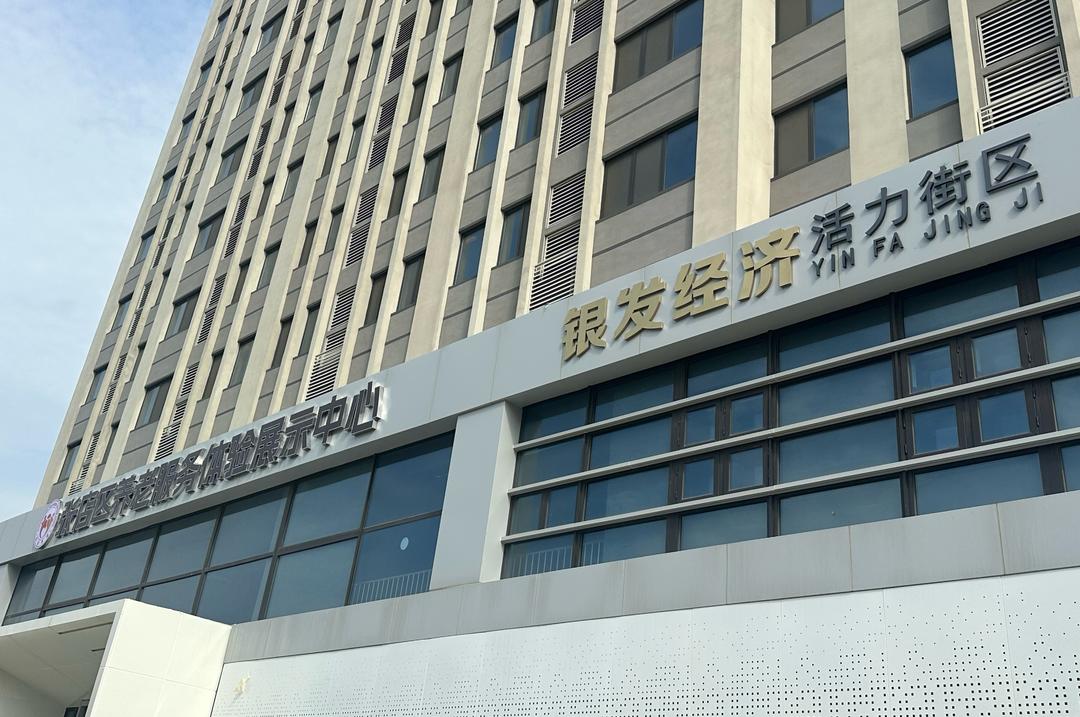
Core Viewpoint - The article highlights the innovative exploration of Zhangdian District in developing a diversified and multi-level elderly care service system, focusing on the new dynamics of the silver economy through practical visits to representative sites [1][3]. Group 1: Elderly Care Service Centers - The Zhangdian District Elderly Care Service Display Experience Center is the first modern elderly care display platform in the central Shandong region, featuring "scenario-based, intelligent, and full-link" characteristics [1][3]. - The center covers an area of 980 square meters and integrates multiple resources, creating four functional areas: smart elderly care experience area, real-life sample rooms, product exhibition area, and health lectures [3]. - The center aims to provide a one-stop solution for elderly families to make informed decisions and efficiently implement home modifications for elderly care [3][6]. Group 2: Care Facilities and Services - The Qinggeng Nursing and Filial Piety Garden, located in the Hengjiu Xiuyuan community, is a significant representative of the silver economy market in Zhangdian District, with a construction area of 7,000 square meters and 183 designed beds [5]. - The facility offers a comprehensive range of services, including daily living assistance, professional nursing, medical rehabilitation, and nutritional meals, while also emphasizing spiritual comfort, chronic disease management, and emergency rescue [5][6]. - Both the display center and the nursing garden represent the latest cases of Zhangdian District's move towards high-quality development in elderly care [6]. Group 3: Demographics and Market Dynamics - As of now, Zhangdian District has a total population of 806,400, with 138,600 individuals aged 60 and above, accounting for 17.19% of the population [6]. - There are currently 31 elderly care institutions in the district, with a total of 3,748 beds, and approximately 1,800 residents actually living in these facilities [6]. - Nearly 99% of the elderly population prefers home-based care, leading to the formation of a "9901" elderly care service model in Zhangdian District [6]. Group 4: Future Developments - The district plans to use the aforementioned projects as a foundation to develop a vibrant silver economy street, further aggregating high-quality resources in medical care, cultural education, dining, and fitness to create a comprehensive ecosystem for the silver economy [6].

多部门发布风险提示 警惕养老服务消费陷阱
Ren Min Ri Bao· 2025-09-11 22:11
Core Insights - The demand for elderly care services in China is increasing, leading to rapid growth in the silver economy. However, there are frequent reports of scams and poor marketing practices targeting elderly consumers [1][2]. Group 1: Consumer Protection Measures - Elderly consumers are advised to carefully select care service providers, as some operate without proper registration and pose safety risks. The Ministry of Civil Affairs has launched a national platform for consumers to verify qualified service providers [1]. - It is essential for elderly consumers to sign formal contracts before paying for services, ensuring clarity on service details, payment terms, and refund policies. Consumers should also request official invoices [1]. - Payments should be made through secure channels, avoiding cash or personal account transfers to prevent fraud. Consumers should be cautious of offers that encourage excessive payments through incentives like "recharge bonuses" [1]. Group 2: Awareness of Fraudulent Practices - Consumers should be wary of false advertising, where providers exaggerate service benefits and facilities. It is recommended to conduct on-site evaluations and consult family members before making decisions [2]. - There is a risk of scams disguised as "retirement investment" schemes promising high returns. Consumers are advised against trusting such offers and should avoid making large upfront payments for memberships or investments [2]. - Inducement tactics, such as free samples or health seminars, are used to lure elderly consumers into purchasing overpriced products or services. Consumers should remain vigilant to avoid falling for these traps [2]. Group 3: Information Security - Some providers collect personal information under the guise of offering free services, which can lead to privacy breaches. Elderly consumers are encouraged to be cautious about sharing personal data [3].
各地多措并举挖掘养老服务消费潜力
Zheng Quan Ri Bao· 2025-09-11 16:42
Group 1 - Various regions in China, including Shanxi, Shandong, Chongqing, Zhejiang, and Gansu, are actively promoting elderly service consumption through meetings, new policies, and themed activities [1] - The "Elderly Service Consumption Season" launched in Shanxi aims to strengthen home-based elderly care and meet the diverse needs of the elderly [1] - The initiatives are expected to enhance consumer experience, improve the quality of life for the elderly, and attract more enterprises and capital into the elderly service sector, fostering innovation and growth in the silver economy [1] Group 2 - Consumption subsidies are highlighted as a key strategy to activate consumer willingness, reduce payment pressure for the elderly, and promote the development of the elderly service market [2] - Subsidies cover both elderly service consumption and home adaptation, supporting families in upgrading to age-friendly products [2] - The large elderly population in China is increasingly willing to spend, aligning with national strategies to expand domestic demand and boost consumption [2] Group 3 - The Ministry of Civil Affairs and the Ministry of Commerce have introduced measures to promote high-quality development in elderly services and enhance the quality of life for the elderly [3] - Sales revenue for community, institutional, and home-based elderly care services has seen significant year-on-year growth, with increases of 30.4%, 22.6%, and 18% respectively [3] - Recommendations for further market stimulation include strengthening planning for a comprehensive elderly service network, enhancing service standards, and encouraging financial institutions to innovate products to support elderly care facilities [3]
“引进来”“走出去” 投洽会构筑双向投资新格局
Sou Hu Cai Jing· 2025-09-11 14:01
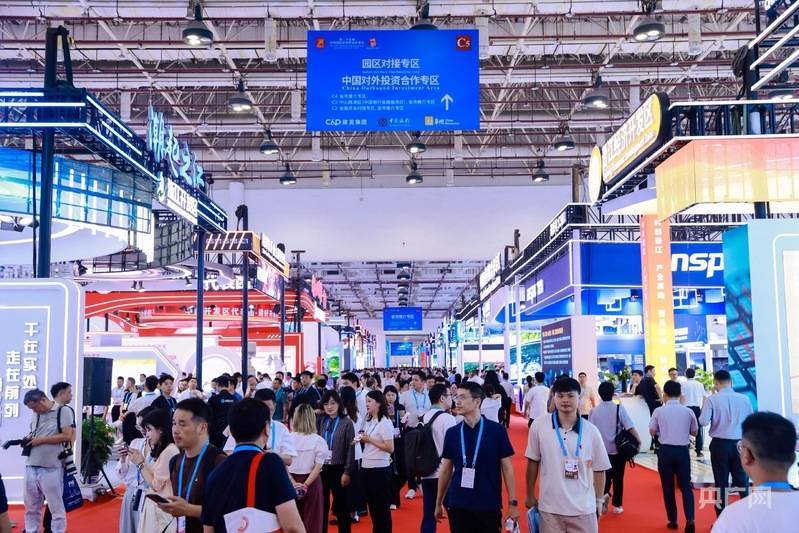
Group 1 - The 25th China International Investment Trade Fair concluded successfully, with a total exhibition area of 120,000 square meters, participation from 123 countries and regions, and over 1100 government and business groups, attracting more than 80,000 attendees [1][2] - A total of 1,154 investment projects were signed during the event, with a planned total investment of 644 billion yuan [1][6] - The fair aims to enhance its authority, internationality, professionalism, and effectiveness, becoming an important event in the global investment field [1][9] Group 2 - The theme of the fair was "Join Hands with China, Invest in the Future," focusing on creating a landmark exhibition for "Investing in China" and building a core service platform for two-way investment promotion [2] - Foreign enterprises view China as a key platform for development, with Panasonic's sales revenue in China nearing 100 billion yuan, accounting for about 25% of its global revenue [3] - The fair has become a significant window for global capital and enterprises seeking development and cooperation in China, showcasing the resilience of the Chinese economy and its open stance for win-win futures [3][4] Group 3 - China has maintained a leading position in attracting foreign investment for 15 consecutive years and in outbound investment for 12 years, with foreign investment stock exceeding 3.6 trillion and outbound investment stock exceeding 3.1 trillion USD by the end of 2024 [4] - The fair not only attracts foreign investment but also supports Chinese enterprises in expanding overseas, with significant investments in infrastructure and development opportunities in countries like Cambodia and Uzbekistan [7] - The fair serves as a crucial platform for companies to embark on their "going global" journey, facilitating communication and collaboration with industry partners and addressing challenges in overseas financing and supply chain coordination [9]
文旅公司游轮业绩飘红,谁能成为中国“银发游轮第一股”?|透视2025半年报
Cai Jing Wang· 2025-09-11 12:55
Core Insights - The "silver-haired cruise" market is gaining popularity, with a significant increase in cruise product bookings, particularly for overseas long-haul cruises, which surged by 120% year-on-year during the summer season [2][3] - The silver-haired demographic is a crucial customer base for cruise products, as companies like Three Gorges Tourism are tailoring their services to meet the needs of this group [2][11] - Three Gorges Tourism reported a revenue of 367 million yuan and a net profit of 64 million yuan in the first half of 2025, reflecting a year-on-year growth of 7.47% and 17.74% respectively [2][5] Company Performance - Three Gorges Tourism's cruise services generated 101 million yuan in revenue, marking a 19.59% increase year-on-year [2][5] - The subsidiary, Yichang Jiangyun Yangtze River Cruise Co., achieved a revenue of 105 million yuan, up 20.04%, and a net profit of 21 million yuan, up 34.67% in the same period [6] - The company is expanding its cruise offerings and plans to develop inter-provincial cruise tourism, aiming to become a leader in China's inland cruise tourism [2][5] Market Trends - The demand for high-quality cruise experiences is rising, with a shift from sightseeing to leisure and vacation tourism [7][10] - The market for silver-haired tourists is expanding, driven by an increase in this demographic and improvements in the industry supply chain [3][14] - Companies are focusing on enhancing service quality and product offerings to cater to the evolving needs of the silver-haired population [8][11] Industry Developments - The Long River Three Gorges is identified as a key area for the development of inland river cruises, benefiting from favorable conditions such as the completion of the Three Gorges Project [4][14] - The cruise market is seeing a growing interest in themed cabins and customized services, indicating a trend towards more personalized travel experiences [7][10] - The overall cruise tourism market in China is expected to grow, with a focus on high-end vacation experiences and the integration of health management services [3][10]



功勋机器人集中亮相首钢园,服贸会也可以看机器人足球比赛
Xin Jing Bao· 2025-09-11 11:36
Group 1 - The 2025 China International Service Trade Fair (CIFTIS) features award-winning humanoid robots from the recent World Humanoid Robot Games, attracting significant public interest [1][4] - The sports service section of the fair focuses on internationalization, professionalism, and marketization, showcasing new technologies and innovations in the sports industry [2] - The exhibition area spans 7,650 square meters, with over 60 offline exhibitors and more than 350 online exhibitors, including participation from over 40 international organizations [2] Group 2 - A new gel ice material, developed by a team from Beijing Institute of Technology, offers a cost-effective and energy-efficient alternative for ice rink construction, reducing energy consumption by over 50% [3] - The fair includes interactive experiences such as 5G+VR technology for sports like skiing and table tennis, allowing audiences to engage with professional-level data analysis services [2] - The event features robot soccer and free fighting competitions, showcasing autonomous robots that have previously competed in international events [4][5] Group 3 - There is a growing interest in robotics, particularly in applications for the elderly care sector, with expectations for significant advancements in the next 5 to 10 years [5] - Current challenges in robotics include the need for breakthroughs in battery technology to support longer operational times for robots in various applications [5]

调研速递|岭南控股接受天弘基金等4家机构调研,上半年营收利润双增长
Xin Lang Cai Jing· 2025-09-11 11:22
Core Viewpoint - Guangzhou Lingnan Group Holdings Co., Ltd. has shown significant growth in both revenue and profit in the first half of 2025, capitalizing on favorable national policies and enhancing its business operations across travel and accommodation sectors [2][3]. Financial Performance - The company achieved a revenue of 208,960.24 million yuan, an increase of 8.52% year-on-year, and a net profit of 49.52 million yuan, up 24.39% from the previous year [2]. - The net asset value at the end of the period was 226,085.81 million yuan, remaining stable compared to the previous year, with a net cash flow from operating activities of 12,477.96 million yuan and a debt ratio of 39.03% [2]. Business Segments - The core enterprise in the business travel sector is Guangzhou Guangzhilv International Travel Agency Co., Ltd., which reported a revenue of 153,571.45 million yuan, reflecting an 11.78% increase year-on-year, with net profit rising by 34.91% to 23.29 million yuan [2]. - The accommodation sector, including hotel management and operations, saw revenue growth of 1.60% year-on-year, totaling 11,855.54 million yuan, with net profit increasing by 23.26% to 973.47 million yuan [3]. National Expansion - The travel agency has expanded its store network, adding 12 new stores in the first half of 2025, bringing the total to approximately 200 nationwide, with 119 located in Guangdong province [4]. - The company is implementing a "North-South Coordination" strategy for its accommodation business, establishing a northern headquarters and expanding its hotel brand in major cities, signing 69 new projects and adding nearly 4,000 rooms [4]. Focus on Silver Economy and Online Business - The company has launched a dedicated "Leisure and Active" club for the elderly and introduced an upgraded "Travel Residence 2.0" product line, aiming to explore wellness destinations suitable for the elderly demographic [5]. - In terms of online business, the company has developed the "Easy Travel" and "Walking Net" smart tourism platforms, creating a comprehensive online and offline sales system [5].

岭南控股(000524) - 2025年9月11日投资者关系活动记录表
2025-09-11 10:30
Group 1: Financial Performance - In the first half of 2025, the company achieved a revenue of CNY 208,960.24 million, an increase of 8.52% compared to the same period last year [2] - The net profit attributable to shareholders reached CNY 4,952.64 million, reflecting a growth of 24.39% year-on-year [2] - The net asset attributable to shareholders at the end of the period was CNY 226,085.81 million, remaining stable compared to the previous year [2] - The net cash flow from operating activities was CNY 12,477.96 million, with a debt-to-asset ratio of 39.03% and a weighted average return on equity of 2.16% [2] Group 2: Travel Business Performance - The travel business, led by Guangzhou Guangzhi Travel International Co., Ltd., generated a revenue of CNY 153,571.45 million in the first half of 2025, up 11.78% year-on-year [3] - Revenue from outbound tourism (excluding Hong Kong and Macau) was CNY 84,881.39 million, while domestic tourism revenue was CNY 49,819.73 million [3] - The net profit for the travel business was CNY 2,329.30 million, a year-on-year increase of 34.91% [3] Group 3: Hotel Business Performance - The hotel management segment achieved a revenue of CNY 11,855.54 million in the first half of 2025, a growth of 1.60% compared to the previous year [5] - The net profit from hotel operations was CNY 973.47 million, reflecting a year-on-year increase of 23.26% [5] - The overall revenue for the hotel business has grown by 18.49% compared to the same period in 2019 [5] Group 4: Strategic Expansion - The travel business expanded its national service network, adding 12 new stores in the first half of 2025, totaling approximately 200 stores nationwide [6] - The hotel business established a northern headquarters and signed 69 new projects, adding nearly 4,000 rooms [7] - The company is actively pursuing a "North-South Coordination" strategy to enhance its national layout [7] Group 5: Silver Economy Initiatives - The travel business has launched the "Leisure and Happiness" club targeting the elderly market, focusing on developing tailored travel products [8] - New upgraded travel products for seniors include "Travel and Residence 2.0" and various themed travel routes [9] Group 6: Online Business Development - The company has developed the "Easy Travel" and "Walking Network" smart tourism platforms, integrating various online sales channels [10] - The official website has launched the "Easy Purchase" local life channel, enhancing the online shopping experience [10]
东兴晨报-20250911
Dongxing Securities· 2025-09-11 07:47
Economic News - The Ministry of Finance reported on the execution of this year's budget, emphasizing the need for a more proactive fiscal policy to boost consumption and support employment and foreign trade [1] - The National Development and Reform Commission highlighted the importance of releasing domestic demand potential and promoting technological and industrial innovation in the second half of the year [1] - The China (Guizhou) International Wine Expo revealed that the online channel for wine sales is performing well, with a market index indicating a "relatively prosperous" state [2] - Zhejiang Province is seeking public opinion on promoting the pet economy, aiming to integrate it with various new industries to foster consumption [2] Company Insights - Oracle announced that its unfulfilled contractual obligations have reached $455 billion, a year-on-year increase of 359%, with expectations for rapid growth in its cloud infrastructure business [6] - Adobe launched a series of AI agents to streamline workflows for customers, with plans for further customization options [6] - Interactive brokers, including Interactive Brokers, have tightened account opening policies for mainland Chinese residents, reflecting a trend among overseas brokers [6] - Yushutech's CEO indicated that the AI sector is on the verge of explosive growth, with significant potential for development [7] Industry Research - The artificial intelligence industry is experiencing a three-dimensional resonance of policy, technology, and demand, with significant growth in domestic AI chip companies like Cambricon, which reported a 4348% year-on-year revenue increase [8][10] - The "Artificial Intelligence +" initiative aims to promote the large-scale application of AI, enhancing national competitiveness and creating new employment opportunities [9][10] - The demand for AI technology in traditional industries is expected to drive revenue and efficiency improvements, with a focus on AI agents and edge intelligence [11][12] - The report suggests that companies involved in AI and domestic computing power are likely to benefit from ongoing industry growth and investment [13][19]
当养老从“负担”变为“机遇”
Qi Lu Wan Bao Wang· 2025-09-11 07:41
服务下沉与业态创新则让养老消费有了质感。社区嵌入式机构、"老年父母+残疾子女" 共住服务等场景 创新,让养老服务从"有没有"迈向"好不好";而智慧化设备与黄河口生态资源的结合,更拓宽了养老消 费的边界,让"养老+"成为经济增长新支点。 东营的实践证明,养老不是负担而是机遇。当政策善意、市场活力与创新思维同频共振,银发经济便能 既守护"夕阳红",又点亮"朝阳产业",为老龄化社会转型提供有益借鉴。 东营在银发经济浪潮中,交出了一份"民生 + 经济"的双赢答卷。紧扣老年人美好生活需求,以政策为 基、服务为核、融合为径、创新为翼,养老消费既充满民生温度,又迸发经济活力。 政策精准滴灌是破题关键。东营将补贴同时投向消费端与供给端,既让老年人用得上助听器、护理床等 适老化产品,又通过税费优惠、信贷支持让企业有动力深耕养老市场。近两月带动 600 余万元直接消 费,印证了"真金白银"的扶持正在激活市场。 ...