
旅游专列

Search documents
青海 纵览山宗水源 旅读大美青海
Xin Lang Cai Jing· 2026-02-11 23:57
Group 1 - In 2025, Qinghai's cultural and tourism sectors are experiencing significant integration and high-quality development, with notable progress in international ecological tourism destination construction and a comprehensive "1+N+X" planning policy system [3] - The construction of the Qinghai Lake demonstration area has been completed, and the Qingnan experimental zone has been fully launched, with ongoing upgrades to scenic areas and increased popularity of the Qinggan Grand Loop [3] - Tourism services are being enhanced, including the promotion of age-friendly modifications in scenic areas, facilitating smoother travel for visitors [3] Group 2 - The tourism market is operating safely and orderly, with an efficient scheduling system for holiday periods and peak seasons, resulting in a positive trend of increasing visitor numbers and spending, alongside a significant decrease in tourism complaints [3] - Cultural tourism is being promoted alongside agricultural products, events, and highland health tourism, with initiatives like the Ring Qing Race gaining popularity online and special tourist trains being well-received [3] - Qinghai aims to accelerate the construction of a strong cultural and tourism province, with plans to develop a comprehensive "14th Five-Year" cultural and tourism development plan, enhancing service facilities and product offerings [4]

晶采观察丨提质惠民!服务消费新政落地 点燃内需增长新引擎
Sou Hu Cai Jing· 2026-02-02 14:40
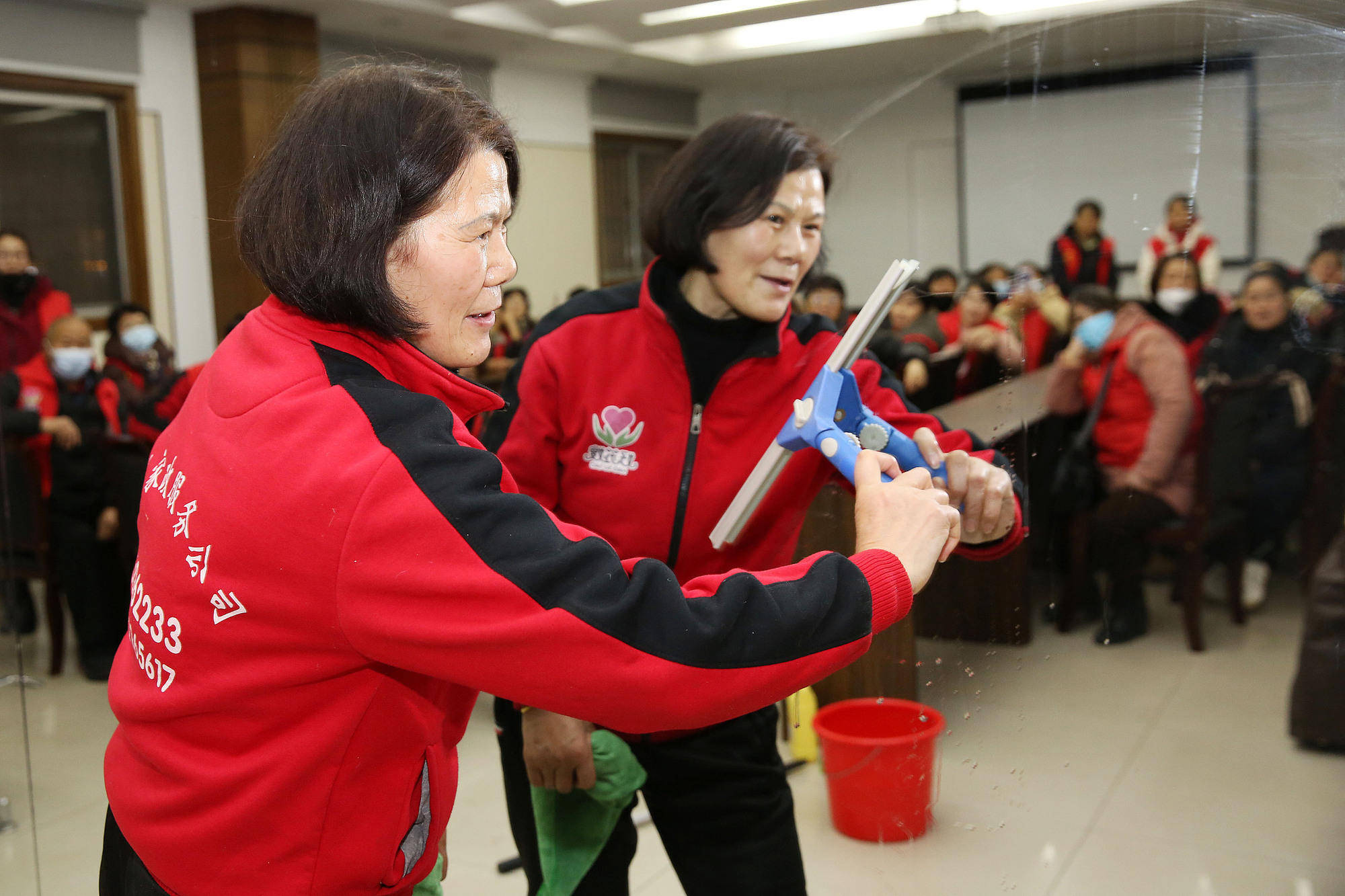
Core Viewpoint - The State Council's recently released "Work Plan for Accelerating the Cultivation of New Growth Points in Service Consumption" emphasizes improving service quality to benefit the public, moving beyond traditional consumption stimulation approaches [1] Group 1: Key Policy Measures - The plan outlines 12 policy measures aimed at invigorating key sectors, nurturing potential areas, and strengthening support mechanisms [1] - A significant focus is on the home service sector, addressing issues such as insufficient quality service supply and varying qualifications of service personnel [1] Group 2: Home Service Sector Initiatives - The plan proposes a special training initiative for home service professionals to enhance the industry's professionalism and reliability [1] - It encourages the transformation of intermediary home service companies into employee-based models, aiming to cultivate leading enterprises in the sector [1] Group 3: Transportation and Cultural Services - In transportation, the plan includes policies to promote the integration of railways and tourism, enhancing service quality and developing themed tourist trains [4] - The cultural sector will see improvements through a robust policy framework aimed at fostering competition and innovation in audiovisual services, enriching cultural offerings [4] Group 4: Experience-Based Consumption - The plan targets the growing trend of experience-based consumption, including immersive entertainment and escape rooms, ensuring their regulated development [6] - It aims to address issues in ticketing for events and sports, making access to cultural and sporting events more equitable and convenient [6] Group 5: Overall Impact - The initiatives are designed to meet the real needs of the public, enhancing convenience and quality of life while stimulating economic growth [7] - The plan represents a proactive choice to adapt to changing consumer structures and respond to external economic challenges, aiming for a dual win of improved living standards and economic vitality [7]
九部门:鼓励金融机构与重点商户合作,策划春节专属活动
Xin Lang Cai Jing· 2026-02-02 09:03
Core Viewpoint - The "2026 'Buy Spring Festival' Special Activity Plan" aims to stimulate consumer spending and enhance cultural life during the Spring Festival, aligning with national economic policies to boost demand and consumption [1][3][4]. Group 1: Activity Overview - The Spring Festival will have a 9-day holiday from February 15 to 23, 2026, designed to create a festive consumer atmosphere and promote cultural activities [3][18]. - The plan emphasizes government guidance, market leadership, and public participation, focusing on cultural traditions, family reunions, and shopping needs [4][17]. Group 2: Activity Content - Culinary activities will include traditional food fairs and special dining packages, encouraging local food markets and competitions to attract consumers [7][19]. - Housing promotions will involve discounts from home goods and hospitality sectors, offering special packages for families and extended stays [20]. - Transportation enhancements will include increased capacity in air and rail services, special promotions for travelers, and improved services for special needs [20]. - Cultural and tourism events will feature seasonal activities, fairs, and exhibitions, promoting local heritage and tourism [8][21]. - Retail initiatives will focus on promotional events in key shopping areas, encouraging diverse product offerings and special sales [21]. - Entertainment options will include film promotions, cultural performances, and community sports events to engage the public [9][22]. Group 3: Support Measures - Incentives such as prize invoices and shopping lotteries will be implemented to encourage consumer participation [22]. - Trade-in programs for old products will be promoted to stimulate purchases in various sectors, including electronics and automobiles [22]. - Financial support will be enhanced through partnerships with merchants, offering discounts and incentives for digital currency usage [22][23]. - Cross-industry collaborations will be encouraged to create bundled offers that enhance consumer experiences across different sectors [23]. - Measures to facilitate inbound tourism will include multilingual guides and improved payment options for international visitors [23].
国办印发《加快培育服务消费新增长点工作方案》 | 激活文旅消费有了新方向
Sou Hu Cai Jing· 2026-02-02 05:51
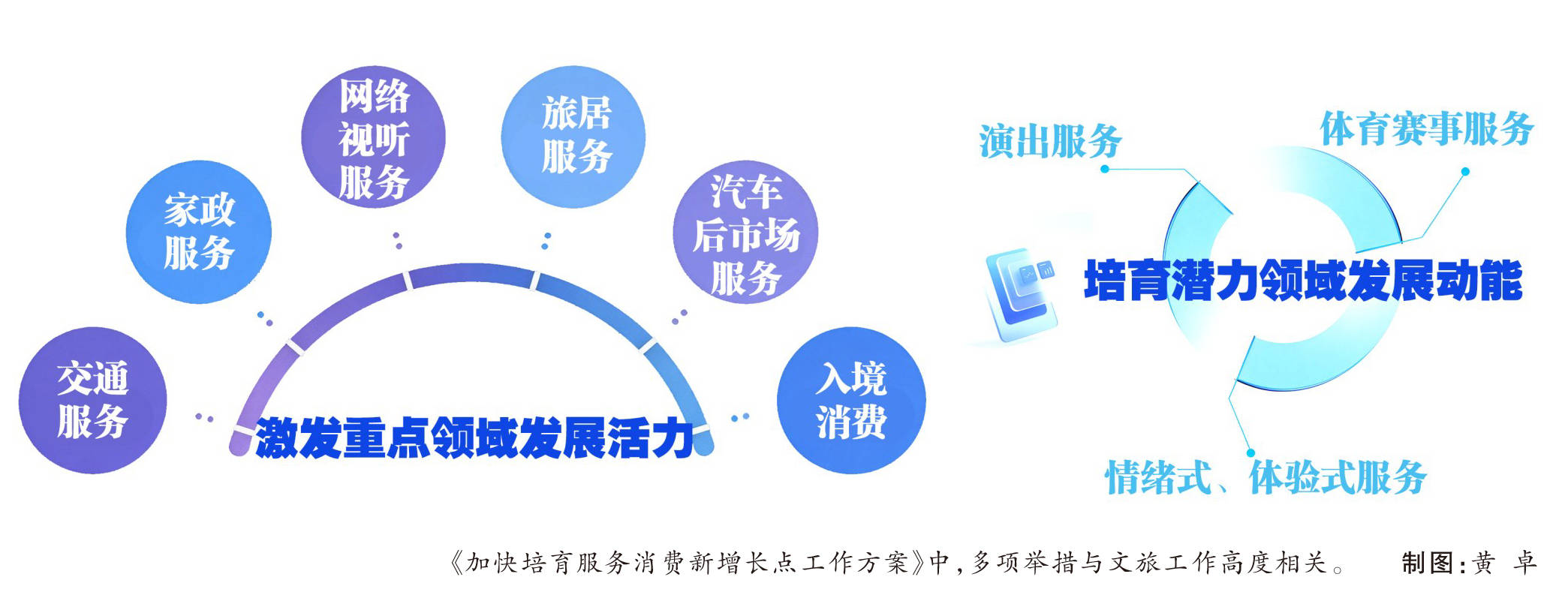
Core Viewpoint - The State Council's recently issued "Work Plan for Accelerating the Cultivation of New Growth Points in Service Consumption" focuses on enhancing the vitality of key sectors, fostering potential areas of development, and strengthening support measures, specifically targeting the cultural and tourism consumption sector to promote high-quality development [3][16]. Group 1: Policy Focus - The plan emphasizes service consumption as a new engine for domestic demand, aligning with the overall trend of consumption upgrading and providing clear directions for cross-industry integration and efficiency enhancement in the cultural and tourism sectors [4][17]. - The plan includes 12 specific measures aimed at invigorating the cultural and tourism consumption sector, which is characterized by high frequency, strong multiplier effects, and green low-carbon attributes [5][18]. Group 2: Implementation and Support - The plan proposes comprehensive support measures in areas such as financial backing, standard system construction, and credit system improvement to ensure the cultivation of new growth points in cultural and tourism consumption [6][9]. - It calls for enhanced financial support, urging financial institutions to increase their backing for the cultural and tourism sectors, which is expected to optimize investment structures and accelerate product innovation [6][9]. Group 3: Local Practices and Innovations - Various regions have actively explored integration paths in areas like transportation and tourism, sports events, and rural tourism, accumulating replicable experiences that validate the potential of cultural and tourism consumption [7][8]. - For instance, the integration of railway and tourism in Kunming has become a significant driver for regional cultural and tourism consumption, with new themed tourist trains set to launch [7]. - In Zhejiang, the "Zhe BA" basketball tournament is being used as a pilot to explore the deep integration of sports events and cultural tourism, projecting a consumption boost exceeding 3 billion yuan [8]. Group 4: Future Directions - The plan aims to create a new consumption landscape characterized by multi-field integration, multi-scenario engagement, and participation from various stakeholders, further unlocking the potential of cultural and tourism consumption [10]. - Experts suggest that effective collaboration among government, enterprises, and financial institutions is crucial for realizing the plan's objectives, with recommendations for businesses to actively engage with policy resources and financial support [9].
全文|商务部等9单位关于印发《2026“乐购新春”春节特别活动方案》的通知
Xin Lang Cai Jing· 2026-02-02 03:39
Core Viewpoint - The 2026 "Happy Shopping Spring Festival" special event plan aims to stimulate consumer spending and enhance cultural life during the 9-day holiday, aligning with the government's economic policies to boost domestic demand and consumption [1][3][15]. Group 1: Event Overview - The event will take place from February 15 to February 23, 2026, coinciding with the Spring Festival holiday [5][17]. - The plan emphasizes a collaborative approach involving various government departments and local authorities to ensure effective implementation and monitoring of the event [1][14]. Group 2: Activity Themes - The event will focus on several themes, including food, accommodation, travel, shopping, and entertainment, to cater to diverse consumer needs [4][18]. - Activities will include food festivals, home improvement promotions, travel incentives, shopping fairs, and cultural performances to create a festive atmosphere [7][19][20]. Group 3: Support Measures - Financial incentives such as lucky invoices, trade-in subsidies, and enhanced financial support from institutions will be implemented to encourage consumer participation [21][22]. - Cross-industry collaborations will be promoted, linking various sectors like hospitality, tourism, and retail to enhance the overall consumer experience [22].

培育服务消费“路线图”出炉
Mei Ri Jing Ji Xin Wen· 2026-01-29 12:52
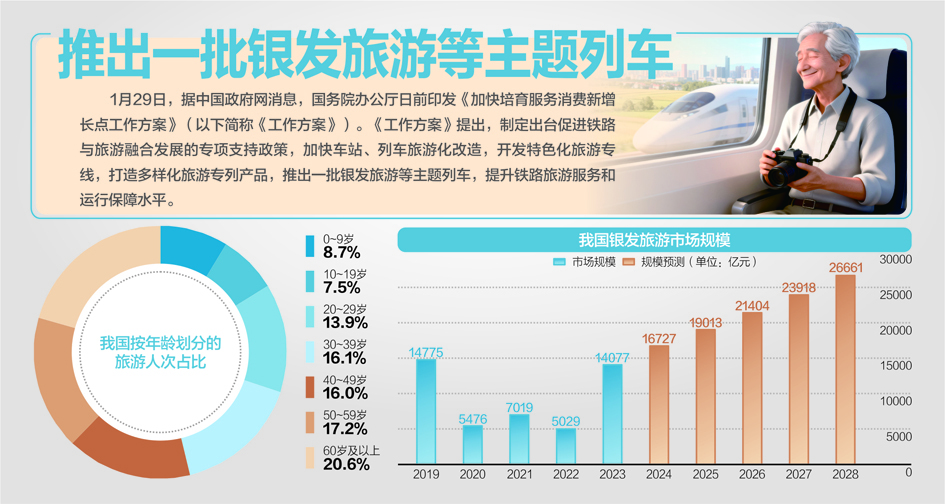
Core Viewpoint - The Chinese government has issued a "Work Plan" to accelerate the cultivation of new growth points in service consumption, focusing on stimulating key sectors, nurturing potential areas, and enhancing support measures [1] Group 1: Key Measures in the Work Plan - The Work Plan includes 12 specific measures targeting various sectors such as transportation services, domestic services, tourism, and sports events [1] - It emphasizes the development of railway and tourism integration, promoting themed trains and enhancing railway tourism services [4] - The plan supports innovation in cruise consumption and the development of diverse cruise products, as well as the promotion of night cruises and yacht consumption [4][5] Group 2: Potential Growth Areas - The Work Plan highlights the importance of developing performance services, sports event services, and emotional and experiential services [6] - It calls for innovative regulatory approaches for new business models and supports the inclusion of relevant occupations in the national classification system [6] Group 3: Standardization and Credit System - The Work Plan aims to optimize the standardization layout of the service industry and promote the development of a credit system in sectors like elderly care, domestic services, and tourism [8] - By 2025, service retail sales in China are projected to grow by 5.5%, with per capita service consumption expenditure increasing by 4.5%, accounting for 46.1% of total per capita consumption expenditure [8] Group 4: Financial Support - The Work Plan emphasizes the need for financial support, including optimizing loan interest policies and encouraging financial institutions to increase credit for service consumption sectors [9] - It supports the issuance of bonds by qualified companies in cultural, tourism, education, sports, and domestic service sectors, as well as the development of financial products tailored to service consumption [9]
利好来了!刚刚,国务院办公厅重磅发布!
券商中国· 2026-01-29 10:20
Core Viewpoint - The article discusses the release of the "Work Plan for Accelerating the Cultivation of New Growth Points in Service Consumption" by the State Council, aimed at optimizing and expanding service supply, focusing on key and potential areas to stimulate service consumption and support high-quality economic development [2][8]. Group 1: Key Support Policies - The plan emphasizes three main support policies: focusing on key areas such as transportation, domestic services, and online audiovisual services; nurturing potential areas like performance services and experiential services; and enhancing support through standard systems and financial backing [2][6][8]. - Specific measures include promoting the integration of railways and tourism, enhancing yacht consumption, and supporting the development of night tours and cruise services [3][4]. Group 2: Financial and Credit Support - The plan calls for increased consumer credit support, encouraging financial institutions to develop products tailored to service consumption characteristics and to assist eligible enterprises in issuing bonds [2][8]. - It also highlights the need for a robust financial support system to facilitate the growth of service consumption sectors, including culture, tourism, education, and sports [8]. Group 3: Development of Potential Areas - The article outlines initiatives to enhance performance services by optimizing management and safety protocols, and to improve sports event services by increasing the supply of quality events and supporting local sports activities [6][7]. - It mentions the importance of emotional and experiential services, advocating for a supportive regulatory environment and the establishment of new consumption scenarios [7]. Group 4: Infrastructure and Innovation - The plan encourages the development of infrastructure for travel and leisure, including the revitalization of rural land and properties for tourism purposes [4]. - It also promotes innovation in the automotive sector, including the exploration of vehicle modification management and the enhancement of car rental services [5].

今年内蒙古计划打造6条旅游公路
Xin Lang Cai Jing· 2026-01-19 21:14
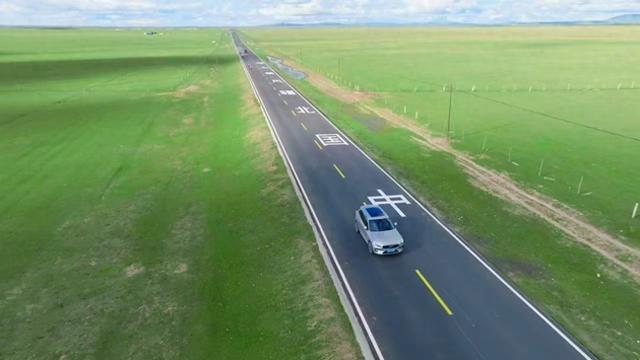
Core Viewpoint - Inner Mongolia will deepen the integration of transportation and tourism by 2026, focusing on developing a network of scenic self-driving routes and enhancing travel services [1] Group 1: Transportation Development - Six tourist roads will be constructed, totaling 408 kilometers, including routes in Hohhot, Tongliao, Chifeng, Ulanqab, Bayannur, and Xilin Gol [1] - The transportation department aims to create high-quality self-driving routes that combine functionality and scenic value [1] Group 2: Tourism Services Enhancement - A "transportation + cultural tourism" supply-demand platform will be established, along with dedicated bus lines to key scenic spots [1] - Various travel services will be introduced, including tourist trains, senior citizen trains, air express lines, and charter flights to meet diverse travel needs [1] Group 3: Future Goals - By 2025, all 3A-level and above scenic spots in Inner Mongolia will be accessible via graded roads, with specific scenic routes becoming popular among self-driving enthusiasts [1] - The plan includes the development of 23 tourism service areas and 6 quality demonstration service areas, featuring unique themes such as volcanic geology and desert culture [1]
持续深化交旅融合发展 2026年内蒙古计划打造6条旅游公路
Xin Lang Cai Jing· 2026-01-19 12:02
Group 1 - The Inner Mongolia Autonomous Region will deepen the integration of transportation and tourism by 2026, creating six tourist highways totaling 408 kilometers to enhance the self-driving tourism traffic network [1][3] - A "transportation + cultural tourism" supply-demand platform will be established, including dedicated bus lines to key scenic spots and various travel services such as tourist special trains and charter flights to meet diverse travel needs [3][6] - By 2025, all 3A-level and above scenic spots in Inner Mongolia will be accessible via graded highways, with several unique tourist roads becoming popular choices for self-driving enthusiasts [6]
升级服务业 让消费持续“转起来” 上海聚焦6大领域 推出服务业提质增效和消费提振扩容联动发展28条
Jie Fang Ri Bao· 2026-01-14 01:58
Core Viewpoint - Shanghai is implementing new measures to boost consumption and enhance the service industry, focusing on six key sectors with 28 specific initiatives aimed at stimulating economic growth and service sector transformation [1][2]. Group 1: Service Industry Focus - The measures emphasize service industry reform rather than traditional consumption promotion methods like vouchers and shopping festivals [2]. - From 2021 to 2024, the service sector's contribution to Shanghai's GDP is projected to increase from 75.5% to 78.2%, indicating a growing importance of service consumption [2]. - The service consumption sector is characterized by high repurchase rates and significant potential, prompting Shanghai to shift its consumption focus towards this area [2]. Group 2: Supply-Side Reforms - Starting in 2024, expanding domestic demand is identified as a primary economic task, with Shanghai allocating 1 billion yuan for "Le Shanghai" service consumption vouchers, significantly boosting retail sales [3]. - In the first 11 months of 2025, Shanghai's retail sales grew by 5%, surpassing the national average, demonstrating the effectiveness of consumption vouchers [3]. - The "Pyramid at the Top: Ancient Egyptian Civilization Exhibition" at the Shanghai Museum attracted 2.77 million visitors and generated 760 million yuan in ticket and cultural revenue, significantly boosting overall city consumption [3]. Group 3: Key Sectors and Initiatives - The measures target six major service sectors: finance, platform consumption, transportation, cultural and entertainment services, life services, and brand standards, which together account for about 60% of Shanghai's service industry value [4]. - Specific initiatives include developing innovative financial products, enhancing competition among platform enterprises, and improving transportation services to facilitate consumer access [4]. Group 4: Consumer Demand and Experience - The measures aim to address consumer pain points by enhancing service visibility and improving transportation efficiency, thereby facilitating better consumer experiences [6]. - Initiatives include encouraging platforms to promote quality services and optimizing transportation networks to reduce travel difficulties for consumers [6]. Group 5: Supportive Measures and Talent Development - The measures also include supportive actions for market reforms, such as allowing part of the net income from cultural and sports events to be used for personnel incentives [7]. - There is a focus on attracting talent in the service and consumption sectors, with support for international teams and various talent plans [7]. Group 6: Systematic Approach and Future Plans - Overall, the measures represent a systematic beginning, with plans for specific policies and funding to support quality supply and consumption cycles [8].