
电动化

Search documents
老钱新贵的梦中情车,卖不动了
投中网· 2026-01-20 02:52
Core Viewpoint - Porsche is facing unprecedented operational challenges in China, with significant declines in sales, profits, and market presence, marking a critical period for the brand in 2025 [4][5][15]. Sales Performance - In 2025, Porsche's global sales are projected to be approximately 279,449 units, a 10% decrease year-on-year, marking the largest drop since the 2009 financial crisis [7]. - Sales in China are expected to be around 41,938 units, down 26% compared to the previous year, and nearly 60% lower than the peak in 2021 [7][8]. - The company has experienced a continuous decline in sales in China for four consecutive years, with the market once being its largest [7]. Financial Results - For the first three quarters of 2025, Porsche reported sales revenue of €26.86 billion, a 6% decline from €28.56 billion in the same period of 2024 [9]. - Operating profit plummeted to €40 million, a staggering 99% drop from €4.035 billion in the previous year [9][11]. Market Challenges - The brand is experiencing a crisis with multiple dealership closures and significant inventory clearance efforts, leading to drastic price reductions [12]. - The shift in consumer preferences towards electric vehicles and domestic brands has severely impacted Porsche's market position, with local competitors rapidly gaining market share [15][16]. - The rise of smart driving technologies has left Porsche lagging behind, as its offerings do not meet the evolving expectations of Chinese consumers [16][18]. Brand Perception - The decline in product value is evident, with consumers increasingly unwilling to pay a premium for foreign brands, as highlighted by a McKinsey report indicating nearly half of consumers are no longer inclined to do so [18]. - The brand's image is suffering as former sales champions transition to competing brands, reflecting a broader trend of discontent among luxury car dealers [18]. Strategic Outlook - Porsche's leadership acknowledges the challenges ahead, likening the situation to a long endurance race that requires strategic adjustments to navigate the changing landscape [18].


如何看待被中国车企针对? 保时捷中国总裁独家回应!
Xin Lang Cai Jing· 2026-01-20 00:58
Core Insights - The luxury car market is undergoing unprecedented changes, with traditional luxury brands adjusting while new Chinese brands are entering the luxury segment, some even targeting Porsche directly [2][22] - Porsche's CEO in China, Pan Lich, emphasizes that true competition is not about comparing specifications but about providing a complete, profound, and irreplaceable value system [2][30] - Porsche is optimizing its dealer network as a strategic decision to create a healthier, more efficient, and sustainable retail network, which is not a sign of contraction but a process of quality enhancement [2][27] Sales and Market Strategy - Porsche's global sales for 2025 are projected to be approximately 279,000 units, with around 42,000 units expected from the Chinese market, indicating a year-on-year decline [23] - The strategy to "win back China" is not merely about returning to previous sales volumes but aims to establish a sustainable and profitable business model, with success metrics extending beyond market share or sales figures [23][38] - Key performance indicators will focus on brand desirability, customer loyalty, dealer network health, and sustainable profitability [38] Brand Positioning and Customer Experience - Porsche's development in China is characterized by a dual understanding of speed: the rapid changes in the market and technology, and the need for long-term commitment to value [26] - The company is committed to ensuring seamless service continuity during dealer network adjustments, prioritizing customer experience and support [27][28] - Porsche's core strategy is "quality over quantity," aiming for sustainable, profitable growth rather than merely increasing sales numbers [28] Innovation and Technology - Porsche has established a research and development center in Shanghai to better meet local market demands, focusing on digital and intelligent solutions [28][30] - The new generation of infotainment systems, tailored for the Chinese market, is set to launch in mid-2026, integrating mainstream digital ecosystems and AI voice assistants [30][31] - The company aims to balance its heritage with future trends in electrification and intelligence, ensuring that every Porsche maintains its unique driving experience [32][33] Community and Brand Loyalty - Porsche has developed a global, passionate community of owners, with a network of clubs in China that fosters a sense of identity and belonging among owners [35] - The brand offers extensive customization options, allowing customers to express their individuality through their vehicles [35] - Porsche's commitment to creating dreams for customers remains unchanged, reinforcing the emotional connection with the brand [29][30]
老钱新贵的梦中情车,卖不动了
凤凰网财经· 2026-01-19 13:41
Core Viewpoint - Porsche is experiencing a significant downturn in sales and profitability in China, marking a critical period for the brand as it faces unprecedented operational challenges and a decline in brand value [1][10]. Group 1: Sales Performance - In 2025, Porsche's global sales reached approximately 279,449 units, a decline of 10% year-on-year, marking the largest drop since the 2009 financial crisis [3][4]. - Sales in China fell to about 41,938 units, down 26% compared to the previous year, and nearly 60% from the peak in 2021 [3][4]. - Porsche has seen a continuous decline in sales in China for four consecutive years, with the market once being its largest single market [3][4]. Group 2: Financial Results - For the first three quarters of 2025, Porsche reported sales revenue of €26.86 billion, a decrease of 6% year-on-year, while operating profit plummeted to €40 million, down 99% from €4.035 billion in the same period of 2024 [6][7]. - The operating return on sales dropped to 0.2% from 14.1% in the previous year, indicating severe profitability issues [7]. Group 3: Dealer Network and Market Challenges - Reports indicate that several Porsche dealerships in China have closed or are set to close, with plans to reduce the number of dealerships from 150 to 80 by 2026, leading to significant inventory clearance and price reductions [9][10]. - The brand's luxury image is under threat as it faces competition from domestic electric vehicle manufacturers, which are rapidly gaining market share [11][12]. Group 4: Brand Value and Consumer Perception - The decline in Porsche's sales and profitability reflects a broader structural shift in the Chinese automotive market, with a significant increase in the penetration of new energy vehicles and a rise in domestic brand market share [11][12]. - Consumer willingness to pay a premium for foreign brands has decreased, with nearly half of consumers indicating they are no longer willing to pay extra for foreign luxury brands [14].

从“新鲜入局”到“信任扎根”,看中国汽车产业的进阶之路
Xin Hua Ri Bao· 2026-01-19 08:29
Group 1 - The core viewpoint of the articles highlights that China's automotive industry is expected to maintain its global leadership, with total vehicle production and sales projected to exceed 34 million units by 2025, and new energy vehicles (NEVs) surpassing 16 million units, marking 11 consecutive years at the top globally [1][2] - In 2025, NEVs are anticipated to account for 50.8% of domestic new car sales, establishing themselves as the dominant force in the market [1] - The export of vehicles is expected to exceed 7 million units, with overseas markets becoming a new growth driver for the industry [1] Group 2 - The success of China's NEVs is attributed to a well-established supply chain, enabling rapid component development and enhancing consumer trust in product delivery and after-sales service [2] - China's automotive industry has developed a comprehensive and efficient industrial system, supplying 70% of global battery materials and 60% of power batteries, creating a comparative advantage [2] - Policy support, including long-term special bonds and targeted loans for technological innovation, has played a crucial role in driving the industry's growth and transformation towards green and intelligent manufacturing [2] Group 3 - The shift from low-cost competition to technological innovation and value enhancement has allowed Chinese automotive brands to improve their image and profitability [3] - The transition from being perceived as "new entrants" to gaining consumer trust reflects the industry's evolution from "Made in China" to "Intelligent Manufacturing in China" [3] - The focus on quality and innovation positions the industry for future growth in smart and connected vehicle markets, indicating a robust economic foundation driven by innovation [3]
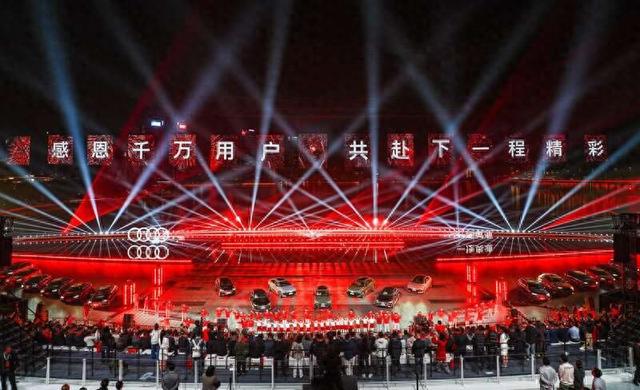
千万用户达成,一汽奥迪借智能化新品开启市场新阶段
Zhong Guo Qing Nian Bao· 2026-01-19 08:04
Core Insights - FAW Audi has achieved a significant milestone by reaching a cumulative user base of over 10 million in the Chinese market, making it the first joint venture luxury car brand to do so [2][3] - The company launched the new Audi Q5L, which features smart upgrades and is the first luxury fuel SUV equipped with Huawei's advanced intelligent driving system, marking a significant entry of high-level smart driving technology into traditional fuel luxury vehicles [2] - Audi's future product architecture will focus on the PPC luxury fuel intelligent platform and the PPE luxury pure electric platform, aiming for synchronized advancements in both fuel and electric vehicle models by 2026 [2] Company Developments - The new Audi Q5L is priced between 309,800 to 384,800 yuan and incorporates hybrid technology to reduce energy consumption, while also offering a long-wheelbase version and several market-specific color options [2] - FAW Audi's customer experience strategy, named "Zhen·Heart Path," aims to enhance its service system in response to the evolving competitive landscape of the luxury car market [3] - The company is leveraging its extensive existing user base and sales service system to accelerate its transformation towards smart technology, amidst increasing competition from local new energy brands and traditional luxury brands transitioning to electric vehicles [3]
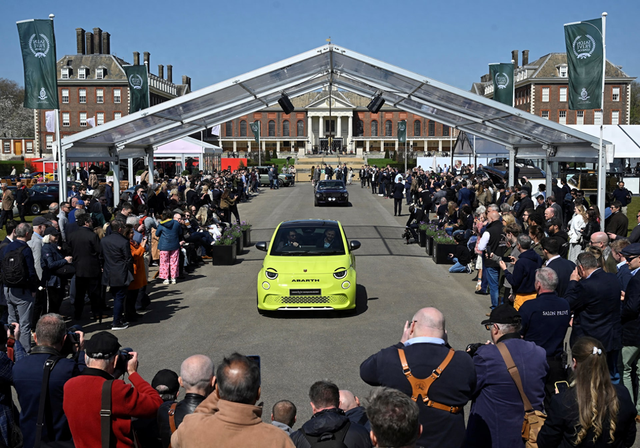
英国车市变“绿”了!是绿颜色
Xin Lang Cai Jing· 2026-01-18 10:11
Core Insights - The UK is expected to see a record high in green car sales by 2025, reflecting a shift in consumer preferences towards vehicle color [1][3] Group 1: Sales Data - In 2023, the UK sold 99,000 green cars, marking a 46.3% year-on-year increase and accounting for approximately 5% of total car sales [3] - The market share of electric vehicles (including pure electric, hybrid, and plug-in hybrid) in the UK has surpassed 48%, driven by the government's plan to achieve net-zero carbon emissions by 2035 [3] - Sales of green pure electric vehicles nearly doubled to 23,000 units [3] Group 2: Industry Response - Manufacturers are responding to changing consumer preferences by expanding their range of models, colors, and finishes [3] - The automotive color trend is evolving, with a notable shift from the previously dominant gray tones to more vibrant colors, influenced by the electric vehicle movement [3] Group 3: Market Trends - Despite the rise in green car sales, traditional color preferences remain dominant, with gray being the most popular car color in the UK for the eighth consecutive year, followed by black, blue, and white [3] - The industry acknowledges that while the market is "turning green," it will take time for this trend to become mainstream [3]
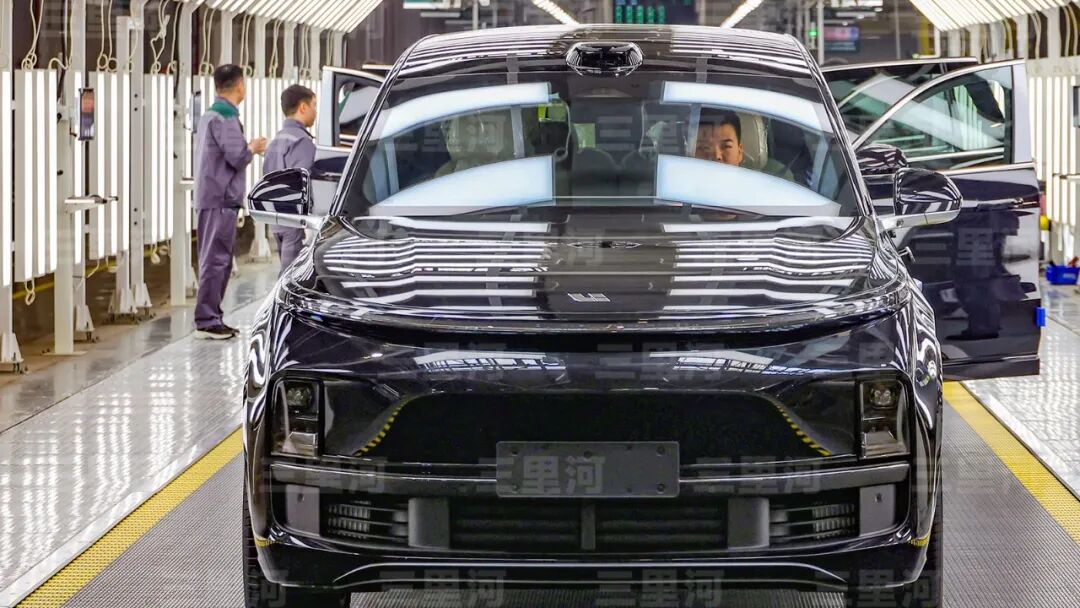
中国,两个连续全球第一
Xin Lang Cai Jing· 2026-01-18 04:04
Core Insights - The automotive industry is undergoing a significant transformation, with 2025 set to be a pivotal year for China's automotive sector [2][15] - China is expected to maintain its position as the world's largest automotive market, with total vehicle production and sales surpassing 34 million units, and new energy vehicle (NEV) production and sales exceeding 16 million units by 2025 [2][4] Industry Position - China's dominance in the automotive market is reinforced by its leadership in the NEV sector, marking a new era where it holds substantial influence over technology standards, supply chain management, and innovation pace [4][5] - The global automotive competition has shifted from product-centric to an ecosystem competition focused on electrification, intelligence, and connectivity [6] Market Dynamics - The rapid growth of China's automotive industry is characterized by the integration of electrification and intelligent connectivity, creating a competitive advantage during the "14th Five-Year Plan" period [7] - By 2025, NEVs are projected to account for 47.9% of total new vehicle sales, with over 50% market penetration in domestic new car sales, surpassing international forecasts [9] Contributing Factors - The success of the automotive sector is attributed to proactive policy frameworks, significant corporate investments, enhanced consumer awareness, and improved infrastructure [10] - Key advancements include leading battery technologies, the emergence of next-generation batteries, and the expansion of smart driving technologies into lower-tier cities [10] Global Context - China's automotive achievements occur amidst a backdrop of global economic slowdown and complex trade environments, demonstrating resilience against challenges such as de-globalization and trade barriers [11][12] - Chinese automakers are actively expanding into overseas markets through local production, technology partnerships, and brand acquisitions [13] Export Growth - By 2025, China is expected to export over 7 million vehicles, with NEV exports reaching 2.615 million units, marking a significant milestone in global recognition of "Made in China" automotive products [14] - This transition signifies a shift from scale advantages to technological advantages in manufacturing, with NEVs evolving into platforms for smart, connected, and energy-efficient technologies [14] Environmental Impact - The automotive industry's green transformation supports China's dual carbon goals, as NEVs have over 40% lower lifecycle carbon emissions compared to traditional fuel vehicles [14] Future Outlook - The automotive industry's journey continues, with the achievements of 2025 serving as both a significant breakthrough and a new starting point for future advancements [15][16] - China's established advantages in electrification are expected to carry over into the next phase of competition focused on intelligence [16]
2025年在华销量大跌26%,保时捷中国CEO:行业正在洗牌,已制定路线图“赢回中国”
Mei Ri Jing Ji Xin Wen· 2026-01-17 06:05
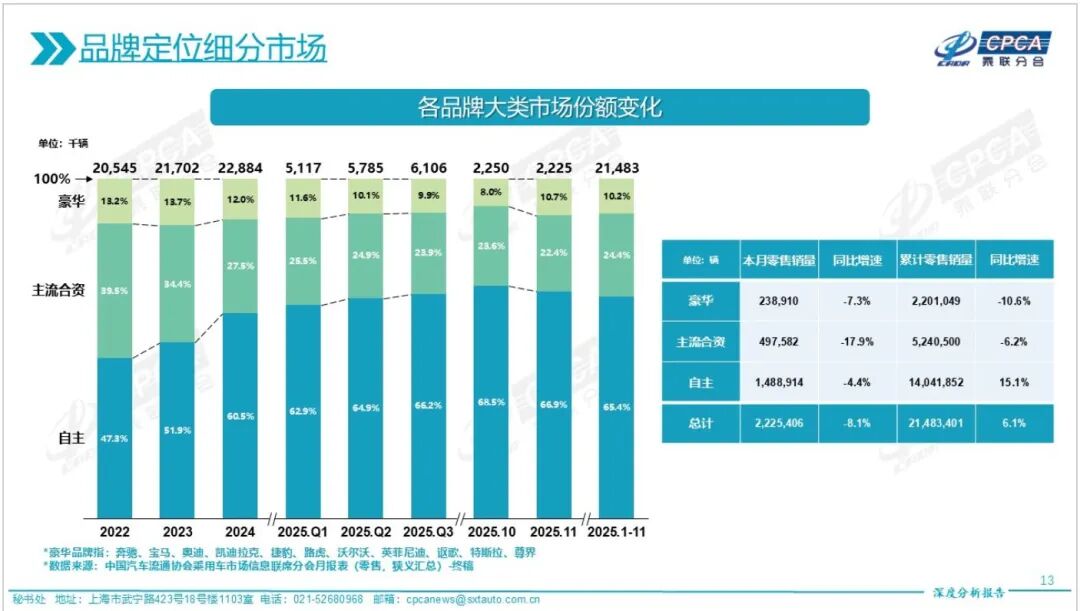
Core Insights - Porsche aims to deepen its commitment to the Chinese market, viewing it as a strategic innovation engine for the next 3 to 5 years, despite facing challenges such as a projected 26% decline in sales in 2025 compared to the previous year [1][2] - The company is adjusting its dealer network and establishing a local R&D center to enhance adaptability and resilience in the Chinese market [1][8] Sales Performance - Porsche's global sales are expected to reach approximately 279,000 units in 2025, with around 42,000 units from the Chinese market, reflecting a 26% year-on-year decline [1] - The overall luxury car market in China is under pressure, with luxury brand sales down 10.6% year-on-year for the first 11 months of 2025, totaling about 2.201 million units [2] Market Strategy - Porsche's strategy includes a focus on value-oriented sales rather than just volume growth, especially in light of increased competition in the luxury car segment, particularly in electric vehicles [4][9] - The company plans to optimize its dealer network from approximately 150 outlets in 2024 to around 80 by the end of 2026, aiming to cover all core cities effectively [6][8] Product Development - Porsche is committed to electric vehicle development but is adjusting its product lineup to include more internal combustion engine models, reflecting the competitive landscape in the ultra-luxury segment [4][5] - A new local R&D center was established in November 2025, which will allow for faster development cycles and the introduction of a new infotainment system tailored for the Chinese market in 2026 [8] Future Outlook - The luxury car market is expected to continue facing challenges in 2026, with increased competition and market restructuring, but Porsche remains cautiously optimistic about its prospects [4][9] - The company emphasizes a comprehensive transformation strategy in China that goes beyond product and channel adjustments, aiming for systemic and localized changes across various aspects of its operations [8]
在华全力保盈利 大众2025年新能源销量缩回四年前
Jing Ji Guan Cha Wang· 2026-01-17 01:04
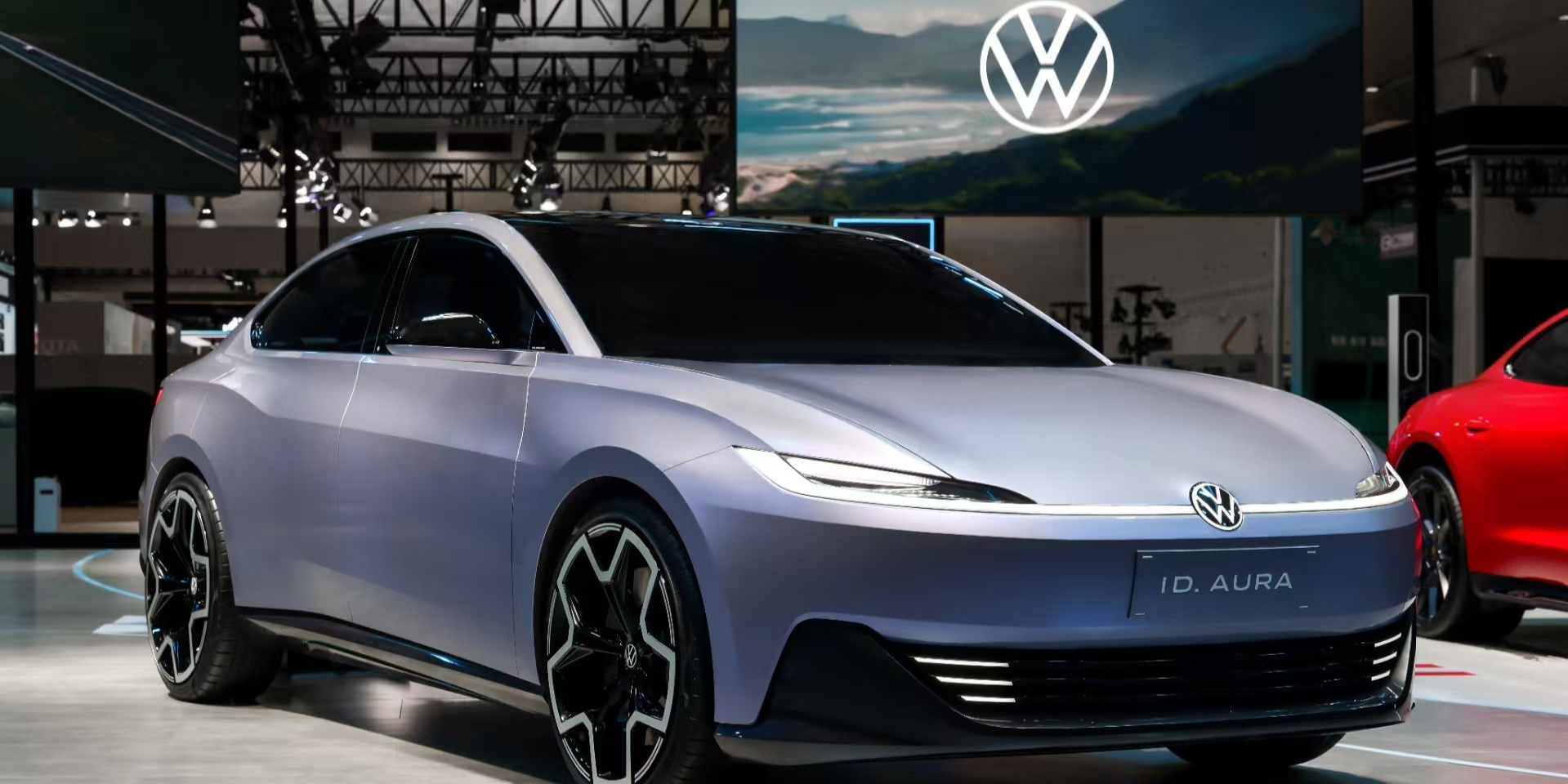
Core Insights - Volkswagen Group's global vehicle deliveries in 2025 exceeded 8.98 million, with pure electric vehicle deliveries reaching 983,100, a year-on-year increase of 32%, accounting for 10.9% of total global sales, up 2.7 percentage points from the previous year [2] Group 1: Sales Performance - In China, Volkswagen delivered over 2.69 million vehicles in 2025, with over 2.57 million being fuel vehicles and approximately 120,000 being new energy vehicles [2] - Volkswagen's sales in China declined by 8% compared to the previous year (2.93 million), with its share of global sales dropping from 32% to between 29.9% and 30% [3] - The market share of fuel vehicles in China increased to over 22%, marking a ten-year high since 2005, despite an overall decline in fuel vehicle sales [3] Group 2: New Energy Vehicle Strategy - New energy vehicle sales in China fell to 120,000 in 2025, a 40% decrease from 200,000 in 2024, representing only 4.5% of total sales, significantly lower than the global average [4] - Volkswagen's strategy focuses on profitability over market share, emphasizing the importance of fuel vehicle sales while preparing for the launch of new energy models [5] - The decline in new energy vehicle sales is attributed to both competitive pressures and a strategic shift towards fuel vehicles [5] Group 3: Future Plans and Developments - Volkswagen plans to launch over 20 new electric and hybrid models in 2026, including models based on new platforms and advanced technologies [7] - The company aims to enhance its new energy vehicle matrix to increase their share in overall sales, with a target of over 30 electric models by 2027 and around 50 by 2030 [8] - Volkswagen's export strategy from China has commenced, with the first vehicles successfully exported to the Middle East, aiming to expand into other potential markets [8]
春风动力(603129):首次覆盖报告:四轮春华秋实,两轮风驰电掣
Western Securities· 2026-01-16 11:46
Investment Rating - The report assigns a "Buy" rating to the company, Chuanfeng Power (603129.SH), with a target market value of 49.8 billion yuan based on a PE ratio of 21 times for 2026 [1][7][19]. Core Insights - Chuanfeng Power is positioned as a leading manufacturer of all-terrain vehicles (ATVs) and large-displacement motorcycles in China, with product performance reaching international standards and a competitive price advantage over overseas counterparts. The company is expected to continue capturing market share from foreign manufacturers, while its electric two-wheeler business is anticipated to contribute to ongoing revenue growth [1][19]. - The projected net profit for the company from 2025 to 2027 is estimated at 1.907 billion, 2.371 billion, and 2.805 billion yuan, respectively, with corresponding PE ratios of 21, 17, and 14 times [1][19]. Summary by Sections Company Overview - Chuanfeng Power was established in 1989 and has transitioned from manufacturing core components to producing ATVs, motorcycles, and electric two-wheelers. The company has maintained a focus on self-owned brands and has become a leading power sports enterprise in China, exporting to over 100 countries [20]. All-Terrain Vehicles - The global ATV market has shown a clear trend towards high-end products, with the average selling price of Chuanfeng's ATVs increasing from 33,700 yuan per unit in 2020 to 46,500 yuan in the first half of 2025. The company is expected to benefit from this trend and continue to increase its market share in Europe and North America [2][19]. - The company’s ATV sales are projected to grow significantly, with revenue growth rates of 24%, 17%, and 7% from 2025 to 2027, respectively [15]. Large-Displacement Motorcycles - The domestic penetration rate of large-displacement motorcycles is on the rise, and Chuanfeng Power is well-positioned to benefit from both domestic and international sales opportunities. The potential market for large-displacement motorcycles in China is expected to double in the next 2-3 years [2][19]. Electric Two-Wheelers - The electric two-wheeler segment has seen exponential growth, with sales reaching 250,500 units and revenue of 872 million yuan in the first half of 2025, marking a year-on-year increase of 652.06%. The company plans to expand its store network and product offerings, which is expected to sustain growth in this segment [3][19].
