唐

Search documents
古井名酒大家庭香飘第114届糖酒会
新华网财经· 2026-03-25 10:49
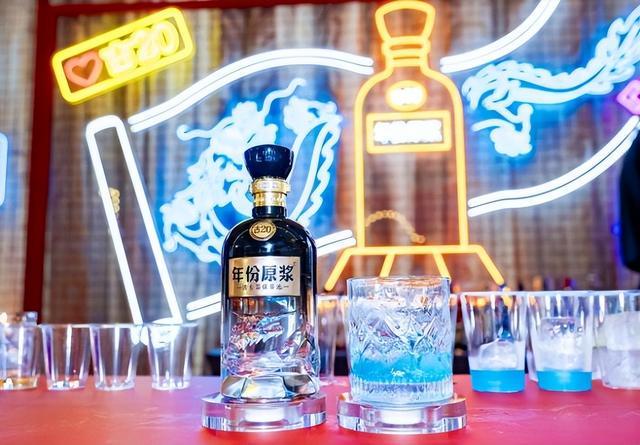
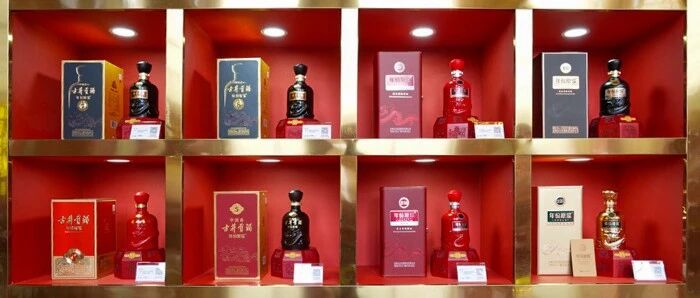
Core Viewpoint - The 114th National Sugar and Wine Products Trade Fair showcased the comprehensive product matrix of Gujing Group, highlighting its strong market presence and innovative strategies in the liquor industry [1][3]. Product Matrix Overview - Gujing Group presented a full range of products under the "Four Products and Six Aromas" strategy, featuring four major brands (Gujing Gong, Huanghelou, Laomingguang, and Jiuyun) and six distinct aroma types (strong aroma, light aroma, sauce aroma, bright green aroma, ancient aroma, and roasted wheat aroma) [3][4]. - The Gujing Gong series, including "Old Porcelain Tribute" and "Old Glass Tribute," attracted significant attention from attendees, showcasing the brand's deep heritage as one of the eight famous liquors in China [3][4]. Market Trends and Innovations - The introduction of Jiuyun liquor, a new brand focusing on sauce aroma, was a highlight, with products aged over five years and made from local ingredients, receiving positive feedback from potential customers [4][10]. - Gujing Group is also expanding into the health sector with its "light" series products, which cater to the trend of healthier drinking options while maintaining traditional flavors [8][10]. Customer Engagement and Feedback - Attendees expressed strong interest in Gujing's products, with many noting the improved product line and competitive market position [5][12]. - The "Shenli Liquor" section, which combines traditional liquor with health benefits from herbal ingredients, garnered significant attention, indicating a growing market potential for functional beverages [10][14]. Strategic Positioning - Gujing Group's commitment to innovation and adaptation to market trends is evident, as it continues to develop products that meet the evolving preferences of consumers, particularly younger demographics [12][14]. - The company's focus on both traditional and modern drinking experiences positions it well within the competitive landscape of the liquor industry [14].


后续车市销量展望
数说新能源· 2026-02-05 04:47
Core Viewpoint - The article discusses the sales performance and market dynamics of the new energy vehicle (NEV) sector in January 2026, highlighting a slowdown in sales due to various factors including consumer behavior and regulatory impacts [5][10]. Group 1: January Sales Analysis - January 2026 passenger car sales are expected to be around 1.7 to 1.75 million units, falling short of market expectations [5]. - The NEV penetration rate in January is projected to be approximately 10 percentage points higher than the same period last year, but shows a decline compared to December [5]. - Consumer sentiment is characterized by a "buy new, not old" mentality, leading to delayed purchasing decisions [5]. Group 2: Market Structure Characteristics - In January, high-end luxury fuel vehicles and economy fuel vehicles under 100,000 yuan performed relatively well, while NEVs impacted fuel vehicles in the same price range [5]. - February sales are expected to decline by about 30% compared to January due to the Spring Festival holiday [5]. - March is anticipated to recover to January's sales levels, with an estimated 30% increase from February [5]. Group 3: Pricing and Regulatory Trends - The pricing strategy for new vehicles in 2026 is focused on "adding features, stabilizing prices, or slight increases," rather than price reductions [6]. - Regulatory measures are tightening, impacting marketing, safety, and pricing practices within the industry [6]. - The regulatory environment is expected to shift the industry focus from rapid iteration and price wars to product quality, brand reputation, and long-term value [6]. Group 4: New Product Launches and Future Outlook - Major automakers like BYD and Geely are set to launch a series of new models in the first half of 2026, with a focus on high voltage, long range, and enhanced smart features [9][10]. - The overall sales growth for 2026 is projected to slow down to single digits, influenced by high base figures and stable subsidy policies [10]. - The industry is expected to see a more stable monthly sales model, reducing the volatility seen in previous years [8][10].


比亚迪警务车,《守护解放西》镜头外的实力答卷
Hua Xia Shi Bao· 2026-01-29 05:18
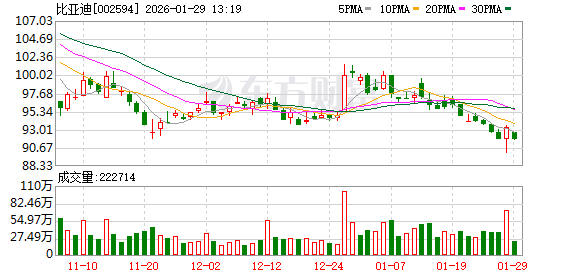
Core Viewpoint - BYD is rapidly transforming the public service vehicle market in China, becoming a trusted partner for law enforcement agencies with its innovative technology and reliable quality [2][4]. Group 1: Market Presence - BYD vehicles have become a frequent presence in police fleets across various regions in China, including cities like Hefei, Jinzhou, Xi'an, and Xiaogan, showcasing models such as Qin PLUS, Song Pro, and Song PLUS for various law enforcement scenarios [3]. - The appearance of BYD models in government procurement announcements indicates a growing acceptance and trust in domestic electric vehicles for public safety [3]. Group 2: Product Features - BYD's vehicles meet the stringent demands of police work, offering exceptional safety, reliability, and adaptability for different operational environments [4]. - The hybrid systems in BYD vehicles provide both fuel efficiency for urban patrols and powerful performance for rural responses, effectively addressing the operational needs of law enforcement [4]. Group 3: Industry Impact - The widespread adoption of BYD police vehicles reflects not only the success of the brand but also the rise of Chinese manufacturing in high-end sectors, demonstrating a clear trajectory of innovation benefiting public service [4]. - This shift signifies that domestic automotive manufacturers are fully capable of taking on the critical role of ensuring public safety, positioning themselves as reliable "mobile shields" in modern law enforcement [4].
乘用车终端需求跟踪及展望
2025-12-01 16:03
Summary of Conference Call Records Industry Overview: Automotive Market Key Insights and Arguments - The automotive market in 2025 is significantly influenced by policy changes, with subsidy reductions and stricter measures expected to suppress consumption, particularly affecting the economy car segment [1][4] - In October, discounts on vehicles increased but did not lead to a price war; brands like BYD and Geely launched new models while older models saw moderate price reductions [1][6] - The penetration rate of new energy vehicles (NEVs) in 2026 will depend on the continuation of policies and technological upgrades, with trends towards larger batteries, longer ranges, and fast-charging technologies [1][8] - High-end joint venture brands are expected to continue losing market share, especially in the price range above 250,000 yuan, due to competition from domestic NEVs [1][9] Market Demand and Trends - Overall demand and foot traffic in November decreased compared to October, primarily due to a pause in subsidy policies leading to consumer hesitation [2] - December is expected to see a rebound in demand, but year-on-year comparisons will still show a decline due to inventory clearance needs and potential tax increases from new technology [2][5] - The first quarter of 2026 is anticipated to be optimistic due to seasonal sales and government subsidies, although challenges are expected in March and April, particularly for economy cars [5][16] Discount and Pricing Strategies - Discounts in October and November were deeper than in September, particularly during the National Day holiday, but did not violate regulatory policies [6] - Discounts for brands like BYD and Xpeng decreased by approximately 10% in November compared to October, indicating a shift in pricing strategies [6] Company-Specific Insights BYD - BYD plans to launch the M6 and a new generation of plug-in hybrid technology in 2026, aiming to enhance electric range and low-temperature fast-charging capabilities [3][12] - Domestic retail sales for BYD in 2025 are projected to be between 3.2 to 3.3 million units, a decline from 3.5 million units in 2024, but a recovery is expected in 2026 with about 10% growth [13] Tesla - Tesla's market outlook for the next two years is cautious, with expectations of stagnation or potential decline unless improvements in their Full Self-Driving (FSD) technology are made [11] - The introduction of lower-priced Model 3 and Model Y variants is anticipated to expand market share in the first quarter of 2026 [11] Xiaomi - Xiaomi's current monthly delivery volume is around 50,000 units, with a significant portion of orders being speculative due to the second-hand market collapse [17] - The delivery cycle is currently projected at 20 to 25 weeks, but actual delivery may take longer, leading to an order backlog [17] Joint Venture Brands - High-end joint venture brands like BMW and Mercedes are expected to face significant pressure, particularly in the mid-range segment, while lower-priced joint venture brands remain competitive due to a lack of strong rivals [10] Future Challenges - The implementation of the trade-in policy has been smooth initially, but challenges are expected in March and April 2026 due to diminishing subsidy levels and potential inventory issues [16] Additional Important Insights - The competition between BYD and Geely in technology upgrades is likely to intensify, with both companies aiming to push the NEV penetration rate above 60% by March 2026 [1][8] - The market for traditional fuel vehicles is expected to face challenges from the increasing presence of electric models, particularly in the under 100,000 yuan segment [10]
深蓝接盘现代重庆工厂,闲置汽车产能再迎“接盘”潮
经济观察报· 2025-11-23 07:33
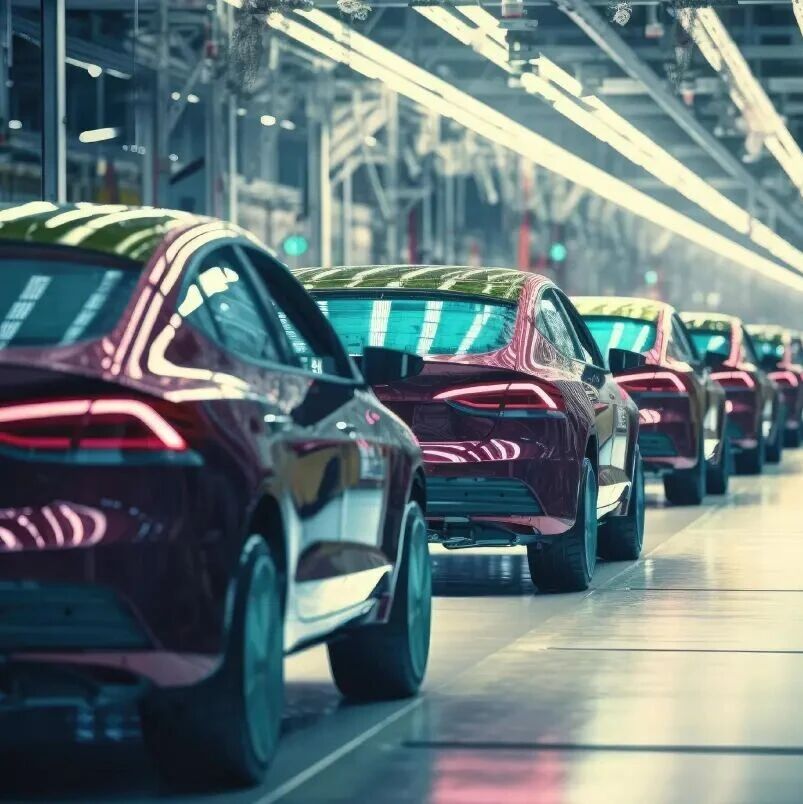
Core Viewpoint - The automotive market is experiencing a significant shift in competitive dynamics, with production capacity transitioning from joint ventures to domestic manufacturers, reflecting a structural surplus in capacity and the implementation of "stock optimization" policies across regions [1][3]. Group 1: Capacity Acquisition and Market Dynamics - Many automotive manufacturers in need of new production capacity are acquiring or managing other manufacturers' factories to supplement their production capabilities, a trend that has become widespread this year [2][3]. - Recent acquisitions include Changan Automobile taking over Beijing Hyundai's Chongqing factory, which has been repurposed for Deep Blue Automotive production, and Geely's acquisition of the former SAIC-GM Beisheng factory in Shenyang for its Galaxy brand [2][3]. - The shift in idle capacity has moved from domestic brands to joint ventures, with companies like Dongfeng acquiring production capacity from Nissan and other joint ventures [3][10]. Group 2: Strategic Goals and Production Capacity - Geely and Changan have set ambitious sales targets of 5 million vehicles by 2030, driving their recent capacity expansions [5][6]. - Changan's production capacity is projected to reach 2.25 million units in 2024, with a utilization rate of 84%, while Geely's capacity is 4.23 million units with a lower utilization rate of 45% due to previous restructuring [7][8]. - Geely's Galaxy brand has seen rapid sales growth, surpassing 1 million units in the first ten months of this year, prompting the company to prepare multiple production bases [7][8]. Group 3: Market Share and Competitive Landscape - The market share of domestic brands has surged from 35.7% in 2020 to 68.7% currently, indicating a significant rise in competitiveness against joint ventures [10]. - Several joint venture companies have exited the market, with factories being repurposed for domestic brands, such as the sale of GAC FCA's Guangzhou factory and the closure of multiple Honda and Nissan plants [10][11]. Group 4: Policy and Asset Optimization - The Chinese government is focusing on optimizing existing assets, with policies aimed at revitalizing idle production capacity, particularly in the context of the transition to electric vehicles [12][13]. - Local governments are actively implementing measures to utilize existing automotive production capacity, as seen in various provinces with specific plans for the automotive industry [12][14].


深蓝接盘现代重庆工厂,闲置汽车产能再迎”接盘”潮
Jing Ji Guan Cha Wang· 2025-11-22 16:04
Core Insights - The automotive industry is witnessing a significant trend where manufacturers are acquiring or managing other factories to enhance their production capacity, reflecting a competitive landscape and structural overcapacity in the market [2][6][8] Group 1: Capacity Acquisition Trends - Changan Automobile has taken over Beijing Hyundai's Chongqing factory, which will be converted to a Deep Blue Automotive production line, with a formal rebranding expected by late October [2] - Geely has acquired the former SAIC-GM Beisheng factory in Shenyang, which will be remodeled to produce Galaxy brand vehicles [2] - Reports indicate that Chuangneng New Energy may take over the Weima Automotive factory in Huanggang, although this has not been officially confirmed [2] - The trend of acquiring idle capacity has shifted from independent brands to joint ventures, with Dongfeng taking over production capacity from Nissan and Shenlong Automotive this year [2][6] Group 2: Strategic Goals and Production Capacity - Geely aims to exceed 5 million vehicle sales by 2027, while Changan targets the same sales figure by 2030, driving their recent acquisitions [3] - Changan's production capacity for 2024 is projected at 2.25 million units, with a utilization rate of 84%, indicating a tight capacity situation against their sales target of 3 million units [4] - Geely's production capacity for 2024 is 4.23 million units, but its utilization rate is only 45%, primarily due to previous factory restructuring [5] Group 3: Market Dynamics and Historical Context - The automotive market has seen a shift from independent brands acquiring idle capacity to joint ventures facing closures and factory sales, reflecting changing competitive dynamics [6][7] - The market saw a significant increase in production capacity, exceeding 40 million units by 2019, but faced a downturn leading to many companies exiting the market [6][7] - The rise of new energy vehicles has led to a dramatic increase in market share for independent brands, from 35.7% in 2020 to 68.7% currently, contributing to the decline of joint venture manufacturers [7] Group 4: Policy and Local Government Initiatives - The Chinese government has initiated policies to optimize existing production capacity, with a focus on revitalizing idle assets in the automotive sector [8][9] - Local governments are actively implementing strategies to utilize existing automotive production capacity, as seen in various provinces [8][9] - The shift from "incremental expansion" to "stock optimization" is evident, with significant emphasis on activating over 20 million units of idle capacity in the new energy vehicle sector [8][9]
“AI定义汽车”加速落地 广州车展把“安全”推到舞台中央
Zhong Guo Jing Ying Bao· 2025-11-21 20:49
Core Insights - The 2025 Guangzhou International Auto Show, themed "New Technology, New Life," showcases the automotive industry's innovations and trends as it enters a new phase [2][10] - The exhibition covers an area of 220,000 square meters, featuring 1,085 vehicles, with 93 new car launches, and nearly 58% of the vehicles being new energy vehicles [2][4] Group 1: Domestic Brands - BYD and GAC Group prominently featured their products in a "pavilion-style" display, highlighting their latest achievements and innovations [3][4] - BYD's Han L and Tang L models received a significant OTA upgrade, enhancing their driving assistance capabilities and integrating with smart home devices [4][5] - GAC Group reported a 50% improvement in business efficiency and a reduction in new car development cycles from 26 months to 18-21 months due to the implementation of new systems [5] Group 2: Joint Venture Brands - Joint venture brands are signaling a push towards localization and increased investment in smart electric vehicles, aiming to regain consumer attention [3][9] - Dongfeng Nissan launched the new Teana with advanced smart features, positioning it as a leading intelligent fuel vehicle [9] Group 3: New Energy Vehicles - The exhibition highlighted the dominance of new energy vehicles, with significant participation from both domestic and joint venture brands [3][10] - Xpeng Motors showcased its new X9 extended-range MPV, which features advanced charging capabilities and a significant range, marking a milestone with the production of its one-millionth vehicle [8][9] Group 4: Safety and Technology - Changan and Seres emphasized safety at their presentations, with Seres unveiling its upgraded technology platform aimed at enhancing vehicle safety and performance [7] - Changan introduced a comprehensive safety value system that extends beyond physical protection to include proactive and intelligent safety measures [7] Group 5: Smart Mobility - GAC's subsidiary, Qiji Mobility, demonstrated its full-chain layout for autonomous driving, showcasing its Robotaxi services and AI data solutions [6] - The event provided opportunities for attendees to experience autonomous driving firsthand, bridging the gap between concept and reality [6]


汽车产能大挪移
Jing Ji Guan Cha Wang· 2025-11-21 14:13
Group 1 - The automotive industry is witnessing a trend where manufacturers in need of new production capacity are acquiring or managing other factories to supplement their production capabilities [1][5] - Recent examples include Changan Automobile taking over Beijing Hyundai's Chongqing factory, which has been converted to a Deep Blue Automotive production line, and Geely acquiring the former SAIC-GM Beisheng factory in Shenyang [1][2] - The shift in idle capacity has moved from domestic brands to joint venture companies, with companies like Dongfeng acquiring production capacity from Nissan and Shenlong [1][5] Group 2 - Geely and Changan are both targeting ambitious sales goals of 5 million vehicles by 2030, prompting their recent acquisitions to match production capacity with these targets [2][3] - Geely's production capacity for 2024 is projected at 4.23 million vehicles, but its utilization rate is only 45%, necessitating expansion due to the rapid growth of its Galaxy brand [3][4] - Changan's production capacity for 2024 is set at 2.25 million vehicles, with a utilization rate of 84%, indicating a tighter capacity situation as it aims for a sales target of 3 million vehicles [3] Group 3 - The automotive market has seen a significant shift in market share, with domestic brands increasing their share from 35.7% in 2020 to 68.7% currently, leading to the exit of several joint venture companies [6] - Many joint venture companies have closed factories or sold them to domestic brands, such as GAC Fiat and GAC Mitsubishi, which have seen their facilities taken over by companies like GAC Aion and Lantu [6][7] - The trend of optimizing existing production capacity is being supported by local government policies aimed at revitalizing idle assets in the automotive sector [7][8] Group 4 - The Chinese government has recognized the need to optimize existing automotive production capacity, with policies aimed at activating over 1 trillion yuan of idle assets through market mechanisms [7] - Local governments are implementing strategies to utilize existing automotive production capacity, as seen in Hubei's plan to achieve 350 billion yuan in new energy vehicle output by 2025 [7][8] - New automotive startups are emerging in response to local government initiatives to revitalize idle production capacity, such as Jiangling Group's new energy vehicles and Haima Automobile's new product lines [8]
刚刚,比亚迪出了个中国院士!
Xin Lang Ke Ji· 2025-11-21 03:09
Core Points - The article highlights the recognition of Lian Yubo, the chief scientist of BYD, who has been elected as an academician of the Chinese Academy of Engineering, underscoring his significant contributions to the rise of China's automotive industry and BYD's leadership in the electric vehicle sector [1][12] - Lian Yubo is credited with developing BYD's comprehensive new energy technology, which has positioned the company as a leader in the global automotive market [1][10] Group 1: Background of Lian Yubo - Lian Yubo was born in 1964 in Yizheng, Jiangsu, and initially aspired to work in aviation, studying at Nanjing University of Aeronautics and Astronautics [1] - After being redirected to the automotive industry, he spent years acquiring automotive knowledge and skills, eventually becoming the deputy chief engineer at Yizheng Automobile Factory [1][3] - Lian Yubo joined BYD in 2004, where he established the company's R&D center in Shanghai and began building a team of engineers [1][4] Group 2: Contributions to BYD - Lian Yubo played a crucial role in developing BYD's first widely recognized compact car, the F3, which sold over 100,000 units in less than a year, marking a significant achievement for the brand [4][6] - Under his leadership, BYD launched several successful models, including the F0 and F6, while also focusing on the development of new energy vehicles [4][5] - Lian Yubo was instrumental in the creation of BYD's DM-i hybrid technology and the e6 electric vehicle, which validated the company's self-developed technologies [5][6][9] Group 3: Technological Innovations - Lian Yubo's engineering team at BYD has introduced several advanced technologies, including silicon carbide power control, blade batteries, and innovative vehicle architectures [9][10] - His leadership has been pivotal in transforming BYD from a secondary player in the automotive market to the largest car manufacturer in China, with an annual production and sales volume of 4 million vehicles [8][10] - The recognition of Lian Yubo as an academician reflects the broader advancements in China's new energy and smart automotive sectors, highlighting the importance of technological leadership in the industry [11][12]
业绩承压背后,看见古井贡酒穿越周期的战略深蹲
Hua Xia Shi Bao· 2025-11-14 02:51
Core Insights - The current liquor industry is undergoing a significant "stress test," with most companies facing performance pressure in the third quarter, indicating a collective transformation challenge within the industry [1] - The article analyzes how Gujing Gongjiu is navigating this transformation through structural changes and new market opportunities, aiming to exchange short-term fluctuations for long-term potential [1] Product Structure Optimization - In the era of stock competition in the liquor industry, broad growth is no longer sustainable, making precise structural optimization essential [2] - Gujing Gongjiu launched the "Light Ancient 20" product in August, targeting consumer demand for comfort and reduced burden, thus expanding its user base in the mid-to-high-end price range [2][4] - The return of classic products like "Old Porcelain Tribute" and "Old Glass Tribute" meets consumer demands for value, while the introduction of "Shenli Wine" indicates a shift towards functional innovation [4] - The global launch of new products themed "Han, Tang, Song, Ming" at the Osaka Expo highlights Gujing Gongjiu's focus on international market expansion [4][6] Strategic Shift to "Health" - The establishment of Anhui Gujing Health Technology Co., Ltd. and the launch of "Gujing Light Health Society" signify a strategic pivot towards the "white liquor + health" model [7] - This approach leverages the traditional cultural connection between liquor and health, transforming implicit associations into explicit brand experiences [7][9] - Although initial investments may dilute current profits, the strategic value of entering the health sector is evident, as it resonates across all age groups [9] Market Strategy and Long-term Vision - Gujing Gongjiu's chairman emphasizes a strategy of "rooting down, growing up, and meticulous management" to build long-term competitiveness [10] - The company focuses on deepening customer relationships and enhancing channel health rather than merely addressing quarterly performance challenges [10][11] - The current market strategy aims to create a solid foundation for future product penetration and market expansion, reflecting a commitment to sustainable high-quality development [11]