
药品集采

Search documents
大话集采:反内卷,请给条活路先!
Sou Hu Cai Jing· 2025-07-18 06:01
Core Viewpoint - The article discusses the impact of China's drug procurement policy on pharmaceutical companies, highlighting the shift from a price-cutting competition to a focus on quality and innovation in the industry [2][4][6]. Group 1: Price Competition and Its Consequences - The aggressive price competition in the pharmaceutical industry has led to significant revenue losses, with a total of 48.3 billion yuan cut from the national drug market after four rounds of procurement [2]. - The phenomenon of "price wars" has resulted in extremely low prices for drugs, exemplified by the 0.09 yuan per tablet price for Amlodipine, which is unsustainable for many companies [2][4]. - The intense competition has forced companies to compromise on quality, leading to concerns about supply disruptions and product quality [2][3]. Group 2: New Procurement Rules - The latest round of procurement introduces new rules aimed at curbing the "race to the bottom" in pricing, shifting the focus from "lowest price wins" to "value for money" [3][4]. - A new price difference mechanism has been established, allowing for reasonable price premiums, which requires companies to ensure that their quoted prices do not lead to losses [3][4]. - Quality standards have been tightened, with new regulations mandating that only companies with at least two years of production experience can participate, along with comprehensive inspections of both companies and products [3][4]. Group 3: Focus on Innovation - The new procurement policy allows for the exclusion of high-risk and patented drugs from the procurement process, enabling original branded drugs to compete in public hospitals if they agree to lower prices [4]. - The policy aims to facilitate a market environment where innovative drugs can thrive, with 60% of the savings from procurement being reinvested into innovative drug development [4][6]. - The shift from a focus on generic drugs to innovative solutions is seen as essential for the long-term sustainability of the pharmaceutical industry in China [6].


药品集采不再锚定最低价,劳动力失业率连续4月下降 | 财经日日评
吴晓波频道· 2025-07-17 15:39
Group 1: Healthcare and Insurance - The 2024 resident medical insurance surplus reached 51.942 billion RMB, an increase of over 40 billion RMB compared to the previous year, despite a decline in the number of insured individuals [1] - The total expenditure growth rate of the medical insurance fund has decreased to 5.5%, down from 14.7% in 2023 [1] - The total number of cross-regional medical visits in 2024 was 397 million, a 63.2% increase year-on-year, with total expenses amounting to 786.774 billion RMB, up 10.6% [1] Group 2: Employment and Labor Market - The unemployment rate for urban labor aged 16-24 was 14.5% in June, a decrease of 0.4 percentage points from the previous month, marking four consecutive months of decline [3] - The overall urban survey unemployment rate averaged 5.2% in the first half of the year, with June's rate at 5.0% [3] - The unemployment rate for the 30-59 age group increased slightly, indicating challenges for middle-aged workers in finding new employment [4] Group 3: Pharmaceutical Industry - The 11th batch of national drug procurement has been initiated, with significant changes including the removal of the "lowest price" benchmark and increased quality supervision [5] - The new procurement rules aim to balance the interests of pharmaceutical companies and patients, ensuring that drug prices remain reasonable while maintaining quality [7] - The focus on clinical usage and transparency in procurement processes is expected to enhance the effectiveness of drug procurement [7] Group 4: European Union Budget - The European Commission proposed a new budget of 2 trillion euros for 2028-2034, significantly higher than the current budget of 1.21 trillion euros, focusing on defense, economic competitiveness, and agricultural subsidy reforms [8] - The proposal faces opposition from key member states like Germany and France, which may hinder its approval [9] Group 5: E-commerce and Delivery Services - Douyin has adjusted its food delivery business model from open access to targeted invitations, focusing on quality merchants [10] - The introduction of the AI product "Tanfang" aims to enhance user experience by providing a comprehensive service from restaurant discovery to order placement [10] - Douyin's strategy appears to be a shift towards differentiated competition rather than engaging in aggressive subsidies [11] Group 6: Securities Industry - The number of securities practitioners in China has decreased by 7,268 to 329,100, marking a net reduction of 25,000 over the past two years [12] - Factors contributing to this decline include reduced IPO activity, lower brokerage commissions, and the digital transformation of securities firms [13] - The demand for talent in the securities industry is shifting, with a growing emphasis on research capabilities and the potential for AI to replace certain roles [14] Group 7: Foreign Investment Trends - South Korean investors have made over 5.4 billion USD in transactions in China's stock markets this year, making it the second-largest overseas investment destination for them [15] - The focus of Korean investments is primarily on Hong Kong stocks, with significant net purchases in companies like Xiaomi and BYD [15] - Despite a general interest in the Chinese market, the actual engagement from foreign investors remains largely speculative rather than long-term [16] Group 8: Stock Market Performance - On July 17, the stock market experienced a rally, with the Shanghai Composite Index rising by 0.37% and the ChiNext Index increasing by 1.76% [17] - The market saw active trading with a total turnover of 1.54 trillion RMB, indicating a robust trading environment [17] - Various sectors, including AI hardware and military stocks, showed strong performance, while real estate and banking sectors lagged [18]
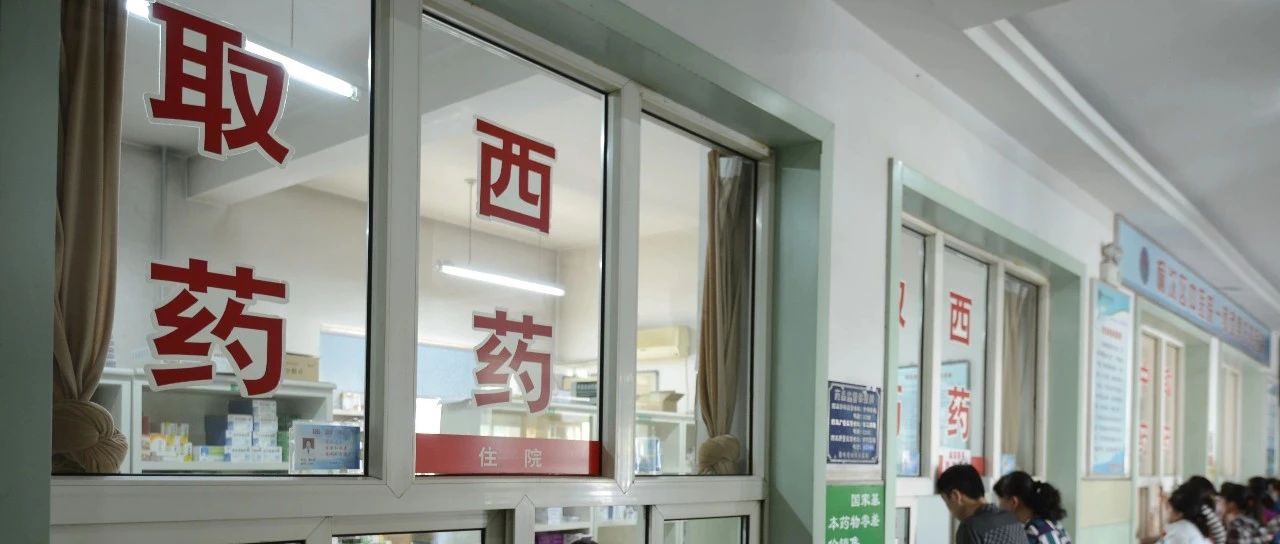
不再锚定“最低价”,国家药品集采迎八大变化
第一财经· 2025-07-16 16:04
Core Viewpoint - The article discusses the launch of the 11th batch of national drug centralized procurement in China, highlighting significant changes aimed at improving transparency, quality, and clinical relevance in the procurement process [1][3]. Group 1: Key Changes in Drug Procurement - The 11th batch of centralized procurement introduces eight major changes, including the abandonment of the "lowest price" anchor, allowing doctors to report quantities by brand, raising bidding qualification thresholds, and enhancing quality supervision [3][4]. - For the first time, the selection process for procurement drugs has been made public, respecting the opinions of clinical doctors and ensuring a more transparent procedure [4][6]. - The selection criteria now include a requirement that at least seven companies must have passed the consistency evaluation for generics, with 122 products meeting this criterion, of which 55 have been selected for procurement [6][10]. Group 2: Clinical Considerations and Expert Opinions - The selection process emphasizes the importance of clinical and pharmaceutical expert opinions, with consultations held to assess the suitability of drugs for procurement [7][8]. - High-risk drugs, such as certain antibiotics and those with narrow therapeutic indices, have been excluded from this batch to ensure patient safety and effective clinical use [8][10]. Group 3: Market Dynamics and Pricing Strategies - New drugs and those under negotiation for national insurance are excluded from procurement, ensuring that only established generics are considered, which helps maintain innovation in the pharmaceutical industry [10][11]. - A new market scale condition has been introduced, where drugs with a procurement amount of less than 100 million yuan in 2024 will not be included, enhancing the scale effect of procurement [11][12]. - The procurement process will now allow medical institutions to report quantities based on specific drug brands, aligning procurement outcomes more closely with clinical needs [12][14]. Group 4: Quality Control and Bidding Requirements - The procurement strategy will no longer use the lowest bid as a reference point, aiming to prevent excessive price competition and ensure rational bidding [15][16]. - A "low-price declaration" will be required from the lowest bidding company to justify their pricing, addressing concerns about unsustainable low bids [18][19]. - The threshold for bidding qualifications has been raised, requiring companies to have at least two years of experience in producing similar formulations, thereby enhancing the quality of generics [19][20].
誉衡药业(002437) - 002437誉衡药业投资者关系管理信息20250716
2025-07-16 12:15
Group 1: Company Overview and Financial Performance - The company reported a revenue of 50 million yuan from self-paid products, with the exception of Lugu Peptide Injection, which is not covered by medical insurance [2] - The impact of the centralized procurement policy on the company's main products has stabilized, with a projected 40% increase in sales for Injection of Multiple Vitamins (12) in 2024 [3] - The company expects a slight decline or flat revenue compared to last year due to the effects of drug procurement policies [4] Group 2: Product Development and Market Strategy - The company plans to expand its product offerings in key areas such as vitamins, cardiovascular, and orthopedic fields [3] - New product launches and market expansions are anticipated, including the sales channels for Sitagliptin Metformin Sustained-Release Tablets and the introduction of Meloxicam Tablets [4] - The company aims to enhance its product pipeline through partnerships, acquisitions, and the introduction of differentiated products [5] Group 3: Research and Development Investment - The company's R&D investment is projected to be 3.97% of revenue in 2024, with plans to increase this ratio to align with industry standards [5] - Future acquisitions will focus on innovative and differentiated products, particularly in traditional Chinese medicine and generic drugs [6] Group 4: Financial Management and Cost Control - The company is committed to reducing costs and improving efficiency, aiming to keep sales, management, and financial expenses at a low level [4] - Cash received from investments at the end of Q1 2025 amounted to 261 million yuan, primarily from the redemption of financial products [6]

职工医保基金支出近2万亿,全国医保最新“年报”透露哪些信息
Xin Jing Bao· 2025-07-16 10:47
Core Insights - The National Healthcare Security Administration (NHSA) released the "2024 National Medical Security Development Statistical Bulletin," highlighting key figures related to health insurance enrollment and fund operations [1][2]. Group 1: Health Insurance Enrollment and Fund Operations - As of the end of 2024, the total number of basic medical insurance participants reached 1.32662 billion, maintaining a coverage rate of 95% [2]. - The total revenue for the basic medical insurance fund (including maternity insurance) in 2024 was CNY 34,913.37 billion, while total expenditures reached CNY 29,764.03 billion, resulting in a cumulative fund balance of CNY 38,628.52 billion [2]. - The employee medical insurance fund (including maternity insurance) reported a revenue of CNY 23,732.47 billion in 2024, a 3.5% increase from the previous year, with expenditures of CNY 19,102.54 billion, marking a 7.6% increase [2]. Group 2: Medical Treatment and Benefits - In 2024, the number of treatment beneficiaries under employee medical insurance was 5.308 billion, reflecting a 9.9% increase year-on-year [3]. - The total medical expenses for employee medical insurance participants reached CNY 20,587.46 billion, which is a 3.6% increase compared to the previous year [3]. Group 3: Long-term Care and Cross-Region Medical Services - By 2024, 49 pilot cities had a total of 18,786.34 million participants in long-term care insurance, with the number of beneficiaries rising from 835,000 in 2020 to 1,462,500 in 2024 [5]. - The number of cross-region medical service visits reached 397 million in 2024, with associated costs amounting to CNY 7,867.74 billion [5]. Group 4: Drug Procurement and Insurance Directory Adjustments - The NHSA has conducted ten rounds of national drug procurement, covering 435 types of drugs, with the eleventh round focusing on established drugs with strict quality requirements [6][7]. - Since its establishment in 2018, the NHSA has dynamically adjusted the medical insurance drug directory for seven consecutive years, adding a total of 835 drugs, with 91 new drugs included in 2024 [8][9].
“新药不集采、集采非新药”,新启动的国家药品集采有哪些变化?
Sou Hu Cai Jing· 2025-07-16 09:12
Core Viewpoint - The national drug procurement initiative aims to reduce medication costs for the public while ensuring the quality and safety of generic drugs through a structured selection process [1][4]. Group 1: Procurement Details - The 11th batch of drug procurement will include 55 drugs, focusing on areas such as anti-tumor, diabetes, and cardiovascular medications [2][3]. - The selection process adheres to the principle of "no new drugs in procurement, only non-new drugs," to protect industry innovation [2][4]. - The procurement list was finalized after three screening phases, with stricter quality requirements imposed on participating companies [4][5]. Group 2: Quality and Safety Concerns - The procurement process emphasizes the need for companies to have at least two years of production experience and compliance with quality management standards [4][5]. - Concerns regarding the clinical efficacy and safety of selected generic drugs have been raised, particularly in relation to price reductions [4][6]. Group 3: Reporting and Selection Process - The procurement rules have been optimized to allow medical institutions to report quantities based on specific brands, enhancing their autonomy in drug selection [7][8]. - The agreed procurement volume will account for 60%-80% of the reported quantities, with adjustments for special categories like antibiotics [8].
向“新”而行、提“质”而上 多点发力推动经济社会发展“一路繁花”
Yang Shi Wang· 2025-07-16 02:43
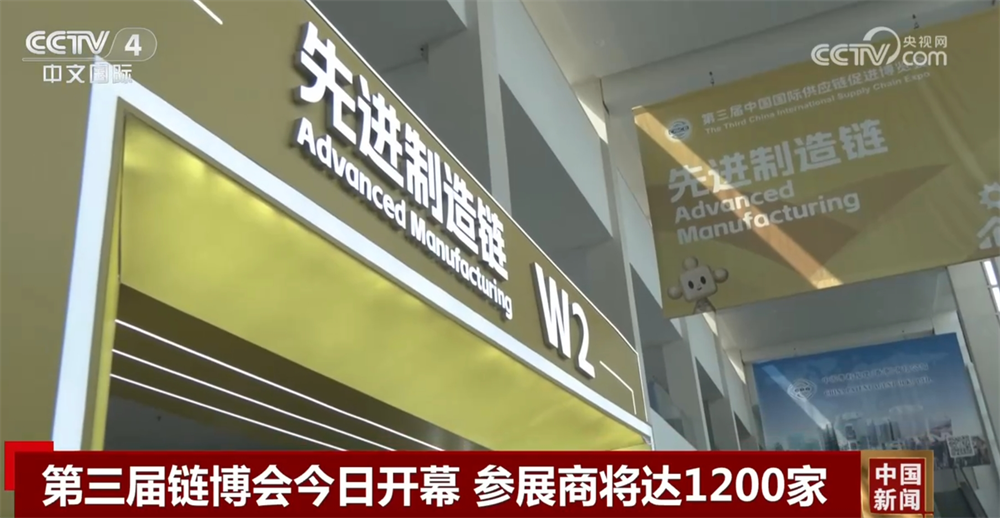
Group 1 - The Chinese Ministry of Finance will issue 60 billion RMB in government bonds in Macau on July 16, marking the fourth consecutive year of such issuances in the region [1] - This issuance is the first RMB bond in Macau since the bond market infrastructure between Hong Kong and Macau was connected, indicating a significant step in regional financial integration [1] - The scale of the bond issuance is a historical high, and the optimized maturity structure is expected to enhance the regular issuance mechanism, supporting the development of Macau's bond market and its economic diversification [1] Group 2 - The third China International Supply Chain Promotion Expo will open in Beijing on July 16, featuring 1,200 exhibitors, including 651 domestic and foreign enterprises [2] - The expo will cover six major supply chain sectors: advanced manufacturing, green agriculture, digital technology, healthy living, smart vehicles, and clean energy [2] Group 3 - The 2025 World Humanoid Robot Games will commence on August 14 in Beijing, with an energy transmission event starting on July 15 at the Badaling Great Wall [4][6] - Eight humanoid robot athletes will participate in the energy transmission activity, showcasing technological innovation and interaction with the public [6][7] - The event will culminate at the National Speed Skating Hall, where all energy cubes will form the "Smart Core," symbolizing collaboration and technological advancement [9][11] Group 4 - The 11th batch of national organized drug centralized procurement has been initiated, including 55 drug varieties, while new drugs will not be included to protect industry innovation [12] - Since 2018, the national level has conducted 10 batches of drug procurement, covering a total of 435 drug varieties [12] Group 5 - The new regulations for individual business registration have been officially implemented, allowing individual businesses to transition to enterprises while retaining their social credit codes and other identifiers, thus reducing the cost of transformation [13] Group 6 - The Barkun Airport in Xinjiang officially commenced operations on July 15, with an annual passenger throughput design capacity of 300,000 and a cargo throughput of 700 tons, enhancing the regional air transport network [14] Group 7 - The flow of the Yellow River at the Lijin hydrological station has receded to 725 cubic meters per second, marking the completion of the 2025 Yellow River water and sediment regulation project, achieving multiple objectives including drought relief and ecological replenishment [15]
国元证券晨会纪要-20250716
Guoyuan Securities2· 2025-07-16 02:17
Key Insights - The report highlights that the US core CPI has been below expectations for five consecutive months, indicating potential shifts in inflation trends [3] - The global smartphone market experienced a year-on-year decline of 1% in Q2 2025, suggesting challenges in consumer demand [3] - China's GDP grew by 5.3% year-on-year in the first half of this year, reflecting a stable economic environment [3] - The eleventh batch of national drug procurement has been initiated, including 55 varieties, which may impact the pharmaceutical industry [3] - China’s biopharmaceutical sector is witnessing significant activity, with a $500 million acquisition of an innovative drug company [3] - Nvidia is set to resume sales of its H20 product in China, indicating a recovery in the tech supply chain [3] - The CEO of Yushutech reported a noticeable increase in robot shipments this year, highlighting growth in the robotics sector [3] - The integration of thousands of vehicles from Luobo Kuaipao into Uber's global mobility network signifies expansion in the ride-hailing market [3] Economic Data Summary - The Baltic Dry Index closed at 1783.00, up 7.22% [4] - The Nasdaq Index closed at 20677.80, with a slight increase of 0.18% [4] - The Dow Jones Industrial Average closed at 44023.29, down 0.98% [4] - The S&P 500 Index closed at 6243.76, decreasing by 0.40% [4] - The ICE Brent crude oil price was $68.86, down 0.51% [4] - The London gold price was $3323.14, down 0.59% [4] - The USD/CNY exchange rate was 7.17, up 0.06% [4] - The Hang Seng Index closed at 24590.12, up 1.60% [4] - The Shanghai Composite Index closed at 3505.00, down 0.42% [4]
第十一批药品集采启动;中生制药收购礼新|21健讯Daily
2 1 Shi Ji Jing Ji Bao Dao· 2025-07-16 00:32
Group 1: Drug Procurement and Regulations - The National Healthcare Security Administration has initiated the 11th batch of national drug centralized procurement, with 55 varieties included in the reporting range [1] - The procurement rules emphasize principles such as "stabilizing clinical use, ensuring quality, preventing collusion, and avoiding internal competition" [1] - Only mature "old drugs" that have been on the market for years and have expired patent protection will be included, while innovative drugs will not be part of this procurement [1] Group 2: Company Announcements and Developments - Xinhua Pharmaceutical's subsidiary received a Class III medical device registration certificate for a sterile saline solution for contact lens care [3] - Sanyou Medical announced that its spinal internal fixation connector system, JAZZSystem, received approval for market launch [4] - China National Pharmaceutical Group fully acquired Lixin Pharmaceutical for a consideration of up to $950.92 million [10] Group 3: Financial Performance - Baicheng Pharmaceutical expects a net profit of 0 to 6 million yuan for the first half of 2025, a decline of 95.53% to 100% year-on-year [6] - Kanglong Chemical anticipates a net profit of 67.92 million to 71.26 million yuan for the first half of 2025, a decrease of 36% to 39% year-on-year, despite a growth in core business [7] Group 4: Clinical Trials and Research - AstraZeneca's Baxdrostat achieved significant results in a Phase III clinical trial for patients with uncontrolled or resistant hypertension [13] - Hengrui Medicine reported positive results from a Phase III clinical trial of its GLP-1/GIP dual receptor agonist, HRS9531, showing a maximum weight reduction of 19.2% [14]


早新闻|锂电突发!这项技术纳入限制类出口
Zheng Quan Shi Bao· 2025-07-15 23:52
Macro Highlights - The Central Urban Work Conference held in Beijing from July 14 to 15 emphasized that urbanization in China is transitioning from rapid growth to stable development, focusing on urban renewal as a key task for the current and future periods [1] Economic Data - The National Bureau of Statistics reported that China's GDP for the first half of the year reached 66,053.6 billion yuan, with a year-on-year growth of 5.3%. The primary industry increased by 3.7%, the secondary industry by 5.3%, and the tertiary industry by 5.5% [2] - In June, the sales prices of commercial residential properties in 70 large and medium-sized cities continued to decline, with first-tier cities seeing a month-on-month decrease of 0.3% for new homes and 0.7% for second-hand homes [2] Financial Regulations - The National Financial Supervision Administration released interim measures for the supervision of local asset management companies, limiting their financing balance with a single client to 10% of their net assets and 15% for a single group client [3] Industry Developments - The Ministry of Industry and Information Technology is soliciting opinions on the draft of mandatory national standards for mobile power supplies, which will impose stricter technical standards on products including power banks [4] - The Ministry of Commerce and the Ministry of Science and Technology adjusted the "Directory of Technologies Prohibited from Exporting and Restricted from Exporting," adding battery cathode material preparation technology to the restricted category [5] - The China Chain Store and Franchise Association issued a proposal to regulate the instant retail market, urging members to avoid price subsidy wars that disrupt market order and threaten sustainable development [6] Price Adjustments - Starting from July 15, domestic gasoline and diesel prices were reduced by 130 yuan/ton and 125 yuan/ton, respectively, translating to a decrease of 0.10 yuan per liter for 92-octane gasoline [7] Company News - Nvidia announced that the U.S. government has assured it will grant licenses, allowing the company to resume H20 chip deliveries [9] - Zhongji Xuchuang expects a net profit of 3.6 billion to 4.4 billion yuan for the first half of 2025, representing a year-on-year increase of 52.64% to 86.57% [9] - *ST Yazhen's stock was suspended due to a significant price deviation, with a resumption expected within three trading days [9] - Bertley and Jinding Private Equity established a partnership to invest in high-growth sectors including humanoid robots and smart transportation [9] - Sinochem International is planning an asset restructuring involving the acquisition of a subsidiary, with stock suspension expected for up to 10 trading days [10] - Siwei Technology anticipates improved gross margins in Q2 as product validation progresses [10] - Several companies, including Sitwei-W and Jinli Yongci, reported significant expected increases in revenue and net profit for the first half of 2025, with growth rates ranging from 47% to over 350% [11]