
能源转型

Search documents
装机规模占全球40%以上 中国引领全球储能产业发展
Yang Shi Xin Wen· 2025-09-19 02:06
Core Insights - The International Renewable Energy Agency (IRENA) released a report titled "Photovoltaics and Energy Storage Supporting Energy Transition," highlighting the current state and future trends of the global energy storage industry [1] - The report emphasizes China's leading role in the global energy storage market, noting that it has become the largest market for new energy storage applications, accounting for over 40% of the global installed capacity [1] - The report identifies lithium-ion batteries and pumped hydro storage as the most economically viable energy storage technologies currently available [1] - Recommendations include integrating energy storage into the top-level planning and design of power grids and increasing global investment in energy storage and grid infrastructure [1] - IRENA's Action Alliance leader, Irina Radosevich-Stefanova, stated that China plays a crucial role in the global clean energy supply chain, particularly in photovoltaic modules, battery cells, and system balance components [1] - The scale effect in China has led to intense competition and learning curve effects, resulting in cost reductions and accelerated global deployment of energy storage technologies [1]
装机规模占全球40%以上 中国引领全球储能产业发展
Yang Shi Xin Wen· 2025-09-19 01:00
Core Insights - The International Renewable Energy Agency (IRENA) released a report titled "Photovoltaics and Energy Storage Supporting Energy Transition," highlighting the current state and future trends of the global energy storage industry [1] - The report emphasizes China's leading role in the global energy storage market, noting that it has become the largest new energy storage application market, accounting for over 40% of the global installed capacity [1] - The report identifies lithium-ion batteries and pumped hydro storage as the most economically viable energy storage technologies currently available [1] Industry Analysis - The report suggests integrating energy storage into the top-level planning and design of power grids, advocating for increased investment in global energy storage and grid infrastructure [1] - IRENA's Action Alliance leader, Irina Radosevich-Stefanova, stated that China plays a crucial role in the global clean energy supply chain, particularly in the fields of photovoltaic modules, battery cells, and system balance components [1] - The scale effect in China has led to intense competition and learning curve effects, resulting in reduced costs and accelerated global deployment of energy storage technologies [1]
我国天然气产业有望绘出“二次成长曲线”——2025秋季天然气产业发展大会观察
Xin Hua Cai Jing· 2025-09-18 13:32
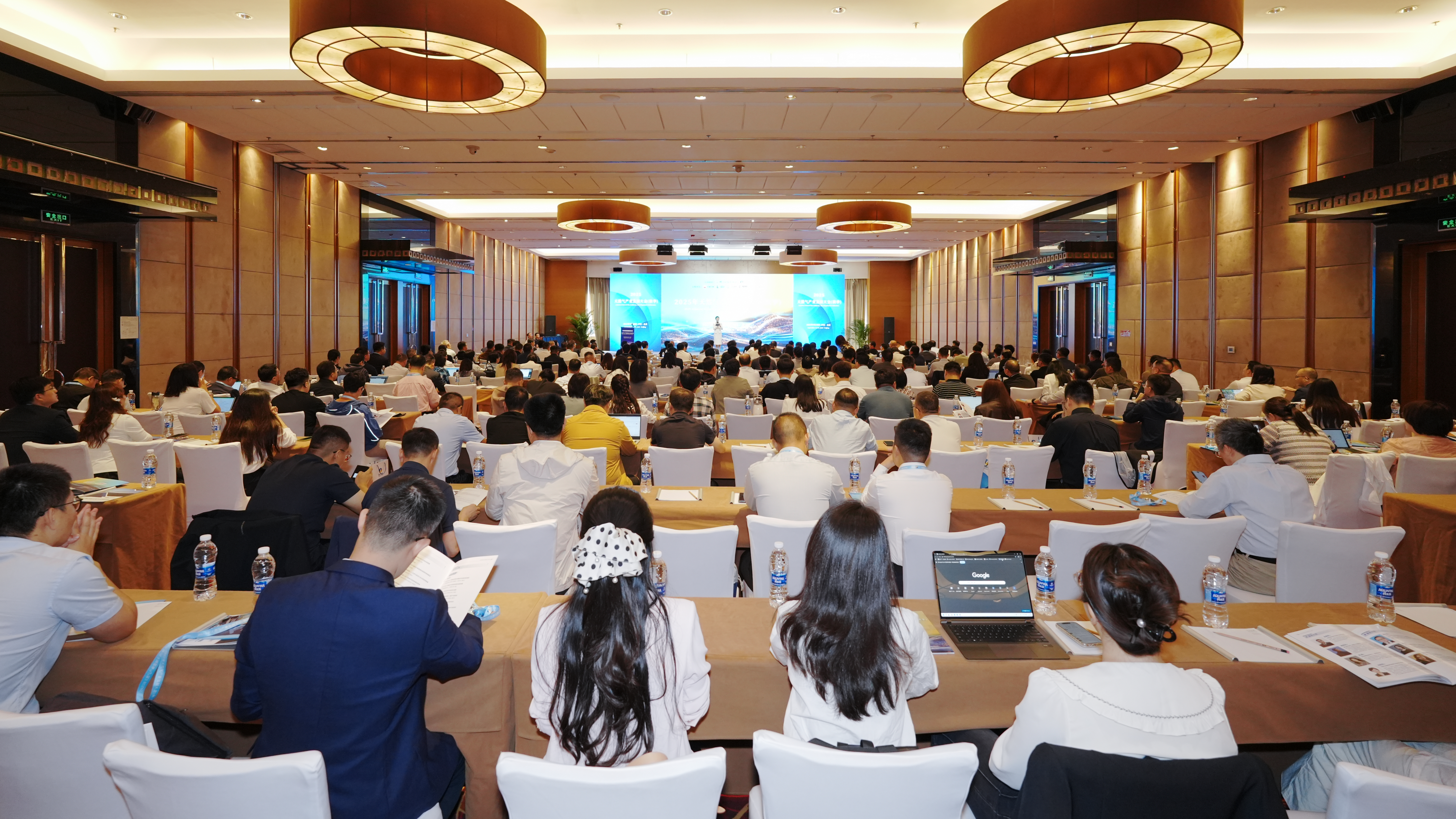
新华财经北京9月18日电(安娜、江宇娟)在新型能源体系加快构建的当下,天然气作为传统化石能源中的清洁能源,应如何把握能源转型带来的机遇?未 来天然气产业是否还能再迎"黄金期"? "今年四季度,乃至未来五年的天然气价格有望进入新的下行通道中。"国家管网集团市场部总经理田中山说,我国作为天然气进口大国,用能成本有望大幅 降低,更好支撑国内经济发展。 中海石油气电集团资源与市场部副总经理沈悦预计,"十五五"期间,随着国产气持续增储上产,进口管道气增量可观,叠加低价液化天然气供应快速增长, 2030年全国可供资源量或在5700亿立方米以上。资源成本下降将进一步激活国内天然气需求。 在9月18日由中国经济信息社、上海石油天然气交易中心主办的2025天然气产业发展大会(秋季)上,与会专家深入交流当下天然气领域热点问题,思想碰 撞交汇,勾勒出产业发展的未来。 00 G 4-8jg 6 F on the e f (Ca.) t Tacks of 19 Clance Case 海峡 f 9 - PA e 100 r 图为2025天然气产业发展大会(秋季)现场(蒋文摄) "在可再生能源飞速发展的今天,天然气以其清洁、灵活、稳定的 ...

华为发布《智能世界2035》报告:展望十大技术趋势将如何塑造我们的未来
Sou Hu Cai Jing· 2025-09-18 12:00
Core Insights - Huawei released two reports, "Intelligent World 2035" and "Global Digital Intelligence Index 2025," outlining the technological evolution path for the next decade [3] - The reports predict a 100,000-fold increase in global computing power by 2035, transforming computing from a specialized tool to a universal social infrastructure [3][25] - The vision emphasizes a human-centered intelligent world, reshaping production methods, lifestyles, and the progress of civilization [3] Group 1: Ten Key Technological Trends - Trend 1: General Artificial Intelligence (AGI) will transition from laboratory to industrial application, with AI expected to handle complex decision-making tasks by 2035 [5][6] - Trend 2: A disruptive change in computing architecture will occur, with a projected 100,000-fold increase in total computing power [7][8] - Trend 3: A fundamental shift in data storage paradigms will take place, with AI storage capacity demand expected to grow 500 times by 2035 [9][10] - Trend 4: The scale of communication networks will increase dramatically, expanding from 9 billion people to 900 billion intelligent entities [11][12] - Trend 5: Energy systems will achieve intelligent management, with renewable energy generation surpassing 50% [13][14] - Trend 6: Interaction methods will evolve to multi-modal experiences, enhancing immersive engagement [15][16] - Trend 7: Health management will shift from treatment to prevention, with chronic disease prevention rates projected to exceed 80% [17][18] - Trend 8: Home robots will become standard, with over 90% of households expected to own smart robots [19][20] - Trend 9: Autonomous driving will redefine travel experiences, with L4+ level autonomous driving becoming widespread [21][22] - Trend 10: Software development will enter a human-machine collaboration era, significantly improving development efficiency [23] Group 2: Computing Revolution - By 2035, total computing power is expected to increase by 100,000 times, necessitating breakthroughs in multiple technology layers [25] - Innovations in computing architecture, such as integrated storage and optical computing, will overcome traditional limitations [25][26] - New computing paradigms, including neuromorphic and quantum computing, will provide superior solutions for specific scenarios [27][28] Group 3: Storage Upgrade - Data will become the "new fuel" driving AI development, with AI storage capacity demand projected to grow 500 times by 2035 [29] - Storage architecture will shift from "data storage" to "data service," enabling intelligent storage systems to understand data content [29] - Data management will transition from manual to intelligent management based on metadata [30] Group 4: Energy Transition - Energy will become a core element limiting AI's rapid development, with renewable energy generation expected to exceed 50% by 2035 [32] - AI will act as the "smart brain" of energy systems, optimizing energy distribution and usage [32] - Infrastructure will evolve towards distributed energy systems, enabling flexible scheduling and sharing of energy resources [32] Group 5: Health Transformation - AI will drive a paradigm shift in healthcare from "passive treatment" to "active prevention," with chronic disease prevention rates projected to exceed 80% [33] - Health prediction models based on multi-modal data will provide personalized prevention recommendations [33] - AI-assisted diagnostics will enhance healthcare efficiency and resource allocation [33] Group 6: Home Life and Enterprise Transformation - The penetration rate of smart home robots is expected to exceed 90%, transforming household tasks and experiences [36] - AI-driven autonomous decision-making will reshape production paradigms, with AI application rates reaching 85% by 2035, potentially increasing labor productivity by 60% [36] - Supply chain management will become more intelligent, with real-time demand forecasting and automated production adjustments [36] Group 7: Challenges and Considerations - The report highlights several core challenges in technological development, including the need for breakthroughs in physical world interaction and energy constraints [38] - Data security and privacy protection will face new challenges, necessitating a balance between data utilization and protection [38] - Ethical considerations in technology will require the establishment of new norms and standards for human-machine collaboration [38] Group 8: Insights and Outlook - The report envisions a future of human-machine collaboration and intelligent inclusivity, where technology evolves from a tool to a decision-making partner [39] - The transformation will require a reevaluation of the relationship between humans and technology, focusing on innovation and top-level design [39] - The competition in the future will extend beyond technology to include vision and hypothesis, with forward-thinking entities likely to lead in the intelligent civilization era [39]
五年冲刺碳达峰,电池企业零碳布局密集“落子”
高工锂电· 2025-09-18 11:01
Core Viewpoint - The article emphasizes the growing importance of "zero carbon" initiatives in the battery industry, highlighting a shift from mere production to comprehensive participation in energy system restructuring and collaboration with local governments to achieve carbon neutrality goals [3][4][16]. Group 1: Zero Carbon Initiatives - The concept of "zero carbon" has become a key driver for regional economic competition, with various cities collaborating on projects like "zero carbon industrial parks" and "microgrid industry clusters" [3][4]. - Major battery companies are actively engaging in partnerships with local governments to develop zero carbon cities, focusing on areas such as electric transportation and renewable energy integration [2][19]. Group 2: Energy Transition Dimensions - The energy transition is characterized by five dimensions: electrification of energy consumption, low-carbon energy production, interactive energy supply and demand, modernization of energy equipment, and scientific governance of energy [5][6]. - Policies from multiple government agencies are increasingly aligning with battery and storage technologies, positioning batteries at the core of the energy transition [5][6]. Group 3: Market Dynamics and Infrastructure - The article outlines significant progress in energy electrification, with electricity now accounting for 30% of total energy consumption, ahead of the "14th Five-Year Plan" target [9][10]. - Key projects like the Yajiang Hydropower Station and the Xinjiang coal transportation initiative are establishing a new type of power system that integrates generation, transmission, and consumption [11][12]. Group 4: Battery Companies' Strategic Shifts - Leading battery companies are transitioning from product manufacturing to becoming comprehensive service providers, integrating technology and business models to enhance their roles in local energy systems [16][20]. - Companies like CATL and Envision are exploring innovative applications in energy storage and microgrid integration, moving beyond equipment supply to actively participate in energy system construction and operation [17][18]. Group 5: Future Competitiveness - The ability of battery companies to deeply integrate into the new energy system will be a decisive factor for their future competitiveness, as their value extends beyond storage to supporting green electricity consumption and enhancing grid resilience [21].

国际可再生能源署:锂电池储能正向更长响应时长突破
Xin Hua Cai Jing· 2025-09-18 10:07
Core Insights - The International Renewable Energy Agency (IRENA) has released its first comprehensive report on energy storage titled "Photovoltaics and Energy Storage Supporting Energy Transition," highlighting advancements in battery technology and the increasing demand for long-duration energy storage [1] - The report predicts that with significant cost reductions in centralized photovoltaic and energy storage projects, "photovoltaics + storage" will become the most economical green energy solution, addressing global electricity demand growth and energy transition needs [1] - The report includes several policy recommendations aimed at establishing national energy storage targets, integrating storage into grid design, enhancing electricity market rules, developing financial products to lower initial investment costs, and creating safety standards for energy storage grid connection [1] Industry Implications - If the proposed policy recommendations are adopted, they could accelerate the decarbonization of power systems, achieving renewable energy and storage targets by 2030 and laying the groundwork for a resilient, fully renewable global energy system [1] - The report is notable for the deep involvement of Chinese companies, particularly CATL, in a global energy storage research initiative, marking a significant collaboration in the photovoltaic and energy storage sectors [1]
又一动力电池项目落地贵州!
起点锂电· 2025-09-18 08:35
Core Viewpoint - The article highlights the establishment of a new smart power battery production project in Bijie, Guizhou, which is part of the local government's strategic plan to enhance the lithium battery industry and attract investment in the region [2][4]. Group 1: New Projects and Developments - The signing ceremony for the Hongjun High Energy (Guizhou) smart power battery production project took place on September 12, marking another significant investment in Bijie [2]. - The project is backed by Hongjun High Energy Technology (Jiangsu) Co., Ltd., which focuses on the research, production, and sales of new energy vehicle batteries and energy storage batteries [2]. - Prior to this project, Hongjun High Energy had planned a smart energy storage battery EPC project in Jiangsu with a total investment of 5.2 billion yuan, aiming for an annual production capacity of 15 GWh [2]. Group 2: Existing Lithium Battery Projects - Bijie has become a hub for multiple lithium battery projects, including those from leading companies in various segments such as cathode materials, electrolytes, batteries, and recycling [4]. - Guizhou Aviation New Energy has established a high-performance lithium-ion battery production line in Bijie, with plans for four phases of development and a total factory area of 33,000 square meters [5]. - The company has seen significant growth, with a production capacity of 32 million units in the first half of the year, an increase of nearly 200,000 units year-on-year, and an expected annual output value of over 350 million yuan [6]. Group 3: Resource Availability and Industry Growth - Guizhou is rich in mineral resources, particularly phosphorus, with reserves of 5.319 billion tons, making it a key area for the lithium battery industry [10]. - The province has attracted major companies like CATL and BYD, fostering the growth of local enterprises such as Zhongwei New Materials and Zhenhua New Materials [10]. - Bijie is developing a closed-loop industrial chain for lithium batteries, integrating coal, electrolyte solvents, and new energy battery materials [11]. Group 4: Economic Impact and Employment - The development of the lithium battery industry in Guizhou is expected to significantly boost the local economy and create numerous job opportunities [11]. - The establishment of these projects not only enhances local employment but also encourages talent return and supports industrial transformation in the region [11].

李雅兰:“十五五”期间中国城市燃气行业仍具广阔发展空间
Xin Hua Cai Jing· 2025-09-18 07:54
Core Viewpoint - Natural gas will continue to play a significant role in the future energy structure amid the ongoing global energy transition, with substantial development potential in China's urban gas industry during the 14th Five-Year Plan period [1][2]. Group 1: Global Natural Gas Market - Global energy demand is showing a clear upward trend, with natural gas leading fossil fuel consumption. By 2024, global natural gas consumption is expected to reach 4.21 trillion cubic meters, marking a historical high [1]. - The global natural gas market supply is becoming more relaxed, with international oil and gas companies increasing investments in the natural gas sector. By 2030, global liquefied natural gas (LNG) supply capacity is projected to reach 600 million tons, which will drive a general decline in global natural gas prices [1]. Group 2: China's Natural Gas Industry - During the 14th Five-Year Plan period, China's natural gas industry has developed steadily, with natural gas consumption maintaining robust growth. The share of natural gas in the primary energy structure has increased to 8.8% from 2020 to 2024 [1]. - However, the growth rate of urban gas consumption in China has slowed, transitioning from rapid growth during the 13th Five-Year Plan to a more stable development phase [1]. Group 3: Opportunities in Urban Gas Sector - There remains significant potential for "coal-to-gas" initiatives in China's urban gas sector, particularly in the top 12 cities by GDP, which still consume approximately 320 million tons of coal, indicating a generally low share of natural gas in the primary energy structure [2]. - Natural gas power generation has considerable growth potential, as its carbon emission intensity is only half that of coal. The current share of gas-fired power in the overall power generation structure is still relatively low, suggesting a need to accelerate the development of the gas power industry [2]. Group 4: Pricing and Safety Concerns - The upstream natural gas pricing mechanism has been largely streamlined, but there are still issues with price transmission in the downstream sector, leading to significant losses for many urban gas companies. There is a call to implement a pricing mechanism that allows natural gas to return to its commodity nature during the 14th Five-Year Plan period [2]. - Urban gas companies are urged to prioritize safety and ensure gas supply security while accelerating strategic transformation and engaging in the new energy market competition [2].
创新体系深化 一组数据看中国清洁能源装备如何“装备世界”
Yang Shi Xin Wen Ke Hu Duan· 2025-09-18 01:28
Core Insights - China's clean energy equipment production has seen rapid growth this year, significantly contributing to the construction of a modern energy system and a new power system [2][6] - The core technology of clean energy equipment has achieved major breakthroughs in self-control, providing a solid foundation for energy security [3][8] Clean Energy Equipment Production Growth - In the first seven months of this year, solar cell production reached 470 million kilowatts, a year-on-year increase of 19.6% [2] - Wind and solar power accounted for 89.9% of newly installed power generation capacity in the first half of the year [2] - China's clean energy equipment has been exported to 108 countries and regions, with steady growth in export value [2] Technological Advancements - Significant advancements in core technologies for clean energy equipment have been made during the 14th Five-Year Plan period [3] - In Deyang, a major production base, 70% of gas turbine units, 60% of nuclear power units, and 40% of hydropower units' key technologies are developed [3] Innovations in Manufacturing - The G50 heavy gas turbine is nearing completion, marking a significant breakthrough in self-developed gas turbines [4] - The world's largest 500-megawatt hydropower unit rotor has been completed using robotic welding, achieving a 99% first-pass yield rate [4] - The first fourth-generation nuclear power plant with complete independent intellectual property rights has been operating stably for nearly two years, with a utilization rate of 75% and a domestic equipment rate of 93.4% [4] Environmental Impact and Efficiency - The two gas turbine units in Zhejiang Anji are expected to achieve an annual power generation of approximately 7 billion kilowatt-hours, reducing carbon dioxide emissions by about 1.86 million tons annually [5] - The efficiency of the gas turbine units is projected to reach 64.15%, significantly improving energy output [5] Transition to Global Market - China's clean energy equipment is transitioning from product exports to industry ecosystem outputs, with projects like the 1000-megawatt pumped storage power station in Cambodia [6] - The successful production of high-end shield pumps for European clients indicates the establishment of a technical and standard system [6] Standardization and International Influence - The rapid development of clean energy equipment in China is significantly influenced by standardization efforts, with 64 new standards established for the wind power industry during the 14th Five-Year Plan [7] - China's participation in international standard-setting has increased its influence, marking a shift from "market for technology" to "technology output standards" [8]
欧洲复兴开发银行将向摩洛哥提供6500万欧元融资
Shang Wu Bu Wang Zhan· 2025-09-17 17:31
Core Points - The European Bank for Reconstruction and Development (EBRD) will provide a loan of €65 million to the Moroccan Credit Bank (CDM) under the Green Economy Financing Facility (GEFF+) [1][2] - The funding consists of two independent loans: €40 million from the MidGEFF and €25 million from the third phase of GEFF (GEFF III) [1] - The financing aims to support medium-sized private enterprises in renewable energy, energy efficiency, sustainable infrastructure, wastewater treatment, seawater desalination, and circular economy projects [1] Group 1 - The MidGEFF loan includes €32 million from Canada through the High Impact Climate Partnership (HIPCA) [1] - The GEFF III loan focuses on small and medium-sized enterprises, with funding directed towards small-scale renewable energy, energy efficiency, green buildings, circular economy, climate adaptation, digital innovation, and blue economy development [1][2] - EBRD will also provide technical assistance to enhance project assessment, implementation, and monitoring capabilities of the Moroccan Credit Bank, funded by the Green Climate Fund and the EU [1] Group 2 - The EU will offer incentive grants to enterprises meeting GEFF III financing conditions to encourage the adoption of low-carbon green technologies and services [2] - A special training program for women entrepreneurs will be established to provide professional guidance in green finance and sustainable technology for those obtaining GEFF III loans [2] - The collaboration between EBRD and the Moroccan Credit Bank aligns with the Green Partnership Agreement signed between Morocco and the EU, focusing on energy transition, decarbonization, and enhancing climate change resilience [2]