量子计算

Search documents
计算机行业:AI智能体Manus发布,阿里推出QwQ-32B
中国银河· 2025-03-11 08:27
Investment Rating - The report maintains a positive investment rating for the computer industry [4] Core Insights - The successful development of the "Zuchongzhi No. 3" quantum computing prototype by a Chinese research team has set a new world record in superconducting quantum computing, demonstrating significant performance improvements and establishing China's leading position in this field [2][33] - The launch of the AI agent Manus by a Chinese team marks a significant breakthrough in AI applications, with expected compound annual growth of 72.7% over the next five years [2][34] - Alibaba's introduction of the QwQ-32B model, with 320 billion parameters, showcases China's growing innovation and technological strength in the global AI industry [3][35] Summary by Sections Global Market Performance - U.S. tech stocks continued to decline, while Chinese and Hong Kong tech stocks, as well as A-share computer stocks, saw increases [11] - The Nasdaq China Golden Dragon Index rose by 4.93%, and the Hang Seng Tech Index increased by 8.43% [12] Industry News - The "Zuchongzhi No. 3" quantum computer features 105 readable qubits and 182 coupled qubits, achieving performance that is a trillion times faster than the fastest supercomputer [2][33] - The AI agent Manus can perform various tasks such as travel planning and stock analysis, indicating a major advancement in AI capabilities [2][34] - Alibaba's QwQ-32B model is designed for local deployment on consumer-grade graphics cards, reducing costs for enterprises [3][35] Key Technology Developments - Apple released the M3 Ultra chip, enhancing performance for Mac products with significant improvements in CPU and GPU capabilities [20] - Qualcomm introduced the X85 5G modem, which supports 5G Advanced and offers peak download speeds of up to 10 Gbps [22] - Intel expanded its Core Ultra series, significantly improving multi-core performance and productivity for business applications [25][26]
量子计算系列研究2:行业简评:量子计算新突破,“祖冲之三号”再破记录
Shanghai Securities· 2025-03-11 02:38
Investment Rating - The industry investment rating is "Overweight (Maintain)" [2] Core Insights - The recent achievement of the "Zuchongzhi No. 3" quantum computing prototype, which operates at 105 qubits, demonstrates a processing speed that is 10 trillion times faster than the current fastest supercomputer, solidifying China's leading position in superconducting quantum computing [2][3] - The Chinese team has surpassed Google's "Sycamore" processor, which operates at 67 qubits and is only 1 billion times faster than supercomputers, by a factor of 100 million [3] - The Chinese government is actively supporting quantum technology development, with plans to establish a "carrier-level" national venture capital fund focusing on cutting-edge fields like quantum technology [3] Summary by Sections Industry Overview - The global quantum computing landscape is shifting from a "follower" to a "leader" position for China, as it is currently the only country achieving quantum supremacy in both photonic and superconducting technologies [3] Technological Advancements - The "Zuchongzhi No. 3" has achieved the first stage of quantum computing development (quantum supremacy) and is paving the way for the second stage (application of dedicated quantum simulators) [3] Investment Recommendations - Recommended companies to watch include: Guandun Quantum, Keda Guokai, Shenzhou Information, Sanwei Xinan, Jida Zhengyuan, Tianrongxin, Geer Software, Guangxun Technology, Fudan Fuhua, Hexin Instruments, Guoxin Technology, and Dahao Technology [4]
亚马逊高管嘲笑微软的量子芯片
阿尔法工场研究院· 2025-03-10 03:28
Core Viewpoint - The article highlights Amazon's skepticism towards Microsoft's claims of a breakthrough in quantum computing with its new processor "Majorana 1," suggesting a gap between marketing and technological reality [1][2]. Group 1: Amazon's Response to Microsoft's Claims - Amazon's quantum technology head, Simone Severini, expressed doubts about Microsoft's claims, stating that the published research does not substantiate the performance of the Majorana 1 processor [2][4]. - Severini's email questioning the credibility of Microsoft's announcement was shared with other Amazon executives, indicating internal concern about the claims [3]. - Amazon's quantum hardware lead, Oskar Painter, criticized Microsoft's marketing efforts, suggesting that they have reached a new level of exaggeration [7][8]. Group 2: Expert Opinions on Quantum Computing - Experts have shown caution regarding the practical applications of quantum chips, with some stating that Microsoft's research, while impressive, lacks significance for building usable quantum computers [11][12]. - Criticism of Microsoft's claims includes the assertion that the technology is not yet scalable and lacks peer review, with researchers acknowledging that their results do not confirm the existence of Majorana zero modes [12]. - The CEO of Oxford Ionics noted that the quantum computing industry is still in its early stages, with many experts uncertain about the advancements claimed by tech companies [18][19]. Group 3: Timeline for Quantum Computing Commercialization - Microsoft believes that large-scale industrial quantum computers could be developed in a few years, contrasting with Amazon's more cautious estimate of 10 to 20 years for commercialization [16][17][18]. - The differing timelines reflect the broader uncertainty in the industry regarding the actual readiness of quantum computing technology for practical applications [16][18].



基础化工:AI for Science:化学研发的超级范式
GOLDEN SUN SECURITIES· 2025-03-09 10:41
Investment Rating - The report maintains a rating of "Buy" for the industry, specifically highlighting companies like Crystal Technology and Zhizhi New Materials as key players in the AI for Science (AI4S) sector [5]. Core Insights - AI for Science (AI4S) is positioned as a transformative paradigm in chemical research, leveraging AI to optimize product formulations, develop new products, and model test results, significantly enhancing research efficiency [10][11]. - The potential market for AI4S is projected to reach nearly $1 trillion, with a significant portion of this growth driven by advancements in various sectors including chemicals, pharmaceuticals, and new materials [3][4]. - China is identified as having the optimal environment for the emergence of AI4S leaders, with a robust chemical manufacturing base and a shift towards research and development [4]. Summary by Sections 1. What is AI for Science? - AI for Science (AI4S) is defined as AI-driven scientific research, recognized as one of the three key directions in AI development [10]. - AI4S enhances research efficiency by optimizing formulations, developing new products, and predicting outcomes through advanced modeling [11]. 2. AI for Science Holds Significant Application Potential - AI4S is particularly promising in new materials, including energy, semiconductors, chemicals, and alloys, with applications in optimizing formulations and accelerating research processes [2][3]. - In the biopharmaceutical sector, AI4S has made breakthroughs in complex problems like protein folding, demonstrating its accelerating impact on drug development [2]. 3. Commercialization and Market Potential - The AI4S market is expected to grow into a multi-billion dollar industry, with estimates suggesting a potential market size of $149 billion at a 2.5% penetration rate, and over $1,400 billion at a 25% penetration rate [3]. - The report emphasizes the importance of localizing AI models to overcome computational limitations, enabling companies to focus on developing specialized models [3]. 4. China's Advantage in AI for Science - China is highlighted as a fertile ground for AI4S development, with companies like Crystal Technology and Deep Origin leading the charge in material science innovation [4]. - The report notes that the transition from production to research in Chinese companies positions them well to capitalize on AI4S opportunities [4]. 5. Industry Trends and Developments - The report discusses the rapid advancements in automated laboratories and the integration of AI with quantum computing, which could further enhance the capabilities of AI4S [17][25]. - AI4S is set to revolutionize material development processes across various sectors, including energy storage and semiconductor manufacturing, by significantly reducing research and development timelines [30][36].
软件与服务:“祖冲之三号”原型机问世,中国量子计算持续突破
Changjiang Securities· 2025-03-07 03:54
Investment Rating - The industry investment rating is "Positive" and maintained [5] Core Viewpoints - The successful development of the "Zu Chongzhi No. 3" prototype, which features 105 qubits (including 105 readable qubits and 182 coupled qubits), marks a significant breakthrough in quantum computing, achieving a speed 15 orders of magnitude faster than the current strongest supercomputers for random circuit sampling tasks [3][4] - China is expected to continue releasing quantum computing achievements, solidifying its leading position in the field, with ongoing research into surface code quantum error correction algorithms [4][8] - Major international tech companies are entering the quantum computing space, indicating that quantum computing may become a key focus area in the technology industry [4][8] Summary by Sections Event Description - On March 3, the University of Science and Technology of China announced the successful construction of the "Zu Chongzhi No. 3" superconducting quantum computing prototype, which can solve quantum random circuit sampling tasks rapidly [3][4] Performance Highlights - The "Zu Chongzhi No. 3" prototype has a coherence time of 72 microseconds, with single-qubit gate fidelity at 99.90%, two-qubit gate fidelity at 99.62%, and readout fidelity at 99.13% [4][8] - It surpasses the latest results published in October 2024 by six orders of magnitude, establishing itself as the strongest quantum computing superiority in the superconducting system [4][8] Industry Outlook - The quantum computing sector is expected to accelerate development, with China focusing on quantum error correction, entanglement, simulation, and quantum chemistry, which will drive the entire quantum technology industry chain [4][8] - The report suggests paying attention to the entire quantum technology industry chain, particularly leading companies in quantum computing and quantum communication [4][8]
中国科学家再破世界纪录!
券商中国· 2025-03-04 14:24
Core Viewpoint - The recent development of the 105-qubit superconducting quantum computing prototype "Zuchongzhi No. 3" by the team from the University of Science and Technology of China demonstrates a significant leap in quantum computing capabilities, achieving a speed that surpasses the fastest supercomputers by a factor of one trillion [1][2]. Group 1 - The "Zuchongzhi No. 3" prototype can process quantum random circuit sampling problems at a speed one trillion times faster than the current fastest supercomputer, setting a new world record for superconducting quantum computing superiority [1][2]. - The prototype includes 105 readable qubits and 182 coupled qubits, with multiple key performance indicators significantly improved compared to its predecessor, "Zuchongzhi No. 2," which had 66 qubits and was already a major advancement in 2021 [2]. - The international academic community recognizes that the development of quantum computing will follow a three-step process: achieving quantum computing superiority, developing quantum simulators with hundreds of qubits, and significantly enhancing qubit manipulation precision and fault tolerance to create programmable universal quantum computers [2]. Group 2 - The research team behind "Zuchongzhi No. 3" is actively exploring various aspects of quantum technology, including quantum error correction, quantum entanglement, quantum simulation, and quantum chemistry [3]. - The team is currently conducting research on surface code error correction with a code distance of 7, with plans to expand to distances of 9 and 11, which will facilitate the integration and manipulation of large-scale qubits [4].

亚马逊,也要搞量子芯片
半导体芯闻· 2025-03-04 10:59
Core Viewpoint - The article discusses the latest advancements in quantum computing, highlighting Amazon Web Services (AWS) and its new Ocelot quantum computing chip, which represents a significant step towards building fault-tolerant quantum computers capable of solving complex problems that traditional computers cannot address [1]. Group 1: Ocelot Chip Development - The Ocelot chip was developed by the AWS Quantum Computing Center at Caltech, utilizing a novel quantum error correction method [2]. - The AWS Quantum Computing Center was established in 2019 with the ambitious goal of creating a fault-tolerant quantum computer capable of large-scale precise computations [4]. - The collaboration involves Amazon, Caltech, and other leading academic institutions to accelerate the development of quantum technology and applications [4]. Group 2: Challenges in Quantum Computing - One of the major challenges in quantum computing is maintaining the stability and fidelity of quantum bits (qubits) while increasing their quantity [6]. - Quantum error correction is crucial for building reliable quantum computers, but current methods require a large number of qubits, making them cost-prohibitive [6]. Group 3: Innovations in Ocelot Chip - AWS researchers have integrated error correction directly into the architecture of the Ocelot chip, prioritizing quantum error correction from the outset [8]. - The Ocelot chip features "cat qubits," which can suppress certain types of errors, potentially reducing the resources needed for quantum error correction by up to 90% compared to current methods [9]. - The resources required to scale Ocelot into a mature quantum computer capable of transformative societal impact are estimated to be only one-tenth of those needed for standard quantum error correction methods [9]. Group 4: Technical Specifications - The Ocelot chip is a prototype consisting of two integrated silicon microchips, each approximately 1 cm² in area, connected electrically [12]. - It comprises 14 core components: 5 data qubits (cat qubits), 5 "buffer circuits" for stabilizing cat qubits, and 4 additional qubits for error detection [12]. Group 5: Competitive Landscape - The release of the Ocelot chip coincides with significant activities in the quantum computing field, including Google's Willow chip, which has 105 qubits and demonstrates breakthroughs in quantum error correction [12]. - Microsoft's Majorana 1 chip, utilizing a topological qubit architecture, aims to enhance stability and scalability, addressing key challenges in the field [12]. - These advancements highlight the intense competition among major players in quantum computing, with different approaches to achieving quantum supremacy [13].

又一巨头推出量子芯片!亚马逊发布Ocelot;苹果将在美国投资5000亿美元;比特币创下2022年以来最大单周跌幅 | 硅谷周报
创业邦· 2025-03-03 02:50
Core Insights - Apple announced a $500 billion investment plan to significantly expand its operations in the U.S. over the next four years, focusing on advanced manufacturing, R&D, data centers, and content production [5][6] - Amazon introduced a new quantum computing chip prototype named Ocelot, which aims to enhance practical quantum computing capabilities [8][9] - Intel postponed the construction of its $28 billion chip factory in Ohio to 2030, marking the second significant delay for the project [10][11] - Microsoft will officially discontinue Skype on May 5, 2025, transitioning users to Microsoft Teams [12][13] - BNY Mellon signed a multi-year agreement with OpenAI to integrate advanced AI technologies into its financial services [14][15] - Bitcoin experienced its largest weekly drop since the FTX collapse in 2022, falling approximately 16% [16][17] Company Developments - Amazon launched a new AI-enhanced version of its voice assistant, Alexa+, which integrates advanced language models and will charge non-Prime members a monthly fee [19][20] - SoftBank is negotiating a $16 billion loan to fund investments in AI, following a previous $18.5 billion loan [21][22] - Dassault Systèmes partnered with Apple to integrate its 3D software with Apple's Vision Pro, enhancing collaborative design capabilities [23][24] - Meta is in talks for a $200 billion AI data center project, although company representatives have denied the reports [25][26] - Adobe released a free mobile version of Photoshop, aiming to attract younger users and expand its mobile market presence [27][28] - Stripe's valuation reached $91.5 billion, with a total payment volume of $1.4 trillion in 2024, reflecting its growing influence in the global payments market [29][30] - Duolingo expects its 2025 revenue to exceed Wall Street estimates, driven by the adoption of its AI features [31][32] - Nokia completed a $2.3 billion acquisition of Infinera, enhancing its position in the optical networking market [33][34] Investment and Financing - Meta is negotiating a $35 billion financing deal led by Apollo Global Management for data center construction [41][42] - Anthropic raised $3.5 billion in funding, significantly exceeding its initial target, to develop advanced AI models [43][44] - Bridgetown Research completed a $19 million A-round financing to develop AI-driven research tools [45] - Microsoft invested in Veeam Software to enhance data recovery solutions with AI technology [46][47] - Quantum Machines raised $170 million in a C-round financing to accelerate its quantum computing technology development [48] - NinjaOne completed a $500 million C+ round financing, reaching a valuation of $5 billion, to enhance endpoint management solutions [49]

亚马逊入局量子芯片
半导体行业观察· 2025-02-28 03:08
Core Viewpoint - Amazon Web Services (AWS) has launched its first quantum computing chip named Ocelot, which represents a significant advancement in achieving error correction capabilities essential for scaling quantum technology [1][2]. Summary by Sections Quantum Chip Development - Ocelot is designed to reduce the cost of achieving quantum error correction by up to 90% compared to existing methods [2]. - The chip utilizes a specialized architecture based on "cat qubits," which were proposed by AWS researchers in 2021 and recently published in a paper in Nature [2]. Technical Specifications - Ocelot consists of two integrated silicon microchips, each approximately 1 square centimeter, containing quantum circuit elements made from superconducting materials [9]. - The chip features 14 core components, including 5 data qubits (cat qubits), 5 buffer circuits for stabilizing data qubits, and 4 additional qubits for error detection [9]. Industry Context - The announcement of Ocelot follows Microsoft's release of its quantum chip Majorana 1, highlighting a competitive landscape among major tech companies in quantum computing [3][7]. - Quantum computing is expected to address complex real-world applications that traditional systems struggle with, such as accelerating drug discovery and improving investment strategies [4]. Future Directions - AWS plans to continue research and development on Ocelot, with the goal of scaling logical qubits while improving performance to achieve a logical error rate lower by nine orders of magnitude than current standards [15][16]. - The company acknowledges that Ocelot is still a research device and emphasizes the need for ongoing innovation and collaboration with academia [16].
小米王炸!SU7 Ultra 52.99万元,让喜欢的人买得起;特斯拉中国版FSD测试屡次翻车;影石创新IPO申请获证监会批复
雷峰网· 2025-02-28 00:16
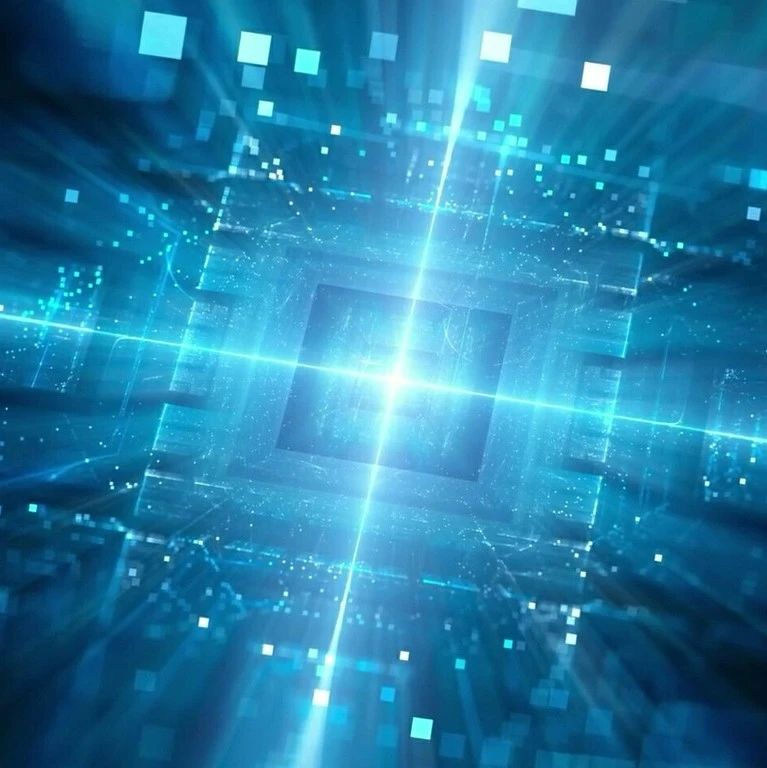
Group 1 - Xiaomi launched its high-end car model SU7 Ultra at a starting price of 529,900 yuan, significantly lower than the previous price of 814,590 yuan, and received over 6,900 orders within 10 minutes [3][4] - Xiaomi's stock price reached a historical high of 58.7 HKD per share before closing at 53.1 HKD, with a market capitalization nearing 1.5 trillion HKD [4] - Xiaomi's founder Lei Jun became the new richest person in China, with a net worth close to 440 billion yuan, primarily from his 24.2% stake in Xiaomi [4][5] Group 2 - Tesla's "China version" of FSD faced criticism after a test driver reported multiple traffic violations, highlighting that the driver remains responsible for any infractions [7][8] - Horizon Robotics was recognized by the capital market and included in the Hang Seng Technology Index and the Hang Seng Composite Index, marking a significant milestone for the company [10] - Aston Martin announced a 49% year-on-year drop in sales in the Chinese market and plans to lay off 5% of its workforce due to a 400% increase in pre-tax losses [26] Group 3 - Nvidia's GPU sales surged due to increased demand for the DeepSeek model, with prices for graphics cards rising significantly [14] - ByteDance's AI IDE, Trae, is set to launch in mainland China, offering features like AI-assisted coding and project generation [15] - Baidu and CATL announced a strategic partnership to collaborate on autonomous driving and digital intelligence [16] Group 4 - Alibaba's spring recruitment for 2026 includes over 3,000 positions, with nearly half related to AI, reflecting a strong focus on AI development [17] - Maimai announced the integration of the DeepSeek-R1 model to enhance recruitment efficiency, boasting 120 million users [18] - Cainiao implemented a long-term cash incentive plan for employees, replacing stock options with cash rewards [19] Group 5 - YingShi Innovation received approval for its IPO on the Sci-Tech Innovation Board, marking a significant entry into the capital market for the smart imaging sector [20] - Intel appointed Wang Zhizong as the Vice Chairman of Intel China, aiming to strengthen its management team [21] - Tencent's new product "Yuanbao" has integrated the full version of DeepSeek, launching a large-scale advertising campaign [22]