
交通一体化

Search documents
承平高速(北京段)京平高速改扩建工程通车
Xin Lang Cai Jing· 2026-01-01 07:31
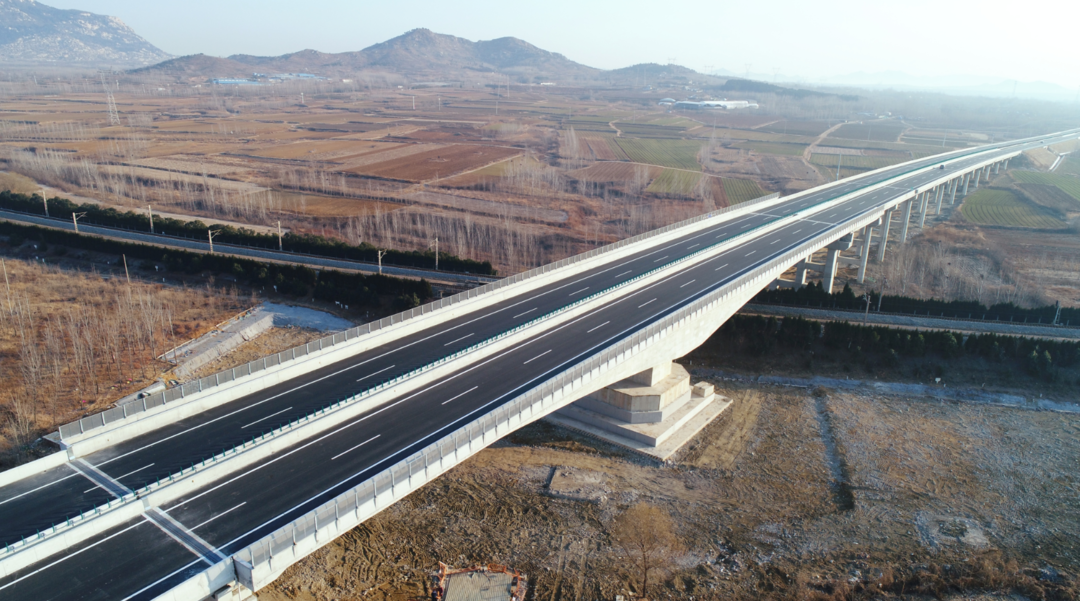
Core Viewpoint - The new construction of Chengping Expressway (Beijing section) and the expansion of Jingping Expressway will be completed and opened to traffic on January 1, 2026, enhancing logistics efficiency and transportation integration in the Beijing-Tianjin-Hebei region [1] Group 1: Project Details - Chengping Expressway (Beijing section) is approximately 34.8 kilometers long, with 26.7 kilometers being newly constructed and featuring a six-lane dual carriageway [1] - The Jingping Expressway expansion project is the first full-section expansion highway project in Beijing, extending about 26.5 kilometers, widening from a four-lane to a six-lane dual carriageway [1] - The two expressways will connect key functional areas such as the Capital International Airport economic zone and the Shunyi innovation industry cluster, significantly contributing to the economic development of Shunyi and Pinggu districts [1] Group 2: Service and Infrastructure - The Jin Hai Lake service area on Chengping Expressway is the largest expressway service area in the Beijing-Tianjin-Hebei region, offering traditional services along with innovative tourism and emergency support functions [1] - The integration of these expressways is expected to inject new momentum into regional collaborative development [1]
邹城至济宁高速公路上跨京沪铁路立交桥工程通车成功
Qi Lu Wan Bao· 2025-12-26 03:01
Core Viewpoint - The successful completion and opening of the 29,000-ton turntable bridge on the Zou Cheng to Ji Ning Expressway marks the full operation of the expressway project, enhancing transportation connectivity in the region [1][3]. Group 1: Project Details - The bridge, designed by China Railway Engineering Design Consulting Group and constructed by China Railway Sixth Group, features a total length of 200 meters with a bridge deck width of 30.8 meters [3]. - The construction involved overcoming challenges such as tight schedules and safety risks associated with working near operational railway lines, with significant milestones achieved by September and October [3]. Group 2: Economic and Regional Impact - The project serves as a critical infrastructure component, facilitating a three-dimensional intersection between the expressway and the Beijing-Shanghai Railway, thereby alleviating transportation bottlenecks between Zou Cheng and Ji Ning [3]. - The completion of the expressway enhances the integration of the Huaihai Economic Zone and supports high-quality economic and social development in the southwestern Shandong region [3][4]. - The Zou Cheng to Ji Ning Expressway is part of a broader highway network plan, connecting various north-south expressways and promoting coordinated urban development [4].

路网加密,京津冀三地居民幸福路越走越宽
Xin Lang Cai Jing· 2025-12-20 12:57
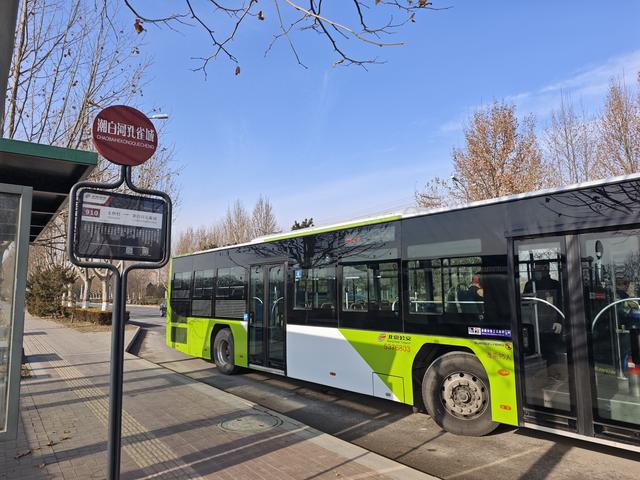
Group 1 - The integration of transportation is a crucial aspect of the coordinated development of Beijing-Tianjin-Hebei, with significant progress made in the construction of key transportation projects since the start of the 14th Five-Year Plan [1] - New transportation links, such as the cross-province bridge and upcoming highways, are enhancing connectivity and improving the quality of life for residents in the region [1] - The launch of the Dachaun to Lucheng subway express bus line has made cross-province commuting more convenient, reducing travel time significantly for local residents [3][4] Group 2 - The Chengping Expressway's Beijing section is nearing completion, which will halve travel time between Beijing and Chengde, enhancing connectivity [6][11] - The Wuling Mountain service area on the Chengping Expressway is designed with eco-friendly technologies, aiming for zero carbon emissions during its operational phase [6][7] - The expansion of the Langzhu Expressway from a four-lane to an eight-lane highway is underway, which will alleviate traffic pressure in the capital region upon completion [10][11] Group 3 - The Dachaun Road is becoming a vital link between Dachaun Station and Beijing, contributing to a multi-dimensional commuting system that integrates high-speed rail, highways, and buses [4] - The construction of the Beijing-Tangshan Intercity Railway has marked the entry of Dachaun into the "high-speed rail era," facilitating faster travel to Tianjin [3][4] - The overall transportation network in the Beijing-Tianjin-Hebei region is evolving into a well-connected system, enhancing regional economic collaboration [1][4]
深耕运营主业 践行价值创造
Zheng Quan Shi Bao· 2025-12-17 19:38
Core Viewpoint - The company is committed to high-quality development in highway management, focusing on operational strength, asset scale expansion, and optimized industrial layout to contribute to the construction of a strong transportation province in Shanxi [1] Group 1: Operational Enhancements - The company has implemented a maintenance management improvement project, creating a new model of "data-enabled highway maintenance" that significantly enhances management precision and efficiency [1] - High standards are set for upgrading service areas, creating open integrated transportation and tourism service zones [1] - The company has completed the transformation of six toll stations into smart booths and implemented unmanned supervision on key road sections [1] Group 2: Business Optimization - The company is actively optimizing its business layout and has successfully integrated quality resources through cash contributions, completing asset injections and asset securitization projects [2] - It has accelerated the upgrade of qualifications for its affiliated engineering company, achieving multiple new construction and specialized contracting qualifications [2] - The company is developing a new path for "transportation-energy integration" by constructing and operating gas stations and methanol refueling stations [2] Group 3: Green Energy and Innovation - The company is advancing green energy and low-carbon transformation by promoting distributed photovoltaic projects and charging station construction, establishing nine "solar-storage-charging-supply" demonstration stations [3] - It is exploring an integrated intelligent control system for renewable energy and storage facilities along highways, aiming for a self-sufficient comprehensive energy system [3] - The company has implemented cash dividends totaling 359 million yuan over two years, promoting value creation and enhancing corporate governance [3] Group 4: ESG and Governance - The company is committed to sustainable development and has initiated the construction of an ESG system, with its first ESG report receiving an A rating from Wind [3] - It is deepening the integration of state-owned enterprise reforms with capital market requirements and enhancing internal control, risk management, and compliance systems [3] - The company is focusing on building a "six-integration" party-building brand to align party leadership with core business operations [3]

成渝地区双城经济圈标准化协同五年来,民生交通生态实现融合共治 地相邻民相亲 如今“圈”相融
Si Chuan Ri Bao· 2025-12-05 07:24
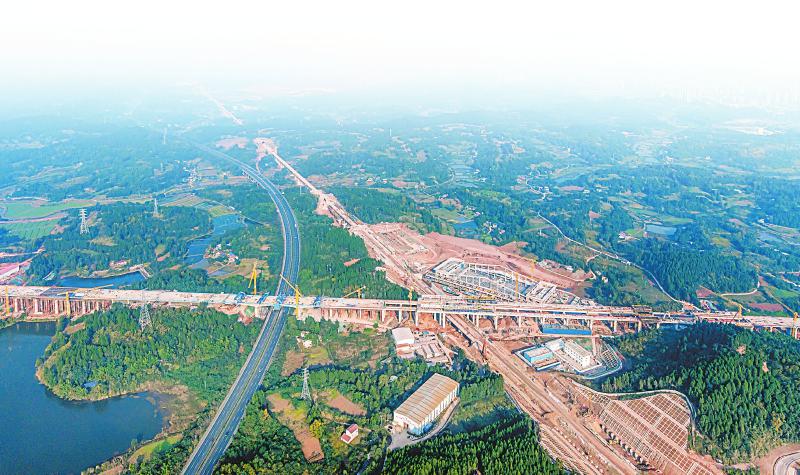
Core Insights - The construction of the Lezhi High-speed Railway Station, which serves both Chengda-Wan and Chengyu Central Line High-speed Rail, is accelerating [2] - Over the past five years, the Chengdu-Chongqing economic circle has made significant progress in standardization, with 17 regional local standards and 31 group standards established [2][3] - The two regions have implemented a cross-province traffic standardization mechanism, enhancing public transport integration and environmental protection efforts [2][6] Standardization and Public Services - A total of 63 standardization experts have been mutually appointed, contributing to the establishment of digital standard databases for new energy vehicles and biomedicine [2] - The two regions have optimized public service standards across nine major areas, including education, healthcare, and housing, enhancing the convenience for residents [4] - The implementation of a unified 12345 government service hotline has improved interconnectivity between the two regions [5] Transportation Integration - The establishment of a cross-province traffic standardization mechanism has led to a significant improvement in transportation efficiency, with a 20% increase in traffic flow efficiency [6] - The optimization of 26 inter-provincial bus routes has reduced commuting time by 60% [7] - The integration of over 300 bus stations and 1,123 routes has enabled a unified ticketing system for public transport [7] Environmental Collaboration - The ecological restoration of abandoned mines in the region has seen a vegetation coverage increase from 50% to 85% through standardized practices [8] - Joint efforts have been made to address cross-border pollution by establishing unified air pollutant emission standards for high-energy-consuming industries [8] Tourism Development - The launch of the "Bashu Corridor: Chengdu-Chongqing Together" tourism routes aims to enhance cultural and tourism collaboration between the two cities [9] - The Chengdu-Chongqing tourism card integrates over 50 popular attractions, facilitating seamless travel between the two regions [9]
武天高速冲刺年底建成 武汉至天门车程将缩短至1小时
Chang Jiang Ri Bao· 2025-11-27 01:09
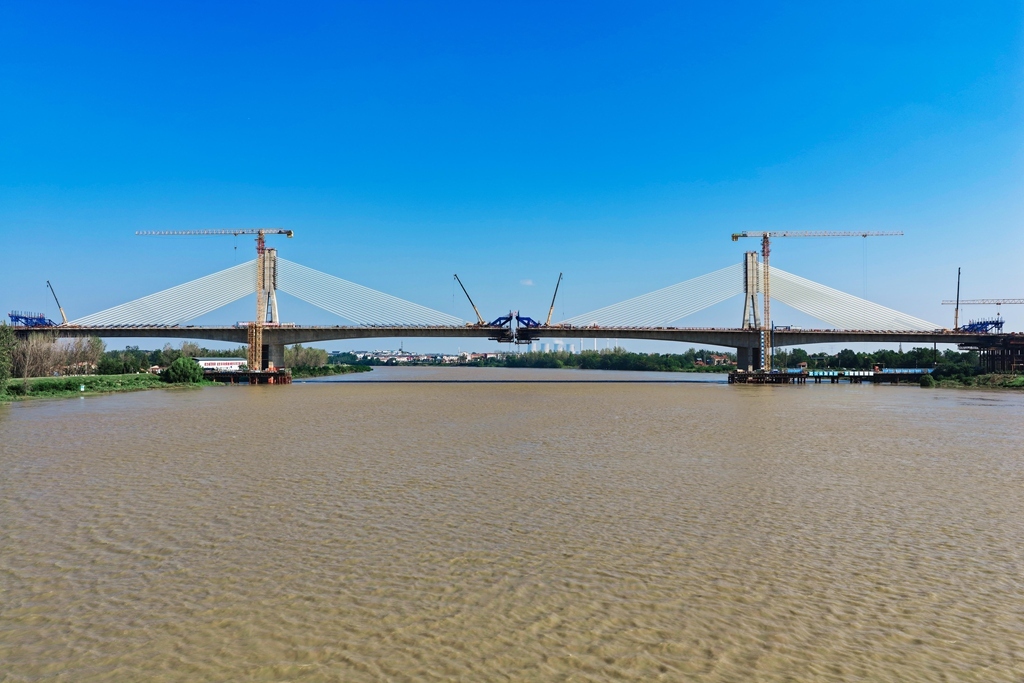
Core Viewpoint - The construction of the Wutian Expressway is nearing completion, which will significantly enhance connectivity in the Wuhan economic circle and promote regional development [1][3]. Group 1: Project Progress - The Wutian Expressway's construction is in a critical phase, with the middle asphalt layer completed at 82% and the upper layer at 46% [2]. - The Ma口汉江 Bridge is undergoing final construction efforts, with workers engaged in concrete pouring and steel reinforcement [2][4]. Group 2: Economic Impact - The expressway will reduce travel time from Wuhan to Tianmen from 2 hours to 1 hour, facilitating the integration of Tianmen into the "1-hour economic circle" of Wuhan [3]. - The Wutian Expressway is a vital part of the national comprehensive transportation network, enhancing the connectivity between the Yangtze River Delta and the Chengdu-Chongqing economic circle [3]. Group 3: Regional Development Initiatives - The Wuhan Municipal Transportation Bureau is actively tracking project progress and has organized regional transportation meetings to promote coordinated development [5]. - A work plan for the Wuhan metropolitan area has been established to ensure the effective implementation of regional transportation integration [5].
京津冀迈向世界级城市群还有多远
21世纪经济报道· 2025-11-07 07:41
Core Viewpoint - The article emphasizes the importance of transportation integration and industrial collaboration in the Beijing-Tianjin-Hebei (Jing-Jin-Ji) region, highlighting the region's potential to become a world-class urban agglomeration through effective synergy between innovation and manufacturing [1][2][19]. Transportation Integration - The transportation integration in the Jing-Jin-Ji region has significantly improved over the past decade, with high-speed rail coverage reaching 2,624 kilometers by the end of 2023, enabling half-hour access between Beijing and Xiong'an, and one-hour access to neighboring cities [5][9]. - The opening of new high-speed rail lines and improved highway access has made travel from Beijing to cities like Hejian much more convenient, reducing travel time to approximately one hour [4][6]. Industrial Collaboration - Industrial collaboration is identified as a key focus for the Jing-Jin-Ji region, with the aim of leveraging Beijing's technological innovation and the manufacturing capabilities of Tianjin and Hebei [2][10]. - The article notes that the automotive industry in the region has seen significant growth, with local sourcing rates for parts reaching 22% for companies like Xiaomi, and the total output value of the automotive industry in the region exceeding 840 billion yuan [14][18]. Tourism Development - The rise in tourism in Hebei is attributed to improved transportation infrastructure, with increased visitor numbers to destinations like Beidaihe and Chongli, driven by the convenience of travel from Beijing [8][11]. - Local officials express the need for more industrial development beyond tourism, indicating that while tourism brings people, it has limited economic impact [11][13]. Challenges in Collaboration - Despite progress, there are challenges in achieving effective industrial collaboration, particularly in aligning Beijing's innovation capabilities with the manufacturing needs of Tianjin and Hebei [20][22]. - The article highlights a disparity in industrial strengths, with Beijing focusing on high-tech and services, while Hebei remains reliant on traditional manufacturing, indicating a need for better integration and resource sharing [22][23]. Future Prospects - The article suggests that with continued efforts in infrastructure development and industrial synergy, the Jing-Jin-Ji region has the potential to evolve into a world-class urban cluster, particularly in the context of the ongoing AI-driven industrial revolution [25][26].
天津市网络货运规模位居全国第一
Zhong Guo Jing Ying Bao· 2025-10-31 17:43
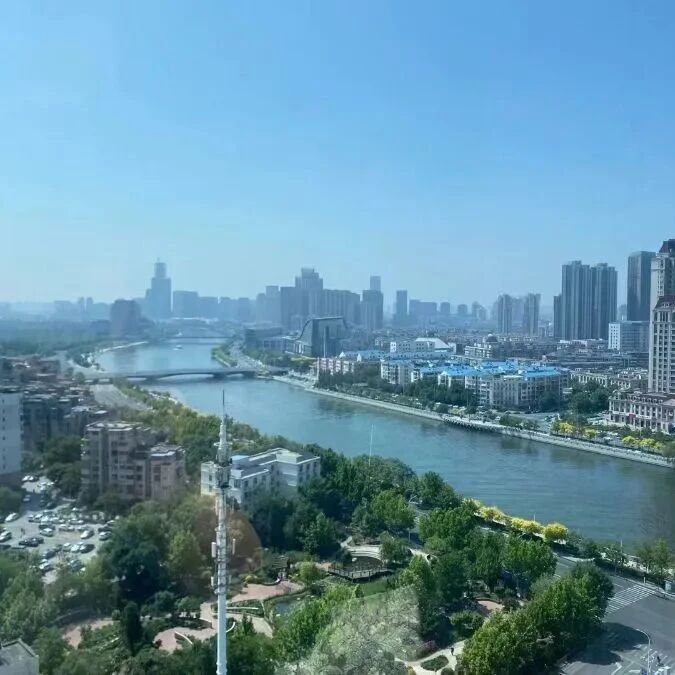
Core Insights - Tianjin has made significant progress in transportation infrastructure over the past five years, establishing a comprehensive multi-dimensional transportation network and enhancing its port capabilities [1][2][3][4] Group 1: Transportation Infrastructure Development - Tianjin has completed the main framework of its comprehensive transportation network, including "one belt, three axes, and two corridors" [1] - The number of berths for vessels over 10,000 tons has increased by 24 since 2020, reaching a total of 147 [1] - High-speed rail mileage has increased by 32%, totaling 410 kilometers, with 88% of the planned "nine horizontal and six vertical" expressway network completed, amounting to 1,358 kilometers [1] Group 2: Economic and Strategic Integration - The city has supported the integration of the Beijing-Tianjin-Hebei region, transitioning from "short board supplementation" to "network optimization and quality enhancement" [2] - Four high-speed rail lines connect to Beijing, and the framework for "railway-based Beijing-Tianjin-Hebei" has been established with 12 high-speed rail stations in operation [2] Group 3: Service Quality and Efficiency - The city has implemented quality improvement actions across ten transportation sectors, with projected passenger volumes for rail, air, and urban transit in 2024 reaching 56.69 million, 18.44 million, and 640 million respectively [3] - The annual traffic volume on highways is expected to reach 254 million trips, with a growth rate of 4.4% [3] - The logistics sector has seen significant growth, with railway, highway, and waterway freight turnover projected to reach 55.1 billion, 71.6 billion, and 181.1 billion ton-kilometers respectively in 2024 [3] Group 4: Innovation and Sustainability - Tianjin is focusing on smart, green, safe, and high-quality development in transportation, with initiatives for digital transformation and autonomous driving testing [4] - The city has achieved a high percentage of new energy vehicles in public transport, with 87.2% in buses and 74% in taxis [4] - Safety measures in the transportation sector have improved, with significant progress in risk prevention and safety regulation [4]
世界最长海底双向六车道高速公路隧道开工
Zhong Guo Xin Wen Wang· 2025-08-28 14:13
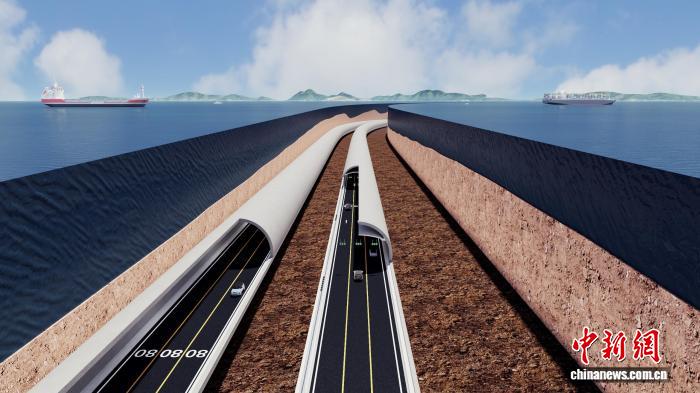
Core Points - The construction of the world's longest underwater dual-direction six-lane highway tunnel has officially commenced, marking a significant step in the integration of transportation in the Yangtze River Delta region [1][2] - The project, known as the Ningbo-Qidong Highway, has a total investment of approximately 31.3 billion RMB and spans about 46 kilometers, connecting Ningbo to Zhoushan [1] - The underwater tunnel, measuring approximately 11.6 kilometers, is designed to handle high water pressure and complex geological conditions, utilizing advanced technologies for construction [1] Investment and Economic Impact - The completion of the Ningbo-Qidong Highway will create a "dual channel" for Zhoushan, alleviating current traffic pressure and enhancing transportation efficiency [2] - This infrastructure project is expected to strengthen connections between Zhoushan and major cities in the northern Yangtze River Delta, including Ningbo, Hangzhou, and Shanghai, thereby accelerating regional integration and development [2]
2024年北京中度及以上级别拥堵天数比上年减少12天
Xin Jing Bao· 2025-08-01 09:52
Core Insights - The 2025 Beijing Transportation Development Annual Report highlights significant achievements in transportation integration and infrastructure development in the Beijing-Tianjin-Hebei region, marking the tenth anniversary of the collaborative development strategy [1][2] Group 1: Transportation Infrastructure - In 2024, Beijing added 43 kilometers of urban rail transit, bringing the total operational mileage to 879 kilometers, the highest in the country [1][4] - Fixed asset investment in the transportation sector reached 83.37 billion yuan, a 6.2% increase from the previous year, with public transportation accounting for 49.3% of total investments [4] - The completion of major rail projects, including the Beijing-Zhangjiakou High-speed Railway and the Beijing-Xiong'an Intercity Railway, has enhanced regional connectivity [2] Group 2: Traffic Efficiency and Congestion Management - The average road traffic index during peak hours in central urban areas decreased by 3.8% to 6.08, indicating improved traffic flow [5] - Days of moderate to severe congestion reduced by 12 days to a total of 241 days [5] - The total passenger volume for urban public transport reached 7.347 billion, a 4.2% increase, with urban rail transit accounting for 3.622 billion passengers, up 4.9% [5] Group 3: Public Transport Development - The introduction of 38 cross-provincial bus routes and the expansion of customized bus services have improved commuting options in key areas around Beijing and Tianjin [3] - The "One Card" system for seamless travel across the Beijing-Tianjin-Hebei region is being increasingly adopted [3] - The proportion of green travel reached 75.6%, with significant increases in bicycle usage by 4.3 percentage points [4]