
产业高质量发展

Search documents
广西重拳整治重金属污染 力推有色金属产业高质量发展
Zhong Guo Xin Wen Wang· 2026-01-29 10:56
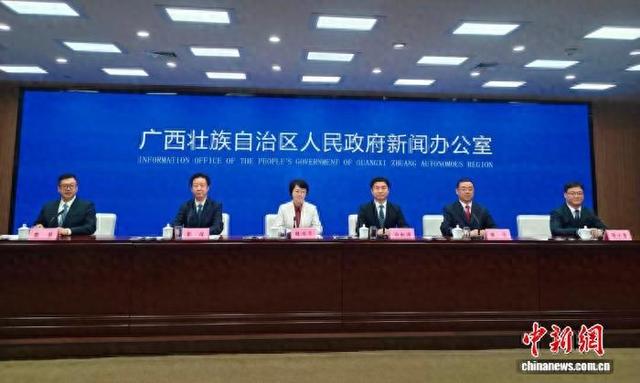
中新网南宁1月29日电(张广权 蒋思蓓)广西壮族自治区人民政府新闻办公室29日在南宁召开新闻发布 会,通报该区2025年以来涉重金属环境安全隐患排查整治及有色金属关键金属产业高质量发展工作情 况。 广西壮族自治区人民政府副主席眭国华在会上表示,广西坚持"壮士断腕"的决心整治污染,同时推动产 业向高端化、智能化、绿色化转型,力求实现生态环境保护与产业发展协同共进。 图为会议 现场。蒋思蓓 摄 广西素有"有色金属之乡"之称,但长期的矿产资源开发也积累了一些生态环境问题。眭国华介绍,2025 年,广西成立了由党政主要负责同志担任组长的专项工作领导小组,建立五级书记齐抓共管机制,聚焦 重点流域、行业和企业,完成了全面排查。累计发现需整治涉重金属污染源1919个,其中1564个已立行 立改,其余355个正按"一企一策"方案分类整治。 在严厉整治的同时,广西着力推动有色金属关键金属产业破局起势。眭国华指出,工作重心将从"以治 标为主"转向"标本兼治",在"整治、惩处、整合、开放、提质"五方面持续发力。其中,"整合"是关 键,旨在扭转矿产资源开发"小散乱"局面。目前,广西2612个采矿权、2411家涉矿企业底数已摸清,下 ...

“大国工匠助企甘肃行”活动在兰州开展
Xin Lang Cai Jing· 2026-01-29 09:26
Core Viewpoint - The "Great Craftsman Assisting Enterprises in Gansu" event aims to align the technical advantages of national craftsmen with the industrial development needs of Gansu, serving as a significant opportunity to transform resource advantages into industrial and developmental strengths [1]. Group 1 - The event was launched in Lanzhou and attended by key figures including the Vice Chairman of the National Federation of Trade Unions and the Chief Skills Expert of China Aerospace Science and Technology Corporation [1]. - The initiative is designed to enhance the high-quality development of the economy and society in Gansu by acting as a bridge to support small and medium-sized enterprises (SMEs) in overcoming technical challenges and improving employee skills [1]. Group 2 - The one-day event involved 50 national craftsmen and 20 local craftsmen from Gansu, organized into 12 working groups to engage with 19 enterprises in Lanzhou and Lanzhou New Area [2]. - Activities included technical guidance, skill training, collaborative problem-solving, and the signing of assistance agreements, all aimed at addressing key operational needs such as production, technological innovation, and market expansion for the participating enterprises [2].
新能源出口退税“退坡了”
Ren Min Ri Bao· 2026-01-26 22:55
Core Viewpoint - The recent policy changes in China regarding the cancellation of export tax rebates for photovoltaic and battery products aim to address the "involution" competition in the new energy sector, promoting healthier industry development and supporting the global green transition [1][3]. Export Tax Rebate Changes - Starting April 1, 2026, China will fully cancel the 9% export tax rebate for 249 photovoltaic-related products, marking the first complete cancellation since 2013 [2]. - The export tax rebate for battery products will be reduced from 9% to 6% until the end of 2026, after which it will be completely eliminated [2]. - The adjustments are intended to combat the adverse effects of low-price competition and to ensure that the export tax rebate does not inadvertently subsidize foreign buyers [4][10]. Industry Competition and Regulation - The photovoltaic industry has been experiencing severe "involution" competition, leading to declining export prices and profit losses for domestic companies [4]. - The Chinese Photovoltaic Industry Association has indicated that the current practices have transformed the export tax rebate into a subsidy for foreign markets, increasing the risk of international trade disputes [4]. - Recent measures include strengthening antitrust regulations and promoting self-discipline within the industry to mitigate irrational competition [5][8]. Industry Self-Regulation Initiatives - The Ministry of Industry and Information Technology has been actively promoting self-regulation in the battery sector, including organizing meetings to discuss industry competition and development [6][7]. - Regulatory bodies are focusing on enhancing market supervision, optimizing capacity management, and ensuring product quality to foster a healthier competitive environment [7][8]. Long-term Industry Outlook - The cancellation of export tax rebates is expected to lead to a rationalization of export prices and a reduction in trade friction, ultimately benefiting the industry's long-term health [10][12]. - The focus is shifting towards technological innovation and quality improvement, with an emphasis on developing high-value products such as high-efficiency photovoltaic cells and long-duration energy storage batteries [12].
农业农村部:稳定肉牛生产 加快奶业纾困工作
Yang Shi Wang· 2026-01-26 12:39
央视网消息:据农业农村部网站消息,1月23日,农业农村部召开专题会议,贯彻落实中央农村工作会 议、全国农业农村厅局长会议精神,研究部署稳定肉牛生产加快奶业纾困工作。 会议指出,去年以来,农业农村部认真贯彻党中央、国务院决策部署,坚持有效市场和有为政府相结 合,出台一系列有力举措,肉牛养殖扭亏为盈,奶牛养殖亏损逐步收窄,产业纾困取得积极成效。 会议强调,当前肉牛奶牛稳生产、促升级任务仍然十分繁重。聚焦当前,要加快落实各项纾困支持政 策,千方百计稳定基础产能,加强银政企户对接,加大信贷支持,推进奶业养殖加工一体化发展。聚焦 中长期,要练好内功,系统谋划产业高质量发展的方向和路径,以稳产、提质、增效为目标,围绕草、 料、种、医、管、加各环节协同发力、补强短板,促进全产业链提档升级,不断提升肉牛奶牛产业素 质。要加强部门协同、上下联动,凝聚工作合力,确保各项工作措施落实落地、取得实效。 ...
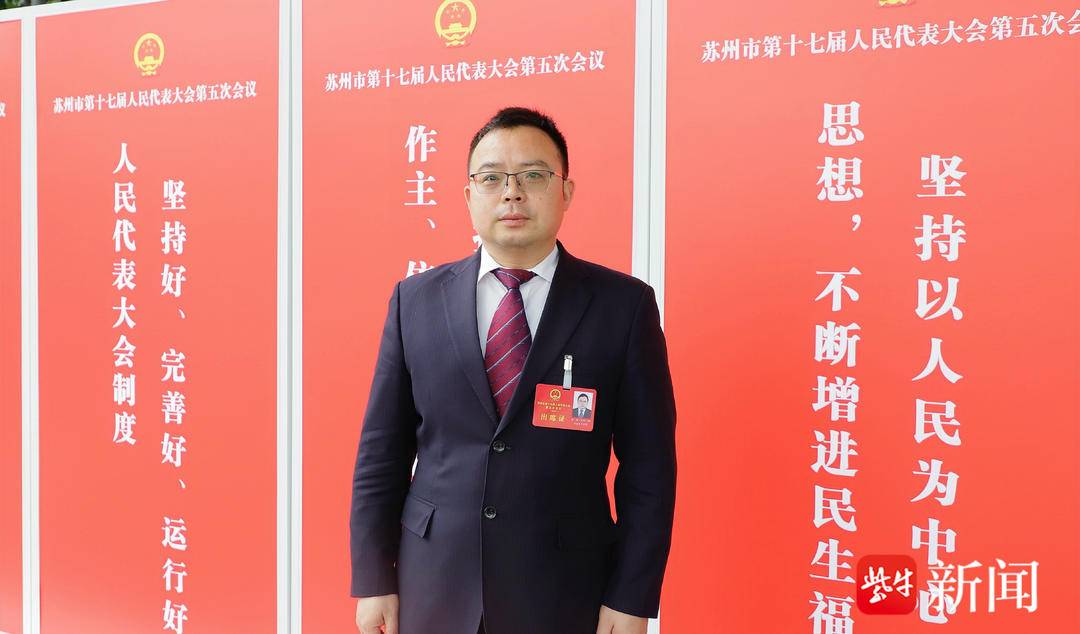
苏州市人大代表樊奇:强化双元制职业教育支撑作用,持续拓展服务场景
Yang Zi Wan Bao Wang· 2026-01-25 08:38
Core Viewpoint - The article emphasizes the importance of strengthening dual vocational education in Suzhou, advocating for a collaborative framework involving government, educational institutions, and industry to enhance the effectiveness of vocational training [1][3]. Group 1: Recommendations for Dual Vocational Education - The government should enhance its support for dual vocational education and expand its service scenarios, creating a system that integrates government leadership, school-enterprise collaboration, and industry supervision [3]. - There is a call to leverage the Sino-German dual vocational education model to cultivate international skills that meet local industry demands, promoting a deep integration of advanced vocational education models with domestic needs [3]. Group 2: Areas of Focus for Implementation - The promotion of dual vocational education should extend from Taicang to Suzhou and the Yangtze River Delta region, broadening its regional impact [3]. - The scope of dual vocational education should expand from manufacturing to include service industries and smart agriculture, aiming for comprehensive coverage across primary, secondary, and tertiary sectors [3]. - The initiative should also target a wider range of enterprises, extending from German companies to state-owned and private enterprises, facilitating the integration of education, technology, and talent development to support high-quality industrial growth [3].
产业动态 | 【城市节拍】2025年上海经信领域执法质效提升十件大事
Xin Lang Cai Jing· 2026-01-23 12:51
Core Viewpoint - The article emphasizes the integration of law enforcement and service to promote high-quality industrial development, focusing on optimizing the business environment and ensuring compliance in key sectors such as radio, electricity, and drones [1][7]. Group 1: Law Enforcement and Compliance - In 2025, there will be a focus on key areas such as radio, electricity, and drones, with a plan to investigate a number of illegal activities while effectively regulating disruptive behaviors in the market [1][7]. - The number of cases handled increased by nearly 10% year-on-year, while the amount of fines decreased by nearly 20%, indicating a balance between enforcement strength and service warmth [1][7]. - A notable case involved a restaurant service company that was not penalized for exceeding power capacity, highlighting a shift towards promoting compliance rather than punishment [1][7]. Group 2: Legal Education and Support - A series of legal education activities titled "Park Tour" will be held from July to October 2025, targeting over 200 market entities and 350 company representatives to enhance compliance capabilities [2][8]. - The "Compliance Guidelines for Development" initiative aims to provide small and micro enterprises with targeted legal guidance through interactive formats, shifting from broad legal education to precise, tailored support [2][8]. Group 3: Integrated Services - The establishment of the "Shanghai Regional Model Approval Technical Testing Service Station" in 2025 will provide a one-stop service for enterprises, including policy guidance and technical support [3][8]. - Nearly 1,800 enterprises received efficient technical testing services for over 4,000 devices, aiding in market expansion and reducing product launch cycles [3][8]. Group 4: Regulatory Optimization - The article discusses the optimization of administrative inspections to create a favorable environment for industry development, including the implementation of a dynamic management system for inspection items and subjects [4][9]. - The proportion of cross-departmental joint inspections has increased by nearly 82%, indicating a move towards more coordinated regulatory efforts [4][9]. Group 5: Crime Prevention and Monitoring - A strong crackdown on illegal radio signals, including "black broadcasts" and "pseudo base stations," has been maintained, with a comprehensive monitoring network established [6][10]. - Over 30,000 hours of monitoring were conducted, with a focus on significant events, achieving zero incidents of "pseudo base stations" and "black broadcasts" for the year [6][10]. Group 6: Comprehensive Supervision - A full-chain regulatory system is being developed to ensure quality control across detection, production, and distribution, with inspections conducted on testing institutions and production enterprises [5][11]. - The article highlights the importance of both online and offline checks to enhance market regulation, covering over 300 enterprises and nearly 2,000 devices [5][11]. Group 7: Exam Security Measures - Collaboration with examination authorities has been strengthened to ensure radio safety during major exams, with extensive monitoring and emergency plans in place [8][12]. - More than 150 mobile monitoring vehicle deployments and 300 monitoring devices were utilized to safeguard the integrity of over 40 important examinations [8][12]. Group 8: Capacity Building for Law Enforcement - A dual mechanism of "training + drills" has been established to enhance the capabilities of law enforcement personnel, focusing on compliance and effective enforcement [9][13]. - The article emphasizes the need for continuous improvement in the precision of administrative penalties and the establishment of a clear framework for penalty discretion [9][13].
破局转型 敢闯敢试
Guang Xi Ri Bao· 2026-01-23 02:46
Core Insights - The establishment of the Science and Technology Innovation Pilot Zone in Guangxi (Guilin) marks a significant strategic deployment for the region, entering a new phase of comprehensive implementation [1] - The initiative aims to address bottlenecks in technology transfer, innovation capabilities, and collaborative openness in Guangxi, positioning Guilin as a hub for innovation and technology cooperation with ASEAN [2][3] Group 1: Reasons for Establishment - The pilot zone is designed to create a unique innovation path tailored to Guangxi's realities, facilitating a full chain from basic research to market application [2] - Guilin's strong educational and industrial foundation, including 16 higher education institutions and 10 prominent research institutes, supports its selection as the pilot zone [3][4] Group 2: Industrial Foundation - Guilin has developed a modern industrial system focusing on information technology, advanced manufacturing, biomedicine, and other key sectors, with significant technological achievements [6] - The optical electronics industry is projected to achieve over 5 billion yuan in output by 2025, reflecting a 40% year-on-year growth [6] Group 3: Innovation Ecosystem - The city is actively building a comprehensive ecosystem for technology transfer and innovation, including alliances with universities and research institutions [7] - The establishment of high-energy innovation parks and collaboration with external quality innovation service organizations is underway [7] Group 4: Action Plan and Goals - By 2030, the pilot zone aims to significantly enhance innovation capabilities, increase R&D investment intensity to over 2%, and boost the number of high-tech enterprises [8][9] - Five major actions will be implemented to achieve these goals, including the construction of high-energy innovation parks and the promotion of technology transfer [9][10] Group 5: Reform and Implementation - The initiative will explore reforms in technology systems, focusing on rights distribution, talent evaluation, and error tolerance to stimulate innovation [11] - Key performance indicators will be established for 2026, with a focus on R&D investment, enterprise cultivation, and industrial growth [11]
2025年宁夏枸杞全产业链产值突破213亿元
Zhong Guo Xin Wen Wang· 2026-01-20 14:01
Core Insights - The total output value of the Ningxia goji berry industry chain is expected to exceed 21.3 billion yuan by 2025, nearly tripling since 2015, marking a historical high [1] - The industry is expanding with an additional planting area of 9,600 acres by 2025, and the average trading price of finished products has reached 71.2 yuan per kilogram, the highest in a decade [1] - The product range has diversified from traditional dried fruits to ten categories of deep-processed products, including juice and peptide tablets [1] Industry Development - The increase in output value is attributed to a commitment to quality and safety, with subsidies provided for 230,000 acres of "registered" bases and the promotion of biological pest control technology [1] - A comprehensive traceability system has been implemented, with 856 authorized products connected to a quality safety traceability platform [1] - Legal actions have been taken against 35 infringing entities, and over 100 companies have been certified for the geographical indications "Ningxia Goji Berry" and "Zhongning Goji Berry," with 2.9 million geographical indication labels issued [1] Innovation and Market Expansion - The industry is leveraging innovative combinations such as "high-speed rail + AI + cultural tourism" to enhance brand visibility and market reach [2] - Ningxia is focusing on quality, technology, branding, and market strategies to drive high-quality development in the goji berry sector [2]
肇庆高新区68个项目集中签约投产动工
Nan Fang Ri Bao Wang Luo Ban· 2026-01-20 09:59
Core Insights - The Zhaoqing High-tech Zone held a conference focused on high-quality development and investment attraction, emphasizing the recognition of exemplary enterprises and encouraging them to achieve new heights in the coming year [1] Group 1: Investment and Projects - A total of 23 projects were signed during the event, with a planned total investment of 10.8 billion yuan, including three projects with investments exceeding 1 billion yuan [1] - 23 projects, including those from companies like Chuangzhi and Huayun, commenced construction with a total planned investment of 6.7 billion yuan [1] - 22 projects, including those from Falada and Meida, were completed and put into production, with a total investment of 6.5 billion yuan, showcasing the "magnetic effect" of Zhaoqing's industrial investment [1] Group 2: Project Characteristics - The signed projects are characterized by large scale, high quality, and complete industrial chains, including key supporting projects and forward-looking projects in emerging sectors [1] - These projects align closely with the industrial planning of the park, aiming to further expand industrial scale and enhance industrial levels [1] Group 3: Research and Collaboration - The "Zhaoqing High-tech Zone Industrial High-quality Development Research Report" was released, outlining a "five-action" system focused on technological breakthroughs, enterprise cultivation, industrial empowerment, and achievement transformation to support the development of a first-class high-tech zone [1] - The signing of the "Zhaogang Technology Empowerment Plan" marks a new phase of cooperation between Zhaoqing High-tech Zone and Hong Kong in the "R&D + transformation" model [1]
《关于调整光伏等产品出口退税政策的公告》政策解读
Lian He Zi Xin· 2026-01-15 11:10
Policy Overview - The Ministry of Finance and the State Taxation Administration announced a differentiated adjustment to the export tax rebate policy for photovoltaic (PV) products, effective April 1, 2026, marking a strategic shift from subsidy-driven to market-driven growth[5] - The policy aims to address issues of overcapacity, price competition, and international trade friction in the PV manufacturing industry[4] Short-term Impacts - The export tax rebate for all PV products, including silicon wafers, solar cells, and modules, will be completely eliminated, with the previous 9% rebate rate reduced to 0%[6] - The export volume for polysilicon, silicon wafers, solar cells, and modules in 2024 is projected to be approximately 40,000 tons, 60.9 GW, 58.3 GW, and 236.2 GW, respectively, with module exports accounting for 40.2% of production[9] - The removal of the rebate will increase tax costs for exporting companies, leading to a significant drop in profitability; for example, the profit margin for solar modules will decrease from 7.73% to -0.17%[9] Long-term Effects - The policy is expected to accelerate the exit of less competitive small and medium-sized enterprises (SMEs) from the market, leading to a structural reshaping of the industry[10] - By eliminating reliance on export tax rebates, the industry will shift towards a focus on technology and value-driven competition, enhancing innovation and quality[11] - The market concentration in the PV manufacturing sector is projected to increase, with the CR5 market share for polysilicon, silicon wafers, solar cells, and modules expected to rise to 78%, 77%, 62%, and 63% respectively by 2025[12] Strategic Implications - The adjustment is seen as a proactive measure to mitigate international trade disputes and enhance the global competitiveness of Chinese PV products[13] - Companies with established overseas production capabilities will benefit from the policy, as they can mitigate risks associated with the removal of export rebates and tariffs[12]