
中宁枸杞

Search documents
中卫市发挥财政资金杠杆效应撬动社会消费
Sou Hu Cai Jing· 2026-02-10 16:20
Group 1 - The core focus of Zhongwei City in 2025 is to develop into an international desert tourism destination and a wellness retreat city in Northwest China, leveraging 210 million yuan of fiscal funds to stimulate 1.96 billion yuan in social consumption, resulting in a positive trend in both quantity and quality of the consumption market [2] - The total retail sales of consumer goods reached 15.246 billion yuan, with a year-on-year growth of 5.4%. All four major sectors—wholesale, retail, accommodation, and catering—experienced growth, with retail up by 9.4%, accommodation by 10.3%, and catering by 5.7% [2] - To activate consumption potential, Zhongwei City has established a policy system focusing on "short-term stimulation + long-term quality improvement," including a plan to boost consumption with 171 million yuan allocated for ten special actions [2] Group 2 - Zhongwei City is promoting deep integration of consumption with various sectors, conducting 56 key promotional activities under the theme "The hometown of stars has a home, renewing life," and distributing consumption vouchers worth 90 million yuan, which directly stimulated 1.08 billion yuan in consumption [4] - The city successfully hosted 25 events, including the Desert Starry Sky Music Festival, attracting over 60,000 participants, with 45% being tourists from outside the region [4] - In market entity cultivation, Zhongwei City is focusing on both leading enterprises and small to medium-sized businesses, establishing a service ledger for 53 market entities and implementing policies to stimulate vitality among small and micro enterprises [4] Group 3 - Zhongwei City is innovating in business formats by developing a first-store economy and brand matrix, introducing nine first stores including Hilton Garden, and hosting six new product launch events [5] - The city has created three major IP systems: "Hometown of Stars," "Ningxia Goji Berries," and "Youth Desert," forming a closed loop of "IP content - scene experience - consumption conversion" [5] - The Shapotou tourist area has been recognized in the top 100 for brand communication strength among national 5A scenic spots, providing sustained momentum for consumption growth [5]

三条全货运航线联动运行 银川机场强力支撑“宁货出塞”
Zhong Guo Min Hang Wang· 2026-01-22 01:35
Core Insights - The air cargo market in Ningxia is experiencing a peak in transportation as the 2026 Spring Festival approaches, with a focus on delivering local specialty products to various regions in China [1] Group 1: Air Cargo Growth - In 2025, Ningxia's air cargo volume increased by 9.1% year-on-year, while cargo turnover rose by 2.0%, indicating a robust growth trajectory in the sector [1] - The Silver River Airport has strategically developed its air cargo network, launching three dedicated cargo routes to enhance the efficiency of transporting Ningxia products [1] Group 2: Key Cargo Routes - The "Yinchuan-Tianjin-Nanjing" route serves as a stable channel for the export of Ningxia specialties, with a daily capacity of 28 tons during peak seasons and a total mail package flow exceeding 2,600 tons [2] - The "Yinchuan-Beijing Daxing" route, operated by JD Logistics, has doubled its frequency compared to last year, with an expected cargo capacity of 500 tons, ensuring next-morning delivery to key regions [2] - The "Yinchuan-Ezhou" route, in collaboration with SF Express, has upgraded its aircraft to a 757 model, maintaining a full load status and covering 75% of China's administrative regions [3] Group 3: Operational Efficiency - Ningxia Airport Company has implemented a collaborative mechanism across various departments to ensure smooth operations during the peak cargo season, optimizing the logistics process and enhancing safety measures [4] - The airport has established a modern air logistics system with a network of 20 main routes and a stationed capacity of 16 aircraft, aiming to enhance cold chain logistics and cross-border e-commerce services [4]
2025年宁夏枸杞全产业链产值突破213亿元
Zhong Guo Xin Wen Wang· 2026-01-20 14:01
Core Insights - The total output value of the Ningxia goji berry industry chain is expected to exceed 21.3 billion yuan by 2025, nearly tripling since 2015, marking a historical high [1] - The industry is expanding with an additional planting area of 9,600 acres by 2025, and the average trading price of finished products has reached 71.2 yuan per kilogram, the highest in a decade [1] - The product range has diversified from traditional dried fruits to ten categories of deep-processed products, including juice and peptide tablets [1] Industry Development - The increase in output value is attributed to a commitment to quality and safety, with subsidies provided for 230,000 acres of "registered" bases and the promotion of biological pest control technology [1] - A comprehensive traceability system has been implemented, with 856 authorized products connected to a quality safety traceability platform [1] - Legal actions have been taken against 35 infringing entities, and over 100 companies have been certified for the geographical indications "Ningxia Goji Berry" and "Zhongning Goji Berry," with 2.9 million geographical indication labels issued [1] Innovation and Market Expansion - The industry is leveraging innovative combinations such as "high-speed rail + AI + cultural tourism" to enhance brand visibility and market reach [2] - Ningxia is focusing on quality, technology, branding, and market strategies to drive high-quality development in the goji berry sector [2]
宁夏好物直达江南!塞上珍品现场品鉴促产销
Hang Zhou Ri Bao· 2026-01-16 03:33
Core Insights - The "Ningxia Good Products" New Year Goods Festival has officially launched in Hangzhou, showcasing the rich flavors of Ningxia to the Yangtze River Delta region [1][2] - The event serves as a practical action for consumer interaction and industry connection between Ningxia and Zhejiang [2] Group 1: Event Overview - The festival features a variety of Ningxia products, including Salt Lake lamb, Helan Mountain wine, and organic tomatoes, highlighting the quality and cultural heritage of Ningxia [1] - The event is designed to enhance local consumers' access to Ningxia's unique offerings, with a focus on green, organic, and high-quality products [1] Group 2: Business and Networking Opportunities - A dedicated negotiation area was set up at the event to facilitate product selection for local supermarkets, e-commerce platforms, and buyers [2] - The initiative aims to enrich the local market in Zhejiang while expanding sales channels for high-quality products from Ningxia [2]
为地方经济高质量发展注入强劲动力 中国人民银行中卫市分行以“再贷款+产业”撬动县域特色产业发展
Jin Rong Shi Bao· 2025-12-11 03:50
Core Viewpoint - The People's Bank of China (PBOC) is implementing a new management approach for relending, closely integrating it with the financial "five major articles" to stimulate local economic development through targeted financial support for specific industries [1] Group 1: Relending and Financial Support - The PBOC is leveraging monetary policy tools to create a virtuous cycle of "central bank relending - bank precision lending - entity development - farmer income increase" [1] - The PBOC has introduced differentiated financial products such as "Red Fire Loan," "Goji Trust Loan," and "Goods Easy Loan" to support the goji berry industry, facilitating financing for over 950 market entities with a relending balance of 430 million yuan by the end of Q3 [2] - The PBOC is guiding financial institutions to utilize low-cost funds to support the beef cattle industry, resulting in a relending balance of 460 million yuan by the end of Q3, benefiting 3,756 market entities [3] Group 2: Industry-Specific Initiatives - The PBOC is focusing on the goji berry supply chain, collaborating with five units to promote financial support and innovative products tailored to the needs of goji berry enterprises [2] - The PBOC is supporting the beef cattle industry in Haiyuan County, aiming to create a national-level beef cattle industry demonstration county, with loans provided to cooperatives to expand their operations significantly [3] - The PBOC is promoting the cultivation of the Xian Shaguo watermelon by developing financial products like "Xian Shaguo E-loan" and "Agricultural Material Loan," with a relending balance of 410 million yuan supporting 3,068 market entities by the end of Q3 [4]
碳积分兑换藏福利 银川碳普惠让低碳生活有“赚头”
Zhong Guo Xin Wen Wang· 2025-11-30 09:21
Core Insights - The carbon benefit platform in Yinchuan is successfully incentivizing low-carbon behaviors among citizens, demonstrating a tangible connection between carbon reduction efforts and personal rewards [1][2] Group 1: Carbon Reduction Practices - Citizens like Zhang Bo are actively participating in low-carbon practices, such as cycling to work and using public transport, which contribute to a reduction of approximately 0.21 kg of carbon emissions per day [1] - The platform allows users to accumulate carbon credits through various low-carbon activities, which can be redeemed for everyday goods, enhancing the appeal of sustainable living [1] Group 2: Market Mechanisms and Integration - Yinchuan has integrated the carbon benefit system into its carbon emission rights reform framework, establishing clear rules and market mechanisms to assign value to low-carbon actions [1] - The platform has completed six carbon reduction transactions, totaling 690 tons of CO₂e, with a transaction value of 51,700 yuan [1] Group 3: Broader Impact and Future Plans - The application of the carbon benefit system has expanded beyond individual actions to include rural energy transformation and corporate green upgrades, with a total reduction of 19,309.8 tons of emissions, equivalent to the annual carbon absorption of 1.064 million trees [2] - Future initiatives will focus on deepening carbon peak and carbon benefit pilot projects, transitioning from energy consumption control to carbon emission control, and promoting the development of "zero-carbon parks" and "low-carbon communities" [2]
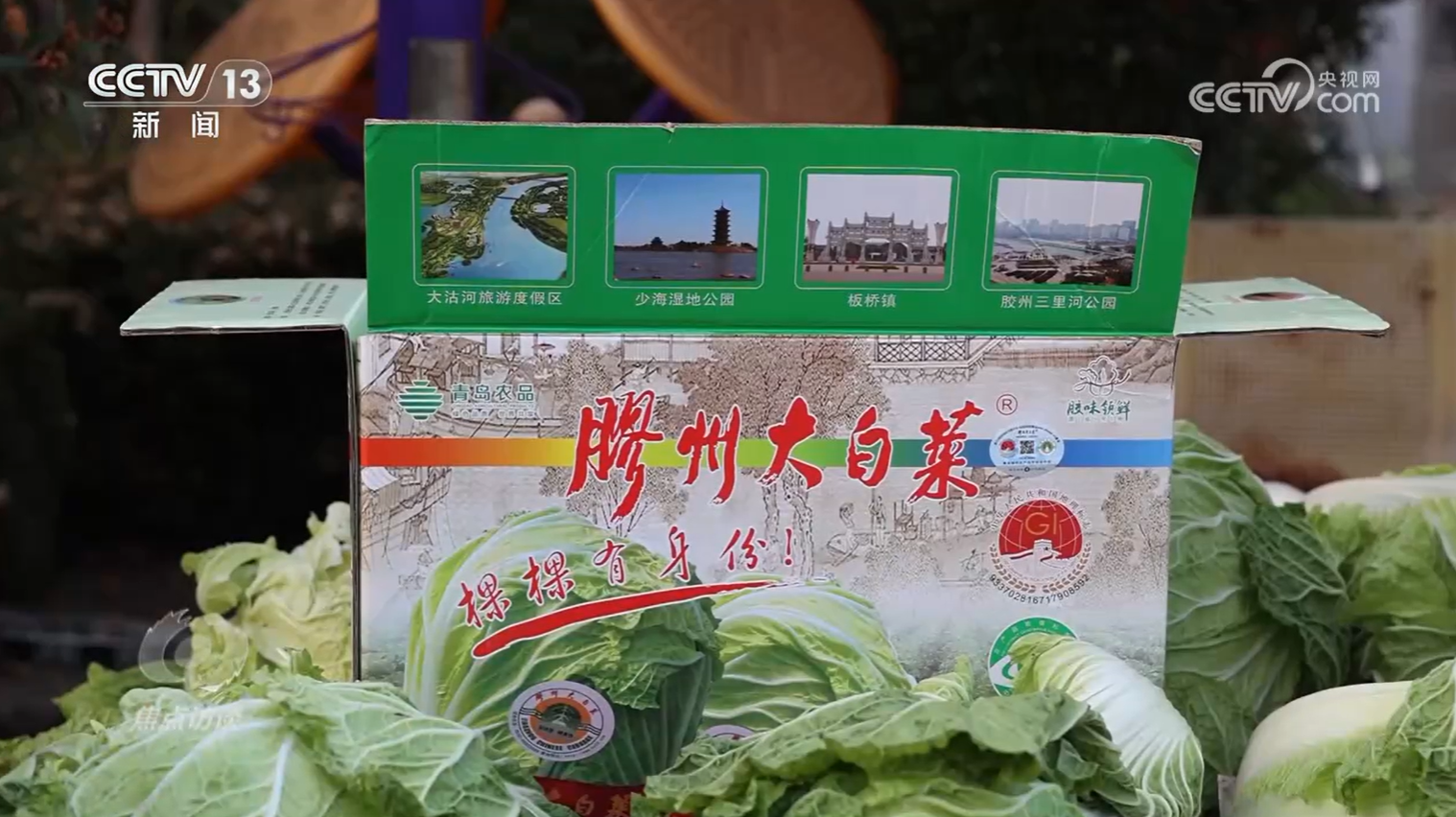
焦点访谈 | 从“胶州大白菜”看地理标志保护,这些坑千万别踩!
Yang Shi Wang· 2025-11-26 14:06
Core Viewpoint - The article highlights the issue of counterfeit geographical indication products, specifically focusing on the case of "Gaozhou Cabbage," which is being sold at inflated prices under false pretenses on e-commerce platforms [1][26]. Group 1: Geographical Indication Products - Geographical indication products in China, such as "Gaozhou Cabbage," are protected by intellectual property laws, ensuring that only authorized entities can use their names and logos [1][26]. - These products are known for their high quality, good reputation, and market competitiveness, often commanding higher prices than ordinary products [3][26]. - The article mentions that there are currently 2,544 recognized geographical indication products in China, with a direct market value exceeding 960 billion yuan [26]. Group 2: Counterfeit Issues - Numerous sellers are exploiting the geographical indication label to sell ordinary cabbages at significantly higher prices, misleading consumers [5][11]. - Investigations revealed that many of the so-called "Gaozhou Cabbage" sold online were actually ordinary cabbages, with no legitimate geographical indication branding [13][20]. - The article describes a network of "no inventory" stores that purchase from third-party suppliers and resell at inflated prices, often using identical marketing materials, making it difficult for consumers to distinguish between genuine and counterfeit products [16][24]. Group 3: Regulatory and Market Implications - The prevalence of counterfeit geographical indication products poses a threat to market order and consumer rights, necessitating stronger regulatory measures and consumer awareness [26]. - The article calls for enhanced collaboration among regulatory bodies to improve oversight and create a fair market environment for genuine geographical indication products [26].
《中国金融》|金融赋能“特”产绘就塞上江南新盛景
Sou Hu Cai Jing· 2025-11-24 09:56
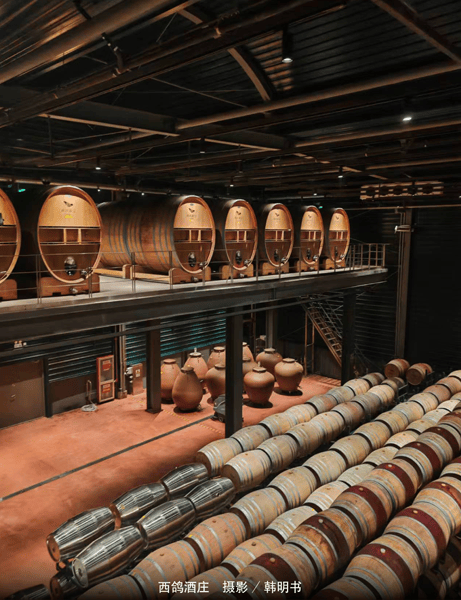
Core Insights - The article highlights the significant role of financial support in promoting the development of specialty industries in Ningxia, particularly focusing on wine, goji berries, and beef cattle, which are integral to the region's economic growth and ecological restoration [1][19]. Group 1: Wine Industry - Ningxia's Helan Mountain region is recognized as a "golden zone" for grape cultivation due to its favorable climate and soil conditions, leading to the production of award-winning wines [2][3]. - Financial institutions, particularly Ningxia Bank, have provided crucial funding to wineries like Lilan Winery, enabling them to grow from barren land to flourishing vineyards, with loans totaling 9 million yuan for operational needs [3][6]. - The establishment of a long-term financing service mechanism for small and micro enterprises in the wine sector has been initiated to support the growth of the industry [3][4]. Group 2: Goji Berry Industry - Goji berries are a key driver of rural economic growth in Ningxia, with the region's unique conditions producing high-quality berries, particularly from Zhongning County [9][10]. - The financial sector has been actively involved in enhancing the supply chain for goji berries, with initiatives aimed at improving financial services for the entire industry, including the establishment of a supply chain financial support system [9][10]. - The goji berry industry has seen significant growth, with 40 leading enterprises and 36,600 farmers forming a community of interests, contributing to the local economy [9][10]. Group 3: Beef Cattle Industry - The beef cattle industry in Ningxia is evolving through a model that integrates leading enterprises, cooperatives, and farmers, enhancing the value chain and promoting high-quality development [17][18]. - Companies like Rongqiao Fenglin have established comprehensive ecosystems for beef production, providing support to farmers from breeding to market [18][19]. - Financial backing has been essential for the growth of the beef cattle sector, facilitating the establishment of sustainable farming practices and improving the livelihoods of local farmers [17][19]. Group 4: Clean Energy and Data Centers - Ningxia is developing as a hub for cloud computing and data centers, with significant investments in clean energy to support the growing energy demands of these facilities [13][14]. - The region's renewable energy capacity reached 41.32 million kilowatts by the end of 2024, with financial institutions like the National Development Bank providing substantial loans to support clean energy projects [14][16]. - Innovative financing mechanisms are being implemented to ensure the stability of energy supply for data centers, contributing to the region's digital economy [14][16].
宁夏首批消费名品方阵名单“出炉”
Zhong Guo Jing Ji Wang· 2025-10-23 07:33
Core Insights - The Ningxia Hui Autonomous Region's Industrial and Information Technology Department has released the first batch of Ningxia Consumer Brand List, which includes 10 enterprise brands such as Xixia Beer and Wofu Bairui, as well as regional brands like Helan Mountain Red Wine and Zhongning Goji Berries [1] - The selection criteria for the consumer brands are based on product innovation, market competitiveness, brand influence, and cultural value [1] - The initiative aims to recognize high-quality local brands and promote the high-quality development of the consumer goods industry in Ningxia, serving as a key link between consumption and industry [1] Company Highlights - Xixia Brewing Company has focused on product innovation and expanding consumption scenarios while integrating sustainable development concepts into its production processes [1] - The company has achieved significant results, including a 45.8% reduction in water consumption and a 30.3% decrease in carbon emissions compared to 2015, while also providing approximately 7,500 tons of reclaimed water annually for municipal sanitation [1] Future Actions - The Ningxia Industrial and Information Technology Department plans to implement a "Three Products" enhancement action (increasing varieties, improving quality, and creating brands) to cultivate the consumer brand list and systematically promote high-quality industrial development [1] - The department will also strengthen the promotion of well-known enterprises through various channels to enhance brand influence and provide consumers with higher quality product offerings [1]
什么是宁夏概念,涵盖哪些产业链
Sou Hu Cai Jing· 2025-10-05 01:28
Group 1: Industry Overview - Ningxia has developed a distinctive industrial system supported by local policies and regional development strategies, attracting capital market attention [1] - The "Ningxia concept" refers to listed companies registered or primarily operating in Ningxia, benefiting from local resource endowments, policy support, and industrial planning [1] - Key sectors in Ningxia's industrial chain include energy chemicals, new materials, modern agriculture, and renewable energy [1] Group 2: Energy and Chemicals - Energy chemicals are a traditional advantage for Ningxia, leveraging abundant coal resources to form deep processing industries such as coal-to-oil and coal chemicals [1] - Companies in this sector are competitive in clean coal utilization and fine chemicals, with ongoing upgrades towards high-end chemicals and circular economy [1] Group 3: New Materials - The new materials industry has seen rapid development, particularly in carbon-based materials, rare metal processing, and high-performance fibers [1] - Ningxia has cultivated a number of technology-driven enterprises that serve critical sectors like electronic information, aerospace, and high-end manufacturing [1] Group 4: Agriculture - Ningxia's unique geographical and climatic conditions have fostered specialty agriculture, exemplified by goji berries, wine, and dairy industries [2] - The Zhongning goji berry is renowned nationwide, while the Helan Mountain eastern foothills are a significant wine production area in China [2] - These specialty industries have stimulated the development of planting, processing, and brand operation chains, promoting rural revitalization and agricultural tourism [2] Group 5: Renewable Energy - Ningxia is rich in wind and solar resources, playing a crucial role in the national "West-to-East Power Transmission" project [2] - Recent years have seen accelerated implementation of clean energy projects like photovoltaics and wind power, fostering growth in related industries such as renewable equipment manufacturing, energy storage technology, and electricity export [2] Group 6: Investment Considerations - The Ningxia concept represents an ecosystem of industries that rely on local resources, respond to national strategies, and continuously upgrade [2] - Investors should consider policy direction, industry cycles, and company fundamentals when evaluating opportunities in this region [2]