
关税退款

Search documents
超千亿美元已征收关税退不退,如何退?特朗普都没谱:这事或打5年官司
Sou Hu Cai Jing· 2026-02-21 10:39
当地时间20日,美国最高法院裁定,特朗普政府依据《国际紧急经济权力法》实施的相关大规模关税措施缺乏明确法律授权。美国政府可能需要 向数千家美国进口商退还超过1000亿美元的关税收入,这或将是一个在规模和复杂性上前所未有的退款过程。 美国贸易律师、经济学家和议员似乎都认为,在美最高法院推翻特朗普征收的全面关税后,事情将变得相当复杂。预计这项裁决将引发一个令人眼花缭乱的 过程,可能需要数月甚至数年时间,数千家公司将寻求收回他们支付的进口关税。 即使是美国总统特朗普也不确定这个过程如何运作。20日,他在白宫记者会上抱怨最高法院没有说明如何处理退款。 最高法院没明确"是否退钱、如何退" 特朗普称通过诉讼来解决 当地时间20日,在临时召开的白宫记者会上,当在被现场记者问到此前征收的大约1750亿美元关税收入是否要退还时,特朗普称,最高法院的裁决有缺陷, 没有提及"保留这笔钱"或"不保留这笔钱"——他猜"接下来两年,甚至是5年,这事都得打官司。" 特朗普说:"你不觉得他们应该在里面写一句话,说保留这笔钱还是不保留这笔钱吗?我想这得再打两年官司。"他随后确认说,诉讼可能需要5年时间。当 被直接问及如果关税最终被认定无效,美 ...

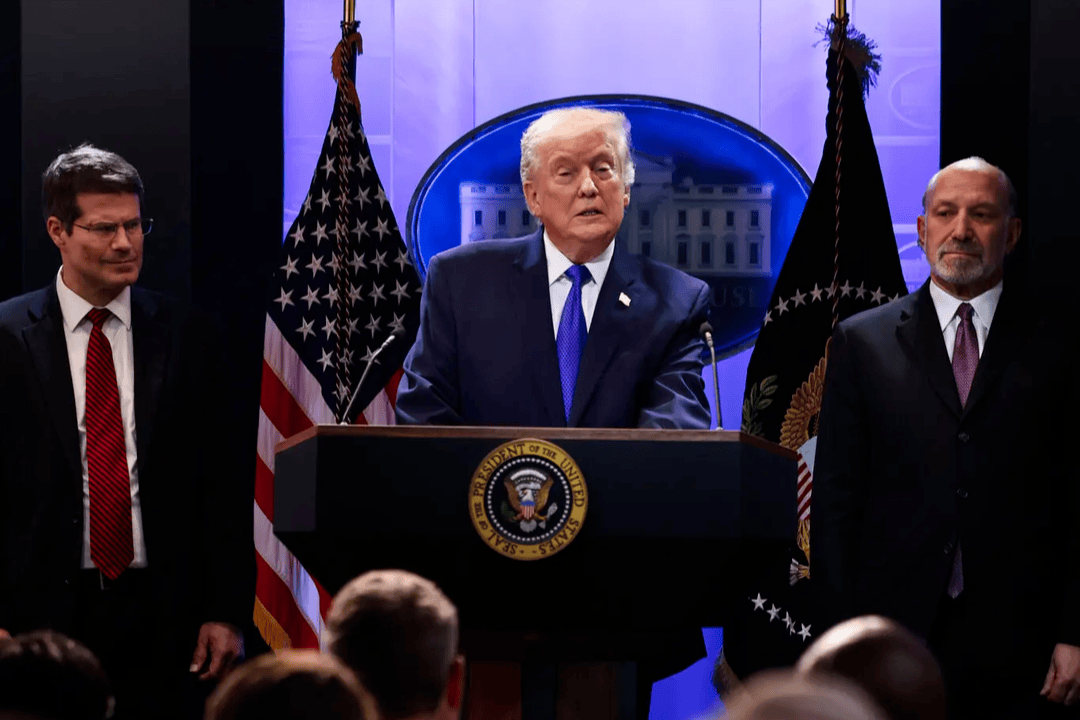
美高院推翻“对等关税”,接下来会发生什么?
Hua Er Jie Jian Wen· 2026-02-21 08:54
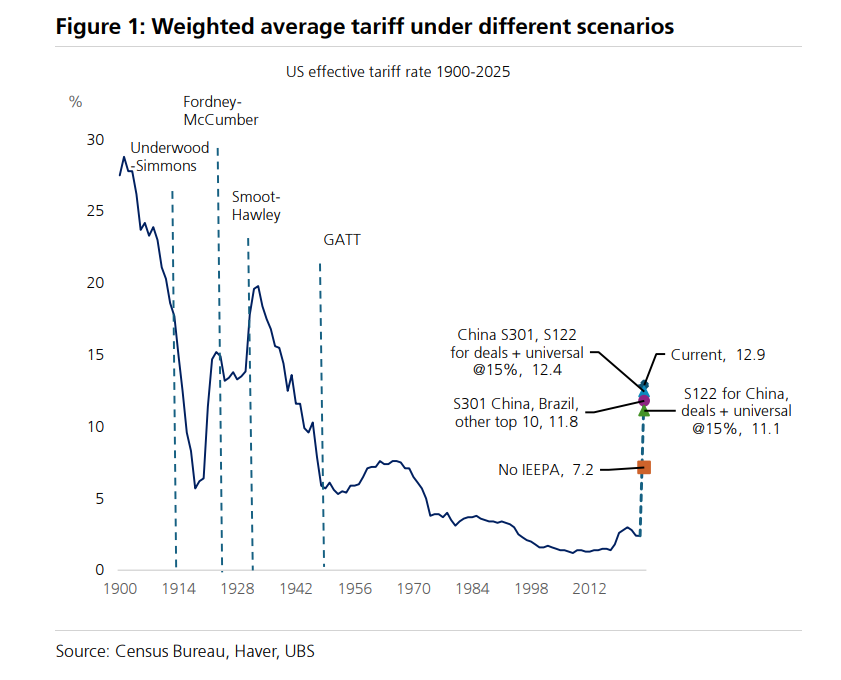
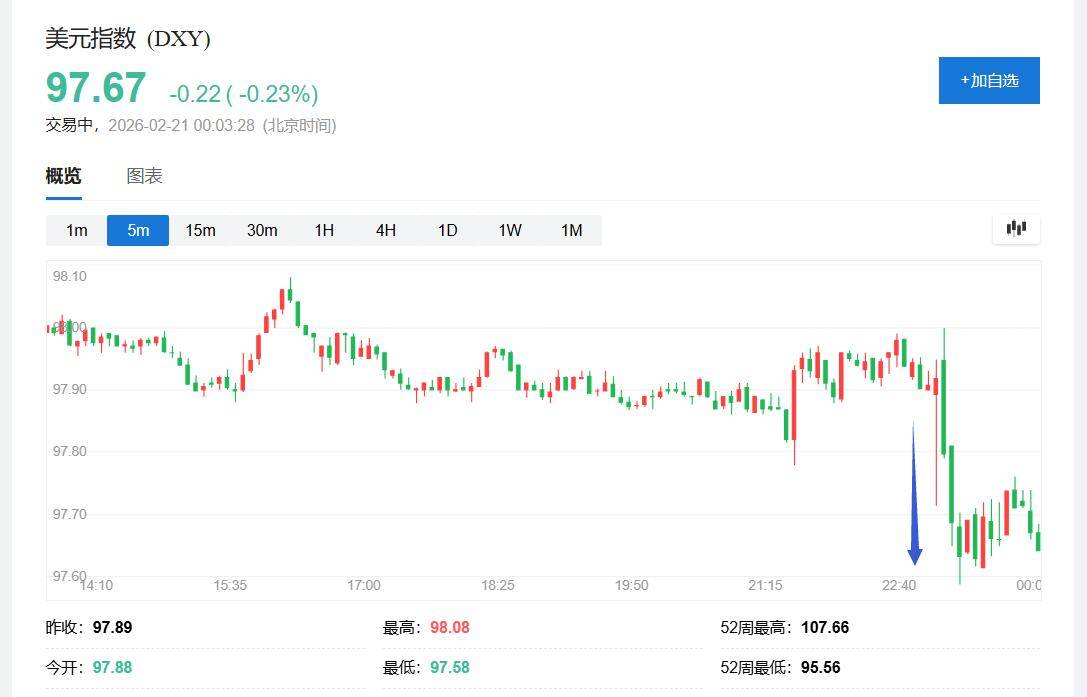
Core Viewpoint - The U.S. Supreme Court ruled that the Trump administration's use of the International Emergency Economic Powers Act (IEEPA) to impose tariffs on imported goods was illegal, shifting market focus from "are tariffs still in place" to "refunds, legal adjustments, and the validity of trade framework agreements" [1][2]. Summary by Relevant Sections Tariff Legality and Implications - The Supreme Court determined that IEEPA does not authorize the president to impose tariffs under a "state of emergency," undermining the legal foundation of the tariff system established by the Trump administration [2][3]. - The ruling does not affect all tariffs, as many can be restructured using other trade authorizations [3]. Potential Tariff Restructuring - Two potential plans for restructuring tariffs were identified: - **Plan A**: The government may choose not to replace the rejected tariffs, potentially reducing the current weighted average tariff rate (WATR) from 12.9% to 7.2%, which could lead to a 0.2% increase in GDP and a 30 basis point decrease in PCE inflation in the short term [3]. - **Plan B**: The government is expected to implement a "Plan B" due to the importance of existing tariffs in its policy agenda, suggesting that alternative options will be pursued [3]. New Tariff Implementation - The Trump administration announced a 10% global tariff under Section 122, which can be implemented without a negotiation period and applies to all imports, but is limited to a maximum of 150 days [8][11]. - This 10% tariff is viewed as a transitional measure, with the expectation that the administration will push forward with Section 301 investigations to establish a differentiated tariff system later [9]. Refunds and Legal Challenges - The market is particularly concerned about the potential need for refunds on tariffs collected under IEEPA, with estimates suggesting that up to $175 billion may need to be refunded if the tariffs are deemed illegal [10][12]. - Nearly 1,000 companies have filed cases in the Court of International Trade (CIT) to secure refund eligibility, indicating a complex legal landscape ahead [12]. Impact on Trade Agreements - The Supreme Court's ruling introduces uncertainty regarding previously established bilateral framework agreements with countries like the UK, EU, and Japan, as these agreements may not hold if they are tied to the now-invalidated IEEPA tariffs [13]. - The Trump administration's stance is that while some agreements may be retained, others may not, depending on the compliance of trade partners [13]. Market Implications - The ruling could lead to a significant increase in tariff revenue, with projections indicating that tariff income could reach $264 billion by 2025, raising concerns about potential "reversal risks" [14]. - The uncertainty surrounding refunds and future revenue may increase existing deficit pressures, impacting interest rates and the yield curve [15]. - The decision is expected to contribute to a weaker dollar due to heightened policy uncertainty [16]. - The overall risk appetite in the market remains unchanged, with the ruling potentially providing a marginal improvement in the business decision-making environment [17].
达拉斯联储行长:美联储将密切关注关税退款的影响
Sou Hu Cai Jing· 2026-02-20 20:42
Core Viewpoint - The impact of tariff refunds on the economy will depend on other potential policies and the financial conditions' response to these policies [1] Group 1 - Dallas Federal Reserve President Lorie Logan emphasized the need to consider the scale of refunds and possible additional response policies [1] - Financial conditions will play a crucial role in how these policies affect the broader economy [1] - All these factors are critical for monitoring and assessing economic and financial conditions [1]
美联储官员洛根谈关税退款问题:我们必须考虑任何回流资金的总规模。
Sou Hu Cai Jing· 2026-02-20 18:41
Core Viewpoint - Federal Reserve official Logan emphasizes the need to consider the total scale of any repatriated funds related to tariff refunds [1] Group 1 - Logan's comments highlight the importance of assessing the overall financial impact of tariff refunds on the economy [1] - The discussion indicates a broader consideration of how these funds could influence economic conditions and monetary policy [1]
Supreme Court warns Trump’s illegal tariffs could force $133 billion in refunds — who pays for this mess, and will the U.S. economy feel the heat now?
The Economic Times· 2026-02-20 17:58
$133 billion in tariff revenue is now in legal limbo after the ruled that President Donald Trump lacked authority to impose sweeping global tariffs under emergency powers. The Court’s majority concluded that the White House used the wrong statute — the International Emergency Economic Powers Act (IEEPA) — to levy broad import duties. In blunt language during oral arguments, justices acknowledged that refunding billions already collected could be “a mess.” For American businesses, the ruling is a massive, al ...


特朗普全球关税被推翻!美国最高法院裁定违法,超1750亿美元税收面临退款
Sou Hu Cai Jing· 2026-02-20 17:11
美国总统特朗普遭遇他第二个任期内最大的法庭败绩,他的核心政策工具被最高法院裁定违法。 据央视新闻,当地时间20日,美国最高法院裁定,特朗普政府依据《国际紧急经济权力法》(IEEPA)实施的相关大规模关税措施缺乏明确法律授权。 最高法院以6票对3票的投票结果裁定,1977年出台的IEEPA并未赋予总统在未经国会批准时征收关税的权力。特朗普援引IEEPA在全球范围内实施所谓"对 等关税"以及针对特定进口商品征收的关税,超出了IEEPA赋予总统的权限。 首席大法官John Roberts在裁决书中写道:"IEEPA并未授权总统征收关税。" 此裁决意味着,最高法院维持了下级法院去年作出的特朗普关税越权原判。特 朗普政府目前实行的大部分关税将被迫中止,包括所谓"芬太尼关税"以及去年4月首次宣布的对等关税。 据人民日报,2005年5月,位于纽约的美国国际贸易法院3人合议庭就小企业主和美国12州所提诉讼裁定,总统无权援引IEEPA征收上述关税。8月29日,美 国联邦巡回上诉法院在审理特朗普政府上诉后以7比4的投票结果维持原裁决。 据央视,在美最高法院作出关税政策违法的裁决后,特朗普表示此裁决"可耻"。央视提到,知情人士称, ...
美国最高法院再度爽约!特朗普关税案判决缘何“难产”?|全球洞见
Di Yi Cai Jing· 2026-01-15 11:15
Core Viewpoint - The delay in the U.S. Supreme Court's ruling on the Trump administration's tariff case reflects significant internal divisions, but it is expected that a decision will not be postponed for long [1] Group 1: Supreme Court Proceedings - The U.S. Supreme Court has not yet ruled on the tariff case, with potential announcements expected on January 21 or 22 [1] - Analysts suggest that the longer the ruling is delayed, the more favorable it may become for the Trump administration [1][4] - The case has been expedited, with expectations for a ruling in January, although delays have occurred [3] Group 2: Market Reactions - Consumer stocks in the U.S. have seen declines due to market concerns over policy uncertainty stemming from the delayed ruling [1] - Wall Street analysts are becoming increasingly optimistic about the ruling, suggesting that the impact of the tariff issue may diminish over time [4] Group 3: Financial Implications - The potential refund amount related to tariffs is estimated at $135 billion [5] - Trump's administration has indicated that a ruling against the tariffs could lead to significant financial repercussions, potentially involving "hundreds of billions" in refunds [6] - Current tariff revenues have increased by $206 billion over the past eight months, but the actual impact on the economy may be limited due to the scale of the U.S. economy [7]
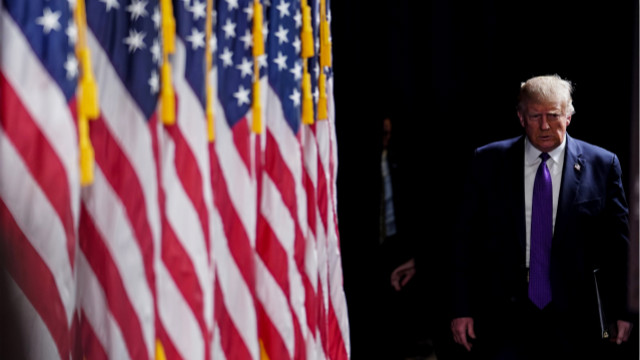
如果今天美国高院的关税裁决“再度跳票”,这意味着什么?
Hua Er Jie Jian Wen· 2026-01-14 00:18
Core Viewpoint - The U.S. Supreme Court is signaling a potential delay in a key tariff ruling, which could indicate a shift in the court's stance regarding the tariffs imposed under the International Emergency Economic Powers Act (IEEPA) [1][2] Group 1: Market Reactions and Implications - Analysts suggest that if the Supreme Court delays its decision until late February or beyond, it may favor the Trump administration, as the likelihood of a ruling against the government decreases with each week of delay [2][3] - The potential ruling has significant implications for the market, with some strategists fearing that the removal of tariffs could create uncertainty and negatively impact the stock market, while others believe it could boost economic growth [2][4] - The court's decision on whether to mandate refunds for tariffs already collected will be crucial, as it could affect U.S. fiscal health and the stability of the country's sovereign debt rating [4] Group 2: Legal and Political Context - The Supreme Court's delay in ruling on the IEEPA tariffs is seen as a sign that the case may be treated with greater importance, potentially likening it to landmark cases such as the Affordable Care Act, which were decided later in the court's term [3] - Current market predictions indicate a low probability of Trump winning the case, with Kalshi estimating a 32% chance and Polymarket at 28%, reflecting skepticism from conservative justices during oral arguments [6] - Trump has warned of severe economic consequences if the court rules against the tariffs, claiming that the refunds could amount to "hundreds of billions" and lead to chaos in the economy [5][7]
美国财长:如果最高法院裁定反对关税政策,财政部有足够的资金支付任何关税退款
Xin Lang Cai Jing· 2026-01-10 00:54
Core Viewpoint - The U.S. Treasury Secretary, Janet Yellen, stated that if the Supreme Court rules against the Trump administration's tariff policies, the Treasury has sufficient funds to pay any tariff refunds [1] Group 1 - There has been little evidence that tariffs have been passed on to U.S. consumers in the form of higher prices [1] - Any potential tariff refunds may be distributed gradually over weeks, months, or even up to a year [1]
特朗普2.0关税“天书”难倒进口商,最高法院裁决引爆市场焦虑
Jin Shi Shu Ju· 2026-01-09 09:28
Group 1 - The complexity of the U.S. tariff system has significantly increased, with the 2026 "base" version of the Harmonized Tariff Schedule exceeding 4,500 pages, an increase of over 100 pages from the previous year and 800 pages since 2017 [2][3] - The average tariff rate for consumers is calculated to be 16.8%, indicating a substantial financial burden on businesses and consumers alike [3] - There are currently 17 different tariff measures applicable to major U.S. imports, up from just 3 in 2017, highlighting the growing regulatory complexity [4] Group 2 - The upcoming Supreme Court ruling on the legality of emergency tariffs imposed by the Trump administration could have significant implications for financial markets, with the case involving approximately $100 billion in government revenue [5] - Since early 2025, over $200 billion in tariffs have been collected, with an estimated 55% of this revenue coming from tariffs that are legally questionable [5] - Regardless of the Supreme Court's decision, the complexity of tariffs will persist, particularly for tariffs on steel, automobiles, and other industries, which account for the remaining 45% of tariff revenue [6] Group 3 - If the Supreme Court rules against the Trump administration, hundreds of entries in the tariff schedule may need to be quickly adjusted, causing additional headaches for businesses [6] - Companies are preparing for potential refunds if the Supreme Court determines that certain tariffs were illegally imposed, with significant financial implications [6] - The refund process is expected to be complicated and lengthy, involving numerous lawsuits, and companies may not receive immediate financial relief even if tariffs are overturned [6]