务实外交

Search documents
韩国政府将东北亚三国表述顺序统一为“韩中日”
Ren Min Ri Bao· 2025-11-16 22:31
Core Viewpoint - The South Korean government has decided to standardize the official order of the three Northeast Asian countries as "Korea-China-Japan," which is the most commonly used expression, in contrast to the previous mixed usage of "Korea-China-Japan" and "Korea-Japan-China" during the previous administration [1] Group 1 - The previous administration under President Yoon Suk-yeol did not unify the official expression order, leading to unnecessary controversies regarding relations with certain countries [1] - The change to "Korea-China-Japan" is seen as a pragmatic diplomatic approach by the current President Lee Jae-myung, reflecting a softer stance towards China and a tougher stance towards Japan [1] - A government official indicated that the previous administration's focus on ideological diplomacy overly emphasized Japan, and correcting this direction is deemed the right approach [1]
欧洲又出了个默克尔,拒绝跟随美国反华,给欧洲指明了出路
Sou Hu Cai Jing· 2025-11-16 07:17
Core Viewpoint - The article highlights the emergence of Spanish Prime Minister Pedro Sánchez as a rational leader in Europe, reminiscent of former German Chancellor Angela Merkel, advocating for pragmatic diplomacy and cooperation rather than military escalation in the current geopolitical climate [1][10]. Group 1: Sánchez's Diplomatic Approach - Sánchez is one of the few European leaders not willing to be led by the U.S. in military confrontations, urging Europe to avoid a fully militarized future by promoting calm and rational decision-making [3][10]. - He emphasizes that security should rely on diplomacy and development on cooperation, a stance increasingly rare in Europe today [5][10]. Group 2: Spain-China Relations - Despite rising tensions in Europe towards China post-Russia-Ukraine conflict, Spain has maintained and even expanded its cooperation with China, showcasing an alternative approach to European relations [5][12]. - Sánchez's administration has taken concrete steps to foster collaboration with China, including significant investments from Chinese renewable energy companies in Spain, which have bolstered employment and industry upgrades [12][14]. Group 3: Comparison with Merkel's Era - The article draws parallels between Sánchez's current diplomatic strategies and Merkel's past approach, where Germany maintained stability through pragmatic relations with both China and Russia while keeping a measured distance from the U.S. [8][10]. - The shift in European dynamics post-Merkel's tenure has led to increased military spending and a decline in strategic autonomy, making Sánchez's calm and cooperative stance particularly noteworthy [10][15]. Group 4: Future Implications for Europe - Sánchez's actions signal a potential reevaluation of Europe's future direction, moving from conflict to cooperation, and may inspire other European nations to adopt similar diplomatic strategies [15]. - The article posits that while Sánchez may not be a savior, he represents a significant step towards restoring rationality in European diplomacy, echoing the stability experienced during Merkel's leadership [15].


韩国热议中韩元首会晤成果
Huan Qiu Wang· 2025-11-02 23:28
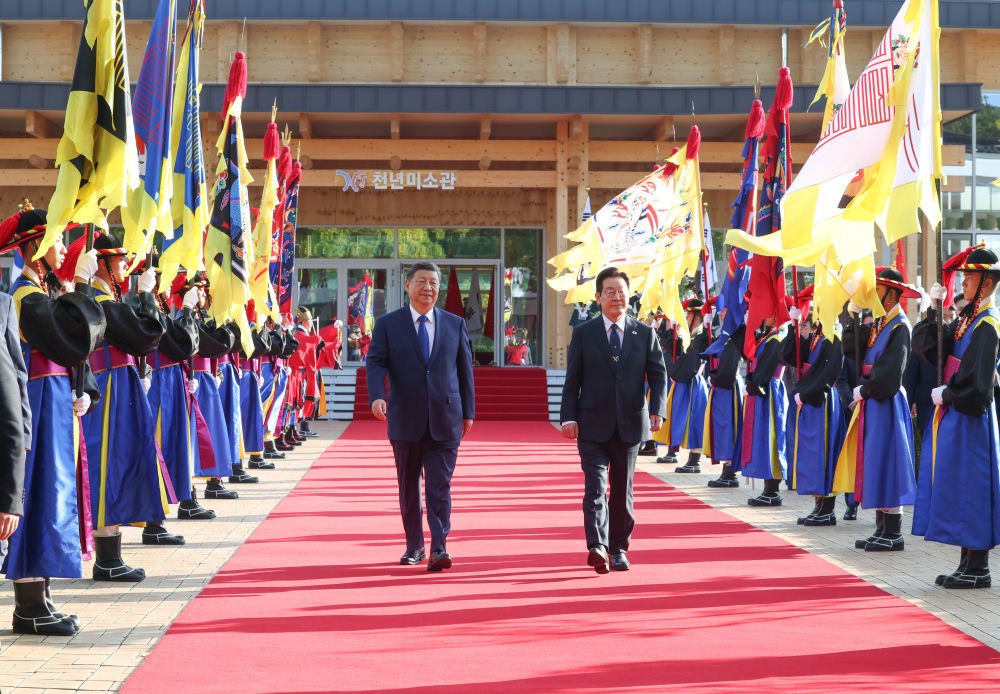
Group 1 - The core viewpoint of the article emphasizes the significance of the recent meeting between Chinese President Xi Jinping and South Korean President Yoon Suk-yeol, marking a thaw in bilateral relations after a decade [1][4][5] - The meeting resulted in the exchange of cooperation agreements in various fields, including a five-year currency swap agreement worth 400 billion RMB, aimed at stabilizing financial and foreign exchange markets [6][7] - The discussions highlighted a shift in South Korea's diplomatic strategy, focusing on balancing relations with both the U.S. and China while prioritizing economic cooperation and addressing public welfare [9][10] Group 2 - Xi Jinping proposed four key suggestions to enhance Sino-Korean relations: strengthening strategic communication, deepening mutually beneficial cooperation, promoting national sentiment, and enhancing multilateral collaboration [3][4] - The atmosphere during the meeting was described as warm and cordial, with both leaders expressing a commitment to advancing bilateral ties and addressing regional stability [4][5] - The meeting is seen as a critical step in restoring practical cooperation between the two nations, with expectations for further interactions to solidify the relationship [7][9]
43万吨美国大豆将运往中国,贝森特放话:下周签协议,中国将买1200万吨大豆!
Sou Hu Cai Jing· 2025-11-01 17:05
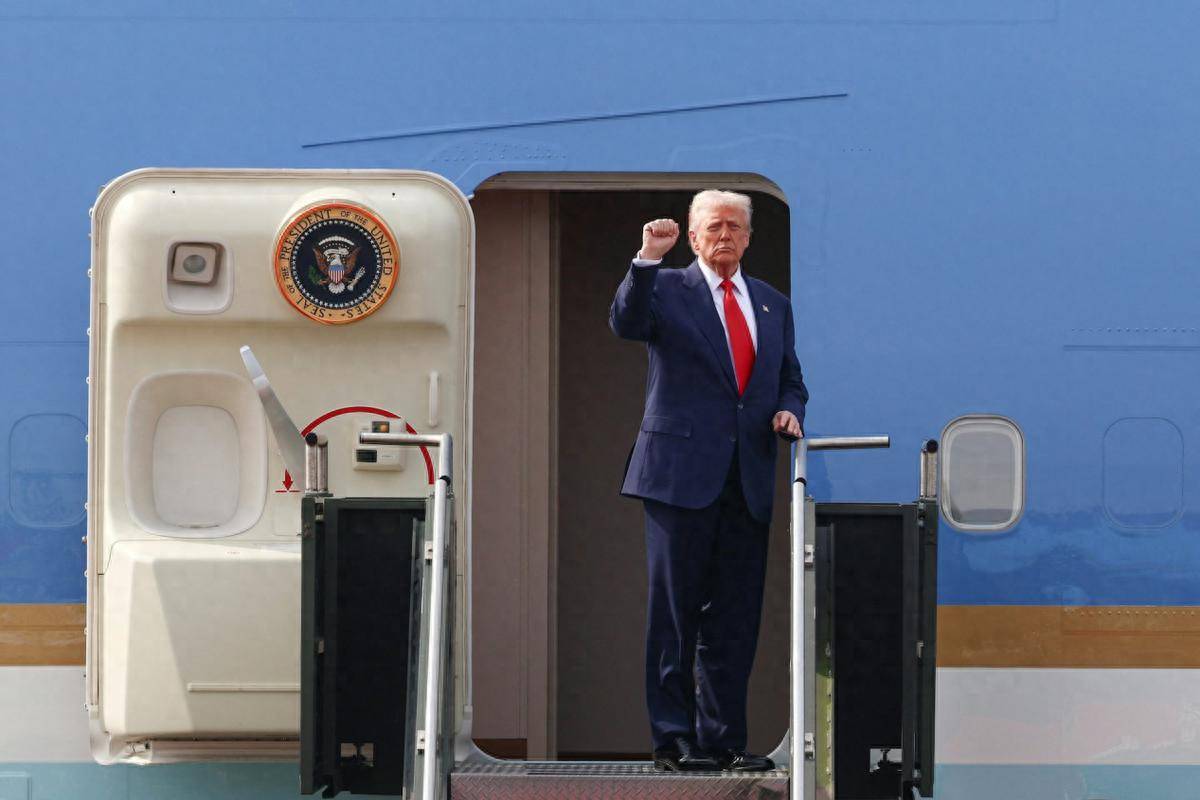
Group 1 - The meeting between the leaders of China and the United States in Busan resulted in China agreeing to purchase 12 million tons of U.S. soybeans this quarter and plans to buy 25 million tons annually over the next three years [1][3] - This soybean deal is seen as a significant political gesture for the U.S., particularly for President Trump, as it aims to support American farmers who have suffered economically due to previous trade tensions [1][3] - The agreement is expected to provide political backing for the upcoming midterm elections in the U.S., showcasing a form of "economic gift" to farmers [3] Group 2 - China's annual demand for soybeans exceeds 100 million tons, making U.S. soybeans a crucial option due to their quality and supply capabilities [3][5] - The meeting emphasized the importance of cooperation in U.S.-China relations, with both sides recognizing that confrontation would lead to mutual losses [5][7] - The outcomes of the meeting, including the suspension of retaliatory measures and tariff reductions, indicate a pragmatic approach to fostering a stable economic relationship [3][5] Group 3 - The strategic significance of the meeting lies in both countries' willingness to seek cooperation amidst a complex international environment, marking a potential shift in their relationship [7] - The commitment to mutual benefits and communication, even in sensitive areas like technology and agriculture, is essential for long-term market relationships [5][7] - The expectation is that, despite ongoing challenges, a comprehensive trade war is unlikely to resume, as both nations have vested interests in maintaining stable trade relations [5][7]
获任韩国驻华大使,韩前总统卢泰愚之子卢载宪赴华履新
Huan Qiu Shi Bao· 2025-10-16 22:43
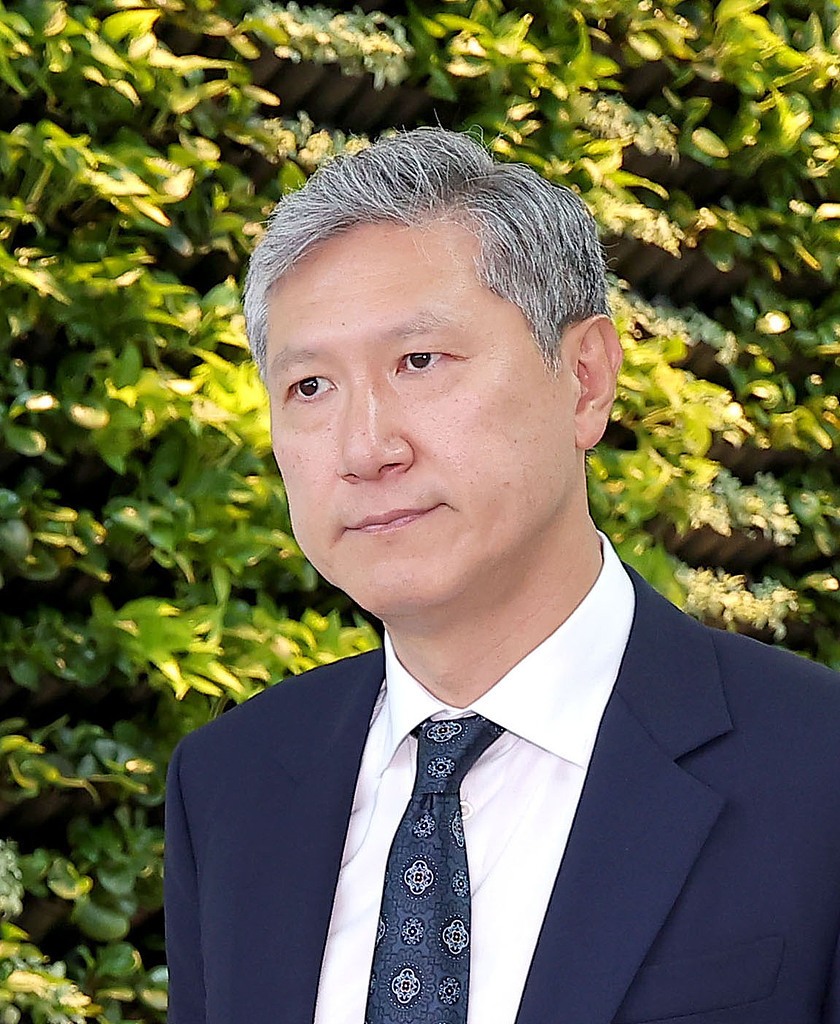
Core Points - The appointment of Ryu Jae-hyun as the new South Korean ambassador to China is seen as a significant move to repair and stabilize South Korea-China relations under the new government led by Lee Jae-myung [1][4] - Ryu Jae-hyun's background as the son of former President Roh Tae-woo and his involvement in the establishment of diplomatic ties between South Korea and China highlight the importance of this appointment in the context of ongoing geopolitical tensions [3][4] - The new ambassador faces multiple diplomatic challenges, including balancing relations with the United States while restoring communication with China, particularly in sensitive areas like semiconductor and rare earth supply chains [4][5] Summary by Sections Appointment and Significance - Ryu Jae-hyun has been appointed to fill a 9-month vacancy in the South Korean ambassador position in China, signaling a shift in diplomatic strategy [1] - His appointment is viewed as a pragmatic approach to enhance diplomatic relations amid great power competition [3][4] Diplomatic Challenges - Ryu Jae-hyun is expected to address the cooling of South Korea-China relations that occurred during the previous administration and is tasked with restoring communication channels [4] - The new ambassador's role includes coordinating visits from Chinese leaders and engaging in discussions on critical economic issues [4] Economic and Public Sentiment Issues - Ryu Jae-hyun will focus on ensuring the security of South Korean supply chains in key areas such as rare earth materials, which are vital for the economy [4] - He also faces the challenge of managing domestic anti-China sentiment, particularly in light of recent allegations regarding Chinese interference in South Korean elections [5] - The South Korean government aims to strengthen public diplomacy and civil exchanges to counteract negative perceptions and enhance mutual trust [5]
承认外交现实并不轻松,许诺将让韩国迎来“飞跃”,李在明开记者会总结就职百天
Huan Qiu Shi Bao· 2025-09-11 23:14
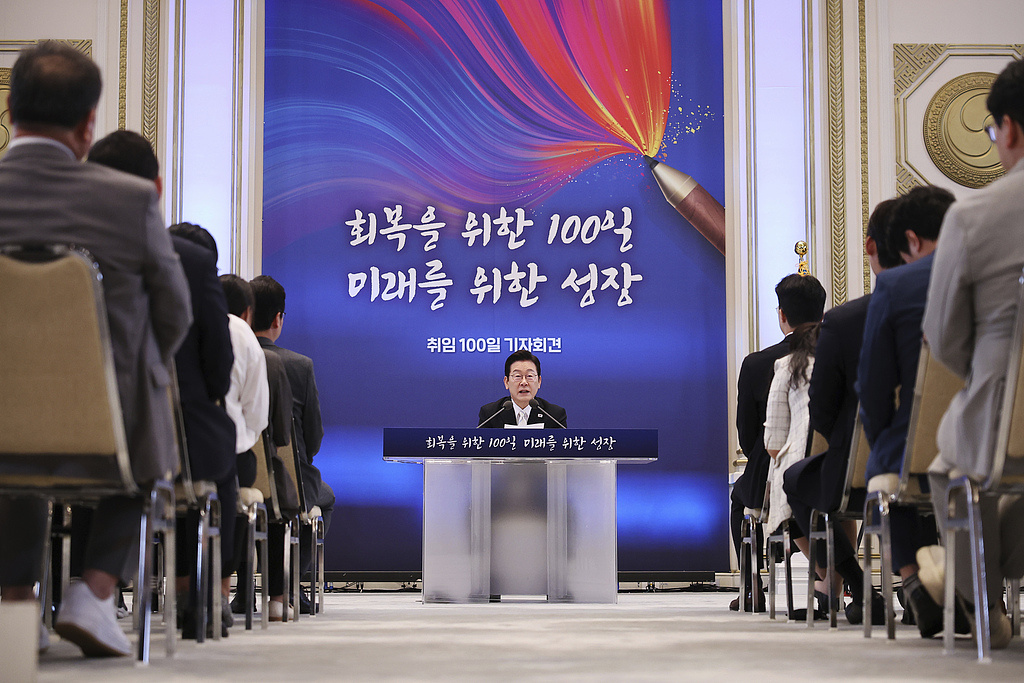
Group 1 - South Korean President Lee Jae-myung held a press conference marking his first 100 days in office, which lasted 150 minutes and addressed 22 questions, focusing on economic recovery and inter-Korean relations [1][3] - The issue of over 300 South Korean citizens detained in the U.S. emerged as a significant concern, impacting South Korean companies' investment decisions in the U.S. [1][5] - Lee emphasized the urgency of reviving the domestic economy, describing it as "extremely weak" due to long-term sluggish demand, and stated that the next 4 years and 9 months would be crucial for growth [3][4] Group 2 - The South Korean stock market, represented by the KOSPI, reached a historic closing high, surpassing 3300 points, interpreted as a positive response to Lee's statements regarding policy changes [4] - The ruling Democratic Party of Korea described the first 100 days of Lee's government as a time of "creating new hope," while the opposition criticized the lack of concrete results [4][6] - Lee's administration aims to implement "pragmatic diplomacy" to maintain South Korea's standing globally, although experts suggest that the actual diplomatic outcomes may diverge from this intention [4][6] Group 3 - The release of detained South Korean citizens from the U.S. was seen as a diplomatic success for Seoul, although it raised concerns about the long-term implications for U.S.-South Korea relations [5][6] - The media expressed outrage over the detention incident, highlighting the potential damage to the credibility of the U.S. as a reliable partner for South Korea [6][7] - Lee's government faces significant challenges ahead, including economic recovery, housing market stability, and ongoing tensions in U.S.-South Korea relations [7]
中美贸易战背后,最大受益国称中国已取消所有反制措施!
Sou Hu Cai Jing· 2025-08-31 00:08
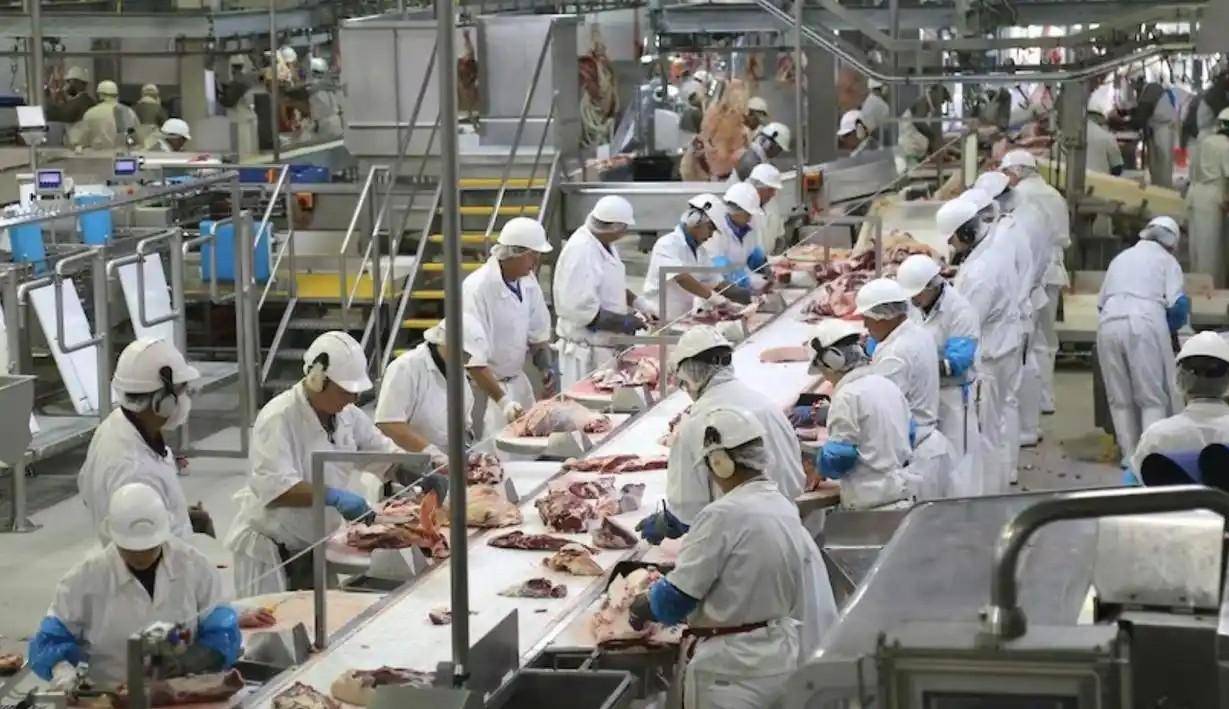
Core Insights - Australia has successfully navigated the trade dynamics between the US and China, emerging as a significant beneficiary following the lifting of Chinese trade restrictions on Australian products [1][2][3] Trade Relations - China has fully lifted trade barriers against Australia, allowing key agricultural products such as barley, wine, beef, and lobster to re-enter the Chinese market [1][2] - The Australian government, under Prime Minister Albanese, shifted from a hardline stance to a more pragmatic approach towards China, focusing on cooperation and national interests [2][10] - The removal of tariffs has led to a notable increase in Australian wine exports to China, with a 13% rise in export value and a 10% increase in offshore prices following the tariff cancellation [2][3] Economic Impact - The bilateral trade between Australia and China surged to $210 billion in 2024, marking a year-on-year growth of over 25%, with South Australia experiencing a 33% increase in exports to China [7] - Australian agricultural products have filled the void left by US products in the Chinese market, resulting in increased sales and prices for Australian farmers [7] Strategic Positioning - Australia has maintained a unique position by balancing its economic interests with national security, continuing to strengthen ties with the US while enhancing trade relations with China [5][12] - The US has imposed lower tariffs on Australia compared to other countries, with Australia facing only a 10% tariff while countries like Brazil and India face up to 50% [3][5] Diplomatic Engagement - Prime Minister Albanese's visit to China in July 2023 resulted in significant outcomes, including the removal of trade barriers and agreements to enhance defense dialogue between the two nations [10][12] - The Australian government’s approach has been characterized by a focus on strategic autonomy and maximizing national interests, contrasting with countries that have aligned closely with US policies [12]
韩国总统特使团访华 韩媒:中国的发展令人惊叹
Zhong Guo Xin Wen Wang· 2025-08-25 12:02
Group 1 - The South Korean presidential envoy's visit to China aims to convey President Lee Jae-myung's intention to deepen friendly relations between the two countries, highlighting the importance placed on Sino-Korean relations [1][2] - The envoy, led by former National Assembly Speaker Park Byeong-seok, includes members known for their expertise in China, indicating a strategic approach to enhance cooperation [1][2] - The visit coincides with the South Korea-U.S. summit, suggesting that South Korea is signaling its commitment to China while maintaining its alliance with the U.S. [1][2] Group 2 - Park Byeong-seok emphasized that the visit aims to enhance mutual trust and expand new areas of cooperation, reflecting a pragmatic diplomatic approach [2] - The meeting with Chinese Foreign Minister Wang Yi marks the 33rd anniversary of diplomatic relations, indicating a significant moment for both countries to improve their ties [2] - The South Korean government recognizes the rapid advancements in China, particularly in sectors like artificial intelligence, shipbuilding, aviation, electric vehicles, and green economy, which are crucial for future cooperation [2][3]
想靠制裁中国讨好美国,结局竟反转!卡尼赔了夫人又折兵
Sou Hu Cai Jing· 2025-07-19 07:18
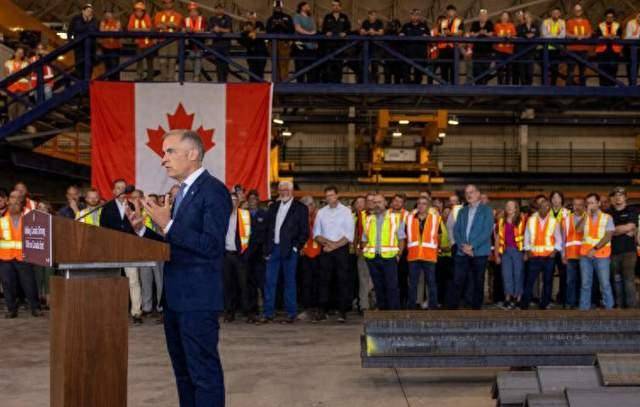
Group 1 - The article discusses Canada's strategic missteps in international trade, particularly its decision to impose tariffs on Chinese steel in an attempt to appease the United States, which ultimately backfired [1][9][51] - Canada's steel industry has been severely impacted by a 50% tariff imposed by the U.S., leading to significant job losses and pressure on the government to respond [5][7][51] - The Canadian government's decision to target Chinese steel with a 25% tariff and strict quotas was intended to demonstrate alignment with U.S. trade policies, but it has raised questions about the protection of domestic industries [9][12][14] Group 2 - China's response to Canada's tariffs was swift, launching an anti-dumping investigation into Canadian canola and planning to resume imports of Australian canola, which Canada has historically dominated [20][24][29] - The timing of China's countermeasures was strategic, indicating that it had anticipated Canada's actions and was prepared to respond effectively [22][24] - The shift in canola imports from Canada to Australia represents a significant loss for Canada, which relies heavily on China for its canola exports, with 64% of its canola exports going to China [24][51][56] Group 3 - Australia's successful re-entry into the Chinese market for canola is attributed to its pragmatic approach and efforts to meet Chinese import standards, contrasting sharply with Canada's political maneuvering [36][41][46] - The article emphasizes that Australia's shift from a confrontational stance to one of cooperation has allowed it to regain market access, while Canada faces the risk of losing its market position permanently [41][58] - The overall narrative suggests that middle powers like Canada must adopt independent and pragmatic foreign policies rather than relying on opportunistic strategies to navigate the complexities of international relations [65][67]
250万吨石油说不要就不要,中核集团却主动出击,这背后有何深意
Sou Hu Cai Jing· 2025-06-18 16:00
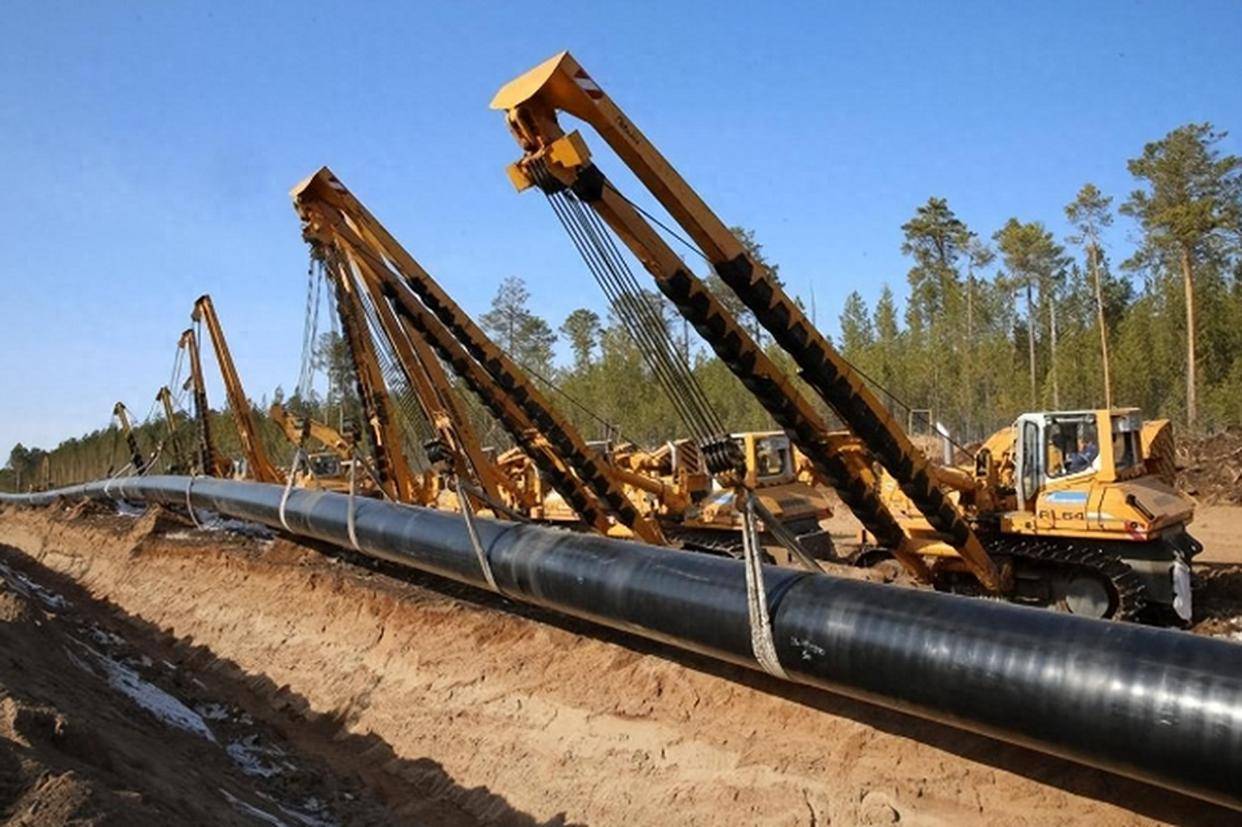
Group 1 - The core point of the article revolves around China's rejection of Russia's proposal to increase oil supply through Kazakhstan, which surprised many in the energy sector given the historically smooth energy cooperation between China and Russia [1][3][5] - The rejection is attributed to increased transportation costs of 15-20% and significant pipeline construction expenses due to the longer route from Russia to China via Kazakhstan [7][8] - China prioritizes energy security and prefers direct pipelines from the China-Russia border for better control and efficiency, reflecting a strategic approach to energy diplomacy [10][30] Group 2 - Following the rejection of the oil proposal, China Nuclear Group announced plans to build Kazakhstan's second nuclear power plant, leveraging Kazakhstan's vast uranium reserves [12][14] - Kazakhstan's energy landscape is shifting, as the country has relied heavily on coal for electricity, which is expected to face a significant power shortage by 2025 [14][16] - The nuclear project represents a more valuable opportunity for Kazakhstan compared to transit fees from oil, highlighting China's comprehensive capabilities in nuclear energy [33][34] Group 3 - The diplomatic engagement between China and Kazakhstan is characterized by high-level receptions and a desire for cooperation, contrasting with Mongolia's missed opportunities due to indecision [21][23] - Kazakhstan's strategy of balancing relations with both Russia and China demonstrates a pragmatic approach to foreign policy, as seen in its decision to allow both countries to participate in nuclear projects [26][28] - China's energy diplomacy is evolving towards a more nuanced and pragmatic approach, focusing on specific project economics, safety, and controllability rather than binary choices [30][34]