
卓越工程师培养

Search documents
深化产教融合!多方合力建强卓越工程师队伍
Bei Jing Ri Bao Ke Hu Duan· 2025-12-10 13:18
Core Viewpoint - The Ministry of Education held a press conference to discuss the progress of the "Excellence Engineer Training Reform" and the interpretation of the "Excellence Engineer Education Certification Standards" aimed at enhancing the integration of industry and education in cultivating engineers [1] Group 1: Policy and Support - The Ministry of Industry and Information Technology (MIIT) has issued implementation opinions to strengthen the construction of the industrial and information technology talent team, including the "Excellence Engineer" initiative [4] - MIIT plans to support approximately 300 advanced manufacturing technology talents and 500 advanced basic process talents annually through the "Manufacturing Talent Support Plan" [4] - Regular national industrial and information technology skills competitions will be held to recognize outstanding talents and promote industry-academia collaboration [5] Group 2: Educational Institutions' Initiatives - Tsinghua University is innovating its engineer training model by establishing a demand-driven enrollment mechanism and implementing a "course study + professional practice" model [11] - Over three years, Tsinghua has enrolled 1,430 engineering master's and doctoral students, collaborating with 56 units across 14 key fields [11] - The university has formed a closed-loop education system where students participate in the entire process from research and design to mass production [11] Group 3: Corporate Involvement - The China Aviation Industry Corporation has established a comprehensive management approach for training engineers, collaborating with 32 key universities and enterprises to form an "Excellence Engineer Training Industry-Education Alliance" [12] - A personalized support mechanism has been implemented to track and assist engineering master's and doctoral students throughout their training [12] - The corporation aims to attract engineering graduates by offering favorable employment conditions and opportunities for early professional evaluations [12] Group 4: Local Government Initiatives - Beijing's education authorities are promoting the integration of industry and education by developing action plans and measures to strengthen the excellence engineer workforce [13] - The city is establishing new educational platforms, such as the National Excellence Engineer Innovation Research Institute, to support the training of engineers [13] - Collaborative projects between industry and education are being initiated to address key technological challenges and enhance practical applications [13]

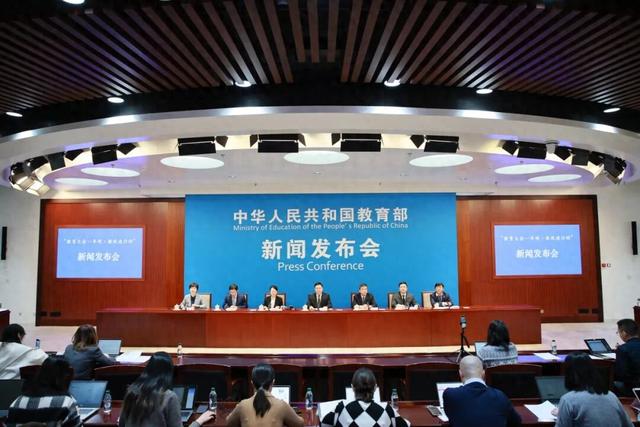
《卓越工程师教育认证标准》发布,从六个维度提出培养要求
Xin Jing Bao· 2025-12-10 10:46
Core Viewpoint - The Ministry of Education has released the "Excellence Engineer Education Certification Standards" to enhance the training of engineers in China, aligning educational standards with professional qualifications and emphasizing the role of enterprises in this process [1][4]. Group 1: Certification Standards Framework - The "Standards" outline a framework for excellence engineer education certification, including six primary dimensions: institutional positioning, quality assurance, collaboration, practical training, faculty development, and career progression [2][3]. - The standards consist of six primary indicators and twenty secondary indicators, aiming to establish a high-quality training system for engineers that meets both national and international expectations [2][3]. Group 2: Institutional Management and Collaboration - Excellence engineer colleges are required to establish internal management structures and a council system that involves both academic institutions and enterprises, ensuring resource coordination and collaborative development [3]. - The standards mandate that colleges align their programs with industry needs, creating a dynamic repository of research topics that support student projects and theses [3]. Group 3: Educational and Employment Standards - The standards advocate for a shift from a "paper-only" approach to graduation criteria, emphasizing practical engineering projects and innovations as key components for degree conferral [3]. - Graduates are encouraged to seek employment in critical industries and regions, promoting high-quality job placements [3]. Group 4: Background and Development - The development of the "Standards" involved collaboration among various stakeholders, including universities and enterprises, and was informed by extensive consultations across the country [4]. - The initiative aims to fill gaps in the current international education certification system and enhance the global influence of Chinese engineering education [4][5]. Group 5: Key Features and Future Directions - The "Standards" emphasize the importance of party leadership, alignment with national strategies, and deepening industry-education integration [5]. - Future efforts will focus on the certification of excellence engineer colleges, improving training quality, and promoting international cooperation in engineering education [5].
工信部:所属7所高校均获批建设国家卓越工程师学院,首届毕业生1/3以上在联培企业就业
Huan Qiu Wang· 2025-12-10 09:05
Core Viewpoint - The Ministry of Education emphasizes the importance of reforming the training of outstanding engineers to support the development of a strong education, technology, and talent nation, aligning with the national strategic talent cultivation goals [1][3]. Group 1: Policy and Strategic Initiatives - The "14th Five-Year Plan" suggests a comprehensive approach to advancing education, technology, and talent development, highlighting the need for more outstanding engineers [1]. - The Ministry of Industry and Information Technology (MIIT) has implemented various policies to enhance the training of outstanding engineers, including the "Manufacturing Talent Support Plan" which selects around 300 advanced manufacturing technology talents annually [3][4]. - MIIT has established a collaborative framework with educational institutions and industries to ensure that talent policies align with industrial needs, thereby enhancing the effectiveness of engineer training [3][4]. Group 2: Educational Framework and Industry Collaboration - MIIT has developed a "1+5+N" working system to promote practical training for engineers, focusing on key areas such as new materials and new energy vehicles [4][5]. - The establishment of national engineering practice bases and innovation centers aims to improve students' practical skills and facilitate collaboration between universities and specialized enterprises [4][5]. - The MIIT has initiated strategic cooperation with the Ministry of Education to enhance data sharing and talent supply-demand matching [4][5]. Group 3: Future Directions and Talent Development - MIIT plans to continue implementing the Manufacturing Talent Support Plan and host national technology skill competitions to elevate the recognition of engineers in society [6]. - The focus will be on predicting talent needs in key sectors like artificial intelligence, ensuring that educational programs align with high-quality industrial development [6]. - MIIT aims to guide universities in closely aligning their engineering programs with national strategic needs, thereby fostering a robust pipeline of outstanding engineers [6].
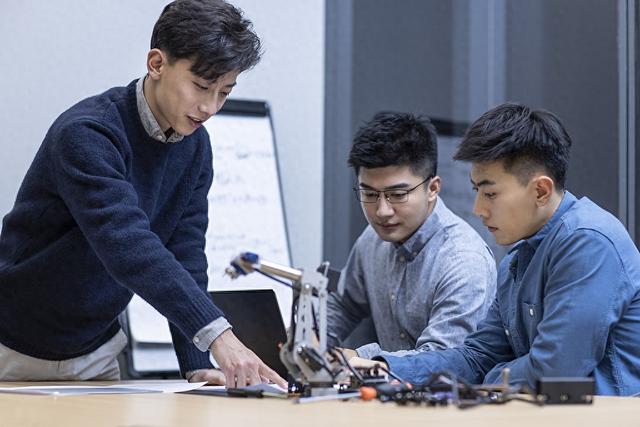
北京:强化有组织科研,以“试验线加生产线”推动校企“三融合”
Huan Qiu Wang· 2025-12-10 09:05
Core Viewpoint - The Ministry of Education emphasizes the importance of reforming the training of outstanding engineers to support the development of a strong education, technology, and talent nation, aligning with the national strategic talent cultivation goals [1][2]. Group 1: Policy and Strategic Framework - The "14th Five-Year Plan" suggests a comprehensive approach to advancing education, technology, and talent development, aiming to cultivate more outstanding engineers [1]. - A recent meeting highlighted the need for deepening engineering education reform and increasing the training of outstanding engineers to support national strategic goals [1][2]. - The establishment of a leadership group for education, technology, and talent in Beijing aims to integrate resources across various sectors to enhance the training of high-level innovative talents [2][3]. Group 2: Educational Initiatives and Collaborations - Beijing has created new educational platforms such as the National Excellence Engineer Innovation Research Institute, focusing on key areas like integrated circuits and artificial intelligence, in collaboration with top universities and enterprises [3][5]. - The first cohort of graduate students from the National Excellence Engineer Academy has graduated, with 80% entering critical fields in high demand [3]. Group 3: Innovative Training Models - A new model combining "large-scale problem identification by industry and small-scale solutions by education" has been developed to cultivate outstanding engineering talents [5][6]. - The integration of educational and industrial resources aims to create a cohesive ecosystem for talent development, ensuring that educational outcomes align with industry needs [5][6]. Group 4: Research and Development Focus - Beijing is promoting organized research to align key technology development with talent training, focusing on practical applications and industry needs [6]. - The National Excellence Engineer Innovation Research Institute has identified and published a list of research topics based on enterprise needs, leading to 74 collaborative projects and 47 new technology research initiatives [6].

工信部答21:持续开展人工智能、集成电路产业人才需求预测
2 1 Shi Ji Jing Ji Bao Dao· 2025-12-10 08:32
Core Insights - A significant educational reform project aimed at cultivating strategic national talent has been initiated, with the Ministry of Education announcing the establishment of 50 National Excellent Engineer Colleges and the joint recruitment and training of nearly 26,000 engineering master's and doctoral students in collaboration with enterprises [1] Group 1: National Talent Development - China has the world's largest engineering talent pool and has established the largest engineering education system globally [2] - The Ministry of Industry and Information Technology (MIIT) recognizes the importance of high-level talent for the high-quality development of industries and is working with the Ministry of Education to enhance the quality of engineering talent training [3] Group 2: Industry Needs and Educational Alignment - MIIT is conducting talent demand forecasting in key areas such as artificial intelligence and integrated circuits to inform universities about the specific needs for talent, including shortages and required skill sets [3] - In 2024, MIIT has identified the low-altitude industry as a strategic area for universities to accelerate their curriculum development, supporting the establishment of undergraduate programs in low-altitude technology and engineering [3] Group 3: Collaboration and Employment Outcomes - Over one-third of the first graduating class from the National Excellent Engineer Colleges are employed by joint training enterprises, with over 70% entering the industrial and information technology sectors [4] - MIIT plans to implement a manufacturing talent support program, deepen industry talent demand forecasting, and promote collaboration between universities and enterprises to enhance the training of engineers [5][6]
我国已建50家卓越工程师学院
Bei Jing Wan Bao· 2025-12-10 07:35
Core Insights - The reform of cultivating outstanding engineers in China has led to the establishment of 50 national outstanding engineer colleges and the joint training of nearly 26,000 engineering master's and doctoral students through school-enterprise collaboration [1][2] Group 1: Overview of the Reform - The initiative aims to cultivate engineers with significant technical innovation capabilities and problem-solving skills for complex engineering issues, recognized as a vital part of the national strategic talent pool [1] - Since 2022, a pilot program has been launched by nine departments, including the Ministry of Education, to reform the training of engineering master's and doctoral students [1] Group 2: Implementation and Structure - The traditional discipline-based training model has been disrupted, with a new governance structure established through school-enterprise councils, resulting in the creation of 50 national outstanding engineer colleges [1] - Four national outstanding engineer innovation research institutes have been established in major regions such as Beijing, Shanghai, and the Guangdong-Hong Kong-Macao Greater Bay Area [1] - A collaborative entity named the China Outstanding Engineer Training Alliance has been formed, involving 50 universities, enterprises, and national laboratories to enhance the integration of industry and education [1] Group 3: Certification Standards - The Ministry of Education has released the "Outstanding Engineer Training Certification Standards" to promote the mechanization of the organizational system for cultivating outstanding engineers [2] - The standards emphasize the need for colleges to establish graduation and degree awarding criteria aligned with the objectives of outstanding engineer training, moving away from a sole focus on academic papers [2] - The goal is to develop national outstanding engineer colleges into strategic bases for training outstanding engineers within 5 to 10 years [2]
南京理工大学以“三重融合”实现卓越工程师培养与地方产业发展“双向奔赴”
Xin Hua Ri Bao· 2025-12-07 22:54
Core Viewpoint - Nanjing University of Science and Technology is leveraging its engineering education strengths to reform talent cultivation, aiming to transform intellectual and talent advantages into industrial competitiveness and economic new momentum in the context of global technological competition and industrial transformation [1] Group 1: Educational Reform and Integration - The university is optimizing its teaching system through an "interactive integration" model to meet the urgent demand for high-level, practical engineering talents in Jiangsu's industrial transformation [2] - The curriculum has been restructured into six major areas, emphasizing interdisciplinary integration, cutting-edge relevance, and engineering practice, while developing industry-linked courses in collaboration with local enterprises [2] - The establishment of five engineering technology centers aims to create a three-tiered training path of "practical cognition—practical application—practical innovation" [2] Group 2: Project-Based Learning and Industry Collaboration - The university adopts a project-based talent cultivation approach, integrating research, talent training, and industry needs, with a focus on real projects and practical capabilities [3] - A total of 458 R&D topics have been published in collaboration with leading enterprises, ensuring alignment between research projects and industrial demands [3] - The dual-mentor system promotes real-world problem-solving, enhancing students' abilities to tackle dynamic and complex engineering challenges [3] Group 3: Regional Innovation and Resource Integration - The university is building high-level innovation platforms and optimizing service layouts to achieve "radiation-style integration" of innovation resources, supporting Jiangsu's "strong manufacturing province" strategy [5] - Collaborative efforts with the Nanjing government have led to the establishment of the Yangtze River Delta Intelligent Manufacturing and Equipment Innovation Port, aiming to cultivate over 2,500 graduate students annually and incubate over 200 patents [5] - The creation of a "no-walls" innovation factory model is intended to facilitate technology transfer, enterprise incubation, and industrial clustering [6] Group 4: Sustainable Talent Development - The university is enhancing its educational framework to support sustainable development of regional talent through joint graduate programs and continuing education initiatives [6] - Collaboration with industry research institutes aims to optimize the training paths for outstanding engineers, focusing on knowledge, skills, and competencies aligned with industry needs [6] - The university's approach serves as a replicable model for educational reform and new industrialization, contributing to regional industrial transformation and high-quality development [7]
丁薛祥在卓越工程师培养改革座谈会上强调 加大卓越工程师培养力度 为建设教育强国、科技强国、人才强国提供有力支撑
Zheng Quan Shi Bao Wang· 2025-12-04 11:55
Core Points - The meeting on the reform of the training of outstanding engineers was held, emphasizing the importance of engineers as key drivers of engineering technology development and national strategic talent [1][2] - The Chinese government aims to enhance the training of engineering talent to support the construction of a strong education, technology, and talent nation [1] Group 1 - The training reform for outstanding engineers has made positive progress, promoting collaborative education between industry, academia, and research, and improving the quality of engineering education [1][2] - The meeting highlighted the need to deepen engineering education reform and increase the training of outstanding engineers to meet national strategic needs [1][2] Group 2 - There is a call to improve the training system for outstanding engineers, ensuring a mechanism for regular and systematic training involving top universities and enterprises [2] - The focus is on optimizing training layouts to align with modern industrial systems and engineering construction needs, expanding into urgently needed fields [2] - The meeting emphasized the importance of internationalizing engineering education and mutual recognition of engineering qualifications and standards to better support enterprises going global [2]
冲刺“申博”!这所地方高校,获省市重点支持
Xin Lang Cai Jing· 2025-12-02 11:44
11月的松山湖畔,寒潮未至,天光澄澈,暖意仍在秋色中流转。东莞理工学院就在这样温和的秋日里,与广东省教育厅、东莞市签下了高水平应用研究型 大学共建协议,约定到2035年,全面建成高水平应用研究型大学。 水光潋滟,恍然间,这一幕与十年前重叠。2015年,莞工首次与省、市签署协议,共建高水平理工科大学,又在2019年,再次签下协议,成为全省唯一一 所新型高水平理工科大学示范校。 从2015到2025,岭南的暖风回转几轮,松山湖水始终静静流淌,见证着一所大学十年间静水流深般的生长。 从申硕到申博 "我的每一步突破,都离不开莞工资源与环境的培养,更离不开导师的托举。" 拿到北京师范大学博士录取通知书的那天,莞工学子陈晓冰不由自主地回想起了在学校的日子。从本科到硕士,那些前沿交叉的课程、高频次的国际学术 活动,让陈晓冰斩获中国国际"互联网+"创新创业大赛国赛银奖、发表两篇资源与环境领域SCI论文,"慢慢有了研究者的模样"。 资源与环境是莞工获批的首个专业硕士学位授权点。2018年5月,在首次签约共建协议3年后,莞工获批新增硕士学位授予单位,计算机科学与技术、资源 与环境两个硕士点成功获批。 不久之后的首批硕士招生,两个 ...

中国迈向世界工程教育舞台中央
Zhong Guo Qing Nian Bao· 2025-10-19 23:21
Group 1 - The core message emphasizes the transition of China from a follower to a leader in engineering education standards, highlighting the establishment of international recognition agreements for graduate-level engineering education [1][2][6] - The China Excellent Engineer Training Alliance was formed to promote high-quality engineering talent development, with a focus on international cooperation and the establishment of unified standards for graduate engineering education [2][3] - The collaboration with international organizations aims to fill the gap in global engineering talent certification systems and support the United Nations' sustainable development goals [2][4] Group 2 - The establishment of 40 national excellent engineer colleges and the recruitment of over 20,000 engineering master's and doctoral students demonstrate China's commitment to enhancing engineering education [3][4] - The dual mentor and dual curriculum approach adopted by universities ensures that engineering education meets real industry needs, thereby supporting technological advancement [4][5] - The proposed international mutual recognition agreement for graduate engineering education aims to create a universal quality standard to address challenges in sustainable development and artificial intelligence [7][8] Group 3 - The need for a new standard for excellent engineer education is driven by the rapid development of technology and the increasing demands for high-level engineering talent [7][8] - The focus on cultivating engineers with a global perspective and practical skills is essential for meeting the needs of enterprises and supporting international cooperation [9] - The integration of Chinese standards with international requirements is crucial for facilitating the global mobility of high-level engineering talent [8][9]