
双循环

Search documents
“内陆腹地”如何变“开放高地”?湖北省政协委员建言:“枢纽经济”或成“破题之钥”
Zhong Guo Jing Ying Bao· 2026-01-29 15:30
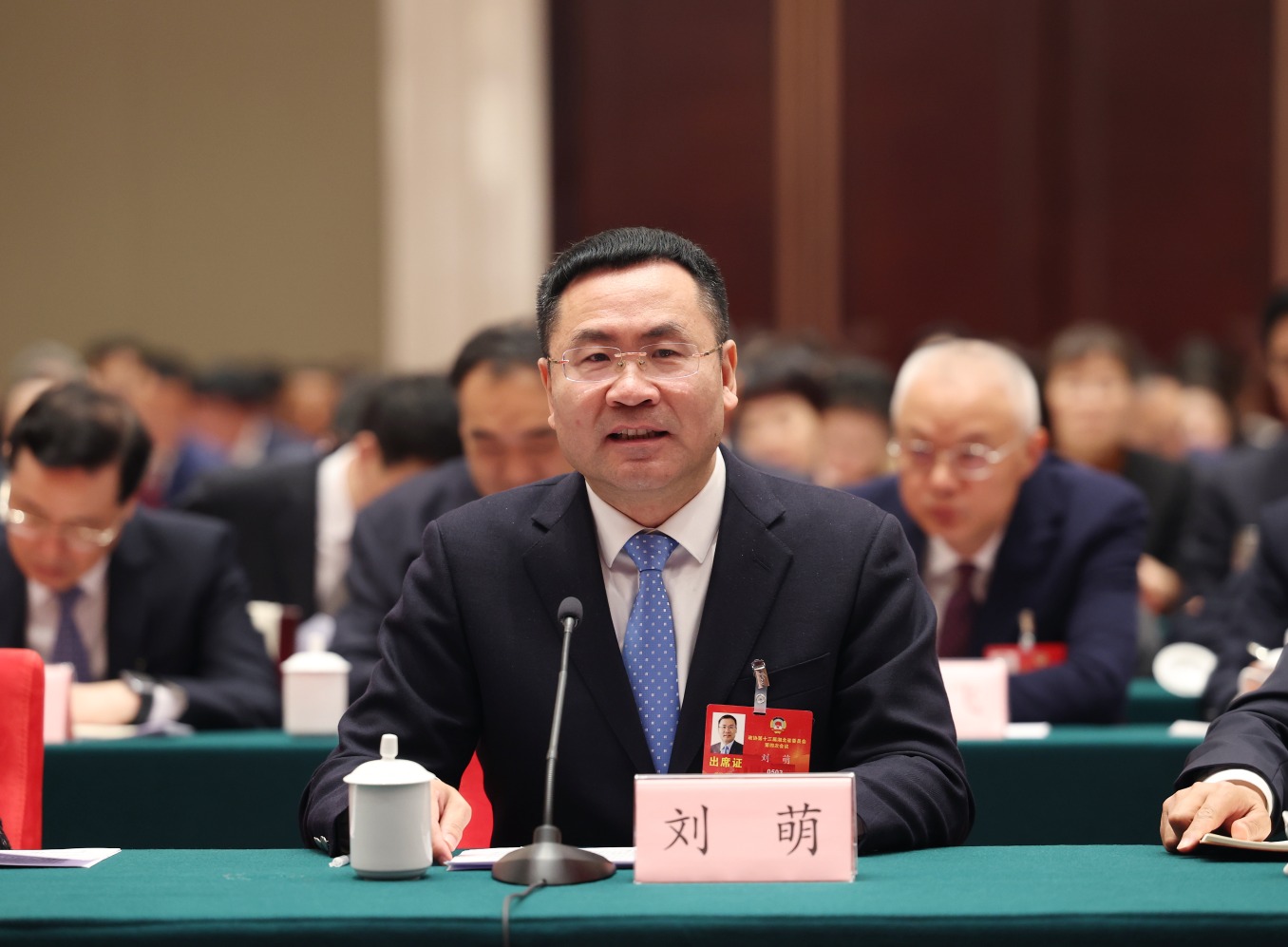
在刘萌看来,湖北省在扩大对外开放、发展开放型经济取得一系列成绩的同时,还客观存在一些短板:一是传统产业占比较高,高端制造与服务贸易竞争力 不够强;二是要素集聚不足,高端人才、核心技术、国际资本集聚能力与沿海相比存在一定差距,制度型开放对标国际高标准仍显不足;三是通道与平台效 能有待提升,铁水公空多式联运"最后一公里"还不够畅通,自贸区、综保区等平台辐射带动力还不够强,通关与物流成本偏高;四是区域竞争压力加剧,内 外贸融合与双向投资活力有待激活。 中经记者张家振武汉报道 素有"九省通衢"之称的湖北省,在串联国内交通和消费市场的同时,如何坚持对内对外开放并重、打造内陆开放高地,把"九省通衢"的区位优势转化为"九 州通衢"的发展优势? 湖北省"十五五"规划建议提出:"坚持对内对外开放并重,深入实施枢纽提能战略,重构开放通道,重塑物流体系,壮大开放型经济规模,推进高标准制度 型开放,做强内循环、做优外循环、畅通双循环,以开放促改革促发展,在更广范围内拓展发展空间、集聚发展要素。" 在2026年湖北"两会"期间,如何更好扩大高水平对外开放,打造内陆开放高地,也成为湖北代表、委员热议的话题。1月29日,湖北省政协委员刘萌 ...

中国经济何以向新而行——透过数据看潜能②
Ren Min Ri Bao· 2026-01-29 03:17
前不久发布的中国经济年报中,有两个数据非常亮眼。 一是2025年我国研发经费投入强度达2.8%,比上年提高0.11个百分点,首次超过经济合作与发展组织 (OECD)国家平均水平;二是我国创新指数排名首次进入全球前十。 创新要素如水,有足够空间,能自由流动,才能充分释放活力。中国经济之所以能向新而行,在于不断 为发展拓空间、辟天地。 新增各类经营主体2.68万户,其中新增企业2.1万户,同比增长16.42%;"零关税"政策开展业务53票,减 免税款1.09亿元、增长194.6%……不久前,海南自贸港亮出封关满月成绩单,活力初现、未来可期。今 日中国,扩大高水平开放、建设全国统一大市场,在双循环构建的广阔空间里,创新活力奔涌,发展机 遇无限。 拓展潜能,就要坚定不移深化改革开放。回望2025年,免签政策助力"中国游"风靡,进博会参展企业数 量、成交额等再创新高,大科学装置向全球科研人员开放……在逆全球化加剧的背景下,这样的包容气 度尤显珍贵。中国用实践印证,画地为牢没有出路,创新发展必须置身全球广阔空间,遵循互利共赢原 则。 新创造、新动能、新发展,归根到底要靠人。中国经济之所以能向新而行,在于亿万劳动者敢闯敢干 ...
河南省人大代表邓世杰:金融财税政策协同发力,支持出口企业融入“双循环”新格局|两会财经访谈
Sou Hu Cai Jing· 2026-01-28 12:07
【大河财立方 记者 秦龙】当前,国际经济环境复杂多变,国内产业政策持续优化,出口企业在转型升 级过程中面临成本上升、融资难、市场适应等多重压力。 在激励企业绿色研发方面,邓世杰提出,投资清洁生产、低碳技术等项目,可获得设备投资额额外奖 励;对获得国家级绿色工厂、产品碳足迹认证的企业,应给予一次性奖励。税收支持上,他建议对受影 响企业开展符合国家战略导向的研发活动,按实际发生额的120%实行税前加计扣除,"这能进一步鼓励 技术创新,推动企业向绿色低碳转型。" 关于税收衔接与金融服务如何优化,邓世杰表示,在税收方面应优先为受影响企业办理增值税留抵退 税,将平均办理时间压缩,并研究对积极转型企业给予土地、房产税部分减免。金融支持上,他呼吁鼓 励银行推出"退税政策调整应对贷款",利率在LPR基础上下浮,并配套政府性融资担保。"同时,要强 化供应链金融服务,对供应链票据贴现、应收账款融资等给予贴息,这样才能提升产业链整体韧性。" 内外协同,引导企业拓展市场与提升竞争力 除了短期政策激励,邓世杰认为,引导企业重塑市场布局和产品结构,增强在"双循环"中的可持续发展 能力至关重要。 根据国家经济高质量发展导向,自2026年4 ...

以资本、生态和校友“三驾马车”驱动湖北新质生产力跃升
Zhong Guo Fa Zhan Wang· 2026-01-28 06:01
Core Viewpoint - The article emphasizes the strategic importance of Hubei Province during the "14th Five-Year Plan" period, highlighting the need for a shift in investment strategies from project-based to ecosystem-focused approaches to foster new productive forces and enhance industrial competitiveness [1][2]. Investment Strategy - Investment in Hubei should transition from "quick investments" to "precise investments," focusing on long-term and systematic approaches that link laboratories, industry chains, and application scenarios [1]. - Key areas for investment include foundational research in hard technology, enhancing industrial chains, and early-stage incubation of future industries [1][2]. Capital Structure - A dual ecosystem of "patient capital + industrial capital" should be established to attract social capital to early-stage innovation projects, encouraging major enterprises to set up corporate venture capital (CVC) funds [2]. - Long-term capital should be introduced to support major technological infrastructure projects through specialized financial tools [2]. Post-Investment Services - A platform for "investment + empowerment" should be created, providing deep services such as technical iteration and market access to invested companies [2]. - The establishment of a "returning alumni" venture capital fund aims to attract local talent back to Hubei, enhancing the connection between talent and capital [2]. Global Business Ecosystem - The establishment of the Yangtze River International Chamber of Commerce serves as a global business ecosystem, facilitating connections between domestic and international resources [3][4]. - This platform plays a crucial role in reducing transaction costs and enhancing the resilience of domestic and international supply chains [4]. Alumni Economy - The "alumni economy" is identified as a strategic resource for Hubei, promoting the integration of talent, innovation, and industry [5][6]. - The province has initiated actions to develop the alumni economy, focusing on overcoming challenges such as resource fragmentation and incomplete service chains [6][7]. Talent Development - A "three-dimensional driving" model is proposed to convert top-tier academic resources into industrial advantages, emphasizing the need for a flexible talent circulation system and innovative institutional reforms [7][8]. - The establishment of a "new engineering education and industry integration base" aims to align talent supply with industry demand [10][12]. Technology and Innovation - The article suggests implementing a "launch empowerment" project to create a seamless connection between research, education, and industry [10]. - A focus on building a "virtual industrial cluster" platform is recommended to facilitate online connections and collaborative innovation across the supply chain [12].

立足旅游行业优势 更好服务对外开放
Xin Lang Cai Jing· 2026-01-27 23:07
Core Viewpoint - The tourism industry plays a crucial role in implementing China's strategy of "opening up" and promoting multi-field cooperation, which is essential for enhancing cultural exchange and boosting the economy through international collaboration [1]. Group 1: Strategies for Opening Up the Tourism Industry - Deepening the opening of the tourism industry requires institutional innovation to align with international trade rules, optimizing visa policies, and expanding digital currency payment systems [2]. - Building cooperative bridges through the Belt and Road Initiative is vital, including enhancing border tourism zones and improving transportation connectivity with key source countries [3]. Group 2: Industry Innovation and Development - Emphasizing a "tourism+" cross-industry approach can stimulate industry dynamics, focusing on cultural empowerment and developing unique tourism products based on traditional crafts and heritage [4]. - Establishing a multi-layered, precise international tourism promotion system is necessary for enhancing China's global tourism brand, utilizing targeted marketing strategies and international tourism exhibitions [5]. Group 3: Talent Development for Internationalization - Strengthening an international talent support system is essential, including training professionals with global perspectives and enhancing service capabilities in key tourist cities [6][7].
中国消费拉不动的真相,不是没钱,而是不敢承认产能已饱和?
Sou Hu Cai Jing· 2026-01-27 13:11
中国经济这些年表面上看风光无限,GDP数字蹭蹭往上窜,可老百姓的钱包却越来越瘪。不少人抱怨消费拉不动,是因为大家没钱花,其实这话说对了一 半,深挖下去,问题出在产能堆得像山一样高,东西太多卖不出去,却没人愿意直面这个现实。 说起产能饱和,得从地方政府的玩法说起。中国经济过去几十年靠投资和出口拉动,地方政府之间像打比赛一样,比谁的GDP涨得快。最直接的招数就是上 大项目,建工厂,优惠政策一大堆,土地便宜,税收减免,配套设施齐全。 结果呢?同一个行业到处开花,比如光伏、新能源车,沿海到内陆,产业园一个接一个冒出来。供给端像打了鸡血,产能噌噌上涨,可市场需求没跟上,东 西卖不出去,企业只好打价格战,利润薄得像纸。 数据显示,2023年工业产能利用率在75%左右,有些行业更低,这意味着四分之一的产能闲着没事干。企业主一看不对劲,还得继续投钱抢份额,银行贷款 流水般进来,形成恶性循环。 老百姓手里钱有限,基本开支占大头,哪有余力买那些多出来的货?这不是缺钱那么简单,而是整个经济结构偏向生产端,消费端被挤到角落里去了。 工厂天天加班,仓库塞满货,可市场那边冷冷清清,这不就是典型的供给过剩吗?地方上还热衷于建厂拉投资,因为 ...
南化公司:双轮驱动 双向赋能
Zhong Guo Hua Gong Bao· 2026-01-27 01:21
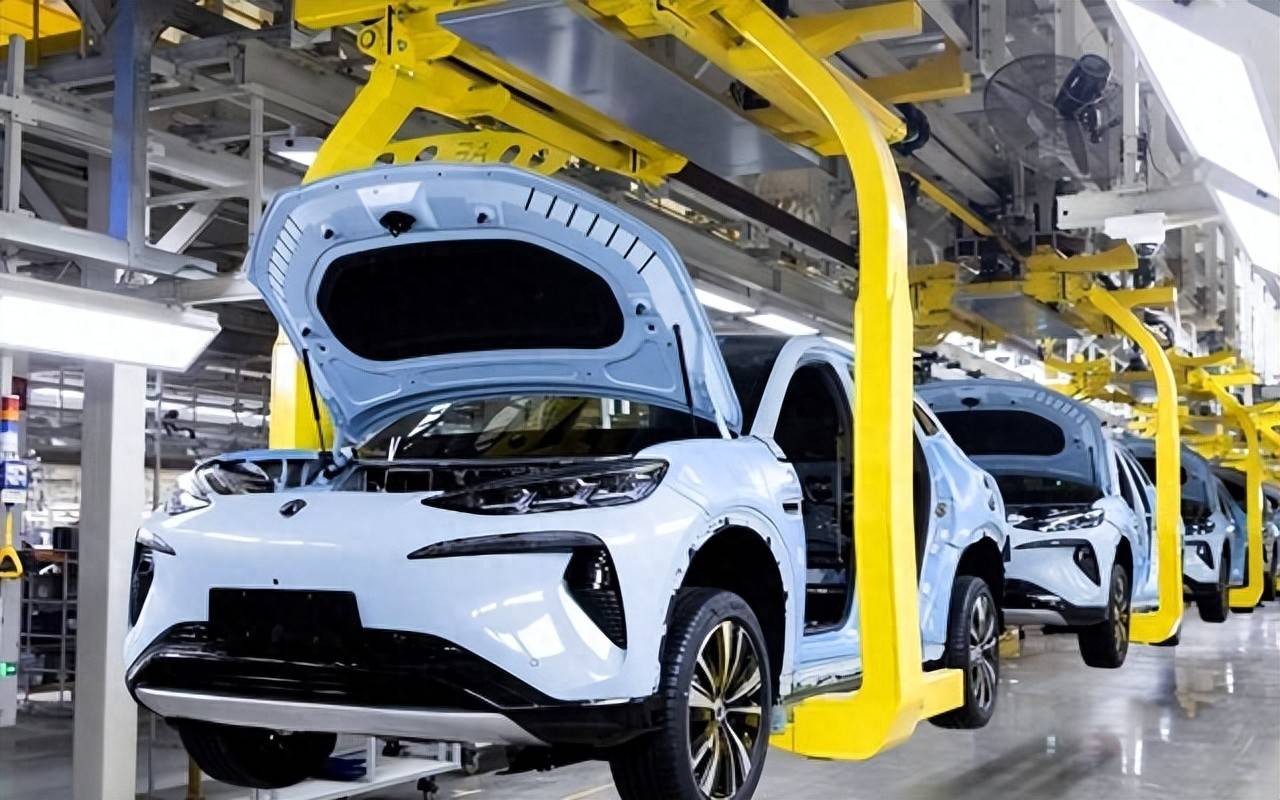
推进绿色发展 打造低碳新标杆 《石化化工行业稳增长工作方案(2025-2026年)》(下称《工作方案》)聚焦行业质效提升与结构优化,为 石油化工企业发展提供了行动指南。南化公司将以"推进高质量转型升级发展,加快建设绿色洁净、高 端智能的卓越南化"为目标,紧扣南京本埠提档、福建古雷异地升级"双轮驱动"发展格局,深度对接 《工作方案》要求,为实现企业高质量发展与行业稳增长双向赋能。 推进转型升级 构建产业新优势 围绕《工作方案》中"强化产业科技创新,突破电子化学品等关键产品,推动大宗产品提质升级""实 施'人工智能+石化化工'行动,加快智能工厂建设"的要求,南化公司将加速突破高端产品技术瓶颈,推 动传统化工向"高端材料+智能制造"转型。 首先,攻坚电子化学品关键技术。深挖无机化工资源与南京半导体产业区位协同优势,分阶段推进电子 化学品产业布局。总结南京地区2万吨/年G4级电子级硫酸项目试生产经验,优化工艺参数,确保产品纯 度与批次稳定性达到行业领先水平;规划建设G5级硝酸、盐酸试验平台,组建专业技术团队攻克超高 纯提纯工艺,建设中石化湿电子化学品生产基地,形成覆盖半导体制造全流程的电子化学品供给能力, 抢占高端电 ...
第114届全国糖酒会3月26日举行 预计超6600家企业参展
Xin Jing Bao· 2026-01-26 11:37
Group 1 - The 114th National Sugar and Wine Fair will be held from March 26 to 28 in Chengdu, featuring a total exhibition area of 325,000 square meters and expecting over 6,600 global food and beverage enterprises to participate [1] - The fair will introduce a month-long promotional activity to enhance consumption, with a clear focus on "one city, two venues" where Xibo City emphasizes "delicious" and Century City emphasizes "drinks" [1] - New specialized sections will be launched, including food packaging and supply chain, beverage raw material supply chain, and self-owned brands, achieving full industry chain coverage [1] Group 2 - The fair will showcase a new section for yellow wine and health wine, highlighting the integration of traditional brewing techniques with modern health concepts [2] - Over 2,000 international brands from more than 50 countries and regions are expected to participate, leveraging Chengdu's logistics advantages to build a cooperative global industrial ecosystem [2] - The 2026 "Spring Sugar Season" will focus on the construction goals of "three new" cities and youth development cities, integrating industrial strength with Chengdu's cultural and tourism resources [2]
海南自贸港:中国开放“压力测试”下的机遇与挑战——专访香港资深金融界家刘梦熊
Sou Hu Cai Jing· 2026-01-26 03:16
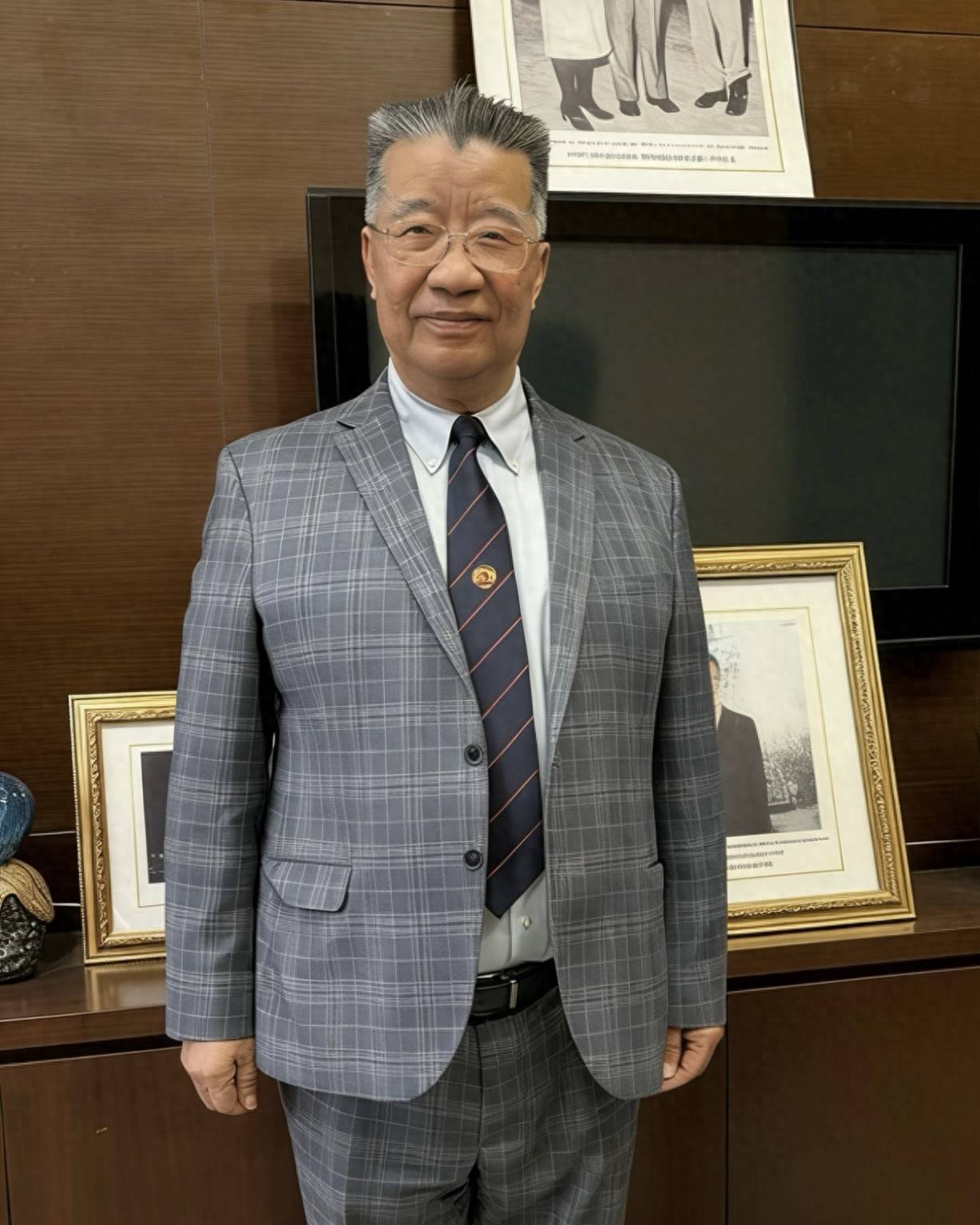
来源:香港经济导报 记者:孙磊 王靓 相比中国内地其他自贸区,刘梦熊认为海南的独特优势在于其作为全国唯一的"自贸港+经济特区+民族自治"政策叠加区所享有的更大改革自主权,其独立 地理单元便于风险防控,以及背靠国内市场、面向东盟的"双循环"枢纽地位。然而,挑战同样严峻。他坦率指出,产业基础薄弱、高端人才短缺、封关运作 的监管复杂性是内部主要瓶颈。在外部,则需在粤港澳大湾区、东盟自贸区等强劲邻居中寻找差异化定位。 尤为值得注意的是,刘梦熊提出了两个关联性极强的外部观察点。首先,要吸引国际巨头落地,需要认真研究和回应他们对营商环境中的具体形式、意识形 态宣传尺度以及司法独立性的现实关切。其次,他指出了与香港的联动效应:"香港本身就是一个实行'一国两制'的自由港。它的繁荣稳定会增强外资对海 南自贸港的信心;反之,则可能削弱这种信心。这是一种客观存在的联动关系。" 在发挥"双循环"枢纽作用方面,刘梦熊建议,海南需重点联动粤港澳大湾区,在产业协同和基础设施互联上突破;同时深化与东盟合作,利用RCEP规则打 造贸易枢纽,并扩大人文交流与金融合作试点。 刘梦熊总结认为,海南自贸港是中国在复杂国际环境中坚持对外开放决心的关键试 ...
更高水平开放促更高质量发展
Jing Ji Ri Bao· 2026-01-24 22:08
Group 1 - The core viewpoint emphasizes China's achievement in stabilizing foreign trade and investment while making historic breakthroughs in institutional openness during the "14th Five-Year Plan" period [1] - By 2025, China's total import and export value of goods is projected to reach 45.47 trillion yuan, with actual foreign investment showing steady growth [1] - The proactive alignment with high-standard international trade rules, such as CPTPP and DEPA, is driving deep reforms and breaking through institutional barriers [1] Group 2 - The digital economy is becoming a significant driver of foreign trade growth, with cross-border e-commerce expected to exceed 2.75 trillion yuan by 2025, increasing its share of total goods trade [2] - Full-process digitization is transforming traditional trade models, enhancing efficiency and resilience through smart selection, intelligent logistics, and digital customs clearance [2] - China's actual foreign investment increased by 26.1% year-on-year in November 2025, reflecting global capital's long-term confidence in the Chinese market [2] Group 3 - The Belt and Road Initiative is evolving from hard connectivity in infrastructure to soft connectivity in rules and standards, focusing on health, green, digital, and innovation sectors [3] - By 2025, China's imports and exports to Belt and Road countries are expected to reach 23.6 trillion yuan, with numerous practical cooperation projects yielding comprehensive benefits [3] - The "15th Five-Year Plan" suggests expanding institutional openness and optimizing the business environment to enhance the quality of trade and investment cooperation [3]