变废为宝

Search documents
让垃圾“变废为宝”,这家企业有妙招
Hai Nan Ri Bao· 2025-12-03 02:22
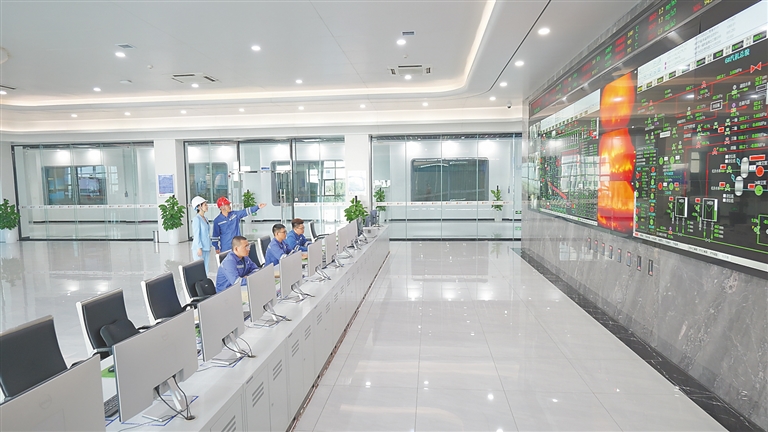
Core Viewpoint - The company has successfully transformed waste into energy through advanced waste incineration technology, contributing significantly to environmental sustainability and energy production in Hainan [6][12]. Group 1: Company Overview - Established in December 2008, the company focuses on urban waste incineration and power generation, aligning its growth with Hainan's green development initiatives [7]. - The core project, located in Chengmai County, has a daily waste processing capacity of 600 tons per incinerator, with a total installed capacity of 88 megawatts [7][12]. - The company processes approximately 235 million tons of waste annually, generating around 1 billion kilowatt-hours of green electricity, enough to power 300,000 households for a year [12][14]. Group 2: Environmental Impact - The company employs advanced technologies to ensure emissions meet or exceed local standards, significantly reducing environmental impact throughout the waste processing cycle [8][11]. - The waste incineration process operates at temperatures above 850 degrees Celsius, effectively breaking down harmful substances [8]. - The company has also taken on the responsibility of processing legacy waste, contributing to local environmental management efforts [11]. Group 3: Economic and Policy Support - The implementation of tax incentives under the Hainan Free Trade Port policy has reduced operational costs and enhanced profit margins for the company [11]. - The company actively engages in social responsibility initiatives, including the safe disposal of confiscated illegal items [11]. Group 4: Future Plans - The company aims to expand its operations beyond waste incineration to include solid waste resource utilization and collaborative treatment of kitchen waste and feces [13][14]. - Future projects include the construction of new waste processing facilities to enhance waste disposal capabilities in the Hainan Free Trade Port area [14].

一吨价值20万,仪征这家企业竟将废水“变”成液体黄金
Yang Zi Wan Bao Wang· 2025-11-20 07:46
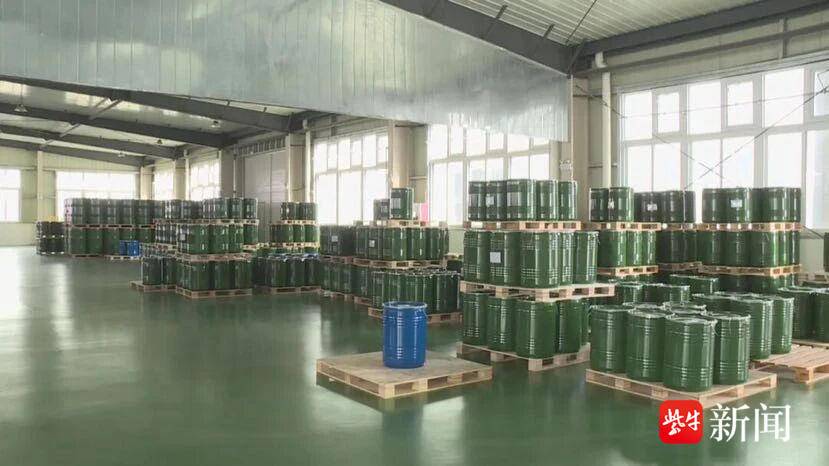
Core Insights - Jiangsu Jiayuan Biotechnology Co., Ltd. has innovatively transformed wastewater from wool cleaning into high-value cosmetic raw materials, achieving a global market share of approximately 50% [1][3]. Group 1: Environmental Impact and Innovation - The company addresses the environmental issues caused by the disposal of natural oils from wool during washing, which previously led to resource waste and pollution [3][6]. - Through technological advancements, Jiangsu Jiayuan has successfully converted wastewater pollutants into high-value products, marking a significant shift from environmental burden to green wealth [3][6]. Group 2: Product Characteristics and Market Demand - The purified lanolin has regained its excellent moisturizing and skin-friendly properties, making it a sought-after ingredient in high-end cosmetics and pharmaceuticals, particularly in the maternal and infant market [6]. - The market demand for lanolin is growing, with an estimated annual requirement of 6,000 to 7,000 tons globally, while the company's designed production capacity is 4,000 tons, aiming for a 50% market share upon full capacity [6]. Group 3: Future Prospects and Research - Jiangsu Jiayuan is collaborating with China Pharmaceutical University to explore the potential applications of lanolin in the pharmaceutical and health sectors, focusing on extracting effective components for medicinal research [6]. - The company is optimistic about breakthroughs in treating eye diseases and age-related conditions using lanolin-derived compounds [6].
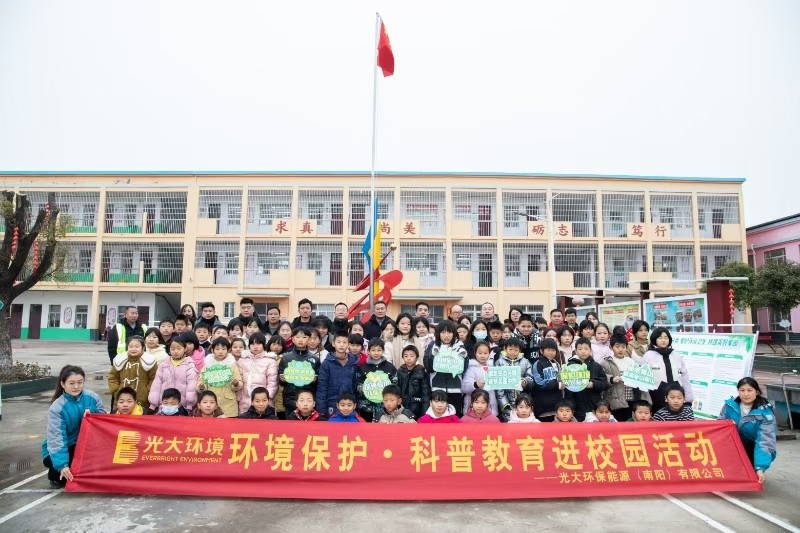
南阳能源组织开展“环境保护·科普教育进校园”活动
Zhong Guo Neng Yuan Wang· 2025-11-19 11:42
Core Viewpoint - The article emphasizes the importance of environmental education and waste classification among youth, highlighting initiatives by the company and local governments to promote ecological awareness and low-carbon lifestyles through engaging educational activities [1][3]. Group 1: Company Initiatives - The company, China Everbright International (光大环保能源), has organized a total of 30 "Environmental Protection and Science Education into Campus" activities, aimed at educating students about waste-to-energy processes [3]. - The activities involve interactive demonstrations of how household waste can be converted into energy, fostering curiosity and excitement among students about innovative technologies [3]. Group 2: Educational Impact - The program has successfully instilled a mindset in students that views waste not merely as refuse but as a resource that can be transformed into valuable energy [3]. - This hands-on educational approach enhances student engagement and environmental awareness, positioning them as future advocates and practitioners of ecological civilization [3].
山坳间的“生态答卷”:变废为电照亮千家万户
Guang Xi Ri Bao· 2025-11-13 07:07
Core Viewpoint - The article highlights the significant improvement in the sanitation conditions of Ling County, which has transitioned from a "garbage siege" to effective waste management through the establishment of a waste incineration power plant and a dedicated fly ash landfill site [2][3][5]. Group 1: Waste Management Improvements - Ling County has successfully addressed the "garbage siege" issue, with the waste incineration power plant converting waste into electricity, thus enhancing local sanitation [2][6]. - The county's waste incineration plant processes an average of 1,200 tons of garbage daily, generating 500,000 kilowatt-hours of electricity, sufficient to meet the daily needs of 50,000 households [7]. Group 2: Environmental and Health Concerns - Prior to improvements, Ling County faced severe environmental issues, including open burning of waste and low waste collection rates, leading to significant pollution risks [3][4]. - The fly ash produced from the incineration process posed potential environmental hazards if not properly managed, necessitating the construction of a dedicated fly ash landfill [4][5]. Group 3: Infrastructure Development - A new fly ash landfill site with a capacity of 175,000 cubic meters has been established, funded by an investment of 24.8571 million yuan, which can accommodate the fly ash for approximately 16 years [5]. - The landfill incorporates advanced technologies to prevent leachate generation, significantly reducing the risk of groundwater contamination and enhancing environmental safety [5][6].

厨余垃圾可发电 秸秆发酵变乙醇 武汉绿色新技术变废为宝
Chang Jiang Ri Bao· 2025-10-31 02:59
Core Viewpoint - The articles highlight innovative green technologies emerging in Wuhan that transform waste into valuable resources, addressing urban environmental challenges and contributing to high-quality sustainable development [1][2]. Group 1: Waste Management Innovations - Wuhan University of Technology developed an anaerobic digestion system with an intelligent carbon measurement platform for kitchen waste, significantly improving waste management efficiency [1]. - The system can generate 60 million kilowatt-hours of electricity annually from biogas, reducing carbon emissions by 80,000 tons [1]. - The biogas produced is now considered a "carbon asset," allowing for measurable and tradable carbon reductions in the carbon market [1]. Group 2: Biofuel Production - Wuhan Ruijia Kang Biotechnology Co., Ltd. has developed a "super strain" of bacteria that rapidly decomposes corn husks and straw into biofuel ethanol, achieving domestic production capabilities [1]. - The company has successfully demonstrated the production of high-purity lactic acid and cellulose ethanol, with cellulose ethanol reducing carbon emissions by 57% compared to traditional gasoline [2]. - Bio-based lactic acid produced by the company can achieve up to 98% lower carbon emissions compared to conventional plastics [2]. Group 3: Soil and Energy Solutions - Wuhan Lando Biotechnology Co., Ltd. utilizes fast-growing "super reed" plants for soil remediation and the production of green hydrogen and methanol, offering new solutions for ecological restoration and energy transition [2]. - The emergence of these green technologies in Wuhan not only addresses environmental issues but also transforms waste into valuable resources and green energy [2].
岳阳兴长(000819)公司事件点评报告:中报业绩承压 加速建设第二增长极
Xin Lang Cai Jing· 2025-08-26 00:37
Core Viewpoint - The company reported a significant decline in revenue and net profit for the first half of 2025, primarily due to the downturn in the energy and chemical industry, influenced by falling international oil prices and domestic market conditions [1][2]. Financial Performance - In the first half of 2025, the company achieved total revenue of 1.529 billion yuan, a year-on-year decrease of 19.17%, and a net profit attributable to shareholders of -29 million yuan [1]. - In Q2 alone, the company recorded revenue of 466 million yuan and a net profit of -43 million yuan [1]. Industry Context - The energy and chemical sector faced significant pressure due to geopolitical factors and OPEC's increased production, leading to a 15.05% year-on-year decline in the average Brent crude oil price [2]. - Domestic gasoline prices also fell, with an average price of 8,339 yuan per ton, down 8.03% year-on-year, impacting related products like MTBE and industrial isooctane, which saw price drops of 18.56% and 6.35%, respectively [2]. Cost Management - The company experienced increased expense ratios in sales, management, finance, and R&D, with management expenses rising significantly due to maintenance activities [3]. - The net cash flow from operating activities was -104 million yuan, prompting the company to secure bank credit lines to manage liquidity [3]. Strategic Initiatives - The company is actively transitioning towards new materials and energy-saving industries, focusing on high-end polyolefins and other emerging sectors [4]. - A subsidiary resumed production of metallocene polypropylene after maintenance, aiming for profitability in Q4 and enhancing the resource utilization chain [4]. Profit Forecast - The company's performance is expected to improve with the new high-end polyolefin projects, with projected net profits of 56 million yuan, 105 million yuan, and 169 million yuan for 2025-2027 [5]. - The earnings per share (EPS) are forecasted to be 0.15, 0.28, and 0.46 yuan for the same period, with corresponding price-to-earnings (PE) ratios of 111.1, 59.4, and 36.8 [5].

看浙江三“变”(活力中国调研行)
Ren Min Ri Bao· 2025-08-25 22:27
Group 1: Energy Transformation - The Zhoushan LHD marine tidal energy power station utilizes underwater turbines to convert tidal movements into green electricity [1] - The Meishan Port area has achieved a container throughput of 7.4782 million TEUs in the first seven months of the year, a year-on-year increase of 14.66% [2] - The Meishan Port's wind-solar-storage integrated project has generated over 40 million kilowatt-hours of electricity since its launch, reducing carbon emissions by approximately 24,000 tons [2] Group 2: Industrial Upgrading - The Huzhou "transformation financial loan" supports Hongchang Aluminum's production line upgrade, enhancing energy efficiency and productivity [1] - The Jiaxing Port area has deployed 100 hydrogen-powered trucks, saving approximately 3 million yuan in costs and reducing carbon emissions by about 5,000 tons annually compared to traditional fuel vehicles [3] - The Shaoxing Shangyu District has transformed a traditional chemical park into a hub for strategic emerging industries, with a projected output value of over 100 billion yuan in new materials by 2024 [4] Group 3: Waste to Resource - Agricultural waste such as straw and citrus peels is being converted into biofuels, contributing to carbon reduction efforts [7] - The "blue cycle" model for marine plastic waste management has successfully recovered 58,000 tons of marine plastic waste, reducing carbon emissions by 52,200 tons [7] Group 4: Green Development Initiatives - Zhejiang is actively cultivating green low-carbon industries and promoting green technologies and products, leading to the emergence of several billion-yuan recycling resource industries [8] - The region emphasizes ecological priority and green low-carbon development, driving a transformation in production and economic structure [8]
变“废”为宝 生活能源的“重生”之路
Ren Min Wang· 2025-08-13 11:01
Group 1 - The article emphasizes the importance of popularizing scientific knowledge and promoting scientific spirit to enhance the overall scientific and cultural quality of the population [1] - It highlights the collaboration between the China Association for Science and Technology and People's Daily to launch the "Witnessing the Road of Science and Technology" themed report [1] - The initiative focuses on national science and technology strategic policies, significant scientific awards, and critical core technologies, aiming to gather strength for building a strong technological nation [1] Group 2 - The manufacturing industry generates economic value but also produces waste such as wastewater, waste batteries, and household garbage, which puts pressure on the environment [3] - Companies in China are continuously innovating technologies to transform waste into valuable resources [3]
19块9一只的烤鸭里,藏着西方学不会的中国魔法
3 6 Ke· 2025-08-07 03:57
Core Insights - The article discusses the rapid growth and efficiency of the Chinese duck industry, particularly focusing on the "Cherry Valley Duck" which has become a dominant player in the market, surpassing traditional poultry like white feather chickens in terms of production efficiency and cost-effectiveness [5][8][14]. Industry Overview - The Cherry Valley Duck accounts for 60.50% of the white feather meat duck market in China as of 2022 and the first half of 2023, highlighting its significant market presence [5]. - The duck's feed conversion rate is approximately 2:1, which is 50% more efficient than pig farming, making it a highly productive option for meat production [5][6]. Production Efficiency - The average weight of a Cherry Valley Duck at 45 days is over 6 pounds, compared to the 5 pounds of a white feather chicken, showcasing its superior growth rate [6]. - The turnaround rate for raising Cherry Valley Ducks is 1.8 times higher than that of white feather chickens, allowing for lower downstream production costs [8]. Value Chain Optimization - The Chinese duck industry has evolved from a fragmented system to a highly efficient value chain, where every part of the duck is utilized, maximizing profitability [12][14]. - The processing of ducks in China is highly sophisticated, with various parts being sold for different purposes, such as duck tongues and livers, which significantly increases the overall value derived from each duck [13]. Market Dynamics - The article emphasizes that the low price of street-side roasted ducks, often around 19.9 yuan, is made feasible by the high efficiency and low costs associated with the duck production and processing chain [8][14]. - The industry has adopted a model similar to the razor-and-blades strategy, where the initial product (the duck) is sold at a low price, while the more profitable parts are sold separately, ensuring profitability at every stage [13]. Conclusion - The success of the Chinese duck industry is attributed to its ability to innovate and optimize every aspect of the production and processing chain, turning what was once considered waste into valuable products, thus showcasing a unique competitive advantage in the global market [22][24].
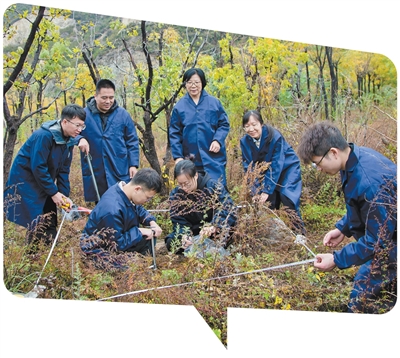
让工业固废“变废为宝”(弘扬科学家精神·对话)
Ren Min Ri Bao· 2025-08-04 22:39
Core Viewpoint - The article highlights the importance of industrial solid waste management, emphasizing the potential for transforming waste into valuable resources through effective treatment and utilization techniques [2][3]. Group 1: Industrial Solid Waste Management - Industrial solid waste management follows the principle of balancing resource utilization and harmless disposal, distinguishing between treatment for reuse and disposal for safety [3]. - Techniques such as physical separation and advanced optical sorting are employed to enhance the recovery of valuable components from waste materials like coal gangue [3][4]. - The article discusses the challenges in recognizing the resource attributes of solid waste and the high costs associated with technology implementation, which hinder the promotion of effective waste management solutions [5]. Group 2: Research and Development in Waste Utilization - The article outlines the significant breakthroughs achieved in the high-efficiency utilization of coal gangue and the establishment of multiple demonstration projects for comprehensive waste utilization [2]. - It emphasizes the need for collaborative innovation between academia and industry to address real problems in waste management and enhance the effectiveness of research outcomes [6][7]. - The narrative includes a historical perspective on the development of domestic technologies to reduce reliance on imports, showcasing the importance of local innovation in addressing industry challenges [6][8]. Group 3: Future Directions and Recommendations - The article suggests that understanding the specific composition and properties of waste materials is crucial for successful recycling and resource recovery [5]. - It advocates for a long-term commitment to research and development in the field of industrial solid waste, encouraging researchers to focus on the pressing needs of the industry [9]. - The importance of patience and perseverance in scientific research is highlighted, with a call for researchers to remain dedicated to their work despite initial setbacks [9].