合作共赢

Search documents
学习手记|“大历史观”的长远眼光
Xin Hua She· 2026-02-02 14:53
Core Viewpoint - The concept of "big historical perspective" is emphasized as a guiding principle for China-UK relations and international cooperation, advocating for mutual respect and understanding in the face of global challenges [3][4]. Group 1: Historical Perspective - The "big historical perspective" encourages a broader and long-term view of world history, recognizing the overarching trends in human social development [3]. - Xi Jinping has previously called for the establishment of a "big historical perspective" within the Communist Party, focusing on analyzing historical evolution and proposing strategic responses [3][4]. Group 2: Peaceful Development - The article highlights that Chinese civilization is characterized by peace, and China's modernization is rooted in peaceful development, which benefits the world [3]. - Xi Jinping has reiterated that China will never seek hegemony or expansion, regardless of its development stage, positioning China as an opportunity for the world [3][4]. Group 3: International Relations - The current global landscape is marked by significant changes and challenges, but history shows that it progresses according to its own laws, and no force can halt this progress [4]. - Recent interactions between Western leaders and China signify a shift in international relations, with countries looking towards China for cooperation amidst global turmoil [4][5]. Group 4: Future Development - China aims to inject stability into a turbulent world through high-quality development and responsible engagement, offering opportunities for mutual growth [5]. - The article reflects on the need for Western countries to reassess their policies towards China, recognizing the importance of engaging with China as a rising power [5].


森马服饰:公司始终坚持“小河有水大河满”的经营理念
Zheng Quan Ri Bao Zhi Sheng· 2026-01-29 12:40
Core Viewpoint - The company emphasizes a collaborative and long-term approach to business, focusing on value creation and brand development while fostering a positive work culture [1] Group 1: Business Philosophy - The company adheres to the principle of "small rivers have water, big rivers are full," promoting win-win cooperation with employees and partners [1] - The company is committed to long-termism, continuously investing in brand building to provide better products and services to consumers [1] Group 2: Cultural Values - The company advocates for a new cultural value system that emphasizes equality and openness in the workplace, aiming to create a warm and humanized institutional environment [1] - The company focuses on a consumer-centric approach and aims for long-term maximization of its interests through innovation and growth [1] Group 3: Employee Management - The company implements a talent attraction and retention strategy that balances internal fairness with external competitiveness, guided by performance orientation and cost budget considerations [1] - The company adopts a scientific and systematic compensation strategy based on principles of pay for position, pay for person, and pay for performance [1]

特朗普没想到,千防万防中国,印度却突然发力,抢下了这个香饽饽
Sou Hu Cai Jing· 2026-01-28 10:53
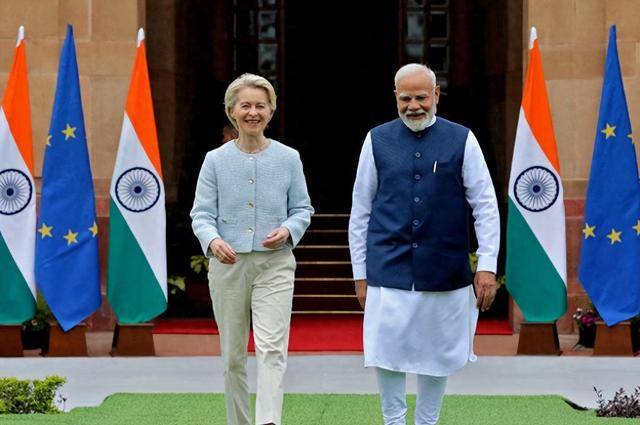
Core Viewpoint - The long-awaited free trade agreement between India and the European Union was signed on January 27, 2026, after two decades of negotiations, significantly influenced by U.S. trade policies under Trump [1][6][8]. Group 1: Background and Context - The negotiations for the free trade agreement began in 2007 but faced multiple deadlocks due to tariff disagreements and industry standards, with a complete halt from 2013 to 2022 [8]. - Trump's imposition of high tariffs on Indian exports, including a 50% tariff on steel and pharmaceuticals, pushed India to seek new partnerships, leading to a renewed focus on the EU [10][17]. Group 2: Strategic Implications - The agreement is seen as a strategic move for both India and the EU to reduce reliance on the U.S. market, with the EU aiming for "strategic autonomy" in light of U.S. pressures [29][31]. - The deal covers 25% of global GDP and connects a market of 2 billion people, indicating its significance beyond mere trade [34][39]. Group 3: Economic Benefits - The EU will eliminate or reduce tariffs on 96.6% of its exports to India, potentially saving 400 million euros annually in tariff costs, with expectations of doubling EU exports to India by 2032 [32]. - India agreed to gradually reduce tariffs on EU automobiles from 110% to 10% over five years, while maintaining protections for certain sectors [23][25]. Group 4: Broader Cooperation - In addition to trade, the agreement includes strategic cooperation in defense, cybersecurity, and artificial intelligence, indicating a comprehensive partnership [37]. - The signing of the agreement was accompanied by high-level political engagement, signaling a shift in the EU's foreign policy approach [39][41].
特朗普美梦破碎,中国帮了拉美国家一个大忙,西方国家纷纷向东看
Sou Hu Cai Jing· 2026-01-28 04:35
Core Viewpoint - The article highlights how Latin American countries have managed to navigate the trade challenges posed by the Trump administration's tariffs, largely due to support from China, which has allowed them to maintain economic stability without making significant concessions to the U.S. [1][3] Group 1: Impact of U.S. Tariffs - Many Latin American countries are still under the shadow of high U.S. tariffs and have not reached effective trade agreements with the U.S. [1] - Some countries have received tariff exemptions in specific industries, but overall, they continue to feel the impact of U.S. tariffs [3]. Group 2: China's Role - China's assistance has enabled these countries to overcome the negative effects of U.S. tariffs, allowing them to keep their economies running [3]. - Latin American countries have deepened their reliance on China by exporting minerals, beef, and agricultural products, effectively countering the impact of U.S. tariffs [5]. Group 3: Global Implications - The success of Latin American countries in relying on China serves as a model for others, influencing global perceptions and encouraging countries like South Korea, Canada, Finland, the UK, and Germany to strengthen ties with China [5][6]. - This trend reflects a broader reevaluation of global economic development models and implicitly challenges U.S. unilateralism [6]. Group 4: Shift in Alliances - The increasing cooperation with China allows countries to avoid forced political compromises and achieve genuine win-win outcomes [6]. - The movement of traditional U.S. allies towards China indicates a shift towards a more sustainable development path, resisting the protectionist policies of the Trump administration [6]. Group 5: Future Outlook - Even if Venezuela cannot currently export oil to China, future cooperation is likely to strengthen, indicating a long-term trend [6]. - The deepening ties between Latin America and China position the region as a significant player in the global economic landscape, challenging the traditional dominance of the U.S. [6].
以“宣讲+”推进理论与青年深度连接
Xin Lang Cai Jing· 2026-01-28 04:17
Core Viewpoint - The article emphasizes the importance of adapting the dissemination of the Party's innovative theories to engage the youth effectively, addressing their unique characteristics and needs in the modern context [1][2][3]. Group 1: Theoretical Engagement with Youth - The youth are described as "digital natives" and "social forces," requiring a new approach to theoretical dissemination that resonates with their active thinking and diverse needs [1]. - The "宣讲+" approach aims to create a deeply integrated theoretical communication system that responds to youth concerns and embeds theory into their daily lives [1][2]. - The need to transform traditional theoretical discussions, which often feel disconnected from youth realities, into relatable themes that can serve as keys to resolving their confusions is highlighted [1][2]. Group 2: Utilizing Social Hotspots - Social hotspots are identified as critical entry points for youth to understand the world, providing a rich context for theoretical interpretation [2]. - Examples include using trending topics like "internet celebrity phenomena" to discuss mainstream value guidance and "cultural confidence" through the rise of domestic brands [2]. - This dual interaction between current events and theory aims to make theoretical concepts feel relevant and engaging for the youth [2]. Group 3: Addressing Real-World Challenges - The article discusses how real-life challenges faced by youth, such as career choices and existential anxieties, can serve as focal points for theoretical discussions [2]. - Theories that emerge from practical experiences and guide actions can create a closed loop of addressing difficulties, gaining recognition and enthusiasm from the youth [2]. Group 4: Overcoming Cognitive Barriers - The youth's cognitive confusion often stems from misconceptions about traditional values and the relationship between personal and societal interests [3]. - The article suggests that theoretical discussions should aim to clarify these misconceptions and promote consensus among youth [3]. - The use of relatable examples to address common dilemmas faced by youth is proposed as a method to enhance understanding and engagement [3]. Group 5: Creating Engaging Scenarios - The importance of embedding theoretical discussions into everyday scenarios that youth encounter is emphasized [4]. - Examples include integrating theory into classroom settings, research environments, and community discussions to make learning more natural and impactful [4]. - Immersive experiences, such as role-playing and simulations, are suggested to transform youth from passive listeners to active participants in theoretical learning [4]. Group 6: Digital Integration and Innovation - The article highlights the necessity of embracing technological advancements to enhance theoretical dissemination, particularly through digital platforms [5][6]. - Interactive and engaging formats, such as virtual reality and augmented reality, are proposed to make theoretical concepts more accessible and appealing to the youth [5][6]. - The use of AI and big data to personalize content delivery and create a more engaging theoretical experience is also discussed [6].
敢和中国合作就毁灭?美咬死加拿大,加征100%关税,中方把话说透
Sou Hu Cai Jing· 2026-01-27 15:14
Core Viewpoint - The relationship between the United States and Canada has soured, with President Trump threatening to impose a 100% tariff on Canadian goods if Canada reaches a trade agreement with China, reflecting a strategy to pressure Canada into abandoning its cooperation with China [1][8][12]. Group 1: U.S.-Canada Relations - Trump's threats are seen as an attempt to assert U.S. dominance over Canada, which has historically relied heavily on the U.S. economy [5][12]. - The U.S. imports significant amounts of oil from Canada and relies on Canadian automotive parts, indicating a deep economic interdependence [12][14]. - Trump's rhetoric includes calling Canada a "state" of the U.S., emphasizing his view that Canada should not engage independently with China [8][10]. Group 2: Canada's Response - Canadian Prime Minister Trudeau responded calmly to Trump's threats, promoting a "buy Canadian" campaign without directly confronting the U.S. [17][19]. - Trudeau's approach signals a commitment to diversifying Canada's trade partnerships and reducing reliance on the U.S. market [21][23]. - The Canadian government has been actively seeking new trade partners, as evidenced by Trudeau's recent visits to China and Qatar [23][25]. Group 3: China-Canada Relations - Canada and China signed a trade cooperation roadmap earlier this year, which has angered the U.S. [3][34]. - China's stance emphasizes mutual benefit and cooperation, rejecting the notion that its relationship with Canada is a threat to the U.S. [34][36]. - The trade relationship between China and Canada is characterized by mutual advantages, with Canada exporting agricultural products to China and importing Chinese goods [38][40]. Group 4: Global Implications - The escalating tensions between the U.S. and Canada, influenced by China's involvement, have drawn global attention [32][44]. - The article suggests that the U.S. is struggling to maintain its hegemonic position as more countries seek independent trade relationships [42][46]. - The narrative indicates a shift towards a multipolar world where countries are increasingly choosing their own paths for economic cooperation [42][48].
外交部:中方坚决反对美国个别政客对中美洲国家同中国的正常交往指手画脚
中国能源报· 2026-01-26 08:43
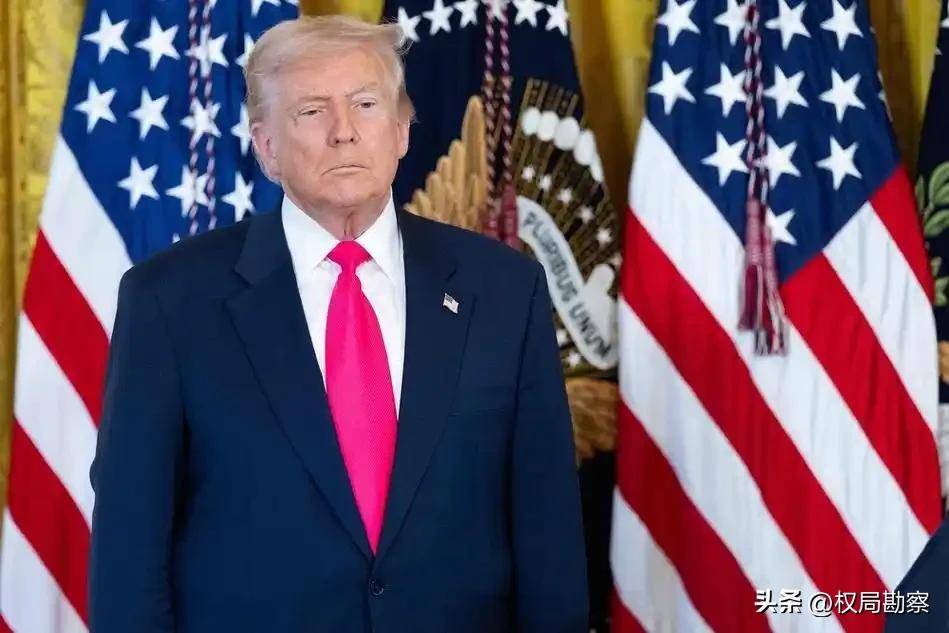
Group 1 - The core viewpoint of the article emphasizes China's strong opposition to U.S. politicians' interference in China's relations with Central American countries, labeling such statements as lies and reflecting a Cold War mentality [1]. - China maintains a principle of mutual respect, equality, openness, and cooperation with Central American nations, which has brought tangible benefits to local populations and is welcomed by those countries [1]. - The spokesperson urges U.S. politicians to cease manipulating issues related to China and instead focus on actions that promote regional development and prosperity [1].
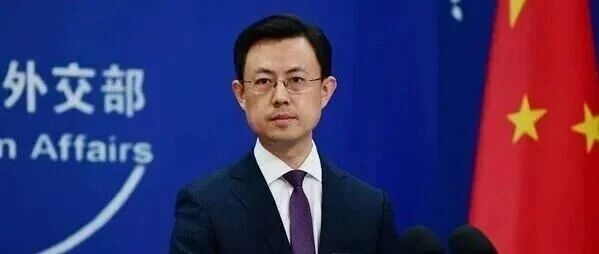
社评:西方国家“走近中国”,不值得大惊小怪
Xin Lang Cai Jing· 2026-01-25 16:11
关心国际政治的人,最近都注意到某种趋势性变化:从加拿大总理卡尼在达沃斯论坛的"中等强国必须 携手合作"赢得掌声,到韩国、加拿大、芬兰、英国、德国等国领导人"接连访华"或纷纷表达访华意 愿,在单边主义、霸权主义搅动世界的背景下,强化对华合作被认为在西方国家中"渐成趋势"。相关动 向显然不是孤立的。有声音认为,这很可能是国际秩序大变革浪潮中的一个标志性节点。 美国舆论高度关注这些动向。在连篇累牍的报道与分析中,我们注意到,有几种典型的涉华错误论调。 一种是"中国捡漏论",认为美国与盟友间的"裂痕"让中国"有机可乘",甚至挑动称"中国正在赢得新冷 战";一种是"中国二次冲击论",认为中国不断发展的产业链正在吞噬西方国家的"自留地",警告强化 对华合作就是"任由中国侵吞"。还有一种声音,姑且称之为"投降中国论",它将对华合作视作"软弱", 是所谓"牺牲价值观换取市场",进而宣称中国正在对西方文明形成"根本性挑战"。 这些说法都是披着不同外衣的"中国威胁论",本质上仍然是基于冷战思维的二元叙事。它们假定了一 个"中美两极争霸"的国际格局,认为每个国家都必须在中美之间作出排他性选择,要么依附霸权,要么 靠拢中国。这当中还 ...
特朗普“石油如意算盘”落空,中国淡定转身,拥抱俄罗斯低价油
Sou Hu Cai Jing· 2026-01-24 11:50
美国之所以敢对中委石油贸易指手画脚,本质上是以为这一招能够成功施压,毕竟在不少美国政客的认 知里,中国是全球最大石油进口国,70%的石油需求依赖进口,只要掌控了委内瑞拉这个石油储量世界 第一的国家,就能在能源领域拿捏中国。但他们显然没看清两个关键现实:一是中国对委内瑞拉石油供 应远达不到依赖的程度,二是全球能源市场早已不是美国能独霸的格局。 相关数据显示,2024年中国从委内瑞拉进口石油仅149.83万吨,占全年进口总量的0.27%;到了去年前 11个月,这一占比更是骤降至0.07%,进口量仅有34.17万吨。换句话说,是否购买委内瑞拉石油并不影 响中国的能源进口布局。中国早年采购委石油,更多是基于双方"石油换贷款"的长期合作约定,是助力 委内瑞拉偿还债务的互利共赢之举,而非单纯依赖其资源。美国想靠抬高委内瑞拉原油价格给中国施 压,只能说是一拳打到了棉花上。 更让美国没想到的是,就在他们忙着炒作 "委油涨价" 时,超低价的俄罗斯原油正在大量进入中国。据 美媒彭博社日前消息,受美国制裁施压,印度对俄罗斯乌拉尔原油的采购意愿大幅降温,去年12月印度 原油进口量跌至三年多来最低,已经下滑成俄化石燃料的第三大买家,这 ...

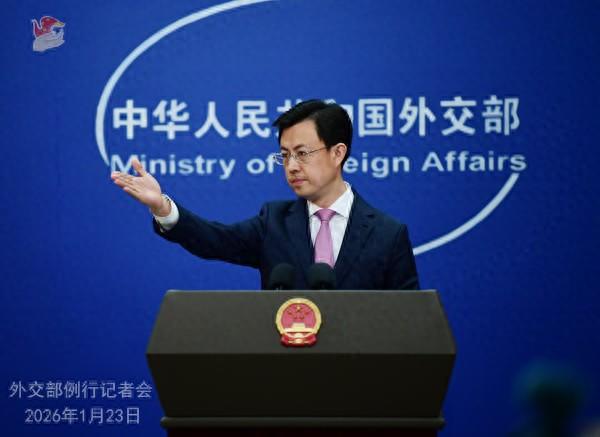
1月23日外交部例行记者会答问汇总
Xin Lang Cai Jing· 2026-01-23 10:42
Core Viewpoint - The World Economic Forum 2026 emphasizes the need for dialogue amid global divisions and conflicts, with China expressing its commitment to high-quality development and multilateralism [3]. Group 1: China's Position on Global Issues - China advocates for free trade, multilateralism, cooperation, and mutual respect as essential for addressing global challenges [3]. - The country positions itself as a stabilizing force in an uncertain world, offering opportunities and confidence for collective development [3]. Group 2: International Relations and Diplomacy - China is open to enhancing cooperation with the UK and emphasizes the importance of stable China-U.S. relations for mutual benefit [4]. - The Chinese government maintains a consistent stance on the Ukraine crisis, advocating for dialogue as the only correct path to resolution [5]. Group 3: Human Rights and International Criticism - China defends its human rights record, particularly in Xinjiang and Tibet, against allegations of forced labor, labeling such claims as unfounded [5]. Group 4: Economic and Trade Relations - The Chinese government has a clear position on TikTok's operations in the U.S., suggesting inquiries should be directed to relevant authorities [5]. - China asserts that Venezuela, as a sovereign nation, has the right to choose its trade partners, responding to U.S. comments on oil purchases [6].