
国际博弈

Search documents
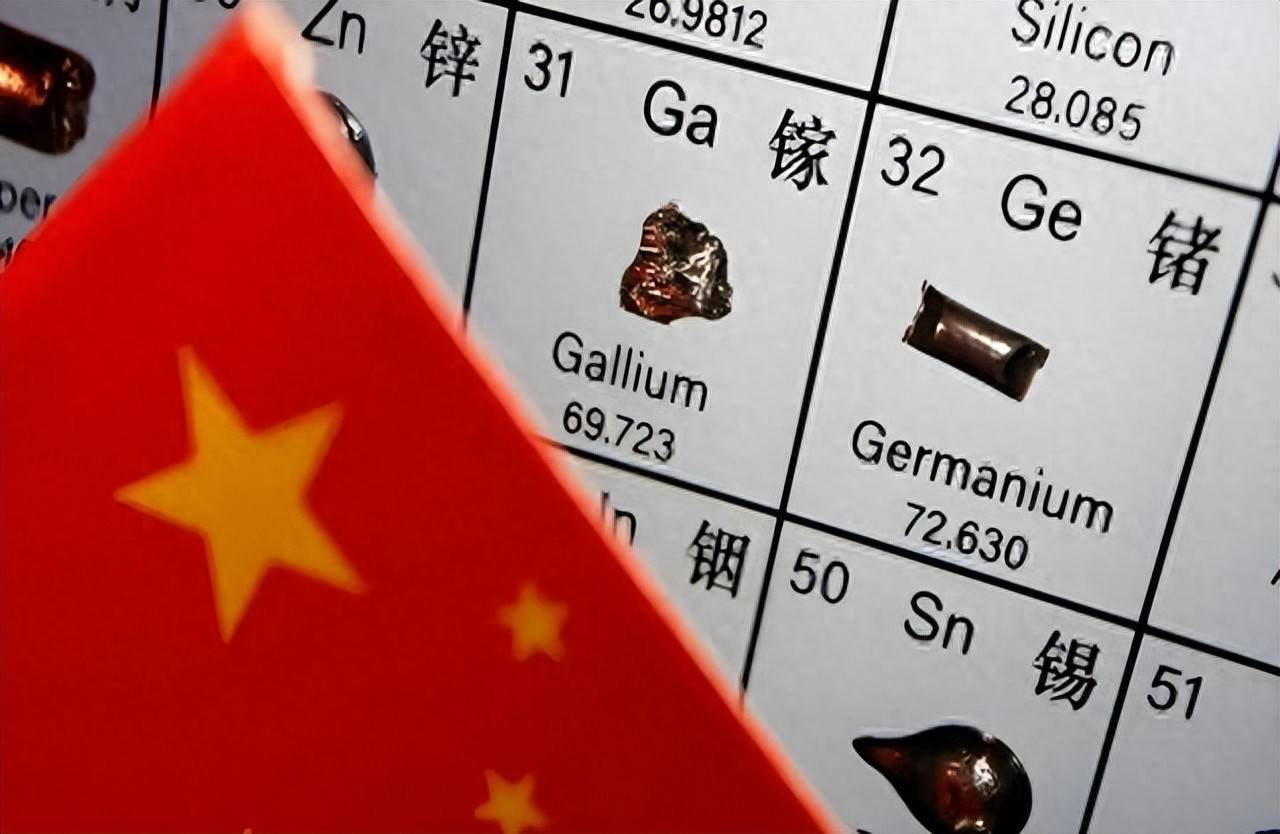
稀土这张重要牌影响之大,让全世界明白过来,不能跟中国作对
Sou Hu Cai Jing· 2025-10-26 02:38
Core Insights - The article highlights the strategic importance of rare earth elements (REEs) for military applications, particularly for the U.S. Navy, which relies heavily on these materials for advanced weaponry and technology [1][5][10] - China holds a dominant position in the global rare earth market, controlling approximately 34% of the world's total reserves, which amounts to about 120 million tons [1][9] - The U.S. is currently facing challenges in its military production due to a lack of access to refined rare earth materials, which are essential for the manufacturing of advanced naval vessels and submarines [5][10] Group 1 - Rare earth elements are critical for military applications, with specific quantities required for U.S. naval vessels, such as 2.4 tons for an Arleigh Burke-class destroyer and 4.2 tons for a Virginia-class submarine [1][10] - Historically, China did not prioritize rare earth mining and processing, leading to a situation where the U.S. benefited from low-cost exports for military manufacturing [1][3] - The current landscape has shifted, with China now controlling the entire supply chain from mining to refining, making it difficult for other countries to compete [3][7] Group 2 - The U.S. is attempting to negotiate for increased rare earth exports from China, but China has implemented strict controls on exports to protect its resources and industry [5][9] - Germany has successfully navigated China's export regulations by agreeing to oversight and data sharing, demonstrating a potential model for cooperation [5][9] - The strategic management of rare earth exports by China serves as a significant leverage point in international relations, compelling countries to maintain cooperative ties with China for access to these critical materials [9][11] Group 3 - The U.S. military's reliance on rare earth elements exposes vulnerabilities in its supply chain, particularly as demand for advanced military equipment increases [7][10] - China's control over rare earth processing technology creates a barrier for other nations, as they cannot simply source raw materials without the capability to refine them [7][10] - The shift from passive resource exportation to active control over rare earth elements has transformed China's position into a powerful negotiating tool on the global stage [11]


没有稀土,手机退回2G、电车变老头乐!G7再折腾也逃不开中国
Sou Hu Cai Jing· 2025-10-22 01:33
Core Insights - The article emphasizes the critical role of rare earth elements in modern technology, particularly in smartphones, electric vehicles, and military applications, highlighting China's dominance in the global rare earth supply chain [1][3][5] Industry Overview - China currently controls 91% of the global rare earth refining capacity and 94% of magnet production, making it a key player in the industry [3] - The G7 countries are attempting to implement a "price floor" for rare earth elements to counter China's market advantage, but this has led to frustration among companies that still rely on Chinese supplies [7][9] Market Dynamics - The dependency on Chinese rare earths is evident, as companies express concerns about the feasibility of decoupling from China, given the lack of resources and technological capabilities in the West [5][9] - The article notes that any significant disruption in rare earth supply could lead to a regression in technology, affecting everyday life and the performance of electric vehicles [5][9] Consumer Awareness - Consumers are advised to be cautious when purchasing technology products, emphasizing the importance of understanding the materials used, particularly in electric vehicles and smartphones, to avoid subpar performance [12]

为什么说稀土这张牌只能用一次?深度解析背后的国际博弈
Sou Hu Cai Jing· 2025-10-11 10:59
Core Insights - Rare earth elements play a crucial role in modern technology, being essential for devices ranging from smartphones to electric vehicles and military applications [3][4] - China currently holds over 80% of the global rare earth supply, which presents both an advantage and a strategic challenge in international relations [1][4] - The overuse of rare earth resources as a political tool could lead to accelerated development of alternative resources by other countries, diminishing China's competitive edge [3][6] Group 1: Importance of Rare Earth Elements - Rare earth elements are integral to various technologies, making them indispensable for advancements in multiple industries [3] - The absence of rare earth elements could set back modern technology by approximately 20 years, highlighting their critical importance [3] Group 2: Historical Context of Rare Earth Supply - China's 2010 export restrictions on rare earths to Japan led to significant global supply chain shifts, prompting countries like Japan to seek alternative sources and technologies [4] - Following the restrictions, China's market share in rare earths dropped from 95% to around 80%, illustrating the potential consequences of using rare earths as a political weapon [4][6] Group 3: Strategic Considerations - The use of rare earths as a resource weapon is a double-edged sword; while it can initially intimidate opponents, repeated use may accelerate efforts to reduce dependency on Chinese supplies [6] - Countries such as the United States and Australia are actively working to develop their own rare earth resources to counter China's dominance [6] Group 4: Value Transformation - The true value of rare earths lies not just in their extraction but in the ability to leverage them for technological advancements, moving from raw material export to high-end product manufacturing [7] - Achieving superior technology in applications like servo motors and wind turbines will unlock the full potential of rare earth resources, transitioning from resource power to technological leadership [7] Group 5: Long-term Strategy - Effective use of rare earths requires strategic timing and careful planning, akin to a chess game where the best players establish a sustainable advantage rather than relying on a few strong moves [9] - The ultimate strength lies not in the quantity of resources but in the strategic application and management of those resources [9]

特朗普官宣月底和中方见面,关键时刻,普京改口,宣布不反美元
Sou Hu Cai Jing· 2025-10-04 10:46
Core Insights - The article discusses the complex international dynamics involving the U.S., China, and Russia, particularly focusing on soybean trade and the dollar's role in global finance [1][15]. Group 1: U.S. Soybean Market - As of early October 2025, China has placed nearly zero orders for U.S. soybeans, a stark contrast to over $12 billion in imports the previous year, highlighting significant political pressure on the White House [2][11]. - U.S. farmers, particularly soybean producers, are expressing dissatisfaction, attributing their struggles to tariffs imposed by the Trump administration, which could threaten his political support in the upcoming 2024 elections [2][5]. - Trump has publicly stated that he will pause soybean purchases for negotiation considerations, indicating the urgency of the situation as he seeks to reassure farmers [5][11]. Group 2: China's Strategic Position - China has strategically increased its soybean imports, reaching a record high of nearly 14 million tons in September, indicating preparation for potential negotiations and reducing reliance on U.S. soybeans [5][11]. - The diversification of China's soybean sources, including cheaper options from Brazil and Argentina, enhances its negotiating power in the ongoing discussions [5][11]. - China's approach emphasizes stability and long-term strategy, as it continues to strengthen cooperation with Latin American countries while maintaining its own strategic reserves [13][15]. Group 3: Russia's Shift in Stance - President Putin's recent comments indicate a shift from a previously aggressive stance on "de-dollarization" to a more pragmatic approach, suggesting that Russia's actions were driven by restrictions on dollar usage rather than a fundamental opposition to the currency [7][9]. - The majority of trade between Russia and China is conducted in local currencies, but Russia still relies on the dollar for transactions with other countries, highlighting the complexities of its economic relationships [9][11]. - Putin's remarks signal a willingness to negotiate and explore potential easing of financial sanctions, reflecting a strategic recalibration in response to the current geopolitical landscape [9][15]. Group 4: Triangular Dynamics - The interactions between Trump, Putin, and China illustrate a strategic balancing act, with each country pursuing its own interests while being influenced by the others' actions [11][15]. - The U.S. seeks to stabilize its domestic agricultural sector, while Russia aims to maintain its trade channels, and China positions itself as a key player in this geopolitical chess game [11][15]. - The article concludes that the ability to maintain stability in essential resources like food, energy, and finance will determine which country can navigate the current uncertainties most effectively [15][17].
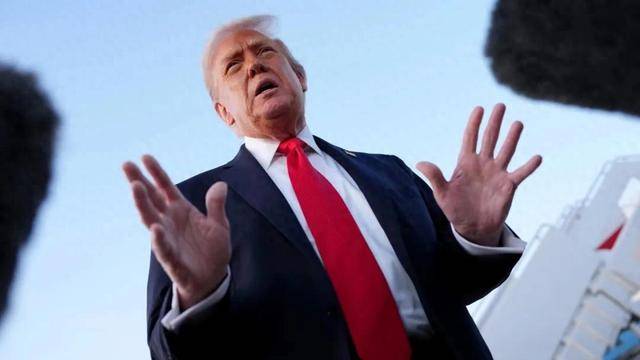
欧洲如今的困境提醒着中国:面对美国和俄罗斯,这两个错误不能犯
Sou Hu Cai Jing· 2025-08-21 07:36
Core Viewpoint - Europe is experiencing heightened tension and a sense of helplessness due to the geopolitical dynamics involving the U.S. and Russia, particularly following the announcement of a meeting between Trump and Putin in Alaska, which has sidelined Europe in critical discussions regarding Ukraine [2][5]. Group 1: European Aid and Positioning - By the end of 2024, the European Union (excluding the UK) is set to provide up to $1.44 trillion in aid to Ukraine, significantly surpassing the $1.24 trillion provided by the U.S., highlighting Europe's role as the primary financial supporter in the conflict [2]. - European leaders, including Macron and Merz, have expressed outrage over being excluded from discussions about Ukraine's future, emphasizing that decisions affecting Ukraine should involve European input due to their own security concerns [7][12]. Group 2: Miscalculations by Europe - Europe has made two critical errors: underestimating Russia's strength and overestimating the reliability of the U.S. as an ally [8][13]. - The belief that Russia's economy was on the brink of collapse has proven incorrect, as Russia has demonstrated resilience and a strong counter-offensive capability, leaving Europe in a precarious situation [10][12]. - The U.S. has shown a willingness to prioritize its interests over its alliance with Europe, as evidenced by Vice President Vance's comments that shocked European representatives, indicating a shift in the U.S. stance [13][16]. Group 3: Implications for Global Dynamics - The current predicament of Europe serves as a warning to other nations, including China, about the dangers of overestimating allies and the potential for shifting allegiances in complex international relations [18][19]. - Europe's fragmented internal situation and inability to unify in response to external pressures have exacerbated its challenges, leading to a loss of strategic clarity in the global landscape [19].
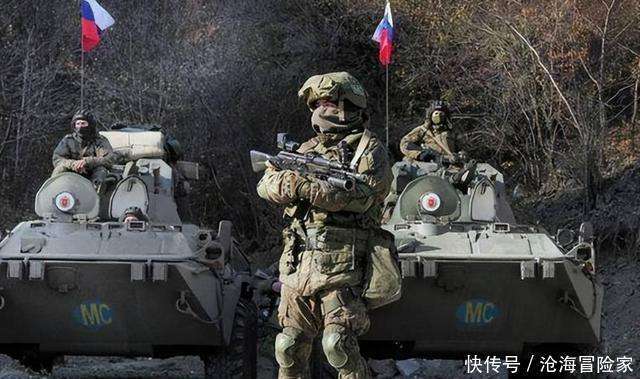
普京一招让特朗普认怂!美俄较量,印度遭反噬、中国成最大赢家?
Sou Hu Cai Jing· 2025-08-19 07:59
Core Points - Trump's ultimatum to Putin has turned out to be ineffective, as he failed to implement promised sanctions after the deadline passed, highlighting a pattern of empty threats [1] - The potential for a meeting between US and Russian leaders has increased, indicating a subtle shift in US strategy towards Russia [1] Group 1: Reasons for US Strategy Change - Russia has effective countermeasures against US sanctions, as demonstrated by Putin's withdrawal from the Intermediate-Range Nuclear Forces Treaty, which escalates strategic tensions in Europe [2] - The US has exhausted most of its sanction options against Russia, limiting the effectiveness of any further measures, particularly regarding Russian oil imports from China and India [3] Group 2: Consequences of the US Strategy - Ukraine is a significant loser in this scenario, as President Zelensky's expectations for US intervention have not been met, revealing that US interests take precedence over Ukrainian concerns [5] - India, which has maintained a neutral stance during the conflict, may face repercussions from US sanctions, undermining its strategic gains [5] - In contrast, China has effectively navigated the situation, reducing the pressure from US sanctions and prompting the US to seek negotiations, positioning itself as a winner in this geopolitical contest [7]
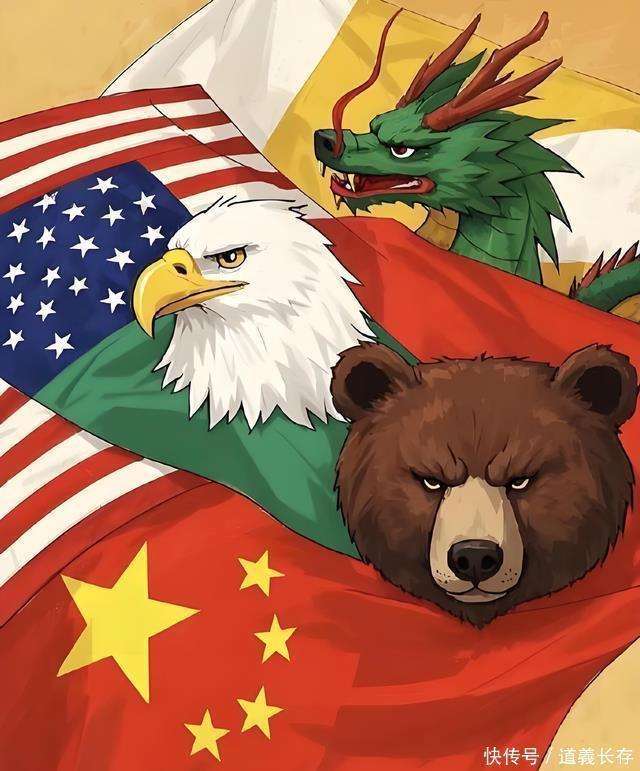
俄遭受外部三连击,俄乌迎来最危险转折?
Hu Xiu· 2025-08-01 00:03
Core Insights - The article highlights a significant turning point in the Russia-Ukraine conflict, with the U.S. allegedly planning to instigate a regime change in Ukraine by replacing President Zelensky with Zaluzhny, which could lead to internal turmoil in Ukraine [1] - Russia is under immense pressure from the U.S. and NATO, indicating a complex international power struggle [1] - The situation in the Caucasus region is also described as tense, suggesting broader geopolitical implications [1] Summary by Categories - **Geopolitical Dynamics** - The U.S. is reportedly orchestrating a regime change in Ukraine, aiming to replace Zelensky with Zaluzhny, which may destabilize the country [1] - Russia faces significant challenges from U.S. and NATO forces, indicating a critical phase in the ongoing conflict [1] - **Regional Implications** - The article notes rising tensions in the Caucasus region, hinting at potential spillover effects from the Ukraine conflict [1] - **China's Role** - The article raises questions about China's potential involvement and stance in this evolving geopolitical landscape [1]
中方扩大稀土出口后,特朗普突然变了个人,美国总统访华提上日程
Sou Hu Cai Jing· 2025-07-27 07:19
Core Viewpoint - The recent increase in China's rare earth exports has led to a notable shift in the U.S. stance, particularly from Trump, who is now showing a more conciliatory approach and expressing intentions to visit China, indicating a potential turning point in U.S.-China relations [1][3]. Group 1: Rare Earth Exports - China's rare earth magnet exports to the U.S. surged from less than 60 tons in May to 353 tons in June, marking a 660% increase, while total rare earth exports rose from 1,238 tons to 3,188 tons, a 157.5% increase [3]. - The Chinese Ministry of Commerce has accelerated the approval process for rare earth export controls to ensure national security while meeting reasonable demands from other countries [3][8]. Group 2: U.S. Response - The Trump administration responded by restoring exports of NVIDIA's H20 AI chips to China and easing restrictions on General Electric's jet engine parts [5]. - The White House has relaxed visa and investment restrictions for China and indicated that plans for a presidential visit to China are underway, alongside intensifying the third round of U.S.-China trade negotiations [5][7]. Group 3: Strategic Considerations - The recent trade consensus and the established 90-day tariff ceasefire highlight the U.S.'s need to expand its market and alleviate supply chain pressures, with rare earths being a critical component [7]. - Trump's domestic economic challenges and election pressures necessitate a visit to China to secure agreements that could enhance his political image ahead of the midterm elections [7][8]. Group 4: Geopolitical Implications - Rare earths are essential for electric vehicles, wind energy, and high-end defense equipment, with China controlling over 90% of the global rare earth market [8]. - The U.S. risks losing its competitive edge in key resources if it over-regulates, potentially pushing allies like the EU, Japan, and South Korea closer to China [8][9]. Group 5: Future Outlook - The series of events from China's export expansion to Trump's attitude shift indicates that despite intense competition, there remains room for dialogue between the U.S. and China, highlighting their interdependent relationship [9]. - The sustainability of this "peaceful situation" is uncertain, influenced by internal divisions within Trump's team and domestic hawkish pressures [9].
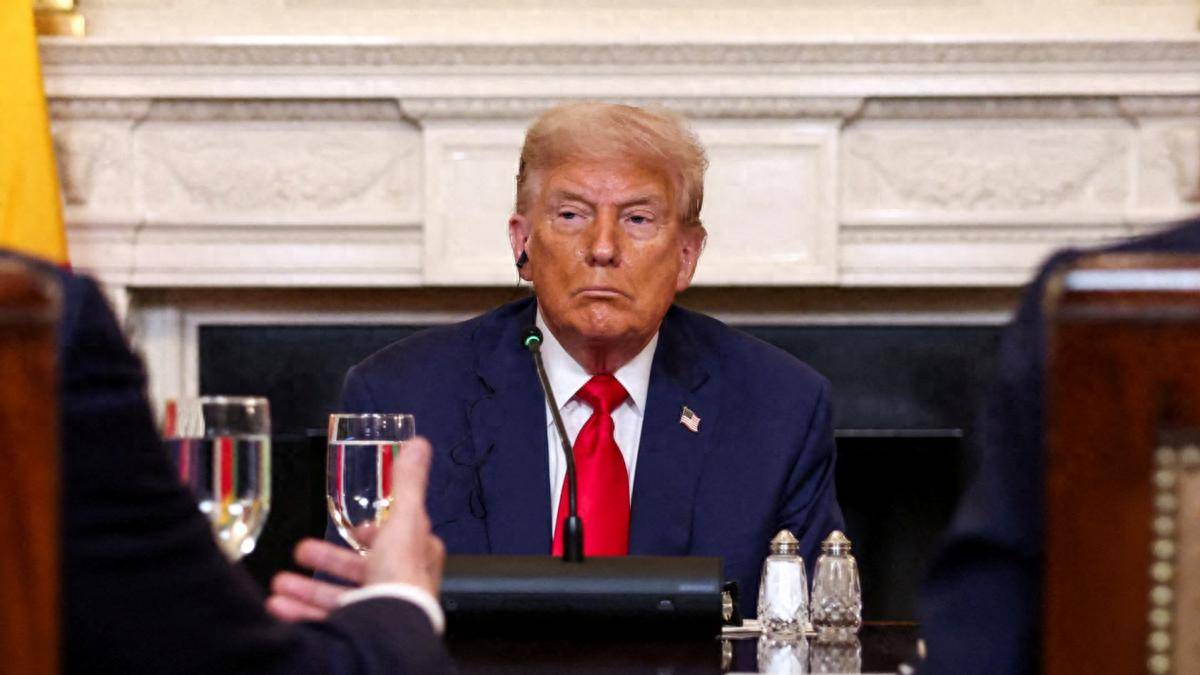
吕特对华下达禁令,要求停止与俄罗斯贸易往来,中国出手反制,限制美欧所需物资出口
Sou Hu Cai Jing· 2025-07-18 09:01
Group 1 - The ongoing geopolitical tensions between the US, Europe, and Russia are drawing in countries like China, India, and Brazil, with NATO Secretary General Jens Stoltenberg issuing threats to these nations regarding trade with Russia [1] - Trump's ultimatum to Putin, demanding a peace agreement with Ukraine within 50 days or facing 100% tariffs on countries purchasing Russian oil, reflects a strategic shift that may indicate deeper divisions among US allies regarding their strategic goals [1][3] - Stoltenberg's confidence may be misplaced as the US's internal divisions on Russia policy become more apparent, with Trump's proposed "secondary sanctions" indirectly targeting countries like China [3] Group 2 - China's response to the pressure from the US includes the revision of its "Export Control Technology Catalog," which now includes core lithium battery technologies, directly impacting the highly dependent renewable energy supply chains in the US and Europe [3][5] - The trend of increasing dissatisfaction among developing countries towards unilateral sanctions is leading to closer ties with China and Russia, indicating a shift in global alliances [5] - The proportion of non-dollar transactions in global trade has surpassed 38%, reflecting a move towards a multipolar economic landscape, with China and Russia conducting 95% of their trade in local currencies [7]
李稻葵:我们为何要慢慢减持,而不是把手里的美债一口气清空?
Sou Hu Cai Jing· 2025-07-04 09:15
Core Viewpoint - The company has significantly reduced its holdings of U.S. Treasury bonds, reaching the lowest level in 16 years and now ranking third globally behind Japan and the UK [1][2]. Group 1: Current Holdings and Market Dynamics - The current holdings of U.S. Treasury bonds amount to approximately $750 billion after consecutive reductions in March and April [1]. - The liquidity of the bonds held is lower compared to short-term bonds, making it impractical to liquidate the entire position at once without causing market disruption [1]. - A large-scale sell-off would likely lead to a rapid decline in bond prices, resulting in a loss of wealth for the company [1]. Group 2: Strategic Considerations - Maintaining a position in U.S. Treasury bonds serves as a strategic leverage in international negotiations, particularly in response to U.S. policies such as tariffs [2]. - The company's holdings represent only 2% of the total U.S. Treasury market, indicating that a complete liquidation would have minimal sustained impact [2]. - The upcoming two years will see a significant amount of U.S. debt maturing, and selling bonds now could adversely affect the interest rates on new debt issuance [2]. - A gradual and strategic reduction of holdings is suggested as a more beneficial approach, aligning with the company's long-term interests [2].