
国际金融合作

Search documents
潘功胜,最新发声!
中国基金报· 2026-01-22 10:36
Core Viewpoint - The article emphasizes the importance of a stable monetary policy and financial environment to support high-quality economic development in China, particularly in the context of the "14th Five-Year Plan" [1]. Group 1: Implementation of Monetary Policy - The People's Bank of China (PBOC) will continue to implement a moderately loose monetary policy to promote stable economic growth and reasonable price recovery, utilizing both incremental and stock policy effects [2]. - The PBOC plans to maintain ample liquidity through various monetary policy tools, including potential reductions in reserve requirements and interest rates, aligning social financing and money supply growth with economic growth and price expectations [2]. - Structural monetary policies have been optimized, including a 0.25 percentage point reduction in the interest rates of various structural monetary policy tools and the establishment of a 1 trillion yuan re-lending facility for private enterprises [3]. Group 2: Financial System and Macro-Prudential Management - The PBOC aims to construct a scientific and robust monetary policy system and a comprehensive macro-prudential management system to facilitate high-quality financial development during the "14th Five-Year Plan" [4]. - Key initiatives include optimizing the monetary policy target system, enhancing the market-based interest rate formation mechanism, and improving the structural monetary policy tool system [4][5]. - The macro-prudential management framework will focus on monitoring systemic financial risks, expanding coverage to include financial markets and non-bank financial institutions, and refining the legal and governance mechanisms for macro-prudential policies [7][8]. Group 3: Supporting Real Economy - The PBOC will enhance financial support for key areas such as domestic demand expansion, technological innovation, and small and micro enterprises, which are crucial for high-quality development [9]. - Specific measures include a dedicated 500 billion yuan re-lending facility for consumer services and elderly care, as well as increased re-lending quotas for technology innovation and small enterprises [10]. - Collaboration with various government departments will be strengthened to improve the effectiveness and accessibility of financial services, alongside coordination between monetary and fiscal policies [10]. Group 4: Global Financial Governance - The PBOC will continue to promote global financial governance reform and international financial cooperation, advocating for a fair and inclusive global financial governance system [11]. - Efforts will include deepening institutional openness in the financial sector, advancing the internationalization of the yuan, and enhancing cross-border payment systems [12]. - The PBOC will actively participate in international financial governance and cooperation, focusing on macro policy coordination and the reform of the International Monetary Fund [12].

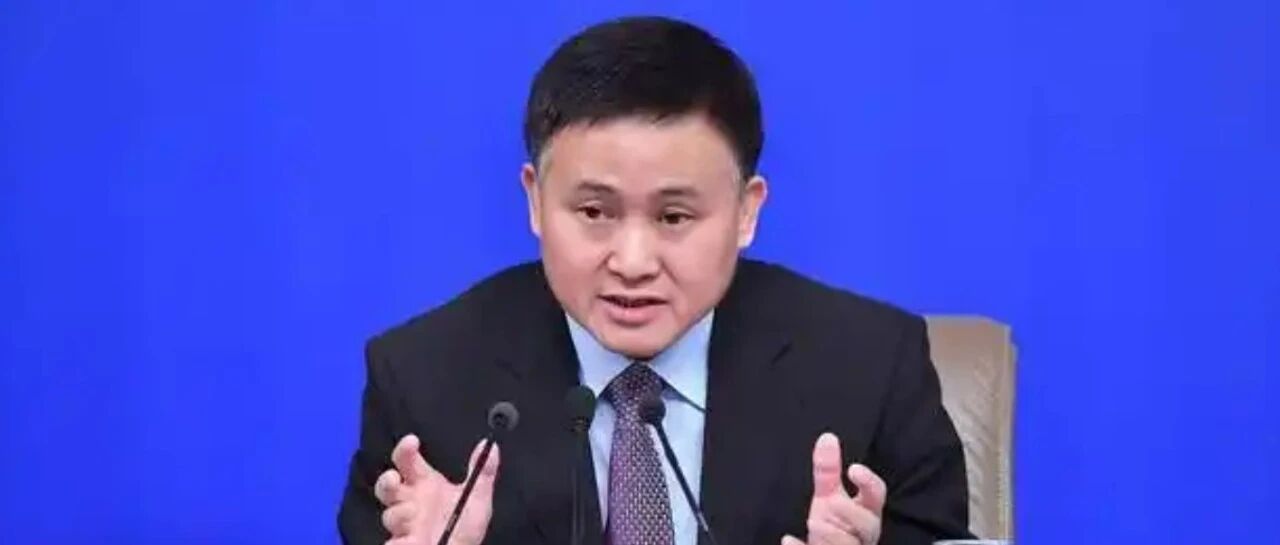
潘功胜:今年降准降息还有一定空间
证券时报· 2026-01-22 10:19
Core Viewpoint - The People's Bank of China (PBOC) will continue to implement a moderately accommodative monetary policy in 2026, focusing on promoting stable economic growth and reasonable price recovery as key considerations for monetary policy [1][7]. Group 1: Monetary Policy Implementation - The PBOC aims to create a favorable monetary and financial environment for stable economic growth and high-quality development by effectively utilizing various monetary policy tools such as reserve requirement ratio (RRR) cuts and interest rate reductions [1][7]. - There is still room for further RRR and interest rate cuts this year, with a focus on maintaining ample liquidity and aligning the growth of social financing and money supply with economic growth and price level expectations [1][8]. - The PBOC has already optimized structural monetary policy tools, including a 0.25 percentage point reduction in the interest rates of various structural monetary policy tools and an increase in the quotas for specific loans [8]. Group 2: Six Aspects of Monetary Policy System - The PBOC will optimize the monetary policy target system, emphasizing intermediate variables and reducing focus on quantitative targets, allowing for more effective interest rate regulation [2][10]. - A unique mechanism for basic currency issuance will be established, gradually utilizing government bond transactions for liquidity management while ensuring sufficient liquidity in the banking system [2][10]. - The PBOC will enhance the market-oriented interest rate formation, regulation, and transmission mechanisms to improve the transmission from central bank policy rates to market benchmark rates [2][10]. Group 3: Structural Monetary Policy Tools - The PBOC will improve the structural monetary policy tool system to better guide and incentivize financial institutions in optimizing loan allocations [3][11]. - The mechanism for RMB exchange rate formation will be refined, maintaining market determination of the exchange rate while preventing excessive fluctuations [3][11]. Group 4: Macro-Prudential Management - The PBOC will strengthen the monitoring and assessment of systemic financial risks, establishing a standardized and systematic monitoring framework [13]. - The coverage of macro-prudential management will be gradually expanded to include financial markets, non-bank financial institutions, and new areas such as internet finance [13]. - The PBOC will enhance the legal and governance mechanisms for macro-prudential management, focusing on legislative projects to strengthen coordination between macro-prudential policies and monetary policies [13]. Group 5: Support for Real Economy - The PBOC will enhance support for expanding domestic demand, technological innovation, and small and micro enterprises, aiming to strengthen the domestic economic cycle and promote high-quality development [14][15]. - Specific measures include a dedicated 500 billion yuan for consumer and elderly care loans, increasing quotas for agricultural and small enterprise loans, and improving financing accessibility for small and micro enterprises [14][15]. Group 6: Global Financial Governance - The PBOC will actively promote global financial governance reforms and international financial cooperation, advocating for a fair and inclusive global financial governance system [16][17]. - Efforts will include deepening institutional openness in the financial sector, promoting the internationalization of the RMB, and enhancing cross-border payment systems [16][17].
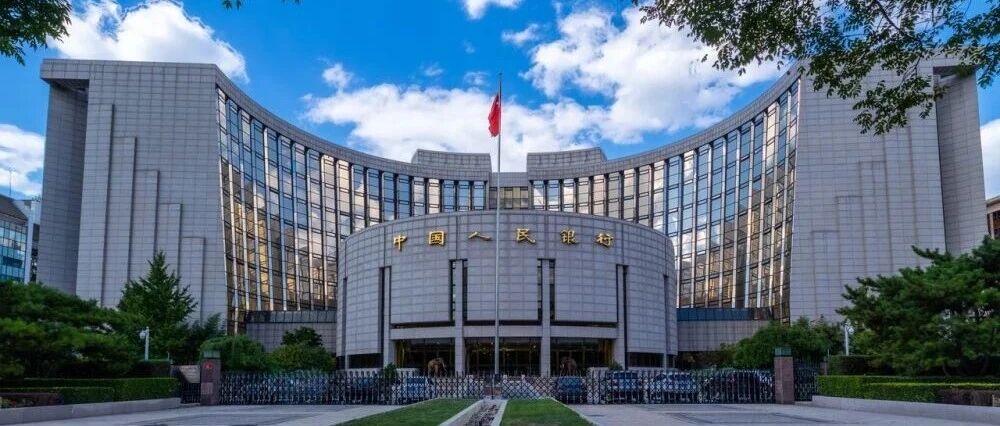
潘功胜最新表态:今年降准降息还有一定的空间
21世纪经济报道· 2026-01-22 09:55
Core Viewpoint - The article emphasizes the importance of financial policies in supporting China's economic modernization and outlines the People's Bank of China's (PBOC) commitment to implementing a moderately accommodative monetary policy to foster stable economic growth and high-quality development [1][3]. Group 1: Implementation of Monetary Policy - The PBOC plans to continue its moderately accommodative monetary policy into 2026, focusing on stabilizing economic growth and ensuring reasonable price recovery as key considerations [3]. - The PBOC will utilize various monetary policy tools, such as reserve requirement ratio (RRR) cuts and interest rate reductions, to maintain ample liquidity and align social financing scale and money supply growth with economic growth and price level expectations [3][4]. - Specific measures include lowering the interest rates on structural monetary policy tools by 0.25 percentage points and increasing the quotas for rural and small enterprise re-loans and technology innovation loans [4]. Group 2: Financial System Development - The PBOC aims to construct a scientific and robust monetary policy system and a comprehensive macro-prudential management system as strategic initiatives for high-quality financial development during the 14th Five-Year Plan [6][7]. - Key areas of focus include optimizing the monetary policy target system, improving the mechanism for basic currency issuance, and enhancing the market-based interest rate formation and transmission mechanisms [7][8]. Group 3: Support for Real Economy - The PBOC will enhance financial support for key areas such as domestic demand expansion, technological innovation, and small and micro enterprises, which are crucial for promoting high-quality development [11][12]. - Specific initiatives include a dedicated 500 billion yuan re-loan for consumer services and elderly care, as well as increased quotas for loans supporting technology innovation and small enterprises [11][12]. Group 4: Global Financial Governance - The PBOC is committed to advancing global financial governance reforms and international financial cooperation, emphasizing multilateralism and the internationalization of the renminbi [14]. - Efforts will include deepening institutional openness in the financial sector, enhancing cross-border payment systems, and participating in international financial governance and cooperation [14].
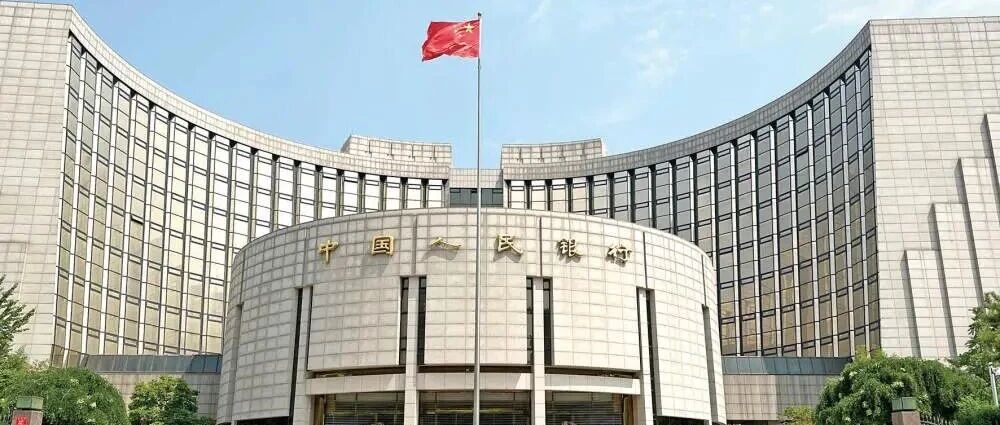
国际货币基金组织(IMF)上海中心正式开业
Ren Min Ri Bao· 2025-12-08 02:21
Core Insights - The International Monetary Fund (IMF) has officially launched its Shanghai Center, marking the start of its operations [1] Group 1: Purpose and Function - The Shanghai Center will serve as a hub for promoting research and knowledge sharing [1] - It aims to enhance dialogue and outreach between the IMF and member countries in the Asia-Pacific region, as well as regional institutions and other stakeholders [1] - The center will provide policy-making references for emerging markets and middle-income countries in relevant fields [1]
美联储降息开启全球货币政策新周期: 理论逻辑、多维影响与中国方略
Jin Rong Shi Bao· 2025-11-24 02:09
Group 1 - The Federal Reserve's shift in monetary policy is expected to significantly alter the international monetary system and global financial governance structure [1][10] - The Fed's recent interest rate cuts mark a pivotal change in its monetary policy cycle, responding to both domestic economic conditions and global economic slowdowns [2][3] - The U.S. economy is experiencing a complex interplay of cyclical slowdown and structural weaknesses, leading to increased unemployment and a need for preemptive policy actions [3][4] Group 2 - The current inflation dynamics, while still above the Fed's target, show a declining trend, necessitating a balanced approach to monetary policy [4] - Political pressures are influencing the Fed's decisions, but the institution maintains its independence in policy-making, opting for a cautious approach to rate cuts [5] - The interconnectedness of the global economy means that U.S. monetary policy adjustments will have significant spillover effects on other countries [6] Group 3 - The global financial system is entering a phase of profound transformation, with opportunities for restructuring policy coordination among major central banks [7] - Emerging markets may benefit from capital inflows as the attractiveness of U.S. dollar assets diminishes, providing a window for structural reforms [8] - The sustainability of global debt levels is under scrutiny, particularly for emerging markets with significant foreign currency debt [9] Group 4 - The shift in U.S. monetary policy is likely to accelerate the diversification of the international monetary system, impacting financing costs and channels for emerging markets [10] - The Fed's actions are expected to reshape asset pricing mechanisms and market structures, influencing investor behavior and capital flows [12][14] - Commodity pricing mechanisms are undergoing changes, with precious metals benefiting from the Fed's rate cuts, while industrial commodities may see increased demand due to lower financing costs [13] Group 5 - The adjustment in global capital flows is evident, with a notable shift towards non-U.S. assets as the dollar's appeal wanes [14] - Investment strategies will need to adapt to the new monetary environment, with a focus on risk assessment and asset allocation [15] - China's monetary policy may gain more flexibility in response to the Fed's actions, allowing for more proactive economic support measures [16][17] Group 6 - The Fed's policy shift presents new opportunities for international financial cooperation and enhances China's role in global governance [19] - The internationalization of the renminbi may gain momentum in the new monetary landscape, promoting a more diversified and stable international monetary system [19]
2025金融街论坛年会闭幕 取得三大显著成效
Zheng Quan Ri Bao· 2025-10-31 07:14
Core Insights - The 2025 Financial Street Forum concluded with a focus on "Resilient Cooperation in International Trade and Economy under Global Changes," gathering over 400 officials and experts from more than 30 countries and regions, marking the largest scale and impact in its history [1][2] Group 1: Financial Policy and Market Stability - The forum highlighted the role of financial policy as a "barometer," with key insights from Vice Premier He Lifeng, providing stability and confidence to the market amid profound changes in the global financial system [1] Group 2: International Cooperation Expansion - The number of overseas sub-venues increased to five, covering key regions such as Southeast Asia, the Middle East, Europe, and North America, enhancing professional and diverse international cooperation mechanisms [2] Group 3: Results and Collaboration - The forum facilitated the unveiling of several significant institutions and the signing of multiple international cooperation agreements, resulting in over 100 important outcomes and substantial investment discussions between more than 300 quality enterprises and over 100 investment institutions [2]

金融街论坛 | 2025金融街论坛年会嘉宾共话全球金融发展
Xin Hua She· 2025-10-27 21:47
Group 1: Monetary Policy and Financial Stability - The People's Bank of China (PBOC) emphasizes a supportive monetary policy stance to create a favorable financial environment for economic recovery and market stability [1] - The PBOC plans to implement a moderately loose monetary policy and maintain relatively loose social financing conditions while enhancing the macro-prudential management system [1] - The National Financial Regulatory Administration aims to improve economic and financial adaptability, deepen reforms, and enhance the vitality of the financial sector [2] Group 2: Financial Market Reforms - The China Securities Regulatory Commission (CSRC) is focused on advancing sector reforms to enhance the inclusiveness and coverage of the multi-tiered market system [2] - The CSRC aims to strengthen market stability and expand high-level institutional openness while enhancing investor rights protection [2] - The State Administration of Foreign Exchange (SAFE) is committed to deepening reforms in the foreign exchange sector while ensuring systemic risk prevention [3] Group 3: International Cooperation and Financial Governance - International financial leaders discussed global economic growth and the importance of cooperation in maintaining financial stability during the forum [3] - The forum highlighted the potential for international financial cooperation and the need to address global challenges collaboratively [3] - The event was co-hosted by various Chinese financial authorities, indicating a unified approach to financial governance [3]
金融街论坛丨2025金融街论坛年会嘉宾共话全球金融发展
Xin Hua Wang· 2025-10-27 16:02
Group 1 - The 2025 Financial Street Forum opened in Beijing, focusing on "Innovation, Transformation, and Reshaping Global Financial Development" [1] - The People's Bank of China (PBOC) will maintain a supportive monetary policy stance to create a favorable financial environment for economic recovery and market stability [1] - The PBOC plans to implement moderately loose monetary policies and enhance the macro-prudential management system to monitor systemic financial risks [1] Group 2 - The National Financial Regulatory Administration aims to improve economic and financial adaptability, deepen reforms, and enhance the vitality of the financial sector [2] - The administration will focus on balancing financial development and security to contribute to the construction of a financial powerhouse [2] - The China Securities Regulatory Commission (CSRC) will advance sector reforms to enhance the inclusiveness and coverage of the multi-tiered market system [2] Group 3 - The State Administration of Foreign Exchange (SAFE) will deepen reforms in the foreign exchange sector while ensuring systemic risk prevention [3] - SAFE aims to create a more convenient, open, secure, and intelligent foreign exchange management system [3] - International financial leaders emphasized the importance of global cooperation to address challenges and enhance financial stability [3]
Exclusive: China's banks lend to Saudi gas project while its funds sit out of BlackRock-led deal, sources say
Reuters· 2025-10-02 12:28
Group 1 - China's largest state banks are providing significant financial support to Aramco's Jafurah gas project, indicating strong institutional backing for the venture [1] - Despite the substantial lending from state banks, Aramco's funds have opted not to invest in the Jafurah project, highlighting a potential divergence in investment strategy [1] - The involvement of state banks in the Jafurah project reflects the importance of gas development in China's energy strategy and its implications for future energy security [1]


乌兹别克斯坦正式加入欧亚开发银行
Shang Wu Bu Wang Zhan· 2025-09-23 02:24
Core Points - Uzbekistan's President Mirziyoyev signed a resolution to join the Eurasian Development Bank (EDB) on September 16 [1] - The Ministry of Investment, Industry and Trade of Uzbekistan has been appointed as the coordinating body responsible for acquiring 777,800 shares of the EDB, with 168,400 shares (21.7%) requiring actual payment amounting to $168 million [1] - In June 2024, the EDB acknowledged Uzbekistan's application to join and plans to acquire 10% of the bank's shares [1] - In September, discussions were held between the EDB representatives and the Minister of Investment, Industry and Trade of Uzbekistan, Kudratov, regarding the establishment of an EDB office in Tashkent [1] - In April 2025, President Mirziyoyev signed the "Agreement on the Establishment of the Eurasian Development Bank," which stipulates that the EDB will operate in accordance with international treaties, laws, and banking practices [1]