地缘战略

Search documents
美国为何盯上格陵兰岛?专家:看重资源和地缘位置
Xin Lang Cai Jing· 2026-01-07 12:05
Group 1 - The United States is attempting to gain control over Greenland, with intentions becoming more urgent ahead of the November midterm elections and July 4th Independence Day [1][2] - The U.S. has expressed willingness to use military force to secure Greenland, reflecting a strategic interest in the island's resources and geopolitical position [1] - Greenland is rich in mineral resources, including rare earth elements, which the U.S. fears competitors may exploit if not secured [1] Group 2 - Greenland's geographical location is crucial, situated at a key point in the Arctic and along air and sea routes between Eurasia and North America, enhancing U.S. missile warning capabilities [2] - Recent U.S. threats, particularly following military actions in Venezuela, indicate a militaristic approach to advancing strategic objectives in the Western Hemisphere [2] - The U.S. is testing the reactions of European allies, including Denmark, to exert pressure and align them with its strategic goals [2]
特朗普,为何盯着格陵兰岛不放
Xin Hua She· 2026-01-07 07:58
Core Viewpoint - The Trump administration is actively discussing various options, including potential military action, to acquire Greenland, emphasizing its importance for U.S. national security and deterrence against Arctic adversaries [1][12]. Group 1: Strategic Importance of Greenland - Greenland is strategically located and has been of interest to the U.S. for a long time, with historical attempts to purchase it dating back to 1946 [15]. - The island serves as a critical military base for the U.S., particularly during the Cold War, and is vital for NATO's anti-submarine warfare strategy [15]. - Greenland's geographical position connects the North Atlantic and Arctic Oceans, making it a key point for maritime routes, especially as climate change opens up new shipping lanes [15]. Group 2: Economic and Resource Potential - Greenland is rich in natural resources, including rare earth elements, graphite, copper, and nickel, which are essential for energy transition and chip manufacturing [15]. - The melting ice in Greenland is expected to lower the difficulty of resource extraction, increasing its attractiveness for U.S. manufacturing revival efforts [15]. Group 3: Political Ambitions of the Trump Administration - Trump aims to leave a significant political legacy, showing a strong desire for territorial expansion, which includes aspirations for Greenland and other regions [16]. - The administration's interest in Greenland reflects a broader geopolitical strategy that intertwines national security, economic interests, and personal political goals [13][16]. Group 4: International Reactions - Danish Prime Minister Frederiksen warned that any military action against Greenland could jeopardize the NATO alliance, emphasizing the collective security implications [17][19]. - The Danish government, along with other European nations, has firmly stated that Greenland is not for sale and that its future should be determined by its people [20].

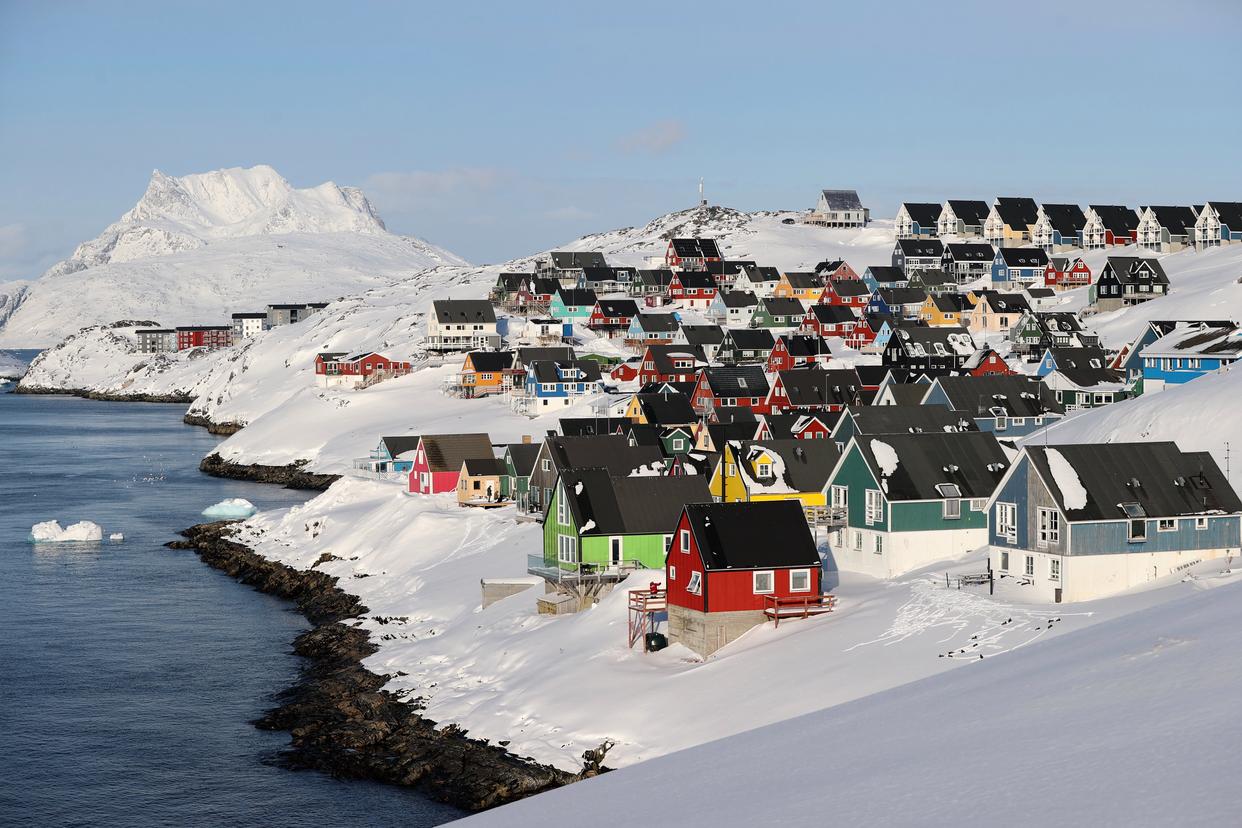
特朗普为何如此“垂涎”格陵兰?
Xin Hua She· 2026-01-07 07:00
Group 1 - The core viewpoint of the article is that President Trump is focused on acquiring Greenland, viewing it as a national security priority for the United States, particularly in deterring adversaries in the Arctic region [1][2] - The U.S. has a historical interest in Greenland, dating back to 1946 when the Truman administration proposed a trade for the island, which was rejected by Denmark [2] - Greenland's strategic location is crucial for U.S. military operations, especially during the Cold War, and it plays a key role in NATO's anti-submarine warfare strategy [2][3] Group 2 - Greenland is rich in natural resources such as rare earth elements, graphite, copper, and nickel, which are essential for energy transition and chip manufacturing [3] - The melting ice in Greenland is making resource extraction easier, increasing its attractiveness for U.S. manufacturing revival efforts [3] - Trump's ambitions for territorial expansion include not only Greenland but also aspirations regarding Canada and the Panama Canal, indicating a desire to leave a political legacy [3] Group 3 - Danish Prime Minister Frederiksen warned that a military attack on Greenland could end the NATO alliance, emphasizing the seriousness of Trump's intentions [4] - Denmark has reiterated that Greenland is protected under NATO's collective security mechanism and has called for the U.S. to cease threats against its ally [5] - A joint statement from several European countries affirmed that Greenland belongs to its people and that only Denmark and Greenland can decide their own affairs [5]
8133吨、2333吨、2303吨:一场跨越世纪的黄金“储备赛”
Sou Hu Cai Jing· 2026-01-07 03:37
Core Insights - The article discusses the ongoing competition among countries regarding gold reserves, highlighting the strategic importance of gold in financial security and geopolitical power dynamics [1][3]. Group 1: Gold Reserves Comparison - The United States holds the largest gold reserves at 8,133 tons, accounting for 69% of its foreign exchange reserves, which serves as a cornerstone for the credibility of the US dollar [3]. - Russia has significantly increased its gold reserves to approximately 2,333 tons by 2025, with gold making up 26% of its foreign exchange reserves, particularly after Western sanctions post-Crimea [3]. - China's gold reserves stand at 2,303 tons, which is relatively low compared to its status as the world's second-largest economy, indicating potential for future growth [3][5]. Group 2: Strategic Approaches to Gold Accumulation - Since 2009, China has adopted a strategy of gradually increasing its gold reserves while reducing its holdings in US Treasury bonds, aiming for asset diversification and strengthening the international credibility of the Renminbi [5]. - Russia's gold accumulation is seen as a means to create a financial defense system independent of Western payment systems, especially highlighted during the Russia-Ukraine conflict [3][5]. - The global surge in gold prices, projected to exceed $2,500 per ounce by 2025, has intensified the trend of central banks increasing their gold reserves, particularly among emerging market countries [5]. Group 3: Broader Implications of Gold Reserves - The competition for gold reserves transcends national borders, with countries like Russia and China exploring new financial models supported by gold, such as gold-backed digital currencies [5]. - The article emphasizes that gold serves not only as a crisis response mechanism but also as a symbol of trust and independence among nations, shaping a new multipolar financial landscape [5].

美国“摊牌”了?特朗普再提“夺岛”!
Guo Ji Jin Rong Bao· 2026-01-06 07:51
Core Viewpoint - The U.S. President Trump has expressed a strong interest in Greenland, emphasizing its importance for national security and appointing a special envoy for the island, which has led to significant diplomatic tensions with Denmark and other Nordic countries [1][3]. Geopolitical and Strategic Importance - Greenland, the world's largest island, is strategically located between the Arctic and Atlantic Oceans, making it a crucial point for trade routes as Arctic ice melts [3]. - The Arctic shipping routes have seen a 37% increase in vessel traffic from 2013 to 2023, highlighting the growing commercial value of these waterways [3]. - Experts view Greenland as a "highway" connecting the Arctic and North America, with its strategic significance expected to increase as climate change alters the region [3]. Resource Wealth - Greenland is rich in natural resources, including 1.5 million tons of rare earth elements, 17.5 billion barrels of untapped oil, and 4.15 trillion cubic meters of natural gas [3][4]. - The interest in Greenland is driven by both economic and military considerations, as these resources are critical for energy transition and technology manufacturing [4]. Historical Context of U.S. Interest - The U.S. has a long history of interest in Greenland, dating back to attempts to purchase the island in 1867 and 1946, both of which were rejected by Denmark [6]. - The U.S. has established military bases in Greenland, which are vital for Arctic defense, and has sought to redefine the island's geopolitical status [6][7]. International Reactions - European nations, including Denmark, Finland, and Norway, have publicly supported Denmark's sovereignty over Greenland, rejecting U.S. claims [8]. - The potential U.S. control over Greenland is seen as a threat to NATO and the post-World War II international order, with experts warning of severe geopolitical repercussions [10]. Implications for Global Order - If the U.S. were to exert control over Greenland, it could fundamentally disrupt the established international order and NATO's collective defense commitments [10]. - The situation poses risks of escalating tensions between the U.S. and Europe, potentially leading to a reconfiguration of global power dynamics and a new arms race [10].
以色列承认索马里兰,再次搅动红海棋局
Di Yi Cai Jing· 2025-12-29 10:40
Core Viewpoint - Israel officially recognized Somaliland as an "independent sovereign state" on December 26, 2023, marking a significant shift in the geopolitical landscape of the Red Sea region [1][3]. Geopolitical Implications - Somaliland, located in the Horn of Africa, controls a strategic maritime route that connects the Indian Ocean to the Mediterranean Sea, with 30% of the world's oil tankers passing through this area prior to the Red Sea crisis [1]. - The recognition by Israel is seen as an attempt to strengthen diplomatic ties and expand its influence in the region, particularly by integrating Somaliland into the Abraham Accords [1][5]. - The move has been met with strong opposition from over 20 countries and international organizations, reaffirming support for Somalia's sovereignty and territorial integrity [3][4]. Regional Reactions - Egypt has expressed significant concern, with its foreign minister engaging in discussions with counterparts from Somalia, Turkey, and Djibouti to collectively reject Israel's recognition of Somaliland [3]. - The United Nations Security Council is scheduled to hold an emergency meeting regarding Israel's actions, indicating the international community's heightened attention to the situation [3]. International Dynamics - Following Israel's recognition, there are questions regarding the potential for the United States to follow suit, with President Trump indicating that the U.S. would not recognize Somaliland but would consider the matter further [4]. - Somaliland is intensifying its lobbying efforts in the U.S. to gain recognition, reflecting its strategic importance in the region [4][5]. - Other nations, including Ethiopia, have previously attempted to establish relations with Somaliland, leading to regional tensions and diplomatic challenges [5].
国际观察丨不止资源:美国觊觎格陵兰岛的操作与盘算
Xin Hua She· 2025-12-24 01:38
Core Viewpoint - The U.S. government's recent actions regarding Greenland, including high-profile appointments and declarations of intent to acquire the territory, reflect a predatory diplomatic approach that has sparked strong opposition from Denmark and the EU [1][3][10]. Group 1: U.S. Actions and Reactions - President Trump has emphasized the necessity of acquiring Greenland for national security, stating, "We must get it" [2]. - The appointment of Louisiana Governor Jeff Landry as the U.S. Special Envoy to Greenland aims to promote American interests, with Landry suggesting that Greenland should become part of the U.S. [3]. - Denmark's Prime Minister and Greenland's Premier issued a joint statement opposing U.S. territorial claims, reaffirming respect for Denmark's territorial integrity [3][6]. Group 2: Diplomatic Tensions - The U.S. has employed various tactics, including public pressure and covert operations, to influence Greenland's affairs, with Trump making aggressive statements about potential military or economic coercion [7]. - High-level U.S. visits to Greenland have been perceived as provocations, with local officials describing them as attempts to undermine Danish authority [7]. - Reports indicate that U.S. intelligence activities have intensified regarding Greenland, focusing on local independence movements and attitudes towards U.S. resource extraction [7]. Group 3: Strategic and Economic Considerations - Analysts suggest that the U.S. interest in Greenland is driven by its strategic location, which has been significant since the Cold War, and its role in NATO's defense strategy [10]. - Greenland is rich in natural resources such as rare earth elements, graphite, copper, and nickel, which are critical for energy transition and technology manufacturing [10]. - The melting ice in Greenland is making resource extraction more feasible, increasing its attractiveness for U.S. manufacturing revival efforts [10]. Group 4: Political Ambitions - Trump's ambitions regarding Greenland are seen as part of a broader desire to leave a political legacy, with comparisons drawn to 19th-century imperialism [12]. - The administration's expansionist rhetoric may exacerbate international tensions and lead to greater isolation for the U.S. [12].
国际观察|不止资源:美国觊觎格陵兰岛的操作与盘算
Xin Hua She· 2025-12-23 12:45
Core Viewpoint - The article discusses the United States' aggressive interest in Greenland, highlighting President Trump's actions and statements that reflect a desire for territorial acquisition, which has sparked strong opposition from Denmark and the EU [2][3][4]. Group 1: U.S. Actions and Reactions - President Trump appointed Louisiana Governor Jeff Landry as the U.S. Special Envoy to Greenland, emphasizing the need for Greenland for national security and expressing intentions to make it part of the U.S. [3] - Denmark's Prime Minister and Greenland's Premier issued a joint statement opposing U.S. claims over Greenland, asserting the importance of respecting Denmark's territorial integrity [3][4]. - The EU Commission President expressed support for Denmark, reinforcing the principles of territorial integrity and sovereignty under international law [4]. Group 2: U.S. Strategies and Tactics - The Trump administration has employed various tactics, including public pressure, domestic interference, and covert operations, to influence Greenland's affairs [5]. - Reports indicate that U.S. intelligence agencies have intensified their operations in Greenland, focusing on the local independence movement and attitudes towards U.S. resource extraction [5][6]. - The U.S. has made uninvited visits to Greenland, with high-level officials attempting to sway local governance and public opinion towards favoring U.S. interests [5]. Group 3: Geopolitical and Economic Considerations - Analysts suggest that the U.S. interest in Greenland is driven by multiple factors, including its strategic location, economic resources, and Trump's desire to leave a political legacy [8]. - Greenland's rich natural resources, such as rare earth elements and minerals, are increasingly valuable as climate change makes extraction easier, aligning with U.S. manufacturing goals [8]. - The strategic significance of Greenland in military and geopolitical terms has been recognized since the Cold War, with its location being crucial for NATO operations [8].
出大事了,高市国会翻车,大臣单膝跪地解围,80万亿投资坑惨百姓
Sou Hu Cai Jing· 2025-12-20 05:41
这80万亿日元(大约5200亿美元)的去向,像一把锋利的刀子,精准切开了日本社会表面看似光鲜的国 家利益叙事。在日本政府的计划中,这笔钱将被投入美国的半导体、人工智能和新能源产业。这笔被称 为日美贸易协定框架下的投资,实际上让日本再次扮演了提款机的角色。山本太郎在现场做了这样一笔 让人心寒的账:日本用全国的力量为美国产业提供资金,而即便这些美国企业将来盈利,绝大多数利润 都将流入美国本土。换句话说,所谓的技术合作,更像是一笔看不到回报的保护费。 更具讽刺性的是,这笔巨资的流出时间恰逢日本国内物价飞涨,普通家庭为了一日三餐而斤斤计较。一 方面是政府对美国投资大手笔支出,另一方面,国内消费税依旧没有改变,老百姓期待的补贴甚至没有 影子。虽然政府预算案中写明有8.9万亿日元用于应对物价上涨,但实际情况是,这笔资金被注水,且 分配极不均匀。看着国外那80万亿日元的大方投资,普通民众的钱包却在缩水,任何为生计奔波的日本 工薪阶层都难免产生被弃如敝履的愤怒情绪。 这场舆论风暴,表面上看是由于一位议员的激烈发言,但背后更深层的原因是强烈的社会反差,它引爆 了积压已久的民众愤怒。有评论称,这场危机有些像新版广场协议的重演—— ...

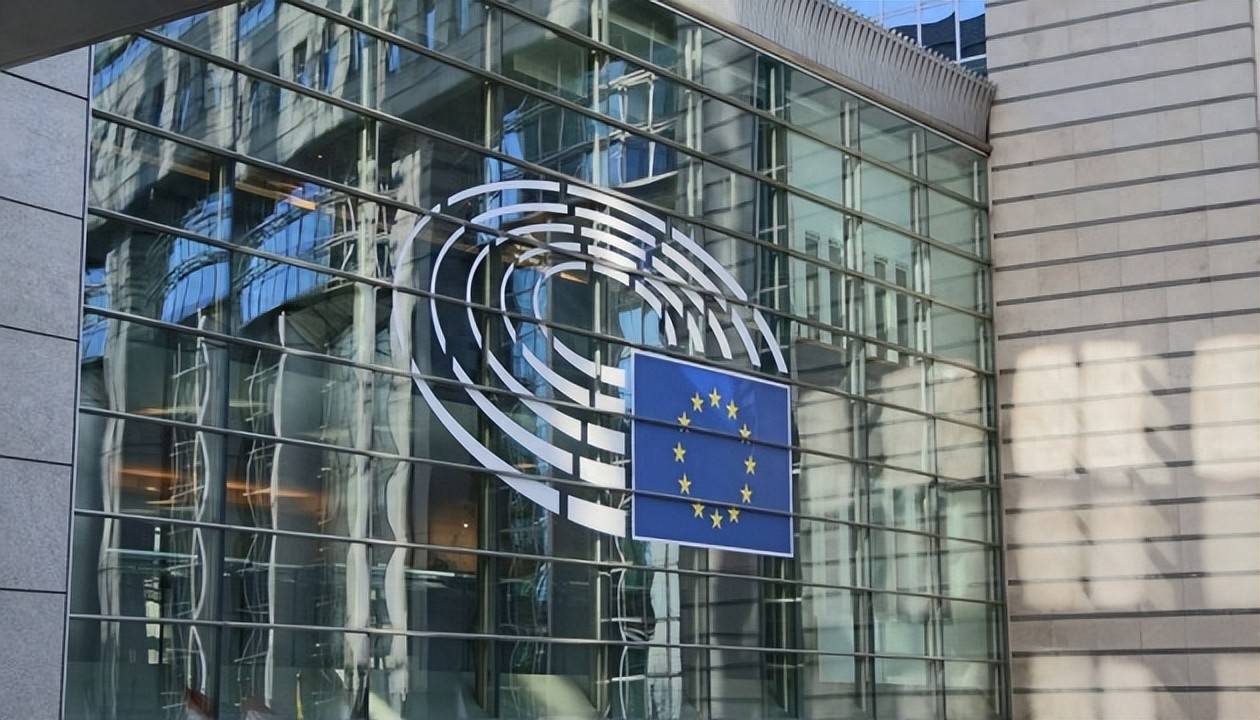
500票通过!欧洲议会决定:最晚2027年与俄天然气彻底“分手”
Sou Hu Cai Jing· 2025-12-18 12:49
Core Points - The European Parliament has approved a historic resolution to phase out imports of Russian natural gas by the end of 2027, marking a significant step towards energy independence from Russia [1][3] - The resolution passed with a vote of 500 in favor, 120 against, and 32 abstentions, indicating strong political support for the initiative [1] - The decision includes a phased ban on Russian gas, with immediate prohibition on new contracts six weeks after the resolution takes effect, and specific deadlines for existing contracts [1][3] Summary by Sections Resolution Details - The resolution mandates a ban on new Russian pipeline gas and LNG contracts six weeks after enactment, with transitional periods for existing contracts [1] - Short-term contracts for LNG will be banned by April 25, 2026, and for pipeline gas by June 17, 2026 [1] - Long-term contracts will see LNG bans starting January 1, 2027, and pipeline gas bans by September 30, 2027 [1] Enforcement and Future Legislation - Gas operators must provide detailed proof of origin to customs before importing or storing gas to prevent circumvention of the ban [1] - The European Parliament has urged the European Commission to propose legislation to ban Russian oil by early 2026, ensuring that the ban is in place by the end of 2027 [1] Strategic Implications - The resolution is seen as a major achievement for the EU and a historic turning point in European energy policy, reinforcing the commitment to energy diversification and security [1][3] - Since 2022, the EU has been actively working to reduce dependence on Russian gas, with imports dropping from about 40% in 2021 to less than 15% in 2023 [3] - The decision is not only an energy policy but also a significant geopolitical statement, aiming to strengthen the internal energy market and reduce reliance on single external suppliers [3] Challenges Ahead - Despite broad political support, challenges remain for some member states, particularly in Central and Eastern Europe, regarding infrastructure and energy transition [3] - The global natural gas market may experience price volatility due to the EU's exit from the Russian gas market [3] - The legislative process will require formal approval from the EU Council, expected to be completed by early 2025, testing the effectiveness of regional cooperation and energy transition efforts [3]