多元文化

Search documents
新西兰第八届种族关系日多元文化节庆祝活动举行
Xin Hua Wang· 2025-07-29 02:55
Core Viewpoint - The 8th Multicultural Festival in New Zealand, organized by the New Zealand Chinese Association, celebrates the harmony and contributions of various ethnic groups, particularly highlighting the integration of the Chinese community into New Zealand society [1][2]. Group 1: Event Overview - The festival attracted hundreds of attendees from diverse ethnic backgrounds, showcasing New Zealand's multiculturalism [1]. - Key figures, including the Chinese Consul General and New Zealand government officials, participated in the event, emphasizing the importance of cultural exchange [1]. Group 2: Contributions and Historical Context - The Chinese Consul General highlighted the historical presence of Chinese immigrants in New Zealand since 1842 and their significant contributions to the country's economic and cultural development [1]. - The event serves as a platform for promoting mutual understanding and integration among different ethnic groups in New Zealand [1][2]. Group 3: Cultural Exchange and Community Impact - The festival enhances public awareness of the Chinese community and culture in New Zealand, fostering grassroots exchanges between the two countries [2]. - Performances from various ethnic groups at the event illustrated the vibrancy and inclusiveness of New Zealand's multicultural society [2].
巴西汉学家沈友友:在精神的世界探寻“中国房间”
Xin Hua She· 2025-07-22 02:24
Core Perspective - The article highlights the journey of Brazilian sinologist Shen Youyou, who has dedicated his life to introducing Chinese culture to the Portuguese-speaking world through translation and education [1][3]. Background - Shen Youyou's first encounter with Chinese culture was through a Chinese restaurant in his hometown in Natal during the early 1980s, which sparked his curiosity about East Asian culture [2]. - His formal engagement with Chinese culture began when he met a Chinese professor while working in diplomacy, leading to a rapid learning of the Chinese language [2]. Academic and Professional Development - After achieving the highest level in the Chinese proficiency test (HSK), Shen pursued a master's degree at Peking University, marking a significant transformation in his cultural identity [3]. - He has been recognized for his contributions to Chinese literature in Portuguese, receiving the 18th Special Contribution Award for Chinese Books [3]. Translation Work - Shen's translation journey began with the intention of providing a deeper understanding of Chinese culture to Brazilians, focusing on ancient Chinese texts [3][4]. - His recent work includes a unique translation of Lu Xun's "Call to Arms," showcasing a new approach to literary translation [3][4]. Cultural Exchange and Future Plans - Shen emphasizes the importance of Macau as a cultural bridge between China and Europe, advocating for the promotion of Chinese culture globally [6]. - He plans to publish two new translations, "The Art of War" and "Overview of Qing Dynasty Scholarship," in the upcoming year, coinciding with the China-Brazil Cultural Year [6].
存在了189年的西夏王朝,留下了哪些珍宝?|博物馆巡游
Jing Ji Guan Cha Bao· 2025-06-25 09:32
Core Points - The article discusses the significance and treasures of the Western Xia Dynasty, which lasted for 189 years from 1038 to 1227, and highlights the Western Xia Mausoleum Museum located in Yinchuan, Ningxia [1][5] - The museum, covering an area of 5,400 square meters, houses over 10,000 cultural relics, including 509 precious items and 23 first-class artifacts [5] Summary by Categories Museum Overview - The Western Xia Mausoleum Museum is recognized as a national first-class museum as of May 18, 2024 [1][5] - The museum is situated in the archaeological site park of the Western Xia Mausoleum, which is one of the largest and most complete imperial tombs in China [1] Cultural Significance - The Western Xia Dynasty, founded by the Tangut people, is characterized by its unique cultural blend, incorporating elements from Han culture and traditions from surrounding ethnic groups such as Tibetan, Hui, and Khitan [1][5] - The artifacts displayed in the museum reflect a diverse cultural heritage, showcasing both familiar and distinct features of the Western Xia civilization [1][5] Notable Artifacts - Key artifacts include stone sculptures, silk paintings, and wooden carvings, such as the stone-carved strength figure, civil official heads, and gold-plated wooden Guanyin statues [5][6] - The collection features various types of pottery, inscriptions in Western Xia script, and Buddhist sculptures, illustrating the artistic and cultural achievements of the dynasty [3][4][6]
【环时深度】此次政学之争或给美国留下“数十年的伤痕”
Huan Qiu Shi Bao· 2025-06-10 22:47
Core Viewpoint - The article discusses the ongoing conflict between the U.S. government and universities, particularly focusing on the actions taken by the Trump administration against institutions like Columbia University and Harvard, highlighting the clash between multiculturalism and free speech [1][2][4]. Group 1: Government Actions Against Universities - The Trump administration targeted Columbia University, withdrawing $400 million in federal funding due to alleged inaction against anti-Semitic harassment [2][4]. - Other universities, including Northwestern, Pennsylvania, and Cornell, faced funding suspensions totaling $7.9 billion, $1.75 billion, and $1 billion respectively, for similar reasons [4]. - The government also revoked visas for over 300 international students accused of supporting Hamas [4]. Group 2: Response from Universities - Columbia University initially complied with several government demands, including disciplinary actions against protesting students and academic oversight of certain departments [2][4]. - Harvard University publicly rejected government demands, leading to the freezing of over $2.2 billion in federal funding and threats to revoke its tax-exempt status [6]. Group 3: Broader Implications - The actions against universities are seen as part of a larger strategy to undermine institutions perceived as aligned with Democratic values, reflecting a political divide in the U.S. [8][9]. - The government’s approach has led to significant cuts in funding for scientific research and education, impacting institutions like the CDC and NIH, which have seen budget cuts of 44% and staff reductions [7][8]. - Concerns are raised about the potential loss of talent, as international students may choose to study elsewhere, jeopardizing the U.S.'s leadership in science and technology [11]. Group 4: Cultural and Ideological Conflicts - The conflict is rooted in deeper ideological divides, with universities often viewed as bastions of liberalism and Democratic support, while the Trump administration seeks to redefine American identity and values [12][13]. - The article emphasizes that the ongoing tensions could have long-lasting effects on the U.S.'s global influence and attractiveness as a destination for international students [10][13].

大阪世博会 这些展览很吸睛(第一现场)
Ren Min Ri Bao· 2025-06-08 21:47
Core Theme - The 2025 Osaka-Kansai Expo, themed "Envisioning a Vibrant Future Society," is showcasing diverse cultures and innovative solutions to global challenges, attracting significant international participation and visitor engagement [1][2][3]. Group 1: Expo Overview - The Osaka Expo is taking place from April 13 to October 13, 2025, with participation from 158 countries and regions, as well as 7 international organizations [1]. - The event has already attracted approximately 5.07 million visitors by June 1, 2025, with the China Pavilion receiving 428,837 visitors by June 6, 2025 [1][2]. Group 2: Architectural Highlights - The main structure, "Circular Roof," is a 2-kilometer long and 20-meter high wooden building, recognized by Guinness World Records as the largest wooden structure globally [2]. - The design aims to promote harmony among diverse cultures, with lighting that changes according to the time of day and season [2]. Group 3: Cultural Exhibitions - The China Pavilion, covering 3,500 square meters, features 119 Chinese poetry inscriptions and hosts various cultural and technological exchange activities [2]. - Visitors have expressed admiration for China's advancements in zero-carbon architecture and future city concepts [2]. Group 4: Sustainable Development Initiatives - The Expo emphasizes sustainable development, with Japan's pavilion showcasing a waste processing facility that generates biogas for energy [3]. - Portugal's pavilion focuses on ocean conservation, using immersive experiences to raise awareness about marine environmental protection [3]. Group 5: Technological Innovations - The Expo features cutting-edge technologies, including the world's first hydrogen-powered vending machine developed by Coca-Cola and Fuji Electric, which operates without an external power source [5]. - Panasonic's pavilion demonstrates advancements in agricultural productivity, with significant increases in crop yields through innovative technologies [5]. Group 6: Future Prospects - The Expo aims to address global issues and contribute to the United Nations' 2030 Sustainable Development Goals, showcasing new technologies and products that enhance daily life [5].
记者观察丨新加坡文旅之道:多元文化,何以为家?
21世纪经济报道· 2025-06-08 03:48
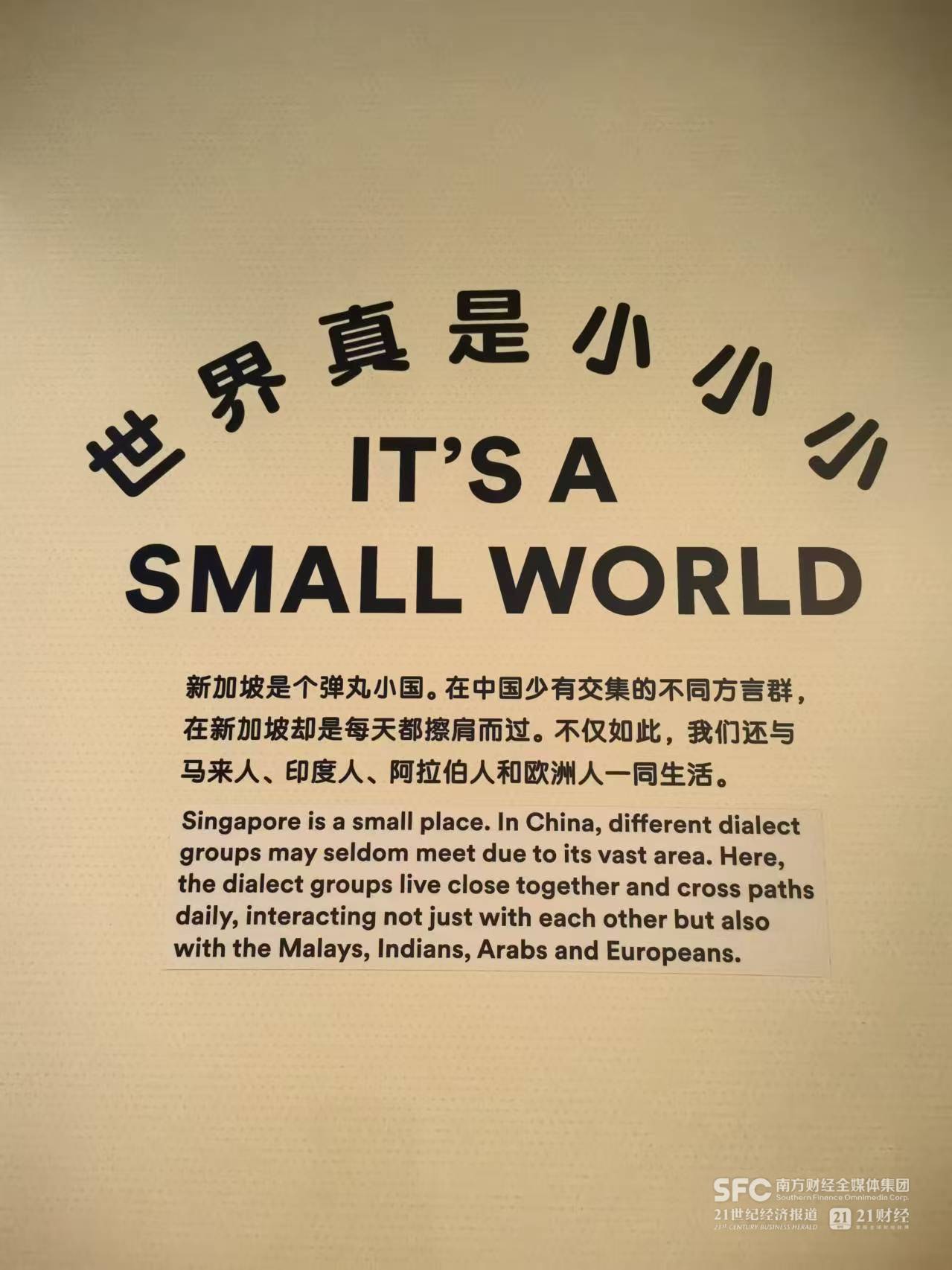
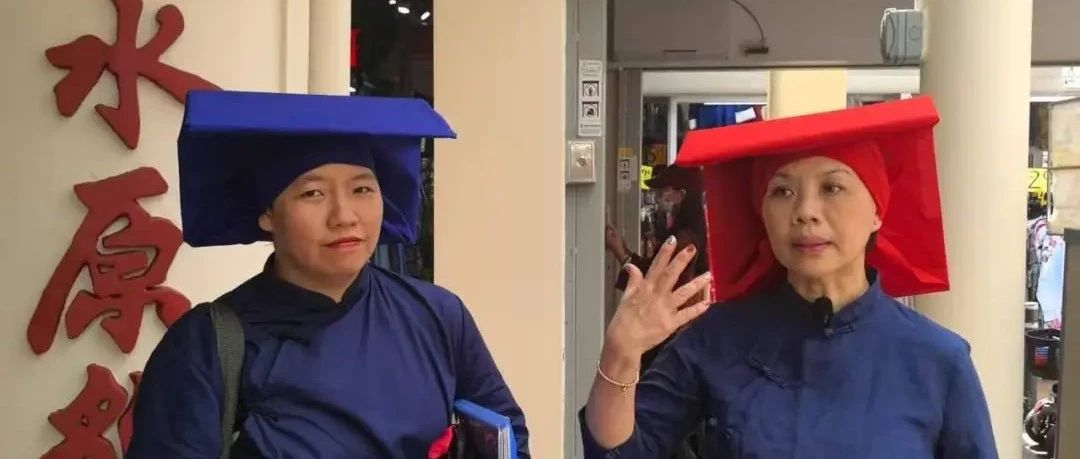
作 者丨文静 编 辑丨张伟贤 为争抢中国游客,新加坡旅游局5月21日在上海发布了全新中国市场营销主题"新加坡 反正好 玩",推出针对年轻职场人、成熟客群、银发族等五大客群的新玩法。 新加坡旅游局数据显示,去年,该国共接待游客1650万人次,同比增长21%,其中中国游客 数量排名第一,达308万人次,同比增长约126%。今年一季度,中国仍然是新加坡最大的游 客来源国。新加坡旅游局预测,今年入境游客数量将达到1700万至1850万人次,带来约290亿 至305亿新元的旅游收入,达到或超过2019年疫情前的历史最高水平。 中国游客大量涌入吸引了越来越多的餐饮、饮料、酒类企业进入新加坡市场。以白酒为例, 根据海关数据, 去年,新加坡进入白酒前十大出口目的地,其出口量、出口额和均价同比增 速分别为17.8%、87%和59%,在白酒十大出口目的地中同比增速第一 。 过去11年,中国还是新加坡最大贸易伙伴国,新加坡也是中国最大新增投资来源国。近年 来,随着越来越多酒类企业登陆新加坡,文化隔阂依然是走出去的最大障碍。 如何填平文化鸿沟? 在新加坡,家文化是一条捷径 。 何以为家? 在中国,家文化往往以血缘为纽带;在新加坡,家 ...
记者观察丨 新加坡文旅之道:多元文化,何以为家?
2 1 Shi Ji Jing Ji Bao Dao· 2025-06-07 13:35
Group 1: Tourism and Visitor Statistics - Singapore's tourism board launched a new marketing theme "Singapore, Just Fun" targeting various demographics to attract Chinese tourists [2] - In the previous year, Singapore welcomed 16.5 million visitors, a 21% increase, with Chinese tourists numbering 3.08 million, up approximately 126% [2] - The tourism board forecasts visitor numbers to reach between 17 million and 18.5 million this year, generating around 29 billion to 30.5 billion SGD in tourism revenue, potentially surpassing pre-pandemic levels [2] Group 2: Cultural Integration and Business Opportunities - The influx of Chinese tourists has led to increased interest from food and beverage companies, particularly in the liquor sector, with significant growth in the export of Chinese liquor to Singapore [2] - Cultural barriers remain a challenge for Chinese companies entering the Singapore market, emphasizing the need for cultural integration rather than simple cultural export [6][12] - Singapore's unique local Chinese culture, shaped by historical immigration, presents both opportunities and challenges for businesses aiming to connect with local consumers [7][10] Group 3: Multicultural Environment - Singapore's multicultural society, with a significant proportion of non-Chinese residents, necessitates businesses to adopt localized strategies to appeal to diverse ethnic groups [15][20] - The government promotes cultural understanding through initiatives like the Multicultural Harmony Museum, fostering an environment where different cultures can learn from each other [18] - Chinese enterprises are increasingly tailoring their offerings to fit the local market, as seen with food businesses adapting their service models to meet the fast-paced lifestyle of Singaporeans [24]