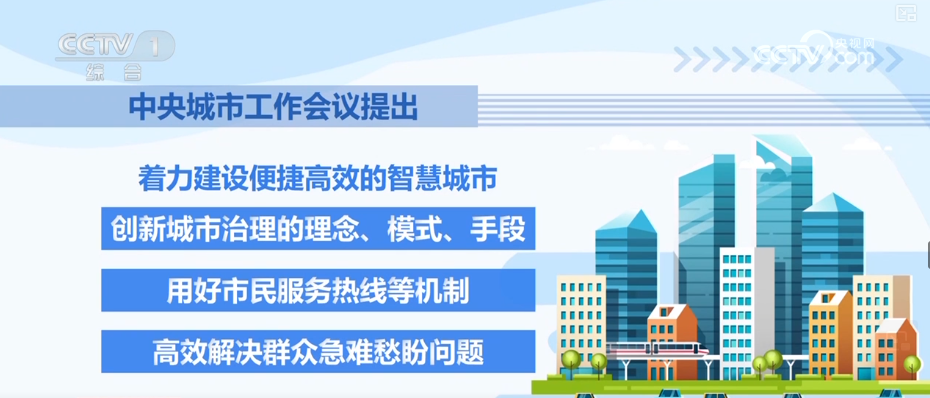
宜居城市

Search documents
新闻1+1|宜居城市,究竟该如何打造?
Yang Shi Wang· 2025-10-16 00:43
Core Viewpoint - The first national standard for livable cities in China has been officially released, establishing a systematic framework for evaluating livability across six dimensions: environment, society, economy, culture, governance, and infrastructure [1][3]. Group 1: Definition and Principles of Livable Cities - The fundamental principle of a livable city is to allow residents to achieve maximum living benefits with minimal living costs [3][6]. - The new standard emphasizes a human-centered approach, focusing on residents' needs and experiences rather than solely on infrastructure [3][6]. - The standard is currently a recommended guideline, aiming to provide a foundation for future mandatory national standards [3][6]. Group 2: Development Process and Expert Involvement - Over sixty experts from various fields participated in the drafting of the standard, engaging in extensive discussions about the concept of livable cities [4][6]. - The standard incorporates international practices, including benchmarks from the United Nations Development Programme and the 2030 Sustainable Development Agenda [6]. Group 3: Addressing Previous Shortcomings - The new standard aims to rectify previous shortcomings by placing greater emphasis on residents' happiness and subjective experiences rather than just infrastructure completion [9][10]. - It highlights the importance of governance and cultural preservation as additional dimensions, differentiating it from previous standards [10]. Group 4: Tailoring Solutions for Different Cities - The standard recognizes that different cities have varying economic levels and resource endowments, necessitating tailored livability solutions [13][14]. - It outlines three key principles for cities to follow: understanding their resource endowments, recognizing their economic development stage, and respecting local cultural heritage [13][14].

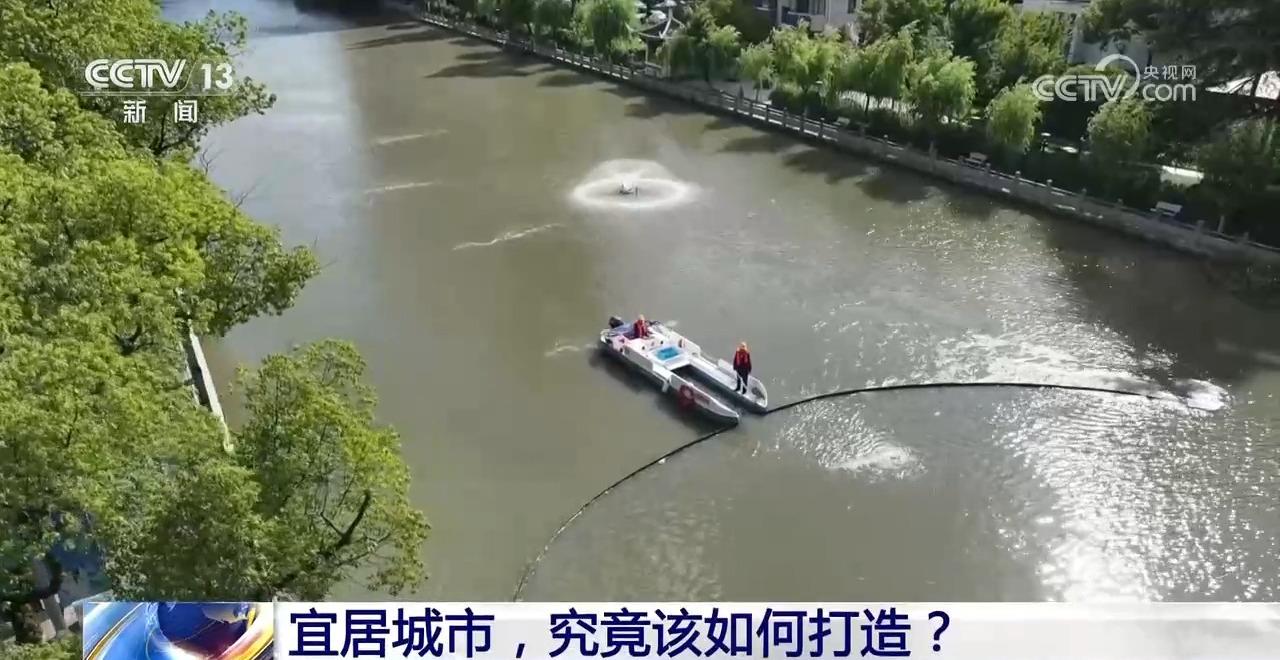
城市24小时 | 浙江这场重磅会议,为何选在“第三城”?
Mei Ri Jing Ji Xin Wen· 2025-10-15 02:45
Group 1 - The core focus of the recent urban work meetings in provinces like Shandong, Yunnan, and Zhejiang is to plan new urban development strategies, with Zhejiang specifically choosing Wenzhou as the meeting location to emphasize its role as a third economic pole in the province [1][2] - Wenzhou aims to achieve a GDP target of 1 trillion yuan and is tasked with becoming a significant commercial city and regional center, enhancing its urban appeal and functionality through initiatives like the "Strong City Action" [2][3] - The Zhejiang provincial government emphasizes the importance of quality urban development, innovation-driven growth, and the integration of industry, city, and people in its urban renewal efforts [2][3] Group 2 - The establishment of the first cross-provincial fiscal and tax sharing fund in the Yangtze River Delta aims to promote green and technological innovation, with an initial scale of 500 million yuan [5] - The launch of a national standard for livable cities aims to enhance urban planning and management, focusing on environmental, social, economic, cultural, governance, and infrastructure dimensions [9][10] - The release of the first comprehensive urban development index report highlights the strong performance of cities like Beijing, Shenzhen, and Shanghai in sustainable development, with a focus on innovation and livability [13][14][15]
中国首部宜居城市国家标准发布
Zhong Guo Xin Wen Wang· 2025-10-14 08:05
Core Points - The first national standard for livable cities in China has been approved and will be implemented on October 5, 2025, providing a framework for assessing livability in urban planning and management [1][2] - The standard aims to address issues in urban construction such as the imbalance between hardware and software, lack of unified standards, and insufficient social participation [2] Summary by Dimensions Environmental Dimension - The standard specifies quantitative indicators for air, water, and soil management, as well as green coverage rates, emphasizing ecological protection and resource conservation [1] Social Dimension - It includes aspects of housing, employment, and healthcare, focusing on the equalization of basic public services [1] Economic Dimension - The income ratio between urban and rural areas is included in the assessment, highlighting inclusivity and coordination [1] Cultural Dimension - The standard emphasizes the importance of historical and cultural heritage preservation alongside the enhancement of modern public cultural services [1] Governance Dimension - A framework for governance is established, which includes online availability of government services and the success rate of social conflict resolution [1] Infrastructure Dimension - It promotes a systematic layout of municipal public facilities, safety assurance facilities, and information communication facilities [1]
2025中国宜居城市30强出炉:广州第1,香港第3,厦门第17
Sou Hu Cai Jing· 2025-09-25 10:33
Core Insights - Guangzhou ranks first with a score of 448, excelling in economic vitality (89), education (99), and healthcare (92), making it a top choice for livability [2][5] - Hong Kong secures third place with a score of 439, showcasing world-class healthcare (98) and education (97), but faces challenges with high living costs [2][5] - Xiamen enters the list at 17th place with a score of 410, highlighting its favorable climate and transportation, while also attracting significant investment projects [4][5] Summary by Categories Education and Healthcare - Guangzhou achieved a score of 99 in education and 92 in healthcare, leading nationally [2][5] - Hong Kong's education and healthcare scores are 97 and 98 respectively, with notable institutions ranked globally [2][5] - Xiamen scored 86 in education and 78 in healthcare, benefiting from its attractive university environment [4][5] Economic Environment - Guangzhou maintains a favorable housing affordability with a price-to-income ratio of 13, lower than Shanghai and Shenzhen [2] - Hong Kong's economic environment is challenged by high living costs, scoring only 59 in this category [2][5] - Xiamen has attracted major projects from companies like CATL, creating over 30,000 high-paying jobs [4][5] Transportation and Infrastructure - Guangzhou boasts a 124 km metro network and a favorable average annual temperature of 22°C [2] - Hong Kong's transportation score is 93, supported by its extensive public transport system [2][5] - Xiamen's transportation includes a well-connected metro and BRT system, facilitating a "15-minute living circle" [4][5] Overall Livability - The rankings indicate that livability is not exclusive to first-tier cities, but rather depends on balancing economic opportunities, living costs, and public services [6] - The competition among cities suggests that those who can fine-tune their offerings will continue to rise in rankings [6]
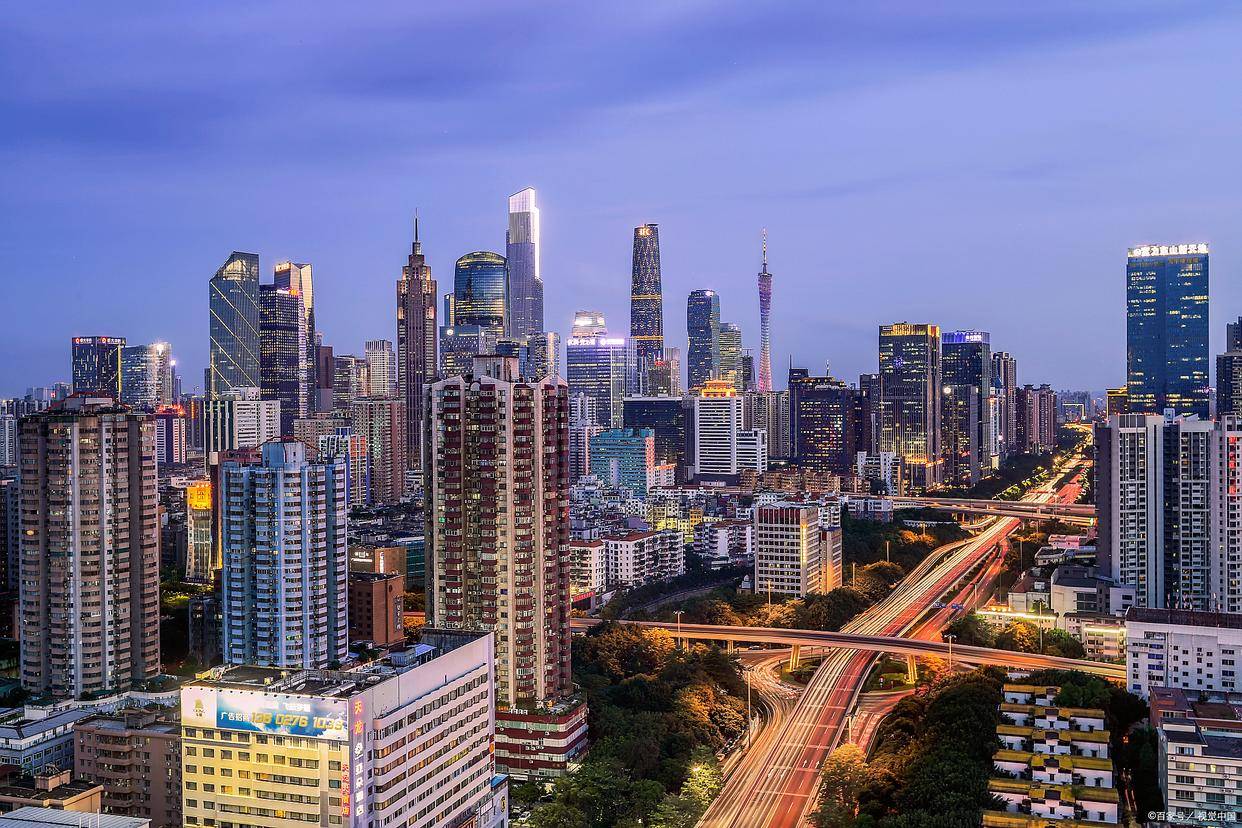
2025东营市房产(济南)推介会9月17日启幕
Qi Lu Wan Bao Wang· 2025-09-15 02:20
Group 1 - The "2025 Dongying Real Estate (Jinan) Promotion Conference" will be held on September 17, 2025, showcasing Dongying as a livable city and its development potential [1] - The event will feature over 30 real estate projects from more than 10 local companies, highlighting high-quality living achievements in Dongying [1] - A consultation desk for home buying policies will be set up at the event, allowing citizens to directly communicate with government departments to reduce information asymmetry and enhance purchasing confidence [1] Group 2 - Dongying is described as an ecological pearl of the Yellow River Delta, with a unique ecological endowment and a stunning coastal landscape [2] - The Yellow River Estuary Ecological Tourism Area spans 1,530 square kilometers and is home to 368 bird species, boasting a 44% urban greening coverage rate and 23.5 square meters of parkland per capita [2] - The promotion of Dongying's real estate brand aims to boost housing consumption and promote high-quality development in the city's real estate sector [3]
我住的城市更宜居
Ren Min Ri Bao Hai Wai Ban· 2025-09-04 00:12
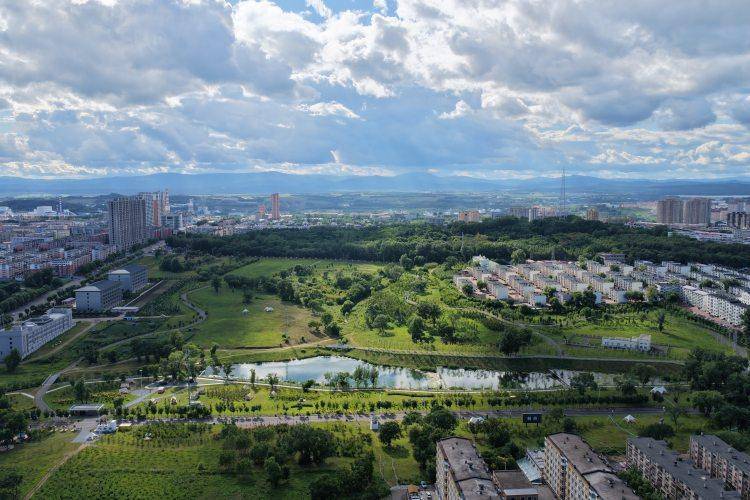
Group 1 - The opening of pocket parks in Tonghua City provides residents with a new space for relaxation and connection with nature, enhancing the quality of life [10][11] - The transformation of previously idle land into vibrant pocket parks has improved local aesthetics and accessibility, contributing to community happiness [10][11] - The increase in green spaces and recreational facilities reflects the city's commitment to urban development and improving residents' living standards [10][11] Group 2 - The innovation-friendly environment in Yipeng Street, Hangzhou, attracts technology companies, facilitating the transition from research to product development [12][13] - The local government provides substantial support for startups, including assistance with resources and real-world testing environments for new technologies [13][14] - The rapid improvement of urban infrastructure and amenities in Yipeng enhances the overall living experience for residents and businesses [13][14] Group 3 - The resilience of Sanya during severe weather events, such as Typhoon Jianyu, showcases the city's preparedness and effective emergency response [15][16] - The swift restoration of essential services post-typhoon reflects the city's commitment to maintaining a stable living environment for its residents [15][16] - The transparent communication from the government during crises fosters a sense of security among the citizens [15][16] Group 4 - The harmonious coexistence of nature and urban life in Tengchong is highlighted by the city's high forest coverage and commitment to environmental protection [17][18] - The local community actively participates in environmental conservation, enhancing the appeal of the area for both residents and tourists [17][18] - The development of public parks and green spaces contributes to the overall quality of life in Tengchong, making it an attractive place to live [17][18] Group 5 - The integration of smart technologies in Xiong'an New Area significantly enhances daily living experiences, showcasing the potential of smart city initiatives [19][20] - The use of digital platforms for utility payments and traffic management reflects the city's commitment to improving urban efficiency and convenience [19][20] - The presence of advanced technology in everyday services, such as automated coffee preparation and delivery, illustrates the innovative spirit of Xiong'an [19][20] Group 6 - The cultural significance of couplets in Lintao serves as a means of preserving and promoting local heritage, enriching the community's cultural landscape [21][22] - The widespread display of couplets throughout the city fosters a sense of identity and pride among residents, attracting visitors interested in cultural tourism [21][22] - The engagement of the local youth in learning and creating couplets indicates a successful transmission of cultural values to future generations [21][22]
深刻把握建设现代化人民城市的目标定位
Ren Min Wang· 2025-09-02 01:00
Group 1: Core Concepts of Modern Urban Development - The core direction of urban development in China is to build a modern people-oriented city, emphasizing high-quality development and a people-centered approach [1][8] - The recent Central Urban Work Conference highlighted the importance of innovation as the primary driver for urban development, marking a strategic shift in urban development paradigms [2][8] Group 2: Key Aspects of Urban Construction - Building vibrant and innovative cities is essential, with a focus on integrating technology, knowledge, and human resources to drive urban growth [2][8] - Creating comfortable and convenient livable cities is a fundamental requirement, emphasizing the need for comprehensive planning in housing, transportation, education, and healthcare [3][8] - Developing green and low-carbon beautiful cities is crucial, with an emphasis on ecological harmony and sustainable environmental practices [4][8] - Establishing resilient cities that enhance disaster prevention and response capabilities is necessary, integrating safety into urban planning and infrastructure [5][8] - Promoting civilized cities that balance material and spiritual development, fostering a culture of morality and community engagement [6][8] - Advancing smart cities through modern governance and technology, enhancing urban management and public services [7][8] Group 3: Systematic Approach to Urban Development - The modern people-oriented city encompasses six interrelated aspects: innovation, livability, beauty, resilience, civilization, and intelligence, which collectively support high-quality urban development [8]
聚焦“第五立面”盘活城市空间
Ren Min Ri Bao· 2025-08-24 02:13
Group 1 - The concept of the "fifth facade" refers to the rooftops of buildings, which significantly influence the overall urban landscape from a bird's-eye view [1] - More than 30 rooftop terraces along Beijing's central axis were opened to the public this summer, allowing citizens and tourists to enjoy various activities, enhancing urban vibrancy [1] - The shift in urban development from large-scale expansion to improving existing spaces highlights the potential of underutilized rooftop areas, particularly in cities like Shenzhen, which has approximately 200 million square meters of rooftop space available for development [1] Group 2 - The "fifth facade" can integrate good ecological environments into urban settings, as seen in Wuhan's commercial spaces that transformed rooftops into gardens, attracting visitors [2] - In Guangzhou, the Baiyun International Conference Center installed around 40,000 square meters of photovoltaic panels on its rooftop, generating over 4 million kilowatt-hours of electricity in the past three years and reducing carbon emissions by over 3,000 tons [2] - Rooftops are evolving from mere building covers to vibrant spaces that foster community engagement and cater to diverse consumer needs, enhancing the livability of urban areas [2] Group 3 - The well-planned "fifth facade" offers aesthetic, cultural, lifestyle, and economic value, making it a valuable asset for cities that require scientific planning and meticulous regulation [3] - Cities like Wenzhou are strategically zoning rooftop areas into distinct categories to avoid a one-size-fits-all approach, ensuring targeted development [3] - The central urban work conference emphasizes the importance of creating comfortable and convenient livable cities, with the "fifth facade" contributing to urban vitality through improved design and management [3]
销量房价齐涨,谁在买鹤岗的房子?答案:外地人占了三分之一
Sou Hu Cai Jing· 2025-08-12 04:51
Core Viewpoint - Heilongjiang Hegang is experiencing a transformation from a low-cost housing market to a desirable living destination, driven by industrial upgrades and ecological value release, attracting more residents from outside the city [1][4]. Housing Market Dynamics - From 2019 to 2024, the transaction volume of second-hand houses in Hegang increased from 6,953 units to 16,304 units, a growth of approximately 134% [4]. - The proportion of houses purchased by non-local buyers rose significantly, from 16.31% in 2019 (1,134 units) to 34.05% in 2024 (5,680 units), indicating a nearly fourfold increase in the number of transactions [4][8]. - The average price of new commercial housing increased from 3,046 yuan per square meter to 3,860 yuan per square meter during the same period [4]. Urban Development and Quality of Life - Hegang has transformed its urban landscape by converting former mining areas into parks and recreational spaces, with a green coverage rate of 43.55% and a total green area of 2,252.005 hectares [9]. - The city has built 23 parks and 24 squares, enhancing the quality of life and making it a more attractive place to live [9]. - The local government has invested over 80% of its fiscal expenditure into improving living conditions and promoting green urban transformation [8]. Policy Initiatives - Hegang's government has implemented the "Six Preferences" and "Six Shares" policies to attract new residents, offering subsidies and tax reductions for home purchases by non-local residents [12][13]. - These policies aim to create a favorable environment for employment and entrepreneurship, encouraging non-local residents to settle in Hegang [12][13]. - The initiatives have successfully attracted a number of new residents who have established businesses and integrated into the local community [13][14].
AI赋能、新潮业态集聚、交通顺畅!从蓝图到实景 现代化人民城市图景徐徐铺展
Yang Shi Wang· 2025-07-26 04:32
Group 1 - The central urban work conference emphasizes the goal of building modern, innovative, livable, beautiful, resilient, civilized, and smart cities, focusing on high-quality urban development while ensuring urban safety [1][4] - Various regions are exploring new models for constructing modern people's cities, integrating technology to enhance urban governance and address citizens' urgent issues effectively [4][12] - The digital twin platform launched in Beijing's Jianwai Street aids businesses in finding suitable office locations by providing insights into surrounding industrial support and potential partners [6][7] Group 2 - The Jianwai Street area, located in Beijing's CBD, has developed six smart governance application scenarios to quickly respond to various urban issues, enhancing the efficiency of urban management [12] - The implementation of smart systems includes installing overload warning devices in old buildings to preemptively alert residents of potential electrical hazards [14] - New employment groups benefit from a 24-hour AI smart station that offers free access to facilities, providing convenience for delivery and takeaway workers [17] Group 3 - In Guangdong's Shunde district, efforts are underway to create a comfortable and convenient livable city, with a focus on improving public services and developing lifestyle service industries [20][21] - The local community has seen an influx of young entrepreneurs, with new businesses emerging in renovated traditional buildings, contributing to the area's economic vitality [23][25] - Sustainable urban renewal models are being explored, emphasizing the protection and utilization of historical and cultural sites to attract tourism [29] Group 4 - The Chengdu-Chongqing urban agglomeration is enhancing connectivity through the construction of the Shuan'an Tunnel, which is part of the Chengyu Central Line high-speed rail project [31][36] - The high-speed rail will significantly reduce travel time between Chengdu and Chongqing to 50 minutes, facilitating daily commutes and boosting local economies [35][38] - Increased transportation frequency strengthens the ties between surrounding cities and the core urban areas, promoting collaborative development in manufacturing and service industries [37]