
战时经济

Search documents
28国重压下,中国没妥协,普京政府先让步,石油能源向美敞开大门
Sou Hu Cai Jing· 2025-09-24 04:45
Group 1 - The U.S. is pressuring the EU to impose tariffs on Chinese goods, with potential increases up to 100%, which could lead to a united front of 28 countries against China [1][3] - China has not yielded to U.S. pressure, with Foreign Minister Wang Yi emphasizing that excessive tariffs harm all parties involved and warning against unilateral trade restrictions [3][5] - Russia has unexpectedly made concessions to the U.S. regarding energy cooperation, indicating a willingness to discuss projects like Sakhalin-1, which could signal a shift in geopolitical dynamics [5][7] Group 2 - Russia's economic situation is dire, with a projected GDP growth of only 1.5% for 2025 and a second-quarter growth rate of just 1.1%, prompting the need for concessions to the U.S. [7][8] - The potential for U.S.-Russia energy cooperation could create internal divisions within the EU and NATO, which aligns with Russia's strategic interests [8][10] - The U.S. is currently an energy-exporting nation, with projected oil exports reaching 10 million barrels per day in 2024, suggesting that any cooperation with Russia may be more opportunistic than strategic [10]

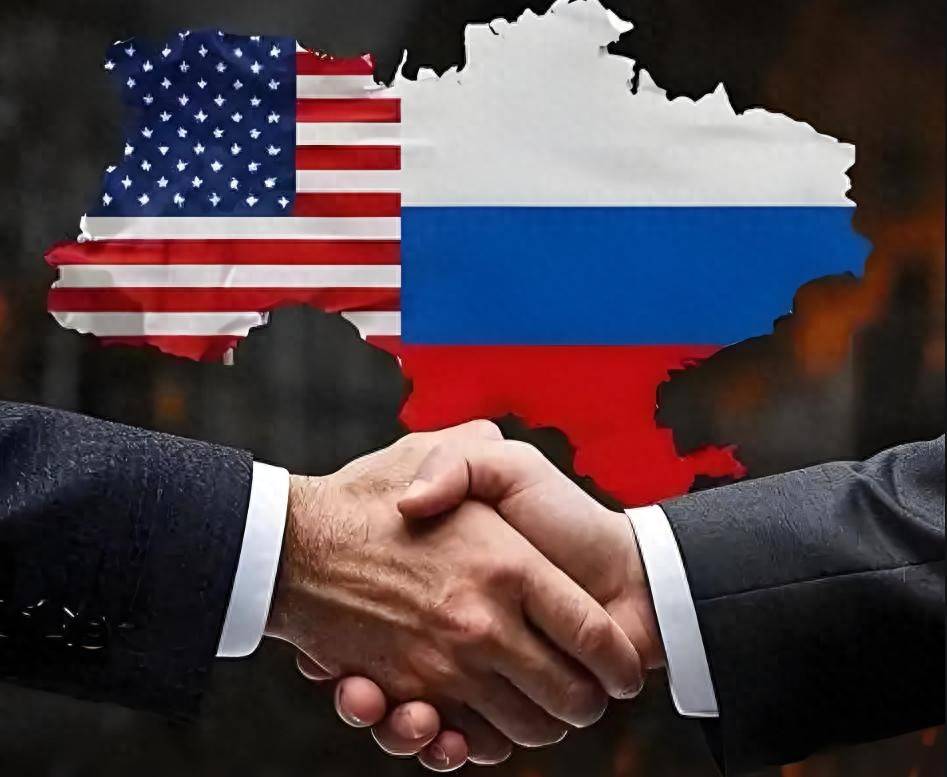
匈牙利官员:欧盟应着眼于提升竞争力 而非引入战时经济
Yang Shi Xin Wen· 2025-09-16 13:46
Core Viewpoint - Hungary's EU Affairs Minister, Janos Borkai, emphasized that the EU should focus on enhancing competitiveness rather than adopting a wartime economy, stating that high energy prices must be addressed for this goal to be achieved [1] Group 1: Energy Prices and Economic Policy - Borkai criticized the EU's sanctions and trade policies, arguing that high energy prices are not solely due to purchasing Russian oil and gas, but rather stem from flaws in the EU's sanctions, trade, industrial policies, and the green transition [1] - He asserted that without improvements in these areas, energy prices will not decrease [1] Group 2: EU's Involvement in Ukraine - Borkai expressed skepticism regarding the EU's increased involvement in the Russia-Ukraine conflict as suggested by EU Commission President Ursula von der Leyen, highlighting the need for the EU to address internal issues such as competitiveness, high energy prices, and housing difficulties [1] - He stated that Ukraine cannot bypass legal and political processes to join the EU, as this would contradict EU treaties, despite member states being able to discuss matters with non-EU countries [1]
俄罗斯没钱了
首席商业评论· 2025-08-20 04:26
Core Viewpoint - The article discusses the severe economic consequences of the ongoing war in Russia, highlighting the increasing financial strain on various sectors, the rising military expenditures, and the paradox of low unemployment amidst widespread business failures [6][9][10]. Group 1: Economic Impact of the War - As of mid-2024, 141,000 legal entities in Russia declared bankruptcy, with manufacturing, construction, and trade accounting for over 70% of these failures [10]. - By the end of 2024, 66% of the labor population had personal debts totaling 38.5 trillion rubles, with a household overdue loan rate of 10.5% in Q1 2025, indicating growing financial pressure [7]. - Despite the collapse of numerous small and medium enterprises, the unemployment rate remained at a historical low of 2.2% in June 2025, raising questions about the accuracy of employment data [9]. Group 2: Military Expenditures - In 2024, Russia's direct defense spending surged to 10.8 trillion rubles, tripling compared to 2021, with total military expenditures reaching at least 13.85 trillion rubles, accounting for 38% of the budget and 7.7% of GDP [10][11]. - The military budget for 2025 is projected to increase by 25% to 13.5 trillion rubles, with total war-related expenditures expected to exceed 16.55 trillion rubles [10][11]. - The total salary expenditure for the military in 2025 is estimated to be at least 39 trillion rubles, reflecting the significant financial burden of maintaining military personnel [13][14]. Group 3: Resource Depletion and Economic Strain - The war has led to a drastic reduction in Russia's arms exports, plummeting from a stable level of $14-15 billion to below $1 billion since 2023, while military equipment imports have surged [20][23]. - The procurement of military equipment from abroad is expected to rise from 180 billion rubles in 2021 to 440 billion rubles by 2025, indicating a reliance on foreign supplies due to domestic production limitations [23]. - The overall military spending in 2025 is projected to exceed 35 trillion rubles, with additional costs for repairs, weapon supplies, and logistics, compounding the economic challenges faced by the country [26]. Group 4: Inflation and Public Sentiment - Inflation in Russia has decreased to 8.8% in 2025, but real wages have declined, with essential food prices rising significantly, leading to a decrease in purchasing power for the populace [36]. - The government has introduced a "war tax" on businesses with annual revenues exceeding 1 billion rubles, alongside increased income tax rates, reflecting the financial strain on the economy [38]. - Public sentiment is shifting as the war drags on, with increasing casualties and declining living standards potentially undermining support for the conflict [44].
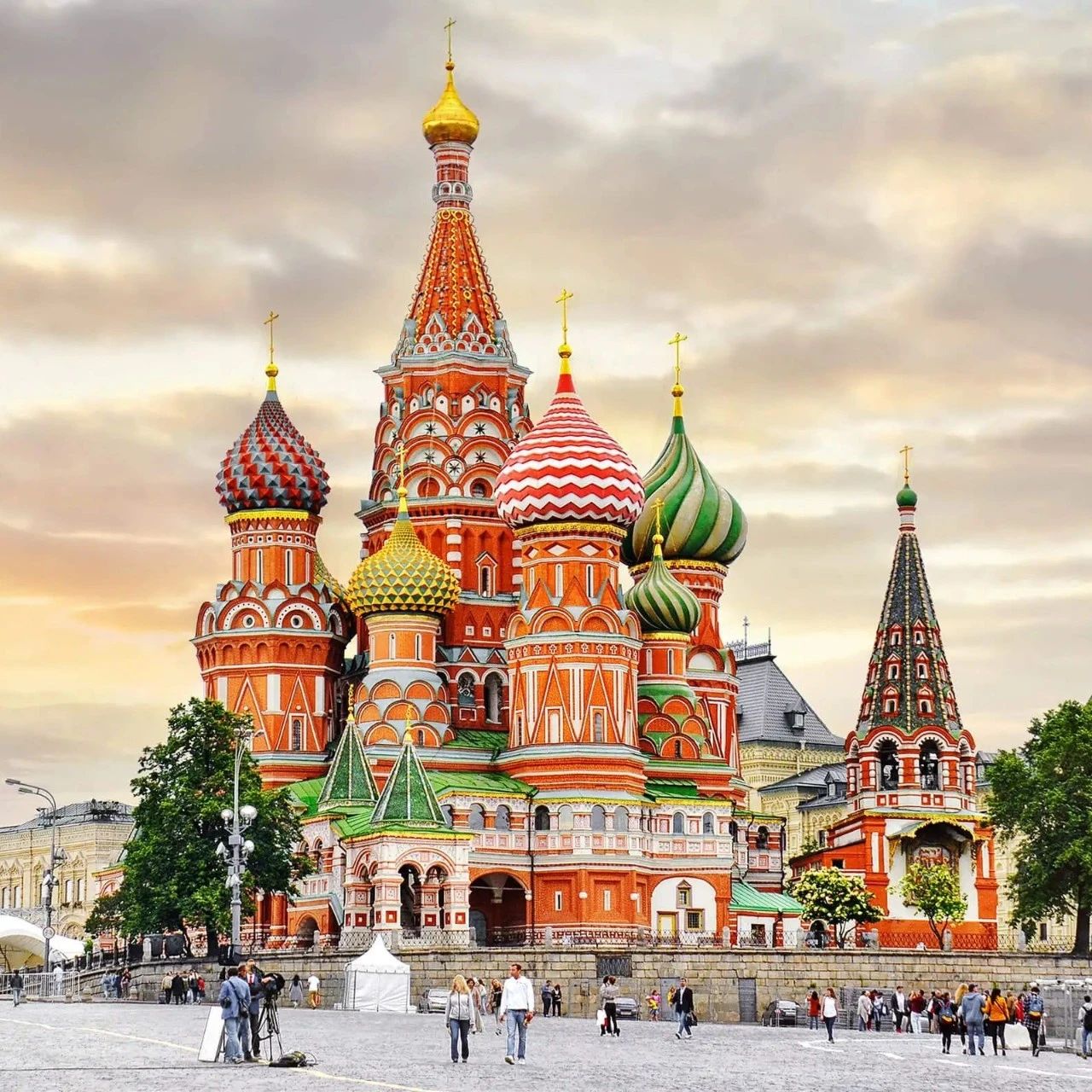
俄元气大伤,欧洲想一波压垮,最大港口民转军,随时准备对俄开战
Sou Hu Cai Jing· 2025-07-10 06:18
Group 1 - The core viewpoint of the articles highlights Europe's strategic preparations for potential conflict with Russia, particularly through the readiness of key ports like Rotterdam for military logistics [1][3] - The European infrastructure is transitioning into a wartime mode, indicating a shift from theoretical discussions to practical implementations of a wartime economy, as emphasized by French President Macron [1][3] - There is a growing consensus among European leaders, including Macron and German Chancellor Merz, advocating for a robust military response and increased defense spending to counter Russian aggression [3][5] Group 2 - Eastern European leaders express concerns that the Russia-Ukraine conflict is merely a precursor to broader Russian expansion, urging NATO to prepare adequately [3][5] - Despite Russia's current military and economic struggles, European nations perceive an opportunity to strategically weaken Russia by providing military aid to Ukraine and enhancing their own military capabilities [5][6] - The long-term objective for Europe is to systematically diminish Russia's ability to project power externally, aiming to reduce it to a regionally focused state that cannot influence European security dynamics [6]
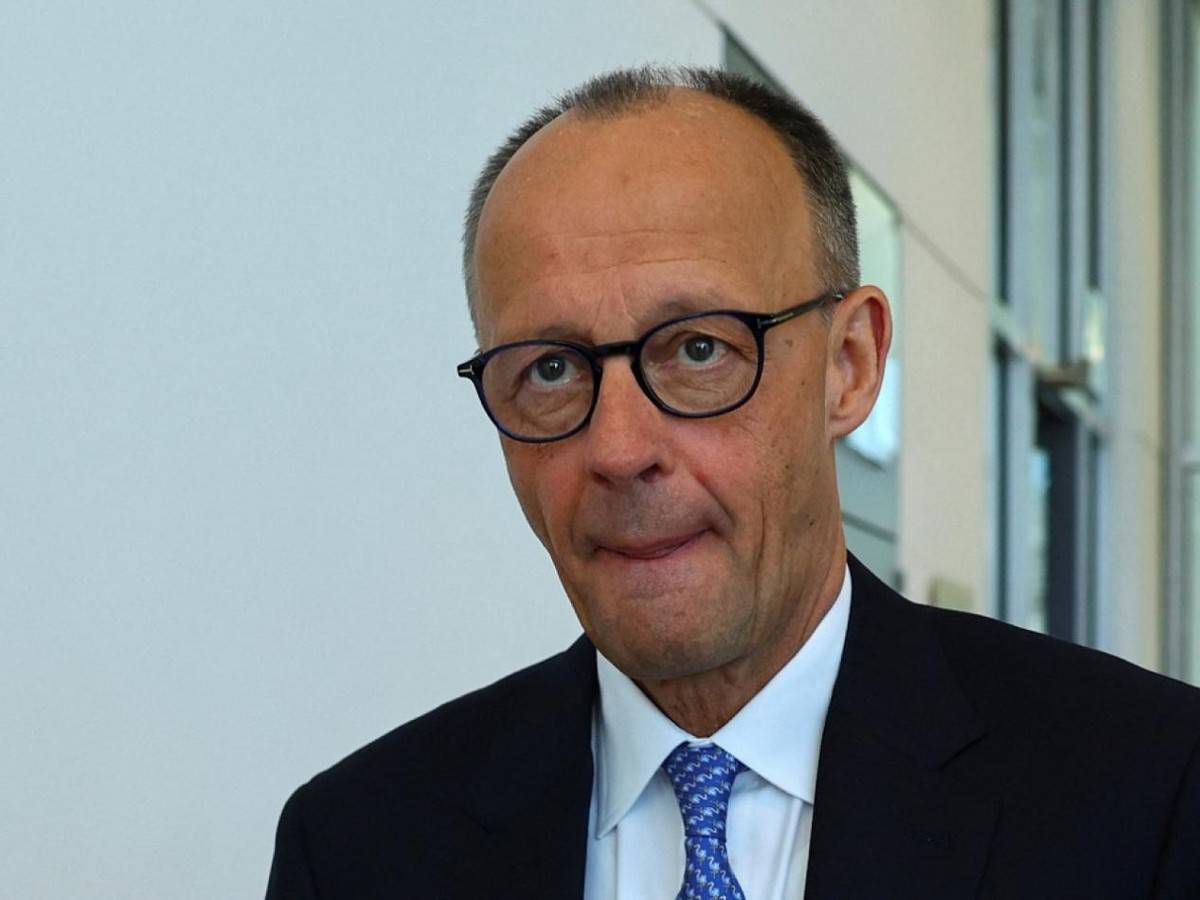
欧盟委员会主席冯德莱恩:俄罗斯经济已转变为战时经济。
news flash· 2025-06-10 13:12
Core Viewpoint - The President of the European Commission, Ursula von der Leyen, stated that the Russian economy has transitioned into a wartime economy [1] Group 1 - The shift in the Russian economy indicates a significant change in its operational and strategic focus due to ongoing conflicts [1]
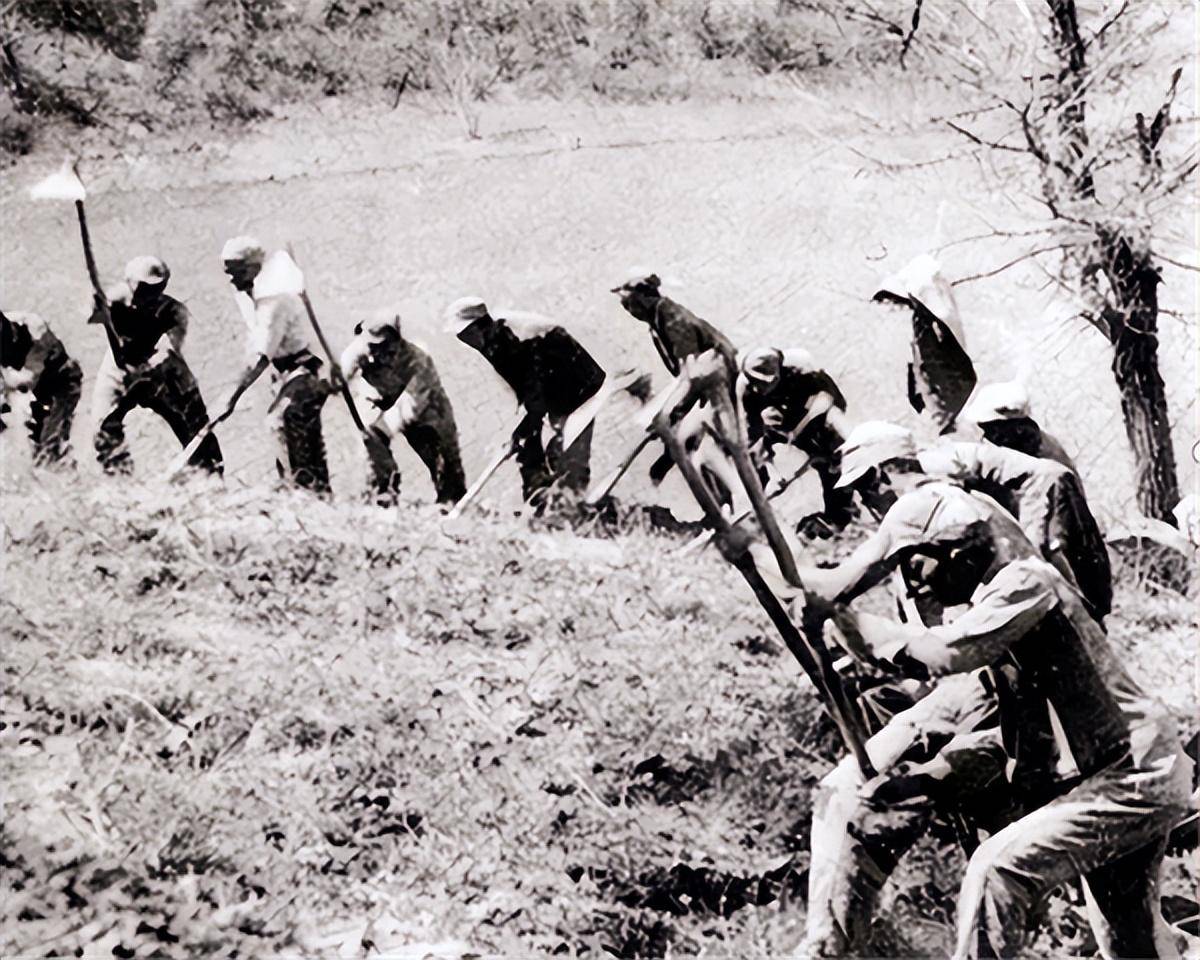
新四军第七师有多富裕?可养活20个甲级师,每年上交20万两黄金
Sou Hu Cai Jing· 2025-05-25 13:23
Core Viewpoint - The article highlights the economic achievements of the New Fourth Army's Seventh Division during the Second Sino-Japanese War, showcasing how strategic leadership and innovative economic measures led to significant growth despite challenging circumstances [1][19]. Group 1: Historical Context - The Anti-Japanese National United Front was established in the 1930s to resist Japanese invaders, leading to a 14-year struggle that ultimately expelled the invaders from China [1]. - The war severely hindered domestic economic development, with the Communist Party's bases facing significant challenges such as territory loss, troop reductions, and supply shortages [1][3]. Group 2: Economic Transformation - The New Fourth Army's Seventh Division, particularly in the central Anhui region, sought to innovate wartime economics to overcome difficulties and build strength for a prolonged conflict [3]. - By 1945, the Seventh Division had grown from an initial force of fewer than 2,000 to nearly 200,000 troops, controlling over 22,500 square kilometers and serving a population exceeding 3 million [11]. Group 3: Key Figures - Zeng Xisheng and Cai Hui played pivotal roles in creating an economic miracle for the Seventh Division after May 1941, with Zeng serving as the political commissar and Cai overseeing financial matters [5][12]. - Their collaboration was instrumental in transforming the division's economic situation, allowing it to thrive despite initial hardships [5][12]. Group 4: Economic Strategies - Faced with severe financial constraints, Cai Hui implemented measures such as food blockades to monopolize grain trade and proposed public salt industries to stimulate local economies [16]. - By autumn 1944, the financial revenue of the central Anhui base had more than doubled compared to 1942, surpassing 60 million yuan [16]. - The Seventh Division contributed 53 million yuan (equivalent to 26.5 million taels of gold) to support other units, demonstrating its economic strength [17].
俄罗斯经济,“越打越富”还是“濒临崩溃”?
Sou Hu Cai Jing· 2025-05-25 13:10
Group 1: Economic Performance and Trends - Since the onset of the Ukraine crisis in February 2022, Western sanctions have led to a 2.1% decline in the Russian economy in 2022, but a rebound occurred in 2023 with a growth of 3.6%, and a projected growth of 4.1% in 2024 [1] - The resilience of the Russian economy is notable, with a shift towards a "wartime economy" characterized by military orders and manufacturing expansion [5][6] - The agricultural sector in Russia has seen rapid development, reflecting the state's focus on ensuring public welfare despite sanctions and war [9] Group 2: Global Context and Geopolitical Factors - The current global transformation is marked by a shift from a Western-dominated order to a multipolar world, influenced by significant changes in domestic systems and foreign strategies of major countries [2][4] - The "Trump 2.0" era is seen as a critical backdrop for understanding the global transition, with implications for Russia's economic strategies and international relations [2][5] Group 3: Challenges and Future Outlook - Despite the growth, Russia's economic transformation faces challenges such as a projected slowdown in growth post-2025, ongoing Western sanctions, declining birth rates, and a lack of skilled labor [9][14] - The impact of the U.S. tariff war, although not directly affecting Russia, could have significant indirect effects, particularly through fluctuations in oil prices, which constitute a third of Russia's budget [13][14] - The volatility of the Russian ruble poses additional challenges, as its appreciation could diminish the competitiveness of Russian energy exports [14]
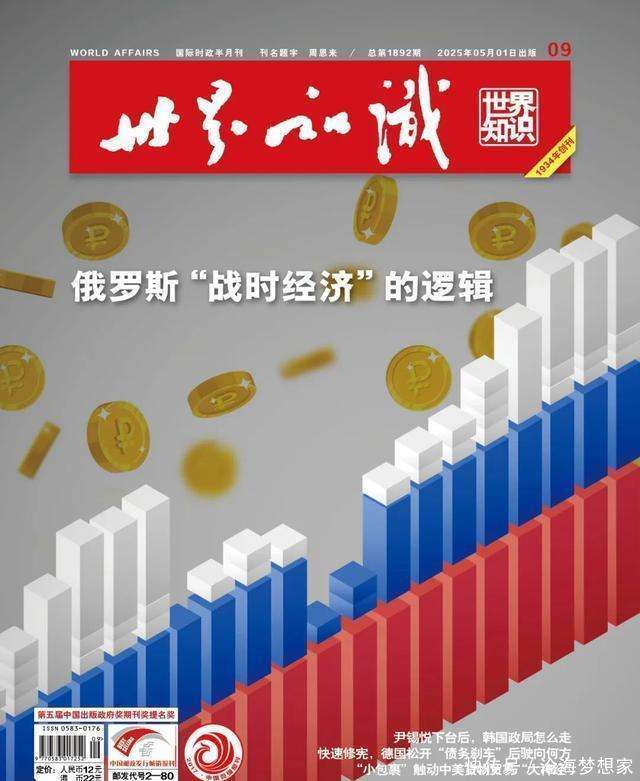
拿俄罗斯经济开刀,就可能把普京逼上谈判桌?
Jin Shi Shu Ju· 2025-05-22 08:48
Group 1: Russia's Military and Economic Situation - Russia shows little interest in peace negotiations with Ukraine, despite external pressures and potential new military offensives planned for summer [1] - The Royal United Services Institute (RUSI) analyst Jack Watling indicates that Russia's military equipment from Soviet times will be depleted by mid-autumn, limiting its ability to replenish losses [1] - Economic and military pressures within Russia, including sanctions on oil exports and military supplies, may eventually force Russia to negotiate [1] Group 2: Economic Challenges - Russia's economy is under severe strain due to international sanctions and domestic pressures, with inflation reaching 10.2% in April and the central bank maintaining high interest rates at 21% [2] - GDP growth in Russia has sharply declined from 4.5% in Q4 to 1.4% in Q1, indicating a potential technical recession [2][3] - The Russian Ministry of Economic Development predicts GDP growth will drop from 4.3% in 2024 to 2.5% this year, highlighting a loss of economic momentum [3] Group 3: Oil Prices and Revenue Impact - Oil prices have significantly decreased, with Brent crude at $64.94 per barrel and Urals crude at $59.97, leading to a projected 24% drop in oil and gas revenues for Russia [4] - The Russian Finance Ministry has revised its oil price forecast down from $69.7 to $56 per barrel, increasing the budget deficit expectation from 0.5% to 1.7% of GDP [4] - Analysts suggest that continued Western efforts to weaken the Russian economy could lead to a critical decision for Russia regarding the costs of ongoing military engagement [4]