
数字乡村

Search documents
一部手机,双向赋能:广东制造重构乡村“能力图谱”丨广货行天下
Nan Fang Nong Cun Bao· 2026-01-20 08:33
Core Viewpoint - The article emphasizes the transformative impact of mobile phones on rural development in Guangdong, showcasing how technology empowers local entrepreneurs and enhances market access for agricultural products [9][40]. Group 1: Mobile Phones as Tools for Empowerment - Guangdong manufactures one in three mobile phones globally, highlighting the region's significant role in the mobile industry [3]. - The integration of mobile technology into rural life has shifted from a mere slogan to practical applications, enabling farmers to utilize smartphones for business and communication [11][12]. - Successful case studies include young entrepreneurs like Feng Guofu, who leveraged mobile technology for live-streaming sales, achieving annual sales exceeding 5 million yuan and creating jobs for local villagers [15][16][19]. Group 2: Digital Transformation in Agriculture - The article illustrates various innovative approaches by rural youth, such as Lin Shengnan, who has conducted over 230 agricultural technology live streams, training 68,000 farmers [20][21]. - In different regions, initiatives like the "cloud tea competition" and live streaming events have significantly increased brand awareness and sales for local products, demonstrating the effectiveness of digital marketing [30][34]. - Government-led training programs have successfully educated over 3,300 individuals in e-commerce, fostering a new generation of rural entrepreneurs [36][37]. Group 3: Systematic Restructuring of Rural Economy - The "Guangdong Goods Going Global" initiative aims for sustainable consumer engagement, indicating a long-term strategy beyond immediate sales [69][70]. - The initiative is supported by high-level government coordination, which seeks to enhance the overall competitiveness of Guangdong's manufacturing sector [71][73]. - The rise of mobile technology in rural areas is creating new job roles and reshaping urban-rural relationships, facilitating a two-way flow of talent and culture [75][76]. Group 4: Product Adaptation to Rural Needs - Mobile manufacturers are responding to rural market demands by designing products with features like long battery life and enhanced signal strength, which cater to the specific needs of rural users [55][59]. - The article highlights how rural communities are not just passive consumers but are actively involved in product feedback and development, influencing the design of mobile devices [65][66]. Group 5: Broader Implications of Mobile Integration - The integration of mobile technology into rural life signifies a broader shift in economic opportunities, allowing individuals to connect with larger markets without leaving their communities [86][88]. - The narrative of "Guangdong Goods Going Global" extends beyond geographical boundaries, representing a significant change in the life choices and opportunities available to rural populations [87][90].


移动信息技术赋能绘就乡村振兴新图景
Jiang Nan Shi Bao· 2026-01-20 03:03
Core Viewpoint - The article highlights the proactive role of China Mobile Jiangsu's Taizhou branch in promoting rural revitalization through digital technology and collaboration with various stakeholders [1][2]. Group 1: Collaboration and Initiatives - Taizhou Mobile has established a tripartite cooperation mechanism involving democratic parties, financial institutions, and telecommunications companies to promote rural revitalization [1]. - A formal agreement was signed during the event to create a long-term collaborative mechanism focused on digital rural construction, agricultural technology upgrades, and enhancing financial services [2]. Group 2: Technological Contributions - Taizhou Mobile aims to leverage its expertise in smart villages, IoT applications, and 5G technology to provide feasible suggestions for village management, agricultural production upgrades, and rural security systems [1]. - The company will offer comprehensive and customized information solutions to ensure the effective implementation of collaborative projects [2]. Group 3: Future Directions - The successful completion of the partnership event marks a new phase in the dual-driven approach of "finance + technology" for rural revitalization [2]. - Taizhou Mobile plans to deepen its involvement in the modernization of agriculture and rural areas, aiming to release digital dividends and accelerate rural revitalization through 5G technology [2].

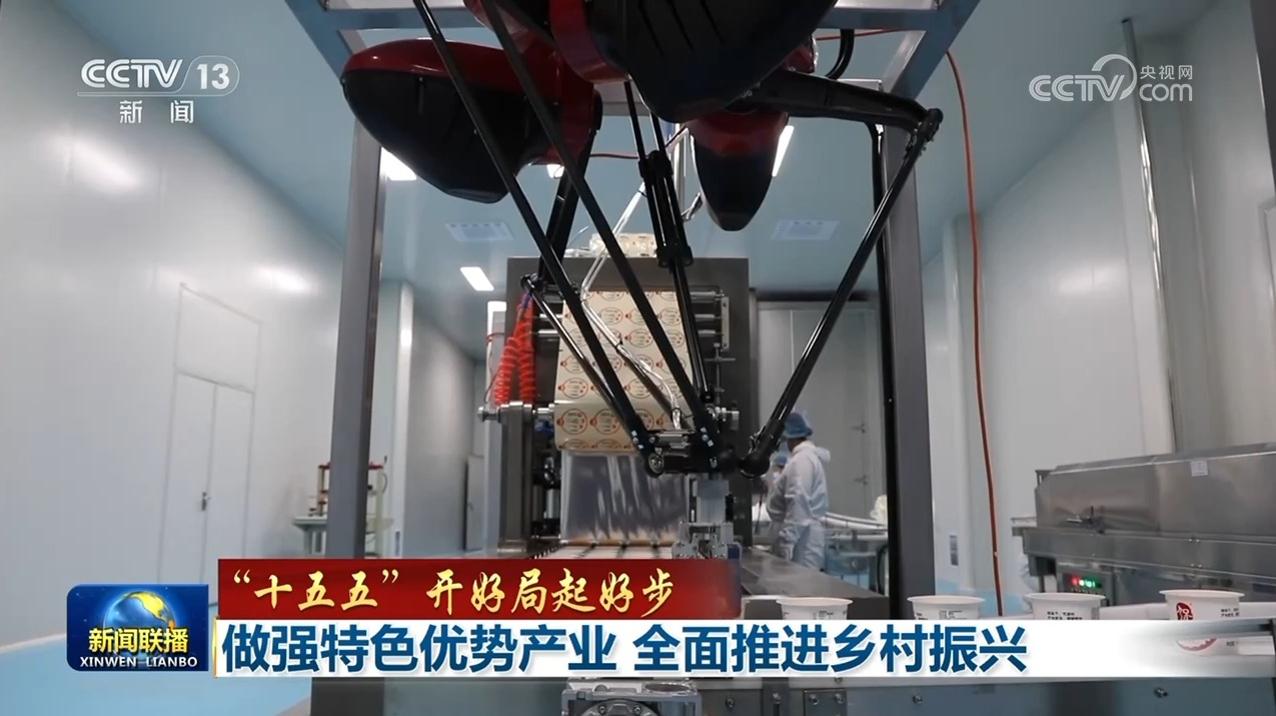
【“十五五”开好局起好步】做强特色优势产业 全面推进乡村振兴
Yang Shi Wang· 2026-01-18 11:56
Group 1 - The article emphasizes the importance of leveraging local resources to strengthen and expand特色优势产业 (characteristic advantageous industries) as part of the rural revitalization strategy [1] - Hebei province is focusing on supporting and cultivating leading特色主导产业 (leading characteristic industries) and enhancing the deep processing of agricultural products, with the ice persimmon industry park in Baoding expected to produce approximately 88,000 ice persimmons daily, generating an annual output value of 165 million yuan, benefiting local farmers with an average annual income increase of nearly 20,000 yuan [3] - Hunan province is concentrating on特色优势产业 (characteristic advantageous industries) such as grain, livestock, fruits, and vegetables, establishing mechanisms to strengthen the industrial chain and enhance market competitiveness through improved breeding, deep processing, and cold chain logistics [3] Group 2 - Jilin province has allocated 500 million yuan in special funds to upgrade ice and snow tourism experiences, aiming for full coverage of county-level ice and snow tourism, thereby accelerating rural tourism development [5] - Fujian province is promoting the construction of "all-region ecological tourism towns" to enhance the quality of rural tourism, with initiatives like the flower sea camping and water viewing of plum blossoms in Fuzhou's Wanshi Village providing immersive winter rural experiences for visitors [5] Group 3 - Sichuan province is advancing digital rural construction to modernize agriculture, with a strawberry factory in Chengdu utilizing AI and IoT technologies for full digital and intelligent control, thereby increasing strawberry yields [7] - Guangdong province is building a modern rural industrial system that integrates cutting-edge technologies like artificial intelligence into特色农业 (characteristic agriculture), exemplified by the AI model in Maoming's lychee garden that connects pest control knowledge and weather data to enhance production efficiency [7]
“农农e链”让农户共享数字红利
Jin Rong Shi Bao· 2026-01-13 04:41
Core Insights - The "Nongnong e Chain" digital platform is transforming rural property rights management and financing, enabling farmers to earn additional income through digital asset participation [1][2][3][4][5] Group 1: Digital Transformation of Rural Property Rights - The "Nongnong e Chain" platform allows for the digitalization of land management, significantly reducing the time required for property rights verification from weeks to 1-2 days [2] - The platform has created a closed-loop system for property rights management, including confirmation, transfer, and supervision, enhancing governance efficiency in rural areas [2] - Currently, the platform has integrated 60 rural collective economic organizations and 2,210 farmers, achieving comprehensive coverage in the tax Guo Town [2] Group 2: Financial Innovation and Economic Impact - The platform facilitated a financing of 1.52 billion yuan for a smart agriculture project, which was previously hindered by lack of collateral [3] - The project is expected to generate 4.3 billion yuan in revenue and create over 7,500 job opportunities, contributing 1.4438 million yuan in income for farmers [3] - The "Nongnong e Chain" service model addresses information asymmetry between farmers and banks, ensuring that farmers retain land while securing bank loans [3] Group 3: Promoting Shared Prosperity - The platform has introduced a "service fee feedback" mechanism to incentivize farmers to participate in digitalization, rewarding them based on their engagement level [4] - For example, a farm that digitized 148.06 acres of land received over 8,000 yuan in additional rewards for the village collective and 49 farmers [4] - This model of transforming data into assets and generating income positions farmers as key beneficiaries of digital rural development [4] Group 4: Future Prospects - The city of Zaozhuang is leveraging the "Nongnong e Chain" platform to build a new ecosystem for rural revitalization, focusing on digital property rights, inclusive finance, and shared benefits [5] - As more participants join the platform, the digital dividends from the land are expected to continue to grow, providing a model for national digital rural construction [5]
用得上、用得起、用得好(编辑手记)
Ren Min Ri Bao· 2026-01-09 22:53
Core Insights - The achievement of "broadband access in every village and 5G connectivity in every township" is significant and reflects ongoing efforts to bridge the digital divide in rural areas [1] - The expansion of communication infrastructure in rural regions has improved service quality and accessibility, allowing residents to benefit from information services [1] Group 1: Infrastructure Development - Rural areas are experiencing enhanced communication infrastructure, with better coverage and quality, leading to the effective implementation of universal telecom services [1] - The construction of communication towers and the laying of optical cables have improved living and production conditions in rural areas [1] Group 2: Economic Impact - The growth of rural online retail and the rise of video streaming and online stores among farmers indicate a significant increase in digital engagement [1] - Smart agriculture is advancing, with mobile technology enabling farmers to manage their fields more efficiently, showcasing the increasing availability of digital tools [1] Group 3: Educational Advancements - Internet education is becoming more widespread, connecting urban and rural classrooms and enhancing educational opportunities for rural residents [1] - The emphasis on improving internet infrastructure in rural areas aligns with the goal of achieving equitable public services and expanding income-generating opportunities for farmers [1]
在蒙山沂水间用数字“解码”乡村痛难点——临沂联通派驻第一书记刘涛用技术浇灌乡村振兴之花
Xin Lang Cai Jing· 2025-12-31 04:35
Core Viewpoint - The article highlights the transformative impact of digital technology in rural areas, showcasing how initiatives led by Liu Tao have effectively addressed agricultural challenges and enhanced local economies through innovative solutions [2][4][11]. Group 1: Digital Agriculture Solutions - Liu Tao identified significant irrigation challenges in rural areas due to adverse weather conditions and high fuel costs for traditional irrigation methods, prompting the need for a digital solution [2][4]. - The implementation of digital shared wells, utilizing IoT technology, allowed for cost-effective irrigation, reducing operational costs significantly compared to traditional methods [2][4]. - Over 300 acres of farmland benefited from the digital water management system, revitalizing agricultural productivity and ensuring timely spring planting [4]. Group 2: Economic Development through Digital Empowerment - The establishment of digital water facilities laid the groundwork for developing the underutilized forest economy, leading to initiatives in mushroom cultivation and other agricultural ventures [5]. - A profit-sharing model was created to engage local farmers, enhancing their income and fostering a collaborative agricultural ecosystem [5]. - Liu Tao's efforts in digital empowerment have been recognized, with accolades for significant contributions to rural revitalization [5]. Group 3: Digital Fire Prevention Initiatives - Transitioning to a new role in a mountainous area, Liu Tao initiated a digital fire prevention system to enhance safety and efficiency in forest management [6][8]. - The new system reduced the response time for fire alerts from 2 hours to just 2 minutes and decreased the manpower required for monitoring by 60% [8]. - This technological advancement has significantly improved the safety and management of forest resources, showcasing the potential of digital solutions in rural safety [8]. Group 4: Digital Infrastructure and E-commerce Development - Liu Tao leveraged digital infrastructure to support local entrepreneurship, creating platforms for farmers to sell their products online, thus enhancing market access [9][11]. - The integration of live streaming for agricultural products has attracted customers and increased sales, demonstrating the effectiveness of digital marketing strategies [11]. - The initiatives have not only improved local economies but also fostered a sustainable cycle of ecological protection and economic development [11].
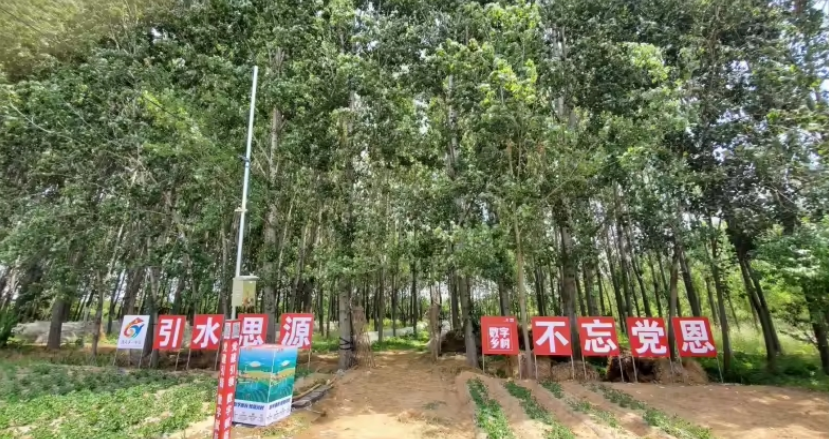
人工智能助数字乡村升级
Jing Ji Ri Bao· 2025-12-28 22:06
Core Viewpoint - Accelerating the construction of digital rural areas is a strategic choice to adapt to technological changes and reshape rural development patterns [1] Group 1: Digital Infrastructure and AI Integration - China has established digital infrastructure covering both urban and rural areas, with over 300 million internet users in rural regions, indicating significant progress in digital rural construction [1] - Breakthroughs in large model technology have led to new AI application paradigms that can predict demand and provide real-time, personalized digital services to rural residents [1] - AI can address challenges such as the scarcity of agricultural data and limited digital capabilities of rural operators by generating high-quality agricultural datasets and transforming field experiences into quantifiable decision-making models [1][2] Group 2: Current Challenges and Digital Divide - Despite advancements, there remains a significant digital gap between rural areas and urban regions, with rural digitalization levels lagging behind [2] - Continuing traditional high-cost data accumulation methods may exacerbate the digital divide, making it difficult for rural areas to catch up [2] Group 3: Collaborative Framework for AI in Rural Development - A multi-dimensional collaborative framework is necessary to leverage AI for rural development, including aligning with national AI action plans and enhancing inter-departmental cooperation [3] - Establishing pilot projects in various sectors such as crop breeding, food security, and rural governance can facilitate the replication of successful AI applications across regions and industries [3] Group 4: Foundation and Ecosystem Development - Support for agricultural leading enterprises to collaborate with tech firms and research institutions is essential for building high-quality datasets and enhancing data sharing [3][4] - Strengthening ecological construction through the establishment of specialized groups for AI in agriculture can foster an open and sustainable digital rural ecosystem [4]
“十四五”时期我国信息化 应用水平大幅提升
Xin Lang Cai Jing· 2025-12-25 19:23
Group 1 - The core viewpoint of the article highlights significant advancements in China's information technology and e-government development during the 14th Five-Year Plan period [1] Group 2 - The internet penetration rate in China increased from 70.4% to 79.7%, with the digital rural development accelerating and the urban-rural internet penetration gap narrowing by 8.2 percentage points compared to the end of the 13th Five-Year Plan [1] - The agricultural production informationization rate rose from 22.5% to over 30% [1] Group 3 - China's information technology innovation capabilities have significantly strengthened, with rapid development in the information infrastructure and a shift from key area breakthroughs to comprehensive empowerment [1] Group 4 - Over the past five years, the development of e-government in China has progressed steadily, establishing a national government service "one network" [1] - 92.5% of provincial administrative licensing matters can now be processed online, enhancing efficiency from "can be done" and "can be handled well" to "efficiently completed" [1] Group 5 - The country has strengthened planning and policy guidance, enhancing legal and standard construction, with over 160 laws related to the internet sector formulated and more than 900 national standards established [1]
新场景激发新活力(新视窗·扩大优质商品和服务供给)
Ren Min Ri Bao· 2025-12-23 22:31
Core Viewpoint - The Central Economic Work Conference emphasizes the importance of expanding the supply of quality goods and services, highlighting the role of new consumption scenarios in integrating new business formats, models, and products [1] Group 1: Consumption Scenarios and Integration - The State Council's implementation opinion stresses the need to enhance cross-industry integration in consumption, including commerce, culture, tourism, sports, health, and transportation, to create impactful new consumption scenarios [1] - In Jiangxi's Yingtan, the "Longhushan Chestnut" geographical brand has been developed, leading to an annual sales revenue exceeding 1.2 billion yuan through the integration of agriculture and tourism [2] - The establishment of a smart cold storage system has extended the sales period of chestnuts from 3 months to 9 months, addressing preservation challenges in the chestnut industry [2] Group 2: Economic Impact and Community Development - The chestnut industry expansion has increased the planting area from 3,000 acres to over 5,000 acres, benefiting over 1,200 farmers with an average income increase of 3,000 yuan [2] - The integration of the chestnut industry with tourism has led to the development of unique culinary offerings, enhancing market demand and visitor numbers [2] Group 3: Urban Consumption and Brand Development - In Xinjiang's Yining, the opening of the Xingyue Mall attracted over 120,000 visitors on its first day, showcasing strong consumer interest in new brands and shopping experiences [4] - The mall features 240 brands, including 57 that are entering the Yining market for the first time, indicating a shift in consumer behavior towards local shopping options [4][5] Group 4: Digital Transformation in County-Level Markets - In Shandong's Leling, the opening of a new fruit market equipped with a big data system has transformed local fruit sales, allowing for real-time market analysis and improved inventory management [7] - The introduction of diverse packaging options for apples has resulted in a 60% increase in sales within the first month, demonstrating the effectiveness of data-driven decision-making [8] - The promotion of digital rural initiatives aims to enhance the quality of county-level commerce, encouraging the integration of digital technologies in local markets [9]
河北大名“一品一播”直播电商平台助力乡村振兴
Zhong Guo Jing Ji Wang· 2025-12-02 15:07
Core Insights - The "Yipin Yibo" live e-commerce platform in Daming County has successfully promoted local products, achieving a record of selling over 30,000 bottles of sesame oil in just three minutes, showcasing the effectiveness of online sales channels [1] - Daming County's "Yipin Yibo" project won the national first prize at the Digital Rural Innovation Competition, highlighting its role in transforming and upgrading the local economy [1] Group 1: E-commerce Development - Daming County has systematically planned and designed the "Yipin Yibo" e-commerce live streaming ecosystem to address the challenges of small and weak county-level e-commerce [2] - The county has established a comprehensive e-commerce live streaming system, including a multifunctional industrial park, 20 town-based live streaming bases, and various vertical live streaming bases, creating a robust e-commerce ecosystem [2] - A 75-acre idle factory has been transformed into a logistics industrial park for e-commerce live streaming, featuring six functional modules to streamline the supply chain [2] Group 2: Operational Enhancements - The county has formed a dedicated "Yipin Yibo" working group and implemented 18 supportive policies for e-commerce live streaming, enhancing professional operational capabilities [3] - A professional team has been established to manage the live streaming industry park, with collaboration from various organizations for planning, operation, and talent training [3] - As of October, Daming County has trained 12,000 individuals, signed 27 full-time and 650 part-time hosts, and established partnerships with 1,979 hosts, indicating significant growth in the live streaming workforce [3]