
新型储能

Search documents
欧洲发布《清洁能源投资战略》,英国取消进口风机组件关税
ZHONGTAI SECURITIES· 2026-03-16 11:24
Investment Rating - The report maintains an "Overweight" rating for the electric power equipment industry [5] Core Insights - The report highlights significant growth in the lithium battery sector, with a production increase of 41.3% year-on-year in February, reaching 141.6 GWh, and sales growth of 25.7%, totaling 113.2 GWh [7][13] - The report emphasizes the strong performance of major companies like CATL, which achieved a revenue of 423.7 billion yuan in 2025, a 17.04% increase year-on-year, and a net profit of 72.2 billion yuan, up 42.28% [15] - The European clean energy investment strategy and the UK's removal of tariffs on wind turbine components are expected to boost the wind power sector, particularly offshore wind [7] Summary by Sections Lithium Battery Sector - In February, the total production of power and energy storage batteries reached 141.6 GWh, with a year-on-year growth of 41.3% [7] - The sales of energy storage batteries surged by 67.3%, indicating a strong market demand [7] - Major companies like CATL and Yiwei Lithium are recommended for investment due to their robust growth and market position [7] Energy Storage Sector - The report notes that China has signed over 15 orders in the European market, with a total capacity nearing 30 GWh, indicating a booming energy storage market [23] - The first batch of independent energy storage projects in Inner Mongolia includes 31 projects totaling 33 GWh, showcasing significant growth potential in the sector [22] Electric Power Equipment Sector - The report suggests focusing on companies involved in ultra-high voltage projects and those exporting electric power equipment, as these areas are expected to see increased demand [26] - The "14th Five-Year Plan" emphasizes the development of new energy infrastructure and storage systems, which will drive growth in the electric power equipment sector [26] Photovoltaic Sector - The report indicates a decline in silicon material prices, with multi-crystalline silicon averaging 46.5 yuan/kg, reflecting market adjustments [27] - The solar cell and module prices are expected to remain under pressure due to weak demand and high inventory levels [27][30] Wind Power Sector - The European clean energy investment strategy is expected to enhance the demand for wind power, particularly offshore wind projects [7] - Companies involved in wind turbine components and related sectors are highlighted as key investment opportunities [7]
中国储能独角兽企业排行榜|独家
24潮· 2026-03-15 23:03
Core Viewpoint - The article emphasizes the importance of fostering "specialized, refined, unique, and innovative" small and medium-sized enterprises (SMEs) in China, particularly focusing on the development of unicorn companies in the energy storage sector, which are crucial for enhancing national competitiveness in the global value chain [2][3]. Group 1: Unicorn Companies - The concept of "unicorn companies" refers to startups valued at over $1 billion and established within the last 10 years, representing significant technological breakthroughs and innovative business models [2]. - China ranks second globally with 343 unicorn companies, with approximately 23 unicorns in the energy storage sector, valued at over 500 billion RMB [2]. Group 2: Strategic Importance of Energy Storage - The strategic position of energy storage, especially new energy storage technologies, is continuously rising amid global energy transformations [3]. - The National Development and Reform Commission of China aims to develop six emerging pillar industries, including new energy storage, with an estimated output value of nearly 6 trillion RMB by 2025, potentially doubling to over 10 trillion RMB by 2030 [3]. Group 3: Market Dynamics and Competition - Chinese energy storage companies are experiencing significant growth in global markets, with an estimated overseas order volume of nearly 284.26 GWh by 2025, which is 3.49 times the new installed capacity in 2024 [3]. - Chinese companies dominate the global energy storage battery shipment rankings, holding 88.8% of the market share, and occupy eight positions in the global energy storage system shipment rankings [3]. Group 4: Challenges and Future Outlook - Western countries, led by the US and Europe, are implementing trade policies to increase the costs of "Made in China" products, aiming to constrain China's competitiveness in the global energy storage market [4]. - The energy storage industry has undergone multiple economic and policy cycles, leading to intense competition and the rise and fall of numerous companies [4]. - Future success in the energy storage sector will depend on companies' capabilities in technological innovation, global expansion, financial health, and brand influence [4]. Group 5: Evaluation of Unicorn Companies - The 24潮产业研究院 (TTIR) plans to release a "China Energy Storage Unicorn Company Ranking" starting in 2026, evaluating companies based on five primary dimensions: industry influence, technological innovation, capital control, global expansion, and brand building [5]. - The ranking will provide insights into the competitive strength of leading companies in the energy storage sector and their impact on the industry [5].

独家:2026年储能企业潜在风险和韧性调研
行家说储能· 2026-03-13 09:10
Core Viewpoint - The new energy storage industry is entering a critical transition period in 2026, shifting from "scale growth" to "value deepening," leading to a reshaping of survival rules for companies in the sector [2][4]. Group 1: Potential Risks in the New Energy Storage Industry - The industry is facing a complex risk landscape characterized by intertwined internal and external factors, with seven key dimensions of risk identified: policy and mechanism risk, price and revenue risk, supply chain and cost risk, quality/safety and delivery risk, overseas and trade risk, market competition and business rhythm risk, and regulatory and assessment risk [4][7]. - The most significant risks include uncertainties in project profitability due to policy adjustments and market competition, as well as rising costs from supply chain disruptions, such as the increase in lithium carbonate prices [7][10]. - Companies are adjusting their business strategies to enhance resilience, moving from single-scenario operations to comprehensive solutions, and from component suppliers to system integrators [8][9]. Group 2: Resilience Building for Energy Storage Companies - Companies are focusing on building resilience through various capabilities, including technological agility, market diversification, and maintaining stable strategic rhythms amid market fluctuations [12][15]. - Key factors for resilience include product safety, quality reliability, and the ability to translate technical capabilities into long-term value for customers [14][20]. - The survival threshold for companies is shifting towards providing safe and reliable products, while the growth potential is determined by their ability to create value through technology and innovative business models [20][24]. Group 3: Insights from Representative Companies - Companies like 弘正储能 emphasize the need for collaboration and ecosystem building to address complex system challenges and maximize the lifecycle value of energy storage [18]. - 融和元储 advocates for a data-driven, scenario-based approach to create a sustainable operational ecosystem, highlighting the importance of collective efforts in the industry [19]. - 鹏辉能源 stresses the importance of crossing the gap from merely selling products to creating value, focusing on technology integration and understanding customer needs [20][21]. Group 4: Key Transition Points for Companies - The transition from equipment manufacturers to system operators is crucial, requiring companies to develop capabilities that align with complex systems and business models [30]. - Companies must balance investments in new opportunities with the maintenance of core business operations, focusing on strategic agility and resource allocation [22][23]. - The ability to understand customer energy structures and operational logic is vital for long-term success, as companies navigate the evolving landscape of the energy storage market [27][28].


重磅!首部生态环境法典表决通过:推进新型储能高质量发展
中关村储能产业技术联盟· 2026-03-13 05:10
Core Viewpoint - The article discusses the approval and significance of the "Ecological Environment Code" in China, which is the first of its kind globally, emphasizing green and low-carbon development, energy efficiency, and the promotion of renewable energy technologies [2]. Group 1: Legislative Framework - The "Ecological Environment Code" consists of 5 parts and 1242 articles, covering general principles, pollution prevention, ecological protection, green low-carbon development, legal responsibilities, and supplementary provisions, set to take effect on August 15, 2026 [2]. - The code replaces 10 existing laws, including the Environmental Protection Law, indicating a comprehensive overhaul of environmental legislation in China [2]. Group 2: Energy Development and Innovation - The code encourages the clean and efficient development of fossil energy, renewable energy, nuclear energy, and energy-saving technologies, highlighting the importance of innovation in these sectors [2][4]. - It emphasizes the integration of energy green low-carbon technology innovation into national science and technology development plans [4]. Group 3: Energy Conservation and Efficiency - The code outlines principles for energy green low-carbon development, including prioritizing conservation, efficiency, innovation, safety, and orderly transition [4]. - It mandates the optimization of energy supply and consumption structures, promoting distributed energy and comprehensive energy services [4]. Group 4: Renewable Energy and Transition - The code supports the priority development of renewable energy and the clean, efficient use of fossil energy, aiming to increase the proportion of non-fossil energy consumption [9]. - It establishes mechanisms for clean and efficient coal utilization, promoting technologies for clean coal and the replacement of scattered coal [9][10]. Group 5: Government Responsibilities and Standards - The State Council is tasked with overseeing national energy conservation management, with local governments responsible for regional energy conservation efforts [7]. - The code introduces a fixed asset investment project energy conservation review system to evaluate energy use and carbon emissions [7][8].
储能-战略地位升级-投资主线梳理及重点标的更新
2026-03-13 04:46
Summary of Key Points from the Conference Call Industry Overview - The global energy storage capacity is expected to grow by 70% to over 470 GWh by 2026, with a further growth rate of approximately 40% in 2027 [1][11] - The energy storage industry is generally valued at under 20 times earnings, indicating significant potential for valuation recovery compared to other sectors like transformers and gas turbines [1][2] Core Insights and Arguments - **AI Data Centers (AIDC) Demand**: AIDC is driving new demand for large-scale energy storage, with a 1 GW data center requiring 5 GW/20 GWh of storage [1][3] - **Policy Upgrades**: The Chinese government has classified new energy storage as one of six emerging pillar industries, enhancing its strategic importance [5] - **Investment Drivers**: The capacity pricing policy ensures project IRR exceeds 6%, prompting large-scale investments from state-owned enterprises by 2026 [5] - **European Market Dynamics**: The European market is entering a growth phase due to frequent negative electricity prices and policies mandating energy storage [1][7] - **Supply Chain Tightness**: The supply of battery cells for household storage is tight, dominated by three companies (瑞浦, 亿纬, and 鹏辉) with no new capacity, leading to increased profit margins [1][16] Market Dynamics - **Valuation Comparison**: Energy storage companies are valued significantly lower than transformer and gas companies, prompting a shift in investment [2] - **Regional Growth**: The Australian subsidy policy is expected to drive growth in household storage, while European subsidies are anticipated to support market expansion [2][4] - **Large-Scale Storage Growth**: The growth in large-scale storage is driven by the integration of renewable energy sources in China, Europe, and the U.S. [3][11] Emerging Trends - **Technological Advancements**: The transition to 1,500V systems is seen as a core advantage for leading companies like 阳光电源 in the AIDC sector [12] - **Market Opportunities**: The demand for energy storage is expected to rise due to energy security concerns exacerbated by geopolitical tensions [2][6] Company-Specific Insights - **阳光电源**: Expected to grow from 40 GWh in 2025 to over 70 GWh in 2026, with a projected net profit of 19 billion yuan, currently undervalued at under 20 times earnings [12] - **海博思创**: Anticipated to develop 50 GWh in the domestic market and 10 GWh for state-owned enterprises in 2026, with a profit forecast of 2.3 billion yuan [13] - **正泰电源**: Actively expanding in the U.S. market with a strong sales team and partnerships, aiming for significant growth in both storage and solar markets [14] - **艾罗能源**: Positioned for a profit rebound with a projected revenue increase to 7.5-8 billion yuan in 2026, benefiting from a large R&D team [15] - **鹏辉能源**: Expected to achieve a profit of 1.6 billion yuan in 2026, benefiting from tight supply in the household storage battery market [16] - **德业股份**: Projected to achieve over 5 billion yuan in profit in 2026, driven by diverse market presence and strong demand in Europe and Asia [17] Risks and Challenges - **Lithium Price Volatility**: The impact of lithium price fluctuations on the supply chain is diminishing, with recent price corrections observed [8] - **Regulatory Risks**: The U.S. MADE Act's implications are manageable for Chinese manufacturers through strategic sourcing [8] Conclusion - The energy storage sector is poised for significant growth driven by technological advancements, favorable policies, and increasing demand from various applications, particularly in the context of AI and renewable energy integration. The market presents substantial investment opportunities, especially for leading companies with strong positioning and innovative capabilities.




储能概念股集体大涨,海外市场爆单
21世纪经济报道· 2026-03-11 13:35
Core Viewpoint - The new energy storage sector has gained significant traction in the capital market, with major stocks like Ningde Times and Sunshine Power leading the surge, indicating strong investor interest and potential growth in this industry [1][3]. Market Performance - On March 11, A-share sectors related to new energy, including photovoltaic inverters, storage, and battery stocks, experienced a collective surge, with Ningde Times' market capitalization surpassing 1.8 trillion yuan [1]. - Key stocks such as First航新能, 德业股份, and 正泰电源 hit their daily limit, while other concept stocks like 海博思创 and 艾罗能源 saw gains exceeding 10% [3]. Policy Support - The 2026 government work report emphasized the development of a new power system, accelerating smart grid construction, and expanding green electricity applications, marking the second consecutive year that new energy storage has been highlighted in policy [3]. - The National Development and Reform Commission identified new energy storage as one of six emerging pillar industries, with an estimated output value of nearly 6 trillion yuan by 2025, potentially doubling to over 10 trillion yuan by 2030 [3]. Market Trends - In February, the average procurement price for energy storage rose, indicating a recovery in the industry. A total of 52.7 GWh of orders were completed, with the average price for large-scale procurement exceeding 0.5 yuan/Wh, reflecting a 10% to 18% increase compared to December [4][5]. - The average price for battery cell procurement also increased by 10.3% from December 2025, reaching 0.344 yuan/Wh [5]. Company Performance - Ningde Times reported a record high capacity utilization rate of 96.89% for 2025, with a total capacity of 772 GWh and production of 748 GWh, indicating strong demand in the lithium battery market [5]. - The geopolitical landscape has heightened the demand for energy independence, leading to a surge in distributed energy storage as a critical infrastructure, with significant growth in overseas markets [5].



一图看懂 | 光伏储能概念股
市值风云· 2026-03-11 10:12
Core Insights - The government work report for 2026 emphasizes the development of new energy storage systems, marking a continuation of focus on this area beyond 2025 [4] - The A-share photovoltaic industry chain experienced significant growth, with multiple companies seeing stock price increases of over 10% following the announcement [4] Industry Overview - The 2026 government work report highlights the construction of a new power system, acceleration of smart grid development, and expansion of green electricity applications [4] - The "InterBattery 2026" exhibition in Seoul attracted 667 global battery industry companies, showcasing innovations such as soft-pack batteries from Samsung SDI and ESS solutions from LG Energy [4] Key Players in Photovoltaic Manufacturing - Core components of the photovoltaic manufacturing chain include: - **Battery Cells**: Companies like Junda Co., Tongwei Co., and Dongfang Risheng [5] - **Silicon Materials/Silicon Wafers**: Key players include Tongwei Co., TCL Zhonghuan, and Jiangsu Green Energy [5] - **Modules**: Leading companies are Longi Green Energy, JinkoSolar, and JA Solar [5] - **Photovoltaic Glass/Accessories**: Notable firms include Fuyao Glass, Foster, and Zhongxin Bo [5] - **Inverters and Energy Storage Systems**: Major companies are Sungrow Power Supply, Deye Technology, and Nandu Power [5] - **Core Production Equipment**: Key manufacturers include Jiejia Weichuang, Maiwei Co., and Xian Dao Intelligent [5] - **Downstream Applications and Engineering**: Companies like China Power Construction, China Energy Construction, and Southern Power Grid Energy [5]
总投资67.5亿!广东普耐达5GWh钠电池产线开工
中关村储能产业技术联盟· 2026-03-11 07:21
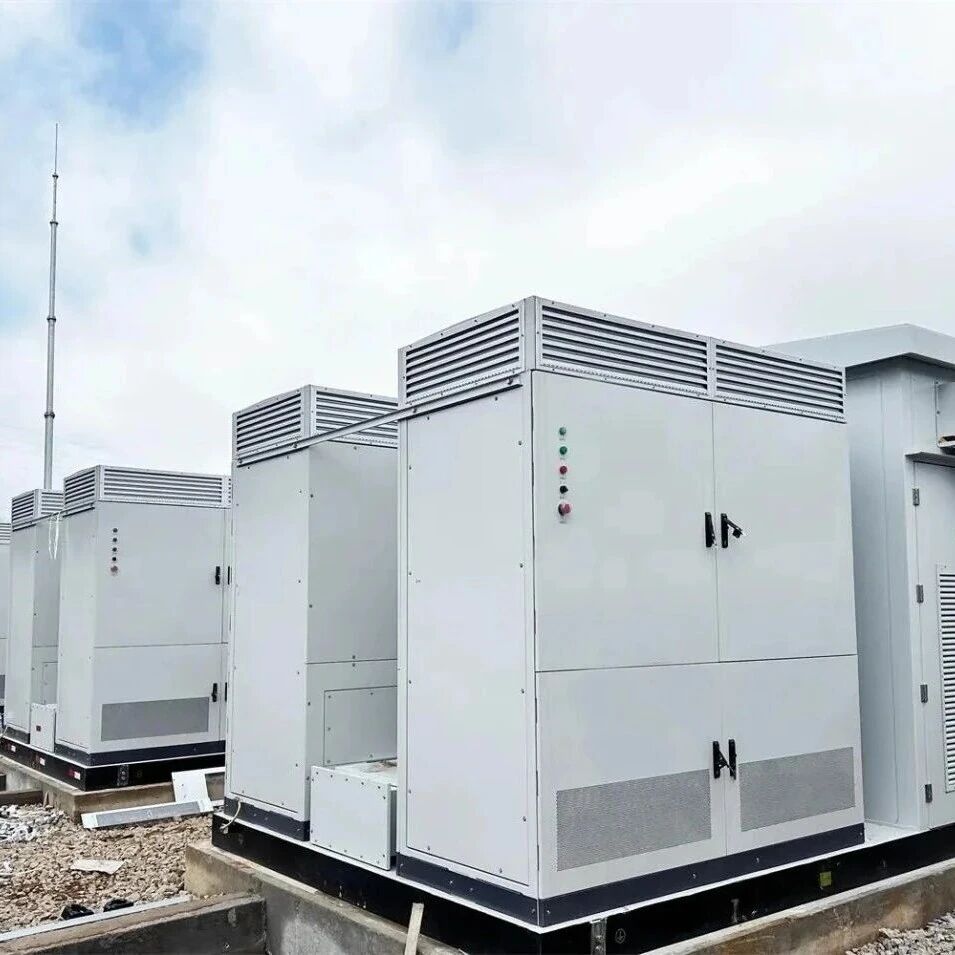
Group 1 - The Guangdong Punaida sodium-ion battery production project has officially commenced in Shaoguan, with a total investment of 6.75 billion yuan, focusing on energy storage, low-speed transportation, and special applications [2] - The project is divided into two phases, covering an area of 800 acres. The first phase involves an investment of 1.35 billion yuan to establish a 5GWh sodium battery production line, along with production lines for 10,000 tons of positive materials and 5,000 tons of negative materials, expected to be operational by June 2027 [2] - Once fully completed, the project is projected to achieve an annual output value of 15 billion yuan [2] Group 2 - Guangdong Punaida is a wholly-owned subsidiary of the traditional power supply company, Nayi Power, which is transitioning from traditional lead-acid/UPS power supplies to lithium and sodium batteries [2] - The parent company has six production bases globally, with a total capacity exceeding 8.5GWh and a well-established overseas sales network [2] - The company has achieved verification and optimization in core materials such as mixed polycation positive electrodes and composite biomass hard carbon negative electrodes through deep industry-university-research cooperation with South China Normal University, focusing on low-cost, ultra-fast charging, and long-cycle stability of high-safety sodium-ion batteries [2]
万联晨会-20260311
Wanlian Securities· 2026-03-11 02:02
Core Insights - The A-share market saw a collective rise in the three major indices, with the Shanghai Composite Index up by 0.65%, the Shenzhen Component Index up by 2.04%, and the ChiNext Index up by 3.04% [2][8] - The total trading volume in the Shanghai and Shenzhen markets reached 23,976.93 billion [2][8] - In terms of industry performance, telecommunications, electronics, and machinery equipment led the gains, while oil and petrochemicals, coal, and comprehensive sectors lagged [2][8] Important News - In the first two months of this year, China's foreign trade returned to double-digit growth, with total import and export value reaching 7.73 trillion yuan, a year-on-year increase of 18.3%. Exports were 4.62 trillion yuan, up 19.2%, while imports were 3.11 trillion yuan, up 17.1%. Notably, trade with the U.S. decreased by 16.9% [3][9] - Some financial institutions received risk alerts regarding the deployment of platforms similar to OpenClaw due to security concerns, highlighting vulnerabilities in system configurations [3][9] Industry Analysis - The humanoid robot sector underperformed compared to major indices, with a decline of 5.48% last week, while the overall market indices saw smaller declines [10][11] - The humanoid robot index's price-to-earnings ratio (PE) as of March 6, 2026, was 32.28, showing a significant downward trend over the past five years, currently at a low historical percentile of about 8% [11] - Recent financing activities include Songyan Power completing nearly 1 billion yuan in Series B funding, which will enhance its integration of core resources in clean energy and intelligent manufacturing [12][14] - Xiaomi's humanoid robot has begun practical applications in automotive factories, marking a significant step towards real-world deployment [13][14] Investment Recommendations - The humanoid robot industry is at a pivotal moment transitioning from technological breakthroughs to large-scale commercialization, driven by aging populations and rising labor costs [14] - Key areas to watch include Tesla's advancements in humanoid robot production, which could solidify market positions for suppliers of critical components [14] - The domestic supply chain is rapidly reducing costs, with the potential for significant breakthroughs in production capabilities [14][17] Industry Data Tracking - The lithium battery sector is experiencing a resurgence, with production in March 2026 showing a month-on-month increase of approximately 20% and a year-on-year increase of about 40% [16][20] - Prices for lithium carbonate and hexafluorophosphate have seen recent declines, with lithium carbonate priced at 155,100 yuan per ton, down 9.77% week-on-week but up 107.42% year-on-year [19][20]
代表呼吁储能行业“反内卷”:招标应转向价值与安全导向
第一财经· 2026-03-11 00:59
Core Viewpoint - The focus of the new energy storage industry is shifting from large-scale expansion of production and installed capacity to high-quality development, standard guidance, and sustainable commercial operation of projects [2]. Group 1: Industry Growth and Projections - New energy storage, excluding pumped storage, includes various forms such as lithium-ion battery storage, compressed air storage, and flow battery storage. By the end of 2025, the domestic new energy storage installed capacity is expected to grow by 84% year-on-year, reaching 136 million kilowatts, accounting for over 40% of the global installed capacity, with lithium battery storage contributing approximately 96% of the installed capacity [2]. - The National Development and Reform Commission and other departments have outlined a plan stating that by the end of 2027, the national new energy storage installed capacity will exceed 180 million kilowatts, with lithium-ion battery storage remaining the primary technology route [3]. Group 2: Challenges in the Industry - Despite rapid expansion and a promising outlook, the new energy storage market faces challenges such as a single and unstable revenue model and intensified irrational price competition [4]. - The "involution" competition is squeezing the reasonable profit margins in the energy storage industry, with key equipment prices dropping by approximately 80% over the past three years, leading to some bidding prices being consistently below the average production cost [5]. Group 3: Recommendations for Improvement - To address the "involution" dilemma, it is suggested that the national energy regulatory authorities collaborate with relevant departments to improve the bidding standards for energy storage projects. This includes incorporating core value indicators such as the levelized cost of energy (LCOE), long-term reliability commitments, and safety redundancy configurations into the evaluation criteria [5]. - The government work report emphasizes the need to strengthen antitrust measures and fair competition reviews, utilizing various methods such as capacity regulation, standard guidance, price enforcement, and quality supervision to mitigate "involution" competition and foster a healthy market ecosystem [5].
