
智能供应链

Search documents
京东与港科大成立联合实验室
Xin Lang Cai Jing· 2025-11-14 04:48
Core Insights - JD Group and Hong Kong University of Science and Technology (HKUST) have officially established a joint laboratory focused on intelligent supply chain and embodied intelligence technology [1] Group 1: Joint Laboratory Overview - The "HKUST-JD Group Joint Laboratory" is co-managed by HKUST's Zheng Jiachun Robotics Research Institute, JD Exploration Research Institute, and JD Logistics [1] - The laboratory will focus on research in logistics, healthcare, retail, and industrial sectors [1] Group 2: Research Focus Areas - Key research areas include tumor prediction and assisted diagnosis in the healthcare sector, and the construction of intelligent e-commerce scenarios in the retail sector [1] - The laboratory aims to integrate technologies such as multimodal large models and edge computing optimization algorithms to create replicable industry intelligence solutions [1]

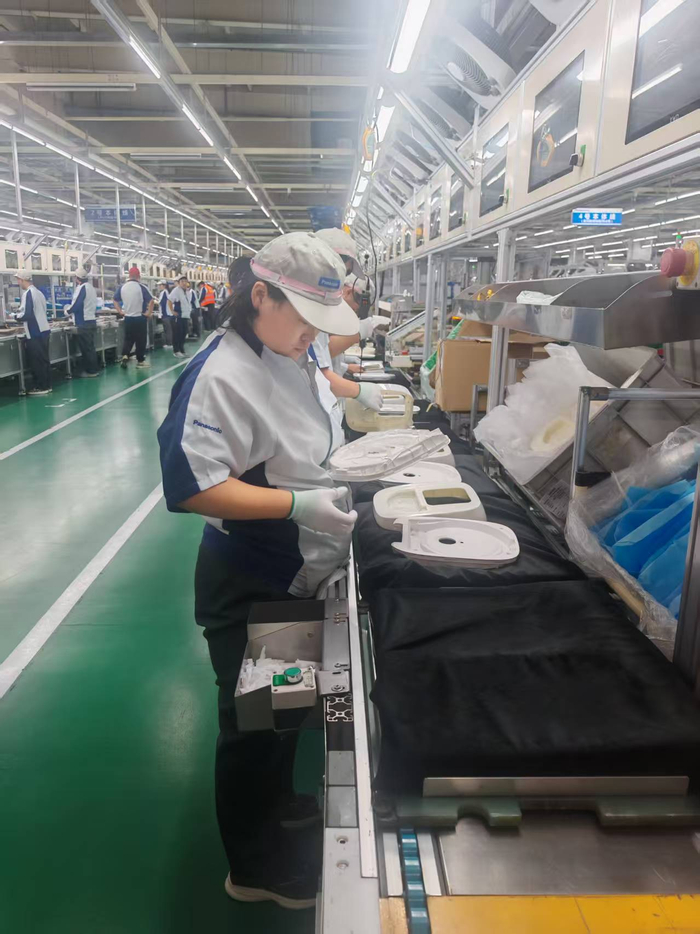
以需定产,京东在家电制造端尝试“再深一点”
Guan Cha Zhe Wang· 2025-10-31 05:09
Core Insights - The collaboration between JD.com and home appliance brands represents a shift from traditional demand forecasting to data-driven product development, enhancing the efficiency of supply chain management [1][5][9] Group 1: Market Trends - JD.com has transformed the home appliance industry by utilizing data analytics to identify consumer needs, leading to the rapid development of popular products [1][5] - The launch of exclusive products like the Boss F1P and Panasonic Xtra rice cooker showcases the effectiveness of this new approach, with significant sales growth reported during the 11.11 shopping festival [2][4] Group 2: Product Development - The development of the Boss F1P involved analyzing over ten million user data points to address key consumer pain points such as ease of cleaning and noise reduction, resulting in a product that outperformed traditional market research methods [5][7] - Panasonic's collaboration with JD.com also focused on consumer feedback, leading to multiple iterations of product design to meet specific user demands [8][11] Group 3: Supply Chain Efficiency - JD.com's integration of user data into the product development process has improved its bargaining power with brands, allowing for better pricing and product offerings [11][12] - The partnership model has enabled brands like Panasonic to optimize production and reduce costs, benefiting both the company and consumers through lower prices and enhanced product features [9][12] Group 4: Strategic Partnerships - The relationship between JD.com and brands has evolved into strategic partnerships, focusing on long-term collaboration rather than short-term transactions [14][15] - This model allows for shared insights and resources, creating a win-win situation for both parties and enhancing JD.com's competitive edge in the supply chain [15][16] Group 5: Consumer Benefits - The new approach has resulted in high-quality products at competitive prices, shifting the focus from price competition to value competition in the home appliance sector [16][18] - Consumers benefit from innovative features and lower prices, as seen in the successful launch of the Q6 smart toilet, which broke sales records shortly after its release [11][12]

两年净融资30亿,连锁店从顶流到困境,错在哪儿影响未来
Sou Hu Cai Jing· 2025-10-10 22:59
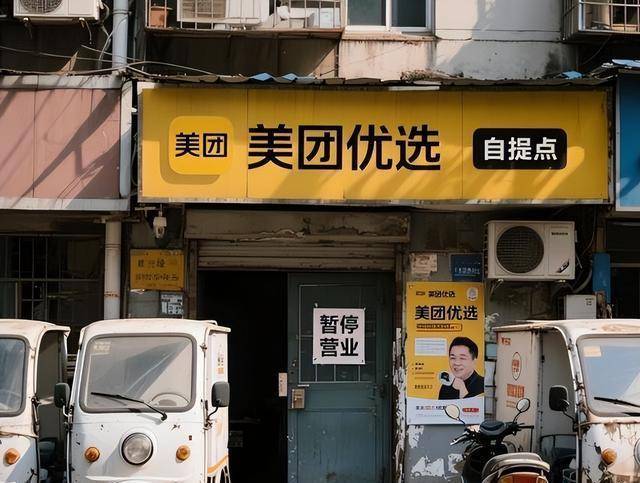
Core Insights - The restaurant and food retail industry is facing significant challenges, with many businesses closing down due to poor performance and increased competition from e-commerce and community group buying [1][11][13] - Franchise models are under scrutiny as many franchisees bear the risks while brand owners profit from sales, leading to a high turnover of store owners [5][11] - Economic conditions are deteriorating, with declining consumer spending and stagnant GDP growth, contributing to a high closure rate of small and micro dining establishments [13][15] Group 1: Market Conditions - In March 2025, a local barbecue ingredient store displayed a transfer sign, indicating a sudden decline in business, attributed to market changes and competition from community group buying [1] - By June 2025, restaurants in city centers were struggling, with many offering steep discounts on beer packages, yet still failing to attract customers, leading to a significant drop in dine-in business [7][11] - Economic data released in August 2025 showed continued consumer spending decline and stagnant GDP growth, with an increasing number of closed stores and a cautious outlook from potential new entrants [13][15] Group 2: Franchise Dynamics - Franchisees often enter agreements believing in the success of the brand, influenced by financing news and perceived market opportunities, but many end up facing financial losses [3][5] - The franchise model is criticized for placing the financial burden on franchisees while brand owners remain insulated from risks, leading to a growing number of failed businesses [5][11] - A significant number of small restaurant owners are reluctant to expand or innovate, focusing instead on minimizing losses amid a challenging market environment [5][11] Group 3: Consumer Behavior - Many individuals are still willing to open businesses despite the high failure rate, driven by unemployment and the allure of entrepreneurship, often ignoring the risks involved [7][11] - The shift towards e-commerce and delivery services has further reduced foot traffic to physical stores, impacting sales for traditional dining establishments [9][11] - The perception of entrepreneurship as a path to wealth persists, despite the reality that many are losing their investments and facing financial difficulties [13][15]
中国披萨市场快速扩容,必胜客强化“披萨专家”地位
Zhong Guo Fa Zhan Wang· 2025-09-18 03:36
Market Overview - The Chinese pizza market is projected to reach 48 billion yuan in 2024 and exceed 77.1 billion yuan by 2027, with a compound annual growth rate of 15.5% from 2022 to 2027 [1][3] - The demand for pizza among Chinese consumers is shifting from novelty to a focus on quality and health [1][3] Consumer Trends - Consumers are seeking a comprehensive experience that includes taste, sensory appeal, and emotional connection, with 43.9% desiring customizable ingredients and 36% valuing the rarity of ingredients [4][11] - The "one-person meal" trend is emerging, with 47% of consumers particularly interested in small-sized or individual pizzas, especially among younger generations [11][14] Company Innovations - Pizza Hut has been a pioneer in the Chinese pizza industry for 35 years, adapting its menu to local tastes and introducing innovative products such as the new 10-inch handmade thin crust pizza [1][6] - The company has embraced digital transformation, implementing AI systems across all stores to enhance safety, efficiency, and quality management [10] Supply Chain and Operational Efficiency - Pizza Hut is addressing traditional supply chain challenges by promoting traceability from farm to table, ensuring quality and safety through standardized processes [10] - The company is enhancing its operational efficiency through a multi-channel sales network that integrates online and offline experiences [8][10] Brand Positioning - Over the years, Pizza Hut has evolved from being a "pizza expert" to a lifestyle leader, reflecting changes in consumer behavior and preferences [11][14] - The brand has engaged with popular culture by collaborating with various IPs, creating a trendy dining experience that resonates with younger consumers [13][14]

酒水代理商,经销商们,2025你还赚钱吗?
Sou Hu Cai Jing· 2025-09-14 05:50
Core Insights - The traditional liquor distribution industry is facing significant challenges, including inventory issues, cash flow problems, and price inversions, leading to a bleak outlook for 2025 [1][3] - The high-end liquor market is particularly affected by policy changes and consumer downgrading, with major brands like Moutai experiencing price drops and slow sales [3] - Innovative models, such as the shared winery platform launched by Wanjium City, are enabling some distributors to achieve substantial revenue growth by adopting new strategies [5][8] Industry Challenges - In the first half of 2025, the liquor industry saw a production decline of 7.2%, with over 78% of distributors facing increased inventory pressure [3] - 40% of distributors are experiencing severe price inversions, and 50% are struggling with cash flow issues [3] - The online retail channel is significantly impacting traditional sales, with instant retail accounting for over 34% of sales, while traditional store inventory turnover days exceed 900 [3] Innovative Solutions - Wanjium City's shared winery platform has allowed traditional distributors to transform into "entity owners," leading to remarkable income growth [5][8] - Successful case studies include a distributor in Zhejiang achieving an annual income of over 3.8 million yuan and another in Chongqing surpassing 2.6 million yuan in personal earnings [5] - The platform's growth logic includes smart cloud warehouses, big data product selection, and a consumer partner mechanism that turns customers into partners for shared profits [8][10] Future Outlook - The liquor distribution business can still be profitable in 2025, but only for those willing to adapt and innovate [10] - The case of Wanjium City illustrates that new methods and technologies can uncover profitable opportunities in a challenging market [10]

仓储物流海外仓对跨境电商有什么作用,本文来告诉你[今日更新]
Sou Hu Cai Jing· 2025-08-22 09:11
Core Insights - The article discusses the role of overseas warehouses in cross-border e-commerce, highlighting their efficiency in logistics and the associated risks such as inventory pressure and compliance issues [1] Group 1: Global Landscape - Overseas warehouses have evolved from scattered storage points to a global smart supply chain hub, with over 5,300 warehouses operated by Chinese companies expected by early 2025, predominantly in North America (over 60%) and Europe (22.6%) [3] - The multi-level hub model allows for regional distribution, exemplified by a furniture company that reduced logistics costs by 23% by pre-positioning 60% of its inventory in a Polish warehouse, enabling delivery to 10 European countries within 48 hours [3] Group 2: Competitive Dynamics - The industry is shifting from platform monopolies to ecological collaboration, with 69.8% of Amazon sellers opting for platform warehouses like FBA, despite challenges such as capacity constraints [4] - Third-party overseas warehouses are addressing these issues by offering customized services, with 52% of multi-platform sellers utilizing value-added services like FBA transit and returns management [4] - A hybrid warehousing model is emerging, where brands like Lekai leverage self-built warehouses while sharing capacity with third-party providers, resulting in a 37% reduction in stockout rates during peak seasons [4] Group 3: Technological Advancements - The digital capabilities of overseas warehouses are becoming critical, especially after the U.S. eliminated tax exemptions for packages under $800, leading to increased costs for traditional shipping methods [5] - Leading companies have implemented three key technologies: smart forecasting systems improving stock accuracy to 85% and reducing unsold inventory by 40%, automated sorting systems with a 0.2% error rate, and blockchain for real-time customs tracking, enhancing compliance efficiency by 50% [5] - There is a growing disparity in technology investment, with top service providers allocating 12% of revenue to tech upgrades compared to just 3% for smaller warehouses [5] Group 4: Structural Challenges - The market, while growing, faces significant risks including fluctuating U.S. tariff policies leading to a 30% increase in rental costs and forced destruction of unsold goods for some sellers [6] - High logistics costs, with first-mile and last-mile delivery accounting for over 40% of product prices, are straining profitability for companies with low warehouse utilization rates [6] - Compliance challenges arise from new EU regulations requiring local after-sales services, resulting in substantial fines for 20% of companies lacking repair points [6] Group 5: Future Directions - The focus is shifting towards regional specialization and sustainable practices, with emerging markets like Thailand and Brazil experiencing a surge in demand for small-item logistics, although local operational challenges persist [7] - Innovative multi-level warehousing models, such as the "central warehouse + micro-warehouse" approach tested in Dubai, have reduced delivery times to 6 hours and customer acquisition costs by 18% [7] - Sustainability is becoming a competitive advantage, with companies like Cainiao reducing energy consumption by 40% through solar power and Wan Yi Tong cutting packaging materials by 27%, transforming environmental considerations into brand value [7]
重磅!京东入局低空经济,重仓低空经济的通用航空ETF(159231)涨超1%
Xin Lang Ji Jin· 2025-08-15 02:45
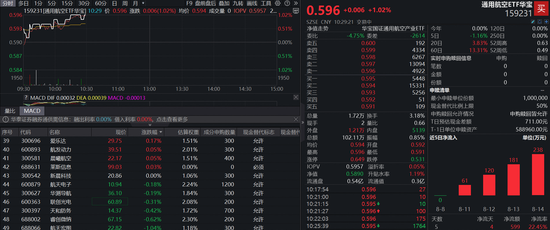
Group 1 - The low-altitude economy and military aviation sectors are showing active performance, with stocks like Zhuhai Guanyu rising by 8%, Yingliu Co. increasing over 6%, and Zhenxin Technology up by over 4% [1] - The General Aviation ETF Huabao (159231) has seen a price increase of 1.02% and has attracted a net inflow of 5.99 million yuan over four consecutive days [1] - A strategic cooperation agreement was signed between JD Technology Group and Guizhou Hongwan Market Service Group to develop a "low-altitude economy smart community" project, focusing on smart community management and drone logistics [2][3] Group 2 - The project aims to create a "million-level resident quality of life solution" by leveraging JD Technology's strengths in AI and digital twin technology, combined with the application scenarios of the Huaguoyuan urban complex [3] - Yunnan Province has introduced measures to support the low-altitude economy, including an annual issuance of 20 million yuan in consumption vouchers and the establishment of 10 free low-altitude flight check-in points [3] - The General Aviation ETF Huabao (159231) covers 50 constituent stocks related to military and civilian aviation, with over 46% of state-owned enterprises and more than 20% from the top ten military industrial groups [4]
密尔克卫2025年上半年实现营收净利同比双增长
Zheng Quan Ri Bao Zhi Sheng· 2025-08-15 02:09
Core Insights - The company, Milkwell Intelligent Supply Chain Service Group Co., Ltd., reported a revenue of 7.035 billion yuan for the first half of 2025, representing a year-on-year growth of 17.40% [1] - The net profit attributable to shareholders was 352 million yuan, showing a year-on-year increase of 13.12% [1] - The basic earnings per share were reported at 2.22 yuan [1] Business Performance - The company focused on its core intelligent supply chain services and enhanced its chemical product distribution services, leading to sustained revenue growth [1] - Operational efficiency was optimized, resulting in improved overall profitability [1] Industry Position - Milkwell is recognized as a leading professional intelligent supply chain service provider in China, offering comprehensive logistics services centered around freight forwarding, warehousing, and transportation [1] - The company has extended its services into chemical product distribution, gradually forming an integrated service model for the chemical and new energy industries [1] Strategic Initiatives - In response to a challenging external environment, the company is not only developing existing businesses but also addressing business shortcomings in areas such as railway, cross-border trucking, express delivery, and consolidation services [1] - The company is actively expanding its online business initiatives, including logistics e-commerce platform "Hua Yi Da," online trading platform "Ling Yuan Su," and online transportation platform "Yun Xiao Hu" [1] - Continuous development of new regions and customer acquisition is a priority, aiming to create a healthy ecosystem for the supply chain [1]

1药网上涨4.89%,报6.608美元/股,总市值5727.44万美元
Jin Rong Jie· 2025-08-14 15:02
Core Viewpoint - 1药网 (YI) is experiencing a slight increase in stock price, with financial data indicating a modest revenue growth but a significant decline in net profit [1][2]. Financial Performance - As of March 31, 2025, 1药网 reported total revenue of 3.529 billion RMB, reflecting a year-on-year growth of 0.02% [1]. - The company's net profit attributable to shareholders was -17.649 million RMB, showing a year-on-year decrease of 28.12% [1]. Company Overview - 1药网 is a leading player in China's internet healthcare sector, founded in 2010 by Liu Junling, and is a subsidiary of 111 Group [2]. - The company aims to connect patients with pharmaceuticals and medical services through digital technology, establishing itself as the largest healthcare platform in China [2]. - 1药网 operates various platforms, including the B2C pharmaceutical platform "1药网," the internet hospital "1诊," and the B2B pharmaceutical platform "1药城," utilizing an innovative S2B2C model [2]. - The company went public on NASDAQ in 2018, becoming the first Chinese internet healthcare company to list in the U.S. [2].

链博会上的健康革命:跨国巨头押注中国,本土创新外溢全球
Hua Xia Shi Bao· 2025-07-21 08:00
Core Viewpoint - The third China International Supply Chain Promotion Expo showcased a "Healthy Life Chain" that highlights the integration of research, manufacturing, and services in the global healthcare industry, particularly in relation to the Chinese market [1][2]. Group 1: Localization and Ecosystem Development - The expo featured a "Healthy Life Chain" section with major companies like Sanofi, AstraZeneca, Medtronic, and others, emphasizing the shift from "capacity landing" to "ecosystem co-construction" [2]. - Medtronic has been operating in China for 36 years, introducing over 700 innovative products and developing a close-knit ecosystem with nearly 7,000 supply chain partners [2][3]. - Medtronic's Lantern cardiac pacing catheter, developed in collaboration with Chinese clinicians, is the first cardiac pacing product manufactured in China for global service [3]. Group 2: Investment and Production Capacity - Sanofi plans to invest €1 billion in a new production base in Beijing, focusing on end-to-end localization of insulin products to meet the growing demand from diabetes patients in China [3][4]. - Sanofi's flu vaccine production process is fully localized, ensuring traceability and safety through comprehensive quality management [4]. Group 3: Sustainability and Innovation - The healthcare industry accounts for approximately 5% of global carbon emissions, making climate change a critical issue for transformation [6]. - AstraZeneca has reduced its carbon emissions in China by about 80% over the past five years through systematic advancements in green R&D, production, and supply chain [6]. - AstraZeneca is also leading a multi-party renewable energy procurement plan in China, aiming for an annual carbon reduction of 250,000 tons and significantly lowering green electricity costs [6]. Group 4: Advancements in Biomanufacturing - Huaxi Bio's participation in the expo reflects its evolution towards a focus on autonomous, sustainable biomanufacturing supply chains, showcasing a model for the synthetic biology industry [7]. - The Tianjin pilot platform, with an investment exceeding 1 billion yuan, aims to enhance fermentation success rates by 40% through AI technology [7]. - Huaxi Bio's pilot results have achieved "zero defects" in raw materials passing FDA audits, marking a significant milestone for Chinese manufacturing in global pharmaceutical quality standards [7].