服务标准化

Search documents
中国家电海外服务空白?海尔越南口碑满意度第一
Da Zhong Ri Bao· 2025-09-23 01:30
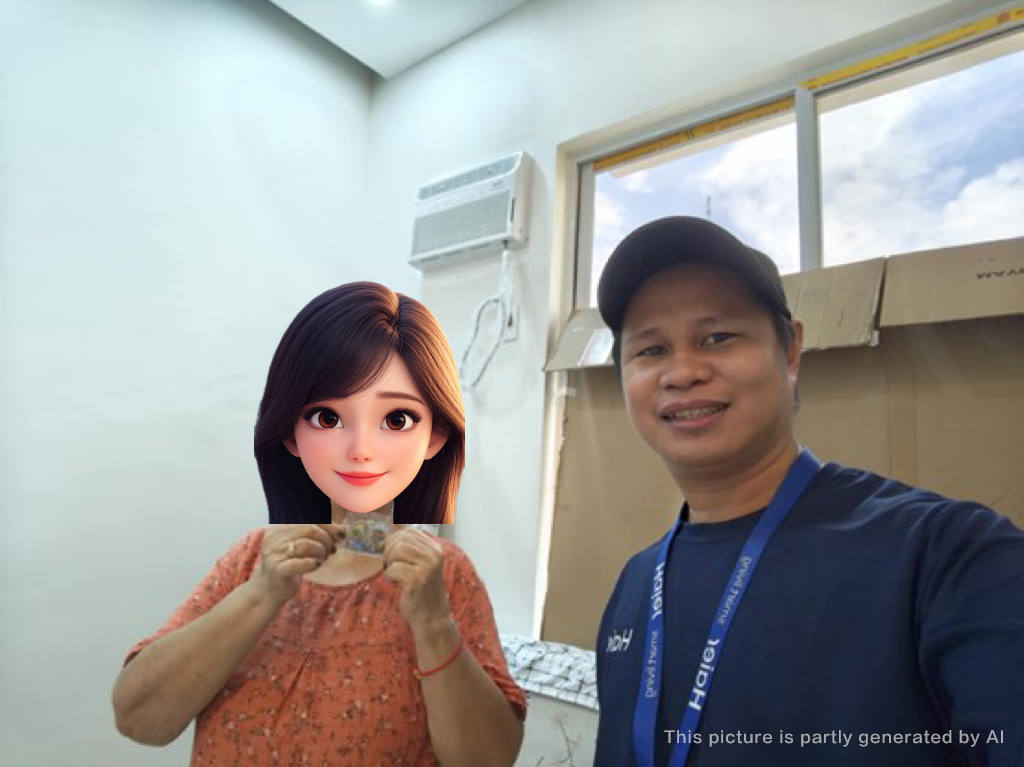
Core Insights - Chinese home appliance brands have historically focused on performance growth and factory production in overseas markets, neglecting service system development, leading to a perception of a service void in these markets [1] - Haier Smart Home is breaking this perception by achieving the highest user satisfaction on Vietnam's largest appliance retail platform DMX by July 2025, through digital service models and optimized dispatch systems [3] Group 1: Service Efficiency Improvements - Haier Smart Home is addressing slow service times in Vietnam by implementing digital collaboration to enhance service efficiency, achieving nearly a 20% improvement in service timeliness through pilot projects and system integration with DMX [3] - The company has initiated a direct dispatch model for service orders, achieving a 98% direct dispatch rate, with plans to expand this model to third-party networks and other regional countries [3] Group 2: Enhanced User Experience - The introduction of the "5S" service standard across five Southeast Asian countries has improved user satisfaction, with over 40,000 users benefiting and a 70% improvement in user reputation [4] - In the first half of the year, despite market pressures, Haier Smart Home experienced an 18.29% growth in the Southeast Asian market, maintaining its position as the top player in the white goods sector, particularly in Vietnam [4] - The company's experience indicates a shift in overseas market competition from sales to service, suggesting that a digital and localized service system may become a new pillar for brand premiumization [4]


读懂“陪伴经济”的市场潜力(评论员观察)
Ren Min Ri Bao· 2025-09-21 22:22
Core Insights - The "accompanying economy" addresses the gap in life needs caused by changes in family structure and social dynamics, providing market-driven solutions for companionship services [1][3] Group 1: Market Dynamics - Various companionship services, such as medical accompaniment and urban photography, are becoming increasingly common, offering direct and efficient access to companionship while alleviating the psychological burden of owing favors [1] - The rise of the "accompanying economy" is rooted in social changes, including increased mobility and a focus on emotional value among new consumers who are willing to pay for customized and professional companionship experiences [1][3] Group 2: Service Standards and Quality - The initial phase of the "accompanying economy" may slow market expansion due to the need for standardization, which is essential for long-term development [2] - Organizations are beginning to establish service standards and protocols, such as the "Elderly Accompaniment Service Standards" released by the China Social Welfare and Elderly Service Association, which outlines service processes and complaint mechanisms [2] Group 3: Future Market Potential - The "accompanying economy" is expected to play a crucial role as family sizes shrink and the aging population increases, with a projected market size of 50 billion yuan by 2025 [3] - The growth of this sector reflects a higher pursuit of quality of life and the adaptability of social services to new changes, emphasizing the importance of investing in human connections and leveraging technology [3]
万亿赛道龙头引领:途虎养车以“规模+技术”定义行业新范式
Guan Cha Zhe Wang· 2025-09-11 10:58
Industry Overview - The automotive service industry in China, driven by over 359 million vehicles, is undergoing a significant transformation, with the market expected to reach 1.9 trillion yuan by 2025 and 2.2 trillion yuan by 2030 [1] - The industry is characterized by a fragmented competitive landscape, comprising 4S dealerships, large chain platforms, regional chains, and numerous independent repair shops [1] Market Dynamics - The automotive after-market is currently in a deep adjustment phase, with a reported 5% decline in cumulative output value and a 4% decrease in service visits in the first half of 2025 [3] - Despite the overall market contraction, leading companies like Tuhu Car Maintenance have reported positive financial results, with a 10.5% year-on-year increase in revenue to 7.88 billion yuan and a 14.6% rise in adjusted net profit to 410 million yuan [3][4] Company Performance - Tuhu Car Maintenance's stock price surged by 11.44% following the release of its strong financial results, highlighting the impact of its sustained investment in technology and operational efficiency [5] - As of June 30, 2025, Tuhu has expanded its service network to 7,205 locations, a 14.2% increase year-on-year, with a significant focus on lower-tier cities [6] Strategic Initiatives - Tuhu has implemented various support measures for franchise stores, enhancing their operational vitality and achieving over 90% profitability among stores operating for more than six months [6] - The company employs a dual-track strategy, collaborating with both international brands and domestic manufacturers to cater to diverse consumer needs [7] Growth Areas - The fast repair segment has seen over 60% revenue growth, driven by increasing demand as vehicle ages rise [7] - Tuhu's new energy vehicle (NEV) segment has also experienced substantial growth, with NEV transaction users increasing by 83.5% year-on-year [8] Technological Advancements - Tuhu has integrated AI technology across its operations, enhancing service quality and operational efficiency, with a focus on data-driven decision-making [12][13] - The company has developed a comprehensive automotive parts database with a 99.99% accuracy rate, significantly improving inventory management and service delivery [12][14] Customer Experience - Tuhu's commitment to high service standards is reflected in the implementation of over 1,700 service SOPs and the use of AI for quality control, resulting in high customer satisfaction rates [11][14] - The company boasts a user base of 150 million registered users, with a 95% satisfaction rate and a 64% repurchase rate, reinforcing its market position [14][15]

飞航班不是演苦情戏
Hu Xiu· 2025-07-11 05:22
Core Viewpoint - The article emphasizes the importance of adhering to Standard Operating Procedures (SOP) in the airline industry to ensure consistent and fair service delivery, rather than relying on subjective interpretations of service quality [13][18][25]. Group 1: Service Quality Perception - Service quality in the airline industry is highly subjective, with passengers' experiences varying widely based on personal expectations and interactions [2][3]. - The perception of service can be influenced by the behavior of flight attendants, where some may strictly follow SOPs while others may attempt to provide overly personalized service, leading to mixed results [6][7]. Group 2: Importance of SOP - SOPs are designed to ensure fairness, safety, and order within the airline service framework, outlining what must be done, what is optional, and what should not be exceeded [13][14]. - Airlines should uniformly apply SOPs to avoid confusion among passengers regarding service standards, ensuring that all passengers receive the same level of service based on their ticket class [15][16]. Group 3: Consequences of Deviating from SOP - Deviating from established procedures can lead to operational chaos and dissatisfaction among passengers, as seen in examples where flight attendants' attempts to provide extra care resulted in complaints [8][10][20]. - The article warns against the pitfalls of emotional decision-making in service delivery, which can create unrealistic expectations among passengers and lead to perceptions of unequal treatment [19][22][29]. Group 4: Professionalism in Service - True professionalism in the airline industry involves executing tasks within the framework of established rules, ensuring that passengers understand that their treatment is based on clear policies rather than individual whims [28][30]. - The article advocates for maintaining standards and clarity in service delivery to prevent future complications for airline staff and to uphold trust with passengers [24][26].
家居服务及售后市场剖析:以鲁班到家为核心的行业洞察
Sou Hu Cai Jing· 2025-05-13 11:11
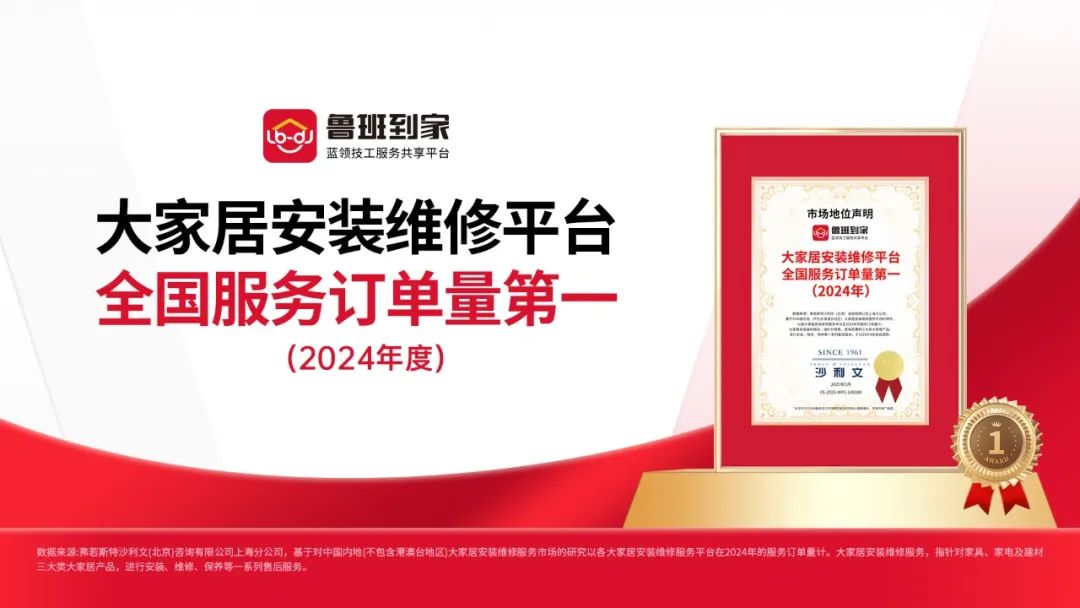
Core Viewpoint - The home service and after-sales market is increasingly important in the home industry, evolving from a neglected segment to a key factor influencing consumer purchasing decisions, corporate reputation, and industry development [2] Group 1: Current Status of Home Service and After-sales Market - The home industry is projected to have a compound annual growth rate of approximately 2.8% over the next five years, reaching a market size of 51.7 trillion by 2028 [3] - Despite a slowdown in growth due to real estate cycles, the demand for home services remains stable, driven by essential market resilience and an awakening awareness of housing improvement and service needs [3] - The demand for home services is diversifying, expanding beyond traditional installation and repair services to include smart home products, fitness equipment, and pet furniture, driven by policies like "old-for-new" [4] - Online service demand is significantly increasing, with over half of households requiring home services 1-2 times per quarter, and many consumers preferring online platforms for installation and repair needs [4] Group 2: Factors Behind Strong Demand - The rise of the young consumer demographic, particularly those born in the 1990s and 2000s, is becoming the main force in home consumption, emphasizing convenience, efficiency, and high service standards [7] - The digital transformation of the home industry is accelerating, with companies expanding online markets and facing challenges in providing efficient nationwide service networks [8] - Consumers are increasingly willing to pay for high-quality home services, focusing not only on product prices but also on the quality and safety of installation, maintenance, and after-sales services [9] Group 3: Luban Home as an Industry Leader - Luban Home ranks as the top home installation and repair service platform in China, with over 3 million blue-collar workers across all provincial regions, achieving a service coverage rate of over 98% in county orders [10][11] - The S2B2C model adopted by Luban Home effectively addresses service radius issues post-e-commerce, enhancing service efficiency and reducing costs by 30%-40% [11] - Luban Home covers over 40 subcategories of services, including traditional and emerging categories, providing a one-stop service experience for consumers [13] - The platform utilizes a digital service management system to ensure transparency and efficiency in service delivery, with a comprehensive tiered system for service providers [14] Group 4: Impact of Luban Home on the Industry - Luban Home has established standardized service processes, promoting professionalism and digitalization in the home service sector [16][17] - The digital service model of Luban Home serves as a successful example for the industry's digital transformation, enhancing operational efficiency and service quality [19] - Consumers benefit from transparent management and professional services, significantly improving their service experience [19] - Luban Home creates job opportunities for blue-collar workers, enhancing their income and professional recognition [20] Group 5: Future Development Trends in the Industry - The standardization and normalization of services will continue to advance, with more companies adopting best practices from leading platforms like Luban Home [20] - Digital and intelligent service upgrades will become more prevalent, utilizing technologies like big data and AI for precise service matching and monitoring [21] - The integration of green and sustainable service concepts will gain traction, focusing on environmentally friendly practices throughout the service process [22] - The demand for diversified and personalized services will drive the industry towards offering more value-added services and customized solutions [22]
中国目的地·入境游简报006|外国网红游中国启示录
Xin Lang Cai Jing· 2025-05-12 01:15
Core Insights - The rise of foreign influencers visiting China, particularly the American YouTuber "IShowSpeed," has created a significant buzz in the international tourism market, showcasing the potential of leveraging influencer marketing to enhance China's global tourism appeal [1][2][3] - The live-streaming format used by influencers provides an unfiltered view of China, which resonates more with international audiences compared to traditional promotional content [12][14] - The influx of attention from these influencers has led to a notable increase in inbound tourism metrics, including a 200% surge in hotel search indices during the May Day holiday [5][26] Group 1: Foreign Influencer Impact - The phenomenon of foreign influencers visiting China is gaining momentum, with videos achieving millions of views and reshaping perceptions of the country [2][3] - "IShowSpeed's" live-streaming journey across multiple cities has garnered over 90.7 million views, highlighting the effectiveness of real-time content in attracting global interest [3][5] - The cultural exchanges showcased during these visits, such as the interactions at Shaolin Temple, have been praised for promoting mutual understanding and goodwill [6][15] Group 2: Tourism Trends and Data - The first quarter of 2025 saw a 33.4% year-on-year increase in inbound and outbound travel, with 1.63 billion people checked at immigration [26] - International flight passenger numbers reached 18.9 million in the first quarter, marking a 34% increase compared to the previous year [27] - Inbound tourism consumption in Jiangsu reached 6.547 billion yuan, reflecting a 21.69% growth, while Yunnan reported a 77.9% increase in overnight visitors [28][29] Group 3: Policy Developments - The Chinese government is actively enhancing the inbound tourism environment through various initiatives, including optimizing tax refund policies and promoting cultural tourism [17][19] - New visa agreements, such as the mutual visa exemption with Azerbaijan, aim to facilitate easier travel for international tourists [18] - Local governments are implementing innovative tourism strategies, such as Zhejiang's pilot programs for international tourism and Anhui's "doubling plan" for inbound tourism [20][21] Group 4: Service Quality and Challenges - The live-streaming events have highlighted the disparities in service quality within the tourism sector, emphasizing the need for improved translation and customer service standards [11][15] - The tourism industry must address the challenges of over-tourism and its impact on local communities, advocating for sustainable tourism practices that balance visitor experiences with residents' quality of life [39][41] - Recommendations include standardizing service protocols and enhancing the training of tourism personnel to better cater to international visitors [15][16]

鲁班到家登顶全国服务订单量第一,正在成为大家居服务新基建
3 6 Ke· 2025-05-08 01:06
Core Insights - The Chinese home furnishing consumption structure is undergoing significant changes as the era of high growth in the real estate industry comes to an end, with a shift towards home updates, repairs, and functional improvements becoming a rapidly growing segment of household spending [1][7] - The market for home installation and maintenance services in China is projected to exceed 700 billion yuan in 2024 and reach 896.1 billion yuan by 2029, with a compound annual growth rate of 4.9% over five years [1][4] - Luban Home has emerged as a leading platform in the home installation and maintenance service sector, ranking first in actual service order volume in 2024, based on real service fulfillment data rather than traditional GMV metrics [1][3] Industry Trends - The demand for new housing is slowing, while second-hand home transactions are increasing, leading to a reconfiguration of living spaces among middle-class families [1][7] - The home service industry is transitioning from a "connection intermediary" model to one focused on "delivery capability," with platforms like Luban Home leveraging technology for a full-process closed loop [3][4] - The home service market is characterized by a lack of standardization, with many consumers expressing dissatisfaction with the unpredictability of service quality [3][5] Company Overview - Luban Home operates a platform that aggregates over 3 million blue-collar workers across all provincial administrative regions in China, achieving nationwide coverage for home services [4][6] - The platform employs a service standardization system, including skill certification, service tiering, and a star rating system, to ensure service quality and controllability [4][6] - Luban Home's business model includes a wide range of service categories, covering furniture, home appliances, and smart home installations, among others, thus expanding its market reach [4][6] Service Standardization - The company has developed a comprehensive service management system that quantifies service quality through metrics such as fulfillment orders, customer satisfaction ratings, and service radius [5][6] - Luban Home's service model includes a full range of offerings from installation to maintenance, utilizing intelligent algorithms for optimal technician allocation based on various factors [5][6] - The platform has achieved a service satisfaction rate of 98.52%, reflecting its commitment to standardizing service delivery [6] Future Outlook - As China's population ages, the demand for home services tailored to older adults is expected to grow, with the market for such services experiencing an annual growth rate of 12% over the past three years [7][8] - Luban Home is positioned to address the challenges of an aging workforce in the service industry by providing training programs and incentives for blue-collar workers [7][8] - The company is facilitating a shift from a product-driven to a service-driven industry, redefining the connection between workers and brands while enhancing overall service efficiency [8]