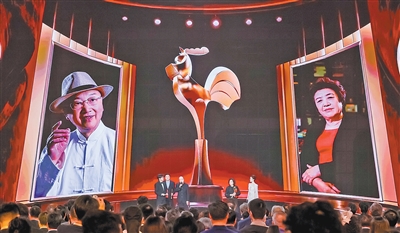
民族精神

Search documents
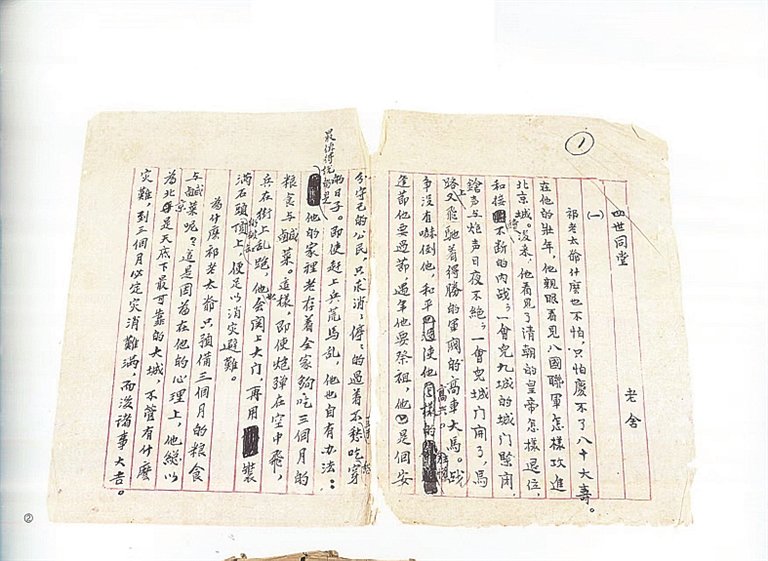
【铭记历史 缅怀先烈·抗战中的文艺力量】《四世同堂》:“抗战文艺的一个较大的纪念品”
Xin Lang Cai Jing· 2026-01-10 18:28
Core Viewpoint - The article highlights the significant role of Lao She in the anti-Japanese literary movement during the Second Sino-Japanese War, particularly through his novel "Four Generations Under One Roof," which serves as a powerful testament to the national spirit and resistance against war [1][3][5]. Group 1: Historical Context - In 1937, Lao She joined the anti-Japanese movement, becoming a leading figure in the "Chinese National Literary and Art Anti-Japanese Association" [1]. - Lao She emphasized the importance of literature in expressing the realities of war, stating that ignoring the impact of war equates to living in ignorance [2]. Group 2: Literary Contributions - "Four Generations Under One Roof" was written between 1944 and 1945, with its serialization in "Sao Dang Bao" significantly boosting the publication's sales [3]. - The novel portrays the struggles of a family during the war, reflecting the broader societal impacts of conflict and resonating with readers who experienced similar hardships [5][7]. Group 3: Reception and Impact - The novel was praised as an unprecedented long narrative in Chinese literature, capturing the essence of daily life in occupied territories and the resilience of ordinary people [5][8]. - Critics noted that the work's focus on everyday struggles rather than heroic deeds provided a more profound commentary on the human condition during wartime [7][8]. Group 4: Legacy - "Four Generations Under One Roof" has been adapted into various forms, including television series and stage plays, indicating its lasting influence [8]. - The novel continues to serve as a cultural mirror for readers, helping them understand their identity and the collective struggle of the nation [8].

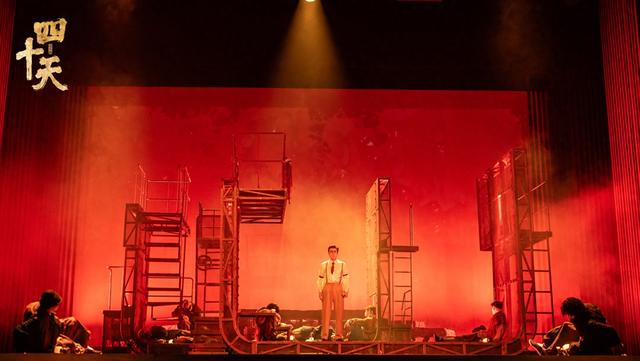
再现长江上“敦刻尔克”式救国壮举,音乐剧《四十天》在京首演
Xin Lang Cai Jing· 2025-12-28 08:05
Core Viewpoint - The musical "Forty Days," produced by the China Oriental Performing Arts Group, dramatizes the historical event known as the "IYichang Evacuation," which is likened to the Dunkirk evacuation in World War II, highlighting the courage and determination of Chinese patriots during the Second Sino-Japanese War [1][3]. Group 1: Historical Context - In the autumn of 1938, as Japanese forces advanced on Yichang, over 1.5 million people and a million tons of strategic materials were evacuated within 40 days under the leadership of patriot Lu Zuofu, preserving China's industrial lifeline [3]. - The musical is based on this evacuation, showcasing the urgency and heroism involved in the operation [3]. Group 2: Narrative and Character Development - The story unfolds through the interactions between Lu Zuofu, crew members, refugees, and soldiers, creating a rich tapestry of human experience against the backdrop of war [3]. - Subplots include Lu Zuofu's wife evolving into a supportive new woman and the relationship between Lu's subordinate and a Fudan University graduate, adding depth to the main narrative [3]. Group 3: Stage and Musical Elements - The stage design features industrial elements like gears and metal bridges, symbolizing the weight and value of China's industrial efforts during the war [5]. - The musical incorporates a "three-stage" shipping method, visually represented on stage, emphasizing the logistical strategies employed during the evacuation [5]. - The score, composed by Lao Zai, combines elements of opera and various musical styles, with the Sichuan river shanty serving as a powerful symbol of national spirit, enhancing the dramatic tension throughout the performance [5].
色彩“染”就《大染坊》
Xin Lang Cai Jing· 2025-12-22 17:14
Core Viewpoint - The dance drama "Dye House" produced by the Shandong Provincial Department of Culture and Tourism showcases the rich history and artistry of the textile dyeing industry in China, using color as a narrative device to explore the life of the protagonist, Chen Shouting, and the broader themes of national spirit and personal struggle [7][9]. Group 1: Artistic Expression - The dance drama utilizes color as a central theme, representing the protagonist's life experiences and values through different hues, reflecting the historical context of the textile industry in Shandong during a tumultuous period [7][8]. - The choreography incorporates elements of the dyeing process, such as dyeing, drying, and color mixing, emphasizing the beauty and strength of the dancers' movements [8]. - The visual design of the production, including costumes and stage elements, uses color to convey the emotional journey of the characters and the narrative progression without the need for dialogue [8][9]. Group 2: Historical Context - The narrative is set against the backdrop of China's long-standing dyeing tradition, dating back to the Shang and Zhou dynasties, and highlights the evolution of the dyeing industry through significant historical changes [7]. - The character of Chen Shouting symbolizes the resilience and determination of modern Chinese entrepreneurs, illustrating the connection between personal ambition and national identity [7][9]. - The progression of colors in the drama, from pure white to deep red, symbolizes the awakening of national spirit and the intertwining of individual struggles with the fate of the nation [9].
钢琴公益音乐会海口落幕
Xin Lang Cai Jing· 2025-12-21 17:39
Core Viewpoint - The "Piano Charity Concert" held in Hainan showcased a blend of revolutionary themes and new free trade narratives, highlighting the cultural significance of music in promoting national spirit and heritage [1] Group 1: Event Overview - The concert took place on December 19 at the Hainan Intangible Cultural Heritage Exhibition Center, featuring a full house and enthusiastic applause [1] - The event was centered around a "dual theme fusion," connecting red memories with new free trade chapters [1] Group 2: Performance Highlights - The first half featured a piano suite of eight classic segments from "The Red Detachment of Women," performed by various pianists, which vividly recreated the heroic spirit and steadfast beliefs of revolutionary female figures [1] - The second half included grand performances such as the "Yellow River" piano concerto, where young pianists delivered powerful interpretations of pieces that embody the indomitable spirit and deep national sentiment of the Chinese people [1]
故园放歌(谈艺录)
Ren Min Ri Bao· 2025-12-13 22:01
Core Viewpoint - The artist emphasizes the importance of connecting with nature to create art that resonates with contemporary times, drawing inspiration from traditional Chinese landscape painting and cultural heritage [1]. Group 1: Artistic Philosophy and Inspiration - The artist's work is influenced by the philosophy of Li Keran, focusing on discovering beauty through observation and expressing national pride through art [1]. - The "Jiangshan Wanli Xing" series, developed over nearly a decade, integrates traditional Chinese culture and national spirit, culminating in a successful exhibition at the National Museum of China in 2015 [1]. - The "Gu Yuan Jia Shan" series, initiated in 2020, aims to celebrate the artist's homeland, resulting in over 100 works created through field research in Hubei's Xian Ning region [1]. Group 2: Cultural and Regional Significance - The artist's connection to the local culture and landscape serves as a vital source of inspiration, with a focus on the ecological and cultural richness of the Xian Ning area [2]. - The works reflect a systematic exploration of local historical and cultural elements, weaving together collective memories and natural beauty [2]. Group 3: Techniques and Artistic Expression - The artist employs traditional techniques while innovatively adapting them to capture the unique characteristics of Xian Ning's landscapes, enhancing the modernity of the artwork [3]. - Specific techniques include the use of color and brushwork to convey emotional depth and historical context, creating a multi-dimensional visual experience [3]. Group 4: Artistic Intent and Future Direction - The essence of Chinese landscape painting is described as a reflection of both nature and the artist's inner state, emphasizing the importance of the artist's character over mere technical skill [5]. - The artist expresses a commitment to continue exploring and enriching the "Jiangshan Wanli Xing" theme, aiming to tell compelling stories about China through unique artistic language [5].

感悟中国电影的青春之泉(金台随笔)
Ren Min Ri Bao· 2025-12-01 22:11
Core Insights - The article highlights the evolution and achievements of Chinese cinema over the past 120 years, emphasizing its strong connection to reality and societal issues [2][4]. Group 1: Historical Context - Chinese cinema has always been rooted in reality, reflecting the nation's fate and societal concerns since its inception in 1905 [2]. - Significant films like "The Song of Youth" and "The Battle at Lake Changjin" showcase themes of unity and patriotism during critical historical moments [2][4]. Group 2: Industry Development - Early filmmakers, such as the Wan brothers and the Yan'an Film Group, laid the foundation for a unique Chinese cinematic style, overcoming various challenges to create impactful works [3]. - The revival of classic films using AI technology, such as "The Battle of Dingjunshan," demonstrates the industry's innovative spirit and commitment to preserving its heritage [5]. Group 3: Cultural Significance - Films like "The Iron Man" and "The Story of Jiao Yulu" portray the spirit of the nation and its people's resilience, reflecting the collective memory and aspirations of the Chinese populace [4]. - The current landscape of Chinese cinema is characterized by a blend of traditional values and modern storytelling, aiming to inspire and resonate with audiences [5].

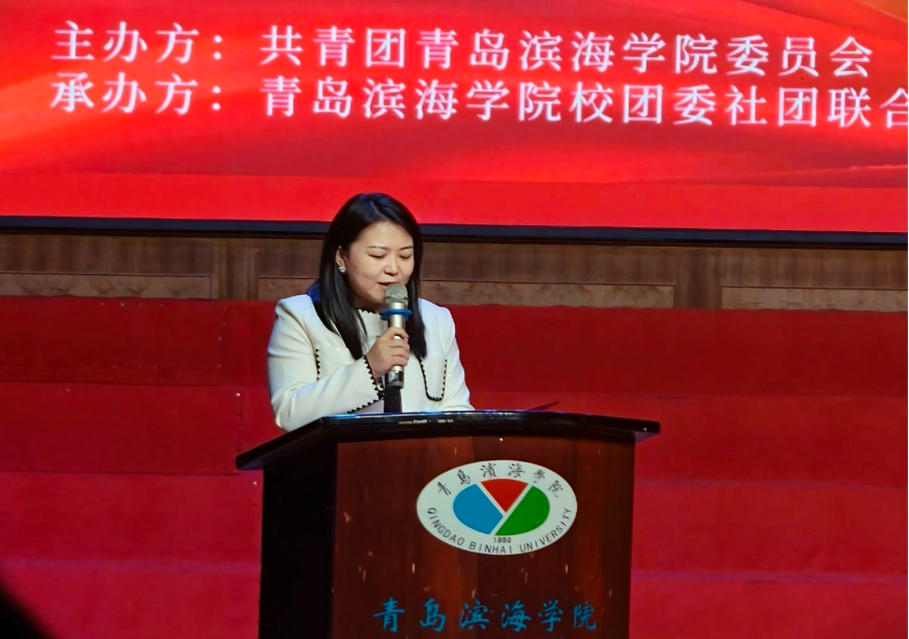
《国之脊梁》线下舞台剧实践基地落户青岛滨海学院
Yang Shi Wang· 2025-11-25 08:41
Core Points - The cultural project "The Backbone of the Nation" has officially launched its offline stage practice base at Qingdao Binhai College, marking a new phase of practical transformation for this significant cultural initiative [1] - The project aims to celebrate the contributions of national heroes through stage performances, promoting patriotism and the spirit of reform and innovation [1] - The establishment of the practice base is a strategic move to integrate excellent cultural projects with educational practices, providing students with opportunities to engage in artistic creation and experience the power of role models [1][8] Group 1 - The launch ceremony was themed "Inheriting the Backbone Spirit, Building a Monument of the Times," featuring the release of the theme song "Hello, China," performed by renowned singer Ding Wenyu [3] - The first stage performance showcased two chapters from the series: "The Backbone of the Nation: Qian Xuesen" and "The Backbone of the Nation: Huang Lingyi," highlighting the stories of these prominent figures [5][6] - The performances effectively portrayed the patriotic and scientific spirit of these scientists, providing the audience with a profound artistic experience [8] Group 2 - Qingdao Binhai College plans to leverage the establishment of the practice base to integrate high-quality resources and support its development, aiming to create a significant platform for ideological and artistic education [8]
民族危难中的一曲文明壮歌
Ren Min Ri Bao· 2025-11-20 22:21
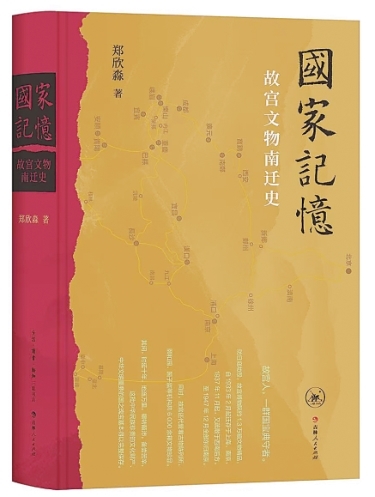
Core Viewpoint - The book "National Memory: The History of the Relocation of Palace Museum Artifacts" by Zheng Xinmiao highlights the significant cultural migration of Palace Museum artifacts from 1933 to 1949, emphasizing the dedication of the Palace staff in preserving cultural heritage during a tumultuous period in Chinese history [2]. Group 1 - The book utilizes a wealth of previously undisclosed archives, diaries, letters, and images to recount the largest and longest cultural migration in world history, which involved the relocation of 19,000 boxes of artifacts [2][3]. - The decision to relocate the artifacts was made in response to the national crisis and the prolonged nature of the War of Resistance against Japan, reflecting a strategic arrangement that included the relocation of government and educational institutions [3][4]. - The narrative is framed within the emotional context of national survival, showcasing the collective responsibility and spirit of the Palace staff who undertook the monumental task of protecting the artifacts amidst war [4][5]. Group 2 - The book details the challenges faced by the Palace staff during wartime, including rising living costs and family separations, which underscored their commitment to safeguarding cultural heritage [4]. - An important international exhibition held in London in 1935 is highlighted, where the selection of artifacts aimed to showcase Chinese artistic achievements, reinforcing the connection between cultural exchange and national strength [5]. - The author emphasizes that the Palace staff's dedication during this critical period exemplifies their commitment to civilization and national duty, marking a significant chapter in the history of cultural preservation [5].
理响中国·烽火丹心|守护抗战生命线!致敬南侨机工永不褪色的青春
Yang Guang Wang· 2025-11-20 05:25
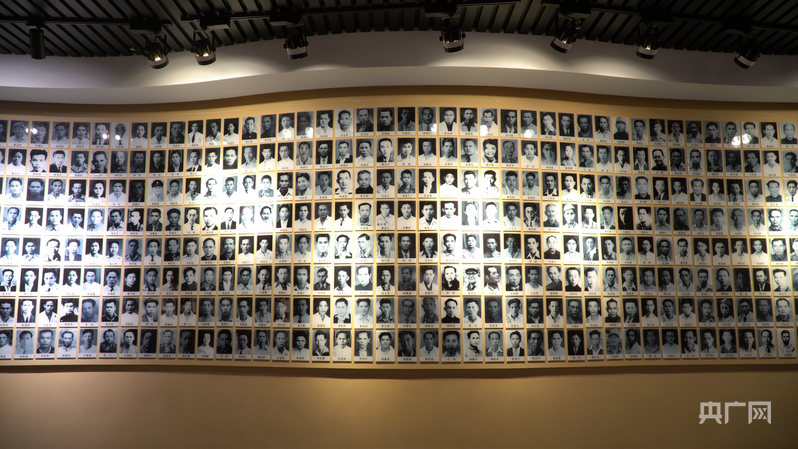
Core Viewpoint - The article highlights the heroic contributions of the South Overseas Chinese workers (南侨机工) during the Second Sino-Japanese War, emphasizing their sacrifices and the significance of their actions in maintaining China's only international supply route, the Burma Road [1][10]. Group 1: Historical Context - In 1938, the Second Sino-Japanese War entered a strategic stalemate, with transportation lines being tightly blocked, making the Burma Road crucial for international aid [1]. - Over 3,200 young overseas Chinese, called upon by the prominent overseas Chinese figure Chen Jiageng, embarked on the perilous journey along the "Death Road" to support the war effort [1]. Group 2: Personal Stories - Among the workers, there were individuals who concealed their ages, disguised themselves, or left lucrative jobs, all driven by a shared belief that "the country needs me" [3]. - Li Yuemei, the only female driver, disguised herself as a male to join the effort, showcasing extraordinary bravery until her identity was revealed after an accident [3][4]. Group 3: Legacy and Impact - The stories of these workers illustrate that ordinary individuals can significantly impact history, embodying the spirit of the nation [6]. - The legacy of the South Overseas Chinese workers continues to resonate today, serving as a reminder of patriotism and the importance of remembering and passing on their sacrifices [10].
将艺术的“根”深扎于民族文化的沃土
Ren Min Ri Bao· 2025-11-19 22:20
Core Viewpoint - The development of Chinese cinema over 120 years is closely linked to the nation's destiny and cultural identity, emphasizing the importance of integrating artistic creation with national development [1][4]. Group 1: Historical Context and Artistic Philosophy - Chinese cinema has evolved through various historical phases, with filmmakers embedding national culture and people's lives into their works, ensuring that films resonate with the spirit of the times [1][3]. - The creative process is driven by a strong emotional connection to the subject matter, particularly when it relates to the nation's fate, highlighting the necessity of passion and commitment in filmmaking [2][4]. Group 2: Creative Process and Challenges - The production of significant films, such as "The Founding of a Nation," involved extensive logistical efforts, including the participation of 15,000 extras and 138 actors, showcasing the dedication required to bring historical narratives to life [2]. - Filmmakers must balance historical accuracy with artistic expression, ensuring that characters and events are portrayed with depth and emotional resonance, which enhances the film's impact [3][4]. Group 3: Future of Chinese Cinema - The future of Chinese cinema relies on the younger generation, who are encouraged to embrace their creativity and contribute to the narrative of contemporary China, thereby continuing the legacy of national spirit through film [4].