流量转化

Search documents
常州终于进球
2 1 Shi Ji Jing Ji Bao Dao· 2025-08-17 08:24
Core Viewpoint - Changzhou has successfully transformed the excitement of the Suzhou Super League (Su Super) into a vibrant cultural and economic phenomenon, leveraging community engagement and innovative marketing strategies to enhance its city image and boost local tourism and industry [3][4][17]. Group 1: Community Engagement and Marketing Strategies - Changzhou has become the "popularity king" among the thirteen cities in the Su Super, thanks to its unique charm and community involvement [3][4]. - The local government has actively engaged in social media interactions, breaking down barriers between officials and citizens, which has significantly increased public participation in the Su Super events [8][9]. - The city has launched various creative campaigns, such as themed events for each match, including free admission to attractions for visitors from rival cities, which has attracted significant tourist traffic [13][15]. Group 2: Economic Impact and Tourism Growth - In June, Changzhou's key tourist attractions received 5.33 million visitors, a year-on-year increase of 13.4%, generating direct revenue of 480 million yuan, up 10.7% [17]. - The local tourism sector has seen a remarkable increase in consumer spending and visitor numbers, leading to Changzhou ranking first in the province for tourism growth since the start of the Su Super [17]. - The city has not only focused on tourism but has also promoted local industries and improved its business environment, enhancing its overall brand influence [17].


常州终于进球
21世纪经济报道· 2025-08-17 07:38
Core Viewpoint - The article discusses how Changzhou leveraged the "Pen Stroke Defense War" during the Suzhou Super League to enhance its city image and promote local tourism and industries through creative marketing strategies and community engagement [4][14]. Group 1: Event and Community Engagement - Changzhou's football team achieved a significant victory in the ninth round of the Suzhou Super League, which sparked excitement and joy among fans [2]. - In response to the support from the public, Changzhou quickly launched six major gifts, including a lottery for fans, creating a celebratory atmosphere [3]. - The local government actively engaged in social media interactions, which helped bridge the gap between officials and the public, enhancing community participation [8][9]. Group 2: Marketing Strategies - Changzhou utilized the Suzhou Super League as a platform to promote local attractions and industries, including unique marketing campaigns like "9.9 yuan ticket + radish dry fried rice" [4][12]. - The city introduced themed events for each match, such as showcasing local cuisine and manufacturing, which significantly increased local tourism and engagement [11][12]. - The local government effectively responded to the "losing strokes" meme, turning it into a marketing opportunity that resonated with the public [9]. Group 3: Economic Impact - The influx of visitors due to the Suzhou Super League led to a notable increase in tourism, with key attractions receiving 533 million visitors in June, a 13.4% year-on-year increase [14]. - The local economy benefited from the event, with direct revenue from key tourist sites reaching 480 million yuan, reflecting a 10.7% increase [14]. - Changzhou's tourism consumption and visitor numbers have been the highest in the province since the start of the Suzhou Super League [14][15].

电商巨头,为何竞逐短剧风口?|南财号热话
2 1 Shi Ji Jing Ji Bao Dao· 2025-08-03 23:30
Core Insights - The short drama sector is experiencing intense competition, with new entrants including major e-commerce platforms like JD.com, Pinduoduo, and Taobao, indicating a strategic shift towards content-driven user engagement [1][4][11] Group 1: JD.com's Strategy - JD.com has recently begun recruiting for multiple short drama-related positions, with salaries reaching up to 1.4 million yuan, highlighting its strategic commitment to this sector [1][5][7] - The launch of a "short drama" channel within the JD app, currently in a testing phase, signifies JD's intent to integrate short dramas into its ecosystem [5][7] - JD.com aims to consolidate its previous short drama efforts into a comprehensive content operation and commercial conversion system, focusing on content innovation [7][18] Group 2: Competitor Analysis - Taobao has a long-standing investment in short dramas, launching initiatives like the "100 Billion Taobao Drama Plan," which allocates 5 million yuan per drama and over 1 billion yuan in traffic support [7][11] - Pinduoduo's "Duo Duo Has Good Dramas Plan" incentivizes creators with lifetime revenue sharing and enhanced CPM rates, targeting the lower-tier market with free content [9][10] - Meituan integrates short dramas with local services, embedding purchase options within the content to create a seamless consumer experience [10][12] Group 3: Market Dynamics - The e-commerce giants are responding to stagnating user growth and rising customer acquisition costs, with the online shopping user base in China reaching 974 million, growing only 6.5% year-on-year [11][14] - Short dramas, characterized by their brief, engaging formats, are seen as a means to enhance user retention and reduce acquisition costs by increasing time spent on platforms [14][17] - The competition is shifting from price wars to content differentiation, with short dramas filling gaps in the content ecosystems of these platforms [14][18] Group 4: Future Outlook - The entry of e-commerce platforms into the short drama space is expected to reshape the market, but established players like Hongguo may maintain their lead due to their content expertise [18][19] - The market may evolve into a dual structure where specialized short drama platforms dominate content creation while e-commerce platforms focus on enhancing transaction conversions [19][21]




一半温柔,一半坚韧——小白站经理180天成长故事
Qi Lu Wan Bao· 2025-06-30 02:02
Group 1 - The company faced challenges due to a hidden location and strong competition, leading to a decline in customer visits [2] - The solution involved leveraging video platforms for online traffic, capitalizing on the high daily active users [3][4] - The company successfully converted online traffic into sales through promotional strategies, resulting in a 23% increase in gasoline sales and 5,800 orders in 11 days [5] Group 2 - The company identified the need for quality and affordable promotional products to address customer complaints about pricing [7][8] - A successful procurement strategy was implemented by sourcing products from Yiwu, leading to a 38% increase in recharge transactions [11][12] - The introduction of new products resulted in the sale of 13,000 items and a reduction in marketing expenses by approximately 80,000 yuan [12] Group 3 - The company recognized the shift towards electric vehicles and the need to adapt by developing a car maintenance service [13] - A cost-effective car cleaning service was launched, attracting over 500 new customers and generating additional revenue [14] - The company emphasized the importance of service quality and customer engagement in its transformation strategy [15]
那些爆火出圈的城市,真靠旅游赚到钱了吗?
Hu Xiu· 2025-06-26 11:52
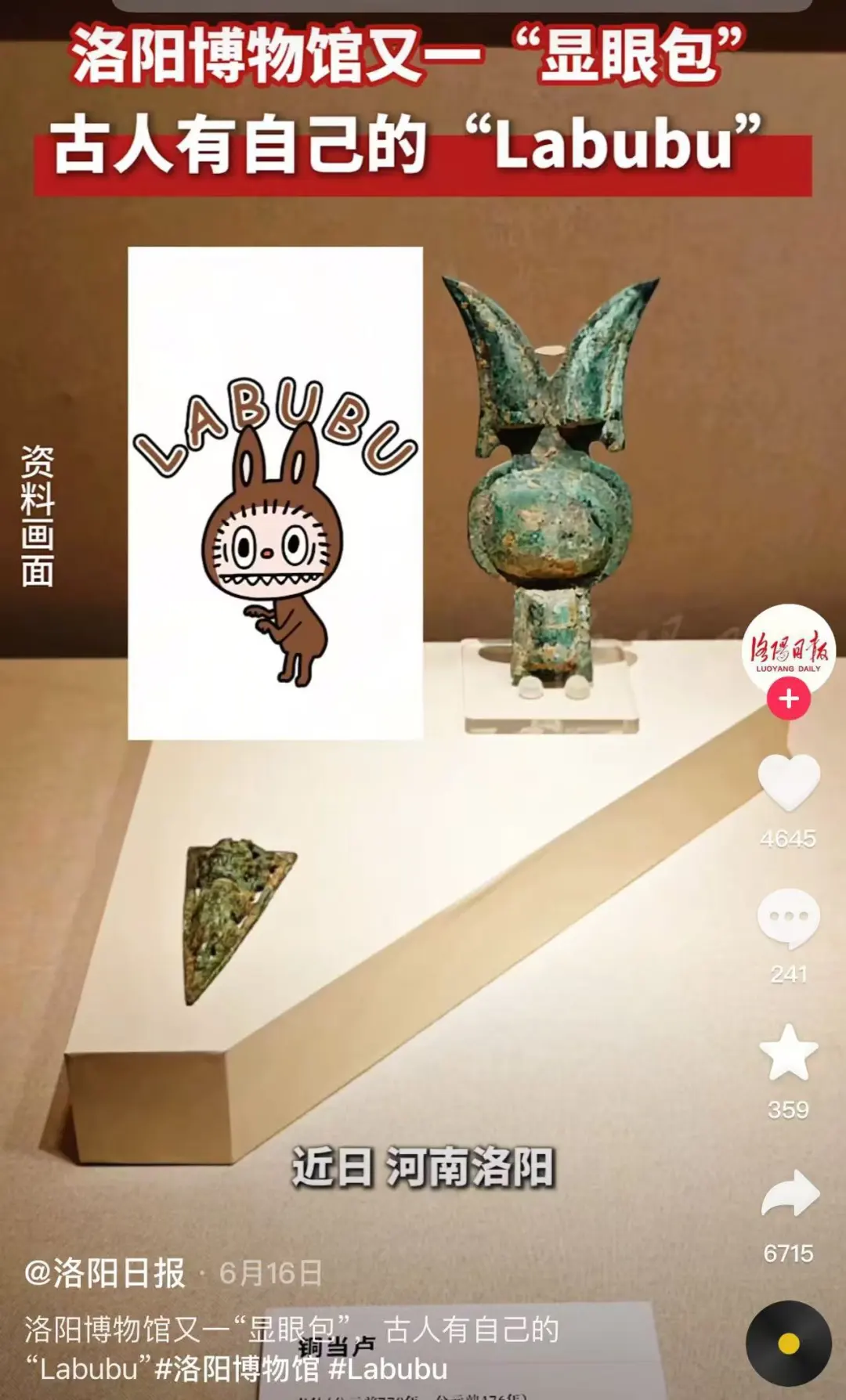
Group 1 - The article highlights the increasing trend of leveraging cultural artifacts and local attractions to drive tourism, exemplified by the discovery of a bronze artifact resembling a popular IP character, Labubu, in the Luoyang Museum [2][5][6] - Luoyang has successfully capitalized on this trend, experiencing a surge in visitor interest, making it a top destination for family travel in China this summer [7][11] - The article notes that Henan province has become a frequent topic on social media, with over 300 mentions related to tourism in 2024, indicating a strong online presence and engagement [9][10] Group 2 - The article discusses the importance of converting online traffic into physical visitors, emphasizing that destinations must adapt their marketing strategies to attract and retain tourists [4][18] - It mentions that successful marketing requires a deep understanding of social media dynamics and the ability to create engaging content that resonates with potential visitors [31][44] - The case of Shanxi province illustrates how effective collaboration with popular media, such as the game "Black Myth: Wukong," can enhance tourism visibility and attract visitors [22][26][28] Group 3 - The article emphasizes the need for destinations to innovate in their marketing approaches, moving beyond traditional methods to engage with audiences through humor and relatable content [41][42] - It highlights the effectiveness of using influencers and content creators to promote local attractions, as their authentic experiences can resonate more with potential tourists [43][40] - The article concludes that understanding platform rules and effectively utilizing trends is crucial for destinations to maintain relevance and attract visitors in a rapidly changing digital landscape [44][36]
银行退潮小红书!流量时代的“留量”困局
Bei Jing Shang Bao· 2025-05-15 14:55
Core Insights - The influx of users to Xiaohongshu due to TikTok's ban in the U.S. has created a marketing opportunity for financial institutions targeting younger demographics [1][3] - Major banks have successfully integrated Xiaohongshu into their brand strategies, while smaller banks struggle with low follower counts and infrequent updates, leading to a "traffic dilemma" [1][4] - The unique nature of financial products requires careful user decision-making, making it challenging for banks to convert interest into transactions on Xiaohongshu [1][5] Summary by Sections Marketing Strategy - Financial institutions initially rushed to Xiaohongshu to capitalize on the user influx, but as the initial excitement wanes, they must reassess their marketing strategies [3][7] - Over 60 official accounts from various banks exist on Xiaohongshu, with leading banks like China Merchants Bank boasting 481,000 followers [3][4] - The operational logic differs significantly between top-tier banks, which integrate Xiaohongshu into their overall brand strategy, and smaller banks that lack strategic planning [4][6] User Engagement - Xiaohongshu users spend an average of over 1 hour daily on the platform, primarily seeking to "discover a beautiful life," which contrasts with the serious nature of financial products [5][6] - Banks are encouraged to use Xiaohongshu for financial knowledge dissemination and user service, rather than solely for direct marketing [5][6] - The platform's user behavior is more focused on lifestyle sharing, making it difficult for banks to establish a direct "see and buy" link for financial products [8][9] Challenges and Opportunities - The commercialization of banks on Xiaohongshu is still in its early stages, with significant challenges in converting traffic into tangible business growth [7][9] - Banks need to create a complete marketing loop from "content seeding" to "demand awakening" and "business conversion" to effectively utilize Xiaohongshu [9][10] - Differentiation in content and targeting specific customer segments will be crucial for banks to stand out in a saturated market [10][11]

线上烧钱反噬利润?敷尔佳陷“流量困局”
Hua Xia Shi Bao· 2025-05-12 07:38
Core Viewpoint - Harbin Fulejia Technology Co., Ltd. (Fulejia) has experienced a significant decline in revenue and profit in Q1 2025, indicating ongoing challenges in its business operations and profitability metrics [2][4][10]. Financial Performance - In Q1 2025, Fulejia's revenue dropped by 26.39% year-on-year to 301 million yuan, with net profit falling nearly 40% to 91.38 million yuan [2]. - For the full year 2024, Fulejia reported a revenue increase of 4.32% to 2.017 billion yuan, but net profit decreased by 11.77% to 661 million yuan, and non-recurring net profit fell by 17% to 604 million yuan [5][10]. - The company's cash flow from operating activities turned negative for the first time, with a year-on-year decline of 151.78% [2]. Marketing and Sales Strategy - Fulejia's sales expense ratio surged from 5.72% to 52.89% over recent years, with marketing expenses in 2024 reaching 748 million yuan, exceeding net profit for the same period [5][6]. - Online direct sales accounted for 54.96% of total revenue in 2024, but the cost of acquiring customers online has increased, leading to a decrease in gross margin [6][7]. - The average price of Fulejia's cosmetic products fell from 40.99 yuan in 2023 to 34.82 yuan in 2024, indicating a decline in product pricing power [8]. Inventory and Production - Fulejia's inventory turnover days doubled to 307 days, with inventory levels increasing by 40.75% year-on-year, reflecting production outpacing sales [3][13]. - The company produced 21.386 million standard units in 2024, while sales were only 20.396 million units, leading to excess inventory [15]. Research and Development - Fulejia's investment in research and development is significantly lower compared to sales expenses, with a ratio of 21:1 in 2024, which has increased by 180% since 2021 [3][16]. - The focus on marketing over R&D raises concerns about the company's long-term competitive advantage in a challenging market environment [16].